
The Secret Window: Why Your Tween’s Next Two Years Will Shape Their Entire Relationship With Food
Before We Begin: What’s Your Biggest Tween Nutrition Concern?
Click the concern that resonates most with you right now:
Three months ago, my neighbor’s daughter Maya turned twelve. Overnight, it seemed, she went from happily munching on mangoes at my kitchen table to scrutinizing every morsel that passed her lips. “Does this have too many carbs?” she asked me, eyeing a bowl of traditional callaloo. Her mother stood in the doorway, bewildered.
That moment hit me like a ripe breadfruit falling from a tree. Something profound was happening, and we—the adults—were scrambling to catch up.
Here’s what nobody tells you about the tween years: they’re not just a gentle slide into adolescence. They’re a biological and psychological earthquake happening inside your child’s body, and nutrition sits at the very epicenter. The scary part? Only one in four tweens meets daily physical activity guidelines, and almost half skip fruits or vegetables every single day. But the truly shocking statistic? In 2023, nearly 33% of adolescents aged 12-17 had prediabetes.
Let that sink in for a moment. One-third of our children are already on a path toward a chronic disease before they even finish middle school.
But here’s the beautiful, hopeful truth I’ve discovered through years of working with families: the tween years are also a golden window of opportunity. What we do now—the foundations we build, the conversations we have, the food relationships we nurture—will echo through their entire lives.
The Invisible Transformation Happening Inside Your Tween
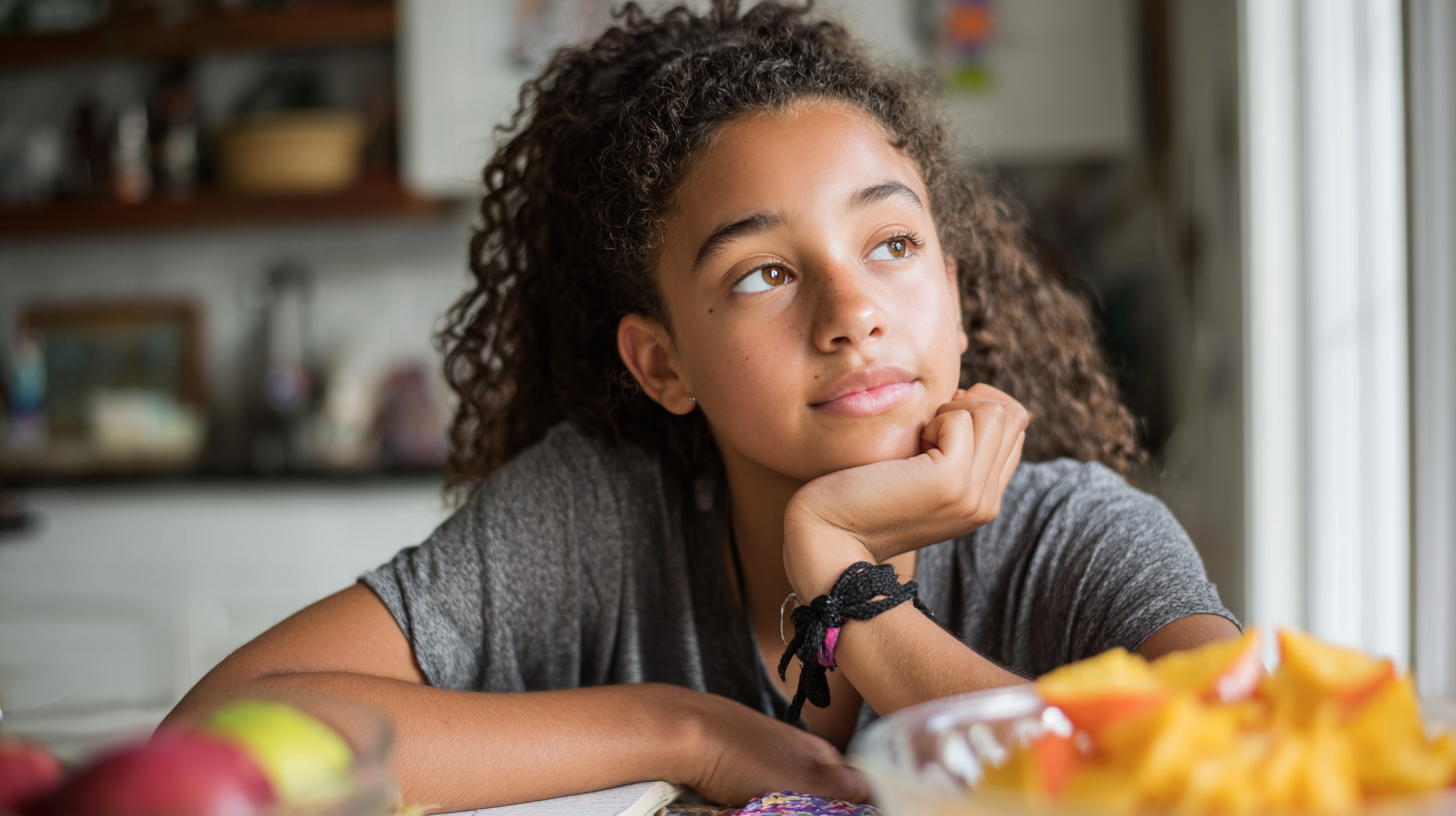
Remember when your child’s biggest nutritional decision was whether to finish their sweet potato or save room for dessert? Those days are vanishing faster than ice in Caribbean sunshine. Between ages 9 and 12, something remarkable happens: your child’s brain begins rewiring itself for independence, their body starts preparing for the adolescent growth spurt, and their social world explodes beyond the boundaries of home.
The science behind this transformation is staggering. Their prefrontal cortex—the part responsible for decision-making and impulse control—is undergoing massive reconstruction. Meanwhile, puberty is knocking at the door, often earlier than previous generations. Research shows that pubertal changes are occurring younger, with all the nutritional demands that brings.
What does this mean for nutrition? Everything.
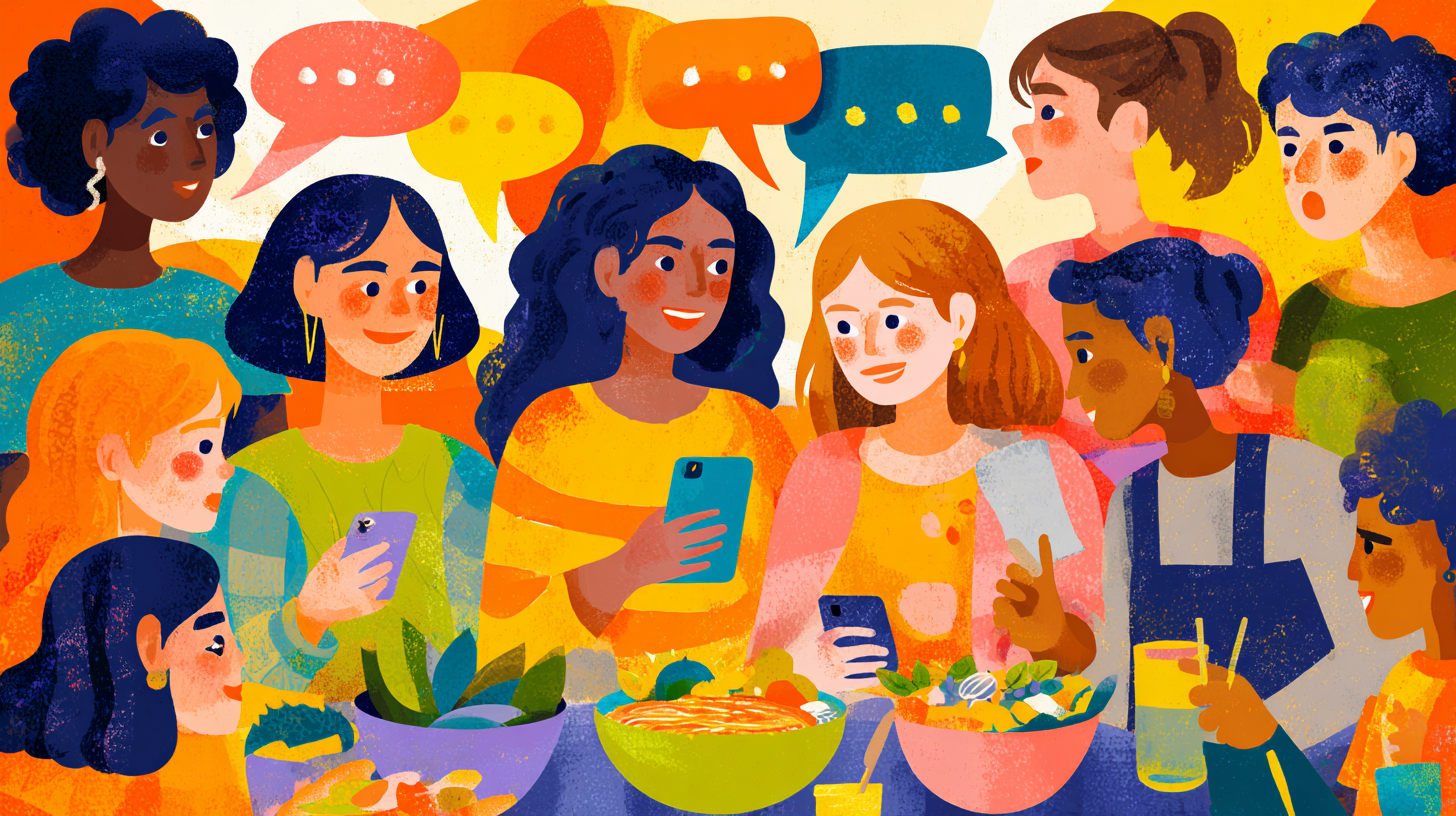
Your tween is now navigating three worlds simultaneously: the family table, the school cafeteria, and the hidden landscape of social media where perfect bodies and restrictive diets are served up like fast food. And here’s the kicker—their growing autonomy means they’re making more food choices independently, often without the guidance we took for granted just a year ago.
of girls aged 5-13 wish to change their appearance
of 11-21 year-olds feel body image harms their mental health
tweens meet daily physical activity guidelines
I remember sitting with my cousin’s son Devon when he was eleven. Smart kid, athletic, always had a smile. One day he asked me, “Auntie, why do influencers say carbs are bad? Nana always gives me rice and peas.” In that single question, I heard the collision of generational wisdom and digital confusion. The food that had nourished our families for centuries was suddenly “bad” because a stranger on the internet said so.
The Body Image Time Bomb Nobody Wants to Talk About
Shocking Truth About Tween Body Image
Click below to reveal what researchers discovered about when body dissatisfaction really begins…
Body image concerns don’t wait until the teen years—they’re emerging in children as young as 5 years old.
Research from 2024 reveals that 37% of girls between 5-13 years wish they could change something about their appearance, and over 50% of youth aged 11-21 report that concerns about body image or weight negatively impact their mental health. Even more alarming: these concerns are intensifying earlier than ever before, with social media exposure being a primary culprit.
A 2023 study found that reducing social media use significantly improved body image in teens and tweens. But here’s what matters most: the interventions that work best start BEFORE problems develop. Parents who foster positive body conversations during the tween years create protective factors that last through adolescence.
The Girl Scouts’ new Body Appreciation Program found that focusing on abilities rather than appearance, teaching media literacy, and building peer support networks helps tweens develop resilience against appearance-based pressures. The program emphasizes what bodies can DO rather than how they look—climbing, dancing, creating, exploring.
This isn’t just about vanity. Body dissatisfaction in the tween years is linked to disordered eating patterns, increased risk of depression, and abandonment of healthy physical activity. When children start viewing their bodies as projects to be perfected rather than instruments to be celebrated, they lose something precious.
But here’s where Caribbean wisdom comes in strong. In our culture, food has always been about more than calories—it’s about connection, celebration, nourishment of body and soul. When I make my grandmother’s recipe for coconut rice and red peas, I’m not just cooking a meal. I’m passing down resilience, cultural pride, and the understanding that eating well means eating with joy.
The Independence Paradox: Freedom Without Foundation
Here’s the paradox keeping pediatric nutritionists up at night: just when tweens need the most guidance about nutrition, they’re pushing for independence. They want to make their own choices, pack their own lunches, decide what to eat with friends. And we should celebrate this growing autonomy! Independence is healthy. The problem? They’re gaining freedom without foundation.
Think about it. We wouldn’t hand car keys to someone who hasn’t learned to drive. Yet we’re letting our tweens navigate the complex landscape of modern nutrition—with its ultra-processed temptations, its conflicting diet advice, its social media nutrition myths—without giving them a proper roadmap.
Nutritional Needs by Tween Stage
Select your child’s age to see their specific nutritional focus:
Early Tween (9-10 years): Foundation Building
Physical Changes: Gradual growth, early signs of puberty may begin (especially in girls)
Nutritional Priorities:
- Calcium: 1,300 mg daily for bone development
- Iron: 8 mg daily (especially important for girls approaching menarche)
- Protein: 34 grams daily to support muscle development
- Healthy fats: Essential for brain development and hormone production
Key Focus: Establish positive mealtime routines, introduce nutrition education through cooking together, emphasize variety over restriction. This is your window to make healthy eating fun and exploratory before peer influence intensifies.
Mid-Tween (11-12 years): Transition Phase
Physical Changes: Accelerated growth, puberty underway for most, increased appetite, body composition changes
Nutritional Priorities:
- Increased caloric needs: 1,800-2,200 calories (varies by activity level)
- Protein: 46-52 grams daily to support rapid growth
- Vitamin D: 600 IU daily for bone health and immune function
- Complex carbohydrates: For sustained energy during growth spurts
Key Focus: Navigate increasing independence by teaching decision-making skills. Discuss peer pressure around food. Address emerging body image concerns proactively. This is the critical window for media literacy about nutrition claims.
Late Tween (12-13 years): Pre-Teen Bridge
Physical Changes: Peak growth velocity for many, significant hormonal changes, varying rates of maturation
Nutritional Priorities:
- Peak calcium needs: 1,300 mg daily (bone mass accumulation critical now)
- Iron: 8-15 mg daily (girls need more after menarche begins)
- Zinc: 8-9 mg for growth and immune health
- B vitamins: For energy metabolism during growth spurts
Key Focus: Prepare for teen years by solidifying healthy habits now. Address disordered eating red flags immediately. Emphasize performance and feeling good over appearance. Support athletic and academic performance through proper fueling.
The research is clear: tweens who develop strong nutrition literacy during these years make better choices throughout adolescence. But “nutrition literacy” doesn’t mean memorizing food pyramids. It means understanding hunger cues, recognizing marketing manipulation, knowing how to fuel their bodies for the activities they love, and maintaining a positive relationship with food even when culture tells them to restrict.
I’ve seen this play out beautifully with families who embrace a teaching approach. Instead of controlling every food choice, they involve their tweens in meal planning, grocery shopping, and cooking. They discuss ingredients, talk about where food comes from, experiment with new recipes together. One parent I know started a tradition of “International Friday” where her 11-year-old son chooses a country and they research and prepare a traditional meal together. Not only is he learning about nutrition and culture, but he’s developing practical skills and food confidence.
Social Eating: When Friends Become the New Food Police
Social Influence Assessment
How strong is peer influence on your tween’s eating habits? Click the scenario that sounds most familiar:
Let me tell you about Jasmine. Bright twelve-year-old, loved her food, never met a roti she didn’t like. Then she went to a new school. Within two months, she was skipping lunch, claiming she “wasn’t hungry.” Her mother discovered Jasmine was hiding food because her new friends were all on diets they’d learned from TikTok.
Twelve. Years. Old.
This is the dark reality of social eating in the tween years. Peer influence, which was relatively benign in childhood, suddenly becomes a powerful force shaping food choices. Add in social media—where 93% of teens report having access—and you’ve got a perfect storm of nutrition misinformation, appearance pressure, and dietary trends that have no basis in science.
Research from 2025 shows that excessive social media use among tweens is directly linked to lower quality diets and higher consumption of sweets and sugary drinks. But the impact goes beyond just food choices. Social media creates a distorted reality where every meal is photographed, where bodies are filtered and edited, where diet culture is repackaged as “wellness.”
The science is sobering: a 2023 study found that teens face a body image crisis globally, with social media fueling dissatisfaction. But here’s what gives me hope—the same research shows that interventions work. Reducing social media use, teaching media literacy, and building strong family food traditions all serve as protective factors.
So what do we do? We can’t eliminate peer influence or ban social media (though limiting it helps). What we can do is build such a strong foundation at home that when our tweens encounter diet culture in the wild, they have the tools to recognize it for what it is: noise.

Building Foundations That Last: The Caribbean Way
You know what I love about Caribbean food culture? We never separated nourishment from joy. We never made eating the enemy. A good pelau, a Sunday callaloo, plantain fresh from the fryer—these aren’t guilty pleasures. They’re life itself.
This wisdom is exactly what our tweens need right now. Not another diet plan, not restriction, not rules about “good” and “bad” foods. They need to learn that eating well means eating with intention, pleasure, and cultural pride.
✨ 7 Foundational Habits Builder
These are the seven habits that research shows matter most for tweens. Click each one as you commit to building it with your family:
Teens who eat with family regularly have better nutrition, higher grades, and fewer behavioral problems. Start now before schedules get crazy.
Breakfast eaters have better concentration, mood, and nutritional intake. Make it non-negotiable but flexible—some days it’s cornmeal porridge, other days it’s whole grain toast and fruit.
Kids who cook eat better. Period. Let them plan one meal weekly, shop for ingredients, and prepare it. Bonus: life skill development.
“Your body is strong enough to swim for an hour!” beats “You look thin” every time. Shift all body conversations to function, never form.
Watch influencers together. Ask: “Who benefits if you believe this?” Teach them to spot diet culture disguised as wellness.
Eliminate “good/bad,” “clean/dirty,” “cheat day” language. Food is just food. Some is more nutritious, all can fit.
Teach them the history and nutrition of traditional foods. Rice and peas isn’t “too many carbs”—it’s complete protein, fiber, culture, and love.
One strategy that’s worked beautifully in my community is what I call “heritage cooking sessions.” Families dedicate one weekend afternoon each month to preparing traditional dishes together. The tween leads the research—where did this recipe come from? What makes it nutritious? How has it evolved over generations? Then they cook it together, eat it together, and the tween documents it (hello, productive social media content!).
This approach hits multiple targets at once: practical cooking skills, cultural connection, nutrition education, quality family time, and a counternarrative to diet culture. When your child understands that food is heritage, not just fuel or the enemy, everything shifts.
The Shocking Truth About What Tweens Actually Eat
Let’s talk about the elephant in the kitchen: the gap between what tweens should eat and what they actually eat is wider than the Caribbean Sea.
Recent data shows that tweens are falling short on virtually every nutritional benchmark. They’re not eating enough fruits, vegetables, whole grains, or calcium-rich foods. Meanwhile, they’re over-consuming added sugars, sodium, and ultra-processed foods. But here’s what frustrates me about most nutritional advice: it focuses on restriction without addressing why these patterns exist.
Tweens aren’t choosing chips over apples because they’re making informed decisions about nutrition. They’re choosing based on taste, convenience, peer influence, marketing, and what’s readily available. If we want different outcomes, we need to change the environment and the education, not just nag about choices.
The research points to several practical strategies that actually work. First, the “additive approach”—instead of taking away favorite foods, focus on adding nutritious options. Don’t say “no more chips.” Say “let’s make sure you have energy for basketball practice—what protein and vegetable can we add to that snack?”
Second, make nutrient-dense foods as convenient as ultra-processed ones. Pre-cut vegetables, washed fruit, hard-boiled eggs, homemade energy balls, pre-portioned nuts. When hunger strikes (and it strikes often during growth spurts), tweens will eat what’s easy.
Third—and this one’s crucial—involve them in solutions. Sit down together and say, “We need to make sure you’re getting enough calcium for strong bones. What are five calcium sources you’d actually eat?” Let them problem-solve with you. Research shows that children’s empathy and kindness are linked to healthier eating habits as teenagers—meaning if we treat them as collaborators now, they’ll make better choices later.
When Social Media Meets the Dinner Table
I need to tell you about a conversation that still haunts me. A mother came to me worried about her 11-year-old daughter who’d announced she was going vegan. Wonderful, right? Except the child wasn’t motivated by ethics or health—she’d watched influencers claim veganism would make her “lean and pretty.”
This is the insidious nature of diet culture in the digital age. It disguises restriction as empowerment, disordered eating as wellness, and appearance goals as health goals. And our tweens, with their developing critical thinking skills and their deep desire to fit in, are particularly vulnerable.
The statistics are alarming. Teens now face a global body image crisis, with social media serving as the primary driver of dissatisfaction. One January 2025 study found that problematic social media use was directly linked to poor dietary quality—more sweets, more sugary drinks, less nutritious variety.
But before we panic and confiscate all devices, let’s talk about what actually works. The research on this is surprisingly optimistic. Interventions that teach social media literacy significantly improve body image and eating behaviors. When tweens learn to recognize filtered photos, sponsored content, and deceptive marketing, they become more resilient.
One program I love teaches tweens to be “media detectives.” They analyze influencer posts together, asking questions like: Is this person paid to promote this product? How many photos did they probably take before posting this one? Who profits if I believe my body isn’t good enough? Would I trust this person’s nutrition advice over my doctor’s?
The Girl Scouts’ Body Appreciation Program has shown remarkable results by focusing on what bodies can DO rather than how they look. Activities, abilities, adventures—these become the frame of reference, not appearance. And it works. When we shift the conversation from “your body looks strong” to “your body is strong enough to climb that mountain,” we’re building resilience that lasts.
The Prediabetes Crisis Nobody’s Talking About
Remember that statistic I mentioned earlier? Nearly one in three US adolescents has prediabetes. Let me put this in perspective: if your tween is in a classroom with 30 kids, about 10 of them are already showing warning signs of type 2 diabetes. This isn’t scare tactics. This is the reality of what’s happening to our children’s metabolic health.
How did we get here? It’s not one single cause—it’s a perfect storm of factors. Increased consumption of ultra-processed foods. Decreased physical activity. Larger portion sizes. More sedentary screen time. Inadequate sleep. Chronic stress. All of these factors, which intensify during the tween years, contribute to insulin resistance and metabolic dysfunction.
But here’s what gives me hope: this trend is completely reversible. The interventions that prevent and reverse prediabetes aren’t complicated—they’re the same foundational habits we’ve been discussing. Regular family meals. Balanced nutrition with plenty of fiber, protein, and healthy fats. Regular physical activity (which doesn’t have to mean organized sports—dancing, walking, swimming, active play all count). Adequate sleep. Stress management.
The key is starting now, during the tween years, before patterns become entrenched. Research shows that nutritional interventions during adolescence have possible lifelong effects. The habits formed now—for better or worse—tend to persist into adulthood.
I worked with a family whose 12-year-old son was diagnosed with prediabetes. Instead of putting him on a restrictive diet (which would have damaged his relationship with food and likely backfired), we took a whole-family approach. They started cooking together every Sunday, preparing meals for the week. They prioritized vegetables and lean proteins but didn’t eliminate any foods. They added an after-dinner walk routine. Within six months, his numbers had normalized, and more importantly, the entire family felt healthier and more connected.
The Caribbean Kitchen: Your Secret Weapon
Now I’m going to let you in on something special. The very foods that sustained our ancestors through everything—colonization, migration, economic hardship—are exactly what our tweens need now. Caribbean cuisine, when prepared traditionally, is a nutritional powerhouse.
Take our beloved provisions—yams, dasheen, cassava, breadfruit. These complex carbohydrates provide sustained energy without the blood sugar spikes of processed foods. They’re rich in fiber, vitamins, and minerals. They fill you up and fuel you properly.
Our legumes—pigeon peas, red peas, black beans—are complete proteins when combined with rice or other grains. They’re packed with iron, folate, and zinc—all critical nutrients for growing tweens.
Our vegetables—callaloo, okra, pumpkin, christophine—are nutrient-dense superfoods that have sustained generations. The herbs and spices we use—thyme, garlic, ginger, scallion—aren’t just flavor; they’re functional foods with anti-inflammatory and immune-supporting properties.
And our cooking methods—steaming, boiling, slow-cooking—preserve nutrients while developing deep, satisfying flavors without requiring excessive fats or oils.
When your tween understands that a plate of rice and peas with steamed vegetables isn’t “boring health food” but rather a nutritionally complete, culturally significant, absolutely delicious meal that fueled Caribbean greatness for generations, it changes everything. Food becomes a source of pride, not anxiety.
This is why I’m so passionate about resources like the Caribbean Baby Food Recipe Book—not just for babies, but as a reference for families looking to reconnect with traditional ingredients and preparations. Many of those foundational recipes, like sweet potato and callaloo blends or pumpkin with coconut milk, can be adapted for tweens and teens, introducing authentic flavors while building nutritional literacy.
Practical Action Plan: The Next 30 Days
Okay, we’ve covered a lot of ground. You’re probably feeling overwhelmed, maybe even a little anxious about everything your tween is facing. So let’s bring this down to earth with a concrete 30-day action plan that will build the foundations we’ve been discussing.
Week 1: Assessment and Conversation
Don’t change anything yet—just observe and talk. Notice your tween’s current eating patterns without judgment. When do they eat? What do they choose? How do they talk about food and bodies? Have a gentle conversation asking what they know about nutrition, what they’ve heard from friends or online, and what questions they have. Make it clear this is a judgment-free zone. You’re gathering information, not criticizing.
Week 2: Environment Changes
This week, focus on making nutritious choices easier. Stock the kitchen with convenient healthy options. Prep vegetables so they’re grab-and-go. Keep a fruit bowl visible. Make water the default beverage. Remove nothing—just add better options and make them more convenient than less nutritious choices.
Week 3: Skill Building
This is the cooking together week. Let your tween choose a recipe (traditional or new—their choice) and prepare it with you. Talk about ingredients, techniques, nutrition. Make it fun, not a lecture. If cooking isn’t your thing, try a food-related activity like visiting a farmers market, starting a small herb garden, or watching a documentary about food culture together.
Week 4: Habit Anchoring
Choose one foundational habit from our tracker and commit to it as a family for the next month. Maybe it’s family dinners four times per week, or a regular breakfast routine, or media literacy conversations. Pick one, do it consistently, and then build from there. Research shows that habits stick better when we focus on one at a time rather than trying to change everything at once.
Addressing the Elephant: What If You’re Already Seeing Warning Signs?
I need to address something that some of you are probably thinking about but haven’t asked. What if you’re not reading this to prevent problems—you’re reading it because you’re already seeing warning signs? Your tween is skipping meals, expressing extreme body dissatisfaction, or showing rigid food rules. Maybe they’re avoiding social situations that involve food, or you’ve noticed significant weight changes in either direction.
First, take a breath. You’re not a bad parent. This is not your fault. We’re all navigating unprecedented challenges—the combination of early puberty, social media, diet culture, and pandemic disruption has created a perfect storm for disordered eating and body image issues.
Second, trust your instincts. If something feels off, it probably is. Early intervention for eating disorders and disordered eating is crucial—outcomes are significantly better when problems are addressed quickly. Don’t wait to see if it gets worse.
Third, get professional help. This isn’t something to DIY. Reach out to your pediatrician and ask for a referral to a registered dietitian who specializes in adolescent eating disorders and a therapist who understands the developmental aspects of tween body image issues. Many communities also have eating disorder support groups for families.
Fourth, remove any food restriction or diet talk from your home immediately. Even well-intentioned weight management efforts can backfire spectacularly during this vulnerable developmental period. The research is clear: dieting in adolescence predicts higher weight gain and eating disorders, not better health outcomes.
Finally, focus on connection over food. If mealtimes have become battlegrounds, temporarily shift your relationship-building to other activities. Go for walks together, watch shows together, do art projects together—whatever allows you to maintain your emotional connection while professionals address the food and body image issues.
Looking Ahead: Preparing for the Teen Years
Everything we’ve discussed today? It’s preparing your child for what comes next—the full intensity of the teen years. Adolescence brings even greater independence, stronger peer influence, more complex social dynamics, and often, more intense body changes and emotional turbulence.
But here’s the beautiful truth: the foundations you build now will serve as a protective buffer during those storms. Research shows that teens who enter adolescence with strong family meal traditions, positive body image, good nutrition literacy, and media savvy navigate the teen years with significantly better outcomes—mentally, physically, and emotionally.
Think of the tween years as your last chance to establish these foundations before your child’s world really opens up. Right now, you still have significant influence. They still eat most meals at home. They still (mostly) listen to you. They still value your opinion, even if they don’t always show it.
In a few short years, that window will narrow. They’ll be driving themselves to friends’ houses, making completely independent food choices, facing more intense peer pressure and academic stress. You want them walking into that landscape with strong internal compasses—knowing how to nourish themselves, confident in their bodies, able to recognize diet culture nonsense, comfortable in the kitchen, and connected to food traditions that ground them.
Your Power Lies in This Moment
Remember Maya from the beginning of this article—the twelve-year-old questioning her callaloo? Her mother and I sat down together after that day and created a plan. They started cooking traditional Jamaican meals together every Saturday. They had explicit conversations about diet culture and where it comes from. They involved Maya’s younger brother so he’d learn these lessons early. They banned body talk and replaced it with ability talk. They got more intentional about family meals.
Six months later, Maya came to my house and helped me prepare dinner. As we chopped vegetables, she said something that brought tears to my eyes: “My friend says she can’t eat rice because carbs make you fat. But I told her that’s not true—our food has fed strong people for hundreds of years. I’m going to teach her to make festival.”
That’s the power of what we’re doing here. We’re not just preventing prediabetes or eating disorders (though we’re doing that too). We’re raising children who understand their cultural food heritage, who have positive relationships with eating, who can think critically about nutrition claims, and who will pass this wisdom to their own children someday.
The tween years are fleeting. In just a few years, your child will be a teenager, then a young adult, then forming their own family. The small moments you invest now—the conversations over dinner prep, the media literacy discussions, the family meals, the heritage cooking sessions, the ability-focused body talk—these aren’t just about nutrition. They’re about building humans who are resilient, confident, and connected.
So yes, this is about food. But it’s also about so much more. It’s about culture, identity, health, resilience, family bonds, and launching young people into the world with the tools they need to thrive.
And it starts today, right now, with the very next meal you share together.
Because the secret window isn’t closing yet. You still have time. Your tween still needs you, even if they claim they don’t. And the foundations you build in these precious years will echo through their entire lives.
The only question left is: What will you do with this window?

Kelley's culinary creations are a fusion of her Caribbean roots and modern nutritional science, resulting in baby-friendly dishes that are both developmentally appropriate and bursting with flavor. Her expertise in oral motor development and texture progression ensures that every recipe supports your little one's feeding milestones while honoring cultural traditions.
Join Kelley on her flavorful journey as she shares treasured family recipes adapted for tiny taste buds, evidence-based feeding guidance, insightful parenting anecdotes, and the joy of celebrating food, culture, and motherhood. Get ready to immerse yourself in the captivating world of Kelley Black and unlock the vibrant flavors of the Caribbean for your growing baby, one nutritious bite at a time.
- The Feeding Revolution: Why Your Everyday Meals Are Changing the World - October 13, 2026
- Your Feeding Story Matters More Than The “Perfect” One Online - October 12, 2026
- Looking Forward: Stepping Into Your Confident Feeding Future - October 11, 2026