The Gift That Wraps Itself in Laughter: Why Experience Gifts Are Revolutionizing Family Celebrations
What Kind of Gift Giver Are You?
Before we dive in, let’s discover your gifting personality. Choose what sounds most like you:
Three months ago, I watched my nephew unwrap seventeen birthday presents. Seventeen. By present number twelve, his little face had gone from excitement to something that looked suspiciously like exhaustion. The pile of torn wrapping paper was taller than he was, and honestly? He couldn’t remember what was in half those boxes by bedtime. But you know what he talked about for weeks afterward? The hour his uncle spent teaching him to fly a kite in the park the day before his party.
That moment cracked something open for me. Here we were, drowning our children in things—toys that would break, clothes they’d outgrow, sweets that would spike their blood sugar and leave them cranky—when what they really craved was us. Our time. Our attention. The magic of shared experiences that would live in their memories long after the plastic fantastic ended up in a landfill.
And I’m not alone in this revelation. Recent research shows that 63% of adults now prefer experience gifts to material ones, and among millennial parents, that number jumps to 62%. We’re witnessing a seismic shift in how families celebrate, moving away from the “more stuff” mentality toward something infinitely more valuable: moments that matter. The global experience gifting market has ballooned to 118 billion USD in 2023 and is projected to hit 171.5 billion USD by 2029. That’s not just a trend, friends—that’s a movement.
The Psychological Revolution Behind Experience Gifts
Let me tell you something that might surprise you: when researchers studied what actually makes people happy, they discovered that experiences consistently outperform possessions. Not just by a little bit—by a landslide. Psychologist Thomas Gilovich and his colleagues found that people feel more social connection and less isolation when they reflect on experiences they’ve had compared to things they’ve bought. The reason? Experiences become part of our identity in ways that material goods simply cannot.
Think about it this way. When your daughter wears that dress you bought her, it’s just fabric. But when you take her to her first dance class? That becomes part of who she is. “I’m a dancer,” she might say years later, and suddenly that gift has transformed into identity, confidence, skill—a foundation she’ll build her life upon.
The research gets even more fascinating when we look at gratitude. A 2023 study published in Frontiers in Psychology found that experiential gifts are perceived as more autonomy-supportive and generate greater gratitude, especially when recipients believe the gift was given out of love rather than obligation. Translation? When you give your child tickets to the science museum because you genuinely want to explore it together, that lands differently in their heart than another toy given because “it’s expected.”
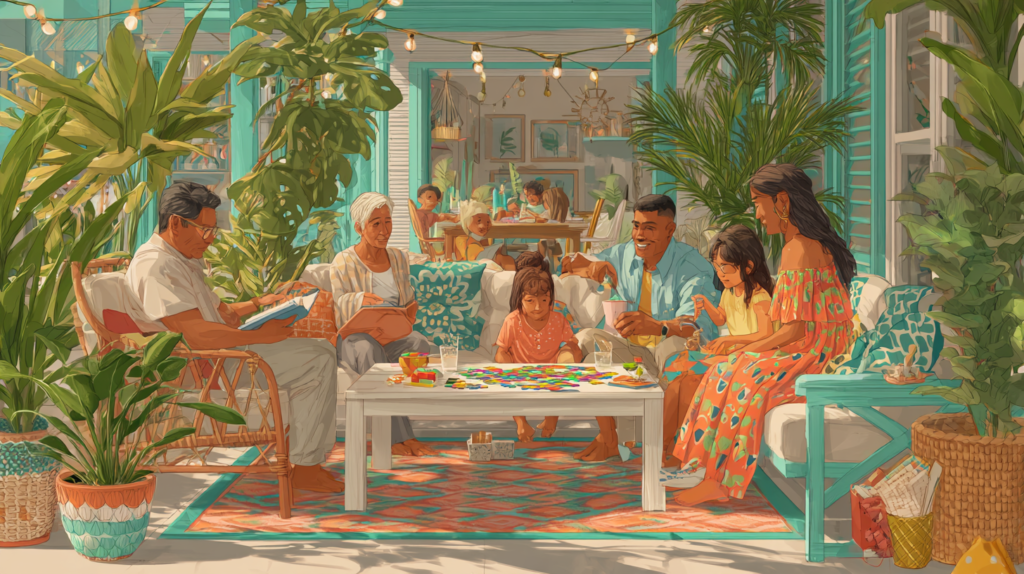
And here’s where it gets really interesting for us Caribbean families. You know how we’re always talking about “liming,” about the importance of spending quality time together? Our cultural wisdom has been pointing toward this truth all along. When we prioritize cooking together, dancing together, telling stories on the porch—we’re choosing experience over consumption. We’re living what the research is now proving: connection matters more than collection.
Your Shift from Stuff to Memories Progress
Track how far you’ve come in embracing experience-based celebrations. Click each milestone you’ve achieved:
Breaking Free from the Food-and-Stuff Cycle
Now, let’s talk about something we don’t discuss enough: how our celebrations have become synonymous with excess. Birthday parties that feature tables groaning under mountains of cupcakes, chips, candy bags for every guest, plus a pile of plastic toys that’ll be forgotten by next week. We’ve somehow convinced ourselves that love is measured in quantity—more food, more presents, more everything.
But here’s what the research tells us: 71% of Americans report they don’t need more “stuff” and would rather receive experience-based gifts. Think about your own home for a moment. How many toys are shoved in closets? How many books have never been read? How many clothes still have tags on them? We’re drowning in material goods that bring brief excitement followed by lasting clutter.
And the food situation? Don’t even get me started. We’ve created this culture where every celebration must revolve around sugar-laden treats, where children expect cake and candy and soda as rewards. But what are we really teaching them? That comfort comes from consumption. That celebration equals overindulgence. That special moments require special foods rather than special connections.
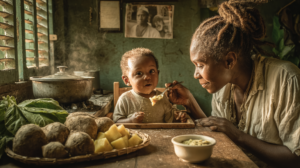
I remember my grandmother in Jamaica—she didn’t have money for fancy presents, but Sunday afternoons at her house were magical. We’d shell peas together on her back steps, she’d teach us old songs, we’d help her prepare a simple meal that we’d all share. Nobody was getting toys, but everybody was getting what they actually needed: belonging, tradition, skills, and undivided attention. She was giving us experience gifts before it was trendy, and those memories? They’re more precious to me than any toy I ever received.
The beauty of shifting toward experience gifts is that it naturally reduces both material consumption and food-centered rewards. Instead of another bag of party favors filled with candy and plastic trinkets, you’re creating moments that nourish in ways that matter. And if you’re already thinking about introducing healthy, culturally-rich foods to your little ones, the Caribbean Baby Food Recipe Book offers over 75 recipes that transform everyday cooking into a shared cultural experience—because making Cornmeal Porridge Dreams or Plantain Paradise together is an experience gift in itself.
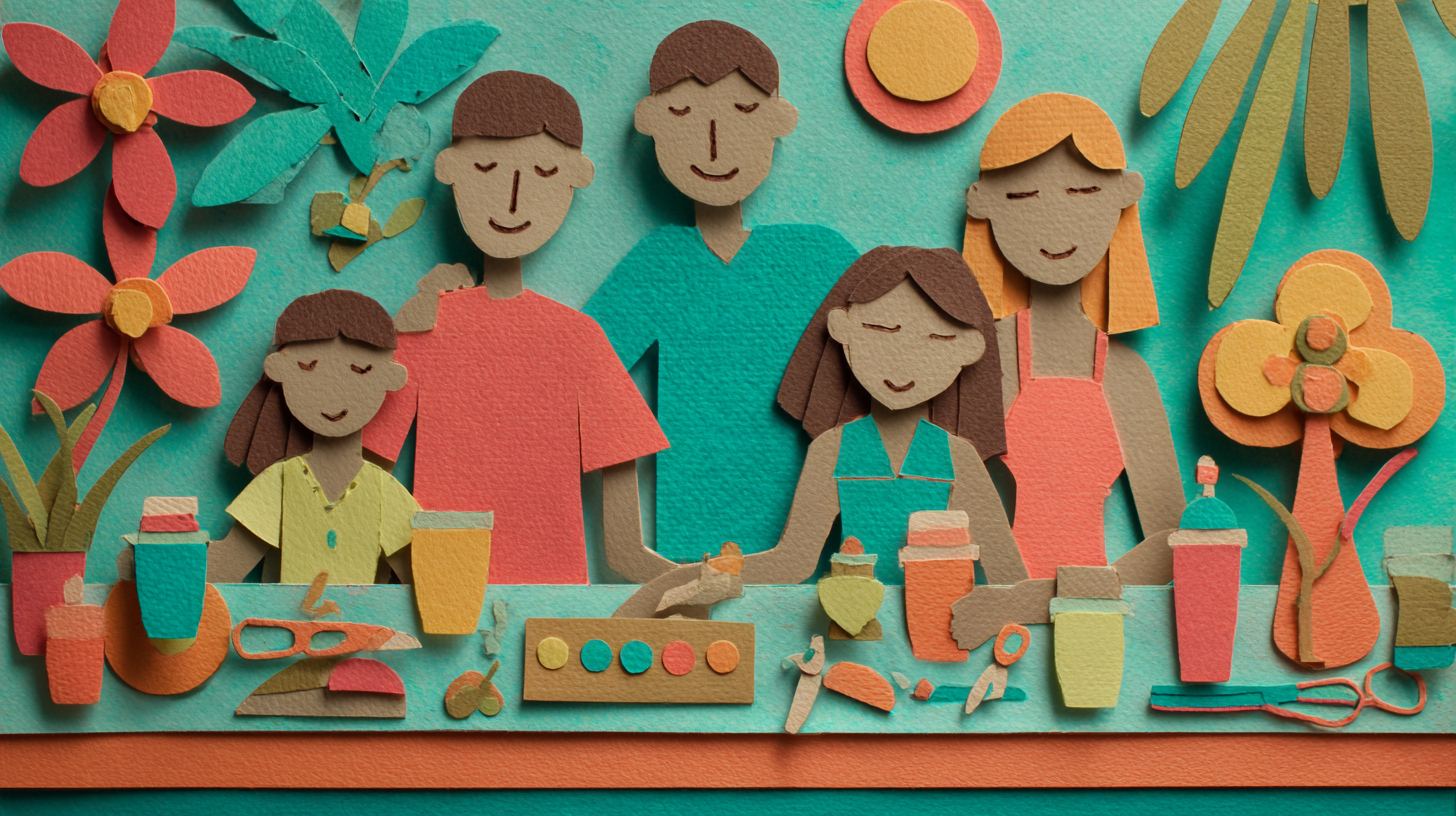
Real Experience Gift Ideas That Create Lasting Bonds
Okay, so we understand the why. Now let’s get practical with the how. Because saying “give experiences instead of things” sounds lovely until you’re standing in the toy store two days before your niece’s birthday wondering what on earth to actually do instead.
For the budget-conscious family (because experience gifts absolutely do not require wealth), start with what I call “coupon books of time.” Create a little booklet with vouchers for specific activities: “This coupon is good for one backyard camping adventure with Auntie,” “Redeem this for a baking afternoon where you choose the recipe,” “Good for one museum visit where you’re the tour guide.” The investment is your time, which is actually the most valuable currency you possess.
Membership magic deserves its own category because it’s the gift that keeps giving all year long. Annual passes to local zoos, botanical gardens, children’s museums, aquariums, or science centers turn a single gift into recurring adventures. My friend spent $120 on a zoo membership last year, and her family visited seventeen times. That’s seventeen afternoons of wonder, learning, movement, fresh air, and connection—far more valuable than the pile of $120 worth of toys that would’ve been broken or forgotten within months.
Classes and skill-building offer something extraordinary: they help children discover who they might become. Art classes, swimming lessons, music instruction, martial arts, cooking workshops, dance sessions—these aren’t just activities; they’re opportunities for identity formation. When you gift your child a series of pottery classes and they discover they love working with clay, you’ve potentially set a lifelong passion in motion. That’s powerful.
Micro-adventures and cultural exploration can happen right in your own backyard. A “tourist in our own city” day where you visit places you’ve never explored, a National Parks pass that encourages weekend nature immersion, a picnic at a new playground each month—these create novelty and discovery without requiring plane tickets. And here’s a secret: the anticipation and memory-making of even small adventures often surpass the actual event itself in terms of lasting happiness.
Experience Gift Value Calculator
Let’s compare the lasting value of a material gift versus an experience. See the shocking difference:
Craft Gifts: The Perfect Blend of Tangible and Experiential
Now, I know some of you are thinking, “But children love unwrapping presents! They want something they can hold!” I hear you, and this is where craft gifts become absolutely brilliant. They offer the tactile satisfaction of receiving a physical item while the real gift is the experience of creation and the time spent together.
Craft gifts work because they’re process-oriented rather than product-obsessed. A high-quality art supply kit isn’t valuable because of the materials themselves—it’s valuable because of the afternoons spent painting together, the developing fine motor skills, the experimentation with color and form, the conversations that happen while hands are busy creating. The mess, the laughter, the proud display of finished artwork—that’s where the magic lives.
Think about baking kits designed for parent-child collaboration, DIY science experiment boxes that require teamwork, model-building sets that demand patience and problem-solving together, or photo album creation projects that turn into storytelling sessions about family history. These gifts become catalysts for connection rather than substitutes for it.
In Caribbean culture, we’ve been doing this forever without calling it “craft gifting.” Teaching a child to season and prepare family recipes, showing them how to braid, passing down the skill of making natural remedies from bush tea, involving them in decorating the house for holidays—these are all craft experiences that build competence, preserve culture, and create belonging. If you’re looking to make meal preparation itself an experience gift, recipes like the Sweet Potato & Callaloo Rundown or Coconut Rice & Red Peas from the Caribbean Baby Food Recipe Book turn cooking into cultural transmission and quality time rolled into one delicious experience.
Research on intergenerational leisure shows that craft activities shared between grandparents and grandchildren strengthen emotional bonds and support child development in measurable ways. When Grandma teaches your daughter to crochet or Grandpa shows your son how to build a birdhouse, they’re transferring more than skills—they’re sharing identity, patience, pride, and presence.
Navigating Pushback and Managing Expectations
Let’s be real: shifting your family culture toward experience-based gifting isn’t always smooth sailing. You’re going to encounter resistance. Grandparents might feel hurt that you don’t want them buying armloads of toys. Other parents might judge your “minimalist” approach as depriving your children. Your own kids might initially push back, especially if they’re used to material abundance.
Here’s how to handle it with grace. First, communicate your why clearly and without judgment. “We’re trying to reduce clutter and focus on creating memories together” lands better than “We don’t want any more junk.” Share specific examples: “Instead of toys, we’d love for you to take Jamie to the children’s museum—she’s been wanting to go, and she’d treasure that time with you.” Most relatives want to make children happy; they just need guidance on new ways to do that.
Second, acknowledge the transition period. If your children are accustomed to receiving piles of presents, you can’t flip a switch overnight without causing confusion or resentment. Start gradually. Maybe this birthday, half the gifts are experiences and half are thoughtfully chosen objects. Next celebration, shift the ratio further. Give everyone time to adjust emotionally.
Third, make the experiences feel special and tangible. When you give a child a wrapped envelope containing tickets to a show or a gift certificate for an activity, it can feel anticlimactic compared to a big box. Get creative with presentation: create a treasure hunt where clues lead to the experience announcement, make a custom “adventure passport” they’ll use to collect stamps from each outing, wrap up a small related item (like binoculars before a nature hike or a chef’s hat before a cooking class) as a preview of the experience to come.
Click each card to reveal honest answers to common concerns
The Environmental and Social Impact You’re Creating
Beyond the personal benefits to your family, choosing experience gifts positions you as part of a larger movement toward sustainability and conscious consumption. The environmental impact of our gift-giving habits is staggering. Consider that the average American child receives approximately 70 new toys per year, most of which are made from non-biodegradable plastics that will outlive us all in landfills. Holiday shopping alone generates approximately 25% more waste than usual, with wrapping paper, packaging, and unwanted gifts contributing to environmental degradation.
When you choose experiences over objects, you’re voting with your wallet for a different kind of economy—one that values human connection and personal growth over endless production and consumption. The experience economy, which emphasizes memorable moments and skill development over material accumulation, is growing precisely because people are recognizing that quality of life isn’t measured by quantity of possessions.
There’s also a profound social justice component to this shift. The pressure to provide material abundance in celebrations creates real stress for lower-income families who feel they must compete with elaborate birthday parties and expensive gift lists to prove their love and worth. When community norms shift toward experience-based celebrations—park picnics instead of bounce house rentals, nature hikes instead of expensive entertainment venues, potluck gatherings instead of catered events—we create more inclusive celebrations where everyone can participate meaningfully regardless of economic status.
And let’s talk about the comparison trap that social media has intensified. When celebrations revolve around displaying material abundance—tables of presents, elaborate dessert spreads, expensive party favors—we create visual competitions that breed anxiety and inadequacy. Experience-focused celebrations resist this commodification because the real value isn’t photogenic in the same way. The magic of teaching your child to fish, the joy of a family game night, the wonder of discovering a new hiking trail—these don’t perform well on Instagram, and that’s actually their strength. They’re authentic rather than performative.
Future Trends and Long-Term Benefits
The trajectory is clear: experience gifting is not a passing fad but a fundamental shift in how we understand value, celebration, and family connection. Market forecasts predict the experience gifting sector will continue robust growth through the end of this decade, reaching over 171 billion USD globally by 2029. This growth is driven not just by consumer preference but by increasing digital infrastructure that makes experience booking easier, corporate interest in distinctive memory-making gifts, and generational values shifting toward sustainability and minimalism.
What does this mean for your family long-term? Children raised with experience-rich rather than object-saturated childhoods develop different relationship patterns with consumption. They’re more likely to value relationships over possessions, to seek fulfillment through activities and skill development rather than shopping, and to feel comfortable with enough rather than always wanting more. These are resilience skills that will serve them throughout their lives, especially as they navigate an uncertain economic and environmental future.
The psychological benefits compound over time as well. Families who regularly engage in shared experiences—whether through memberships, classes, trips, or creative projects—build what researchers call “relational capital.” They have more shared references, inside jokes, cooperative problem-solving skills, and trust. When challenging times come (and they always do), families rich in relational capital navigate those storms more effectively because they have a foundation of positive shared memories and proven ability to enjoy each other’s company.
We’re also seeing increased accessibility and inclusivity in experience offerings. Communities are developing more programs specifically designed for families with children who have dietary restrictions, sensory sensitivities, or mobility challenges. Museums are creating quiet hours for neurodivergent visitors. Nature centers are developing programs accessible to children with disabilities. As demand for experience-based family activities grows, the market responds with more inclusive options, making memory-making possible for an ever-wider range of families.
Your Experience Gift Starter Pack
Ready to begin? Choose your family’s current stage and get personalized first-step ideas:
Making the Shift Stick: Practical Implementation
Knowledge without action is just interesting information, so let’s talk about concrete steps to actually implement this approach in your family life. Start by conducting what I call a “celebration audit.” Look back at the last few birthdays, holidays, or special occasions in your family. How much money was spent? How much waste was created? What do your children actually remember from those celebrations? This honest assessment usually reveals that the most memorable moments weren’t tied to the most expensive gifts or elaborate food spreads.
Next, have a family meeting if your children are old enough to participate in the conversation. Explain that you want to try something different—celebrations that create memories and adventures rather than piles of stuff. Get their input. What would they love to do? What have they always wanted to try? You might be surprised to discover that many children, when given the choice, would choose special time with parents or an exciting outing over another toy.
Create a family experience wish list that everyone contributes to throughout the year. Maybe your daughter wants to learn to kayak, your son has been curious about rock climbing, you’ve all been wanting to visit that state park three hours away, or someone saw a cooking class advertised that looked amazing. When gift-giving occasions arise, you have a ready reference of meaningful experiences your family actually wants.
Build community around this approach. Talk with other parents about shifting toward experience-based celebrations. Organize group outings where multiple families participate, splitting costs and amplifying fun. Start a toy-free birthday party movement in your children’s school or neighborhood. When families support each other in breaking from consumer culture norms, it becomes exponentially easier for everyone.
Document the experiences in ways that make them tangible. Create photo books of your adventures, keep a family journal where everyone writes about their favorite moments, make a wall map marking places you’ve explored together, or compile video clips into annual memory reels. This documentation serves multiple purposes: it makes experiences feel special, creates items to look back on together, and provides evidence that these gifts have lasting value.
And here’s something crucial: extend grace to yourself during this transition. You don’t have to be perfect. Some occasions might still include material gifts, and that’s okay. Some family members might never fully embrace the approach, and you can work around that. What matters is the general direction you’re moving, not achieving some idealized version of minimalist, experience-only celebrations. Progress over perfection, always.
Weaving Culture and Connection into Every Gift
For those of us raising children within Caribbean culture—whether in the islands or the diaspora—experience and craft gifts offer something particularly powerful: they become vessels for cultural transmission. When you gift a child cooking lessons where they learn to prepare traditional dishes, you’re not just teaching cooking; you’re preserving language (what we call ingredients matters), sharing history (why these dishes exist, what occasions they mark), and creating belonging to something larger than themselves.
Music and dance classes in traditional Caribbean styles, storytelling sessions with elders, trips to cultural festivals, participation in community service projects rooted in Caribbean values of community care—these experiences shape identity in addition to creating memories. In a world where cultural erosion happens quickly and quietly, experience gifts can be acts of resistance and preservation.
Even simple shared cooking experiences carry this power. When you spend a Saturday afternoon making Ackee Adventure or Cornmeal Porridge Dreams from the Caribbean Baby Food Recipe Book with your toddler—letting them pour, stir, taste, and eventually eat something they helped create—you’re gifting them competence, cultural knowledge, and quality time all at once. These aren’t separate categories; they’re beautifully integrated experiences that nourish on multiple levels.
Caribbean culture has always understood something that Western consumer culture is only now rediscovering: that true wealth isn’t counted in possessions but in relationships, skills, stories, and shared joy. When we choose experience gifts, we’re aligning our celebrations with values our ancestors knew were essential. We’re saying that a child who knows how to cultivate relationships, create beauty, solve problems, and find joy in simple pleasures is richer than a child who merely owns many things.
Your Invitation to Begin
So here’s where we land after all this talk about psychology and statistics and practical tips: What kind of legacy do you want to create through your gift-giving? What do you want your children to remember about celebrations in your family? What values do you want to transmit not through words but through the actual choices you make about how you mark important moments?
The beauty of experience gifts is that they scale infinitely. You don’t need a large budget to start. You don’t need to wait for a perfect plan. You can begin right now, today, with simple shifts. Maybe the next time someone asks what your child wants for their birthday, you suggest a trip to the children’s museum together. Maybe you create a coupon book for your partner offering specific experiences you’ll share. Maybe you start a monthly “adventure Saturday” tradition where your family explores somewhere new together.
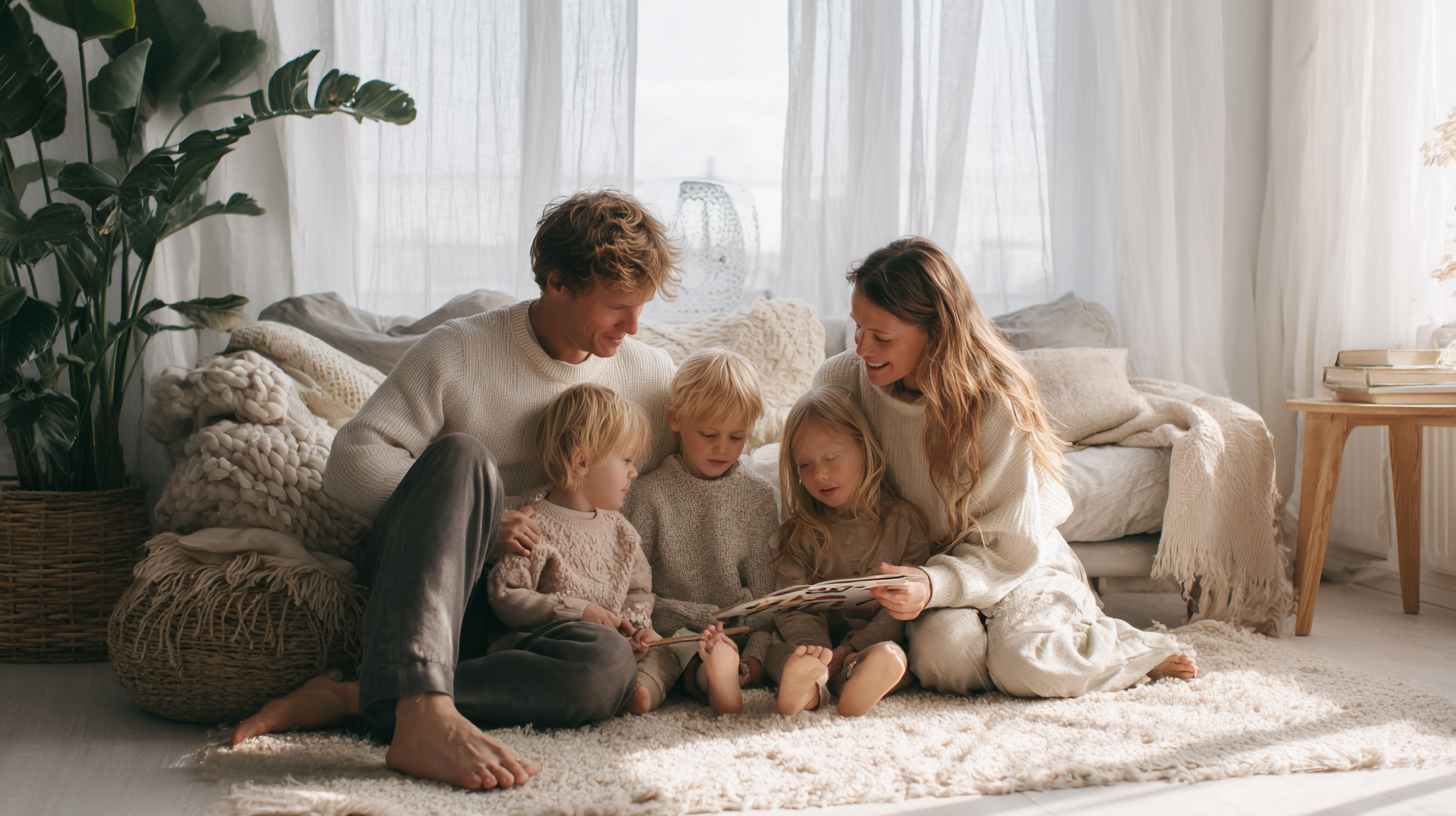
Each small step away from stuff-centered, food-heavy celebrations and toward experience-rich, connection-focused ones is a vote for the kind of family culture you’re building. It’s a declaration that people matter more than products, that memories outlast material goods, and that the greatest gift we can give our children is our presence, not just our presents.
The research backs this up. The psychology supports it. The environmental impact justifies it. The social benefits strengthen it. But ultimately, the reason to embrace experience and craft gifts is simpler and more personal than any of that: because at the end of our lives, nobody wishes they’d accumulated more stuff or eaten more cake. We wish we’d spent more time with the people we love, creating memories that make us smile years later.
Your children won’t remember every toy they received. But they’ll remember the afternoon you taught them to bake bread. They’ll remember the excitement of their first museum sleepover. They’ll remember the trip to the beach where you built sandcastles together until sunset. They’ll remember feeling seen, valued, and enjoyed—not because of what you bought them, but because of the time and attention you invested in shared experiences.
That’s the real gift. That’s the revolution. And it starts with your very next celebration.

Kelley's culinary creations are a fusion of her Caribbean roots and modern nutritional science, resulting in baby-friendly dishes that are both developmentally appropriate and bursting with flavor. Her expertise in oral motor development and texture progression ensures that every recipe supports your little one's feeding milestones while honoring cultural traditions.
Join Kelley on her flavorful journey as she shares treasured family recipes adapted for tiny taste buds, evidence-based feeding guidance, insightful parenting anecdotes, and the joy of celebrating food, culture, and motherhood. Get ready to immerse yourself in the captivating world of Kelley Black and unlock the vibrant flavors of the Caribbean for your growing baby, one nutritious bite at a time.
- The Feeding Revolution: Why Your Everyday Meals Are Changing the World - October 13, 2026
- Your Feeding Story Matters More Than The “Perfect” One Online - October 12, 2026
- Looking Forward: Stepping Into Your Confident Feeding Future - October 11, 2026