
The Shocking Truth About Family Meals: It’s Not What You Think
️ Before We Begin: Reveal Your Mealtime Reality
Choose the scenario that sounds most like YOUR family right now. Be honest—there’s no judgment here, just real talk.
Here’s what matters:
Last Tuesday evening, I stood in my kitchen staring at a beautiful plate of food I’d spent forty-five minutes preparing. My toddler took two bites. My partner scrolled through work emails. And me? I was mentally calculating whether this meal “counted” as quality family time while simultaneously Googling “how to get kids to eat vegetables.”
That’s when it hit me—I’d been asking the wrong questions entirely.
Because here’s the truth nobody talks about: 82% of families still prioritize having dinner together, but many of us are focusing on the wrong things. We obsess over organic ingredients, Pinterest-worthy presentations, and getting kids to finish their plates. Meanwhile, the actual magic of family meals is slipping through our fingers like sand.
The stunning revelation? Research shows that how you eat together matters exponentially more than what’s on the plate. The emotional climate at your table, the presence you bring to those ten or fifteen minutes, the way you respond when your child pushes food away—these invisible elements shape everything from your child’s lifelong relationship with food to their mental health, academic performance, and even how they’ll connect with their own families decades from now.
This isn’t another article telling you to cook more, do better, or feel guilty about last night’s takeout. This is about understanding a paradigm shift that’s quietly revolutionizing how experts think about family feeding. And once you see it, you can’t unsee it.
The Invisible Crisis at Your Kitchen Table
Walk into any restaurant right now and you’ll witness something unsettling. Families sitting together—physically in the same space—but emotionally miles apart. Parents checking notifications between bites. Kids hypnotized by tablets propped against water glasses. Everyone eating, nobody connecting.
The numbers tell a startling story. Only 38% of millennials report eating daily family meals growing up, compared to roughly 75% of baby boomers. That’s not just a generational preference shift—it’s a fundamental erosion of one of humanity’s oldest bonding rituals. And the consequences? They’re showing up in ways we’re only beginning to understand.
Recent observational studies reveal that parental media use during meals correlates with lower engagement and more dysregulated behavior in children. When caregivers divide attention between their phone and their child, kids don’t just notice—they internalize it. The message becomes clear: whatever’s on that screen is more important than this moment with you.
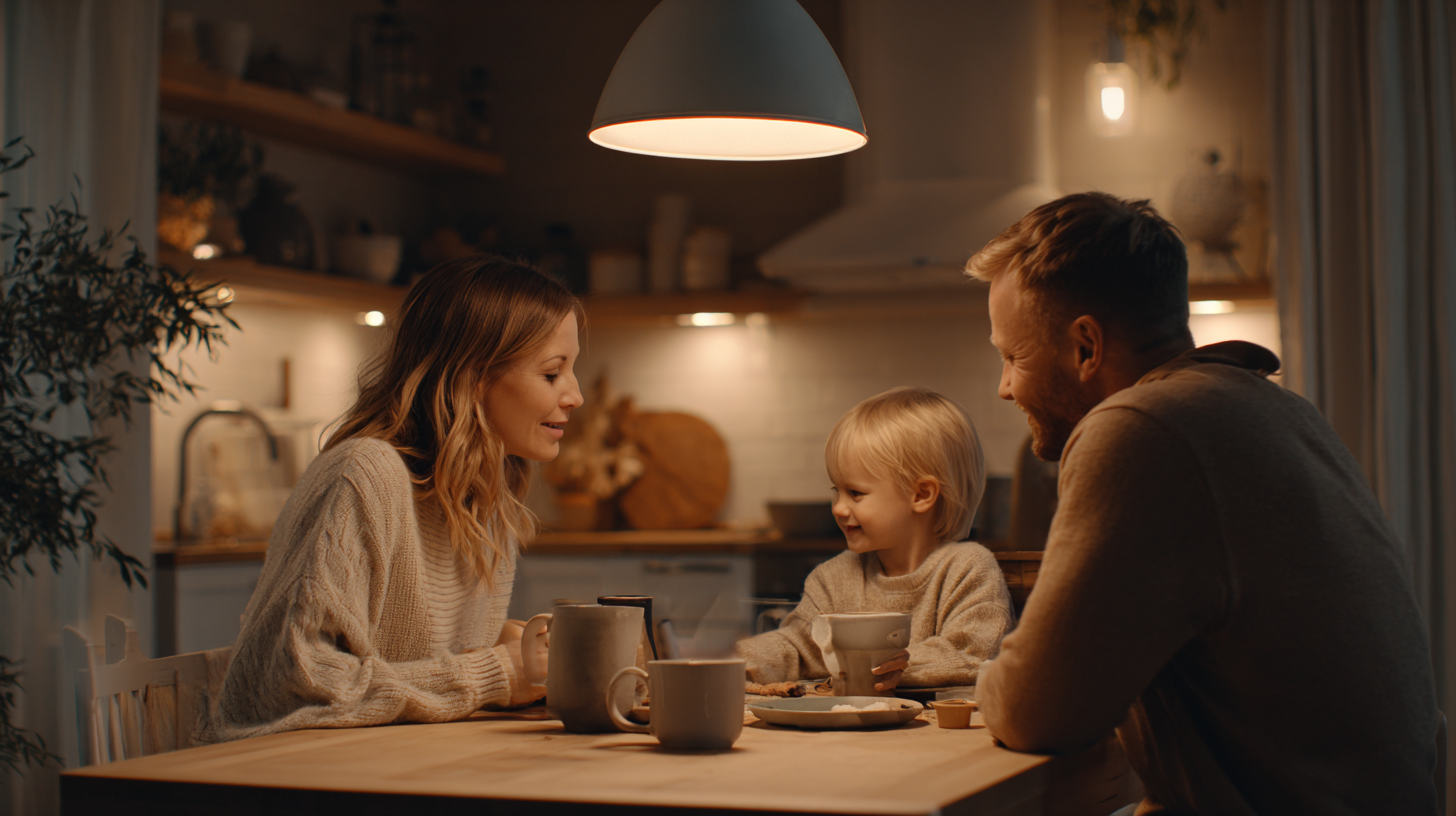
But here’s where it gets interesting. The problem isn’t that we’re not trying. The average American family is drowning in advice about nutrition, meal planning, and feeding strategies. We know we should eat together. We understand vegetables are important. We’ve read about screen-free zones and organic produce and the importance of family rituals.
What we haven’t understood—until now—is that presence trumps perfection every single time.
The Real Numbers That Change Everything
What “Quality Time” Actually Means
Let me paint you two different scenarios.
Scenario One: A beautifully plated dinner with grilled chicken, roasted vegetables, quinoa, and a side salad. Everyone sits at the table. Mom asks about homework while mentally reviewing tomorrow’s schedule. Dad reminds the kids to eat their broccoli. The television murmurs in the background. Ten minutes later, everyone disperses to their separate screens.
Scenario Two: Scrambled eggs and toast—simple, thrown together in eight minutes. Phones are stacked in a basket on the counter. Someone asks, “What was the best part of your day?” A silly joke gets told. A five-year-old demonstrates a new skill learned at school. Fifteen minutes of genuine attention, eye contact, laughter. Real connection.
Which meal do you think research shows has more positive impact? If you guessed Scenario Two, you’re beginning to understand the revolutionary concept of responsive feeding and relationship-centered mealtimes.
The responsive feeding approach—now being embraced by feeding experts and pediatric researchers worldwide—flips traditional feeding advice on its head. Instead of focusing on “getting kids to eat enough” or controlling what goes into little bodies, it reframes the entire interaction around trust, autonomy, and emotional safety.
Here’s how it works: Caregivers decide the what, when, and where of feeding. You choose what foods to offer, you set the schedule, you create the environment. Then you step back. Because your child gets to decide whether to eat and how much. No pressure. No bribes. No “one more bite” negotiations.
This isn’t permissive parenting or giving up on nutrition. It’s actually the opposite—it’s teaching children the foundational skill of listening to their own bodies, recognizing hunger and fullness cues, and developing a healthy, curious relationship with food that will serve them for life.
The Hidden Science They Don’t Tell You
There’s a powerful finding that most parenting advice glosses over. Click below to discover what researchers have found about meal quality versus quantity.
Here’s the breakthrough: Studies using moment-to-moment observation show that the emotional tone of parent-child exchanges during feeding predicts child outcomes better than frequency of family meals or nutrient content of food. A calm, responsive 10-minute breakfast together creates more positive impact than a stressful, pressure-filled 30-minute dinner. The quality of your presence—your warmth, your ability to read cues, your willingness to let go of control—matters more than the organic quinoa on the plate.
Why Everything You’ve Tried Hasn’t Worked
You’ve probably experienced this. You decide this week will be different. You meal plan. You shop for ingredients. You carve out time to cook. You gather everyone at the table with good intentions.
Then reality hits. Your toddler refuses everything except crackers. Your older child complains the chicken tastes “weird.” Your partner is distracted. You feel frustrated, exhausted, defeated. Another “failed” family meal.
But here’s what nobody told you: you were set up to fail from the start. Because the entire framework is backwards.
Traditional feeding advice treats meals as a performance—a test your family needs to pass. Did everyone eat vegetables? Did you sit for 30 minutes? Was conversation pleasant and enriching? Did kids try new foods without complaint?
This performance mentality creates the exact opposite of what we’re trying to achieve. It turns feeding into a power struggle. It makes kids tune OUT their internal hunger and fullness signals to please (or defy) adults. It transforms what should be a safe, connecting ritual into a source of family stress.
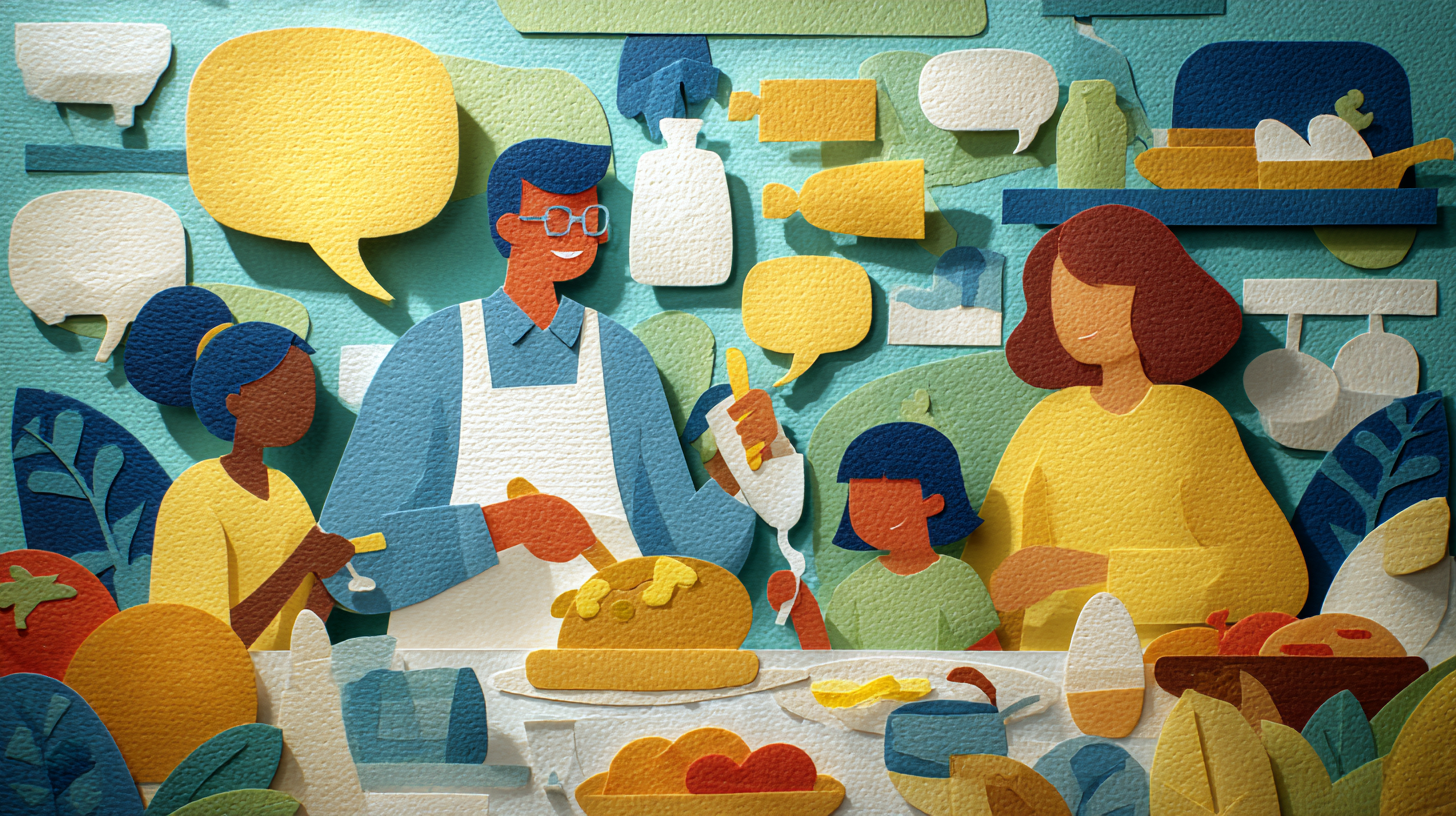
Research on family stress and feeding dynamics reveals something crucial: economic pressure, food insecurity, and parental emotional strain directly impact mealtime climate and child outcomes. When caregivers are stressed about money, time, or whether there’s “enough,” that anxiety bleeds into feeding interactions. Kids pick up on it. The table becomes tense.
But here’s the hope: even in challenging circumstances, small shifts in approach create measurable change. When parents learn to separate their own anxiety from the feeding relationship—when they can provide structure without pressure—children become more regulated, more willing to explore food, and more emotionally secure.
Think about it from your child’s perspective for a moment. They’re sitting at a table with people who are bigger, more powerful, and who control their entire world. They’re being told to put something in their bodies—to override their own internal signals—to please adults. Now add cameras (yes, we’re all guilty of food photos), commentary about what they’re eating or not eating, and comparisons to other family members.
Is it any wonder mealtimes become battles?
Quick Check: What’s Your Mealtime Approach?
Select the statement that best matches how you typically handle family meals:
Your approach reveals:
The Caribbean Secret to Connection
Here’s something beautiful I learned from Caribbean food culture that completely changed how I think about family meals: it’s not about the fancy recipes or complicated techniques. It’s about bringing people together with food that tells a story.
Growing up with Caribbean influences, meals were never about perfection. They were about warmth. About the smell of spices filling the house. About hands reaching across the table for plantain or rice and peas. About laughter and stories and that feeling of being exactly where you belong.
You know what made those meals special? Not the elaborate preparation. It was the expectation of togetherness. The understanding that when food appeared, people gathered. Phones didn’t exist yet (yes, I’m dating myself), but even if they had, the culture was clear: mealtime is for connection.
Modern families can borrow this wisdom without cooking elaborate Caribbean feasts. Simple foods prepared with warmth and offered without pressure create the same magic. A bowl of cornmeal porridge shared at breakfast. Scrambled eggs with a side of ripe plantain. Even crackers and cheese arranged on a plate and eaten together with genuine presence.
If you’re looking to introduce authentic island flavors while nurturing this connection-first approach, recipes like Sweet Potato & Callaloo Rundown or Coconut Rice & Red Peas from the Caribbean Baby Food Recipe Book offer simple preparations that bring families together around nourishing, culturally-rich foods—without the stress of elaborate cooking.
The point isn’t the specific cuisine. The point is that food becomes a vehicle for presence, not performance.
What Actually Changes Everything
So if traditional feeding advice has it backwards, what’s the right approach? What does “quality time over quantity food” actually look like in practice?
First, let’s get clear on what you control and what you don’t. This is where the division of responsibility in feeding becomes revolutionary.
Your job as the parent:
- Decide what foods to offer (balanced, varied when possible, but realistic for your situation)
- Decide when meals and snacks happen (predictable timing helps kids trust their hunger)
- Decide where eating occurs (table, counter, picnic blanket—whatever works for connection)
- Create a pleasant, low-pressure atmosphere
- Model healthy eating without commentary or performance
Your child’s job:
- Decide whether to eat
- Decide how much to eat
- Learn to listen to internal hunger and fullness signals
- Explore foods at their own pace without pressure
Notice what’s NOT on either list? Coaxing, bribing, restricting, counting bites, commenting on amounts, comparing to siblings, or using food as reward or punishment.
This approach requires a massive shift in mindset. You’re no longer measuring success by how much your child ate. You’re measuring it by whether you provided a safe, predictable, emotionally warm feeding structure.

Here’s what this might look like on a random Tuesday evening:
You put out dinner—maybe it’s rotisserie chicken, rice, and some cut vegetables. Maybe it’s leftovers. Maybe it’s breakfast-for-dinner. You call everyone to the table. Phones go in a basket by the door (yes, yours too). You sit down together.
Someone asks a conversation starter: “If you could have any superpower just for today, what would it be?” Everyone shares. There’s laughter. Your six-year-old picks at their food, eating mostly rice. You don’t comment. Your toddler eats surprisingly well. You don’t praise them or use it to shame the six-year-old.
After fifteen minutes, people start to finish. You clear plates without analysis or judgment. Maybe there’s a simple dessert for everyone regardless of what they ate. Maybe there isn’t. Either way, the meal ends on a warm note.
That’s it. That’s the magic.
No food battles. No anxiety about vegetables. No resentment on either side. Just structure, warmth, and trust.
The Real Barriers (And How to Navigate Them)
I can already hear the objections forming. “This sounds nice in theory, but my reality is…” And you’re right. There are genuine, legitimate barriers to creating this kind of mealtime environment.
Time scarcity is real. Irregular work hours, long commutes, after-school activities that run until 7pm—modern family scheduling is genuinely challenging. The solution isn’t to add more pressure by demanding elaborate home-cooked dinners. The solution is to get creative about when and how you connect over food.
Research on family meal patterns shows that 75% of parents are now enthusiastic about earlier “3:45 dinners” that align with children’s natural hunger rhythms and avoid evening meltdowns. About a quarter of families already practice this. Others are finding that breakfast together—even a simple 10-minute breakfast—becomes their primary connection meal.
One family I know does “snack plate dinners” twice a week: crackers, cheese, cut vegetables, fruit, maybe some deli meat. Everything goes on a platter in the middle of the table. Kids build their own plates. It takes five minutes to prepare and creates zero pressure. But they sit together. They talk. They connect.
That counts. That absolutely counts.
Financial stress is also real. Food insecurity and the rising cost of feeding a family create legitimate anxiety. But here’s an important distinction: expensive ingredients don’t create connection. The emotional climate you bring to the table costs nothing.
Rice and beans, served with warmth and presence, nourish both body and soul. Simple soups stretched over several meals. Eggs scrambled with whatever vegetables are affordable that week. These humble foods become sacred when shared with genuine attention and without judgment about amounts or choices.
If you’re working with limited ingredients and want to maximize nutrition while teaching connection, simple recipes like Basic Mixed Dhal Puree or Yellow Yam & Carrot Sunshine from the Caribbean Baby Food Recipe Book show how affordable staples become nourishing family meals with minimal effort.
✨ Your 7-Day Connection Challenge
Ready to shift from perfection to presence? Track your progress with these simple daily actions. Click each one as you complete it:
The Screen Situation
We need to talk about the elephant in the dining room: digital devices.
The research here is unambiguous and honestly a bit uncomfortable. Television during meals correlates with lower dietary quality, worse emotional atmosphere, and poorer family communication. Youth who frequently use personal devices during meals report placing less importance on family mealtimes altogether.
But perhaps most striking: observational studies show that parental phone use during feeding directly correlates with lower engagement and more dysregulated child behavior. When we’re physically present but mentally absent—scrolling Instagram while our toddler eats—children feel it. They internalize that divided attention as “I’m not worth your full focus.”
The solution isn’t to demonize technology. It’s to create clear, kind boundaries around it. Some families use a phone basket or charging station away from the eating area. Others set a timer—”phones away for 15 minutes while we eat.” Still others designate certain meals as screen-free zones.
What works best is consistency and modeling. If you ask kids to put devices away but keep yours on the table “just in case,” the message is clear: rules are for children, and whatever might ping your phone matters more than this moment together.
But when everyone—parents included—commits to presence for even a brief window, something shifts. Conversation flows more naturally. Eye contact increases. Kids feel seen. And ironically, the meals often feel more efficient because everyone’s actually engaged rather than distracted.
Qualitative research with parents who’ve reduced mealtime screen use shows a fascinating pattern: it feels difficult at first (withdrawal is real), but most families report that within a week or two, device-free meals feel easier, more pleasant, and more communicative than anyone expected.
When Food Itself Is Complicated
Some families face additional layers of complexity around food: allergies, sensory sensitivities, neurodiversity, medical conditions, or cultural and religious considerations. These aren’t minor details—they’re fundamental to how feeding works in your household.
The quality-over-quantity approach becomes even more critical here. When food itself is already fraught with anxiety or limitation, the last thing you need is additional pressure around amounts or variety.
For families managing allergies: Build-your-own meal formats (taco bars, grain bowls, pasta stations) allow everyone to customize safely while still eating together. The key is normalized inclusion—the child with allergies isn’t eating “special” food; everyone’s participating in the same flexible format.
For sensory differences or extreme selectivity: The division of responsibility becomes your lifeline. You provide options that include familiar safe foods alongside new or different items. Your child chooses. No pressure. No commentary. Just predictable structure and safety.
Many families find that offering meals family-style—platters in the middle where everyone serves themselves—reduces anxiety for children who need control over what touches their plate or how foods are arranged.
Recipes like Plantain Paradise or Calabaza con Coco from the Caribbean Baby Food Recipe Book offer naturally allergy-friendly starting points that can be adapted while still exposing children to rich flavors and textures without pressure.
For cultural food practices: The connection-first approach beautifully supports heritage food transmission. When you remove pressure and allow exploration, children become curious about family foods rather than resistant. Sharing stories about where foods come from, why they matter to your family, and memories attached to them makes eating together a cultural education—not a nutritional requirement.
What This Means for Your Next Meal
Here’s your permission slip: the next meal you share with your family doesn’t have to be perfect, elaborate, or Instagram-worthy to be valuable. It just has to include some measure of shared attention and emotional safety.
Maybe that’s tomorrow morning’s breakfast. Maybe it’s Saturday’s lunch. Maybe it’s an afternoon snack where you sit together for ten minutes instead of eating on the run.
Start by noticing what already works. Are there moments of natural connection around food in your household? A weekend breakfast ritual? That time after school when kids are actually hungry and chatty? Build from there.
Then remove one barrier to presence. Maybe that’s the TV. Maybe it’s your phone. Maybe it’s the expectation that everyone must eat the same thing or finish what’s served. Maybe it’s your own commentary about what or how much kids are eating.
Create one simple structure: a time, a place, some food. Invite presence—from yourself first, then from others. And then notice what emerges when you release the pressure to perform.
You might be surprised by what happens when meals stop being tests to pass and start being moments to share.
Your Personal Meal Transformation Plan
Based on everything you’ve learned, what ONE thing will you change about your next family meal? Choose what feels most doable for YOUR family right now:
Perfect choice!
The Ripple Effect You’re Creating
Here’s what research on family meals consistently shows: the benefits extend far beyond childhood. Adults who grew up with warm, connected family mealtimes report better mental health outcomes, stronger relationship skills, and healthier eating patterns decades later.
But it’s not the frequency of meals or the nutritional perfection that creates these outcomes. It’s the emotional memory of being seen, valued, and safely held during vulnerable moments of eating together.
When you shift from performance to presence, you’re not just changing dinner tonight. You’re shaping how your children will feed their own families someday. You’re teaching them that connection matters more than perfection. That their internal signals can be trusted. That food is something to be enjoyed, not feared or conquered. That they deserve to take up space at the table exactly as they are.
These aren’t small lessons. These are the foundations of lifelong wellbeing.
And the beautiful part? You don’t need special ingredients, fancy recipes, or hours of preparation to teach them. You just need to show up—fully present, reasonably calm, offering structure without control—and trust that connection does the rest.
That’s the shocking truth about family meals that changes everything: It was never about the food. It was always about the moment. The presence. The safety of being together.
And that? That you can do. Starting with your very next meal.
Starting Right Now
You don’t need to overhaul everything overnight. You don’t need to become a different kind of parent or cook elaborate meals you don’t have time for. You just need to take one small step toward presence over perfection.
Maybe that means putting your phone in another room for tomorrow’s breakfast. Maybe it means simplifying dinner twice this week so you have more energy for actual connection. Maybe it means releasing the rule that everyone must finish their vegetables and seeing what happens when the pressure lifts.
Maybe it means trying one simple, culturally-nourishing recipe that brings your family together around food without stress. Resources like the Caribbean Baby Food Recipe Book make this easier with 75+ simple preparations designed around connection and exploration rather than pressure and perfection.
Whatever your first step, make it small enough that you’ll actually do it. Because consistency in small changes creates bigger transformation than grand gestures that exhaust you.
The families who successfully shift from quantity to quality don’t do it through willpower or perfection. They do it by choosing presence—imperfectly, repeatedly, one meal at a time.
Your table doesn’t need to look like anyone else’s. Your meals don’t need to impress anyone. Your children don’t need to eat like other people’s children. You just need to create a small pocket of time where people feel safe, seen, and connected while sharing food.
That’s the real recipe. That’s what actually nourishes. And that’s what you’ll remember twenty years from now when these little people are grown and you’re looking back at this season of your life.
Not the vegetables they refused. Not the elaborate meals that stressed you out. Not whether dinner was organic or homemade or photographable.
You’ll remember the moments you were all really there together. The conversations that surprised you. The laughter that erupted spontaneously. The warmth of knowing that for those ten or fifteen or twenty minutes, nothing else mattered except being present with the people you love most.
That’s quality time. That’s what really matters. And you can start creating more of it with your very next meal.

Kelley's culinary creations are a fusion of her Caribbean roots and modern nutritional science, resulting in baby-friendly dishes that are both developmentally appropriate and bursting with flavor. Her expertise in oral motor development and texture progression ensures that every recipe supports your little one's feeding milestones while honoring cultural traditions.
Join Kelley on her flavorful journey as she shares treasured family recipes adapted for tiny taste buds, evidence-based feeding guidance, insightful parenting anecdotes, and the joy of celebrating food, culture, and motherhood. Get ready to immerse yourself in the captivating world of Kelley Black and unlock the vibrant flavors of the Caribbean for your growing baby, one nutritious bite at a time.
- The Feeding Revolution: Why Your Everyday Meals Are Changing the World - October 13, 2026
- Your Feeding Story Matters More Than The “Perfect” One Online - October 12, 2026
- Looking Forward: Stepping Into Your Confident Feeding Future - October 11, 2026