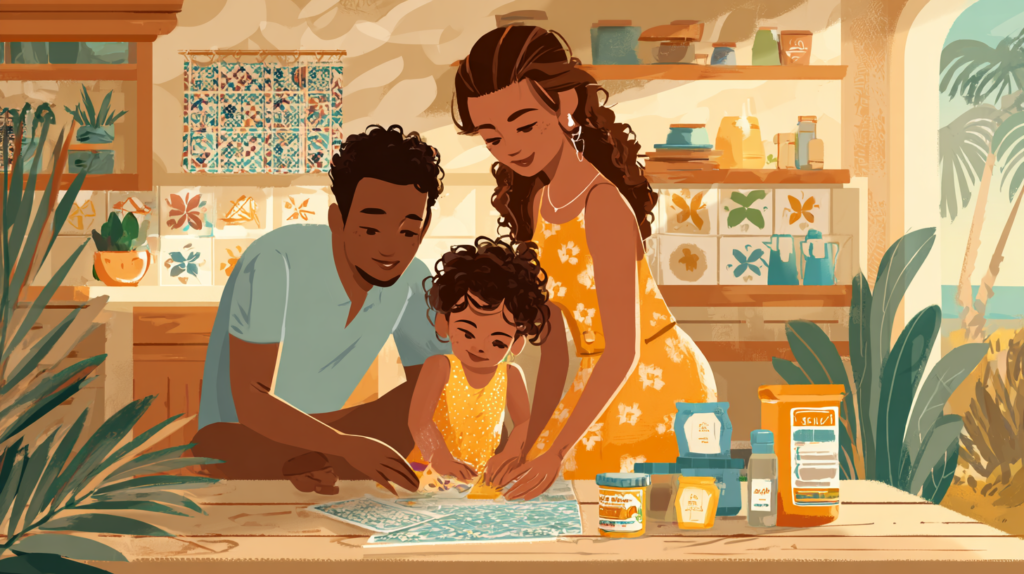
Building Your Food Allergy Emergency Kit: The Life-Saving Essentials Every Caribbean Family Needs to Keep Their Child Safe
How Prepared Are You RIGHT NOW?
Click your honest answer to discover your family’s emergency readiness level:
Three seconds. That’s how long you have between noticing your child’s face starting to swell and making the decision that could save their life. Not three minutes. Not “let me think about this.” Three seconds to grab that EpiPen, three seconds to remember where you put the Benadryl, three seconds to find the emergency action plan with your pediatrician’s number.
Last month, my friend Maria called me at 2 AM, her voice shaking. Her six-year-old had eaten a cookie at a birthday party that “definitely didn’t have any nuts”—except it did. The good news? She was prepared. The kit was ready. Her daughter is fine. But Maria told me something that still gives me chills: “I never thought it would happen to us. We’d been so careful for years. One moment of letting our guard down, and everything changed.”
Here’s what nobody tells you about food allergies until you’re living it: general first aid kits are useless. Band-aids don’t stop anaphylaxis. Antiseptic wipes don’t reverse swelling airways. You need something entirely different—something specifically designed for the split-second decisions that food allergies demand. And if you’re raising a Caribbean child with food allergies, you’re navigating a unique challenge that most mainstream allergy resources completely ignore.
Up to 8% of children now have food allergies, and that number keeps climbing. Emergency room visits for food-induced anaphylaxis have jumped 377% in the last decade. But here’s the statistic that should terrify every parent: 83.7% of families with food-allergic children don’t have an epinephrine auto-injector at home, and only 9.3% feel truly prepared to handle an emergency. Those aren’t just numbers—those are children whose lives depend on their parents’ preparation.
This isn’t another generic “pack a first aid kit” article. This is the comprehensive, no-nonsense guide to building an emergency kit specifically designed for food allergies—one that accounts for the realities of Caribbean family life, our unique ingredients, our cultural foods, and the gaps that exist when you’re trying to keep your child safe while still honoring your heritage. Whether you’re packing for home, school, church, or that family reunion where Aunty insists “just a little taste won’t hurt,” you need to know exactly what to pack, where to store it, and how to use it when every second counts.
Why Your Regular First Aid Kit Will Fail You
Most families start exactly where you’d expect: they pull out their regular first aid kit, add an EpiPen, and call it done. Then reality hits. You’re at a party, your child’s throat is closing, and you’re frantically digging through bandages, tweezers, and thermometer covers trying to find the medication while precious seconds tick away. Or worse—you find the EpiPen, but it expired six months ago, and now you’re facing a choice no parent should ever have to make.
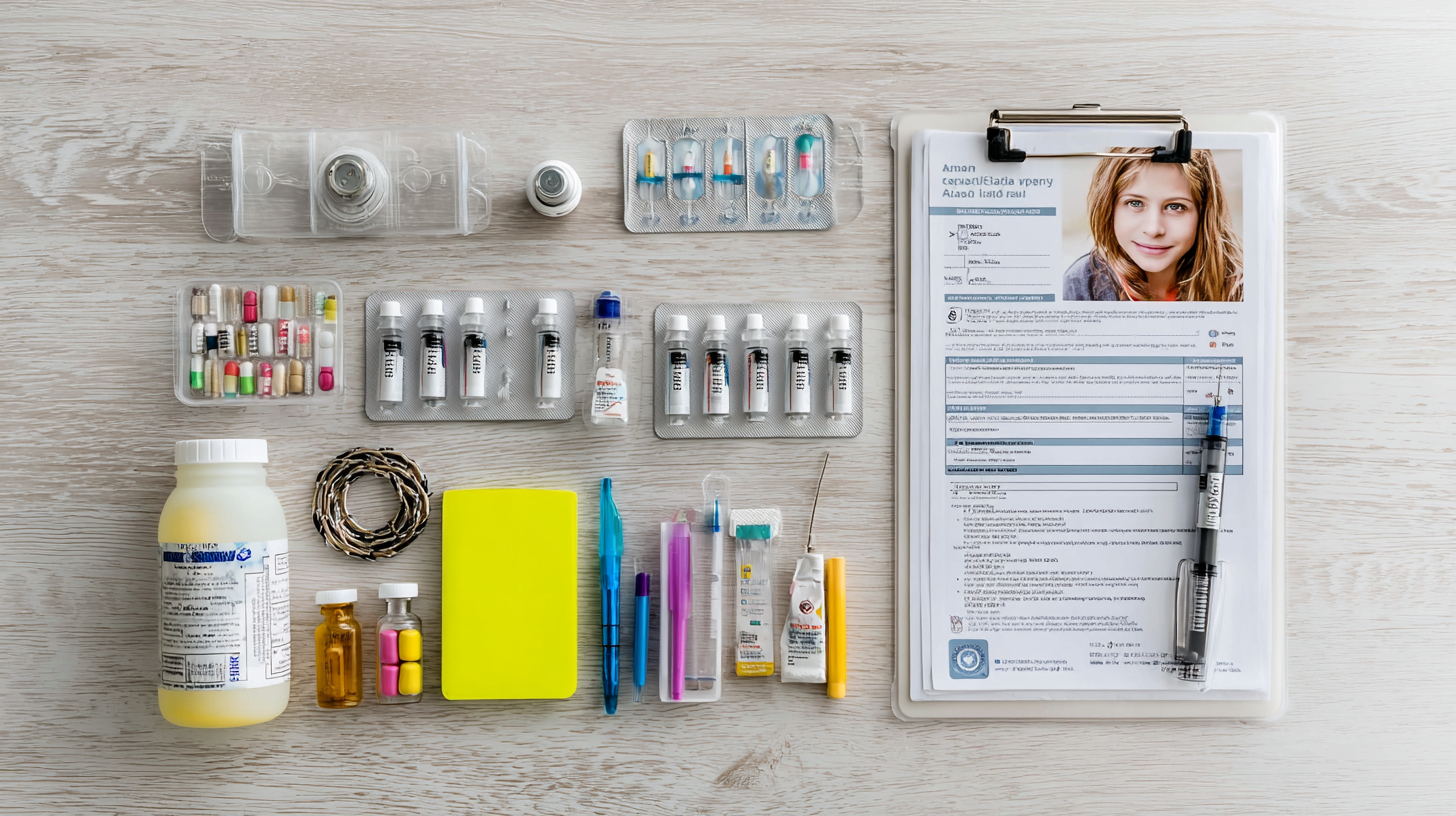
Food allergy emergency kits aren’t modifications of regular first aid—they’re entirely different systems built around three realities. First, speed is everything. When anaphylaxis starts, you have minutes before things become life-threatening. Your kit needs to be organized so you can grab exactly what you need in under five seconds, even if you’re panicking, even if it’s dark, even if someone else needs to use it. Second, food allergies require specific medications that general first aid never includes: epinephrine auto-injectors, fast-acting antihistamines in forms children can actually swallow quickly, and backup doses because one might not be enough. Third, you need safe food—something your child can eat when everyone else is enjoying treats that could kill them.
The stakes get even higher when you’re managing Caribbean food traditions. Our cultural meals are rich, complex, and often made with ingredients that mainstream allergy resources don’t even address. You need to know whether that mannish water has shellfish, whether the curry contains hidden peanut sauce, whether the roti was fried in the same oil as something dangerous. This isn’t just about reading English-language labels—this is about understanding recipes passed down through generations, verbal instructions from grandmothers, and communal cooking where cross-contamination isn’t even a concept most people understand.
A proper food allergy emergency kit is more than a bag of supplies—it’s a system. It’s the difference between confident, quick action and frozen panic. And once you understand what actually needs to be in there, building one becomes straightforward, even obvious. But most families never get proper guidance, and that gap is literally dangerous.
The Core Medical Arsenal: Medications That Save Lives
Let’s start with what matters most: the medications that stop allergic reactions in their tracks. This section is non-negotiable. Get this wrong, and nothing else in your kit matters.
Epinephrine auto-injectors are your first line of defense and your child’s insurance policy against anaphylaxis. Here’s what most parents don’t realize: you need at least two in every kit, not one. Why? Because 10-20% of severe allergic reactions are biphasic—meaning symptoms return after the first dose wears off, often when you’re already on the way to the hospital. The American Academy of Allergy, Asthma & Immunology specifically recommends two doses be immediately available, and in 2023, the Asthma and Allergy Foundation of America updated emergency protocols to emphasize this critical redundancy.
Brand matters less than you think—EpiPen, Auvi-Q, and generic epinephrine auto-injectors all work effectively. What matters desperately is expiration dates. Mark your calendar with reminders three months before expiration. Set phone alerts. Write it on your bathroom mirror. Do whatever it takes, because an expired EpiPen is barely better than no EpiPen, and you won’t know until the moment you need it most. Store them at room temperature, never in cars where temperature swings degrade the medication, and never in places where they’re hard to reach quickly.
Antihistamines are your second critical medication, but not all antihistamines work for emergencies. You need fast-acting liquid or chewable forms specifically—diphenhydramine (Benadryl) or cetirizine (Zyrtec) in formulations your child can take within seconds. Tablets that need to be swallowed whole aren’t fast enough when a throat is swelling. Liquid works best for young children, but keep chewables as backup because they don’t spill and they’re easier to administer if your child is already struggling to breathe. Dose by weight, not age, and keep a dosing chart in your kit so you’re not trying to calculate milligrams while panicking.
Here’s something almost nobody tells you: antihistamines don’t replace epinephrine. Ever. They can help with mild reactions—hives, itching, mild stomach upset—but they’re too slow for anaphylaxis. The new AAFA emergency action plan emphasizes this distinction clearly: if you’re seeing breathing problems, throat tightness, or rapid symptom progression, use the EpiPen immediately. Don’t wait to see if Benadryl works. You can give both, but epinephrine comes first.
Beyond these core medications, include a written emergency action plan from your child’s allergist. This isn’t optional paperwork—it’s a decision-making flowchart for the moment when your brain isn’t working properly. The plan should include your child’s photo, their specific allergens, clear symptom lists with “give EpiPen now” triggers highlighted, exact medication doses, and every emergency contact number you might need. Laminate it. Make multiple copies. One goes in every kit, one on your refrigerator, one at school, one with every caregiver who might be alone with your child.
✓ Your Essential Kit Checklist
Check off each item as you add it to your kit. Watch your preparedness score grow!
The Safe Snack Strategy: Food Your Child Can Actually Eat
This is where Caribbean families face challenges that mainstream allergy resources completely miss. Your child watches everyone else eat festival, patties, and sweet bread while they sit with nothing, feeling isolated and different. Or worse, well-meaning relatives insist “just one bite won’t hurt” because they don’t understand that for allergic children, one bite absolutely can hurt.
Your emergency kit needs safe snacks for three reasons. First, practical necessity: if you’re stuck somewhere for hours—a hospital waiting room, a delayed flight, a family event that runs longer than expected—your child needs to eat something safe. Second, social inclusion: when other kids are having treats, your child deserves something special too, not just “you can’t have that.” Third, prevention: a hungry child is more likely to accept food from someone who doesn’t understand the severity of their allergies.
Pack snacks that are shelf-stable, allergen-free, and actually appealing. This isn’t the place for “healthy but boring”—pack things your child genuinely likes, things that feel like treats. Individually wrapped items work best because they’re portion-controlled, less likely to get contaminated, and easy to share with other kids. Always include full ingredient labels with each item, even if you have to print them out and attach them yourself, because in an emergency, someone else might need to verify safety.
For Caribbean families specifically, finding culturally relevant safe snacks takes extra work. Most commercial “allergy-friendly” snacks are bland, Western-style foods that feel nothing like home. But many traditional Caribbean snacks are naturally safe if you know what to look for. Roasted chickpeas seasoned with island spices provide familiar flavors without common allergens. Plantain chips, if fried in safe oil, offer that crispy satisfaction. Coconut drops made carefully at home let you control every ingredient. Tamarind balls—those sweet-sour treats so many of us grew up with—can be homemade to avoid hidden ingredients.
If you’re introducing your little one to Caribbean flavors safely while managing allergies, the Caribbean Baby Food Recipe Book includes an entire section on allergies and safe introduction tips (page 40), plus recipes like Calabaza con Coco and Cornmeal Porridge Dreams that use naturally allergy-friendly ingredients common in island cooking. Learning which traditional ingredients are safe gives you options mainstream allergy resources never mention.
Pack variety. Children get bored with the same snacks repeatedly, and a bored child is a child who’ll be tempted by unsafe foods. Rotate snacks regularly—not just when they expire, but when your child shows signs of snack fatigue. Include both sweet and savory options because cravings vary. And always, always pack more than you think you’ll need. Better to bring home extra snacks than to face a hungry, cranky child with nothing safe to offer.
Communication Tools: Speaking Up When It Matters Most
Your child’s emergency kit must include tools that communicate their needs instantly, even when they can’t speak for themselves. These aren’t optional extras—they’re critical safety layers that work when everything else breaks down.
Medical ID bracelets or necklaces are your child’s voice when they can’t talk. Paramedics, teachers, coaches, and bystanders all check for medical IDs in emergencies. The bracelet needs clear, specific information: your child’s name, the specific allergens (not just “food allergies”), the words “ANAPHYLAXIS RISK,” and an emergency contact number. Some families resist medical IDs because they don’t want their child to feel “different,” but here’s the truth: that bracelet could be what saves your child’s life when you’re not there to advocate for them.
Emergency contact cards should be stored in every kit in a waterproof holder. These cards expand on what the bracelet provides: your child’s allergist contact information, your pediatrician’s number, your pharmacy’s phone number, your insurance information, and clear instructions for anyone who finds your child in distress. Make the cards bilingual if you live in an area where Spanish or Creole are common—in an emergency, the person helping might not speak English fluently, and every second matters.
Allergen alert cards serve a different purpose: these are the cards you hand to servers, coaches, party hosts, and other parents to explain your child’s allergies before something goes wrong. Word them clearly and directly: “My child has severe peanut and shellfish allergies. Even tiny amounts can cause life-threatening reactions. Please check with me before offering any food.” Print them on bright paper so they don’t get lost in someone’s pocket, and don’t apologize for being direct—your child’s safety isn’t negotiable.
For Caribbean families, these communication tools need cultural context. Many of our elders come from traditions where “allergies” weren’t recognized or discussed—people just avoided foods that made them sick, if they could. Some family members might dismiss allergies as “modern foolishness” or “pickiness.” Your emergency cards need language that bridges this gap: “This is a medical emergency condition diagnosed by a doctor, not a preference. [Child’s name] can die from exposure to these foods.” It’s blunt, but blunt saves lives.
⏱️ How Fast Can You Respond?
Click on a scenario to see how quickly you need to act:
The Comfort Factor: Supporting Your Child Emotionally
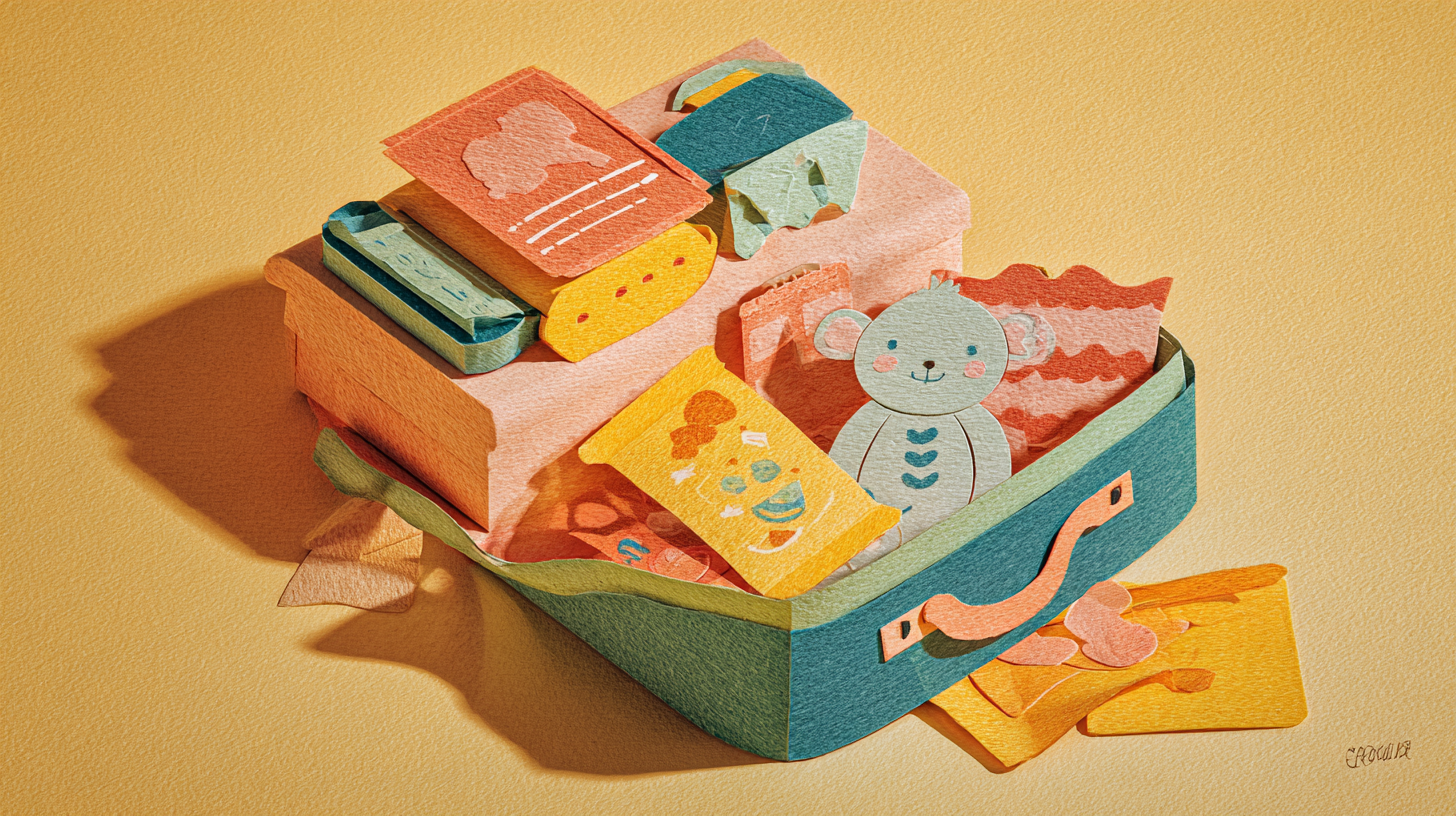
Here’s what took me years to understand: emergency kits aren’t just about medical intervention. They’re also about emotional support during what might be the scariest moment of your child’s life. An allergic reaction is traumatic—your child feels their body turning against them, adults around them panicking, and nothing makes sense. Adding a comfort item to your kit isn’t soft or unnecessary—it’s strategic psychological first aid.
Pack something small that brings your child emotional security: a favorite small toy, a special blanket, a photo of the family, or even just a sealed note in your handwriting reminding them they’re safe and loved. When everything else is chaotic and frightening, that familiar object gives them something known to hold onto. First responders and emergency room staff consistently report that children who have comfort items stay calmer, cooperate better with treatment, and recover faster from the psychological trauma.
Don’t overthink this—the “right” comfort item is simply whatever matters to your child. My nephew’s kit includes a tiny stuffed parrot from Jamaica that he’s had since he was a baby. My goddaughter’s has a laminated photo of her whole family at her last birthday party. Both items take up almost no space, cost nothing, and provide immeasurable comfort when it matters most.
For older children, consider including a small notepad and pen or pencil. If their throat is swelling or they’re struggling to talk, being able to write helps them communicate symptoms and feel less helpless. It’s a small thing that can make an enormous difference in their sense of control during a terrifying experience.
Storage, Organization, and the Multiple-Location Strategy
The best emergency kit in the world is useless if you can’t find it when you need it, if it’s degraded from poor storage, or if it’s sitting at home when the emergency happens at school. Storage and organization aren’t boring logistics—they’re the difference between life-saving access and tragic failure.
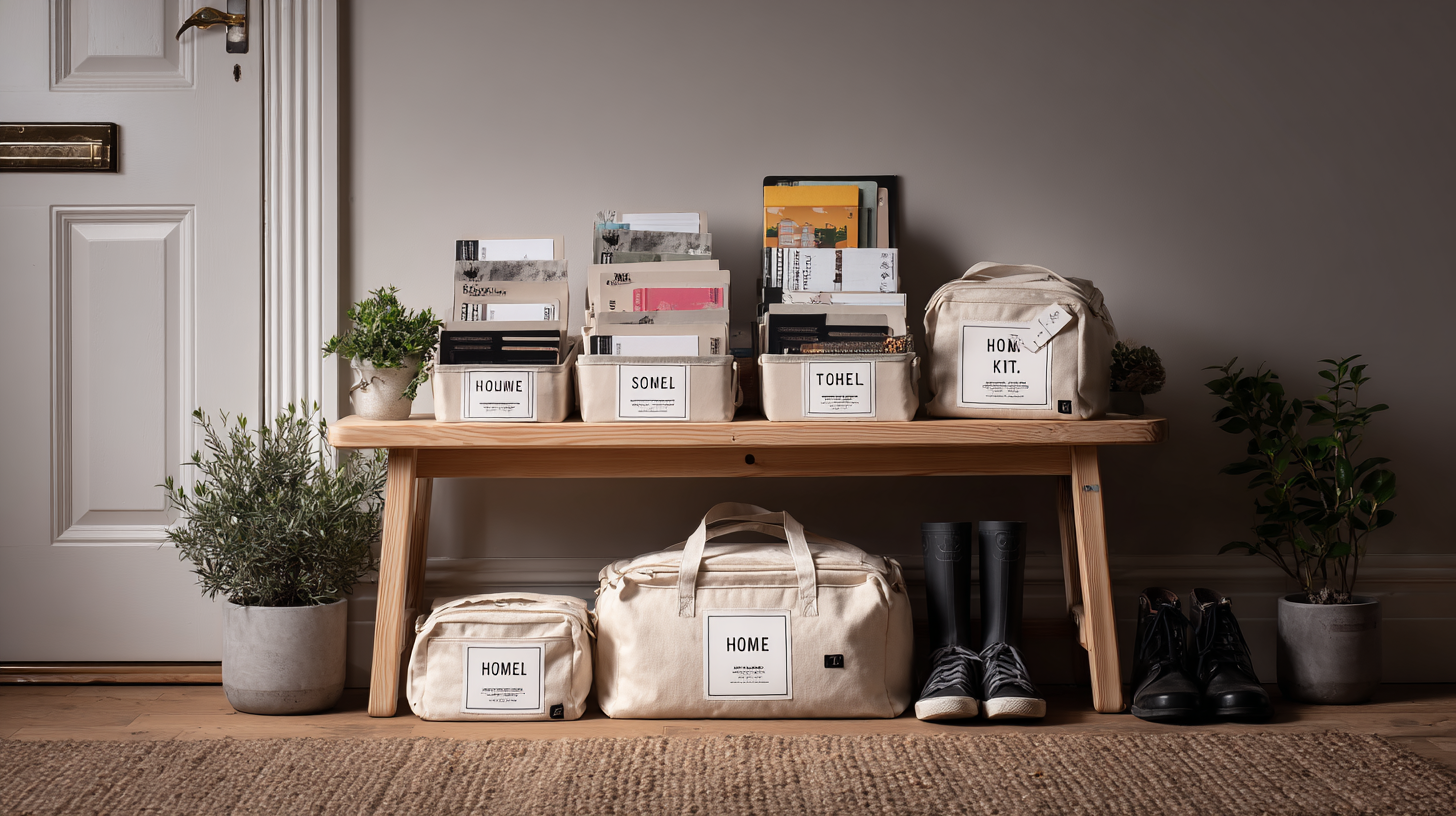
The container matters. Use clear bags or containers so you can see contents instantly without digging. Red or bright orange containers are ideal because they’re immediately visible in emergencies—you don’t want to waste seconds searching through neutral-colored bags. Some families use clear plastic tackle boxes with compartments, which work brilliantly for organizing different categories (medications in one section, snacks in another, communication tools in a third). Others prefer soft-sided pouches that fit easily into backpacks and purses. Choose based on your lifestyle, but prioritize visibility and quick access over aesthetics.
Organization within the kit should be intuitive even under stress. The most critical items—epinephrine and emergency action plan—go in the most accessible location, preferably in a brightly colored smaller bag within the main kit. Everything else organizes around those priorities. Label sections clearly. Some families use color coding: red for medications, green for snacks, blue for communication tools. The system doesn’t matter as long as it makes sense to everyone who might need to use the kit.
Storage location is where many families make critical mistakes. Epinephrine degrades at temperatures above 77°F (25°C) and below 59°F (15°C). This immediately rules out cars, where summer temperatures can hit 150°F (65°C) inside, and refrigerators, where it’s too cold. Store kits in climate-controlled spaces—inside your house, not the garage; in your office, not the car trunk; in a temperature-controlled room at school, not a metal locker. If you must keep a kit in a car temporarily, use an insulated medication cooler bag designed specifically for this purpose.
The multiple-location strategy is absolutely essential. You need separate, complete kits in every location where your child spends significant time. One at home (actually, two—one in a central location like the kitchen, one that travels with your child). One at school or daycare with clear instructions for staff. One at any regular caregiver’s house—grandparents, regular babysitters, close family friends. One in your vehicle if your child rides with you frequently. Yes, this means buying multiple EpiPens and assembling multiple kits. Yes, it’s expensive. And yes, it’s absolutely necessary because emergencies don’t wait for you to drive home and get the “good” kit.
Label every kit clearly with your child’s name, the date it was assembled, and the expiration date of the medications inside. Set calendar reminders to check each kit quarterly. Check expiration dates, verify snacks are still good, ensure that emergency contacts are current, and confirm that the emergency action plan reflects any changes in your child’s condition or medications.
When Does Your EpiPen Expire?
Select how many months until your EpiPen expires:
The Caribbean-Specific Challenge: Cultural Foods and Cross-Contamination
Managing food allergies in Caribbean communities comes with unique challenges that most allergy resources never address. Our food culture is built on sharing, communal cooking, multi-generational recipes passed down verbally, and ingredients that don’t appear in standard English allergen lists. Navigating this landscape while keeping your child safe requires specific strategies.
Communal cooking and shared utensils are deeply embedded in Caribbean culture, and they’re also dangerous for allergic children. That big pot of curry that everyone dips into with the same serving spoon? Cross-contamination central. The cutting board that was used for fish, then wiped down and used for vegetables? Still contaminated. The fryer used for peanut-crusted chicken, then used for plantains? Dangerous. You need to either bring your own safe food to events or work directly with the host to prepare your child’s food first, using separate equipment, before any allergens enter the kitchen.
This creates social friction. Some family members will be offended that you won’t let your child eat their cooking. Others will insist they “cleaned everything really well” without understanding that cleaning isn’t enough for severe allergies. You’ll be seen as paranoid, overprotective, or rejecting cultural traditions. Here’s what I learned: your child’s life is more important than anyone’s hurt feelings, and you can honor your culture in ways that don’t risk anaphylaxis.
Hidden ingredients in traditional recipes pose another challenge. Many Caribbean dishes contain nuts, seafood, or other allergens in unexpected ways. Peanut sauce or cashew paste might be the “secret ingredient” in someone’s curry. Ground almonds might be used to thicken a gravy. Fish sauce or shrimp paste might flavor a “vegetarian” dish. Asking about ingredients is essential, but it’s not enough—you need to ask about every component, every spice blend, every cooking method, because the person cooking might not even think to mention that they toasted the rice in the same pan they’d just used for fried fish.
Create allergen alert cards specifically for Caribbean contexts. Include the English names of your child’s allergens, but also include local terms: ground provisions, blue drawers, ackee, callaloo, soursop, tamarind. List common Caribbean dishes that typically contain the allergens: mention that many curries contain nuts, that mannish water contains various animal parts including potential shellfish, that many pastries use nut-based fillings. Make the connection explicit because not everyone realizes that “peanuts” and “groundnuts” are the same thing, or that “coconut” can mean anything from coconut water to coconut cream to freshly grated coconut flesh.
Learning to prepare safe versions of cultural foods at home helps maintain that connection to heritage without the risk. The Caribbean Baby Food Recipe Book is particularly valuable here because it breaks down traditional Caribbean ingredients and cooking methods in ways that let you identify safe substitutions. The sections on Jamaican baby food (starting page 48), Trinidad and Tobago (page 68), Guyana (page 88), and other islands include detailed ingredient guides that help you understand which components of traditional dishes are naturally safe and which need careful handling.
Training Everyone: Your Kit Is Only as Good as the People Who Use It
An emergency kit sitting unused because no one knows how to operate it is just an expensive bag of supplies. Training every adult who spends time with your child is as essential as packing the kit itself. This includes grandparents, teachers, coaches, church leaders, family friends, neighbors—anyone who might be the adult present when a reaction starts.
The training needs to cover five key points. First, how to recognize anaphylaxis: not just “difficulty breathing,” but the full range of symptoms including skin changes, gastrointestinal distress, rapid heartbeat, confusion, and the terrifying sensation of impending doom that many children describe. Second, how to use the EpiPen: where to inject, how hard to press, how long to hold it, and what to do with the used injector. Third, when to use it: immediately, at the first sign of anaphylaxis, without waiting to see if symptoms worsen. Fourth, what to do after injecting: call 911, keep the child lying down with legs elevated (unless they’re vomiting or struggling to breathe, in which case sitting up is safer), monitor closely, and be prepared to give the second dose. Fifth, where everything is located: the kit’s storage spot, how to open it, what’s inside, and how to find the emergency action plan.
Practice with trainer devices. Most manufacturers provide training auto-injectors that look identical to real ones but contain no needle or medication. Run through scenarios with every caregiver: “Okay, Jamie just ate something and is now saying her throat feels funny. What do you do?” Watch them go through each step. Correct mistakes. Repeat until it’s automatic. This feels excessive until you’re the person frantically trying to remember which end of the EpiPen is which while your child is gasping for air.
For Caribbean families, this training often requires overcoming cultural barriers about Western medicine, invasive medical interventions, and challenging elder authority. Some grandparents are deeply uncomfortable with the idea of giving an injection, especially to a child. Some worry about causing pain or doing it wrong. Here’s how one mother I know handled it: she brought her mother to a training session led by the child’s allergist, where a medical professional explained exactly why immediate EpiPen use is non-negotiable and demonstrated proper technique. Having a doctor validate the approach made it acceptable in ways that her own explanations never achieved.
Document your training. Keep a simple log of who has been trained, when, and what was covered. Update it annually and whenever new caregivers enter your child’s life. This isn’t about being controlling—it’s about ensuring that everyone in your child’s circle of care has the knowledge they need to save their life.
Where Do You Need Emergency Kits?
Click every location where your child spends time regularly. Your goal: 100% coverage!
Home
School
Daycare
Grandparents
Your Car
Church
Sports/Activities
Babysitter
Travel Bag
Friends’ Houses
Beyond the Basics: Advanced Preparation for Real-World Scenarios
Once you have the core kit assembled, stored, and understood by all caregivers, it’s time to think about the scenarios that separate adequate preparation from comprehensive safety. These are the situations that catch even careful families off guard.
Travel requires specialized planning. Airplanes have their own rules about carrying medications, and until recently, most airline medical kits didn’t include epinephrine—though new legislation now requires this. Pack your child’s emergency kit in carry-on luggage, never checked bags, because you need access during the flight and because checked luggage can sit in temperature extremes that degrade medications. Bring extra doses beyond what you’d normally carry, because travel delays can extend trips unexpectedly. Research hospitals and emergency rooms at your destination before you leave. Carry a letter from your child’s doctor explaining the medical necessity of the medications you’re carrying—this prevents problems at security checkpoints.
For Caribbean families traveling between islands or back to the home country, this gets more complex. Some Caribbean nations have stricter medication import rules. Some don’t have the same emergency response systems you’re used to. Some rural areas might be hours from the nearest hospital. Call your destination’s embassy or health ministry to understand requirements. Pack more than you think you’ll need. Know ahead of time where you’ll get emergency care and how you’ll communicate the emergency if English isn’t the primary language where you’re going.
School and daycare policies vary wildly in how they handle food allergies and emergency medications. Some schools allow children to carry their own EpiPens; others require all medications to be locked in the nurse’s office, even if that’s several minutes’ walk from the classroom. Some have trained staff who can administer epinephrine; others only allow the nurse to do it, meaning your child needs to wait until the nurse is located and arrives. These policies can literally be the difference between life and death.
Advocate fiercely for policies that prioritize immediate access. Schools that lock all medications away are following outdated guidelines that predate current medical understanding of anaphylaxis. The new AAFA emergency action plan specifically addresses schools, emphasizing that delays in epinephrine administration dramatically increase risk of fatal outcomes. If your child’s school has dangerous policies, work with other allergy parents to change them. Bring in documentation from allergists. Contact the school district. Push for 504 plans or IEPs that legally mandate appropriate accommodations. Your child’s safety cannot depend on whether the nurse happens to be available in the next three minutes.
Social events and parties are high-risk scenarios that require their own strategy. Always feed your child a safe meal before attending an event where food will be served—a full child is less tempted by dangerous foods and less likely to accept treats from well-meaning adults who don’t understand allergies. Bring safe alternatives that are appealing enough that your child doesn’t feel deprived when everyone else is eating cake. Speak directly with the host beforehand, explain your child’s allergies, and don’t assume anyone will remember or take it seriously unless you make it explicit.
At Caribbean family events, this often means navigating complex social dynamics. You might be seen as rude for not letting your child “try” Aunty’s special dish. You might be pressured to “stop being so paranoid” by relatives who think you’re overreacting. Stand firm. Your child’s life is not negotiable, and anyone who loves your child will understand once you explain the reality: this isn’t pickiness or rudeness; this is literally life and death. If necessary, bring printed information from your child’s allergist to share with skeptical family members.
Emergency drills at home should happen regularly, just like fire drills. Once every few months, run through a scenario: “Okay, Jamie just ate something with nuts by accident and is starting to wheeze. Go!” Watch how fast everyone responds. Can you find the kit in under ten seconds? Can you locate the EpiPen immediately? Does everyone know to call 911 after administering the injection? Can siblings explain what’s happening if they need to? These drills feel silly until an actual emergency happens and muscle memory takes over.
The Psychological Dimension: Supporting Your Child’s Emotional Well-Being
Food allergies don’t just threaten physical safety—they carry emotional weight that affects children’s psychological development and social integration. Your emergency kit can’t address all of that, but your approach to managing allergies absolutely shapes how your child experiences this reality.
Children with food allergies report higher levels of anxiety and social isolation than their peers. They fear accidental exposure. They feel different during social eating situations. They worry about burdening parents and caregivers. These psychological impacts are real and documented, and they deserve attention alongside the physical safety measures.
Frame allergy management as empowerment, not restriction. Instead of focusing on what your child can’t eat, emphasize what they can safely enjoy. Celebrate finding new safe foods. Make preparing their emergency kit a shared activity where they have input and ownership. As they get older, teach them to advocate for themselves: how to read labels, how to ask about ingredients, how to politely but firmly refuse unsafe foods. Children who feel competent and in control of their condition experience less anxiety than children who feel helpless and dependent on adults for every food decision.
For Caribbean children specifically, there’s an added cultural dimension. Food is how we show love, celebrate heritage, and maintain connection to our roots. A child who can’t eat traditional foods can feel disconnected from their culture. This is where learning to prepare safe versions of cultural dishes becomes psychologically important, not just practically useful. When your child can eat callaloo or coconut rice or plantain—even if it’s a carefully prepared safe version rather than the communal pot—they maintain that cultural connection. The Caribbean Baby Food Recipe Book addresses this exact issue, showing how to introduce Caribbean flavors safely and maintain cultural food traditions even with dietary restrictions.
Connect with other allergy families, especially other Caribbean families managing similar challenges. Social support reduces isolation and provides practical wisdom from people who’ve navigated the same obstacles. Online communities, local support groups, and school-based allergy networks all offer valuable resources and emotional support for both children and parents.
Perfect Comfort Item for Your Child
Select your child’s age range to get personalized comfort item suggestions:
When to Replace, Refresh, and Reassess
Emergency kits aren’t build-it-once-and-forget-it projects. They require regular maintenance, updates, and honest reassessment of whether they still meet your family’s needs. Neglecting this maintenance phase is where many well-intentioned families end up with kits that fail when needed most.
Medication expiration is your primary maintenance concern. EpiPens typically last 12-18 months from manufacture, but you need to replace them well before they expire. Set automatic calendar reminders three months before expiration, giving yourself time to get prescriptions refilled and insurance processed. Some insurance companies resist covering new EpiPens before the old ones technically expire—this is where having a documented history of regular replacement and a letter from your allergist helps. Never, ever let an EpiPen expire while it’s still your only emergency dose.
Check the solution regularly, even before expiration. Epinephrine should be clear and colorless. If it’s turned brown, cloudy, or contains particles, it’s degraded and needs immediate replacement regardless of the printed date. Temperature damage, sunlight exposure, and other factors can degrade the medication faster than expected.
Snack rotation should happen every three months. Even if the snacks are technically still good, rotating prevents your child from getting bored with the same options and ensures freshness. Use rotated snacks for regular eating rather than wasting them, and replace with new varieties to keep things interesting.
Emergency plan updates are necessary whenever anything changes: new medications, different dosages, new allergists, changed phone numbers, different caregivers, or updates to your child’s specific allergen list. Some allergies resolve over time (especially milk and egg allergies in young children); others develop newly. Your emergency plan needs to reflect current reality, not outdated information.
Seasonal reassessment is useful for identifying gaps. Before the school year starts, before holiday traveling, before summer camp, before any major routine change—take stock. Are all kits fully stocked? Are medications current? Does everyone involved know the protocol? Has anything changed that requires new planning? These quarterly check-ins catch problems before they become emergencies.
Growth-based updates apply as children age. Dosages increase with weight. Younger children need different snack options than older ones. Communication tools that work for a preschooler won’t work for a preteen who’s learning to advocate for themselves. Comfort items that matter to a three-year-old might embarrass a ten-year-old. Your kit needs to grow with your child, not remain stuck in the version you built when they were first diagnosed.
The Wider Safety Net: Beyond Your Emergency Kit
Your emergency kit is one critical component of food allergy management, but it’s not the only one. A comprehensive safety approach includes systems, habits, and community engagement that work together to minimize risk and maximize response effectiveness.
Ingredient label reading needs to become automatic for everyone in your household. The FDA requires clear allergen labeling, but you need to understand not just obvious listings but also hidden sources. “Natural flavors” can contain allergens. “May contain” or “processed in a facility with” warnings indicate cross-contamination risk. Ingredients change without warning—manufacturers reformulate products regularly, so something safe last month might contain allergens now. Check every time, even with familiar products.
Restaurant communication protocols protect your child when eating out. Speak directly with kitchen staff, not just servers. Ask about preparation methods, not just ingredients. Verify that cross-contamination prevention is possible—if they’re frying your child’s “safe” food in the same oil they just used for shrimp, it’s not safe. If a restaurant can’t or won’t accommodate serious allergies, leave. No meal is worth the risk.
For Caribbean families, this often means educating restaurants about Caribbean ingredients that aren’t on standard allergen lists. Explaining that breadfruit is a staple, that callaloo is a green, that mannish water might contain shellfish—these aren’t automatic knowledge for non-Caribbean restaurant staff, and you can’t assume they’ll know to ask.
School and institutional policies require active advocacy. Don’t accept dangerous policies just because “that’s how we’ve always done it.” Food allergy management has evolved dramatically in the last decade, and many institutional policies haven’t kept up. The Asthma and Allergy Foundation of America now provides model school policies that schools should adopt. If your child’s school lags behind, bring them this information and push for change.
Community education creates a safer environment for all allergic children. When you educate your child’s classmates about allergies, you reduce the risk that someone will wave a peanut butter sandwich near your child’s face as a “joke.” When you help relatives understand the reality of anaphylaxis, you reduce the chance that someone will sneak your child “just a tiny taste” of something dangerous. When you normalize allergy awareness in your community, you create a culture where people take it seriously rather than dismissing it as paranoia.
New treatment options are expanding beyond emergency management. Oral immunotherapy can potentially reduce allergy severity over time, though it comes with risks and isn’t appropriate for everyone. New forms of epinephrine—nasal sprays, under-the-tongue tablets—are entering clinical use, offering alternatives to injections. Staying informed about these developments helps you make educated decisions about your child’s long-term care.
Living Fully With Food Allergies
Here’s what I wish someone had told me when we first started this journey: food allergies are serious, and they require constant vigilance, but they don’t have to define your child’s entire life or rob your family of joy. With proper preparation, education, and systems in place, children with food allergies live full, happy, socially integrated lives. They travel, attend parties, participate in sports, go to college, and do everything other children do—they just do it with extra planning and a well-stocked emergency kit.
The emergency kit is your insurance policy. You build it hoping you’ll never need it, but knowing that if you do, you’re ready. That readiness—that confidence that comes from genuine preparation—is what allows you to let your child participate in life rather than hiding at home avoiding all risk. Ironically, thorough preparation is what enables freedom, not restriction.
For Caribbean families specifically, there’s something powerful about maintaining cultural food connections while managing allergies successfully. It sends a message to your child: your heritage matters, your safety matters, and both can coexist. You don’t have to choose between being Caribbean and being safe. You don’t have to give up plantain and rice and peas and all the flavors of home. You just have to be thoughtful, intentional, and well-prepared.
Building your food allergy emergency kit is an act of love—fierce, practical, protective love that shows up in lam

Kelley's culinary creations are a fusion of her Caribbean roots and modern nutritional science, resulting in baby-friendly dishes that are both developmentally appropriate and bursting with flavor. Her expertise in oral motor development and texture progression ensures that every recipe supports your little one's feeding milestones while honoring cultural traditions.
Join Kelley on her flavorful journey as she shares treasured family recipes adapted for tiny taste buds, evidence-based feeding guidance, insightful parenting anecdotes, and the joy of celebrating food, culture, and motherhood. Get ready to immerse yourself in the captivating world of Kelley Black and unlock the vibrant flavors of the Caribbean for your growing baby, one nutritious bite at a time.
- The Feeding Revolution: Why Your Everyday Meals Are Changing the World - October 13, 2026
- Your Feeding Story Matters More Than The “Perfect” One Online - October 12, 2026
- Looking Forward: Stepping Into Your Confident Feeding Future - October 11, 2026