
When Your Baby Won’t Eat: The Real-World Guide to Feeding Through Sickness
It’s 2 AM, and you’re watching your usually ravenous little one push away their favorite sweet potato mash for the third time today. Their forehead is warm. Their eyes are glassy. And that gnawing worry in your stomach asks the question every parent dreads: Are they eating enough?
Here’s what nobody tells you in those picture-perfect parenting books: sick babies are supposed to eat less. Their bodies aren’t being difficult—they’re being smart. But knowing that doesn’t make it easier when you’re staring at an untouched plate at midnight, does it?
Today, I’m sharing everything I learned during those long nights—the truth about what your baby actually needs when they’re sick, the foods that truly help (and the ones that don’t), and most importantly, when that voice in your head saying “something’s not right” means it’s time to call the doctor.
Quick Symptom Check: What’s Your Baby Dealing With?
Tap the symptoms your baby is experiencing, and I’ll show you exactly what foods can help right now.
Recommended Foods for Your Baby:
The Truth About Appetite Loss (And Why It’s Actually Normal)
Let me tell you about the first time my nephew got sick. His mama—my sister—called me in a panic because he’d refused every meal for an entire day. “He’s always hungry,” she said. “Always. What if something’s really wrong?”
That’s when I learned something that changed everything: when babies get sick, their bodies shift into survival mode. They’re not trying to make you worry. They’re conserving energy to fight off whatever’s making them feel terrible. Research shows that during illness, most children naturally eat less frequently and in smaller quantities—and that’s their body being brilliant, not broken.
But here’s the catch: while reduced appetite is expected, you still need to watch for the red flags. If your baby misses two feedings in a row, isn’t producing wet diapers every six hours, or seems excessively lethargic, that’s when you pick up the phone. For babies under two months, any vomiting (not just spitting up) warrants an immediate call to your pediatrician.
The goal during illness isn’t to force three square meals. It’s to keep them hydrated and nourished with whatever they’ll accept—even if that means offering tiny amounts every 20 minutes instead of full servings three times a day.

Hydration: Your Secret Weapon (And How to Get It Right)
If there’s one thing that matters more than food when your baby is sick, it’s fluids. I learned this the hard way watching my cousin’s baby recover from a stomach bug. The pediatrician’s exact words? “Food is good. Hydration is life.”
For babies under six months, breast milk or formula is everything they need. But here’s the trick my grandmother taught me from back home in the Caribbean: if your baby is congested and struggling to feed, nurse them upright. Use saline drops before feeding. Clear those tiny airways, and suddenly they can drink again.
For older babies dealing with diarrhea or vomiting, oral rehydration solution becomes your best friend. The World Health Organization recommends 50-100 mL after each loose stool for babies under 24 months. That sounds like a lot written out, but in practice? It’s small, frequent sips throughout the day.
Hydration Calculator: How Much Does Your Baby Need?
Slide to your baby’s weight, and I’ll calculate their hourly fluid goals.
Recommended Fluid Intake:
Tip: Use a medicine syringe or small spoon for babies under 1 year. Offer tiny amounts every 5-10 minutes.
Watch for these dehydration warning signs: fewer than usual wet diapers, no tears when crying, sunken soft spot on baby’s head, or extreme lethargy. If you see these, don’t wait—call your pediatrician immediately.
The Comfort Foods That Actually Work
When my friend’s daughter came down with her first cold, she asked me, “What should I even offer her?” The answer isn’t complicated, but it is specific. Different illnesses need different approaches.
For fever, think hydration-heavy options: diluted juice, warm broths, smooth mashed potatoes made with extra milk for calories, and room-temperature pudding. These slip down easily when swallowing feels like work.
With congestion and colds, warm foods become heroes. My go-to? A gentle chicken soup with vegetables cooked until they’re impossibly soft. Back home, we’d make what we call “provision soup”—a healing blend of ground provisions like yam and sweet potato that’s easy on tiny tummies. Scrambled eggs mixed until creamy, room-temperature yogurt (cold can increase discomfort), and smooth applesauce round out the rotation.
During diarrhea, the BRAT approach (bananas, rice, applesauce, toast) still holds value, though I like to sneak in cooked vegetables when possible. Oatmeal cooked with extra water until it’s thin and gentle works beautifully. If you’re making Caribbean-inspired baby meals, recipes like the Simple Metemgee Style Mash or Calabaza con Coco (pumpkin with coconut milk) offer familiar comfort with easy digestibility.
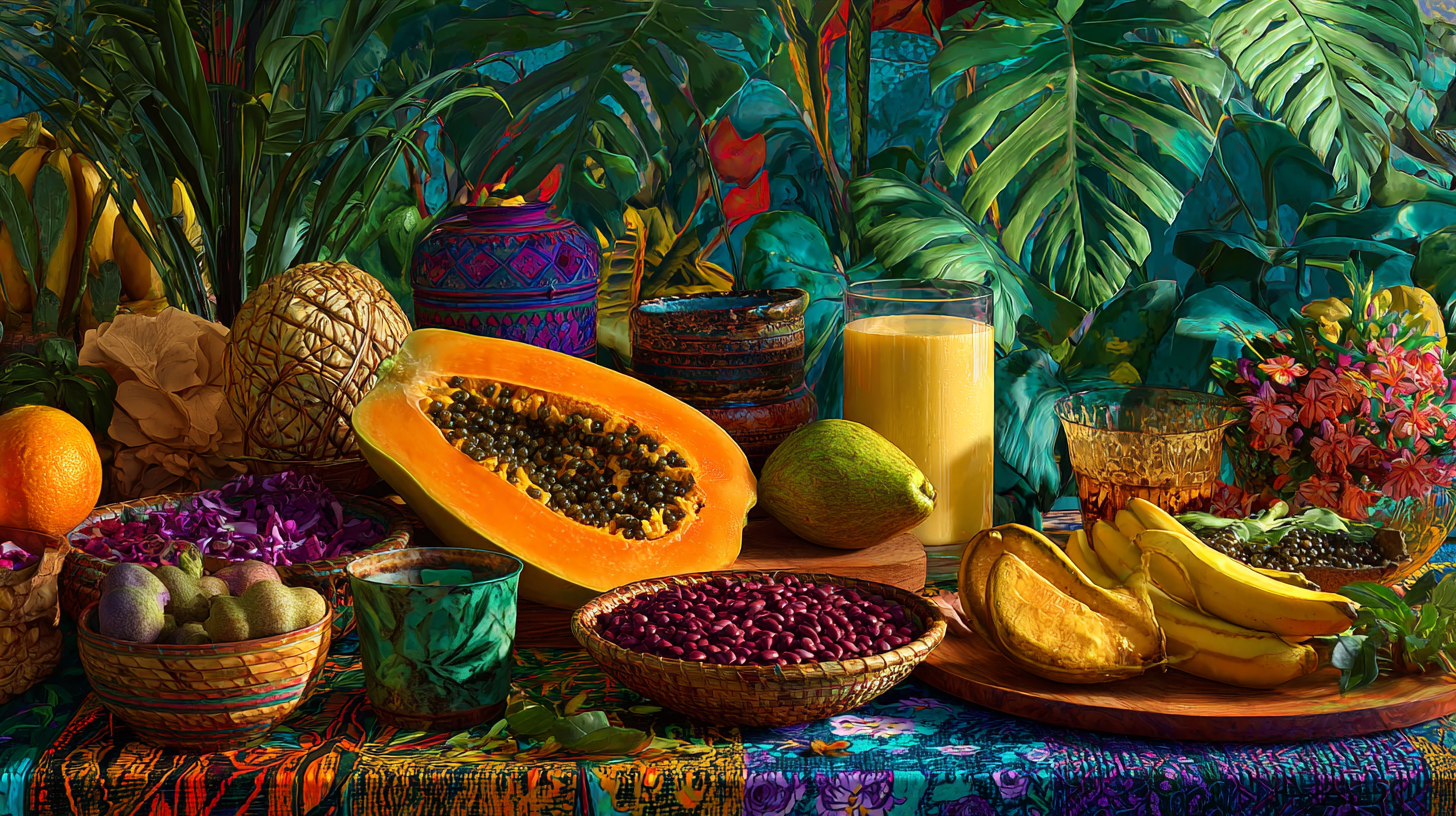
For sore throats, temperature matters. Offer lukewarm (never hot) soups, barely-warm broths, and smooth gelatin. One recipe my grandmother swore by was curd rice with a tiny pinch of cumin and ginger—soothing and anti-inflammatory. You’ll find similar gentle grain preparations in the Caribbean Baby Food Recipe Book, including variations of Cornmeal Porridge Dreams that can be thinned for easier swallowing.
If constipation strikes during or after illness, lean into fiber: unpeeled apple slices (if age-appropriate), mashed beans, baked sweet potato, or small pieces of bran muffins softened with breast milk or formula.
Test Your Knowledge: Food Safety for Sick Babies
Let’s see if you can spot the safe choices! (No judgment—we’re all learning.)
Question 1: Your 8-month-old has diarrhea. Which is the safest choice?
Question 2: Your 10-month-old has a fever and won’t eat solids. What should you prioritize?
Question 3: When reheating homemade baby food for your sick 7-month-old, what’s crucial?
Your Food Safety Score:
Caribbean Wisdom: The Foods That Heal
Growing up, whenever someone got sick in our family, my grandmother would head straight to the kitchen. Not the medicine cabinet—the kitchen. Because she understood something modern science is only now confirming: the right foods don’t just fill bellies; they support healing.
Stewed apples with a hint of cinnamon weren’t just tasty—they provided hydration, easy-to-digest carbohydrates, and vitamin C. Sweet potatoes mashed with a touch of coconut milk offered beta-carotene to boost white blood cells. That warm cornmeal porridge? Comfort in a bowl, with the added benefit of gentle fiber and sustained energy.
When you’re making foods for a sick baby, the Caribbean Baby Food Recipe Book offers dozens of options that translate beautifully to illness feeding. Recipes like Yellow Yam & Carrot Sunshine, Sweet Potato & Callaloo Rundown, and Plantain Paradise can all be thinned to easier consistencies. The Coconut Rice & Red Peas provides protein and comfort. The Dasheen Bush Silk offers gentle nutrition from ground provisions our ancestors relied on during recovery.
These aren’t just recipes—they’re traditions passed down because they work. They’re easily digestible, nutrient-dense, and most importantly, they taste like love when your little one needs it most.
Recovery Roadmap: What to Expect Day by Day
Choose your baby’s illness type to see a realistic feeding timeline.
Days 1-2: Acute Phase
What’s happening: Peak congestion, reduced appetite, lots of fussiness.
Feeding approach: Small, frequent nursing sessions or bottles. Offer warm broths, thin porridges, and purées. Don’t stress about solid food refusal—hydration is everything.
Expect: 30-50% reduction in normal food intake. This is normal.
Days 3-4: Turning Point
What’s happening: Congestion starts clearing, slight appetite increase.
Feeding approach: Continue comfort foods like smooth soups and mashed vegetables. Introduce thicker textures as tolerated. Watch for emerging appetite signals.
Expect: Baby may ask for favorite foods—offer small portions.
Days 5-7: Recovery
What’s happening: Energy returns, appetite rebounds (sometimes dramatically!).
Feeding approach: Gradually reintroduce normal variety and textures. Don’t immediately return to full portions—build up over 2-3 days.
Expect: Some babies eat ravenously; others take another week to fully recover appetite. Both are fine.
First 24 Hours: Crisis Mode
What’s happening: Active vomiting and/or diarrhea. High risk of dehydration.
Feeding approach: LIQUIDS ONLY. Oral rehydration solution every 5-10 minutes in tiny amounts (5-10 mL for under 1 year; 15-30 mL for over 1 year). Continue breastfeeding if able.
Red flag: If they can’t keep ANY liquids down for 4+ hours, call your doctor.
Days 2-3: Gentle Reintroduction
What’s happening: Vomiting stops, diarrhea continues but lessens.
Feeding approach: Start BRAT foods—bananas, rice, applesauce, toast. Add plain crackers, oatmeal with extra water. Keep portions tiny. Continue aggressive hydration.
Expect: 3-4 loose stools daily is normal at this stage.
Days 4-7: Rebuilding
What’s happening: Stools firming up, appetite returning.
Feeding approach: Add cooked vegetables, lean proteins, and regular foods. Avoid dairy for another 3-4 days as the gut heals. Watch for signs of lactose intolerance—it’s temporary.
Expect: Full appetite recovery within 7-10 days.
While Fever is Active
What’s happening: Body fighting infection, energy redirected to immune response.
Feeding approach: Don’t push food. Offer high-fluid options: diluted juices, soups, smoothies, popsicles (for over 12 months). Room-temperature foods are often better tolerated.
Expect: Dramatic appetite loss. As long as they’re drinking, this is okay.
Fever Breaks
What’s happening: Body temperature normalizing, energy slowly returning.
Feeding approach: Start with easy favorites—whatever they’ll eat. Don’t worry about nutrition balance yet; focus on calories and rebuilding interest in food.
Expect: Some kids are ravenous immediately; others take 24-48 hours.
24-48 Hours Post-Fever
What’s happening: Full recovery approaching.
Feeding approach: Return to normal meal schedule and variety. They may eat more than usual for a few days—that’s their body catching up.
Expect: Complete appetite normalization within 3-5 days of fever breaking.
When to Call the Doctor (And When Not To)
This is the section I wish someone had given me years ago, written in plain English instead of medical jargon. Because at 3 AM when your baby is sick, your anxiety is running high, and you’re wondering if this is “call the doctor” urgent or “wait until morning” normal.
Call your pediatrician within 24 hours if:
- Baby under 3 months has ANY fever (100.4°F or higher)
- Baby 3-6 months has fever lasting more than one day
- Baby misses two feedings in a row
- Fewer than usual wet diapers (less than every 6 hours)
- Vomiting (forceful, not just spit-up) continues for 8+ hours
- More than 3 very watery stools in a day
- Baby seems much sicker than usual with routine illness
Call immediately or go to the emergency room if:
- Baby is limp, unresponsive, or difficult to wake
- Labored breathing or gasping
- No wet diapers for 8+ hours
- Sunken soft spot (fontanelle)
- No tears when crying
- Purple or red skin spots
- Stiff neck with fever over 101.5°F
- Can’t keep ANY fluids down
Trust your gut. If something feels wrong—if your baby just isn’t acting like themselves in a way that scares you—make the call. Pediatricians would rather hear from you ten times unnecessarily than have you wait when something serious is developing.
Is It Time to Call? Emergency Checklist
Check off what you’re seeing. If ANY items get checked, follow the action steps immediately.
Building Your Sick-Day Feeding Kit
Here’s something practical you can do right now, before illness strikes: create a sick-day feeding kit. When your baby is miserable and you’re exhausted, the last thing you want is to realize you don’t have the supplies you need.
Stock these essentials:
- Oral rehydration solution (Pedialyte or similar)—check expiration dates every 6 months
- Medicine syringes or small spoons for giving tiny fluid amounts
- Shelf-stable comfort foods: applesauce pouches, plain crackers, rice cereal
- Broths (low-sodium)—can be frozen in ice cube trays for easy portions
- Your pediatrician’s after-hours number saved in your phone
- A list of your baby’s “safe foods”—the ones they’ll eat even when feeling terrible
I keep a small bin in my pantry with these supplies clearly labeled. It sounds over-prepared until 2 AM hits and you’re grateful you don’t have to think.
️ Personalized Comfort Food Finder
Tell me your baby’s age, and I’ll give you specific meal ideas they can actually handle right now.
Select Your Baby’s Age:
Perfect Comfort Foods for Your Baby:
The Aftermath: Getting Back to Normal
Nobody talks about this part, but it’s real: even after your baby feels better, their eating might be off for several days. They might suddenly refuse foods they loved before illness. They might want to nurse constantly. They might act pickier than ever.
This is completely normal. During illness, taste and smell can change. The body is still recovering, even when the visible symptoms are gone. Their gut microbiome is rebuilding—especially after stomach bugs. Give it time.
Gradually reintroduce variety over 2-3 days rather than immediately jumping back to your pre-illness routine. If they only want toast and bananas for three days post-fever, let them. As long as they’re hydrated and taking something, they’ll find their way back to balanced eating.
And here’s permission you didn’t know you needed: it’s okay to lean on easy, reliable favorites during this period. Those Caribbean-inspired recipes that are packed with nutrition but taste like comfort? This is exactly when to use them. The Stewed Peas Comfort, the Plantain Paradise, the Cornmeal Porridge Dreams—they’re designed to be both nourishing and soothing, exactly what recovering babies need.
You’re Doing Better Than You Think
The fact that you’re here, reading this, researching how to best care for your sick baby? That already tells me everything. You’re the parent who shows up. Who learns. Who worries because you care deeply.
Feeding a sick baby is hard. It tests your patience, challenges your confidence, and keeps you up at night wondering if you’re doing enough. But here’s what I know from years of watching parents navigate this: you are.
Your baby doesn’t need perfect nutrition during illness. They need fluids, whatever comfort foods they’ll accept, and a parent who’s paying attention—which you clearly are. They need someone who knows when to push fluids and when to back off. Someone who can tell the difference between normal illness behavior and true emergency. Someone who trusts their instincts.
That someone is you.
The next time your little one gets sick (because let’s be honest, there will be a next time), come back to this guide. Pull out your sick-day kit. Remember that reduced appetite is expected. Focus on hydration above all else. Offer comfort foods in tiny, frequent amounts. Watch for red flags, but don’t panic at normal sick-baby behavior.
And on those long nights when nothing seems to be working and worry is eating at you? Remember that every parent has been exactly where you are. We’ve all stared at untouched food at 3 AM. We’ve all second-guessed whether to call the doctor. We’ve all felt that mix of exhaustion and fierce protectiveness that only comes from caring for a sick baby.
You’re not alone in this. And more importantly—you’ve got this.
If you’re looking for more nourishing, culturally-rich recipes that support your baby through sickness and health, the Caribbean Baby Food Recipe Book offers 75+ options designed with both nutrition and comfort in mind. Because sometimes, the best medicine really does start in the kitchen.
Stay strong, trust yourself, and give that baby an extra cuddle from me.

Kelley's culinary creations are a fusion of her Caribbean roots and modern nutritional science, resulting in baby-friendly dishes that are both developmentally appropriate and bursting with flavor. Her expertise in oral motor development and texture progression ensures that every recipe supports your little one's feeding milestones while honoring cultural traditions.
Join Kelley on her flavorful journey as she shares treasured family recipes adapted for tiny taste buds, evidence-based feeding guidance, insightful parenting anecdotes, and the joy of celebrating food, culture, and motherhood. Get ready to immerse yourself in the captivating world of Kelley Black and unlock the vibrant flavors of the Caribbean for your growing baby, one nutritious bite at a time.
- The Feeding Revolution: Why Your Everyday Meals Are Changing the World - October 13, 2026
- Your Feeding Story Matters More Than The “Perfect” One Online - October 12, 2026
- Looking Forward: Stepping Into Your Confident Feeding Future - October 11, 2026