Iron-Rich Foods for Babies: Beyond Fortified Cereals
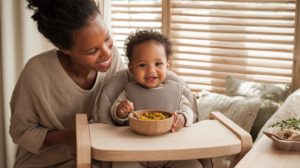
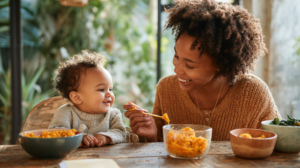
Last Tuesday, my daughter Mia sat at the breakfast table pushing her iron-fortified cereal around the bowl like she was playing some sort of underwater hockey game. This was day four of the cereal standoff. My mother-in-law, watching from across the table, leaned in and whispered something that changed everything: “You know, back home in Jamaica, we never even heard of baby cereal. We gave babies callaloo, ackee, red peas stew…”
That conversation sent me down a research rabbit hole that revealed something shocking: while 18% of US infants don’t get enough iron, we’ve been told there’s essentially one solution—those boxes of fortified cereal. But here’s what the pediatric nutrition research actually shows: there’s an entire world of natural, iron-rich foods that work just as well, if not better, especially when you understand how iron absorption really works.
What if I told you that the 11 mg of iron your 7-12 month old needs daily doesn’t have to come from a box? What if there were Caribbean-inspired, flavor-packed options that could turn mealtime from a battlefield into an adventure?
Quick Reality Check: What’s Your Iron Knowledge Level?
Pick what sounds most like you:
Before we dive in, let me be honest about my journey. When Mia turned six months, I dutifully bought three boxes of iron-fortified cereal, convinced this was non-negotiable. But babies don’t read parenting manuals. Mia refused it. Completely. And in my panic-googling at 2 AM, I discovered research from 2024 showing that vegan children actually consumed MORE iron (8.9 mg/day) than omnivorous children (6.0 mg/day) when their diets were properly planned. That moment? Game-changer.
The Iron Truth They Don’t Put on Baby Food Boxes
Here’s what’s rarely discussed in pediatrician offices: your baby’s body can absorb anywhere from 3% to 40% of the iron in food, depending on what else is on the plate. It’s not just about the milligrams—it’s about the magic combinations. Think of iron absorption like a VIP club. Heme iron from animal sources walks right past the bouncer with a 15-25% absorption rate. Non-heme iron from plants? It needs the right connections to get in, usually around 2-10% absorption.
But here’s where it gets fascinating: add 100 mg of vitamin C (about one large orange), and non-heme iron absorption jumps 67%. That’s not a typo. Nearly seventy percent better absorption just by pairing your baby’s lentils with some mango chunks.

Iron Myth Busters: Click to Reveal the Truth
Natural Iron Champions Your Baby Will Actually Eat
Let me introduce you to the foods that transformed our kitchen. These aren’t just nutritionally complete—they’re culturally rich, budget-friendly, and toddler-approved (most days, anyway).
The Caribbean Power Players: My Jamaican grandmother’s callaloo stew isn’t just delicious—it’s an iron delivery system. Dark leafy greens like callaloo, spinach, and kale pack serious iron content. When I make Sweet Potato & Callaloo Rundown (inspired by traditional Jamaican cooking), I’m giving Mia iron from both the greens and the coconut milk’s gentle fats that aid absorption.
The Legume Revolution: Red peas (kidney beans), lentils, chickpeas, and pigeon peas are iron superheroes. A single serving of cooked lentils provides about 3.3 mg of iron. In our house, Basic Mixed Dhal Puree became a weekly staple—it’s essentially Guyanese comfort food blended smooth for baby, packed with split peas and just a whisper of cumin for flavor complexity babies need to develop their palates.
If you’re looking for more Caribbean-inspired iron-rich recipes that babies actually enjoy, I’ve compiled over 75 options in my Caribbean Baby Food Recipe Book, including traditional preparations like Cook-Up Rice & Beans Smooth and Stewed Peas Comfort that deliver serious iron alongside authentic island flavors.
Iron Intake Calculator: Build Your Baby’s Daily Menu
Select foods your baby ate today (tap to add/remove):
3.5mg
3.3mg
2.5mg
3.4mg
3.2mg
1.2mg
1.8mg
2.3mg
0.7mg
3.0mg
2.7mg
1.1mg
The Absorption Equation: Making Every Bite Count
This is where things get really practical. Knowing iron-rich foods is step one. Understanding how to maximize what your baby’s body actually absorbs? That’s the graduate course, and it’s simpler than you think.
Your Absorption Enhancer Squad: Vitamin C is the MVP. I keep frozen mango chunks, papaya, and strawberries on hand constantly. When I serve lentils, I blend in some papaya. When we do spinach, it’s paired with orange slices. This isn’t complicated meal planning—it’s strategic pairing. Other enhancers include foods with vitamin A (sweet potatoes, carrots, pumpkin) and organic acids from fermented foods.
The Absorption Blockers (and How to Outsmart Them): Calcium, phytates, and tannins are the party crashers. This doesn’t mean avoiding them—it means timing. Dairy products compete with iron for absorption, so I don’t serve yogurt at the same meal as iron-rich foods. We do dairy as a separate snack. Phytates in grains and legumes? Soaking and cooking reduces them significantly. That’s why traditional Caribbean cooking methods—long simmering of beans, overnight soaking of grains—aren’t just about texture. They’re about bioavailability.
Iron Pairing Game: Match the Perfect Combos
Match each iron-rich food with its best vitamin C partner for maximum absorption!
(Pairs with Lentils)
(Pairs with Spinach)
(Pairs with Beef)
(Pairs with Chickpeas)
The Vegetarian Iron Roadmap
Here’s something that surprised me in the research: vegetarian and vegan families can absolutely meet infant iron needs without supplementation if they understand the rules of engagement. The VeChi Diet Study from Germany tracked vegetarian and vegan children and found their iron intake often exceeded omnivorous peers. The secret? Intentionality and knowledge.
Your Plant-Based Iron Arsenal: Tofu and tempeh aren’t just protein sources—they’re iron powerhouses. A half-cup of firm tofu delivers 3.4 mg of iron. Caribbean cooking gives us even more options: Mayi ak Gwomanje (Haitian cornmeal with pigeon peas) combines complementary proteins while delivering substantial iron. Pholourie (Guyanese split pea fritters adapted for babies) turns legumes into finger food.
The 1.8x Rule: Some research suggests vegetarian children may need to consume 1.8 times as much iron as omnivores due to lower bioavailability of non-heme iron. This sounds intimidating until you realize it just means being strategic. Serve iron-rich plant foods at every meal. Always include a vitamin C source. Use iron cookware when possible (yes, this legitimately increases iron content). Avoid tea and coffee near mealtimes (not that babies should have these anyway, but grandma might need the reminder).
The Caribbean Baby Food Recipe Book includes numerous vegetarian and vegan options specifically designed for iron optimization, like Calabaza con Coco (pumpkin with coconut milk) and Geera Pumpkin Puree that leverage vitamin A-rich vegetables to support iron absorption.
Red Flags: When Your Baby Might Need More Iron
Let’s talk about the warning signs, because catching iron deficiency early makes all the difference. The research on long-term neurodevelopmental impacts of infant iron deficiency is sobering—effects on cognitive function, motor skills, and social-emotional development can persist into adolescence and adulthood. This isn’t about fear-mongering; it’s about awareness.
⚠️ Iron Deficiency Sign Checker
Check any symptoms you’ve noticed in your baby:
High-Risk Groups: Exclusively breastfed infants without supplementation or adequate iron-rich complementary foods top the list. Premature or low birth weight babies are also at higher risk. Babies who consume excessive cow’s milk (over 500-750 mL daily after 12 months) are at risk because calcium interferes with iron absorption. And families following restrictive diets without proper planning should be extra vigilant.
Testing and Timing: The AAP recommends screening for anemia at 12 months, with additional screening for high-risk infants. But you don’t need to wait for the one-year checkup if you’re concerned. Trust your instincts. If your baby shows multiple red flags, request iron testing. A simple hemoglobin test can provide crucial information.
The Supplementation Question: When Food Isn’t Enough
Here’s the nuanced truth about supplements: they’re necessary for some babies, overkill for others, and potentially problematic when used incorrectly. The 2024 Polish Pediatric Society guidelines and recent systematic reviews give us clear direction.
Who Needs Supplements: The AAP recommends 1 mg/kg per day of iron supplementation starting at 4 months for exclusively or predominantly breastfed full-term infants, continuing until sufficient iron-rich complementary foods are established. Formula-fed infants receiving iron-fortified formula (10-12 mg/L) typically don’t need additional supplementation. Premature infants have different requirements based on their specific situation.
Dosing Matters: A 2025 meta-analysis found that low-dose iron supplementation (under 5 mg/kg/day) combined with either short treatment (less than 3 months) or longer duration (over 6 months) optimizes hemoglobin improvement while minimizing side effects. Higher doses don’t necessarily mean better outcomes and increase gastrointestinal problems.
The Oversuplementation Risk: Here’s what’s not talked about enough: supplementing iron in babies who don’t need it can backfire. A 2025 study showed negative impacts on growth and weight gain when iron-replete infants received unnecessary supplementation. This is why targeted supplementation based on individual assessment beats universal protocols.
Real-World Meal Plans That Actually Work
Theory is great, but you need practical meal ideas for Tuesday at 5:47 PM when your baby is hangry and you have approximately seven minutes before total meltdown. Here’s what our week looks like:
️ Caribbean-Inspired Iron Power Meal Builder
Build a complete iron-optimized meal by selecting one from each category:
Monday Breakfast: Cornmeal Porridge Dreams (from the recipe book) with a side of papaya chunks. The cornmeal provides iron, the coconut milk adds healthy fats, and the papaya doubles the iron absorption. Total prep time: 8 minutes.
Wednesday Lunch: Basic Mixed Dhal Puree (Guyanese-style) with mashed sweet potato and a few strawberries. The combination gives you legume iron, vitamin A from the sweet potato, and vitamin C from berries. Mia demolishes this meal.
Friday Dinner: Beef and lentil bolognese over whole grain pasta (adapted from traditional Caribbean stewed beef preparation), with tomato sauce providing both flavor and vitamin C. This is the meal my mother-in-law makes when she visits, and suddenly Mia’s iron intake shoots up without any struggle.
The Finger Food Revolution: For babies practicing self-feeding, try these winners: small meatballs (beef, chicken, or turkey), strips of well-cooked steak, omelet strips, smashed bean patties, tofu cubes, hummus on whole grain toast strips. Pair everything with vitamin C-rich fruits and vegetables.
For dozens more Caribbean-inspired combinations specifically designed for optimal iron absorption, the Caribbean Baby Food Recipe Book breaks down exactly how to prepare traditional recipes like Stewed Peas Comfort, Coconut Rice & Red Peas, and Ackee Adventure in baby-appropriate textures while maintaining their iron-rich benefits.
Kitchen Hacks from a Reformed Cereal-Only Parent
These are the small shifts that made everything easier:
Batch Cook and Freeze: Every Sunday, I make a huge pot of red peas or lentils. I portion them into ice cube trays, freeze, and pop them into meals throughout the week. Game-changer for busy parents.
Iron Cookware Works: Cooking acidic foods like tomato sauce in cast iron skillets legitimately increases the iron content of the food. This isn’t old wives’ tale territory—it’s documented in nutrition research. My grandmother’s cast iron pot isn’t just sentimental; it’s functional.
The Smoothie Stealth Move: Babies refusing greens? Blend spinach into fruit smoothies with mango or papaya. The vitamin C from fruit masks the taste while maximizing the iron absorption from the greens. Add some ground flaxseed for omega-3s and extra iron.
Soaking Changes Everything: Overnight soaking of beans, lentils, and whole grains reduces phytates by 50-65%, dramatically improving iron bioavailability. This is why traditional Caribbean cooking methods work—they weren’t just about convenience; they were about nutrient optimization before we had the science to prove it.
Your Iron Action Plan: Starting Today
Here’s your roadmap, whether you’re Team Cereal trying to expand options or starting from scratch:
Week 1: Introduce one new iron-rich food. Try red peas, lentils, or well-cooked ground meat. Pair it with a vitamin C source. See what your baby responds to. No pressure, just observation.
Week 2: Add a dark leafy green. Callaloo, spinach, or kale blended into a puree or smoothie. Combine with fruit for palatability. Watch for acceptance.
Week 3: Experiment with Caribbean-inspired combinations. Try Stewed Peas Comfort or Sweet Potato & Callaloo Rundown. These are culturally rich, nutritionally dense, and baby-approved (most of the time).
Week 4: Evaluate and adjust. Is your baby getting varied iron sources throughout the day? Are you consistently pairing non-heme iron with vitamin C? Are you avoiding calcium and iron competition at the same meals?
Ongoing: Trust your instincts. If something feels off—persistent fatigue, pale skin, excessive irritability—request iron testing from your pediatrician. Don’t wait for the annual checkup if you’re genuinely concerned.
What This Journey Taught Me
Three months after that breakfast table standoff, Mia’s iron intake comes from a rainbow of sources. She eats red peas stew on Mondays, callaloo puree on Wednesdays, and sometimes even the dreaded cereal (when I mix in mango and make it interesting). Our meals reflect her Caribbean heritage while meeting her nutritional needs. That’s not just feeding—that’s cultural transmission.
The bigger lesson? We’ve been sold a narrative that there’s one right way to meet iron needs, when in reality, diverse whole foods—especially traditional preparations from various cultures—have been nourishing healthy babies for generations. The research backs this up. The 2020-2025 Dietary Guidelines for Americans finally acknowledge what grandmothers worldwide have always known: babies need variety, not just fortified boxes.
Iron isn’t just about preventing anemia. It’s about brain development, immune function, energy levels, and setting up healthy eating patterns that last a lifetime. When we expand beyond cereal and explore natural iron sources, we’re giving our babies more than nutrients—we’re giving them flavor experiences, cultural connections, and a foundation for adventurous eating.
So yes, keep that box of fortified cereal in your pantry if it brings you peace of mind. But know that right next to it, you can stack red peas, lentils, quality meats, dark leafy greens, and all the vitamin C-rich fruits that turn these iron sources into bioavailable powerhouses. Your baby’s iron needs can be met deliciously, culturally, and without the mealtime battles.
The path from cereal-only to iron-confident took me three months of research, experimentation, and a lot of floor-scrubbing after rejected meals. But now? Mia eats like a tiny Caribbean food critic with an iron-rich palate. And if a former cereal-dependent parent like me can navigate this, you absolutely can too.
Your baby’s iron journey doesn’t have to look like anyone else’s. It just has to work for your family, your values, and your kitchen. Start small. Add strategically. Trust the process. And remember: those boxes of cereal aren’t mandatory—they’re just one option in a world full of iron-rich possibilities.

Kelley's culinary creations are a fusion of her Caribbean roots and modern nutritional science, resulting in baby-friendly dishes that are both developmentally appropriate and bursting with flavor. Her expertise in oral motor development and texture progression ensures that every recipe supports your little one's feeding milestones while honoring cultural traditions.
Join Kelley on her flavorful journey as she shares treasured family recipes adapted for tiny taste buds, evidence-based feeding guidance, insightful parenting anecdotes, and the joy of celebrating food, culture, and motherhood. Get ready to immerse yourself in the captivating world of Kelley Black and unlock the vibrant flavors of the Caribbean for your growing baby, one nutritious bite at a time.
- The Feeding Revolution: Why Your Everyday Meals Are Changing the World - October 13, 2026
- Your Feeding Story Matters More Than The “Perfect” One Online - October 12, 2026
- Looking Forward: Stepping Into Your Confident Feeding Future - October 11, 2026