Plant-Based Family Meals: A Real-Life Guide To Feeding Everyone (Without Losing Your Mind)
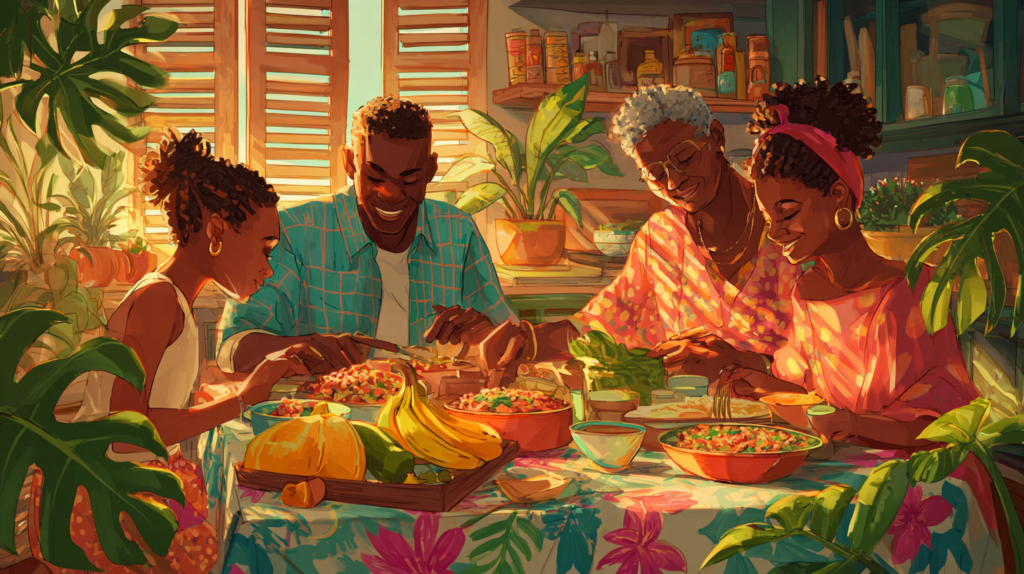
One evening, I put a big pot of Stewed Peas Comfort on the stove—beans simmered in coconut milk, thyme, and scallions, the whole kitchen smelling like a Jamaican auntie had moved in. My toddler poked a spoon suspiciously into the beans. My partner quietly asked if there was “backup chicken.” My mother wanted to know where the rice was, because “beans alone is not dinner.” That moment perfectly summed up what plant-based looks like for most families in 2025: not a perfect vegan food blog, but a table full of real people with real preferences.
If that sounds like your house too, this guide is for you. We’re going to blend:
- Evidence from recent research on plant-based diets for kids and families,
- Caribbean-inspired recipe ideas from the Caribbean Baby Food Recipe Book index,
- And practical systems that help mixed-preference households eat more plants without cooking five separate dinners every night.
What “Plant-Based” Really Means For Families (Not Just On Instagram)
In research, “plant-based” covers a spectrum—from strictly vegan (no animal foods at all) to vegetarian (includes eggs and/or dairy) to flexitarian patterns where plant foods are the default and animal foods appear in smaller, less frequent amounts. Health organizations now routinely highlight plant-forward eating patterns as protective for heart health, weight management, and long-term disease risk, even for children, as long as nutrient needs are actively planned rather than assumed.
For real families, that spectrum looks more like:
- Vegan kids + omnivore grandparents sharing Sunday dinner.
- Partners with different values—one focused on climate, one focused on “I just want my stew chicken.”
- Parents in the middle, trying to stretch the grocery budget, fuel growing bodies, and still keep meals joyful.
The good news from recent reviews on plant-based diets in children: when diets are well planned, children can grow and develop normally. The caution: vegan patterns in particular are associated with higher risks of specific nutrient shortfalls—especially vitamin B12, vitamin D, iron, iodine, zinc, calcium, and omega‑3 fats—if families don’t use fortified foods and supplements or guided meal planning. That’s exactly why this article leans so hard into practical structure, not just pretty recipe ideas.
Key Stats: Why Plant-Based Is Everywhere (And What That Means In Your Kitchen)
In 2023, plant-based foods reached roughly $8.1 billion in retail sales in the U.S., with around 62% of households buying at least one plant-based product and more than 80% coming back for more. Plant-based milks alone now account for a notable chunk of total milk sales, and categories like plant-based creamers and ready-to-drink beverages are growing particularly fast. That means your kids are seeing these products in stores, on social media, and in ads long before you’ve decided what’s for dinner.
At the same time, research tracking children and adolescents on vegetarian and vegan patterns shows:
- Vegan kids may be slightly shorter and lighter on average than omnivores if diets are not carefully fortified and supplemented.
- Bone mineral content can be lower in vegan children without attention to calcium, vitamin D, and overall energy intake.
- However, many plant-based kids have excellent fiber intake and healthier cholesterol profiles than meat-eating peers.
So the headline isn’t “plant-based is dangerous” or “plant-based is a miracle.” The real headline is: plant-based is powerful but high-maintenance for kids—and mixed-preference families can capture many benefits with a flexitarian or plant-forward structure instead of going all-or-nothing overnight.
Shaping A Mixed-Preference Table: Flexitarian, But Make It Caribbean
Think of a flexitarian family pattern as “mostly plants, with room for animal foods where they matter most to you.” Research on flexitarian eating emphasizes building meals around vegetables, whole grains, legumes, nuts, and seeds, then layering in smaller portions of meat, fish, eggs, or dairy as optional extras. For families, especially in Caribbean or Caribbean-inspired kitchens, this approach fits naturally:
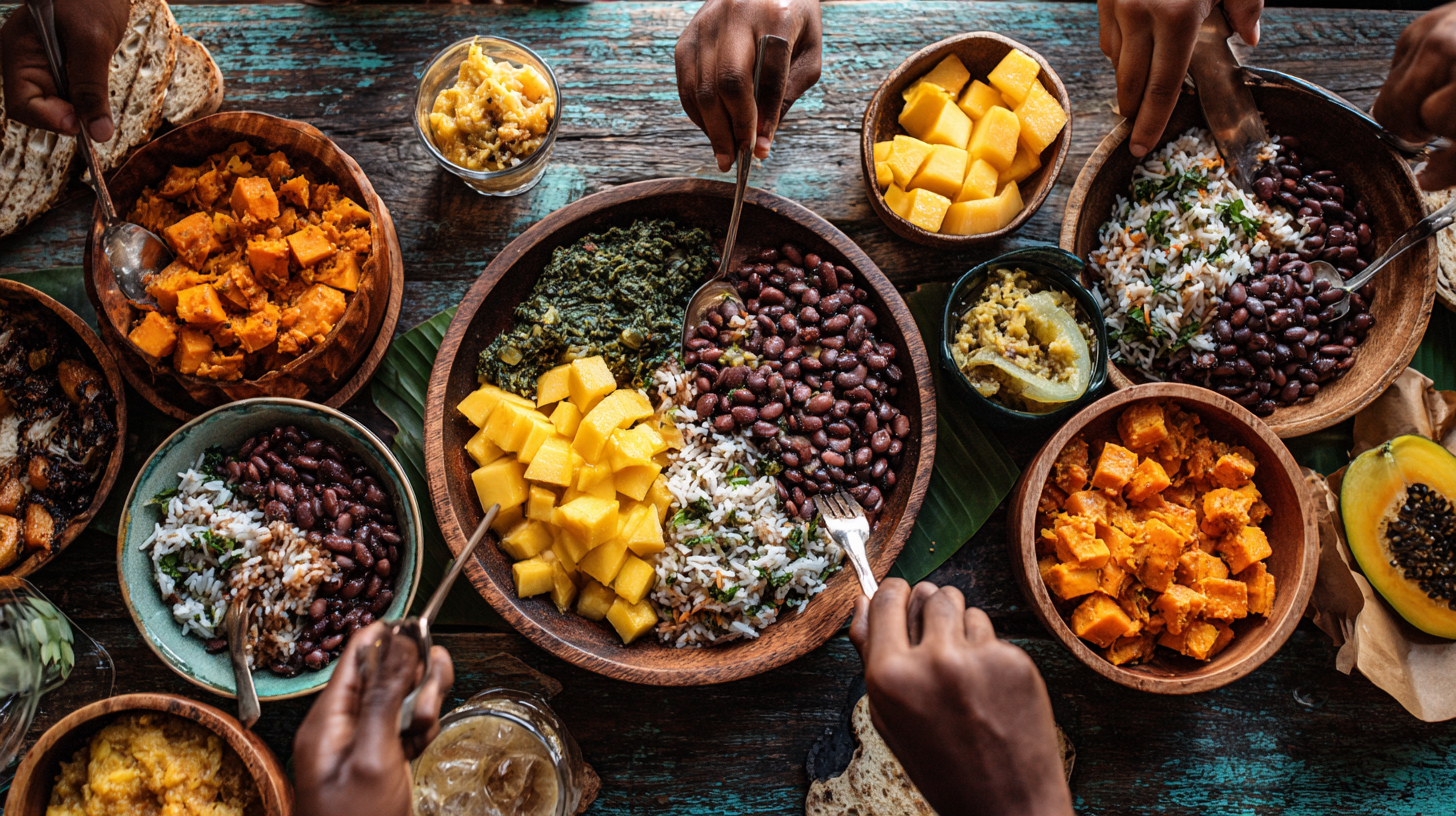
- Beans and peas show up in classics like Coconut Rice & Red Peas, Stewed Peas Comfort, and Mayi ak Gwomanje (cornmeal and pigeon pea purée).
- Roots and tubers like sweet potato (batata), cassava, yam, and malanga already anchor many meals in the Caribbean Baby Food Recipe Book index.
- Coconut milk, avocado, and olive or canola oil contribute energy and fat—essential for growing kids on plant-forward diets.
Instead of asking, “How do we cut all the meat?” flexitarian families ask, “How do we center the plate on plants and let animal foods move to the side, literally and figuratively?”
By building meals this way, you can keep one pot bubbling and still let Auntie add saltfish, Grandpa add chicken, and your vegan teen stick to the beans—without turning into a short-order cook.
Nutrition Deep Dive: What Plant-Based Kids Actually Need
Recent systematic reviews on plant-based diets in children highlight the same core message: these diets can be safe and health-promoting when parents intentionally design them around nutrients instead of vibes. Key focus areas for kids and teens in plant-based or plant-forward homes include:
- Protein: beans, lentils, chickpeas, peas, tofu/tempeh, soy yogurt, and, where used, eggs and dairy. Caribbean dishes like Basic Mixed Dhal, Stewed Peas Comfort, Coconut Rice & Red Peas, and Mayi ak Gwomanje are naturally protein-rich bases.
- Vitamin B12: almost exclusively from animal foods or fortified foods/supplements. Vegan children especially need a dependable B12 supplement or fortified plant milks and yogurts.
- Vitamin D: often needs supplementation regardless of eating pattern, but especially if dairy and eggs are limited.
- Iron and zinc: found in beans, peas, lentils, fortified cereals, nuts, and seeds; absorption improves with vitamin C–rich foods like citrus, papaya, and guava.
- Calcium: leafy greens, tofu set with calcium, fortified plant milks and yogurts; some Caribbean recipes use leafy callaloo or malanga greens in ways that can help.
- Omega‑3 fats: ground flax, chia seeds, walnuts, and fortified products; fish for families who include it.
Here’s where your island pantry becomes a secret weapon: Calabaza con Coco, Sweet Potato & Callaloo Rundown, and Batata y Manzana (white sweet potato & apple) are all naturally nutrient-dense, kid-friendly, and easy to adapt into family meals. You get the cultural comfort food plus modern nutrient awareness in one pot.
This is a learning tool, not a medical calculator. Always confirm exact needs and supplements with your pediatric provider or dietitian.
From Research To Real Life: Gradual Transitions That Actually Work
Studies that tried to nudge families toward more plant-based eating found something interesting: simply giving families structured menus with 2–3 plant-based dinners per week did reduce overall meat intake, even in households that weren’t trying to go fully vegetarian. The pattern that worked best looked a lot like what busy parents already do:
- Rotate a few easy “default” dinners each week.
- Prep components, not full meals—rice, beans, roasted vegetables, sauces.
- Let people assemble their own plates from those components.
This is good news, because it means you don’t have to obsessively recreate Instagram-level plant-based bowls. You just need a repeatable rhythm.
If your family is just beginning, start with two anchors:
- One family-friendly plant-based dinner each week – like Coconut Rice & Red Peas with roasted veg and optional grilled fish or chicken on the side.
- One plant-forward breakfast habit – such as cornmeal porridge with plant milk, or fruit + millet cereal (Ti Pitimi Dous) for the little ones.
Once those feel easy, you can add:
- A bean-based lunch (Cook-Up Rice & Beans Smooth is perfect for babies; Guyanese Cook-Up Rice as the family meal bonus).
- Swapping dairy milk for fortified plant milk in recipes a few times per week.
If you’re excited to bring your baby or toddler along on this journey with Caribbean flair, the Caribbean Baby Food Recipe Book gives you 75+ stage-based recipes built around sweet potatoes, plantains, coconut milk, beans, and tropical fruits—perfect for harmonizing baby plates with the rest of the family.
Picky Eaters, Social Media, And The Emotional Side Of Plant-Based Shifts
Recent work on children’s diets and social media shows how strongly online content can pull kids toward ultra-processed, high-sugar foods and away from whole ingredients. That means when you bring a bowl of green papaya curry to the table, you’re not just competing with nuggets—you’re competing with TikTok. But there are science-backed ways to make plant-based meals more appealing:
- Exposure without pressure: Research on child feeding consistently shows that kids need repeated exposure to new foods—often 10+ times—without being forced to eat them.
- Participation: Children are more likely to try what they helped wash, stir, or mash. Let them rinse pigeon peas, sprinkle cinnamon in Ti Pitimi Dous, or decorate Papaya & Banana Sunshine with banana “smiles.”
- Story and identity: Connect foods to family stories: “This is the same sweet potato Cassareep your great-grandmother made when the whole street came over on Sundays.”
Emotionally, mixed-preference households also need to protect the relationship with food. Research and pediatric guidance warn against rigid, fear-based feeding that can increase anxiety for both parents and children. Instead:
- Explain why you’re adding more plant-based meals (energy, heart health, environment, family culture).
- Make room for favorite animal foods in smaller portions, especially at social events.
- Frame plant-based nights as an adventure, not punishment: “Tonight we’re doing Dominican-style Mango Morning bowls for dinner! Who wants to be the plantain smasher?”

Advanced Strategy: Building A Weekly Plant-Forward Family Blueprint
Once the basics feel good, it’s time to create a weekly system that balances health research, family preferences, and your energy level. Here’s a template you can adapt:
- 2–3 plant-based dinners per week – noodle bowls with tofu, coconut stews, or dhal + roti.
- 2 flexitarian dinners – plant-based base with optional meat or fish, like Calabaza con Coco plus pan-fried fish.
- 1 “whatever” dinner – leftovers, takeout, or breakfast-for-dinner; the point is reducing stress.
For families with babies or toddlers:
- Match their meals to your base: if you’re having Coconut Rice & Red Peas, blend or mash some into a softer texture for your 8+ month old.
- Use recipes like Batata y Manzana, Sweet Potato & Callaloo Rundown, or Amerindian Farine Cereal that have both baby version and family meal bonus versions in the index.
As you experiment, keep an eye on how everyone feels: energy, fullness, digestion, and mood around meals. Plant-based patterns that look perfect on paper will still fail if they create constant dinnertime battles or leave certain family members feeling ignored.
What Experts Disagree On (And How To Find Your Middle Ground)
Experts are fairly aligned on some things:
- Plant-based patterns rich in whole foods are associated with better heart health markers.
- Nutrient gaps are manageable with smart planning and supplements.
- It’s wise to involve nutrition-skilled professionals for vegan kids and teens.
Where they disagree:
- Some European pediatric bodies are more cautious about vegan diets in young children, while many North American dietetic associations approve them with strict guidance.
- Some practitioners encourage plant-based meats as transitional tools; others worry these products displace whole foods and can mislead families into thinking “plant-based” equals “always healthy.”
- Opinions differ on how strictly families should limit animal foods to achieve environmental benefits versus mental and social wellbeing.
In a mixed-preference household, your job isn’t to prove a point. It’s to choose a pattern that your children can thrive on physically and emotionally. For many families, that looks like:
- Mostly plant-based weekday meals using beans, lentils, tubers, and grains.
- Flexible weekends that include culturally important animal dishes.
- Non-negotiable nutrition guardrails: supplements, growth monitoring, and regular check-ins with a health professional.
Future Trends: Where Plant-Based Family Eating Is Headed
Market reports suggest that while some plant-based categories (like meat analogues) have slowed, overall plant-based foods are holding strong—especially in everyday items like milks, creamers, and ready-to-drink beverages. Innovation is pushing toward:
- Improved nutrient profiles in plant-based milks and yogurts (higher protein, better calcium and B12 fortification).
- More culturally tailored plant-based products—Caribbean, Latin American, South Asian flavors instead of just “generic veggie patty.”
- Biofortified staples that boost iron, zinc, and vitamin A content in everyday grains and tubers.
For families, this future can make plant-based eating easier—but also noisier. You’ll see more labels, more claims, more confusion. That’s why grounding yourself in basic principles—whole foods first, label-reading for sodium and sugar, and “pattern over perfection”—will matter even more over the next few years.
Bringing It All Together: Your Island-Inspired, Evidence-Informed Family Table
Let’s zoom out. Research says plant-based and plant-forward patterns can support children’s growth and long-term health if they are thoughtfully designed, supplemented where needed, and monitored. Market data says plant-based is no longer niche; it’s part of mainstream shopping baskets. Your Caribbean pantry says the building blocks were here all along: beans, peas, plantains, yams, callaloo, malanga, coconut milk, tropical fruits. And your actual family—tiny critics, hungry teens, skeptical elders—says, “Make it tasty, make it familiar, and please don’t give us four different dinners every night.”
That’s what this approach is: a flexible, inclusive, plant-forward way of eating that:
- Honors cultural foods like Stewed Peas Comfort, Coconut Rice & Red Peas, and Mango Morning while integrating research-backed nutrition.
- Uses systems—base-plus-options, one meal two proteins, weekly blueprints—to lower your mental load.
- Protects children’s nutrient needs with whole foods, fortified staples, and supplements.
- Leaves space for joy, curiosity, and the stories you share around the table.
If you’d love hand-holding through the baby and toddler stage—with exact textures, spice levels, and family meal bonus recipes that grow with your child—explore the Caribbean Baby Food Recipe Book: Easy & Healthy Homemade Meals for Infants & Toddlers. It’s one of the simplest ways to let your little one enjoy authentic island flavors while you quietly build the plant-forward family table you’ve been dreaming about.
In the end, you don’t have to turn your home into a textbook-perfect plant-based lab. You just have to keep showing up in the kitchen, one pot of coconut-scented beans at a time, and let your family grow into this new pattern together.

Kelley's culinary creations are a fusion of her Caribbean roots and modern nutritional science, resulting in baby-friendly dishes that are both developmentally appropriate and bursting with flavor. Her expertise in oral motor development and texture progression ensures that every recipe supports your little one's feeding milestones while honoring cultural traditions.
Join Kelley on her flavorful journey as she shares treasured family recipes adapted for tiny taste buds, evidence-based feeding guidance, insightful parenting anecdotes, and the joy of celebrating food, culture, and motherhood. Get ready to immerse yourself in the captivating world of Kelley Black and unlock the vibrant flavors of the Caribbean for your growing baby, one nutritious bite at a time.
- The Feeding Revolution: Why Your Everyday Meals Are Changing the World - October 13, 2026
- Your Feeding Story Matters More Than The “Perfect” One Online - October 12, 2026
- Looking Forward: Stepping Into Your Confident Feeding Future - October 11, 2026