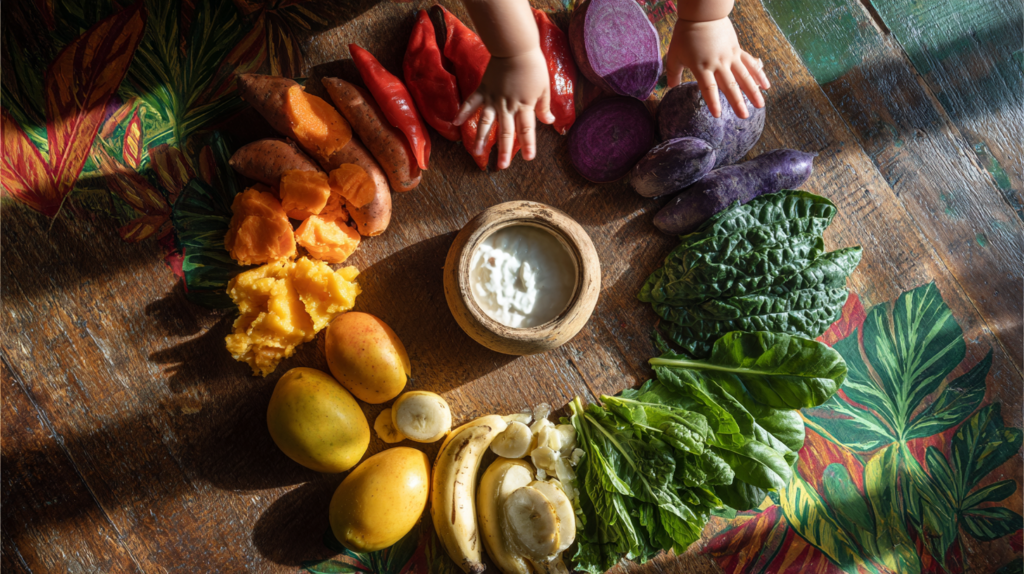
The Real Truth About Building Baby’s Immunity Through Food (Without Opening a Single Supplement Bottle)
Last Tuesday, my neighbor cornered me at the market, desperation in her eyes. “My baby’s had three colds in two months,” she whispered, clutching a basket full of expensive immunity supplements. “The internet says I need these, but something doesn’t feel right.” Here’s what I told her—and what every parent drowning in conflicting advice needs to hear: your kitchen holds more immune-supporting power than any supplement aisle ever could.
But here’s the shocking truth nobody’s talking about: most parents are unknowingly sabotaging their baby’s natural immunity by focusing on the wrong foods at the wrong times. The billion-dollar supplement industry doesn’t want you to know that a simple sweet potato can deliver more bioavailable immune support than their fancy drops. And that Jamaican callaloo your grandmother swears by? Science is finally catching up to what Caribbean families have known for generations.
What you’re about to discover will change how you think about every meal you serve your little one. Because building immunity isn’t about adding more—it’s about understanding what actually works.
Why Your Baby’s Immune System Is Actually Smarter Than You Think
Here’s something that blew my mind when I first learned it: your baby isn’t born with a “weak” immune system—they’re born with a learning immune system. It’s like the difference between a blank canvas and a canvas that hasn’t been painted yet. Every food you introduce is teaching their immune cells how to recognize friend from foe, building a library of defenses that will protect them for life.
The first 1,000 days—from pregnancy through age two—represent an extraordinary window where nutrition literally shapes how their immune system develops. Recent research from 2023 confirms what our grandmothers instinctively knew: the gut microbiome and immune system are so interconnected that scientists now call the gut the “second brain” of immunity. When you feed your baby diverse, whole foods, you’re not just filling their belly—you’re programming their immune response for decades to come.
Think about it this way: breastmilk contains over 200 different types of human milk oligosaccharides (HMOs) that act as prebiotics, feeding the good bacteria in your baby’s gut. These aren’t just nutrients—they’re instructions, teaching baby’s immune cells which bacteria are beneficial and which need fighting. When you transition to solid foods, you’re continuing that education with every colorful bite.
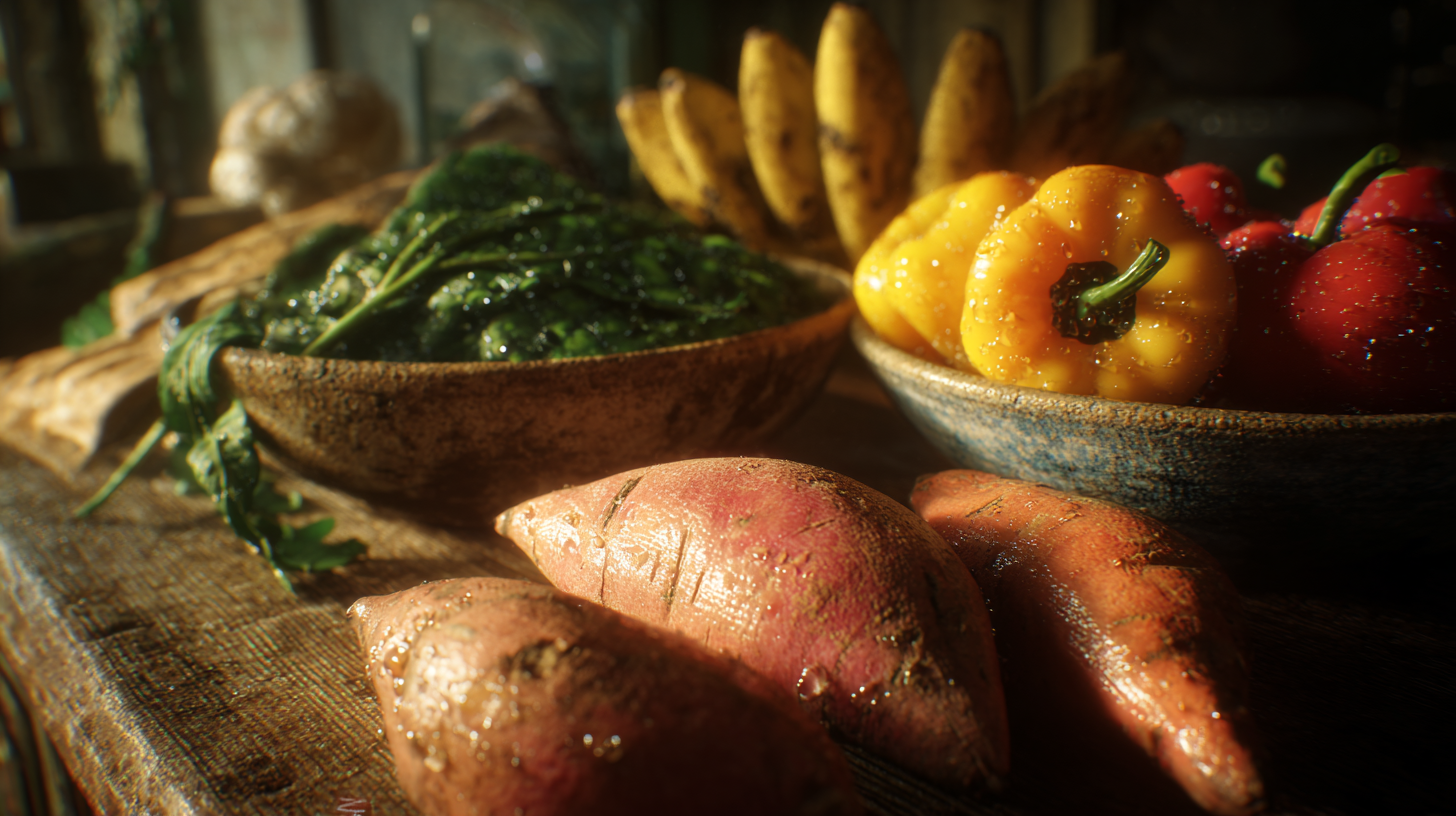
The Six Immunity Superheroes Your Baby Actually Needs
Forget the overwhelming lists of 47 different nutrients. Your baby’s immune system relies on six key players, and lucky for you, they’re hiding in foods you probably already have. Here’s where science meets your kitchen:
Vitamin A is like the security guard of the immune system, protecting the mucous membranes in your baby’s nose, throat, and gut—the first lines of defense against invaders. But here’s the plot twist: beta-carotene from orange foods (sweet potatoes, butternut squash, mangoes) converts to vitamin A as needed, so there’s no risk of overdoing it like with supplements. A single serving of mashed sweet potato provides more than 200% of baby’s daily vitamin A needs.
Vitamin C does more than fight colds—it helps immune cells mature and function properly while protecting them from damage during battle. The Caribbean knows this secret well: one guava has five times more vitamin C than an orange. Bell peppers, papaya, and even callaloo are vitamin C powerhouses. And unlike supplements that can cause digestive upset, food-based vitamin C comes packaged with fiber that supports gut health.
Iron is the unsung hero of immunity. Without enough iron, immune cells can’t multiply properly to fight infections. Studies show that 73% of exclusively breastfed infants have insufficient iron absorption by 6 months, making iron-rich complementary foods critical. The trick? Pair iron sources (beans, lentils, chicken, beef) with vitamin C foods to triple absorption. That traditional Jamaican combo of stewed peas and rice with callaloo? Pure immune-supporting genius.
Zinc is immunity’s quarterback, coordinating the entire defense system. Even mild zinc deficiency can impair immune function, yet it’s one of the most commonly deficient nutrients in infants. Meat, seafood, eggs, and beans are your best sources. A fascinating 2024 study found that babies who regularly consumed zinc-rich foods had 30% fewer respiratory infections than those who didn’t.
Vitamin D deserves special attention because most babies need supplementation—food sources alone aren’t enough. But here’s what matters: vitamin D helps regulate immune response, teaching it when to fight and when to stand down. This prevents both infections and allergies. While fatty fish and egg yolks help, pediatricians recommend 400 IU daily supplementation for all infants in the first year.
Omega-3 fatty acids are the anti-inflammatory warriors, cooling down excessive immune responses that can cause damage. They’re concentrated in fatty fish (salmon, sardines), but also hide in flaxseeds and chia seeds. Caribbean cooking wisdom again: fish rundown with coconut milk delivers omega-3s alongside medium-chain fatty acids that support gut health. If you’re looking for creative ways to incorporate these nutrients into island-inspired meals, the Caribbean Baby Food Recipe Book offers over 75 recipes specifically designed to maximize nutritional benefits while introducing authentic flavors.
The Probiotic and Prebiotic Power Duo (And Why You Need Both)
If nutrients are the soldiers in your baby’s immune army, then probiotics and prebiotics are the training academy. They work together in a beautiful partnership that most parents completely misunderstand. Let me break it down in a way that actually makes sense.
Probiotics are the beneficial bacteria that take up residence in your baby’s gut, crowding out harmful invaders and communicating directly with immune cells. Think of them as the good neighbors who watch your house and call the police when they see trouble. The best part? You don’t need expensive probiotic drops. Plain, whole-milk yogurt with live active cultures is a phenomenal source for babies 6 months and older.
Here’s what the 2023 research reveals: babies who consumed yogurt regularly had 25% fewer episodes of diarrhea and respiratory infections compared to those who didn’t. The probiotics in yogurt—especially Lactobacillus and Bifidobacterium strains—train immune cells to respond appropriately, preventing both under-reaction (infections) and over-reaction (allergies).
Prebiotics are the food that feeds these good bacteria, helping them thrive and multiply. They’re types of fiber that your baby can’t digest, but their gut bacteria feast on, producing beneficial compounds like short-chain fatty acids that strengthen the gut lining and regulate immunity. Breastmilk is naturally rich in prebiotic oligosaccharides—that’s why breastfed babies have different, more beneficial gut bacteria profiles.
When you start solids, keep the prebiotic party going with foods like bananas (especially slightly green ones), asparagus, onions, garlic, oats, apples with skin, and whole grains. A 2024 study found that infants fed prebiotic-rich foods developed gut microbiome compositions remarkably similar to exclusively breastfed babies, with increased protective bacteria.
The Caribbean kitchen naturally combines these powerhouses: mashed ripe plantain (prebiotic fiber) with a dollop of yogurt. Cornmeal porridge with banana. Oatmeal cooked with coconut milk topped with mashed papaya. These aren’t just delicious combinations—they’re scientifically brilliant immune-supporting strategies wrapped in cultural wisdom.

Building Your Baby’s Immunity Plate (The Caribbean-Inspired Way)
Forget the complicated nutrition calculations and color-coded charts. Building immune-supporting meals is simpler than you think, especially when you tap into traditional Caribbean wisdom that’s been nourishing babies for generations. The secret? Think rainbow, think variety, think flavor.
Here’s the framework that actually works in real life: at each meal, aim for three components—a protein (builds and repairs immune cells), a colorful vegetable or fruit (provides antioxidants and vitamins), and a whole grain or starchy vegetable (delivers energy and prebiotic fiber). That’s it. Simple, sustainable, science-backed.
Breakfast could look like: Cornmeal porridge (made with coconut milk for healthy fats) topped with mashed banana and a sprinkle of cinnamon. This delivers prebiotic fiber, medium-chain fatty acids that support immune function, vitamin B6, and antioxidants. Or try mashed avocado with scrambled egg on whole grain toast—healthy fats, protein, zinc, and B vitamins in one plate.
Lunch might be: Shredded chicken mixed with mashed sweet potato and steamed callaloo. You’ve got protein, vitamin A, iron, calcium, and vitamin C working together. The Caribbean approach of “one-pot meals” is actually genius for nutrient synergy—everything cooked together means nutrients interact and enhance each other’s absorption.
Dinner example: Cook-up rice made baby-friendly—brown rice simmered with red beans, coconut milk, a touch of thyme, and diced butternut squash. This traditional Guyanese-inspired dish delivers complete protein, iron, zinc, prebiotics, healthy fats, and vitamin A. It’s the kind of meal that makes pediatric nutritionists weep with joy.
Snacks matter too: Plain whole-milk yogurt with mashed papaya. Plantain chips (baked, not fried) with mashed avocado. Steamed eddoes (a starchy root vegetable) mashed with a little butter. Oatmeal cookies made with mashed banana and ground flaxseed. Every eating opportunity is a chance to support immunity.
The beauty of Caribbean cooking is that it naturally combines immune-supporting foods in ways that make sense. Provisions (starchy vegetables like dasheen, yam, cassava) provide sustained energy and prebiotic fiber. Coconut milk adds medium-chain triglycerides that support gut health. Fresh fruits deliver vitamins and antioxidants. Fish and chicken provide protein and minerals. It’s a complete immune-nutrition system disguised as comfort food.
And here’s the truth that frees so many parents: you don’t need to get it perfect at every meal. Over the course of a week, aim for variety. If Monday is heavy on sweet potatoes and chicken, make Tuesday about beans and greens. Wednesday can feature fish. Thursday might be a grain-focused day with oatmeal and brown rice. Your baby’s gut bacteria thrive on diversity—the more different whole foods they encounter, the more robust their immune development.
For parents wanting to explore more of these balanced, immunity-focused Caribbean meal combinations, recipes like Calabaza con Coco (pumpkin with coconut milk), Sweet Potato & Callaloo Rundown, and Basic Mixed Dhal Puree from the Caribbean Baby Food Recipe Book demonstrate exactly how to combine these elements into meals babies actually enjoy eating.
The Foods You’re Probably Overlooking (But Shouldn’t)
Some of the most powerful immune-supporting foods sit quietly on grocery shelves, overlooked because they’re not trendy or heavily marketed. Let me introduce you to the underdogs that deserve a spot on your baby’s plate.
Lentils and beans are criminally underrated. They deliver protein, iron, zinc, and prebiotic fiber in one tiny package. A 2024 study found that infants who consumed legumes at least three times weekly had significantly better iron status and fewer infections than those who didn’t. Red lentils cook quickly and blend smoothly—perfect for baby purees or mixed into rice. Black beans, pigeon peas (gungo peas in the Caribbean), and chickpeas all work beautifully mashed or whole for older babies.
Egg yolks are nutrition bombs: vitamin D, vitamin A, zinc, selenium, choline, and healthy fats all concentrated in that golden center. The old advice to delay eggs is outdated—current guidelines recommend introducing eggs around 6 months to reduce allergy risk. A soft-boiled egg yolk mashed with a little breast milk or avocado makes a creamy, immune-supporting meal.
Sardines and small fish might sound adventurous, but they’re traditional in many Caribbean cultures for good reason. These tiny fish provide omega-3s, vitamin D, calcium (when you eat the soft bones), and vitamin B12. They’re also low in mercury compared to larger fish. Mashed sardines mixed with mashed sweet potato or plantain introduce babies to seafood while delivering major immune benefits.
Pumpkin (calabaza) is a Caribbean staple that more parents should embrace. It provides more beta-carotene than carrots, plus vitamin C, vitamin E, and prebiotic fiber. Calabaza con coco (pumpkin cooked in coconut milk) is a traditional dish that’s naturally baby-friendly—creamy, slightly sweet, and packed with nutrients that support both immunity and gut health.
Dasheen, eddoes, and other ground provisions offer resistant starch that feeds beneficial gut bacteria while providing sustained energy. These starchy roots are gentle on baby’s digestive system and have been staple weaning foods in the Caribbean for centuries. They’re also naturally gluten-free for families with sensitivities.
Leafy greens like callaloo deserve special mention. This Caribbean green (similar to spinach) provides iron, calcium, vitamins A and C, and folate—all critical for immune development. The traditional preparation—cooked with coconut milk, onion, and garlic—makes it palatable and easy to digest. Don’t sleep on other greens either: spinach, swiss chard, and kale all work once cooked until very tender.
How many different colorful vegetables does your baby eat weekly?
How often does your baby eat protein-rich foods (meat, fish, eggs, beans)?
Does your baby regularly eat probiotic/prebiotic foods (yogurt, bananas, oats)?
How diverse is your baby’s diet?
Do you pair iron-rich foods with vitamin C sources?
What About When Your Baby Gets Sick Anyway?
Let’s be real: even babies with excellent nutrition will get sick. That’s actually part of how their immune system learns and strengthens. The average infant gets 6-8 colds in their first year, and that number can double for babies in daycare. So if your baby catches every bug that goes around despite your best nutritional efforts, you’re not doing anything wrong—you’re watching their immune system do exactly what it’s supposed to do: learn.
But here’s where good nutrition makes its real impact: babies with solid nutritional foundations typically experience shorter, less severe illnesses. A 2023 study found that well-nourished infants recovered from respiratory infections an average of 2-3 days faster than those with nutritional gaps. Their fevers were lower, their symptoms milder, and they had fewer complications requiring medical intervention.
During illness, your baby’s nutritional needs actually increase—their immune system is working overtime, burning through vitamins and minerals faster than usual. This is when the foundation you’ve built really matters. Continue offering their regular immune-supporting foods if they’ll eat them. Soft, easy-to-digest options work best: oatmeal with mashed banana, chicken soup with soft vegetables, mashed sweet potato, yogurt, scrambled eggs, and plenty of breast milk or formula.
Hydration becomes critical during illness, especially with fever or respiratory symptoms. Breast milk or formula should remain the primary fluid source for babies under 12 months. For older babies, offer water frequently, and consider nutrient-dense fluids like diluted soups or broths made from immune-supporting ingredients.
Here’s what not to do: don’t rush to eliminate foods during illness unless directed by your pediatrician. The old advice to stop dairy or specific foods during colds is mostly myth—your baby needs those nutrients more than ever. Don’t reach for immune supplements during acute illness either; the nutrients in whole foods are better absorbed when baby needs them most.
The Supplement Question Everyone Asks
I’d be avoiding the elephant in the room if I didn’t address this directly: do babies need immune supplements if they’re eating well? The short answer: probably not, with two important exceptions.
Vitamin D supplementation is recommended for virtually all infants because it’s nearly impossible to get enough from food alone, and babies shouldn’t have significant sun exposure. The American Academy of Pediatrics recommends 400 IU daily for all infants starting shortly after birth. This isn’t because food failed—it’s because vitamin D is unique in how we obtain it naturally (through sun exposure), and modern life keeps babies appropriately protected from sun damage.
Iron supplementation may be necessary for some babies, particularly those exclusively breastfed past 6 months who aren’t consuming enough iron-rich complementary foods, or babies born prematurely with lower iron stores. Your pediatrician can check iron status with a simple blood test and recommend supplementation if needed. But the goal should always be to meet iron needs through food first—supplementation is a bridge, not a permanent solution.
Beyond these two, most babies eating a varied diet of whole foods get what they need. A 2024 systematic review found no evidence that routine multivitamin supplementation in healthy, well-nourished infants reduced infection rates or improved immune outcomes. In fact, excessive supplementation can sometimes interfere with nutrient absorption or cause imbalances.
The supplement industry wants you to believe that food isn’t enough, that you need their special formulations for optimal immunity. But here’s what the research consistently shows: whole foods provide nutrients in forms the body recognizes and uses more efficiently, alongside hundreds of beneficial compounds we’re still discovering. That sweet potato delivers beta-carotene plus fiber, potassium, vitamin C, antioxidants, and prebiotic compounds that work together in ways no supplement can replicate.
If you’re concerned about your baby’s nutrient intake, the solution isn’t a bottle of drops—it’s evaluation of their diet. Are they eating a variety of colorful foods? Getting protein at most meals? Consuming probiotic and prebiotic sources regularly? If yes, you’re likely doing great. If no, focus your energy on improving food variety rather than adding supplements.
Your 7-Day Immunity-Building Action Plan
Theory is great, but let’s get practical. Here’s your week-by-week plan to transform your baby’s immune nutrition, starting right now—no overwhelm, no perfection required.
Week 1: Audit and Add One
Look at what your baby ate over the past three days. Write it down. Now identify one gap: maybe they’re low on colorful vegetables, or they’re not getting enough protein, or you haven’t introduced probiotic foods yet. Your goal this week is to add ONE thing daily that fills that gap. Just one. If vegetables are missing, add steamed broccoli to lunch. If protein is low, add scrambled egg to breakfast. Master this one addition before moving forward.
Week 2: The Prebiotic Challenge
This week, ensure your baby gets at least one prebiotic food daily: banana, oats, asparagus, onion (cooked soft), apple with skin, or whole grains. These feed the good bacteria that support immunity. Track it for seven days—you’ll be surprised how quickly this becomes habit once you’re paying attention.
Week 3: The Rainbow Week
Challenge yourself to serve your baby one food from each color category by week’s end: orange (sweet potato, butternut squash, mango), red (bell pepper, tomato, papaya), purple (eggplant, purple sweet potato), green (callaloo, broccoli, avocado), and yellow (plantain, yellow squash, pineapple). Different colors indicate different phytonutrients, all supporting immunity in unique ways.
Week 4: Iron-Boosting Week
Focus on pairing iron-rich foods with vitamin C sources at least once daily. Beans with tomato. Chicken with bell pepper. Lentils with mashed mango. Fortified cereal with strawberries. This simple pairing can triple iron absorption—one of the easiest nutrition hacks available.
Week 5: Probiotic Introduction (if not done yet)
If your baby hasn’t tried yogurt, this is the week. Start with a small amount (1-2 tablespoons) of plain whole-milk yogurt with live active cultures. Mix it with mashed fruit if needed. Work up to 2-4 ounces daily. Watch for the benefits: better digestion, possibly fewer diaper rashes, and over time, fewer infections.
Week 6: The Caribbean Exploration
Introduce one traditional Caribbean ingredient this week: calabaza (pumpkin), dasheen, eddoes, callaloo, or plantain if you haven’t yet. These foods have nourished babies for generations and pack serious immune-supporting nutrition. Start with simple preparations—boiled and mashed works perfectly. For step-by-step guidance on preparing these traditional ingredients in baby-friendly ways, resources like Calabaza con Coco, Sweet Potato & Callaloo Rundown, and Plantain Paradise from the Caribbean Baby Food Recipe Book break down exactly how to introduce these nutrient-dense foods safely and deliciously.
Week 7: Assess and Adjust
Look back at the past six weeks. What worked? What didn’t? What foods does your baby love? Which do they reject? Use this information to build your sustainable, long-term approach. You’re not aiming for perfection—you’re building a foundation of diverse, whole-food nutrition that supports immunity naturally. Celebrate how far you’ve come.
The Truth Nobody Tells You (Until Now)
Building your baby’s immunity through food isn’t about finding the perfect superfood or following rigid meal plans. It’s not about expensive organic everything or stressing over every bite. Here’s the truth that should free you: consistency beats perfection, and variety matters more than any single food.
Your baby’s immune system is remarkably resilient. It’s designed to learn, adapt, and strengthen through exposure—to foods, to germs, to the beautiful, messy world around them. Your role isn’t to create a sterile, perfectly optimized environment. It’s to provide diverse, whole-food nutrition that gives their immune system the tools it needs to do its job.
Some days your baby will eat beautifully. Other days they’ll refuse everything green, throw half their food on the floor, and subsist on breast milk and crackers. Both days are okay. You’re playing the long game here—what matters is the pattern over weeks and months, not the success of any single meal.
And here’s something beautiful: by introducing your baby to diverse foods now, you’re not just supporting their immune system today—you’re shaping their food preferences for life. Babies who taste a variety of whole foods, including traditional ingredients and culturally significant dishes, grow into children and adults with more adventurous palates and better overall nutrition. The immunity benefits extend far beyond infancy.
The supplement industry will keep trying to convince you that food isn’t enough, that you need their products for “optimal” immunity. But centuries of babies thrived on simple, whole foods long before supplement aisles existed. Your grandmother’s insistence on provisions and greens? Your tía’s calabaza soup? These weren’t just comfort foods—they were immune-supporting nutrition wrapped in cultural wisdom.
Trust the food. Trust the process. Trust that your baby’s body knows how to build a strong immune system when you provide the raw materials through diverse, nutrient-dense whole foods. You don’t need fancy supplements, complicated calculations, or expensive “immune-boosting” products. You need sweet potatoes and beans and yogurt and colorful vegetables and protein sources and love around the family table.
What Happens Next Depends on This One Choice
You’ve made it to the end, which means you care deeply about giving your baby the best start. The information you have now puts you ahead of most parents who are still trapped in the supplement-or-nothing mindset. But information without action changes nothing.
So here’s your choice: you can bookmark this article, meaning to come back to it “when you have more time,” and watch weeks slip by while your baby’s crucial immune development window narrows. Or you can make one small change today—right now, before you close this page. Pick the easiest action from Week 1 of the plan above. Just one thing.
Maybe it’s adding mashed avocado to tomorrow’s breakfast. Maybe it’s stopping at the store for sweet potatoes on your way home. Maybe it’s finally trying that yogurt you’ve been meaning to introduce. One small action, taken now, starts the momentum that builds lifetime health.
Because here’s what I’ve learned watching hundreds of parents transform their babies’ nutrition: the families who see the biggest impact aren’t the ones who do everything perfectly—they’re the ones who start somewhere and keep going. They stumble, adjust, and continue. They embrace cultural food wisdom alongside modern nutrition science. They trust that simple, whole foods are powerful medicine.
Your baby’s immune system is being programmed right now, in these precious first years. Every meal is a teaching moment, every new food an opportunity to strengthen defenses that will last a lifetime. The families who embrace this—who see feeding as immune-building, who trust the power of real food—those are the families whose babies thrive.
The choice is yours. The power is in your kitchen, not a supplement bottle. And the time is now, while it matters most. Your baby’s immune system is waiting for the fuel only you can provide through thoughtful, diverse, whole-food nutrition rooted in both science and cultural wisdom.
What will you serve them tomorrow?

Kelley's culinary creations are a fusion of her Caribbean roots and modern nutritional science, resulting in baby-friendly dishes that are both developmentally appropriate and bursting with flavor. Her expertise in oral motor development and texture progression ensures that every recipe supports your little one's feeding milestones while honoring cultural traditions.
Join Kelley on her flavorful journey as she shares treasured family recipes adapted for tiny taste buds, evidence-based feeding guidance, insightful parenting anecdotes, and the joy of celebrating food, culture, and motherhood. Get ready to immerse yourself in the captivating world of Kelley Black and unlock the vibrant flavors of the Caribbean for your growing baby, one nutritious bite at a time.
- The Feeding Revolution: Why Your Everyday Meals Are Changing the World - October 13, 2026
- Your Feeding Story Matters More Than The “Perfect” One Online - October 12, 2026
- Looking Forward: Stepping Into Your Confident Feeding Future - October 11, 2026