
The Food Exposure Revolution: Why Your Child’s Palate Development Needs a System (Not Just Hope)
Discover Your Family’s Food Adventure Style
Click on the scenario that sounds most like your household:
Here’s something nobody tells you when you’re staring at that high chair, armed with a spoon of sweet potato puree: raising an adventurous eater isn’t about luck. It’s not about having “that unicorn kid” who miraculously loves Brussels sprouts. And it’s definitely not about forcing bites or playing airplane games until you lose your mind.
It’s about having a system. A real, trackable, celebration-worthy system that turns food exposure from a daily battle into a documented journey. Because here’s the truth that changed everything for me: research shows it takes 10 to 15 exposures for a child to accept a new food. Not one exposure. Not three half-hearted attempts. Ten. To. Fifteen. That’s science, and once you understand that number, the entire game changes.
Over half of households with children are now classified as “flavor adventurers”—families actively seeking novel flavors more than those without kids. The taste development market is valued at $1.2 billion and growing at 7.5% annually. This isn’t just a parenting trend. This is a movement toward intentional, systematic palate expansion that creates lifelong healthy eaters. And you’re about to learn exactly how to make it happen in your home.
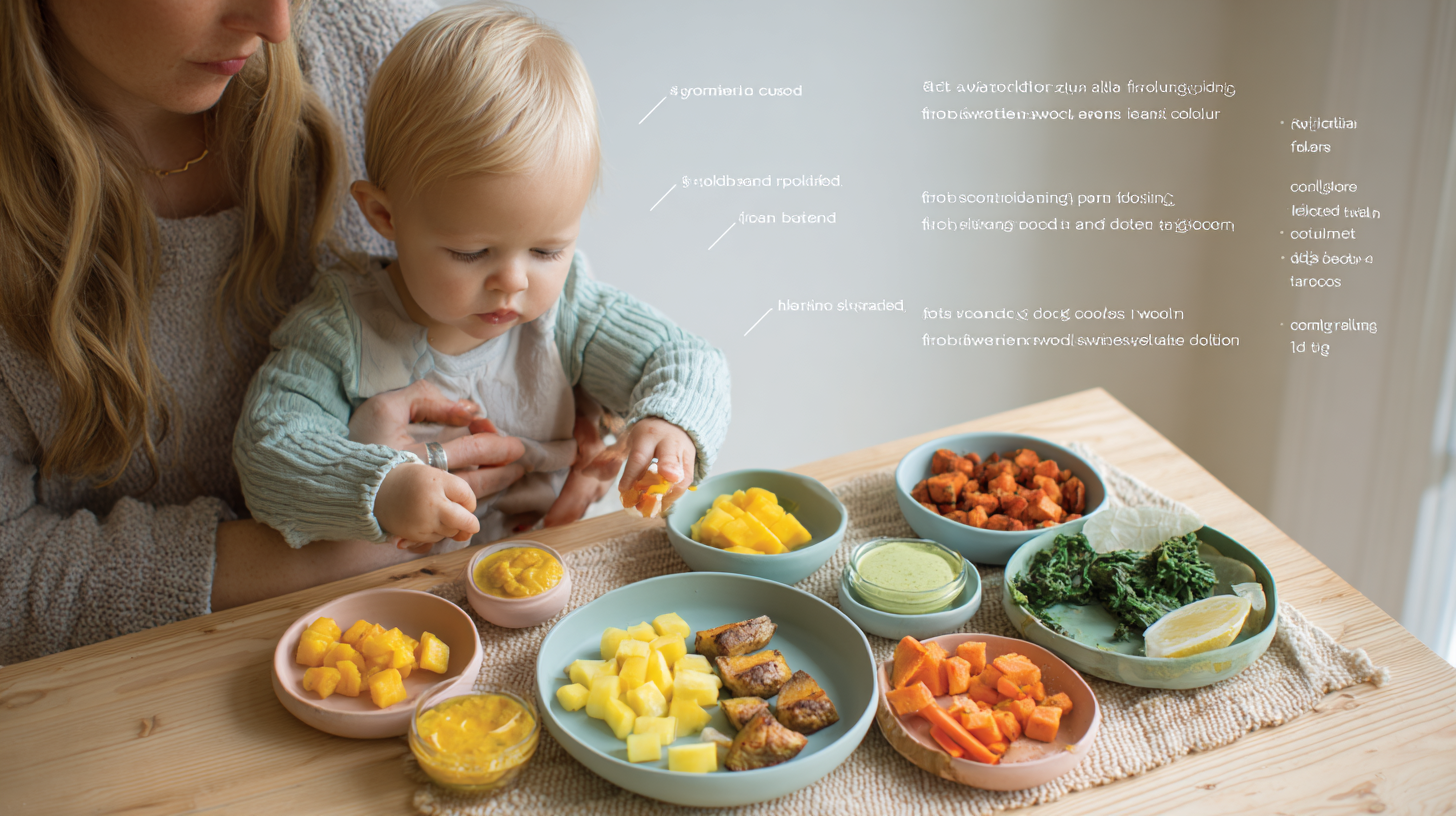
What Systematic Palate Expansion Actually Means (And Why Random Attempts Fail)
Let me take you back to a moment that shook me. I watched a family friend offer their toddler broccoli for the first time. The kid wrinkled their nose, pushed it away, and that was it. “She hates broccoli,” the parent declared. Case closed. One exposure. One conclusion. One missed opportunity.
Systematic palate expansion is the structured, methodical process of introducing new and varied foods through gradual, consistent exposure with documented progress tracking. It’s the antidote to random food introduction—where parents offer foods sporadically, give up after one refusal, and never track what actually works.
The science backs this up beautifully. Taste development begins in utero and continues through breastfeeding, with cultural habits and parental modeling forming the foundation. But here’s where families get stuck: they treat food introduction like throwing spaghetti at a wall. No plan. No tracking. No patience. Just hope and frustration.
Meta-analyses show that higher dietary variety is robustly associated with increased total intake, with effect sizes that matter. When families implement systematic approaches—scheduling regular taste sessions, gradual exposure to unfamiliar foods, and progress tracking—they see measurable wins. Not just “my kid ate a carrot once,” but documented patterns of acceptance and curiosity.
Think about it this way: you wouldn’t teach your child to read by randomly showing them letters whenever you felt like it. You’d have a system. You’d track progress. You’d celebrate milestones. Food deserves the same respect. And when you treat it that way, something magical happens: the pressure lifts, the wins compound, and mealtimes transform.
The 10-15 Exposure Rule That Changes Everything
This is the number that saved my sanity: 10 to 15 exposures. Not bites. Not meals where the food successfully enters the mouth. Exposures. That means your child seeing it, touching it, smelling it, licking it, spitting it out—all of that counts. All of that builds familiarity. All of that is progress.
Most parents quit after three tries. Maybe four if they’re feeling particularly patient that week. But the research is crystal clear: acceptance happens around the tenth exposure. That means nine times of “no thanks” or “gross” or dramatic gagging sounds are not failures. They’re necessary steps on the ladder.
Here’s how this plays out in real life. Let’s say you want to introduce mango. Exposure one: you slice it and let your child watch. Exposure two: they touch the sticky flesh. Exposure three: they smell it. Exposure four: it sits on their plate during dinner while they eat something else. Exposure five: they lick it. Exposure six: they take a tiny bite and spit it out. Exposure seven through ten: repeat with zero pressure. By exposure eleven, they might actually chew and swallow. By exposure fifteen, they’re asking for it.
This is not a miracle. This is biology. Children are naturally neophobic—afraid of new foods as an evolutionary survival mechanism. Repeated, pressure-free exposure overrides that fear. But you have to stick with it. You have to track it. You have to believe in the process when your toddler launches steamed eddoes across the kitchen for the seventh time.
And this is where systematic palate expansion earns its name. You’re not winging it. You’re documenting every exposure. You’re celebrating attempt number eight even though nothing was eaten. You’re playing the long game with data on your side. If you’re introducing bold Caribbean flavors—like the ones in the Caribbean Baby Food Recipe Book, with over 75 recipes featuring ingredients like plantains, coconut milk, and callaloo—you’ll want this systematic approach to honor those flavors and give your child time to develop a true appreciation.
The Hidden Truth Revealer
Click each tile below to uncover shocking facts about food exposure that most parents never learn:
Building Your Exposure Strategy (The Roadmap You’ve Been Missing)
A strategy without structure is just a wish. So let’s build your family’s exposure roadmap—the one that turns chaotic mealtimes into intentional, trackable adventures.
Start with theme months. Yes, months. Not weeks. Not days. Months give you the repetition you need for those 10-15 exposures. January could be “Green Month”—focusing on spinach, callaloo, okra, christophine, and green papaya. February is “Root Vegetable Month”—yam, dasheen, cassava, eddoes, and sweet potato. March? “Tropical Fruit Explosion”—mango, papaya, soursop, carambola, and guava.
Within each theme month, schedule specific exposure sessions. Not random. Not “whenever.” Scheduled. Monday dinner: new food appears on the plate. Wednesday lunch: new food is prepped together. Friday breakfast: new food is incorporated into a familiar favorite. Saturday: new food is explored through sensory play—no eating required, just touching, smelling, squishing.
Experts emphasize the power of focused tasting sessions—pausing to interrogate flavor notes and compare sensations in structured, quiet environments. This isn’t about multitasking through dinner while scrolling your phone. This is about creating intentional moments where food becomes interesting, not stressful.
Here’s a sample week for introducing dasheen (taro root):
Monday: Dasheen appears whole on the counter. Your child helps you wash it. Exposure one.
Tuesday: You peel and slice it together. They touch the slippery texture. Exposure two.
Wednesday: You cook Dasheen Bush Silk from your recipe collection. They watch it steam. Exposure three.
Thursday: A small portion sits on their plate during dinner. They don’t touch it. That’s okay. Exposure four.
Friday: You mash it with a familiar food—maybe coconut milk or a bit of butter. They smell it. Exposure five.
Saturday: They use a fork to “explore” it on their plate. No pressure to eat. Exposure six.
Sunday: You model eating it enthusiastically. They watch. Exposure seven.
By week two, you’re already halfway to acceptance. By week three, you’re in the acceptance zone. This is how systematic palate expansion works. Slowly. Predictably. Successfully.
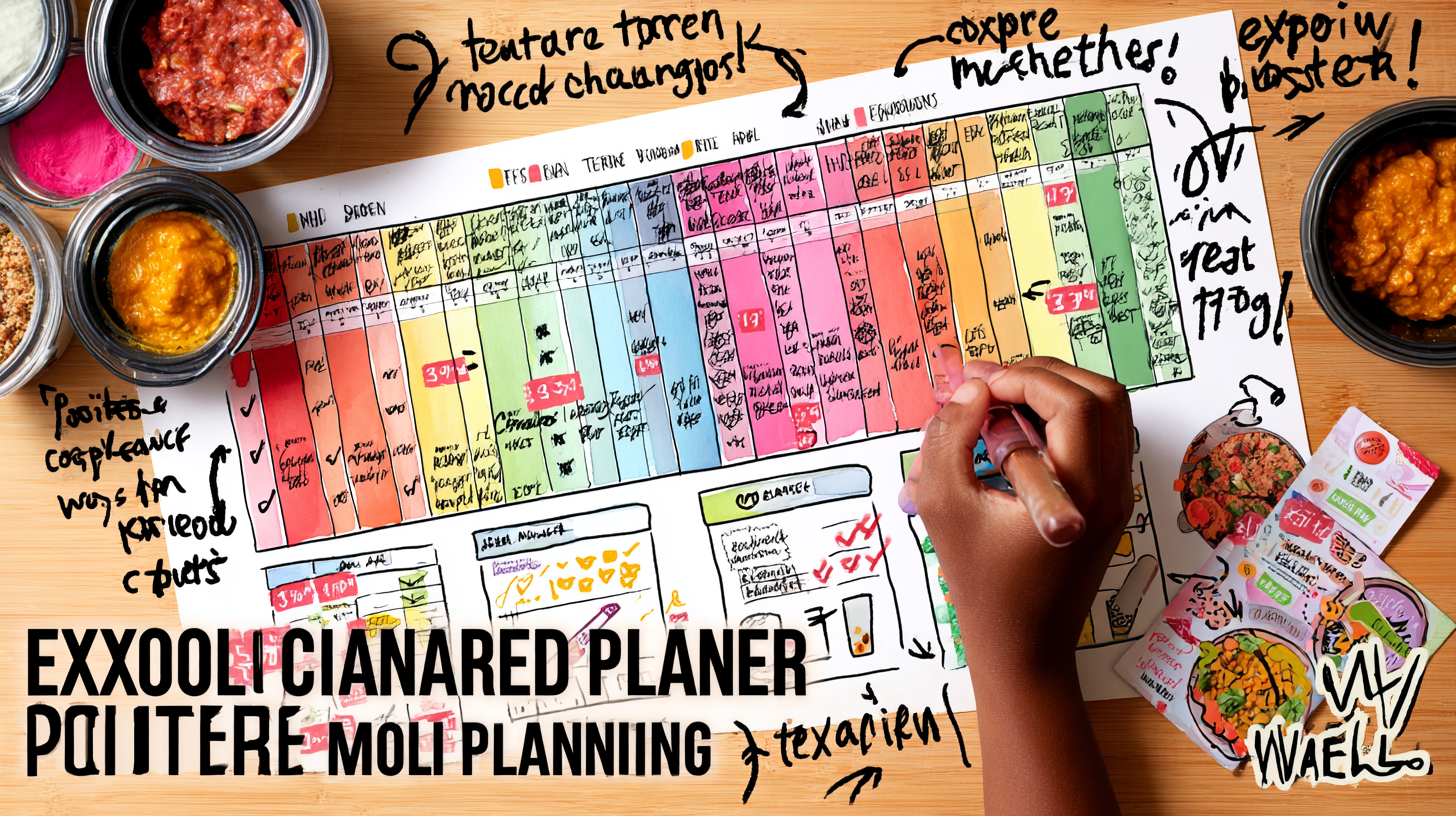
Tracking Progress Like a Pro (Because What Gets Measured Gets Celebrated)
You cannot manage what you do not measure. That’s business wisdom, but it applies perfectly to palate expansion. If you’re not tracking exposures, you’re flying blind. You’ll forget which foods you’ve tried, how many times, and what worked.
Create a simple tracking system. It can be a wall chart, a spreadsheet, a notes app, or even a dedicated food journal. The format doesn’t matter. The consistency does. Every time your child has an exposure—seeing, touching, smelling, tasting, or eating—you log it. One tally mark. One checkmark. One sticker. Whatever makes it visual and satisfying.
Here’s what you track: food name, date, exposure number, and level of engagement. Did they look at it? Touch it? Smell it? Lick it? Bite it? Swallow it? Each level is progress. Each level deserves documentation.
I’ve seen families use everything from simple paper charts to elaborate digital apps. Some parents create photo journals—snapping pictures of their child’s face during each exposure to document the journey from skepticism to acceptance. Others use reward stickers not for eating, but for attempting. The method is less important than the habit.
And here’s the psychological magic of tracking: it shifts your mindset from “my kid won’t eat anything” to “we’ve successfully introduced 12 new foods this quarter, and seven are now accepted.” That’s data. That’s evidence. That’s confidence-building proof that your system works.
Tracking also helps you identify patterns. Maybe your child is more receptive to new foods at breakfast than dinner. Maybe they respond better when foods are presented alongside a favorite dip. Maybe textures matter more than flavors. You won’t know unless you track. And once you know, you can optimize.
Your Celebration Wins Tracker
Check off each milestone as you achieve it—every check is a victory worth celebrating!
The Art of Celebrating Without Pressuring (The Balance That Makes or Breaks Success)
Here’s where most parents sabotage themselves: they celebrate the wrong things. They throw a parade when their child finally eats something, but ignore the nine attempts that came before. That’s not systematic. That’s outcome-obsessed. And it creates pressure.
Research shows that high parental pressure at mealtimes can backfire, causing children to develop stronger aversions. The moment your child senses that eating a food is more important to you than to them, the power dynamic shifts. Suddenly, food becomes a control issue. And nobody wins that battle.
Instead, celebrate process milestones. Celebrate the touch. Celebrate the smell. Celebrate the willingness to have the food on the plate, even if it never approaches their mouth. Celebrate curiosity. Celebrate questions. Celebrate the fact that they didn’t throw it on the floor this time.
Create celebration rituals that honor effort, not outcomes. Maybe it’s a high-five after exposure five. Maybe it’s adding a sticker to the tracking chart. Maybe it’s a family “food explorer dance” that you do together after every new attempt, regardless of whether anything was eaten. Make it fun. Make it pressure-free. Make it about the journey.
One family I know has a “Taste Adventure Wall” where they post photos of every new food their kids try. Not eat. Try. The wall is full of grinning faces next to foods that were ultimately rejected—but the kids are proud. They’re explorers. They’re brave. And that identity matters more than whether they currently like bitter melon.
Another strategy is the “no thank you bite” approach—but reframed. Instead of requiring a bite, you celebrate any interaction. “You touched it! That’s explorer-level courage!” or “You smelled it and made a funny face! That’s your body learning!” Language matters. Framing matters. Pressure-free celebration is the secret ingredient in long-term success.
Maintaining Patience When Progress Feels Invisible (The Long Game Nobody Talks About)
Let’s be honest: systematic palate expansion is not a quick fix. It’s not a three-day miracle transformation. It’s a months-long, sometimes years-long commitment to repetition, documentation, and faith in the process. And there will be days when you want to quit.
There will be days when you’ve offered the same food twelve times and your child still looks at it like it personally offended their ancestors. There will be days when you wonder if you’re wasting your time, your energy, and your expensive organic produce. There will be days when chicken nuggets seem like the path of least resistance.
On those days, remember this: every exposure counts, even the ones that look like failures. Neophobia is real. It’s biological. It’s not a personal rejection of your cooking or your parenting. It’s your child’s brain doing exactly what it’s designed to do—proceeding with caution around unfamiliar foods. Your job is to override that caution through repeated, pressure-free exposure. And that takes time.
Research on early childhood taste development emphasizes that preferences are shaped through consistent modeling and exposure, not force or tricks. Children learn to love foods by seeing them regularly, watching others enjoy them, and having positive, low-stakes interactions with them over time. There are no shortcuts. But there is a reliable path.
The families who succeed with systematic palate expansion are the ones who treat it like a marathon, not a sprint. They set realistic expectations: maybe three to five new foods accepted per quarter, not per week. They focus on the trend line, not the daily data point. They compare their child to their own past, not to other kids.
And they remind themselves that the goal isn’t perfection. The goal is progress. The goal is raising a child who approaches new foods with curiosity instead of fear. The goal is creating a positive food environment where exploration is celebrated and refusals are met with calm patience. That’s the long game. That’s the game worth playing.
Leveraging Social Influence and Peer Power (The Secret Weapon Hiding in Plain Sight)
Here’s something fascinating: children are more likely to try new foods when they see peers eating them. Not adults. Peers. Other kids their age, doing the thing they’re nervous about, makes it suddenly seem doable. This is social proof in action, and you can harness it strategically.
If you have multiple children, use mealtime modeling intentionally. Let the older sibling try the new food first while the younger one watches. Celebrate the older child’s bravery. Make it look fun, exciting, adventurous. The younger child’s natural competitiveness and curiosity will kick in. “If they can do it, so can I.”
For only children or families without built-in peer pressure, create opportunities for group meals. Playdates where everyone tries something new together. Potlucks where kids serve themselves from a variety of dishes. Community meals where exploration becomes a shared experience. The collective energy shifts the dynamic from “this is scary” to “this is an adventure we’re all on.”
Schools and early childhood programs are catching on to this. Some are organizing systematic taste weeks tied to educational themes—learning about different cultures while trying their foods. Teachers adapt these principles in lunch programs, offering repeated exposures over months with celebration systems in place. The data shows it works. Group exploration reduces individual anxiety.
Even digital communities can help. Social media is full of families sharing their food exploration journeys, complete with charts, progress photos, and celebration videos. The hashtag movements around adventurous eating create a sense of collective momentum. You’re not alone in this. Thousands of families are documenting the same slow, steady progress. That matters psychologically.
Food Introduction Strategy Cards
Hover over each card to reveal a powerful strategy for systematic palate expansion:
Addressing Challenges Head-On (The Obstacles Nobody Warns You About)
Let’s talk about the stuff that makes systematic palate expansion hard. Because it’s not all color-coded charts and triumphant acceptance moments. There are real challenges that derail families, and you need to know how to navigate them.
Challenge one: food fatigue. You get tired of cooking. You get tired of prepping foods that get rejected. You get tired of cleaning up messes. You get tired of the mental load of planning, tracking, and staying consistent. This is real. This is valid. And this is where meal planning systems and prep strategies become essential. Batch cook. Use your freezer. Simplify your tracking. Give yourself permission to reuse the same rotation of foods for a month before introducing something new.
Challenge two: sensory sensitivities. Some children have genuine texture aversions or heightened taste sensitivities that make systematic exposure more complex. This doesn’t mean the system doesn’t work—it means it needs adaptation. Maybe you start with 20 exposures instead of 10. Maybe you focus on one texture category at a time. Maybe you work with an occupational therapist to address underlying sensory processing issues. The framework is flexible.
Challenge three: family dynamics. If one parent is all-in on systematic palate expansion and the other keeps offering backup chicken nuggets, the system crumbles. If grandparents undermine your approach by sneaking processed snacks, progress stalls. This requires family meetings. This requires alignment. This requires everyone understanding the why behind the system and committing to consistency.
Challenge four: the culture of convenience. We live in a world that celebrates quick fixes and instant results. Systematic palate expansion is the opposite. It’s slow. It’s repetitive. It’s unsexy. You’re swimming upstream against a culture that markets “five foods your kid will definitely eat” and “how to get them to try anything in three days.” Ignore that noise. Trust the process. Play the long game.
And challenge five: your own food baggage. If you grew up in a household where food was used as punishment, reward, or control, you’re carrying patterns into this process. If you have your own picky eating history or disordered eating experiences, that shows up at the table. This is the time to do your own work—therapy, reflection, intentional pattern-breaking—so you can offer your child a different experience.
Real-World Success Stories (Proof That This Actually Works)
Let me tell you about families who’ve done this. Real families. Messy kitchens. Skeptical toddlers. Exhausted parents. And documented success.
There’s the family who decided to tackle bitter greens—callaloo, pak choy, mustard greens. They started with theme months, exposing their two kids to one green vegetable per month with zero pressure. Month one: callaloo appeared in soups, smoothies, sautés, and raw on plates. Just seeing it. Touching it. Smelling it. By week three, their four-year-old licked it. By week four, they took a bite. By month two, they were requesting “the green stuff” at dinner. That’s systematic palate expansion in action.
Or the family who used a tracking wall chart with stickers. Every exposure earned a sticker, regardless of outcome. Their son became obsessed with filling the chart. He started asking to try new foods just to earn another sticker. The intrinsic motivation shifted—from “this food is scary” to “I’m an explorer who collects experiences.” By month six, they’d introduced 18 new foods, and 12 were regularly accepted. That’s a 67% success rate. Those are numbers you can celebrate.
I know a parent who integrated Caribbean flavors—dishes from the Caribbean Baby Food Recipe Book, like Coconut Rice & Red Peas, Geera Pumpkin Puree, and Sweet Potato & Callaloo Rundown—using the systematic approach. They introduced one recipe per week, logging every interaction. Their daughter now requests plantain at breakfast and will try any food that’s yellow. The specificity of preferences developed through repeated exposure is fascinating. You’re not just creating acceptance—you’re building a unique palate profile.
Even failure stories are instructive. One family tried systematic exposure but abandoned tracking after three weeks. Without data, they couldn’t see progress. They gave up, assuming it wasn’t working. Six months later, they restarted with a commitment to tracking, and suddenly, patterns emerged. Foods that seemed rejected were actually at exposure seven or eight—so close to acceptance. Tracking made the invisible visible. That’s the power of documentation.
Expert Insights and Research-Backed Strategies (What the Science Actually Says)
The science of taste development is clear, consistent, and encouraging. Institutions studying early childhood nutrition emphasize that starting exposure in infancy—through maternal diet during pregnancy and breastfeeding—sets the foundation. But the work doesn’t stop there. It continues through toddlerhood, preschool years, and beyond.
One critical insight: variety during meals robustly increases total intake. Meta-analyses show that when multiple food options are available, children eat more overall and explore more flavors. This doesn’t mean creating a buffet every night. It means offering small portions of two to three items, including at least one new or less-preferred food alongside familiar favorites. The safety of the familiar reduces anxiety, allowing curiosity about the new to emerge.
Another key finding: rewards should be minimized, and intrinsic motivation prioritized. External rewards (“if you eat your broccoli, you get dessert”) create conditional relationships with food. They teach kids that some foods are punishments to endure for the prize of others. Instead, the reward is the experience itself—the exploration, the pride, the sense of accomplishment. That’s intrinsic. That’s sustainable.
Taste development experts stress the importance of focused, structured tasting sessions where distractions are minimized. This isn’t eating in front of screens. This isn’t rushed meals between activities. This is intentional, quiet time where flavors can be noticed, discussed, compared. “What does this remind you of?” “Is it crunchy or soft?” “Does it taste sweet or salty?” These questions build food literacy and engagement.
And from a market perspective, the growth of taste modulator products and structured eating programs signals that families are hungry for solutions. The $1.2 billion industry around taste development isn’t just about products—it’s about the recognition that this matters. That raising adventurous eaters is worth investing in. That systematic approaches work.
Your 30-Day Palate Expansion Starter Plan
Ready to launch your systematic journey? Click below to reveal your personalized month-one action plan:
Future-Proofing Your Family’s Food Relationship (The Ripple Effects You’re Creating)
Here’s what systematic palate expansion is really about: it’s not just getting your toddler to eat zucchini today. It’s shaping their entire relationship with food for decades to come. It’s teaching them that new experiences are approachable. That discomfort is temporary. That patience and persistence pay off. That their bodies can be trusted to explore, adapt, and learn.
Children who grow up with systematic exposure to diverse foods are more likely to become adventurous adult eaters. They’re less likely to have rigid food rules or disordered eating patterns. They’re more open to trying cuisines from different cultures. They’re more willing to cook, experiment, and host meals. They pass these values to their own children. This is generational impact.
And on a practical level, adventurous eaters are easier to feed. They don’t require separate meals. They travel better. They adapt to different social situations. They’re less stressed at restaurants, potlucks, and family gatherings. They have more nutritional flexibility, which supports overall health. These aren’t small benefits. These are life skills.
Looking ahead, we’re likely to see broader adoption of systematic palate expansion strategies through mobile apps, digital meal planning tools, and personalized protocols for families. The future includes AI-driven taste predictors, social platforms for sharing progress, and even more evidence-based recommendations in pediatric practice. This is just the beginning.
But you don’t need to wait for the future. You can start today. You can choose to be the parent who plays the long game. Who tracks progress. Who celebrates attempts. Who stays patient when others give up. Who builds a system instead of hoping for luck. That decision—right now—changes everything.
Bringing It All Together (Your Roadmap Forward)
So here’s where we land. Systematic palate expansion isn’t complicated, but it does require commitment. It requires you to shift from outcome-focused parenting to process-focused parenting. From “did they eat it?” to “did they experience it?” From randomness to intentionality. From frustration to documentation.
You start by choosing a theme. One food group. One month. You commit to 10-15 exposures of foods within that theme. You schedule those exposures—when, how, with whom. You track every interaction, no matter how small. You celebrate the process, not just the outcome. You stay patient when progress feels invisible. You trust the research. You trust the system. You trust your child’s ability to grow into an adventurous eater with your consistent, pressure-free support.
And when you’re ready to expand into bolder, more diverse flavors—especially those vibrant, nutrient-rich Caribbean staples like eddoes, dasheen, callaloo, and plantain—you’ll find that resources like the Caribbean Baby Food Recipe Book offer over 75 recipes designed for systematic introduction. These aren’t random meal ideas. They’re culturally rich, nutritionally dense options that pair perfectly with a methodical exposure strategy. You’re not just feeding your child. You’re connecting them to heritage, flavor, and adventure.
This journey won’t always be linear. There will be regressions. There will be foods that take 20 exposures instead of 10. There will be weeks where life gets chaotic and your system falls apart. That’s okay. What matters is that you come back to it. What matters is that you don’t give up after one refusal, or three, or seven. What matters is that you keep showing up with patience, data, and celebration.
Because the truth is this: you’re not just building an adventurous eater. You’re building a human who knows how to approach the unfamiliar with courage. Who understands that growth happens slowly. Who trusts their body and their instincts. Who celebrates effort, not just results. Who finds joy in exploration. That’s the real prize. That’s the revolution. And it starts with one systematic, documented, celebrated exposure at a time.

Kelley's culinary creations are a fusion of her Caribbean roots and modern nutritional science, resulting in baby-friendly dishes that are both developmentally appropriate and bursting with flavor. Her expertise in oral motor development and texture progression ensures that every recipe supports your little one's feeding milestones while honoring cultural traditions.
Join Kelley on her flavorful journey as she shares treasured family recipes adapted for tiny taste buds, evidence-based feeding guidance, insightful parenting anecdotes, and the joy of celebrating food, culture, and motherhood. Get ready to immerse yourself in the captivating world of Kelley Black and unlock the vibrant flavors of the Caribbean for your growing baby, one nutritious bite at a time.
- The Feeding Revolution: Why Your Everyday Meals Are Changing the World - October 13, 2026
- Your Feeding Story Matters More Than The “Perfect” One Online - October 12, 2026
- Looking Forward: Stepping Into Your Confident Feeding Future - October 11, 2026