The Sweet Truth About Rewards: Why Your Child Doesn’t Need Candy to Shine
What Type of Parent Are You?
Choose the scenario that sounds most like your household:
Three weeks ago, my neighbor’s daughter finished her homework early for the first time in months. Her reward? A trip to get ice cream. Two days later, the same homework fight was back. Why? Because the brain doesn’t work that way, and we’ve been getting rewards completely backward.
Research from school nutrition experts and pediatric organizations shows that using palatable foods as rewards is directly linked to chronic emotional overeating, altered brain reward circuitry, and stronger preferences for high-fat, high-sugar foods in children. This isn’t just about preventing cavities—it’s about rewiring how our children understand achievement, effort, and self-worth.
Here’s something most parenting books won’t tell you: the moments we think we’re celebrating with treats are actually teaching our children that love, success, and comfort all taste like sugar. Professional organizations including the American Academy of Pediatrics, Mayo Clinic, and World Health Organization explicitly state that foods should not be used to reward, motivate, or entertain children. The reason is stark—we’re creating patterns that follow kids into adulthood, patterns that make emotional regulation harder and genuine joy more elusive.

The Brain Science Behind Why Food Rewards Backfire
Children’s brains are remarkably plastic, which means every reward we give is literally shaping their neural pathways. When we consistently pair achievement with sugary treats, we’re training the brain’s reward system to crave external, edible validation rather than internal satisfaction. Neuroscience research on emotional eating reveals that this practice alters reward circuitry in ways that can persist for decades.
Studies examining brain activation patterns show that children who regularly receive food rewards develop different responses to palatable foods compared to those who don’t. The nucleus accumbens, caudate, and putamen—brain regions central to reward processing—show altered activation in emotional eaters, particularly during stress. What starts as an innocent “great job, have a cookie” becomes a lifetime pattern of reaching for comfort foods when facing challenges.
The problem intensifies when we consider that children have limited executive function. They can’t weigh long-term health consequences against the immediate gratification of a treat. School nutrition literature emphasizes this developmental reality: kids lack the cognitive capacity to make these trade-offs, which makes food rewards particularly problematic. We’re essentially exploiting their developmental stage to create habits that will work against them later.
Perhaps most concerning is how food rewards undermine appetite regulation. When children learn to eat for reasons other than hunger—to celebrate, to cope, to earn approval—they lose touch with their internal hunger and fullness cues. This disconnect is one of the foundational elements of disordered eating patterns that plague adults. Recent research from 2024 confirms that coercive food practices, including using food as reward, are associated with poorer emotional regulation and increased emotional overeating in preschoolers.
7-Day Non-Food Reward Tracker
Tap each day you successfully used a non-food reward:
What Schools Already Know (And Why Your Home Should Too)
School wellness policies across the United States are undergoing a transformation. Nutrition frameworks from the CDC now explicitly embed non-food rewards in their guidance, emphasizing that classroom celebrations and incentives should support health rather than undermine it. The shift isn’t arbitrary—it’s evidence-based.
Research examining food rewards in educational settings reveals they conflict directly with dietary guidelines and contribute to unhealthy habits that increase long-term obesity risk and related chronic diseases. When schools simultaneously promote healthy eating through improved meal programs while handing out candy for good behavior, they send profoundly mixed messages that confuse children and weaken both initiatives.
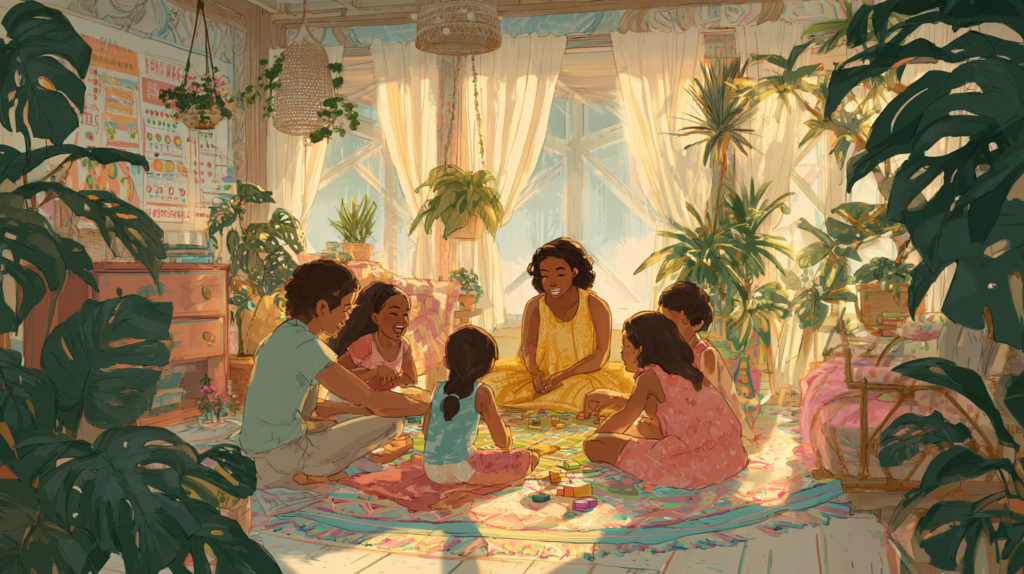
Some school districts have adopted comprehensive “healthy celebrations and rewards” policies that require staff to use creative positive incentives instead of food. These policies recommend privileges such as extra recess, special responsibilities like leading the class line, lunch with the teacher, “no homework” passes, reading to younger students, or choosing classroom activities. The fascinating outcome? These non-food rewards are often more motivating to children than treats ever were.
National school nutrition frameworks state that foods offered as rewards are part of “competitive foods” that can actively undermine healthier school meal standards. This creates an environment where nutrition staff work hard to provide balanced meals while other staff unknowingly sabotage those efforts with candy-based behavior management. The solution requires system-wide commitment to alternative reward structures that are just as effective—and often more so—than food-based ones.
What makes this particularly relevant for Caribbean families is that many of us come from food cultures where feeding is love, where celebration always involves rich, sweet foods, and where refusing food can feel like rejecting family. If you’re working to balance cultural connection with modern nutritional understanding, resources like the Caribbean Baby Food Recipe Book can help you introduce authentic island flavors in nourishing ways—teaching children early that our cultural foods are about nourishment and connection, not emotional bargaining.
Busting the Biggest Myths About Rewards
Tap Each Myth to Reveal the Truth
The Hidden Cost of Sweet Success
Digital marketing adds another dimension to this challenge. Systematic reviews from 2024 show that most online food advertising seen by children promotes ultra-processed products, reinforcing unhealthy food norms and reward expectations. Social media influencers popular with children routinely feature junk food, creating an environment where “fun” and “rewards” are culturally tied to unhealthy eating.
This creates a perfect storm: parents using treats as rewards at home, digital media constantly associating happiness with junk food, and schools slowly transitioning away from food incentives while children are immersed in marketing that does the opposite. Breaking this cycle requires intentional counter-programming—actively teaching children different reward systems and different associations with achievement.
The equity dimension also matters. In communities where access to special foods is limited, treats may carry profound emotional meaning. Eliminating food rewards without offering alternative forms of joy and recognition can feel punitive and culturally insensitive. This is why non-food reward systems must be inclusive and adaptable to diverse family cultures and resources—celebrations shouldn’t depend on parents’ ability to provide expensive gifts or paid experiences.
Social media parenting content is beginning to shift these conversations. Parenting educators and dietitians on platforms like Instagram are explicitly teaching families that food is nourishment and relationship—not a bargaining chip. They’re modeling non-food reward systems, offering scripts for difficult moments, and showing that breaking the food-reward cycle doesn’t mean eliminating joy or celebration. It means finding more meaningful, lasting ways to recognize children’s efforts.
Reward Impact Calculator
Select the rewards you currently use (tap to select/deselect):
Building Your Non-Food Reward Toolkit
The most powerful rewards address children’s core psychological needs: competence, autonomy, and connection. When we understand this framework, creating meaningful non-food rewards becomes intuitive rather than difficult.
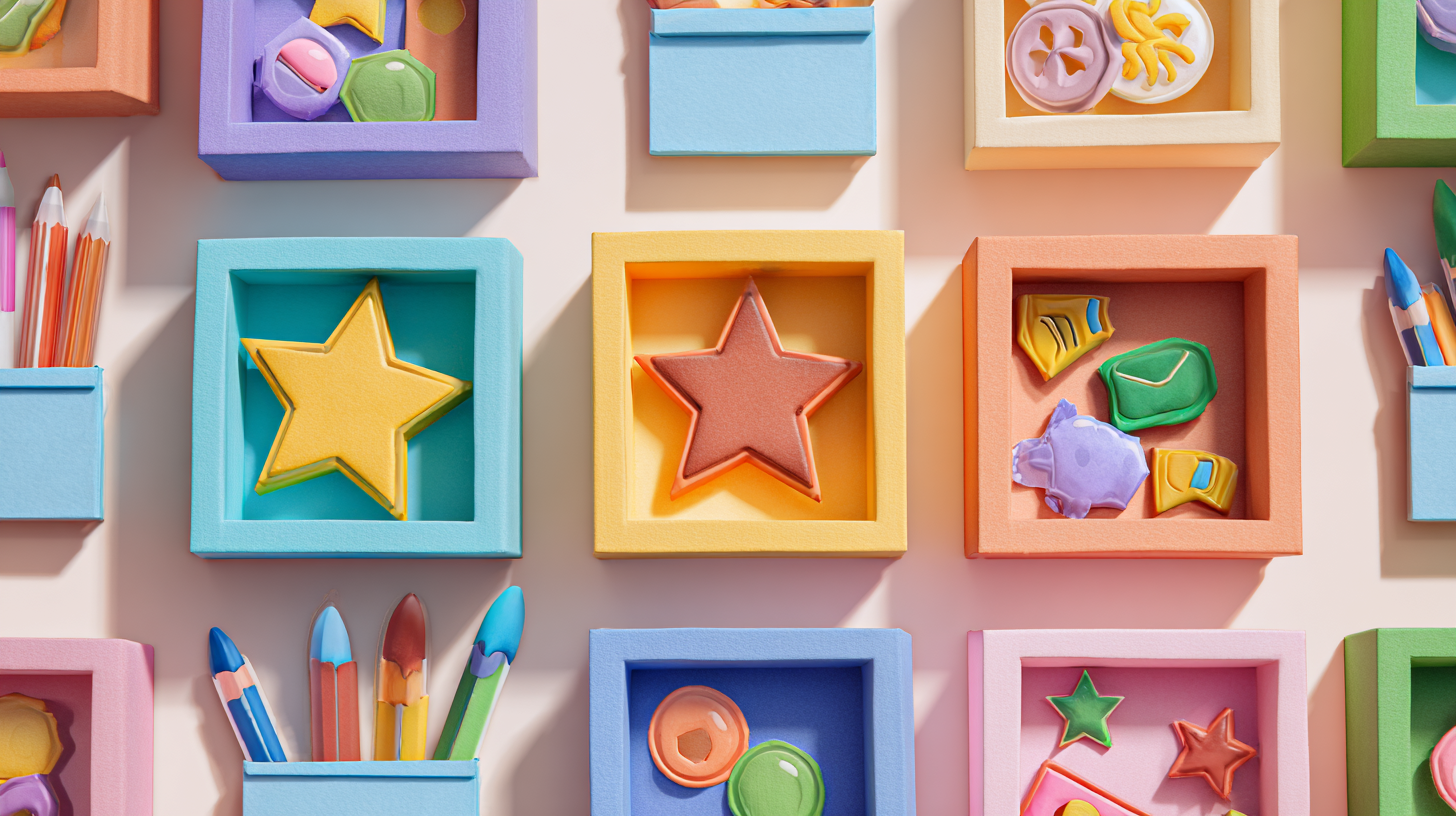
Competence-based rewards acknowledge mastery and growth. These include special responsibilities (being “line leader,” helping with meal prep, teaching a younger sibling a skill), certificates or badges that recognize specific achievements, or the opportunity to demonstrate their skill to others. Research shows children respond powerfully to recognition that makes their effort visible and valued.
Autonomy-based rewards give children age-appropriate control. For young children, this might mean choosing which book to read, picking dinner music, or selecting weekend activities. For older kids, privileges like extended bedtime, “no homework” nights, or decision-making authority over family plans provide motivating rewards that cost nothing but mean everything.
Connection-based rewards prioritize relationship time. One-on-one “dates” with parents, cooking a special meal together (the Caribbean Baby Food Recipe Book has wonderful family-friendly adaptations of dishes like Coconut Rice & Red Peas and Plantain Paradise that make this kind of quality time both cultural and nourishing), reading an extra chapter together, building a project, or playing a child’s favorite game provide the deep satisfaction that brief treats never can.
Tangible but non-food items also work well: school supplies, bookmarks, small toys, sports equipment, stickers (for younger children), or craft materials. A 2024 study of cashless canteen reward systems in secondary schools found that non-food incentive programs were both feasible and acceptable when properly implemented, suggesting these approaches scale across ages and settings.

Age-Specific Strategies That Actually Work
Different developmental stages require different reward approaches. Toddlers and preschoolers respond best to immediate, concrete rewards. Simple sticker charts where five stickers earn a trip to the park, visual progress trackers, enthusiastic verbal praise paired with physical affection, and special privileges like staying up slightly later work beautifully at this age.
For this age group, sensory and activity-based rewards are particularly effective: bubbles, extra bath time, choosing a family dance party song, playing with water, or visiting animals at a pet store or shelter. The key is immediacy—young children need the reward to follow quickly after the desired behavior.
School-age children benefit from more complex reward systems. Points-based systems where points accumulate toward larger privileges, choice-based rewards where children select from a menu of activities, responsibility-based recognition like special classroom or household jobs, and social rewards like playdates or group activities become increasingly motivating.
This age group also responds to learning-based rewards: library trips, educational apps or games, choosing a family documentary or museum visit, or having input into their own learning activities. Research on incentivizing exploration of new experiences suggests that reward systems focused on trying new things (rather than repeating behaviors) may be particularly effective for building long-term habits.
Adolescents need rewards that respect their growing independence. Extended curfews, technology privileges, input into family decisions, increased autonomy, or opportunities to contribute to causes they care about resonate powerfully. For teenagers, recognition often matters more than tangible rewards—public acknowledgment of their achievements, trust demonstrated through increased responsibility, or validation of their growing competence carries enormous weight.
⚡ Get Your Personalized Quick Win
Select your child’s age range:
The Transition: Making the Switch Without Tears
If you’ve been using food rewards for months or years, the transition requires strategy and patience. Research on behavior change suggests gradual transitions work better than abrupt elimination, particularly when children have strong established patterns.
Start by explaining the change in age-appropriate terms. For younger children: “We’re going to try new ways to celebrate that help our bodies and brains feel even better!” For older children, involve them in the process: “I’ve been learning about how food rewards can make it harder for our brains to know when we’re really hungry. Let’s create a new reward system together.”
Introduce one non-food reward category at a time. Begin with quality-time rewards, which often have the highest intrinsic value for children. Once those are established and working well, add privilege-based rewards, then recognition-based ones. This staged approach prevents overwhelm and allows each reward type to prove its value before moving forward.
Expect some initial resistance, particularly if treats have been frequent. Children may test boundaries or express disappointment. This is normal and temporary. Consistency matters enormously—if you return to food rewards during challenging moments, you’ll reinforce that the new system isn’t permanent. Stay the course while remaining empathetic about their adjustment process.
Coordinate with other caregivers and family members. Grandparents, babysitters, and co-parents need to understand and support the new approach. This coordination prevents the “but Grandma gives me candy” conflicts that undermine your efforts. Frame it positively: you’re helping everyone give your child more meaningful forms of recognition and celebration.
When Cultural Tradition Meets Modern Science
For many Caribbean families, food is love. Denying treats can feel like denying cultural connection. This is where nuance matters: the goal isn’t eliminating cultural foods or family celebrations—it’s separating food from behavior management and achievement recognition.
Cultural foods can absolutely be part of family life without being rewards. Sunday meals with traditional dishes, holiday celebrations with special foods, cooking traditional recipes together—these practices connect children to heritage without creating food-behavior associations. The difference is context: shared family meals aren’t rewards for behavior; they’re expressions of culture and connection.
When introducing children to cultural flavors, resources like the Caribbean Baby Food Recipe Book help establish foods like Sweet Potato & Callaloo, Yellow Yam & Carrot, or Plantain Paradise as regular nourishment rather than special treats. Starting these patterns early—before food-reward associations form—sets a foundation where cultural foods are simply part of healthy eating rather than emotional bargaining chips.
Some families find that making cultural cooking itself a reward activity works beautifully. “We’re going to make Grandma’s recipe together” becomes both quality time and cultural connection without positioning the food as achievement validation. The process becomes the reward; the meal is simply the delicious outcome everyone shares.
Milestone Celebration Tracker
Tap each milestone you’ve achieved in your non-food reward journey:
The Long Game: What This Really Means
Shifting away from food rewards isn’t about perfection—it’s about pattern change. Every time you choose to recognize your child’s effort with connection instead of candy, you’re doing something profound. You’re teaching them that their worth isn’t tied to consumption, that achievement feels satisfying from within, and that love isn’t something they have to earn or eat.
Research predicting future developments in this area suggests we’ll see increased emphasis on helping children tolerate slower, intrinsic rewards as digital environments condition them to expect rapid dopamine hits. Non-food reward systems that prioritize mastery, praise, and meaningful recognition prepare children for this challenge better than any treat jar ever could.
Public health strategies aimed at reducing children’s exposure to unhealthy food marketing will increasingly complement family-level efforts to use experiences and quality time as rewards. These combined approaches could gradually weaken the cultural expectation that every celebration must revolve around sweets—but that cultural shift begins in individual homes, with individual families making different choices.
For parents feeling overwhelmed by this transition, remember: you don’t need to revolutionize everything overnight. Start with one change. Replace one food reward this week with a privilege or quality-time alternative. Notice how your child responds. Build from there. Small, consistent changes create the lasting patterns that matter most.
Your Next Week Starts Now
Clarity doesn’t come from reading—it comes from doing. Pick one reward scenario in your home that currently involves food: maybe it’s the after-homework snack, the good-behavior treat, or the weekend celebration. For the next seven days, replace that food reward with something from your new toolkit.
If your child typically gets a cookie after homework, try: “You worked so hard on that! Want to pick the music for the car ride?” or “Let’s spend fifteen minutes building that LEGO set together before dinner.” If treats mark good behavior, try: “I noticed how kind you were today—let’s read an extra chapter tonight” or “You’ve earned staying up fifteen minutes later this weekend.”
Watch what happens. You might be surprised to find that the quality-time rewards satisfy your child more deeply than treats ever did. That the privileges they earn feel more valuable precisely because they’re not consumed and gone. That recognition paired with your undivided attention creates connection no candy bar can match.
The beautiful truth is this: your child doesn’t need candy to shine. They need to see themselves reflected in your attention, celebrated through your time, recognized through your pride. Those are the rewards that build strong humans—the kind who know their worth isn’t wrapped in foil, purchased at checkout counters, or measured in sugar grams.
Every family meal you share without bargaining, every achievement you celebrate with words and hugs instead of sweets, every moment you choose presence over presents—these are the building blocks of children who understand that the sweetest things in life have nothing to do with dessert. And that understanding? That’s a gift that lasts forever.
So tomorrow morning when your child asks what they get for cleaning their room, you’ll have something better than candy to offer. You’ll have a choice of family activities, an extra story, a special responsibility, or fifteen minutes of your undistracted time. And you’ll be teaching them that the best rewards in life aren’t things we consume—they’re experiences we treasure and connections we build.
This isn’t about deprivation. It’s about abundance—the abundance of meaningful recognition, genuine connection, and intrinsic satisfaction. Those are rewards your children will carry for life, long after every treat is forgotten. That’s the legacy we’re building, one non-food reward at a time.

Kelley's culinary creations are a fusion of her Caribbean roots and modern nutritional science, resulting in baby-friendly dishes that are both developmentally appropriate and bursting with flavor. Her expertise in oral motor development and texture progression ensures that every recipe supports your little one's feeding milestones while honoring cultural traditions.
Join Kelley on her flavorful journey as she shares treasured family recipes adapted for tiny taste buds, evidence-based feeding guidance, insightful parenting anecdotes, and the joy of celebrating food, culture, and motherhood. Get ready to immerse yourself in the captivating world of Kelley Black and unlock the vibrant flavors of the Caribbean for your growing baby, one nutritious bite at a time.
- The Feeding Revolution: Why Your Everyday Meals Are Changing the World - October 13, 2026
- Your Feeding Story Matters More Than The “Perfect” One Online - October 12, 2026
- Looking Forward: Stepping Into Your Confident Feeding Future - October 11, 2026