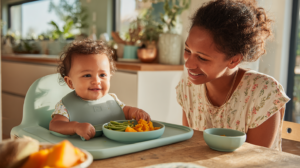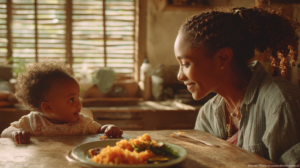
Food Adventure Challenges: Turning New Foods into Family Fun (Without Pressure)
Before diving in, do a quick gut check: are new foods in your home a quiet experiment, a full-on battle, or somewhere in between? This tiny reality check will shape how you use the challenges in this article.
What if “try one bite” disappeared from your vocabulary, and your child still grew more adventurous with food?
In homes all over the world, parents are discovering a radical truth: kids are more likely to explore new foods when those foods feel like play, not pressure. Instead of battles over “just one bite,” families are turning meals into low-pressure adventures where curiosity, games, and gentle structure quietly rewire how children see food. This isn’t about bribing kids with dessert or forcing them into “clean plate club.” It’s about using playful, research-backed challenges that protect food neutrality and body image while giving kids room to grow.
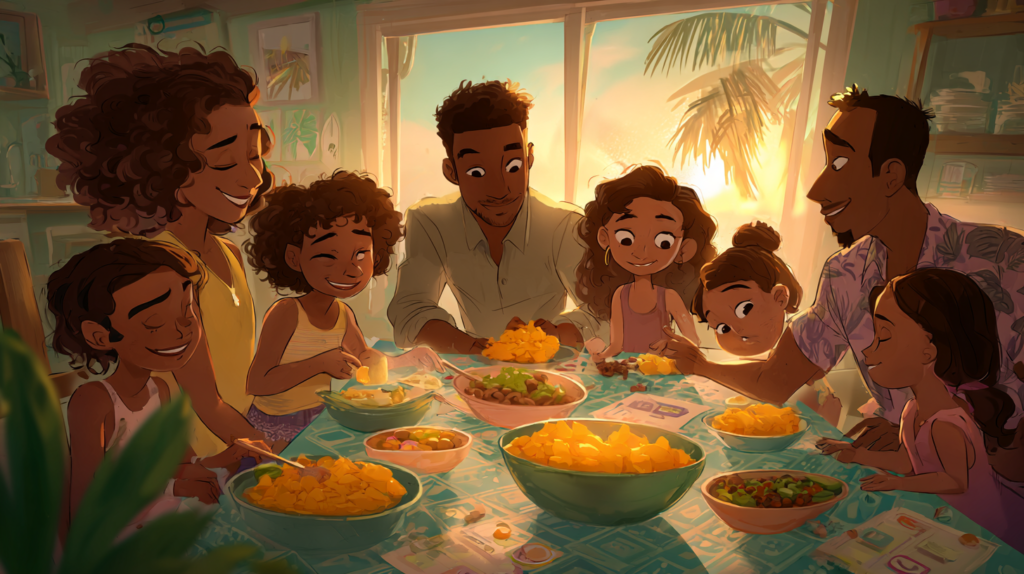
As a Caribbean parent, the first time my toddler rejected a spoonful of creamy pumpkin coconut mash that tasted like home, my heart sank. That dish was inspired by one of my favorite island-style baby recipes, a soft calabaza and coconut milk blend that felt like a hug in a bowl. Deep down, it wasn’t just pumpkin they said no to—it felt like they were turning down a piece of our culture. So instead of begging for “just one taste,” we tried something different. We turned it into a game. That single shift changed our entire table.
In this guide, you’ll learn how to build your own “food adventure challenge” system—step-by-step, science-backed, and actually fun. You’ll see why sensory play is more powerful than spoonfuls, how serious games have boosted kids’ vegetable choices, and how to design rewards that keep things low pressure and food-neutral. Along the way, we’ll fold in a little island flavor, some hard-earned parent stories, and practical ideas you can use tonight.
What Are Food Adventure Challenges, Really?
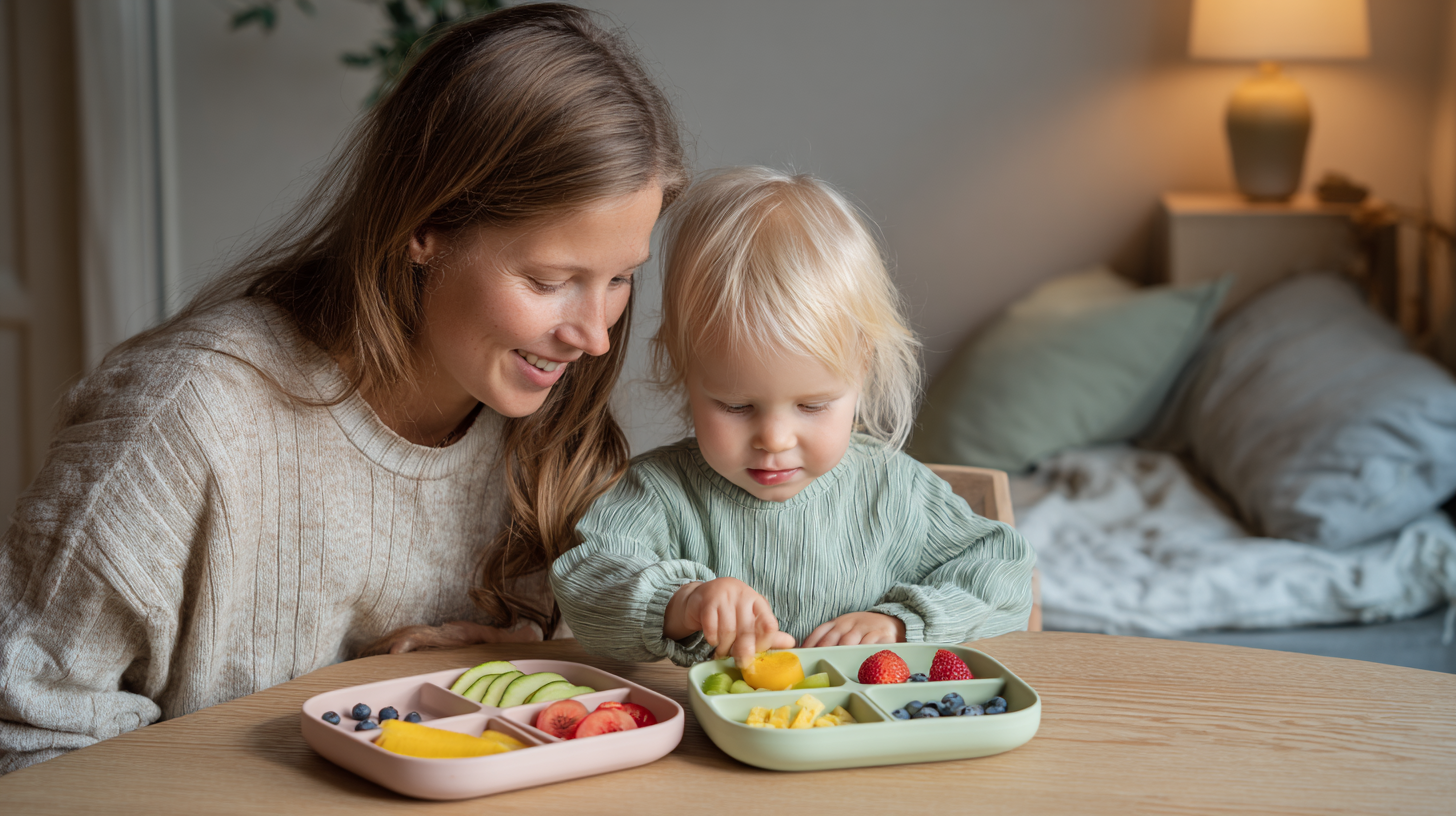
Food adventure challenges are simple, game-like missions that invite kids to interact with new foods in tiny, low-pressure steps. Instead of focusing on “Did you eat it?”, these challenges celebrate every kind of interaction: looking, touching, smelling, listening to the crunch, or helping prepare a recipe. Eating becomes just one possible outcome, not the measurement of success.
At their core, these challenges combine three powerful elements: sensory exploration, repeated exposure, and family modeling. Research on food neophobia—the fear or reluctance to try new foods—shows that many young children need 8–15 or more calm exposures before a food starts to feel familiar. Sensory play and curiosity-based contact with foods can gently lower the “threat level,” especially when adults join in and show that it’s safe to explore.
Clinicians who work with picky eaters often use a stepwise hierarchy: first tolerate the food on the table, then interact with it, then smell, then touch, and finally taste. Food adventure challenges take that clinical logic and turn it into something families can use at home: “smell detective,” “color quest,” “squish scientist,” or “chef’s assistant” games that feel fun instead of therapeutic. The magic is that progress is measured in comfort, not mouthfuls.
The Hidden Science Behind Playful Food Exploration
If your child seems like the only one refusing the veggies, you’re not alone. Studies suggest that a large portion of toddlers and preschoolers show noticeable food neophobia, and for many families it’s a major source of stress at the table. The good news: the same research also tells us that playful, repeated exposure is one of the strongest predictors of eventual acceptance—especially for vegetables and other bitter or unfamiliar foods.
Sensory-based programs in schools and clinics highlight that kids are more open to new foods when they can explore them with all their senses first. Activities like smelling jars, texture trays, and food “science experiments” have been linked to higher curiosity and reduced resistance to tasting. Instead of a parent saying, “You have to eat this broccoli,” the script becomes, “What does it smell like? What would you name this texture?” That shift pulls kids out of defense mode and into discovery mode.
Serious games—board games, card games, and digital games built to influence food choices—have also shown encouraging results. Research from the last several years found that most serious games designed around nutrition improved children’s knowledge and sometimes their real-life choices, especially when the game linked directly to tasting opportunities. In other words, when kids play a vegetable game and then meet those same vegetables in real life, they’re more likely to give them a chance.
On the flip side, studies on advergames (where branded snacks are promoted inside a game) warn that not all gamification is helpful. Games that push specific junk foods can increase kids’ desire for those products. That’s why food adventure challenges at home must center curiosity and autonomy, not logos or moral labels.
Tap the statement that feels closest to your child right now:
Food Neutrality: The Quiet Hero of Every Challenge
Food neutrality means stepping away from “good vs bad” food labels and focusing on what foods do, not what they supposedly say about a person’s worth or body. Instead of “Broccoli is good and cookies are bad,” the language shifts to “Broccoli helps your body grow strong,” and “Cookies are fun sometimes foods we enjoy together.” Kids learn that eating a cupcake doesn’t make them “bad,” just like eating spinach doesn’t make them morally superior.
Body-neutral parenting and food-neutral language go hand-in-hand. Experts in this space encourage parents to avoid comments about weight, shape, or “burning off” food, and instead talk about energy, strength, and satisfaction. During food adventure challenges, this might sound like: “This mango is juicy and sweet,” “These beans are creamy and soft,” or “This callaloo smells earthy and cozy.” All of these descriptions keep kids anchored in their senses, not in appearance or calorie math.
Social media educators and support groups are also pushing back on moralizing food rules. They model phrases like “All foods fit,” “No food is a villain,” and “Your body is allowed to enjoy eating.” When you pair that language with playful challenges, children learn that trying new foods is about discovery, not earning approval. That’s especially important for parents of kids who already worry about their bodies or show perfectionistic tendencies.
Shocking Truths About “Just One Bite” (And Other Myths)
Here’s the part most parents were never told: the classic “just one bite” rule can backfire. While it might produce tiny wins in the short term, research on controlling feeding practices shows that pressure, bribes, and forcing tastes can make kids more resistant and anxious over time. The more eating feels like a test, the more kids learn to tune out their own hunger and curiosity—and that’s the opposite of what we want.
Another surprising truth: praise can become pressure in disguise. When a child hears “You’re so brave for eating that” every time they taste something new, they may start to believe that their worth is tied to performance at the table. Instead, experts recommend neutral, observational language like “You tried something new tonight” or “You noticed the smell and the color,” which highlights effort and curiosity without judgment.
And here’s one more twist: many children who seem “stubborn” around food are actually overwhelmed. Sensory sensitivity, anxiety, or past negative experiences can all show up as refusal. If a child has gagged, choked, or been forced before, even a harmless-looking carrot stick can feel like a threat. In those cases, playful, sensory-first challenges can be a gentle way to rebuild trust—especially when parents stop demanding bites and start celebrating non-eating steps.
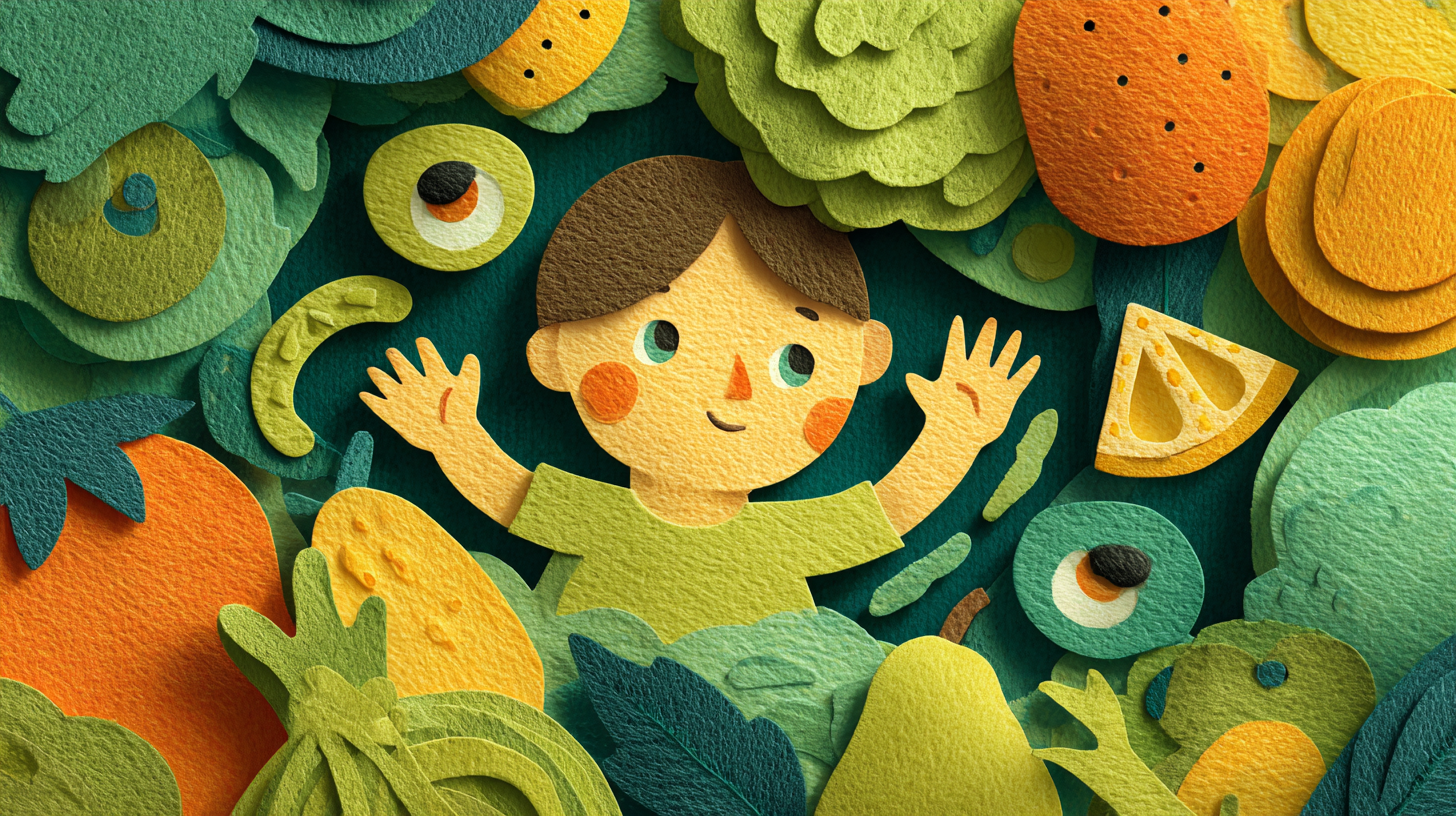
Designing Low-Pressure Food Games for Your Family
When you design food games, think like a travel guide, not a drill sergeant. Your job is to offer paths, suggest stops, and keep the mood calm and curious. The game rules should be flexible, opt-in, and family-wide—everyone at the table participates, including adults. That way, your child never feels singled out as “the picky one.”
Start by choosing one or two target foods to focus on for a week or two. For younger toddlers, this might be something soft and familiar-adjacent, like a mashed sweet potato with a twist of coconut milk, or a banana and papaya blend with a new spice like cinnamon. If your child is 6+ months and ready for solids, Caribbean-inspired baby recipes such as gentle pumpkin-coconut purees, plantain-based mashes, or soft bean and rice blends can become your “adventure foods” for the week.
Then, pick a simple game framework that repeats across different foods. Consistency helps kids feel safe because they know what to expect. Some easy, research-aligned formats include:
- Sensory Detective: Everyone describes what they see, smell, feel, and hear before anyone tastes.
- Color Quest: The family works together to “collect” as many colors on the plate as possible.
- Texture Team: Kids help sort foods into “smooth,” “bumpy,” “crunchy,” or “squishy” groups.
- Chef’s Assistant: Children choose tiny roles in prep, like sprinkling herbs, mashing, or stirring.
The secret is that none of these games require a bite to be counted as success. They’re building familiarity, comfort, and positive memories around foods—especially vegetables and new flavors—that might otherwise feel scary.
Tap the sentence that sounds most like your home right now:
Family Participation and Reward Structures That Don’t Backfire
Food adventure challenges work best when they belong to the whole family, not just the child. When adults and siblings also sniff the new mango, poke the okra, or narrate the crunch of toasted coconut, the message is: “We’re all exploring together.” Research on family-based interventions for eating shows that children are strongly influenced by what their caregivers model, not just what they say.
Rewards are where things can get tricky. Traditional “eat this and you’ll get dessert” setups can turn vegetables into chores and sweets into trophies. Instead, think of rewards as celebration of participation, not payment for bites. You might use:
- Experience rewards: choosing a family game, picking tomorrow’s “adventure ingredient,” or selecting a story at bedtime.
- Process tokens: a sticker or stamp each time your child joins the game (even if they don’t taste).
- Connection rituals: a special family chant or high-five when everyone completes their role in the challenge.
One of our favorite rewards in my Caribbean household is “soundtrack night”: if everyone participates in the challenge, we end dinner with a short dance party to soca or reggae. No one is counting bites—only counting who shows up with curiosity. This keeps mealtimes rooted in joy and connection, not performance.
If you’re ready to weave in island flavors during these challenges, consider rotating baby-friendly dishes like smooth pumpkin-coconut blends, mild plantain mash, or creamy rice and peas purees. A dedicated collection like the Caribbean Baby Food Recipe Book: Easy & Healthy Homemade Meals for Infants & Toddlers can give you over 75 gentle, Caribbean-inspired ideas to plug straight into your weekly adventure themes.
Choose one item from each row, then tap “Generate Challenge” to get a custom, low-pressure prompt.
Caribbean-Inspired Food Adventures for Tiny Tastebuds
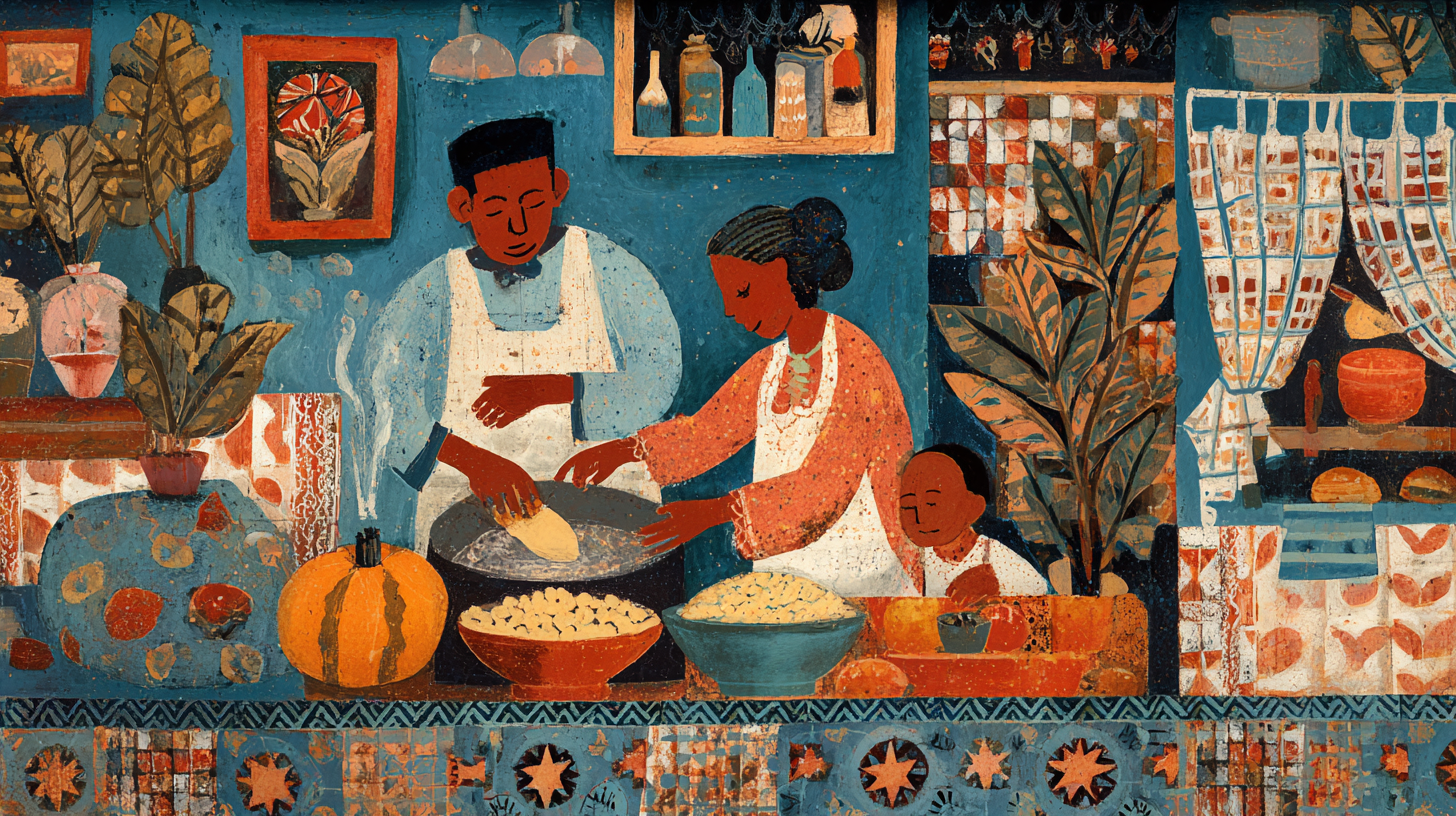
One of the joys of raising little eaters in or with roots in the Caribbean is the flavor palette you get to share. The same ingredients that show up in iconic family dishes—sweet potatoes, pumpkin, plantain, coconut milk, beans, callaloo, cornmeal, yam, guava—can all be adapted into baby-friendly textures and used as “adventure foods” in your challenges. You’re not just feeding; you’re passing down culture one playful spoon at a time.
Imagine a “Sunshine Orange Week” where your main adventure foods are pumpkin coconut puree, sweet potato mash, and carrot–yellow yam blends. Each day, the challenge changes: one day your child “paints” with a small dollop on their plate, another day they help stir, and another day they sniff spices like thyme, cinnamon, or pimento that often accompany these dishes. Nobody has to eat the full portion for the week to count as a success.
Or think of a “Little Islanders Bean & Rice Quest”: soft red peas and rice, black beans and rice puree, or a smooth dhal-inspired blend can be introduced in tiny tastes alongside family meals. Older babies and toddlers might help rinse beans, sprinkle coconut milk, or “search” their bowl for hidden peas. With a resource like the Caribbean Baby Food Recipe Book: Easy & Healthy Homemade Meals for Infants & Toddlers , you can pick age-appropriate recipes such as smooth pumpkin coconut, gentle bean purees, or mango and papaya blends and then wrap your games around those flavors.
Many Caribbean ingredients play beautifully with sensory exploration. Plantain can be mashed into a silky puree or sliced into soft strips for older babies; cassava and cornmeal can be cooked into creamy porridges that are safe to stir and swirl; guava and soursop can be pureed into fragrant, naturally sweet blends perfect for “smell detective” challenges. When children explore these foods without pressure, they’re more likely to accept the flavors that define your family’s table as they grow.
If you love the idea of rotating themes, the index-style approach many Caribbean-inspired baby cookbooks take—grouping recipes by ingredients like sweet potato, pumpkin, plantain, and beans—makes it easy to design month-long adventure series. You might do “Roots & Tubers Month,” then “Tropical Fruits Month,” then “Island Grains & Legumes Month,” slowly expanding your child’s world through familiar cultural favorites.
Common Challenges (And How to Gently Work Around Them)
Even with the best games, some days will flop. That doesn’t mean the system is broken; it just means your child is human. For children with strong sensory sensitivities, even food play can feel overwhelming at first. Start farther back on the hierarchy than you think: maybe the challenge is simply allowing the food on the table, or letting your child explore with a spoon rather than their hands.
If your child has a long history of stressful meals, you may see eye rolls or pushback when you introduce new challenges. In that case, keep the games short and sweet—two to three minutes max—and focus on silliness rather than outcomes. It can help to place most food exploration outside of main meals for a while, so dinner doesn’t feel like a nonstop experiment.
Some families also bump up against worry about “wasting food” when games involve touching or experimenting. You can address this by using tiny amounts of food for play (just a teaspoon or a single slice), making a plan for leftovers (like blending extra pumpkin into a family soup), or dedicating one night a week as “food lab night” so the rest of the week feels more structured.
It’s also important to know when to bring in professional help. If eating is consistently stressful, your child’s diet is extremely narrow, or you’re concerned about growth, talk with your pediatrician and consider a feeding specialist or occupational therapist. Food adventure challenges can be a beautiful complement to therapy, but they’re not a replacement for individualized care when medical or developmental issues are present.
Real-Life Examples You Can Steal Tonight
To make all of this concrete, here are a few fully built challenges you can run with minimal prep, using ingredients many families already have on hand.
1. Mango Island Smell Lab (6+ months, puree-friendly)
– Offer a tiny spoon of smooth mango puree and a separate plate with a small mango cube for older siblings.
– Everyone describes the smell in three words: “sweet,” “sunny,” “floral,” “tropical rain”—anything goes.
– Bonus step: adults model taking a small taste, narrating the experience without pressure (“It feels silky and sweet on my tongue.”).
– Reward: child chooses the song for the kitchen clean-up playlist.
2. Sweet Potato Rainbow Smash (8+ months, soft textures)
– Place a teaspoon of mashed sweet potato and a teaspoon of a second color (like pumpkin or carrot) on a small plate.
– The challenge: use fingers or a spoon to “paint” a rainbow or shape, then name the final color mix.
– Older siblings can guess which ingredients made the color; toddlers can just swirl and squish.
– Reward: everyone gets a sticker on the “We Explored New Foods” chart, even if nobody tasted.
3. Beans & Rice Texture Detectives (for toddlers and preschoolers)
– Prepare a very soft beans-and-rice mixture—almost like a thick puree, safe for little mouths.
– Invite your child to poke it with a spoon, tap it to hear the sound, and gently squish a tiny amount between fingers if they’re willing.
– Ask: “Is it smooth or lumpy? Heavy or light?” There are no wrong answers, only observations.
– Reward: the child decides whether tonight’s story happens on a beach, a boat, or a mountain.
4. Plantain Treasure Map (for families with mixed ages)
– Cut soft, cooked plantain into small strips or shapes and arrange them like a path on a plate.
– The challenge: use a spoon or fork as a “boat” and move along the path, narrating a short story together about where you’re traveling.
– If a child wants to taste along the way, great; if not, they’re still participating fully by storytelling.
– Reward: a two-minute family dance party to island music when the “journey” ends.
For more ideas that plug directly into your culture-heavy menu, you can build challenges around specific recipes like smooth pumpkin-coconut puree, sweet potato callaloo mash, or creamy millet and cinnamon porridges. Collections that index recipes by ingredient—like a Caribbean-focused baby cookbook featuring sections on pumpkin, plantain, beans, and tropical fruits—make it easy to choose a weekly “hero ingredient” and design games around it. As you experiment, you might find it helpful to pull ideas from the Caribbean Baby Food Recipe Book: Easy & Healthy Homemade Meals for Infants & Toddlers so you always have a culturally rooted, baby-safe base to turn into a challenge.
Each day you run any food game—big or tiny—tap the day below. Watch how quickly “we barely try” becomes “we experiment regularly.”
Bringing It All Together: Your Next Tiny Step
Here’s the truth no one tells you when you’re knee-deep in half-eaten dinners and untouched veggies: raising an adventurous eater is less about one magic recipe and more about hundreds of small, low-pressure moments. When you shift from “How do I get them to eat this tonight?” to “How can we explore this together over time?”, everything softens—your expectations, your child’s defenses, and the energy at your table.
The research is on your side. Sensory exploration, repeated exposure, and playful, family-wide games all nudge children toward acceptance without sacrificing trust. Food-neutral language protects their relationship with their body. Caribbean-inspired ingredients keep your challenges rooted in flavor and culture, not bland obligation. And when rewards celebrate participation instead of performance, kids learn that trying is enough.
So choose one simple move: maybe it’s running a two-minute “smell lab” with mango puree, swirling sweet potato into a rainbow, or tapping one day on the tracker after a playful beans-and-rice experiment. If you’d like ready-made, age-appropriate recipes to build those adventures around, the Caribbean Baby Food Recipe Book: Easy & Healthy Homemade Meals for Infants & Toddlers gives you a full pantry of island-inspired ideas to riff on.
One day, your child might look back and remember not the nights they refused broccoli, but the nights you laughed together over mango “perfume” or danced in the kitchen after a plantain treasure hunt. Those are the moments that quietly build a lifelong, joyful relationship with food—and with you.
Tap below to reveal a personalized prompt for your next tiny step.

Kelley's culinary creations are a fusion of her Caribbean roots and modern nutritional science, resulting in baby-friendly dishes that are both developmentally appropriate and bursting with flavor. Her expertise in oral motor development and texture progression ensures that every recipe supports your little one's feeding milestones while honoring cultural traditions.
Join Kelley on her flavorful journey as she shares treasured family recipes adapted for tiny taste buds, evidence-based feeding guidance, insightful parenting anecdotes, and the joy of celebrating food, culture, and motherhood. Get ready to immerse yourself in the captivating world of Kelley Black and unlock the vibrant flavors of the Caribbean for your growing baby, one nutritious bite at a time.
- The Feeding Revolution: Why Your Everyday Meals Are Changing the World - October 13, 2026
- Your Feeding Story Matters More Than The “Perfect” One Online - October 12, 2026
- Looking Forward: Stepping Into Your Confident Feeding Future - October 11, 2026