
When Your Child’s Allergy Becomes Someone Else’s Weapon: The Hidden Crisis of Food Allergy Bullying
I remember the first time my friend’s daughter came home from school with tears streaming down her face, not because someone pushed her on the playground or called her a mean name. No, she was crying because three boys cornered her during lunch, waving peanut butter sandwiches inches from her face while chanting, “Allergy girl, allergy girl, one bite and you’ll hurl.” She was seven years old. Seven. And her epipen was in the nurse’s office, three hallways away.
That moment changed everything for their family. Because suddenly, sending your child to school isn’t just about whether they remembered their homework or packed their lunch. It’s about whether they’ll make it home alive. Whether today is the day someone decides their “weird” food restrictions are funny enough to test. Whether their invisible medical condition becomes visible entertainment.
Food allergy bullying isn’t just schoolyard meanness taken too far. It’s a systemic crisis hiding in plain sight, affecting hundreds of thousands of children who already carry the weight of managing a potentially life-threatening condition. And if you’re reading this, chances are you’re either living this nightmare or trying to prevent it from becoming yours.
The Invisible Epidemic That’s Been Right Under Our Noses
Here’s what nobody tells you when your child is first diagnosed with food allergies: the allergic reactions aren’t always the worst part. Sometimes, the cruelest wounds don’t come from accidental exposure to an allergen. They come from intentional cruelty masked as jokes, pranks, or “just kids being kids.”
Food allergy bullying is the deliberate, aggressive behavior targeted at individuals because of their food allergies—exploiting their medical condition for humiliation, exclusion, or actual physical harm. This isn’t new. Historically, food allergies have been stigmatizing, but as prevalence has skyrocketed and awareness has increased, we’re finally starting to see the profound social impact these conditions have on children’s lives.
The pandemic gave us an unexpected window into this crisis. When schools shifted to virtual learning, food allergy bullying rates temporarily dropped. Not because bullies suddenly developed empathy, but because they lost access to their targets. The moment in-person schooling resumed, the harassment came roaring back—proving that environment matters tremendously when it comes to protecting vulnerable children.
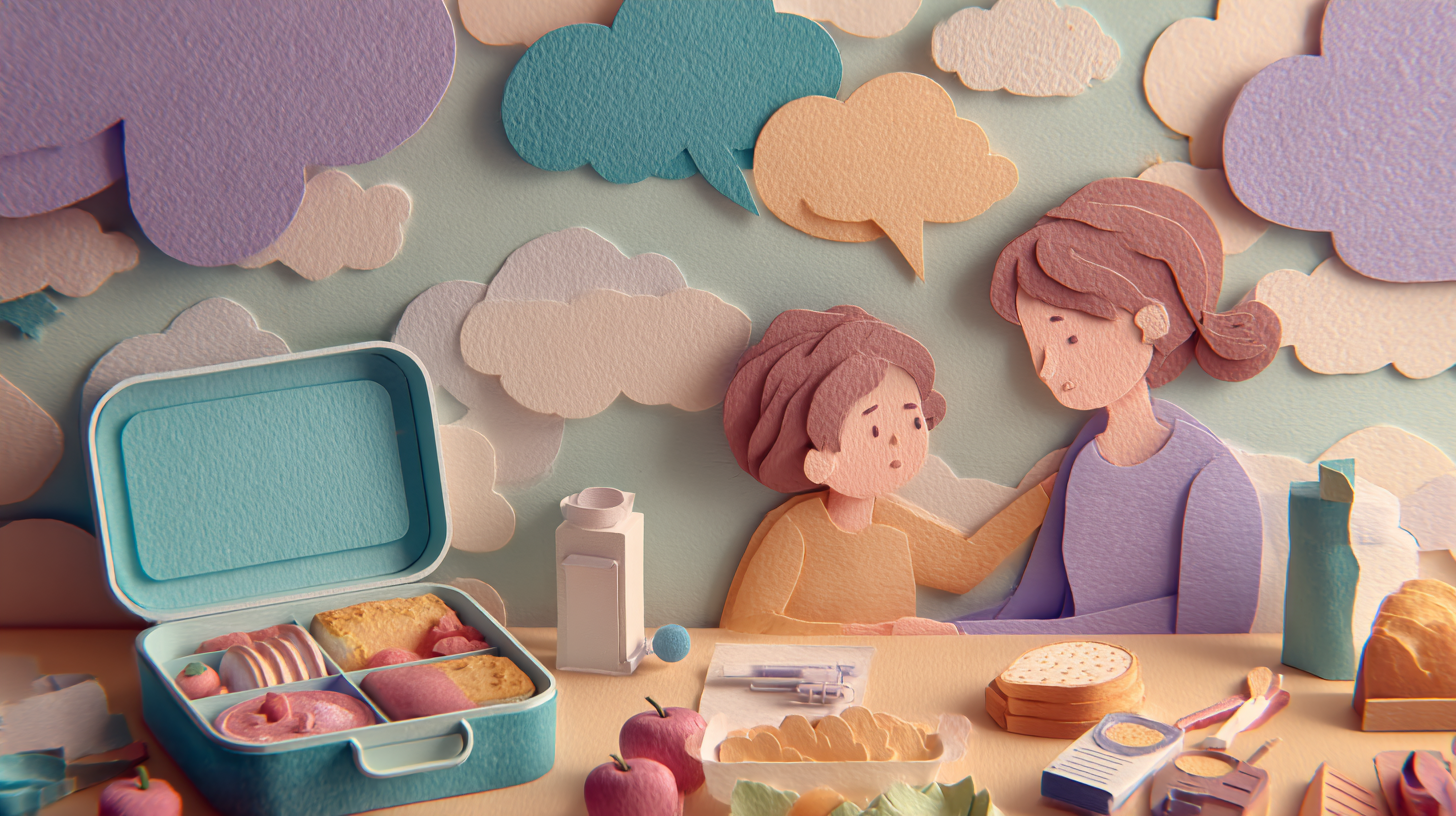
What makes food allergy bullying particularly insidious is its range. It’s not just name-calling, though there’s plenty of that. It’s verbal harassment (“You’re so weird,” “Why can’t you just be normal?”), relational exclusion (deliberately planning parties around foods the allergic child can’t have, excluding them from social gatherings), physical threats (waving allergens near them, attempting to contaminate their food), and increasingly, cyberbullying through social media.
The forms this cruelty takes would shock most parents. Children report classmates intentionally smearing peanut butter on their desks, hiding allergens in their backpacks, “testing” whether their allergy is “real” by slipping trace amounts into their food, and filming their reactions for social media entertainment. One recent case involved students creating a TikTok challenge around trying to trigger allergic reactions in classmates. Let that sink in. A coordinated social media campaign to potentially hospitalize vulnerable children—for views and likes.
Recognizing the Signs Your Child Might Be Suffering
Your child probably won’t walk through the door and announce, “Mom, Dad, I’m being bullied because of my peanut allergy.” They’re far more likely to say they’re tired, don’t feel well, or suddenly hate school for vague, hard-to-pin-down reasons. You need to become a detective in your own home, watching for subtle shifts that signal something’s wrong.
Behavioral changes are your first red flag. Is your normally social child suddenly reluctant to attend birthday parties or school events? Are they making excuses to avoid the cafeteria, preferring to eat lunch in the library or nurse’s office? Have they stopped talking about friends or specific classmates? These aren’t just phases. They’re survival strategies—if you avoid the spaces where bullying happens, you avoid the bullying. Except you also avoid normal childhood experiences, friendships, and joy.
Physical symptoms often accompany emotional distress. Unexplained headaches, stomachaches that conveniently appear before school, trouble sleeping, changes in appetite—stress manifests physically, especially in children who don’t yet have the vocabulary to articulate emotional pain. Some children develop genuine anxiety symptoms: racing hearts, difficulty breathing, panic attacks. Their bodies are preparing for threat because school has become a threatening environment.
Academic performance can tank when a child is being bullied. It’s hard to concentrate on math problems when you’re hypervigilant about who’s sitting near you at lunch, what they’re eating, whether they’re plotting something. Grades slip. Homework doesn’t get done. Not because of learning difficulties, but because survival takes precedence over education when you’re in a constant state of threat assessment.
Then there are the direct signs—coming home with belongings that smell like their allergen, finding contaminated items in their backpack, discovering they’ve been excluded from school activities or parties. Sometimes they’ll mention things casually that are actually massive red flags: “Oh, Jake just jokes around, waving his PB&J near me,” or “Sarah says I’m lucky I can’t eat certain foods because I’ll stay skinnier.” Normalize these conversations. Ask follow-up questions. Create space for disclosure without pressure.
When it comes to introducing your little one to solid foods while managing dietary restrictions, finding safe, nutritious options becomes even more critical for families dealing with allergies. The Caribbean Baby Food Recipe Book offers over 75 allergen-conscious recipes that help parents introduce diverse, healthy flavors while maintaining careful control over ingredients—especially valuable when you’re managing food sensitivities from the start.
The Psychological Toll Nobody Talks About
Let’s get brutally honest about what repeated food allergy bullying does to a child’s psyche. This isn’t just hurt feelings that fade after a good cry and a hug. This is trauma that reshapes how children see themselves, the world, and their place in it.
Recent research confirms what families have known intuitively—food allergy bullying is strongly associated with decreased quality of life and significantly increased anxiety in both children and their parents. Think about what that means. Your child’s baseline existence is harder, dimmer, more fear-soaked than their peers’. They carry a medical condition that requires constant vigilance, and then other children weaponize that vigilance against them.
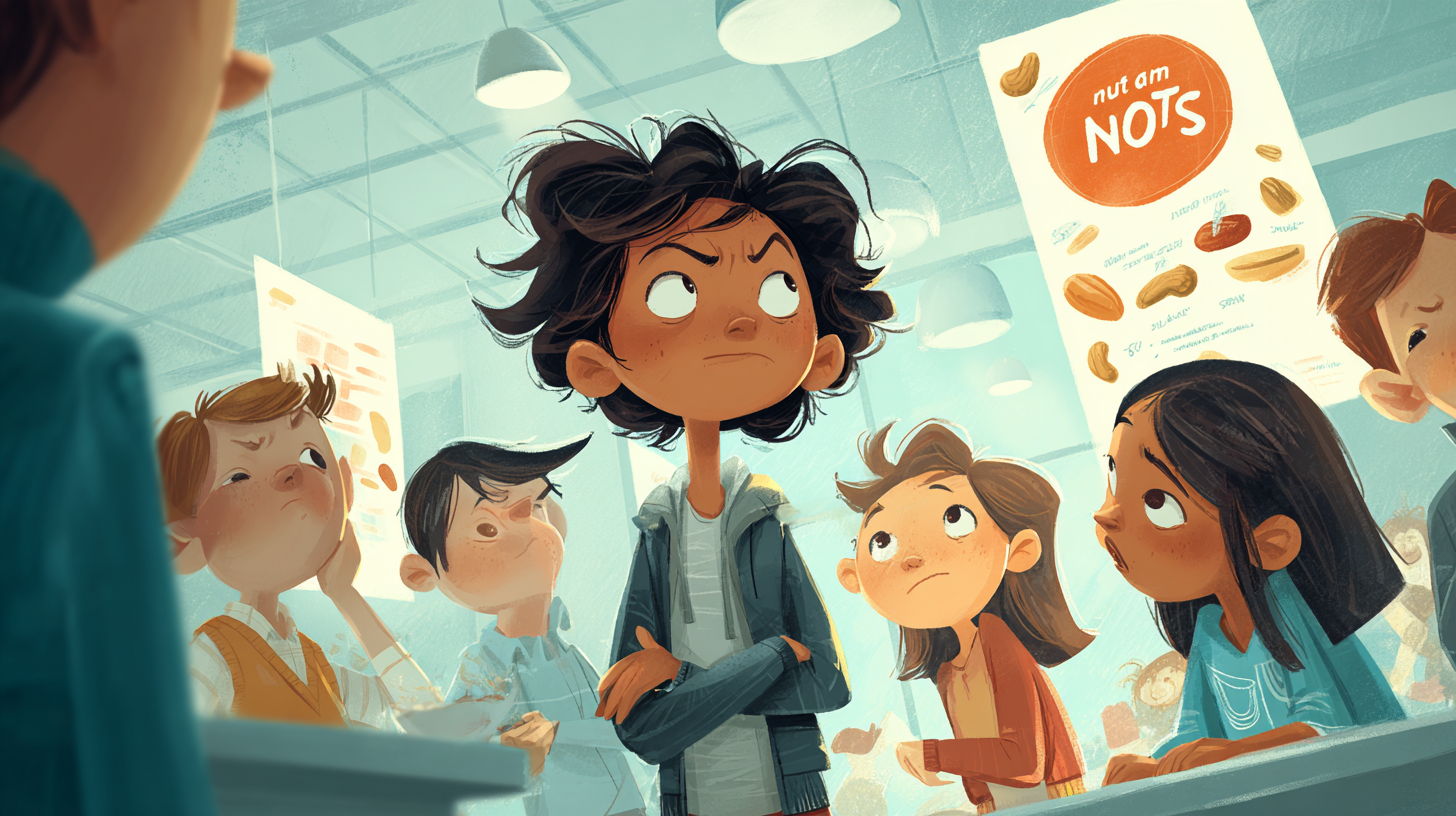
Children who experience food allergy bullying often develop complex relationships with their own bodies. They learn to see their allergy not as a medical reality to manage, but as a personal failing that makes them defective. “If I didn’t have this stupid allergy, I’d have friends.” “I’m ruining everything for everyone.” This internalized shame can persist into adulthood, affecting self-esteem, relationships, and mental health decades after the bullying ends.
The hypervigilance required to manage food allergies becomes exponentially more exhausting when you’re also watching for social threats. Allergic children already scan environments constantly—reading labels, asking about ingredients, identifying safe foods, keeping track of their emergency medication. Add watching your back for bullies, trying to predict who might target you next, and constantly assessing whether people are trustworthy, and you’ve got a child living in a perpetual state of fight-or-flight. That level of stress isn’t sustainable. It burns children out, leaving them exhausted, withdrawn, and sometimes deeply depressed.
Some children develop full-blown anxiety disorders. Social anxiety, because interacting with peers has become genuinely dangerous. Generalized anxiety, because the world has proven itself unpredictable and hostile. Some experience PTSD symptoms, especially if they’ve had a severe reaction triggered by bullying. Flashbacks, nightmares, panic attacks when exposed to situations that remind them of being bullied—these aren’t dramatic overreactions. They’re normal psychological responses to actual trauma.
And here’s what makes it even more heartbreaking: many allergic children already felt different before the bullying started. They couldn’t eat the same birthday cake, couldn’t share snacks, needed special accommodations. Bullying takes that existing sense of otherness and amplifies it into isolation. They stop trying to fit in because trying has only led to mockery and pain. They build walls instead of friendships. And some part of their childhood joy gets stolen by people who saw their vulnerability and decided to exploit it rather than respect it.
Teaching Your Child to Advocate Without Apologizing
One of the most powerful gifts you can give your food-allergic child is the ability to advocate for themselves without shame, apology, or the sense that they’re inconveniencing everyone around them. This isn’t easy. It requires reframing how we talk about allergies from the earliest conversations.
Start by normalizing the allergy as a fact, not a flaw. “You have a peanut allergy” should carry the same neutral weight as “you have brown eyes” or “you’re right-handed.” It’s a characteristic, a piece of information about how your body works, not a judgment about your worth as a person. The language we use matters enormously. Instead of “I’m sorry, but she can’t have that,” try “She doesn’t eat dairy—what alternatives do you have?” Drop the apologetic tone. You’re stating a fact and requesting accommodation, not begging forgiveness for existing with needs.
Teach age-appropriate scripts your child can use in different situations. For younger children, something simple: “I’m allergic to peanuts. If I eat them, I’ll get very sick and need medicine. Can you help me check if this food is safe?” As they get older, the scripts evolve: “I have a severe tree nut allergy. I need to read ingredient labels before I eat anything. It’s not personal—it’s just how I stay safe.” Practice these conversations at home. Role-play different scenarios. Make it as automatic as saying “please” and “thank you.”
Help your child identify their non-negotiables versus their flexibles. Non-negotiable: I will not eat food if I can’t verify the ingredients. I will always have my EpiPen accessible. I will speak up if someone is waving my allergen near me. Flexible: I can eat before social gatherings if safe options aren’t available. I can bring my own food to events. I can suggest allergy-friendly restaurants when making plans with friends. Knowing where they have control and where they have boundaries gives children agency in situations where they often feel powerless.
Address the social dynamics explicitly. Many children hesitate to advocate for themselves because they don’t want to seem difficult, annoying, or high-maintenance. Have honest conversations about this. “Some people might get frustrated by your allergy needs. That frustration is about their discomfort, not your worth. People who truly care about you will want you safe, even if it requires extra effort.” Teach them to identify which people are worth keeping in their lives—those who accommodate with grace—and which people have shown through their responses that they don’t prioritize your child’s wellbeing.
Build their confidence through small victories. Let them order their own food at restaurants (with you supervising). Have them explain their allergy to their soccer coach, dance instructor, or music teacher. Give them opportunities to successfully navigate allergy-related situations so they build a track record of “I did that, and it worked out fine.” Competence breeds confidence.
And teach them the difference between self-advocacy and self-defense. Self-advocacy is communicating needs clearly and expecting reasonable accommodation. Self-defense is protecting yourself when someone deliberately ignores your needs or actively tries to harm you. One involves polite education and boundary-setting. The other involves getting away from the situation immediately and reporting to a trusted adult. Make sure your child knows that seeking help isn’t tattling—it’s survival. When someone weaponizes your allergy, you’re not overreacting by getting adults involved. You’re literally protecting your life.
Working With Schools That Don’t Always Want to Work With You
Navigating the school system as the parent of a food-allergic child can feel like diplomatic negotiations with a slightly hostile foreign government. You want cooperation, safety, and reasonable accommodation. What you often get is bureaucracy, resistance, and a whole lot of “but we’ve never done it that way before.”
Your first move—before problems arise—is documentation. Get everything in writing. Your child’s allergy diagnosis, their 504 Plan or Individualized Health Plan (IHP), the school’s allergy policy, emergency procedures, who has been trained to administer the EpiPen. Email conversations instead of phone calls. Follow up verbal agreements with “Just to confirm our conversation…” emails. This isn’t paranoia. This is building a paper trail that protects your child if the school drops the ball.
Understand the legal framework. Food allergies can qualify as disabilities under Section 504 of the Rehabilitation Act and the Americans with Disabilities Act, which means schools are legally required to provide reasonable accommodations. What’s “reasonable” is where things get sticky, but at minimum, your child should have an emergency action plan, easy access to emergency medication, trained staff who know how to recognize and respond to reactions, and protection from discrimination based on their allergy. Some legal experts are now pushing to classify food allergy bullying as disability harassment—which would give you significantly more leverage in holding schools accountable.
Build relationships before you need them. Don’t wait for a crisis to introduce yourself to your child’s teacher, school nurse, principal, and cafeteria staff. Show up at the beginning of the year with information, education, and an attitude of partnership rather than confrontation. Bring allergy fact sheets. Offer to do a class presentation about food allergies. Provide safe snack alternatives the teacher can keep on hand. Make it easy for people to accommodate your child rather than challenging.
When bullying does occur—and statistics suggest it probably will—document everything. Dates, times, who was involved, what happened, who witnessed it, what the school’s response was. Take photos if there’s physical evidence (contaminated belongings, threatening notes, etc.). Save screenshots of cyberbullying. The more detailed your records, the harder it is for schools to minimize or dismiss what’s happening.
Know your escalation path. Start with the teacher, then the school counselor, then the principal. If you’re not getting appropriate response, go to the district superintendent. If necessary, file a formal complaint with the Office for Civil Rights. Contact a disability rights attorney. Join advocacy organizations like Food Allergy Research & Education (FARE) or Food Allergy & Anaphylaxis Connection Team (FAACT) who can provide guidance and support.
Sometimes, despite your best efforts, a school simply refuses to provide adequate protection. They minimize the bullying, blame your child for being “too sensitive,” or claim they can’t control what other children do. This is when you need to make hard decisions. Is this environment genuinely unsafe for your child? Are there other schooling options—different schools, private schools, homeschooling, online programs? No parent should have to pull their child from school because the school won’t protect them, but sometimes that’s the reality. Your child’s physical safety and mental health trump their access to any particular educational environment.
For families establishing safe eating environments from the earliest stages, building awareness about food sensitivities starts at home. The Caribbean Baby Food Recipe Book includes guidance on common allergens and introduction tips, helping parents create positive, safe associations with food from infancy—a foundation that becomes crucial as children enter social eating environments.
Your Protection Progress
Start checking off items to see your progress toward comprehensive school safety!
Building Emotional Resilience in the Face of Relentless Cruelty
Resilience isn’t about toughening up or developing a thicker skin. It’s not telling your child to ignore bullies or pretend it doesn’t hurt. Real resilience is the ability to experience pain, acknowledge it, process it, and continue moving forward without letting that pain define you. It’s arguably the hardest thing to teach, and the most necessary.
Start by validating their feelings completely and without reservation. When your child comes home upset about bullying, your first response should never be “just ignore them” or “they’re jealous” or “you’re being too sensitive.” Those responses, however well-intentioned, teach children that their pain isn’t real or valid. Instead: “That sounds really hurtful. I’m sorry that happened to you. You didn’t deserve that.” Acknowledge the reality of their experience before you try to help them process or move past it.
Help them separate the behavior from their identity. Someone choosing to bully them about their allergy doesn’t make the allergy (or them) bad, wrong, or shameful. It makes the bully’s behavior unacceptable. This distinction matters enormously. “Those kids were cruel to you” is psychologically very different from “your allergy caused problems.” One places responsibility where it belongs—on the perpetrators. The other internalizes blame.
Build their support network intentionally. Resilience isn’t a solo sport. Children need people in their corner—family, friends who truly accept them, teachers or coaches who advocate for them, maybe a therapist who specializes in chronic health conditions or bullying trauma. The more connection points a child has, the less devastating any single rejection becomes. One friend group rejects them because of their allergy? They have other friends who value them anyway. One teacher dismisses their concerns? They have other adults who take them seriously.
Teach emotional regulation skills. When your child is activated—angry, scared, overwhelmed—they need tools to bring themselves back to baseline. Deep breathing exercises, progressive muscle relaxation, grounding techniques (name five things you can see, four things you can hear, three things you can touch, two things you can smell, one thing you can taste). Create a calm-down kit they can access at school—stress ball, calming glitter jar, fidget toy, written affirmations. Practice these skills at home during calm moments so they’re accessible during crisis.
Reframe their narrative. Instead of “I’m the kid everyone bullies because of my allergy,” help them build a more complex self-story: “I’m managing a serious medical condition with courage and competence. Some people respond with cruelty because they’re ignorant or insecure. Their reactions say everything about them and nothing about my worth.” This isn’t toxic positivity. It’s cognitive reframing—choosing an interpretation of events that’s both accurate and empowering rather than one that’s accurate and demoralizing.
Find meaning and purpose in the struggle. This is advanced-level resilience building, more appropriate for older children and teens, but it’s powerful. Has their experience made them more empathetic? More aware of social justice issues? More determined to advocate for others in vulnerable positions? Some of the most effective anti-bullying advocates and food allergy activists are adults who survived childhood bullying and decided to transform their pain into purpose. That’s not to say suffering is good or necessary—it’s not. But if suffering is happening anyway, finding meaning in it can be psychologically protective.
Know when professional help is needed. If your child shows signs of depression (persistent sadness, loss of interest in activities they used to enjoy, sleep or appetite changes), anxiety disorders (panic attacks, school refusal, extreme fear responses), or mentions self-harm or suicide, get them to a mental health professional immediately. You cannot therapy-parent your way out of clinical mental health crises. There’s no shame in needing professional support—only wisdom in recognizing when you’re in over your head.
The Conversations Nobody Wants to Have (But Everyone Needs To)
There are discussions about food allergy bullying that make everyone uncomfortable—parents, children, school administrators, even medical professionals. But discomfort isn’t a good enough reason to avoid conversations that could literally save lives and preserve mental health.
Let’s talk about what happens when bullying escalates to genuine assault. Because yes, deliberately exposing someone to a known allergen is assault, legally and ethically. If a child smears peanut butter on your allergic child’s face, that’s not a prank. That’s attempting to trigger anaphylaxis, which could result in death. This should be treated with the seriousness of any other action that could kill someone. Police reports. Criminal charges if appropriate. Expulsion from school. Zero tolerance. The fact that it involves food doesn’t make it cute, funny, or excusable as “kids being kids.”
We need to discuss how food allergy bullying intersects with other forms of discrimination and marginalization. Research shows that children from certain racial backgrounds experience different patterns and frequencies of food allergy bullying. Social dynamics around food are deeply cultural—what’s considered “normal” to eat, what’s seen as “weird” or “foreign,” how accommodations are perceived. A child who’s already marginalized for race, socioeconomic status, or other factors may face compounded discrimination when they add food allergies to the mix. We can’t address food allergy bullying without acknowledging these intersections.
There’s the uncomfortable reality that sometimes the call is coming from inside the house—meaning adults are the problem. Teachers who refuse to implement accommodation plans. School nurses who question whether reactions are “really that serious.” Administrators who see allergic children as liabilities rather than students deserving protection. Family members who disregard allergy restrictions at gatherings because “a little won’t hurt.” Parents of other children who resent accommodations that inconvenience their kids. Adult bullying of allergic children and their families is disturbingly common, and it models for other children that this discrimination is acceptable.
We need to have honest conversations about the financial and social costs of managing severe food allergies in hostile environments. EpiPens are expensive. Allergen-free foods cost more. Some families change schools or even move to different districts to escape intolerable bullying situations—enormous financial and emotional upheaval. Mental health treatment for children traumatized by bullying adds up. The invisible labor of constant advocacy, education, and vigilance is exhausting. None of this is your fault, but all of it is real, and pretending otherwise doesn’t help families prepare or cope.
And perhaps most uncomfortable—the discussion about what happens when your child is the bully or bystander. Maybe your non-allergic child thinks allergy accommodations are annoying. Maybe they’ve watched their peers exclude or mock allergic classmates and done nothing. Maybe they’ve participated, even in small ways. If that’s true, your job is to shut it down immediately and unequivocally. Education, consequences, empathy-building, and making it crystal clear that cruelty toward vulnerable people is never acceptable in your family. Being a bystander to bullying makes you complicit in it.
What Real Advocacy and Progress Actually Look Like
Change is happening, slowly and unevenly, but it’s happening. Schools that once refused to accommodate food allergies are implementing comprehensive management plans. Legal frameworks are evolving to recognize food allergy bullying as disability harassment. Medical organizations are developing better assessment tools to identify and track bullying. Advocacy organizations are creating resources for families and schools.
Recent systematic reviews have highlighted promising interventions that actually work. School-based allergy education programs—when implemented thoroughly, not just a quick assembly—reduce bullying rates and improve awareness among faculty and students. Comprehensive anti-bullying protocols that specifically address allergy-related harassment give victims and administrators clear frameworks for response. Inclusive safety policies that treat food allergies as the serious medical conditions they are, rather than inconvenient preferences, shift school culture.
New assessment methods using detailed, multi-question surveys are revealing the true scope of food allergy bullying—higher prevalence than previously understood, greater parent-child communication gaps, more nuanced patterns of harassment. You can’t fix what you can’t accurately measure, and better data collection is leading to better interventions.
The medical community is slowly waking up to their role in this crisis. Leading voices like Dr. Linda Herbert at Children’s National Hospital are emphasizing that allergists and pediatricians need to routinely screen for bullying as part of allergy management, not wait for families to bring it up. Many parents don’t realize bullying is common enough to mention, or they’re embarrassed, or they don’t think the doctor can help. Making it standard practice to ask—”Has your child experienced any teasing, exclusion, or harassment related to their food allergy?”—normalizes the conversation and opens doors for intervention.
Social media has become both a weapon and a tool for good in food allergy advocacy. Yes, allergic children face cyberbullying and viral “challenges” that mock or endanger them. But social platforms have also enabled parents and allergic individuals to find community, share resources, document abuse, and organize advocacy campaigns. Hashtags like #foodallergybullying and #allergyawareness have sparked conversations that reach millions. When schools fail to protect children, videos and posts can generate public pressure that forces accountability.
For Caribbean families particularly, finding culturally relevant resources while managing food allergies adds another layer of complexity. The Caribbean Baby Food Recipe Book addresses this gap with recipes featuring traditional ingredients like sweet potatoes, plantains, and coconut milk—showing families that managing allergies doesn’t mean abandoning cultural food traditions, just adapting them thoughtfully.
Legislative efforts are expanding in various states and countries to mandate food allergy training for school staff, require allergy accommodation plans, and establish consequences for allergy-related harassment. It’s not universal yet, and enforcement is inconsistent, but momentum is building. Every family that advocates loudly, every lawsuit that holds schools accountable, every policy change that prioritizes safety over convenience—these accumulate into cultural shifts.
The future outlook includes standardized anti-bullying frameworks emphasizing disability rights, digital monitoring systems, social-emotional curricula addressing empathy around health conditions, and specialized training for all school staff. Emerging trends point toward better integration of diverse voices—students with allergies, clinicians, parents, disability rights experts—into policy development rather than policies being written by people who’ve never lived these realities.
What You Do Tomorrow Matters More Than What You Wish You’d Done Yesterday
If you’ve read this far, you’re probably feeling something between rage and despair. Rage that this is even necessary, that protecting vulnerable children is somehow controversial. Despair because the problem is so big, so systemic, and your child is so small and already carrying so much.
Here’s what I need you to know: you’re not powerless. You’re never powerless, even when systems fail and bureaucracy stalls and people let you down. Every action you take to protect your child, educate others, demand accountability, and build resilience—it matters. Not just for your family, but for every family behind you facing the same battles.
Start where you are with what you have. Maybe today that’s just having a conversation with your child about an incident they’ve been keeping secret. Maybe it’s emailing the teacher you’ve been putting off contacting. Maybe it’s joining a support group or scheduling that therapy appointment. Small actions compound. Consistency beats perfection. You don’t need to solve everything at once—you just need to keep moving forward.
Remember that your child is watching how you handle this. They’re learning from you whether people with medical conditions deserve accommodation and respect, or whether they should shrink themselves to make others comfortable. They’re learning whether advocating for yourself is brave or burdensome. They’re learning whether adversity destroys you or reveals your strength. The way you navigate this crisis is teaching them how to navigate every future challenge that makes them feel different, vulnerable, or othered.
Build your village intentionally. Connect with other allergy families who truly understand. Find the teachers, coaches, neighbors, and friends who get it without explanation. Cut loose the people who repeatedly prove they don’t prioritize your child’s safety, no matter how uncomfortable that feels. Your energy is limited and precious—invest it in people who earn it.
Celebrate every victory, no matter how small. Your child successfully advocated for themselves when ordering food? That’s a win. The school nurse actually responded promptly to your email? Progress. You made it through a social event without incident? Success. Food allergy management is relentless, and bullying adds another crushing layer—you need to acknowledge and celebrate the moments that go right to balance the weight of everything that goes wrong.
And please, take care of yourself. You cannot pour from an empty cup, and protecting a food-allergic child who’s experiencing bullying will drain you faster than almost anything else in parenting. Find your own support—therapy, support groups, trusted friends who let you vent without judgment. Take breaks when possible. Remember that you’re a whole person beyond being your child’s advocate, even when advocacy consumes most of your energy.
The path ahead isn’t easy. Some days it won’t even feel possible. But you’re not walking it alone, and your child isn’t either—even when it feels that way. Thousands of families are fighting these same battles, demanding better, and slowly, incrementally, making the world safer and more compassionate for children with food allergies.
Your child deserves to navigate childhood without their medical condition becoming a weapon others use against them. They deserve to eat lunch without fear, attend birthday parties without anxiety, and make friends who value their whole selves—allergy included. That’s not too much to ask. That’s literally the bare minimum of human decency and safety.
And if the systems that are supposed to protect them—schools, social circles, even some adults who should know better—won’t provide that freely, you teach your child to demand it. You model that demanding safety and respect isn’t aggressive or difficult—it’s non-negotiable. You show them that their life and wellbeing matter infinitely more than anyone else’s convenience or comfort.
Food allergy bullying thrives in silence, minimization, and isolation. It withers when exposed to truth, accountability, and community. Tell your story. Document the failures. Celebrate the victories. Connect with others. Keep pushing until the world bends toward the justice your child deserves.
Because here’s the truth nobody tells you when you’re in the middle of the crisis: most people aren’t deliberately cruel. Most people are just profoundly ignorant about food allergies, haven’t considered the implications, and need education rather than condemnation. Your advocacy doesn’t just protect your child—it educates entire communities, makes environments safer for the next allergic child, and slowly shifts cultural norms around disability, accommodation, and compassion.
So tomorrow, you get up and do it again. You pack the safe lunch. You check in with your child. You send the email to the teacher. You document the incident. You schedule the meeting. You read the affirmation to your child at bedtime. You model resilience and advocacy and the stubborn insistence that your child’s life matters.
And slowly, day by day, incident by incident, conversation by conversation—you build a safer world. Not just for your child, but for every child coming behind them who deserves to be protected, believed, and valued exactly as they are.
That’s the work. That’s the calling. And you’re already doing it by reading this, educating yourself, and refusing to accept that bullying is just an inevitable part of having food allergies. It’s not inevitable. It’s changeable. And it changes because parents like you decide it has to.
Your child is lucky to have you in their corner. Now go be the fierce, informed, unstoppable advocate they need you to be. The world might not be ready for you, but that’s the world’s problem, not yours.

Kelley's culinary creations are a fusion of her Caribbean roots and modern nutritional science, resulting in baby-friendly dishes that are both developmentally appropriate and bursting with flavor. Her expertise in oral motor development and texture progression ensures that every recipe supports your little one's feeding milestones while honoring cultural traditions.
Join Kelley on her flavorful journey as she shares treasured family recipes adapted for tiny taste buds, evidence-based feeding guidance, insightful parenting anecdotes, and the joy of celebrating food, culture, and motherhood. Get ready to immerse yourself in the captivating world of Kelley Black and unlock the vibrant flavors of the Caribbean for your growing baby, one nutritious bite at a time.
- The Feeding Revolution: Why Your Everyday Meals Are Changing the World - October 13, 2026
- Your Feeding Story Matters More Than The “Perfect” One Online - October 12, 2026
- Looking Forward: Stepping Into Your Confident Feeding Future - October 11, 2026