
The Hidden Social Life of Food Allergies: Helping Your Child Build Brave, Kind Friendships
Swipe-Style Check-In: Which Parent Path Are You On?
Before diving in, choose the line that feels closest to your world right now. Your answer will shape how you read the rest of this guide.
If you are parenting a child with food allergies, friendships can feel like a minefield: cupcakes at school, surprise snacks at practice, birthday parties with mystery buffets, and that one well-meaning auntie who loves to “just give a little taste.” Yet under all that stress, what you probably want most is simple: a child who feels safe and included, with friends who see them as more than “the allergy kid.”
Food allergies shape much more than what lands on your child’s plate. They influence how easily your child says yes to playdates, whether they feel comfortable speaking up, and how deeply they believe they deserve to belong. Research shows that kids with food allergies often carry extra social and emotional weight—more anxiety, more exclusion, more moments where they have to decide between safety and fitting in. The good news? With the right tools, you can turn those same allergy challenges into a training ground for courage, communication, and genuinely kind friendships.
As a Caribbean parent raising a child with allergies, there were days I felt like I was fighting culture itself—Sunday dinners full of shellfish, school events where every treat had milk or egg, and aunties side-eyeing the “special food” container I carried everywhere. Over time, though, my child’s allergies forced our family to slow down, talk more, and get crystal clear about boundaries. That shift did not just keep my child safe; it helped them grow into the kind of kid who can say, “No thank you, that’s not safe for me,” without shrinking their personality.
Why Food Allergies Hit Friendships So Hard
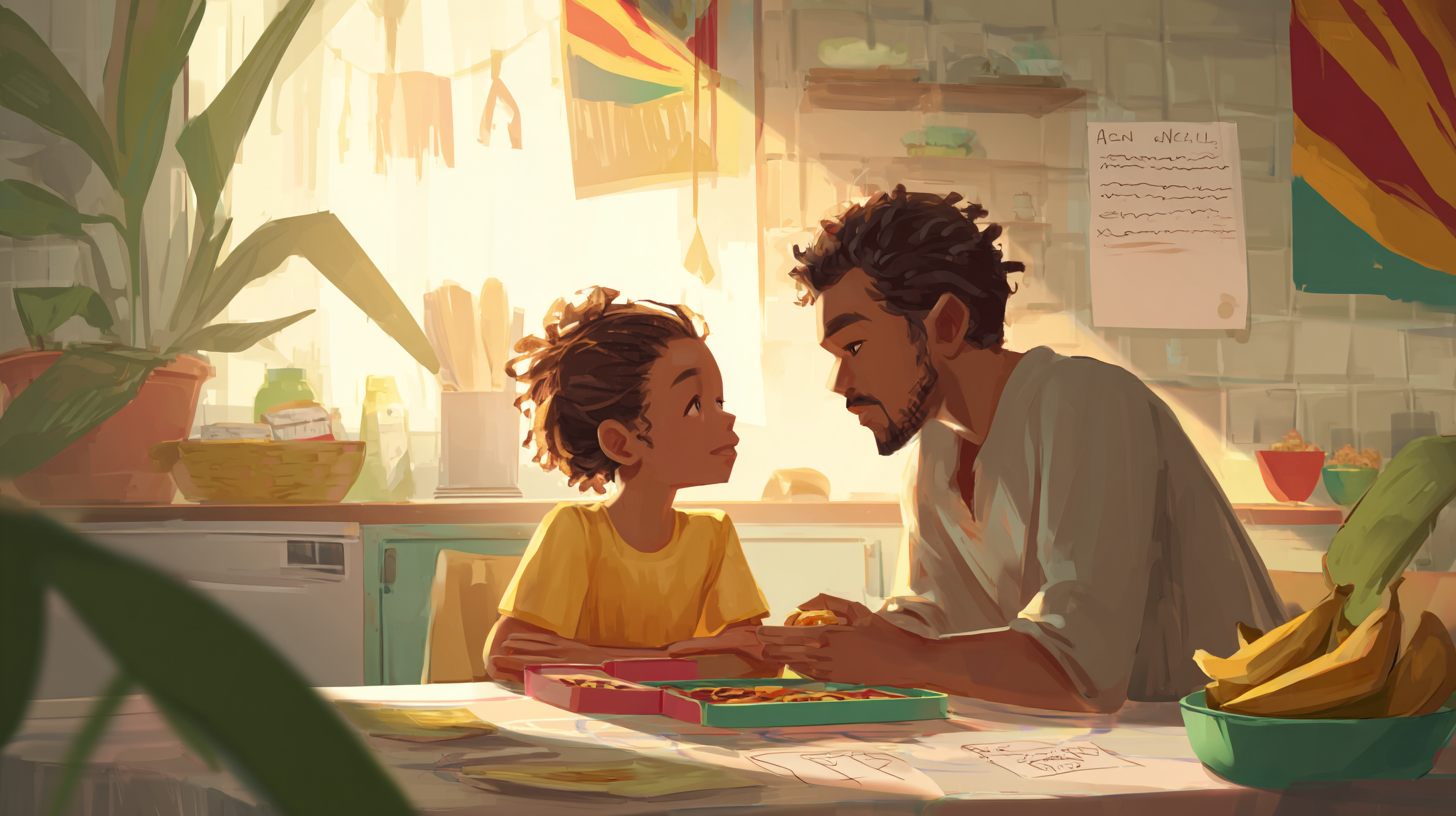
Let’s start with the big picture: food allergies are common and becoming more visible. In many classrooms, you will find at least one or two children who must avoid specific foods because even a small exposure can trigger a reaction. The usual suspects—peanut, tree nuts, milk, egg, and shellfish—just happen to show up in the very foods kids use to bond: birthday cake, pizza, ice cream, snacks on the school bus.
That overlap between food and friendship is where things get complicated. Your child is not just deciding whether to eat the cupcake; they are deciding whether to stand out, risk being teased, or feel like the “difficult” friend. Many children with food allergies report that school events, parties, lunchrooms, and even sports practices feel more stressful than fun. Instead of wondering who they will sit with, they are wondering what might be hidden in that snack or whether someone will wave a peanut butter sandwich a little too close.
On top of that, studies tracking families over time show that parents often adjust their social life around allergies—turning down invitations, leaving events early, or sticking to a tight circle of “safe” people. Some of that is absolutely justified in the name of safety. But when it becomes the default setting, kids can quietly learn that the world is dangerous and that staying home is safer than taking social risks. Your goal as a parent is to flip that script: teach your child that yes, they must be careful—but they also deserve joy, friendship, and their seat at the table.
The Emotional Load Behind “Just Bring Your Own Snack”
On paper, food allergy management sounds straightforward: avoid the allergen, read labels, carry medication. In real life, especially for kids, it is deeply emotional. Quality-of-life research paints a consistent picture: many children with food allergies feel different, limited, or “too much” for other people. They may worry about being a burden or feel guilty that their needs change the menu or the plans.
For parents, the emotional load looks different but just as heavy. Many caregivers describe a constant background noise of worry—about accidental exposure, about whether teachers truly understand, about whether other parents will take instructions seriously. Some families limit vacations, spontaneous outings, or shared meals with friends because planning feels exhausting. Over time, this can thin out your support system and leave both you and your child more isolated than you realize.
The twist is that social support makes a huge difference. Studies show that caregivers who feel understood and backed up—by partners, friends, teachers, and other allergy parents—tend to report better mental health. When your village acknowledges the reality of food allergies and adapts along with you, it becomes easier to say “yes” to invitations and to let your child experiment with independence in safe ways.
Shocking Truths About Food Allergies and Social Life
Tap to Reveal 4 Truths Most People Never Hear
Tap each card to flip a common myth into the truth your child needs you to know.
One of the most painful findings from recent research is how common food-allergy-related bullying really is. In some studies, anywhere from about one in five to over half of allergic kids report being teased, threatened, or harassed specifically about their allergy. Sometimes that looks like “jokes” about their safe snacks or rolling eyes when they speak up. Sometimes it is more serious: kids pretending to contaminate their food, waving allergen-containing foods near their face, or pressuring them to “just try a bite.” For a child whose body reacts to trace amounts, this is not teasing—it is terrifying.
Another hidden pattern researchers have observed is something called “self-exclusion.” Instead of challenging unsafe environments or asking for changes, many children simply opt out. They decline party invitations, skip overnight trips, or stand off to the side during food-based celebrations. On the outside, this can look like shyness or pickiness. On the inside, it is often a blend of fear, embarrassment, and exhaustion from having to explain themselves again and again.
Adolescents walk a particularly tight rope. As they grow, adults expect them to take more responsibility—reading labels, carrying their epinephrine, speaking up at restaurants. At the same time, peer approval becomes more important than ever. Face-saving can quietly outweigh safety, especially if the group treats allergy precautions like a nuisance. Some teens report leaving their medication at home to “travel light,” eating foods they are unsure about, or avoiding conversations about allergies altogether just to avoid standing out.
From Anxiety to Skills: How Support Changes Everything
The hopeful side of the research is just as strong: when children and families are given the right tools, their confidence and quality of life improve. Programs that combine allergy education, emotional coping skills, and peer support have shown meaningful gains in how capable and safe kids feel. Think of them as social-skills bootcamps tailored for allergy life—where kids practice what to say, problem-solve tricky scenarios, and hear “me too” from peers who truly get it.
Some interventions use role-playing games to rehearse scenarios like ordering food with friends, responding to a classmate who offers unsafe snacks, or telling a coach where their medication is. Others pair kids with mentors who also live with allergies, which helps normalize both the fear and the courage it takes to speak up. Parents in these programs often say the biggest shift is not just in safety, but in their child’s belief that they can still live a full, connected life.
Psychologists also recommend using tools from cognitive behavioral therapy—like naming worries, testing out small brave actions, and reframing worst-case thoughts—as part of allergy care. When families learn how to talk about anxiety openly, kids are less likely to bottle it up or act it out as anger or avoidance. Instead of “You’re overreacting,” they hear “Your worry makes sense, and here’s how we’ll handle it together.” That simple shift lays the foundation for healthier friendships because your child practices being honest and direct about their needs at home first.
Would You Say This at a Party? Social Script Micro-Quiz
Tap the response you would most like your child to use in each situation. You’ll get instant feedback on how assertive and friendship-friendly it is.
Scenario: A friend hands your child a cupcake and says, “Everyone’s eating these, just try one!” You are not sure it is safe.
Teaching Everyday Self-Advocacy (Without Making Food the Main Character)
Self-advocacy sounds big and formal, but for a child with food allergies, it starts with simple sentences: “I have a food allergy.” “Is there anything in this with milk?” “My epinephrine is in my backpack.” The goal is not to turn your child into the family’s safety officer; it is to give them words they can reach for before panic or peer pressure take over.
Here are a few practical ways to build those muscles at home:
- Practice scripts in low-pressure moments. At the dinner table, ask, “How would you tell a new friend about your allergy?” or “What could you say if a coach forgot about your allergy and brought snacks?” Take turns role-playing, and let your child be the grown-up sometimes too.
- Use story time as rehearsal. When characters in books or shows share feelings or set boundaries, pause and connect the dots: “If this character had a peanut allergy, what would they need to say right now?”
- Let your child lead small parts of the plan. They can remind you to pack their safe snack, place their epinephrine in a visible spot at a friend’s house, or practice explaining their allergy to a stuffed animal before a playdate.
For younger children, you can turn scripts into call-and-response games. You say, “Someone offers you food from their lunchbox—what do you do?” and your child calls back, “Ask first!” or “Say, ‘I need to check with my grown-up.’” As they get older, you can upgrade those scripts into more nuanced statements that still stay clear: “I really want to hang out, but I can only eat food we know is safe. Can we do a game instead?” That is self-advocacy and friendship maintenance in one sentence.
In Caribbean families, where sharing food is a love language, these moments are especially important. You might coach your child to say to Grandma, “I love your stew so much, but we have to make sure it doesn’t have X for me.” When your child sees you back them up—gently but firmly—they learn that their safety is non-negotiable, even in the presence of elders, and that love and boundaries can coexist.
Managing Playdates: From Panic to a Simple System
Playdates can be anxiety-inducing, especially the first time your child goes to a new home. But they are also one of the most powerful spaces for building true friendships. Instead of avoiding them, think of playdates as practice sessions where your child learns to navigate real-world situations with you still close by as a safety net.
For a home-court advantage, start with playdates at your place whenever you can. Keep snacks simple and safe, and consider a “no outside food” rule that you present as a house standard rather than something just for your child. That way, your child is not singled out; everyone is following the same guideline. Rotate in fun, food-free activities—Lego builds, backyard scavenger hunts, dance-offs—to show your child that social time does not always have to revolve around eating.
When your child goes to a friend’s house, a repeatable system makes it less overwhelming:
- Message or call the host parent ahead of time with a friendly, concise summary of your child’s allergy, what is safe, and what to avoid.
- Pack a labeled container of safe snacks and clearly show the host where it is, along with epinephrine and instructions.
- Teach your child a simple check-in phrase for the host: “Thanks for having me! Just so you know, I have a food allergy, and these are my safe snacks.”
Playdate Confidence Tracker: How Ready Are You?
Tap the steps you already do regularly. You’ll see how strong your current playdate system is.
Over time, you can gently stretch your comfort zone: from hosting only, to sending your child with safe snacks, to supporting them as they navigate birthday parties at play centers or cousins’ homes. The key is to keep adding skills rather than simply adding fear. Every successful playdate becomes a new data point in your child’s brain: “I can be safe and have fun with friends.”
Handling Peer Pressure, Jokes, and “It’s Not That Serious”
Peer pressure around food can be surprisingly intense, especially for older kids and teens. Maybe a teammate insists everyone has to try the same snack. Maybe someone rolls their eyes when your child says they cannot eat something, muttering, “You’re so dramatic.” These small moments can pile up and influence how your child behaves in much bigger situations.
Instead of hoping peer pressure never happens, assume it will—and give your child a playbook. You can walk through common scenarios together and sort possible responses into three buckets: avoidant (“I just won’t say anything”), risky (“Fine, I’ll eat it”), and assertive (“Thanks, but that’s not safe for me”). Ask your child how each option might feel in the moment, and what the consequences could be. Most kids can quickly see why assertive answers, while a bit uncomfortable, give them the best long-term outcome.
It also helps to name that real friends will not pressure them to eat unsafe foods. You can say, “If someone keeps pushing food on you after you explain your allergy, that’s a sign about their behavior, not your worth.” Encourage your child to notice who respects their boundaries and to invest more energy in those relationships. You are not just teaching food safety; you are teaching how to choose kinder, safer people.
Spotting and Responding to Food Allergy Bullying
Because food-allergy-related bullying can look subtle, kids and adults sometimes miss it—or minimize it because “no one got hurt.” But research and lived experience both show that even non-physical bullying can leave deep emotional marks, especially when it targets something as vulnerable as your child’s safety.
Here are red flags to watch for:
- Kids joking about “poisoning” someone with allergens or pretending to smear peanut butter on their things.
- Repeated teasing about safe snacks, special seating, or needing a grown-up to verify food.
- Social exclusion, like leaving your child out of plans because their allergy is seen as “too much trouble.”
If you suspect bullying, your child needs two things: emotional validation and concrete action. First, let them know you believe them and that their feelings make sense. Avoid immediately jumping to solutions like “Just ignore them” or “They didn’t mean it.” Second, document what is happening and communicate with the school or activity leaders, asking specifically how they handle disability- or health-related bullying. You can also work with your child on calming skills and scripts for telling a trusted adult, so they are not shouldering this alone.
In Caribbean communities where teasing can be framed as “just jokes,” it is especially important to draw a clear line between playful banter and dangerous behavior. You might say, “We love to laugh, but anything that risks your safety—or makes you feel small for speaking up—is not a joke. We will not play with that.” Your child learns not only that you are in their corner, but also that your culture’s warmth and humor can coexist with firm boundaries.
Building an Allergy-Savvy Village
No parent should have to handle allergy education alone. The children who do best socially usually have a “village” where teachers, relatives, coaches, and other parents understand the basics and treat allergy accommodations as normal rather than annoying. That village does not appear by accident—you build it little conversation by little conversation.
Start with school. Many professional groups now recommend comprehensive food allergy management in schools, including staff training, clear emergency plans, and policies that avoid singling children out. Ask how your child’s school trains staff, handles classroom parties, and responds to bullying. Offer to share a simple one-page profile of your child with their teachers: what they are allergic to, what they can eat, where their epinephrine is, and what your child might say or do if they feel nervous.
Then look at your social circle. You might have that one cousin who always remembers to buy a safe snack, or the neighbor who texts you a photo of ingredient labels before serving anything. These are gold. Tell them how much their efforts mean to you, and gently coach others by sharing simple, specific tips: “If you’re ever unsure, just let my child stick to their safe snacks—no pressure to offer alternatives.” Over time, your child gets to experience what it is like to be considered and included without always having to raise their hand first.
When you are building that kind of village, having go-to recipes can also lighten the load. If you love island flavors but need more control over ingredients, you might enjoy the Caribbean Baby Food Recipe Book: Easy & Healthy Homemade Meals for Infants & Toddlers, which is packed with baby-friendly dishes you can adapt around your child’s specific allergies while still honoring your roots.
Food Joy Without Food Pressure
One of the quiet heartbreaks of allergy parenting is feeling like food joy is off the table. But joy and safety can absolutely coexist—especially if you are intentional. Research on quality of life suggests that families feel better when their routines are not built only around “avoiding danger,” but also around celebrating what they can enjoy together.
That might look like weekly “safe treat” nights where your child helps pick a dessert they can eat, or family meals where you highlight the creativity behind allergy-friendly dishes. It can also involve widening the definition of celebration. Instead of always centering birthdays and milestones around cake and sweets, incorporate fun activities, music, and games that make your child feel like the star regardless of what is on their plate.
If you love Caribbean ingredients, you can create naturally allergy-friendly options using foods like sweet potato, pumpkin, coconut milk, and beans. For example, a smooth sweet potato and callaloo mash or a coconut rice and red peas blend can bridge the gap between babyhood and family meals. The index of the Caribbean Baby Food Recipe Book even highlights recipes like “Sweet Potato & Callaloo Rundown,” “Coconut Rice & Red Peas,” and gentle porridges that you can tweak for your child’s allergen profile while still serving everyone from the same pot.
If you are looking for more ideas like those—Caribbean-inspired purees, porridges, and family-style dishes that can be adapted around common allergens—it may be worth exploring the full Caribbean Baby Food Recipe Book: Easy & Healthy Homemade Meals for Infants & Toddlers. Having a collection of island recipes you already trust makes it much easier to show up to potlucks or cousin gatherings with safe, delicious food your child feels proud to share.
Age-by-Age Guide: Growing Social Skills With Your Child
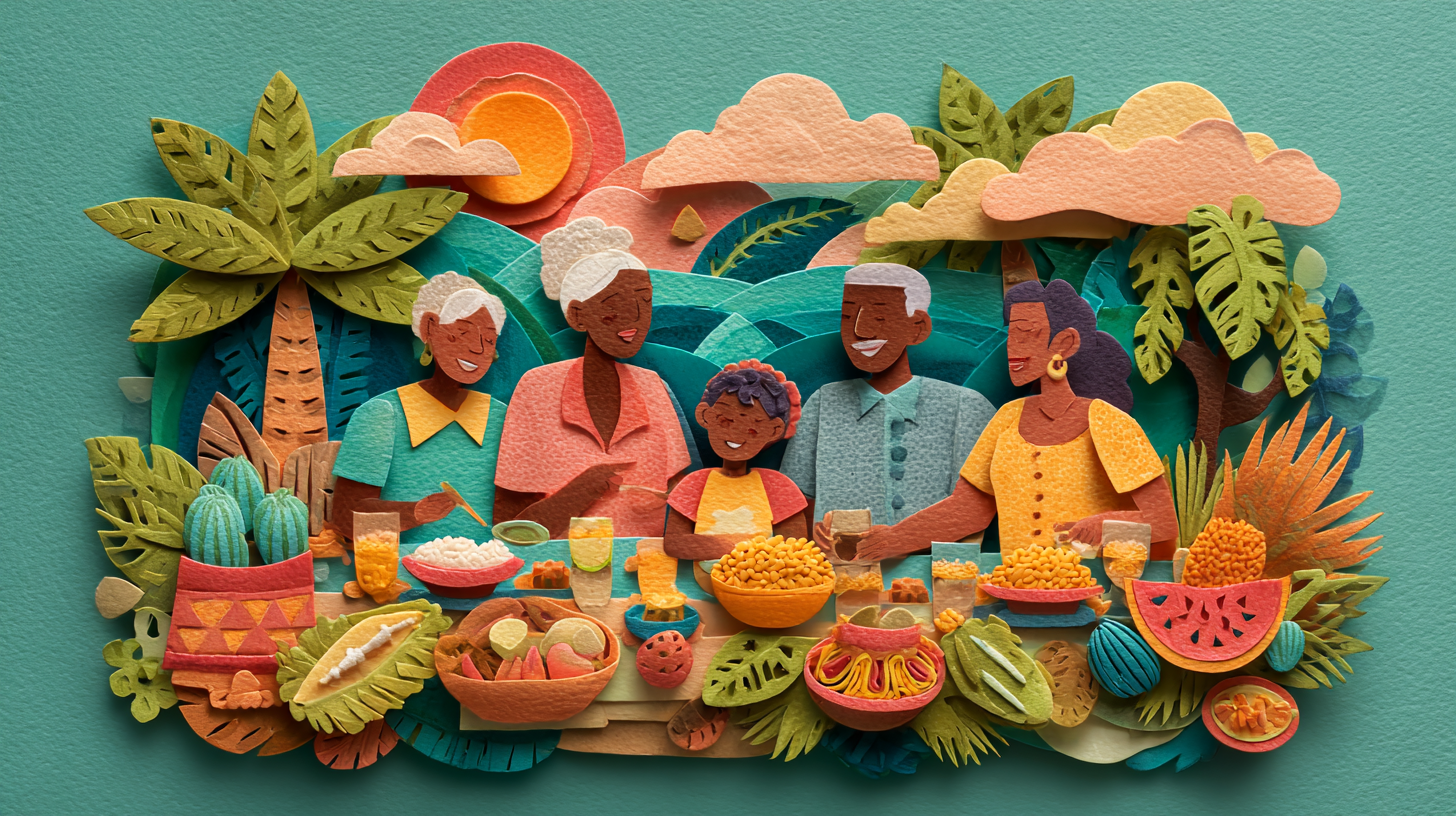
Because your child’s social world changes as they grow, your allergy strategy needs to grow with them. Experts describe childhood allergy care as a gradual handover of responsibility—from parent-led in early years to shared, then mostly youth-led in adolescence. Here is a rough age-by-age snapshot to help you future-proof your approach.
Preschool (roughly 3–5 years): You are doing most of the heavy lifting. Focus on teaching simple phrases like “I can’t eat that” and “I need to ask my grown-up.” Stick to playdates with parents you trust and environments where you can supervise snacks closely. Use lots of pretend play to rehearse: dolls at a birthday party, stuffed animals having a picnic, toy kitchens where your child “checks labels.”
Early elementary (roughly 6–9 years): Your child is ready for more involvement. They can help pack safe snacks, learn where their medication is, and practice speaking directly to teachers and other adults. School friendships become more important, and so does communication with other parents. This is a great time to begin “rehearsal calls,” where you pretend to be a friend’s parent and your child explains their allergy.
Later elementary and early tween (roughly 9–12 years): Independence grows, and so does peer pressure. This is the time to double down on scenario-based problem-solving: “What would you do if your friend brought surprise donuts and everyone else ate them?” Encourage your child to keep their medication with them and to speak up when adults forget to check ingredients. Start asking, “How would you like to handle this?” to build ownership.
Teens (roughly 13+ years): Now the social stakes are high: dating, school dances, outings without parents, late-night hangouts. Many teens feel torn between managing their allergy and fitting in. Focus on collaboration rather than control. Involve them in medical appointments, encourage them to teach close friends where their medication is and how to use it, and keep the conversation open about fear, embarrassment, and risk-taking. Consider professional support if anxiety or risky behavior spike.
Tap Your Child’s Stage for a Custom Focus
Choose the stage that fits your child best to see your top social-skill focus area.
When to Call in Extra Help
Sometimes, the social weight of food allergies becomes more than your family can manage alone—and that is not a failure. In fact, research on psychological support makes it clear that many families benefit from professional guidance at some point, especially when anxiety or conflict begin to overshadow everyday life.
Consider reaching out for extra help if you notice any of these patterns:
- Your child frequently refuses to attend school, parties, or activities because of allergy fears.
- They show strong physical signs of anxiety around food or social events, like stomachaches or panic.
- You and your co-parent (or extended family) are locked in ongoing arguments about what level of caution is “enough.”
- Your teen is regularly taking risky shortcuts—like not carrying medication or eating questionable foods—and shrugs off the consequences.
A mental health professional familiar with chronic health conditions or pediatric allergy can help your child learn coping tools, challenge unhelpful thoughts, and practice new behaviors. Some clinics and programs already combine allergy and psychology in one team. Group programs or support groups can also be powerful, both for kids and for parents who finally get to say, “Oh, your family does that too?”
Bringing It Home: Your Family, Your Flavor
If you are reading this, it probably means you are already doing the unseen work: making phone calls, triple-checking labels, quietly scanning rooms at every event. That effort is real, and it is worth honoring. But it is also worth asking a bigger question: What kind of story do you want your child to tell themselves about who they are in relation to their allergy and their friendships?
Do you want them to remember a childhood where they were always the exception, the problem to be managed—or a childhood where they learned they were worthy of care, boundaries, and deep connection, even when things were complicated? Every script you practice, every playdate you thoughtfully prepare, every time you circle back after a tough social moment and say, “Let’s talk about what happened,” nudges that story toward courage instead of fear.
In my own Caribbean home, the biggest shift came when we stopped treating the allergy as an enemy to fight and started treating it as a teacher. It taught us how to say no without guilt, how to get creative with recipes, how to lean on our community, and how to choose friends who loved our child enough to learn the rules. Yes, there were hard days—missed parties, tears in the car, awkward conversations with adults who did not get it. But there were also beautiful ones: cousins learning to read labels together, grandparents mastering new recipes, friends who proudly announced, “We made sure this is safe for you.”
Your Friendship Blueprint in 3 Tiny Moves
Tap one area you want to focus on this week. You’ll get a tiny, doable next step.
As you build that blueprint, remember that you do not have to overhaul everything overnight. Just like your child’s social skills grow one conversation at a time, your confidence as an allergy parent grows one small experiment at a time. Maybe this week you host a short, snack-free playdate. Next week, you practice a new script in the car. The week after that, you talk to a teacher or coach about how to stand with your child when they speak up.
And if you want a little extra support in the kitchen while you are doing all of this, consider adding the Caribbean Baby Food Recipe Book: Easy & Healthy Homemade Meals for Infants & Toddlers to your toolbox. Having a stack of island-inspired, baby-friendly recipes you can adapt around your child’s allergies means one less thing to worry about—and one more way to show your child that they belong at the table, exactly as they are.
If there is one takeaway to tuck into your pocket, let it be this: your child’s food allergy does not have to shrink their world. With practice, support, and a little island-style creativity, it can become the backdrop for a story where they learn to speak up, choose kinder friends, and build a life that feels full, flavorful, and uniquely theirs.

Kelley's culinary creations are a fusion of her Caribbean roots and modern nutritional science, resulting in baby-friendly dishes that are both developmentally appropriate and bursting with flavor. Her expertise in oral motor development and texture progression ensures that every recipe supports your little one's feeding milestones while honoring cultural traditions.
Join Kelley on her flavorful journey as she shares treasured family recipes adapted for tiny taste buds, evidence-based feeding guidance, insightful parenting anecdotes, and the joy of celebrating food, culture, and motherhood. Get ready to immerse yourself in the captivating world of Kelley Black and unlock the vibrant flavors of the Caribbean for your growing baby, one nutritious bite at a time.
- The Feeding Revolution: Why Your Everyday Meals Are Changing the World - October 13, 2026
- Your Feeding Story Matters More Than The “Perfect” One Online - October 12, 2026
- Looking Forward: Stepping Into Your Confident Feeding Future - October 11, 2026