
Protecting Your Food-Allergic Child from Bullying: Your Shield Against the Invisible Battle
How Well Can You Spot Allergy Bullying?
Click the scenarios below that you believe are forms of food allergy bullying:
When my neighbor’s eight-year-old daughter came home sobbing after classmates threatened to smear peanut butter on her desk, I saw the terror in her mother’s eyes—the kind of fear that goes beyond scraped knees or hurt feelings. This was about her child’s life. That moment changed everything for our community, and it’s why we need to talk about something that affects one in three children with food allergies: bullying that targets their medical condition.
The statistics are staggering. Research shows that food-allergic children are twice as likely to be bullied compared to their peers, with prevalence rates ranging from 17% to 60% depending on the study. But here’s what the numbers don’t capture: the anxiety, the social withdrawal, the feeling of being different in a world where fitting in feels like survival. Most of this bullying happens at school—80% involves classmates, and shockingly, about 20% includes teachers or staff who should be protecting these children.
Here’s the truth that many parents don’t realize until it’s too late: food allergy bullying isn’t just mean words. It’s classmates waving allergens near your child’s lunch. It’s “accidental” contamination that could trigger anaphylaxis. It’s social exclusion from birthday parties and school events because accommodating allergies feels “too difficult.” And the psychological damage? Studies link it to anxiety, depression, declining academic performance, and social isolation that can last years.
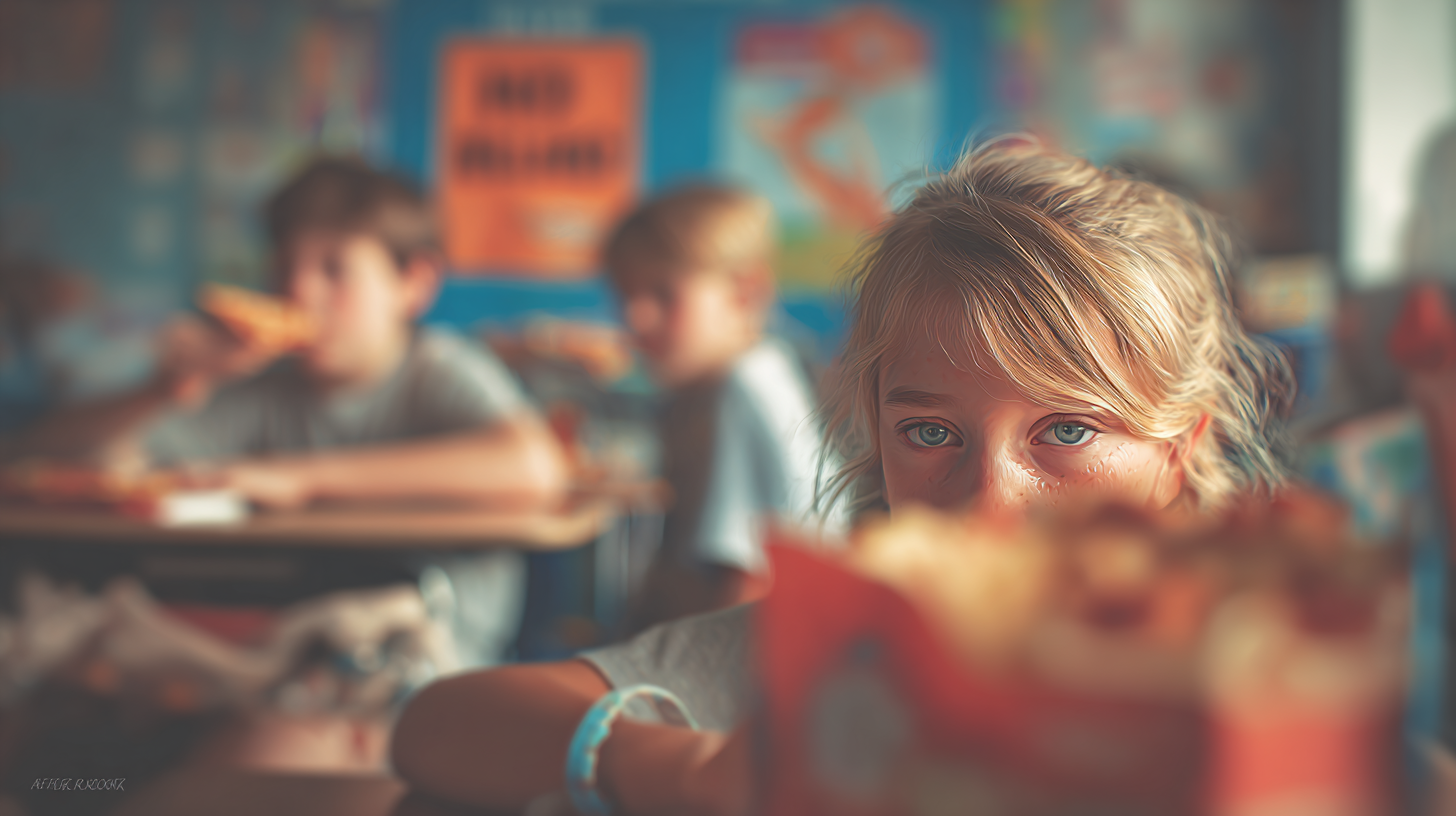
Understanding the Hidden Landscape of Allergy Bullying
Food allergy bullying exists in forms that many adults miss entirely. It’s not always the dramatic confrontation we imagine. Sometimes it’s the subtle joke about being “high-maintenance.” Sometimes it’s the eye roll when your child asks about ingredients. And sometimes—devastatingly—it’s the deliberate exposure to allergens disguised as “just a joke.”
Recent systematic reviews published in 2024 reveal patterns that every parent needs to understand. Physical bullying involving allergens includes touching the child with the food, contaminating their belongings, or threatening exposure. Verbal bullying encompasses teasing about dietary restrictions, mocking epinephrine auto-injectors, or questioning the legitimacy of the allergy. Social bullying manifests through exclusion from activities, spreading rumors, or making the child feel burdensome.
The most chilling aspect? Many children don’t report it. They internalize the harassment, believing they deserve it for being “different” or fearing that reporting will make things worse. Studies show significant underreporting, with parents often unaware of the daily microaggressions their children endure.
What’s Your Allergy Advocacy Readiness?
Your child tells you a classmate keeps joking about putting peanuts in their lunch. What’s your first response?
How often should you review your child’s emergency action plan with school staff?
The Real-World Impact on Your Child’s Mental Health
Let’s talk about what this does to our children. Beyond the physical danger, food allergy bullying creates a psychological burden that research is only beginning to quantify. Children who experience allergy-related harassment show significantly higher rates of anxiety disorders—not just about food, but about social situations generally. They develop hypervigilance, constantly scanning environments for threats both allergenic and social.
Depression rates climb as these children internalize negative messages about their worth. Academic performance suffers because it’s hard to focus on math when you’re worried about whether someone put dairy in your lunch. Social development stalls as children withdraw to protect themselves, missing crucial developmental experiences.
One study found that children with more severe allergies face worse bullying outcomes, likely because their restrictions are more visible and require more accommodation. But here’s the twist: severity alone doesn’t predict bullying risk. Social factors matter enormously—school culture, peer education, and how adults respond to disclosure all influence whether a child becomes a target.
The most heartbreaking finding? Some children become so anxious about their allergies and the social consequences that they engage in risky behaviors—hiding their condition, not carrying their epinephrine auto-injector, or eating questionable foods rather than standing out. The very thing meant to protect them becomes a source of shame.
Building Your Child’s Resilience Arsenal
Resilience isn’t about toughening up or learning to take a punch—it’s about building genuine confidence through skills and support. Research shows that children with strong self-advocacy skills and clear understanding of their condition fare better when facing bullying. They’re not immune to hurt, but they’re equipped to respond effectively.
Resilience-Building Strategies (Click to Reveal)
Building resilience also means creating a home environment where your child feels safe discussing difficult social situations. Research shows that children whose parents actively listen without immediately jumping to fix or dismiss the problem develop better coping mechanisms. They learn to process emotions, analyze situations, and consider solutions—skills that serve them throughout life.
Consider incorporating foods that celebrate your child’s cultural heritage while respecting their allergies. The Caribbean Baby Food Recipe Book includes allergy-conscious adaptations for traditional dishes, helping children maintain connection to their heritage without compromising safety. When children see their dietary needs respected within cultural contexts, it reinforces that accommodations don’t mean exclusion.
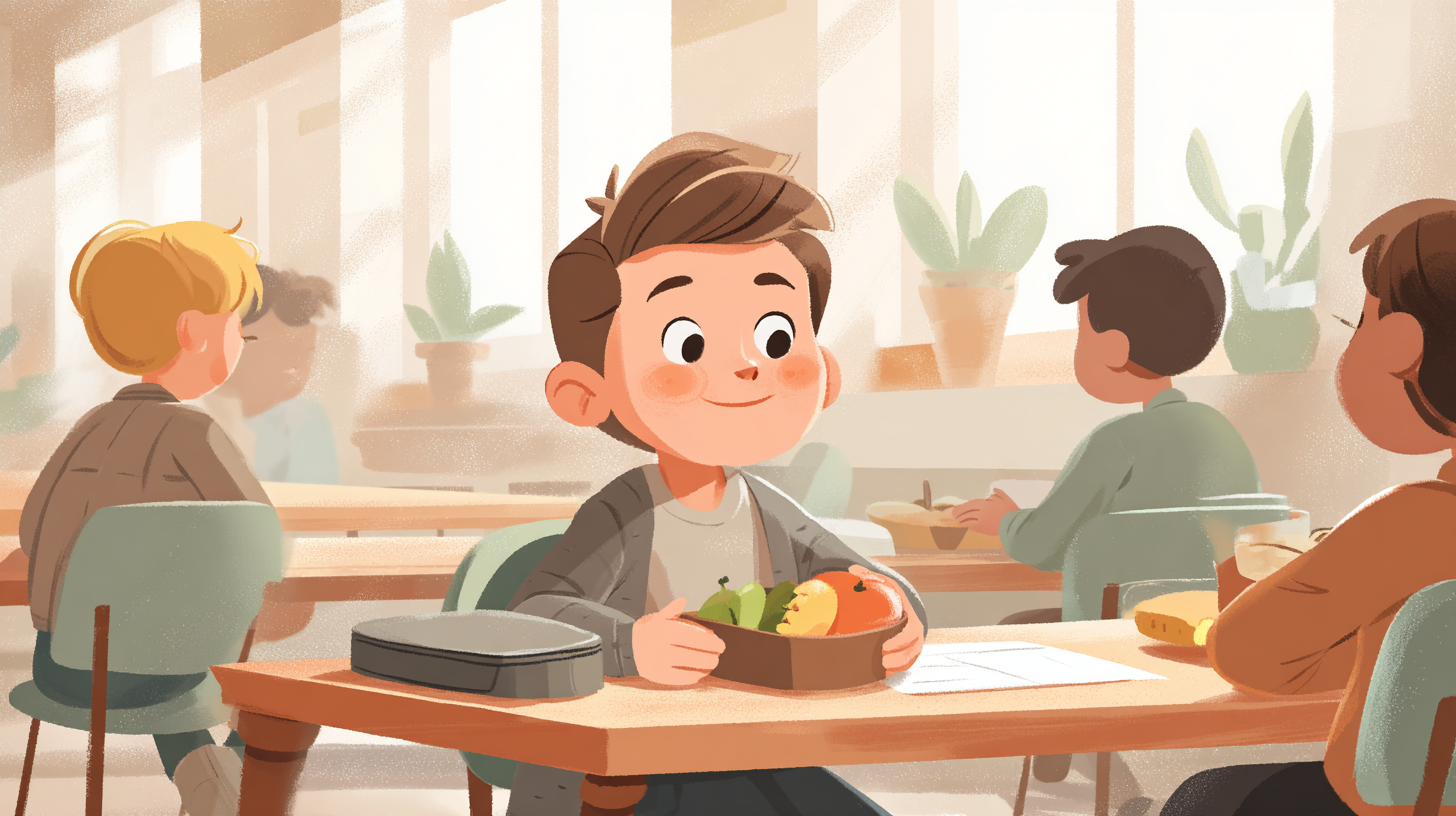
Strategic School Partnership: Your Action Blueprint
Schools can be your greatest ally or your biggest challenge—the difference depends on how you establish partnership from day one. Legal frameworks exist for this: the Americans with Disabilities Act (ADA) and Section 504 of the Rehabilitation Act recognize severe food allergies as disabilities requiring reasonable accommodation. But paperwork alone doesn’t create safety. Relationship does.
Start before the school year begins. Request a meeting with your child’s teacher, school nurse, principal, and cafeteria manager. Bring your child’s emergency action plan, signed by their allergist. But also bring practical information: what your child can eat, how to recognize symptoms, and most importantly, how you envision communication working.
Recent advocacy has pushed for comprehensive school policies that address not just emergency response but prevention and education. Progressive schools implement peer education programs where children learn about food allergies through age-appropriate activities. These programs reduce bullying by normalizing allergies and building empathy. Studies show that schools with formal allergy education programs report significantly fewer bullying incidents.
✅ School Partnership Checklist (Click to Complete)
When bullying occurs, documentation becomes crucial. Keep detailed records: dates, times, who was involved, what happened, who witnessed it, and how the school responded. This isn’t paranoia—it’s protection. If a school fails to address harassment adequately, this documentation supports your case for escalation to district administration or, if necessary, federal complaint under disability discrimination laws.
Some schools resist allergen bans, arguing they create false security or stigmatize allergic children. Research offers nuanced findings: total bans don’t eliminate risk and can increase bullying if not implemented sensitively. However, designated allergen-free zones (like a peanut-free table) combined with education and strict policies against food sharing create measurably safer environments without isolating allergic children.
Empowering Your Child’s Voice and Choices
Empowerment means giving your child agency appropriate to their age and maturity. Young children need clear rules and adult protection. But as they grow, they need to practice decision-making and advocacy in supported environments. This transition is delicate—too much responsibility too soon creates anxiety, but too little creates dependence.
Start with controlled practice. Role-play social scenarios at home: what to say when offered food at a friend’s house, how to politely decline without over-explaining, when to ask for help versus handling situations independently. Make these sessions light and encouraging, not scary. Use humor when appropriate—laughter builds confidence.
Teach your child to read their own body’s signals. Many children can recognize early allergy symptoms before they become severe. This awareness enables faster response and gives children a sense of control rather than helplessness. Practice identifying symptoms through discussion: “Remember when you felt tingly lips after accidentally having milk? That was your body’s warning system working.”
️ Assess Your Child’s Current Empowerment Level
Select all the skills your child has already mastered:
Social challenges require social solutions. Help your child build genuine friendships by facilitating activities that don’t center on food. Sports, art classes, gaming groups, book clubs—these create bonds based on shared interests rather than dietary similarities. When food is involved, teach your child to suggest allergy-friendly alternatives or bring their own safe options without apology.
The goal is raising a confident advocate, not a fearful one. Children who understand their allergies, know their rights, and have practiced responses feel empowered rather than victimized. They’re more likely to report problems, less likely to engage in risky behaviors, and better equipped to educate peers who are genuinely curious rather than malicious.
Navigating the Legal and Advocacy Landscape
Let’s talk about the legal protections you might need to invoke. Many parents hesitate to “make waves,” but understanding your rights empowers smarter advocacy. Federal law recognizes that severe food allergies can qualify as disabilities, entitling children to accommodations that ensure equal access to education.
Section 504 plans require schools to make reasonable modifications to policies, practices, and procedures. This might include: allowing your child to carry emergency medication, providing allergen-free seating in the cafeteria, ensuring substitute teachers receive allergy training, or modifying school activities (like cooking classes) to accommodate safely. These aren’t favors—they’re legal obligations.
For some children with multiple severe allergies or related conditions, an Individualized Education Program (IEP) under the Individuals with Disabilities Education Act (IDEA) might be appropriate. IEPs provide more comprehensive support but require demonstrating that allergies adversely affect educational performance. This bar is higher, but for children whose anxiety or past reactions have impacted learning, it’s worth exploring.
Recent legal discussions have even raised questions of parental liability when bullies deliberately expose allergic children to allergens. Some jurisdictions now treat such actions as assault, recognizing that weaponizing food against a child with known allergies isn’t a prank—it’s potentially life-threatening violence. While these cases remain rare, they signal growing recognition of food allergy bullying’s severity.
Advocacy extends beyond your child’s immediate situation. Join or support organizations working to normalize allergies and improve policies. Many parents find that volunteering for Food Allergy Awareness Week events or participating in school wellness committees creates system-level change that benefits all allergic children. Your advocacy today builds a safer world for tomorrow’s allergic kids.
The Cultural Dimension: Food, Identity, and Inclusion
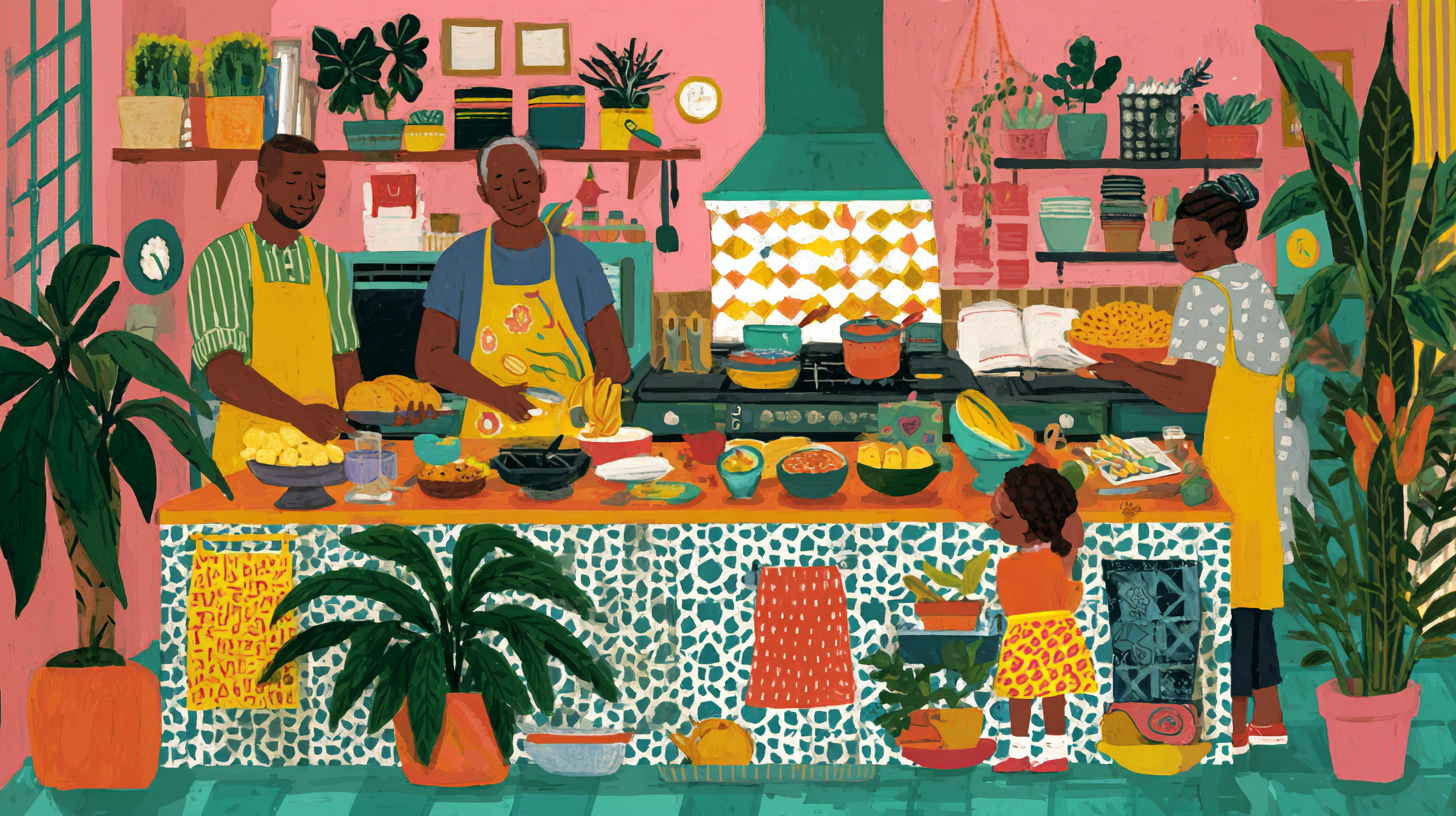
Food carries enormous cultural significance, making allergies particularly complex in diverse communities. Caribbean families, for instance, often center gatherings around specific traditional dishes. When a child can’t participate in these food rituals, it can feel like cultural exclusion layered atop social exclusion.
But here’s the beautiful truth: cultural traditions adapt. Smart parents find creative substitutions that honor heritage while ensuring safety. That’s where resources like the Caribbean Baby Food Recipe Book become invaluable—it includes allergy-conscious versions of traditional recipes, from coconut-milk alternatives to egg-free preparations of beloved dishes.
Teaching children that accommodation doesn’t mean abandonment of culture builds identity resilience. A child who enjoys allergen-free versions of their grandmother’s recipes at home feels less excluded when school celebrations don’t include “safe” options. They carry their culture internally, not just through specific foods.
This principle extends to educating others. When your child’s classmates learn that many cultures have diverse food traditions—and that safety accommodations are a form of respect—it reframes the narrative from “special treatment” to “inclusive practice.” Schools that celebrate culinary diversity while teaching allergen awareness create environments where all children feel valued.
Practical Daily Strategies for Real Life
Theory matters, but daily life demands practical tactics. Here’s what actually works based on research and lived experience from families navigating these challenges successfully.
Create a safe snack station at home where your child can always find allergy-friendly options they love. Stock treats comparable to what peers eat—allergen-free cookies that actually taste good, safe candies, interesting snacks. When your child attends a party where safe food might be scarce, they can bring alternatives without feeling deprived.
Establish a daily check-in ritual. Not an interrogation—a genuine “What went well today? Was there anything tricky?” conversation. Children often disclose problems when the pressure is off and the question is open-ended. Evening walks, car rides home, or bedtime chats create natural opportunities for these discussions.
Use technology wisely. There are apps for scanning ingredients, finding allergen-free restaurants, and connecting with other allergy families. Some children benefit from medical alert bracelets that communicate their condition without constant verbal disclosure. These tools don’t replace human vigilance but supplement it effectively.
Build your child’s support network intentionally. This includes extended family, close friends’ parents, coaches, and activity leaders. The more adults who understand your child’s needs and watch for problems, the safer your child becomes. Don’t assume others know—educate gently but thoroughly.
Plan ahead for high-risk situations: birthday parties, school field trips, sleepovers, holiday celebrations. Contact hosts in advance, offer to provide safe food, and discuss emergency protocols. Most people appreciate guidance rather than being left to guess. This preparation prevents awkward last-minute situations and reduces your child’s anxiety.
Looking for allergy-friendly recipes that celebrate Caribbean flavors? Discover delicious options your whole family will love:
Explore Caribbean Baby Food Recipe BookWhen Professional Help Becomes Necessary
Sometimes, despite your best efforts, your child needs professional psychological support. This isn’t failure—it’s recognition that food allergy bullying can create trauma requiring specialized intervention.
Watch for warning signs: persistent nightmares about allergic reactions, school refusal, significant changes in eating patterns, withdrawal from previously enjoyed activities, or statements suggesting hopelessness or worthlessness. Children experiencing severe anxiety might develop panic attacks, excessive reassurance-seeking, or obsessive checking behaviors.
Seek therapists experienced in both childhood anxiety and medical conditions. Cognitive-behavioral therapy (CBT) has strong evidence for treating allergy-related anxiety. Therapists help children identify catastrophic thinking patterns (“If someone brings peanuts to school, I’ll definitely die”) and replace them with realistic assessments (“I know my symptoms, I have my EpiPen, and adults know how to help me”).
Family therapy sometimes helps when allergy management creates household tension. Parents might disagree about appropriate precautions, or siblings might resent restrictions placed on the family. Professional guidance helps families find balance between safety and normalcy, ensuring the allergic child feels protected without feeling burdensome.
Don’t overlook support groups—both for children and parents. Connecting with others who truly understand these challenges provides validation and practical wisdom. National organizations like FARE (Food Allergy Research & Education) offer local support groups, online communities, and educational resources that supplement professional treatment.
Looking Forward: The Bigger Picture
Research into food allergy bullying has exploded in recent years, reflecting growing recognition of its prevalence and impact. This increased attention drives promising developments: standardized screening tools for healthcare providers, improved teacher training programs, and policy frameworks that mandate school response protocols.
The future likely includes better immunotherapy options that reduce allergy severity, potentially decreasing bullying risk. Oral immunotherapy (OIT), epicutaneous immunotherapy (EPIT), and other emerging treatments won’t eliminate allergies entirely but might reduce anxiety around accidental exposure. Less fear often translates to less social vulnerability.
Social media plays a complex role. It can amplify bullying through cyberbullying targeting allergic children. But it also enables advocacy, community-building, and rapid information-sharing about emerging risks or solutions. Teaching children to navigate these digital spaces safely while leveraging their benefits is increasingly crucial.
Perhaps most encouragingly, younger generations are growing up with greater allergy awareness. Schools that implement early education create cohorts of children who view allergies as unremarkable medical facts rather than strange limitations. This cultural shift—from curiosity and exclusion to acceptance and accommodation—represents the real long-term solution.
Your Family’s Unique Path Forward
Every child, every family, every situation is unique. What works brilliantly for one family might fail miserably for another. Your job isn’t to follow a perfect script—it’s to stay attuned to your child’s specific needs, responsive to their signals, and persistent in advocating for their safety and dignity.
Some days will be harder than others. There will be incidents that terrify you, situations that infuriate you, and moments when you question whether you’re doing enough. This is normal. You’re navigating complex social dynamics while managing life-threatening medical conditions—of course it’s overwhelming sometimes.
But here’s what research and countless families confirm: children are remarkably resilient when they have responsive, informed parents backing them. Your child won’t remember every perfect accommodation you arranged. They’ll remember that you listened when they were scared, believed them when they reported problems, and fought for them when they needed protection.
You’re also teaching skills that extend far beyond allergy management. Children who learn to advocate for their needs, communicate boundaries, and navigate social challenges with integrity develop capacities that serve them throughout life. Your allergic child is learning resilience, empathy, and self-awareness that many peers won’t develop until much later—if at all.
Building a community that celebrates diversity while ensuring safety takes intentional effort. When you prepare inclusive meals that honor your heritage, you model that accommodation and culture coexist beautifully. Resources like allergy-conscious recipe collections help maintain these connections, ensuring your child grows up proud of their background, not limited by their allergies.
Standing Strong Together
Protecting your food-allergic child from bullying isn’t a single conversation or a one-time intervention. It’s an ongoing commitment woven into daily life—the questions you ask, the relationships you build, the education you provide, and the culture you create around your child.
You’re not alone in this journey. Thousands of families navigate these same challenges, and the collective wisdom of this community offers hope and practical guidance. The legal frameworks exist, the educational resources are available, and the advocacy networks stand ready to support you.
Your child’s allergies don’t define them, but learning to manage them—socially, emotionally, and physically—shapes who they become. With your support, they’ll develop into confident individuals who understand their needs, communicate their boundaries, and extend empathy to others facing their own challenges.
This journey will have difficult moments, but it will also have victories: the first time your child successfully advocates for themselves, the birthday party that goes smoothly because of your preparation, the friend who becomes a true ally, the school that implements better policies because you pushed for change. These moments matter. They accumulate into a childhood where your child feels safe, supported, and valued—exactly as they deserve.
The world is slowly becoming more allergy-aware, more inclusive, and more understanding. Your efforts contribute to that progress. Every conversation you have, every policy you help improve, every child you educate makes the path easier for the next allergic child. You’re not just protecting your own—you’re building a better future for all of them.
So take a deep breath. Trust your instincts. Advocate fiercely. Listen carefully. And know that you’re doing exactly what your child needs: showing up, speaking up, and never giving up on creating a world where they can thrive safely and joyfully, allergies and all.

Kelley's culinary creations are a fusion of her Caribbean roots and modern nutritional science, resulting in baby-friendly dishes that are both developmentally appropriate and bursting with flavor. Her expertise in oral motor development and texture progression ensures that every recipe supports your little one's feeding milestones while honoring cultural traditions.
Join Kelley on her flavorful journey as she shares treasured family recipes adapted for tiny taste buds, evidence-based feeding guidance, insightful parenting anecdotes, and the joy of celebrating food, culture, and motherhood. Get ready to immerse yourself in the captivating world of Kelley Black and unlock the vibrant flavors of the Caribbean for your growing baby, one nutritious bite at a time.
- The Feeding Revolution: Why Your Everyday Meals Are Changing the World - October 13, 2026
- Your Feeding Story Matters More Than The “Perfect” One Online - October 12, 2026
- Looking Forward: Stepping Into Your Confident Feeding Future - October 11, 2026