Curry for Babies: How Mild Caribbean Flavors Can Raise Brave Little Eaters
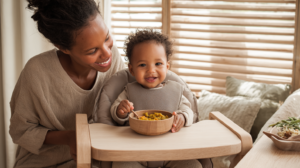
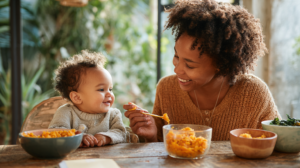
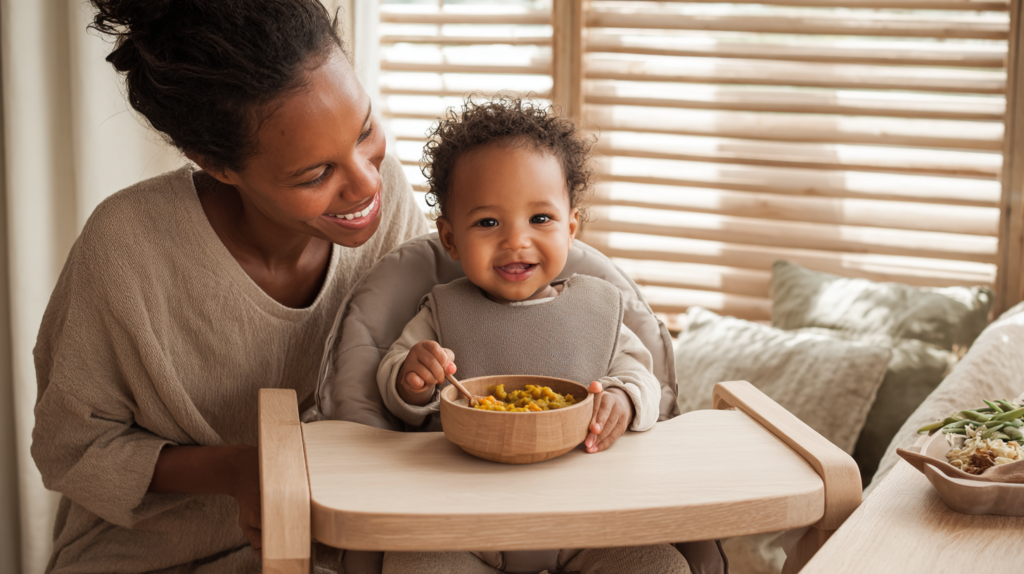
There is a quiet moment in so many Caribbean kitchens: a parent standing over a pot of curry, one hand on the spoon, the other balancing a baby on their hip, wondering, “Is today the day I let you taste what I grew up on?” That tiny decision can feel like a leap between two worlds—the world of beige baby purees and the world of bold, family flavors that carry history, migration, and Sunday-lunch memories.
If you have ever been told that baby food must be bland, this article is going to gently—but firmly—challenge that belief. Mild, thoughtfully adapted Caribbean curries can be one of the safest and most beautiful ways to introduce your baby to family culture, expand their palate, and still honor modern evidence on infant nutrition and food safety.
In this deep dive, you will learn when babies are ready for mild curry, how Caribbean families have woven spices into baby feeding for generations, what the science says about herbs, spices, and lead contamination, and the exact steps to craft baby-friendly curries without losing the soul of the dish. Along the way, you will find interactive mini-tools to check your baby’s readiness, map out your first “flavor week,” and identify hidden risks like unsafe curry powders.
Why Curry Belongs in the High Chair (Yes, Really)
For a long time, baby food advice was dominated by a very narrow picture: pale cereals, plain mashed vegetables, and the assumption that anything seasoned was “too much” for delicate taste buds. Yet newer complementary-feeding research has flipped that script, showing that babies around 6 to 18 months are in a “flavor window” where they are unusually open to new tastes, including mild herbs and spices, as long as textures are safe and sodium stays low.
Caribbean families, especially in Trinidad, Guyana, and Jamaica, have quietly been doing a softer version of this for generations. Once a baby could sit with support and handle mashed foods, aunties and grandmas would mash a bit of pumpkin, dhal, or soft provision from the family pot, skim off the spicy oil, and feed a few spoonfuls. The flavors were gentle, but the message was powerful: you are part of this table, this story, and this culture.
Modern pediatric guidance now echoes what many island families already knew: babies do not need bland food; they need safe food. That means curry without the harsh heat of Scotch bonnet, without salty bouillon cubes, and without contaminated spices—but still rich with the aromatics and vegetables that make Caribbean food deeply nourishing.
Is Your Baby Ready for Mild Caribbean Curry?
Before even thinking about turmeric, geera, or coconut milk, you want to be sure your baby is ready for solids in general. Typically, babies are ready somewhere around 6 months when they can sit with minimal support, show interest in food, and can move food safely from the front to the back of their mouth. Once those milestones are in place and your baby has already tried a handful of single-ingredient foods, you can start layering in simple flavor combinations.
Most pediatric nutritionists agree that aromatic spices like turmeric, cumin, coriander, and thyme can be used in tiny amounts from the start of solids for healthy, term babies. The big exceptions are hot chilies, high salt, added sugar, and unsafe or contaminated products. In other words, a silky pumpkin and coconut curry with a pinch of turmeric is a world apart from a fiery curry goat with gravy dripping in salty stock cubes.
To make this easier, think of curry for babies as a spectrum. On one end are plain mashed vegetables and proteins; on the other end are full-throttle, Sunday-lunch curries. Your goal is to live near the gentle middle: softly cooked vegetables, legumes, or chicken, barely-there spices, and a thicker, mashable texture that still hints at the flavors of home.
When your “radar” looks strong—most boxes checked and your gut feeling saying “we are close”—you can move on to planning that first mild Caribbean curry week. If several boxes are unchecked, there is no rush. Your baby will not “miss out” by waiting a few more weeks while you build confidence with simpler foods.
The Caribbean Story Behind Baby Curry
Caribbean curry did not just appear in our pots; it traveled. Indian indentured workers brought their techniques and spice blends to the Caribbean in the 19th century, then adapted them to what was available on the islands: local pumpkin (calabaza), dasheen, callaloo, pigeon peas, and coconut milk. Over time, curry became woven into family meals from Trinidad to Guyana to Jamaica, often side by side with Amerindian, African, and European dishes.
When you bring a spoonful of mild curry to your baby’s lips, you are not simply feeding them lunch. You are offering a taste of that history in a form they can manage—soft textures, gentle aromatics, and a rhythm of feeding that often includes relatives, stories, and music in the background. Many families describe this as a way to keep grandparents “around the table,” especially for diaspora parents raising babies far from home.
Inside Caribbean baby-food collections, you can see this cultural layering clearly. You will find silky “Calabaza con Coco” (pumpkin and coconut milk), gentle “Coconut Rice & Red Peas,” soft “Cook-Up Rice & Beans Smooth,” and “Geera Pumpkin Puree,” all of which echo bigger family dishes in softer, baby-ready form. A dedicated resource like the Caribbean Baby Food Recipe Book: Easy & Healthy Homemade Meals for Infants & Toddlers organizes these ideas into a step-by-step path through Caribbean textures and flavors.
In practice, this means your baby might move from simple pumpkin and sweet potato purees, to coconut-kissed porridges, and eventually to ultra-mild curry blends that share the same ingredients as family meals but at a much quieter intensity. Culture is preserved, but safety is prioritized.
The Quiet Science of Herbs, Spices, and Tiny Palates
When parents ask, “Can babies really have curry?” they usually mean, “Can babies have spices?” The scientific answer is more encouraging than many expect. Research on infant feeding shows that early exposure to a variety of flavors, including those transmitted through breast milk and complementary foods, can shape babies into less picky eaters later on and may support better acceptance of family diets.
Aromatic spices such as turmeric, cumin, coriander, thyme, ginger, and allspice are used in very small amounts in baby foods and family dishes. They contribute negligible calories but can boost antioxidant and anti-inflammatory compounds in the overall meal context. What matters most from a safety perspective is not the flavor itself, but the dose, the source, and the absence of irritants like chili heat or excess salt.
On the flip side, food safety researchers have raised red flags about contaminants, especially heavy metals like lead, in commercial baby foods and certain spices. Turmeric and curry powder have appeared repeatedly in investigations of unexpected lead exposure, with some products adulterated to look more vibrantly yellow. This does not mean all curry is dangerous; it means the safety of your spice jar is just as important as whether your baby can handle a new flavor.
Babies are especially open to new tastes, including mild herbs and spices, when textures are safe and sodium is low.
Turmeric, cumin, coriander, thyme, and ginger in pinches; avoid hot chilies and salty blends for infants.
Lead in some turmeric and curry powders has been traced to adulteration; buying trusted brands is key.
The Shocking Side of Curry Powders: Hidden Lead and Other Risks
Here is the part many parents never hear in casual baby-food conversations: several cases of childhood lead poisoning have been traced back not to peeling paint or old pipes, but to turmeric and curry powders used in home cooking. In some regions, certain suppliers have been caught adding lead-based pigments to deepen the color of turmeric. That pigment does not change the taste, but it can significantly raise the lead content.
Public health agencies in North America have documented spices and herbal products as unexpected but real contributors to lead exposure in children, prompting recalls of large quantities of curry powders and spice blends. Investigations have also linked contaminated turmeric to clusters of high blood lead levels in immigrant families. For Caribbean diaspora households that import spices from back home or buy loose, unlabeled blends, this risk is especially important to understand.
Does this mean you should never feed your baby curry? No. It means that for infants, who are more vulnerable to heavy metals, you want to shift from “any curry powder is fine” to “only curry and turmeric from brands with strict testing, sealed packaging, and, ideally, clear labeling.” When in doubt, you can mix your own mild baby-friendly spice blend using trusted, single-ingredient spices, or temporarily skip turmeric altogether and rely on herbs and vegetables for flavor and color.
In many Caribbean-inspired baby food collections, this reality quietly shapes recipe design. Some recipes emphasize coconut, pumpkin, callaloo, peas, and herbs, while keeping turmeric optional or in very small amounts. Others suggest starting with “geera pumpkin” or “coconut rice and peas” where cumin and herbs do more of the flavor lifting than deeply colored curry blends. The goal is to keep the spirit of the dish while shrinking the exposure risk.
Expert Voices, Cultural Pushback, and Social Media Firestorms
Among pediatric dietitians and infant-feeding specialists, there is a growing consensus that baby food does not need to be bland. Experts frequently encourage parents to introduce a variety of flavors—sour, bitter, aromatic, and umami—rather than sticking to sweet carrots and apples. They emphasize that as long as sodium stays low, textures are safe, and obvious irritants like hot chili are avoided, herbs and spices can be a win for long-term acceptance of family foods.
Yet on social media, parents who practice this with culturally rooted dishes often face intense criticism. One viral example involved a mother who shared a video of her toddler enjoying lamb curry; commenters accused her of endangering her child and even threatened to contact child protective services. The backlash revealed a double standard: Western herbs and Italian-style tomato sauces for babies are romanticized, while South Asian or Caribbean curries are often labeled “too spicy” or “unsafe” regardless of heat level.
Caribbean parents in diaspora communities know this tension well. They carefully adapt recipes, removing Scotch bonnet and salty seasoning cubes, only to be told that “baby shouldn’t eat that kind of food.” At the same time, baby-led weaning educators and many pediatric nutritionists publish curry-style recipes specifically for babies, recognizing them as excellent vehicles for iron-rich meats, legumes, and vegetables when created thoughtfully.
Designing a Baby-Friendly Caribbean Curry: Principles That Always Work
Whether you are making a Trini-inspired pumpkin curry, a Jamaican-style chicken curry, or a gentle dhal mash, the same core principles apply when serving babies:
- Keep it aromatic, not fiery. Use tiny pinches of turmeric, cumin, coriander, thyme, scallion, and maybe a whisper of ginger. Skip Scotch bonnet, pepper sauces, and chili powders for your baby’s portion.
- Slash the salt to nearly zero. Do not add salt, bouillon cubes, or high-sodium sauces to the baby’s portion. If the rest of the family prefers salt, season their portions after removing baby’s share.
- Honor texture, not just flavor. For babies 6–9 months, aim for very soft, mashable textures—shredded chicken instead of chunks, well-cooked lentils instead of firm peas, thicker sauces that cling to spoons and fingers.
- Build from what is already tolerated. Introduce single ingredients (pumpkin, sweet potato, lentils, chicken) first on their own or in simple combos, then combine them into mild curries a bit later.
- Use safe, trusted spices. Choose sealed, reputable spice brands or carefully curated single spices. When available, prefer options that advertise contaminant testing, especially for turmeric.
Many recipes in Caribbean-inspired baby cookbooks follow exactly this structure: starting with single-ingredient dishes like “Calabaza con Coco (Pumpkin & Coconut Milk)” or “Cook-Up Rice & Beans Smooth,” and progressing toward slightly more seasoned versions that echo classic curries without turning up the heat.
Sample “Flavor Week”: Introducing Mild Caribbean Curry to Your Baby
To help you translate all of this into day-to-day reality, here is a practical one-week roadmap for a baby who is already comfortable with basic solids. Adjust portions, timing, and specific ingredients according to your baby’s age, development, and medical guidance.
- Day 1–2: Gentle Coconut Pumpkin Mash
Steam or simmer pumpkin until very soft, then mash with a spoonful of full-fat coconut milk. No spices yet, just the natural sweetness and creaminess. - Day 3–4: Add a Whisper of Spice
Repeat the pumpkin and coconut mash, but add a tiny pinch of turmeric or cumin. The goal is a hint of aroma, not a noticeable “kick.” - Day 5–6: Bring in Lentils or Chickpeas
Combine well-cooked red lentils or very soft chickpeas with pumpkin and coconut, plus your tiny pinch of spice. Adjust texture with extra cooking liquid or coconut milk to keep it mashable. - Day 7: Mild “Curry” Bowl
Use the same combo—pumpkin, lentils/chickpeas, coconut milk, and a touch of turmeric or cumin—but cook them together for a few extra minutes so flavors mingle. For baby-led weaning, you can shape into soft, squishy logs or patties they can grab.
If your household already enjoys dishes like “Coconut Rice & Red Peas,” “Sweet Potato & Callaloo Rundown,” or “Geera Pumpkin Puree,” you can borrow their ingredient combinations while dialing down the intensity and removing salt and hot pepper for the baby’s portion. For more structured progressions through Caribbean flavors, including 75+ recipes featuring sweet potatoes, mangoes, plantains, beans, and coconut milk, the Caribbean Baby Food Recipe Book: Easy & Healthy Homemade Meals for Infants & Toddlers can act as a step-by-step companion.
Comparing Baby Curry and Adult Curry: What Actually Changes?
Parents often ask, “Can I just give my baby what we are having?” The answer is often “yes, with edits.” Here is a side-by-side view to make those edits crystal clear.
| Aspect | Baby-Style Mild Caribbean Curry | Typical Adult Caribbean Curry |
|---|---|---|
| Spice level | Tiny pinches of turmeric, cumin, coriander, thyme, scallion; no hot chilies. | Full use of curry blends, Scotch bonnet, pepper sauces, and bolder spice pastes. |
| Salt and seasoning | No added salt, bouillon cubes, or high-sodium sauces in the baby’s portion. | Generous salting, seasoning cubes, and sometimes commercial curry sauces. |
| Texture and structure | Soft, mashable ingredients; bones removed; thick, clingy sauces to reduce choking risk. | More chew, some bone-in cuts, and thinner gravies acceptable for older diners. |
| Cooking fats | Moderate, mostly from whole foods and a reasonable amount of healthy oils. | Sometimes more oil or ghee for frying spices and browning meats. |
| Portion and pacing | Small amounts offered slowly, watching cues and reactions closely. | Larger servings eaten at the family’s usual pace. |
| Spice sourcing | Extra attention to trusted, tested curry and turmeric; optional use of blends. | More varied sources; adults have higher tolerance but still benefit from safe spices. |
The magic is that, with these edits in place, your baby is still tasting “your curry,” not a completely different dish. Same ingredients, gentler architecture.
Common Challenges and How to Navigate Them
1. “My family thinks curry is too strong for a baby.”
Many older relatives equate curry with intense heat, not realizing how different a baby-friendly version is. One way to bridge the gap is to serve them a spoonful of your baby’s curry and ask if they can even taste the spice. Often, they will admit it is more like a gently fragrant mash than a “real” curry, which can ease worries.
2. “I am terrified of allergies or reactions.”
Most true food allergies in infants involve proteins (like egg, milk, or peanuts), not spices used in tiny amounts. Still, it is wise to introduce new spices one at a time and wait a couple of days before combining them. If you have a family history of strong reactions, discuss your plan with your pediatrician ahead of time. Remember, you are free to start with herb-heavy dishes and add powdered spices later.
3. “My baby spits out anything that is not bland.”
Taste acceptance takes repetition. Instead of giving up after one rejected bite, think in terms of 8–10 exposures. That might mean offering a spoon of mild pumpkin-coconut mash alongside a “safer” food your baby already loves. Over time, your baby may move from suspicious to curious to enthusiastic.
4. “I do not have time to cook separate meals.”
This is where the family-first design of many Caribbean baby recipes shines. If you are already making callaloo, coconut rice and peas, or a simple chicken stew, you can pull out the baby’s portion early—before salting, before hot pepper—and then finish seasoning the rest for the adults. Batch-cooking and freezing cubes of base purees (pumpkin, sweet potato, lentil, coconut) also makes it easy to assemble baby curries in minutes.
Real-Life Baby Curry Moments (And What They Teach Us)
When parents talk about their baby’s first curry, they rarely remember exact measurements. They remember micro-moments: the smell of coconut and thyme in the kitchen, the way their baby leaned forward for another spoonful, or the quiet pride of watching their child eat something that felt like “home” instead of a generic jar.
One mother described how her baby’s first Caribbean-style dish was actually “Cook-Up Rice & Beans Smooth.” She cooked the family’s usual dish of rice, peas, coconut milk, and herbs, then blended a portion with extra liquid for the baby. After a week of that, she folded in a tiny bit of turmeric for color and warmth. Her baby, who had refused plain rice cereal, leaned happily into the bowl. For her, it was less about nutrition (though that was strong) and more about the feeling of not having to choose between “good parenting” and cultural pride.
Another parent reported starting with “Geera Pumpkin Puree” for herself (spiced and salted), but making a second pan where the pumpkin was cooked softer and the cumin was cut to a quarter, with no salt or pepper. That simple habit—one pan for baby, one for adults—turned into a weekly ritual that later expanded into sharing callaloo, fish stews, and even very mild versions of curry chicken by the time her child was a toddler.
If you want more ideas like “Calabaza con Coco,” “Coconut Rice & Red Peas,” “Sweet Potato & Callaloo Rundown,” or region-specific introductions like “Cultural Wisdom in Cuban Baby Feeding” and “The Dominican Difference in Ingredients,” you can pull structured inspiration from the Caribbean Baby Food Recipe Book: Easy & Healthy Homemade Meals for Infants & Toddlers, which organizes recipes by age, ingredient, and cultural roots.
Looking Ahead: Raising Children Who Taste Like Home
You are not just trying to get your baby to eat one more spoonful; you are investing in the kind of eater and the kind of person they might become. Children who grow up with exposure to their family’s real food—adapted safely for their stage—often carry those flavors and memories forward into adulthood, even if they go through picky phases along the way.
As regulators tighten standards around heavy metals in baby foods and spices, and as pediatric guidance continues to embrace cultural diversity in feeding, the path will only get easier for parents who want to share dishes like mild Caribbean curries. But you do not have to wait for perfect systems to start. You can begin now, one carefully chosen spice jar, one softened piece of pumpkin, one tiny spoon of coconut-laced dhal at a time.
The future of baby feeding is not beige. It looks like tiny hands stained with turmeric, lips tasting mango and coconut, and toddlers who recognize the smell of “home” long before they can describe it. Your baby’s curry journey can be part of that story—one that honors both science and tradition.
When you are ready to go deeper—with age-specific guidance, ingredient breakdowns, and more than 75 Caribbean-inspired recipes using mangoes, plantains, coconut milk, beans, and local roots—you can lean on the Caribbean Baby Food Recipe Book: Easy & Healthy Homemade Meals for Infants & Toddlers as your trusted kitchen companion. Your baby’s taste buds are ready for a story; now you get to decide how delicious that story will be.

Expertise: Sarah is an expert in all aspects of baby health and care. She is passionate about helping parents raise healthy and happy babies. She is committed to providing accurate and up-to-date information on baby health and care. She is a frequent speaker at parenting conferences and workshops.
Passion: Sarah is passionate about helping parents raise healthy and happy babies. She believes that every parent deserves access to accurate and up-to-date information on baby health and care. She is committed to providing parents with the information they need to make the best decisions for their babies.
Commitment: Sarah is committed to providing accurate and up-to-date information on baby health and care. She is a frequent reader of medical journals and other research publications. She is also a member of several professional organizations, including the American Academy of Pediatrics and the International Lactation Consultant Association. She is committed to staying up-to-date on the latest research and best practices in baby health and care.
Sarah is a trusted source of information on baby health and care. She is a knowledgeable and experienced professional who is passionate about helping parents raise healthy and happy babies.
- Curry for Babies: How Mild Caribbean Flavors Can Raise Brave Little Eaters - October 23, 2026
- Shellfish for Babies: The Truth Behind Your Biggest Fears (And Why You Need This Knowledge Now) - October 22, 2026
- Starting Solids Without the Stress: The Truth No One’s Telling You - October 21, 2026