When Food Becomes a Wall: Breaking Through Social Isolation for Kids with Dietary Restrictions
Discover Your Child’s Social Connection Challenge
Every child’s experience with food restrictions is unique. Select the situations that resonate most with your family, and we’ll reveal insights tailored to your journey.
Your Personalized Insight:
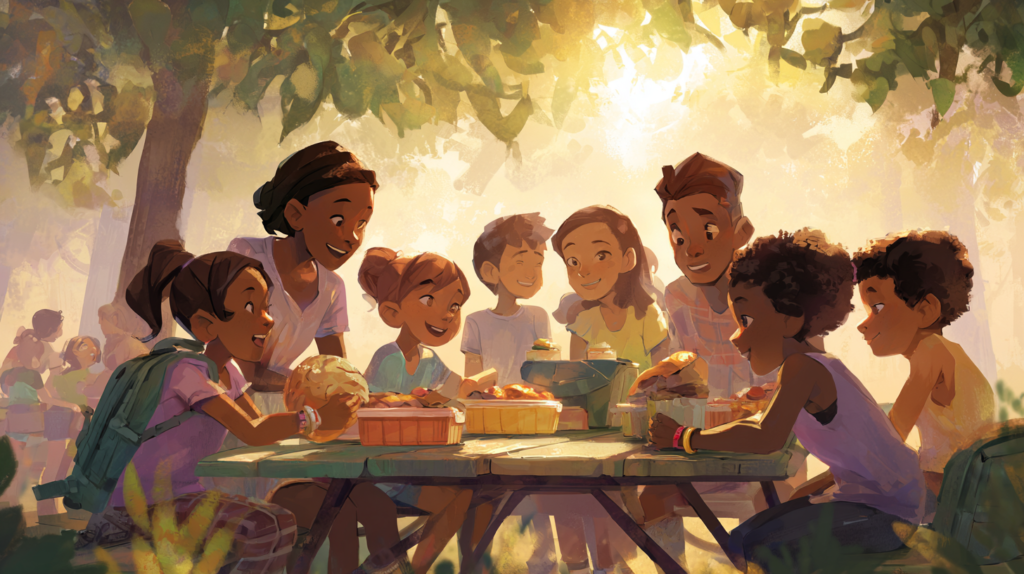
The birthday invitation arrives, and instead of excitement, your stomach drops. Another party where your child will watch everyone else eat cake. Another playdate where you’ll need to pack separate snacks. Another school event where they’ll sit at the “special table.” If you’re raising a child with food allergies, celiac disease, diabetes, or any dietary restriction, you know this ache—the one that comes from watching your vibrant, wonderful child become invisible at the moments when food brings everyone else together.
Here’s what nobody tells you when you first hear “food allergy” or “gluten-free for life”: the diagnosis isn’t just about changing what’s on the plate. It’s about navigating a world where sharing food is how humans bond, celebrate, and belong. And when your child can’t participate in that fundamental human ritual, they don’t just miss the cupcake—they miss being part of the circle.
But here’s the truth that’s been emerging from recent research: social isolation from food restrictions is not inevitable. About one in thirteen children now lives with at least one food allergy, and up to 8% of children have significant dietary restrictions. As these numbers climb, so does our understanding of how to protect both their physical safety and their emotional well-being. The science is clear—children with restrictions can absolutely maintain rich social lives, build confidence, and feel completely included. It just requires intention, education, and some strategic reimagining of how we think about food and friendship.
The Hidden Burden: Why Food Restrictions Cut Deeper Than We Think
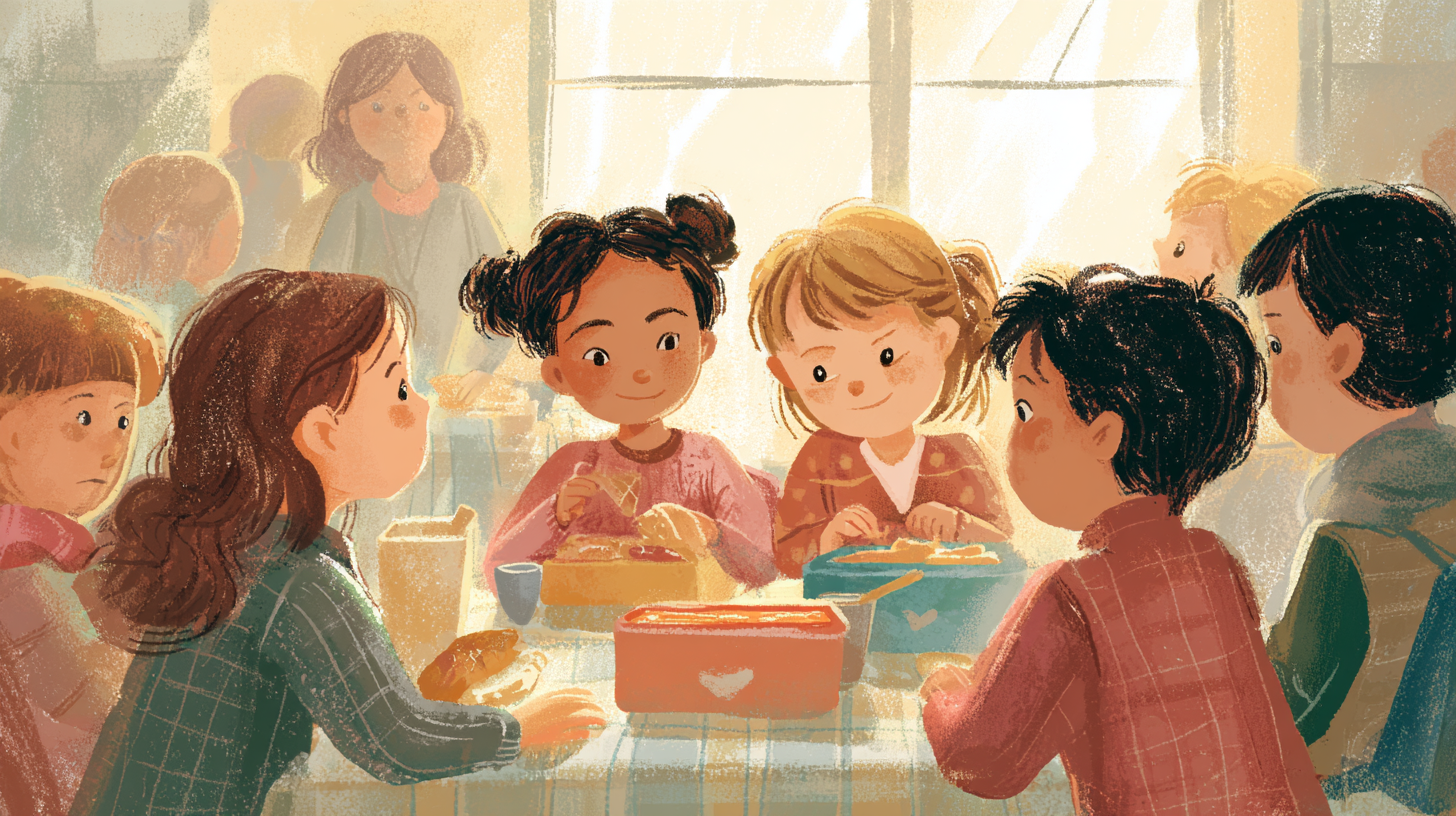
Let me tell you about my neighbor’s daughter, Amara. Bright, funny, bursting with energy—until kindergarten birthday celebrations started rolling around. Suddenly, this confident little girl would develop mysterious stomach aches on party days. It took her mother weeks to realize: Amara wasn’t sick. She was anxious about being different, about being the only one who couldn’t eat what everyone else was eating, about the questions and stares that came with her nut-free, dairy-free lunch box.
The data behind Amara’s experience is sobering. Studies show that about one-third of children with IgE-mediated food allergies report being bullied specifically because of their allergy, and they’re roughly twice as likely to experience bullying compared to peers without allergies. But the wounds go deeper than outright teasing. Research from 2023-2025 reveals three core themes that children with dietary restrictions experience consistently: living with daily limitations and fear, experiencing isolation and stigma, and critically, finding empowerment when adults actively support inclusion.
Research Reality: Qualitative studies of school-age children with food allergies reveal that many describe their experience as “having to watch others eat,” “being left out of celebrations,” and “feeling like a burden” to friends and hosts. These aren’t just hurt feelings—they’re genuine threats to healthy social and emotional development.
The social architecture of childhood is built around food. Think about it: birthday parties center on cake, school celebrations involve treats, playdates include snacks, holidays are feasts, sports teams bond over pizza. When a child’s body can’t safely participate in these food-centered rituals, they face a choice that no child should have to make—risk their health or risk their belonging.
And here’s where it gets complicated. Many well-meaning safety measures actually increase isolation. Separate “allergy tables” in cafeterias, bans on all treats, exclusion from cooking activities, being left out of field trips—these approaches prioritize physical safety but completely neglect the psychological safety that comes from feeling normal, included, and valued. Studies tracking children with celiac disease found that many avoid school meals entirely, even when they’re food insecure, because of mistrust in cafeteria cross-contamination management and the social stigma of asking for special accommodation.
But listen—and this is important—the problem isn’t the dietary restriction itself. The problem is how we as adults structure environments, educate peers, and frame the narrative around differences. When children are given agency, when peers are educated with empathy, when inclusion is designed into events from the start rather than tacked on as an afterthought, the outcomes shift dramatically.
The Myth-Busting Truth About Food Restrictions and Friendships
Tap Each Myth to Reveal the Evidence-Based Truth
MYTH: “Complete avoidance of all allergens at home prevents anxiety”
MYTH: “Separating restricted kids protects them best”
MYTH: “Kids are too young to self-advocate”
MYTH: “Peer education makes kids feel more different”
These myths persist because they feel safer, more controlled. But control without connection leaves children emotionally hungry, even when they’re physically safe. The emerging evidence points to a different path—one where we prepare the community, not just restrict the child.
Building Bridges: Six Proven Strategies That Actually Work
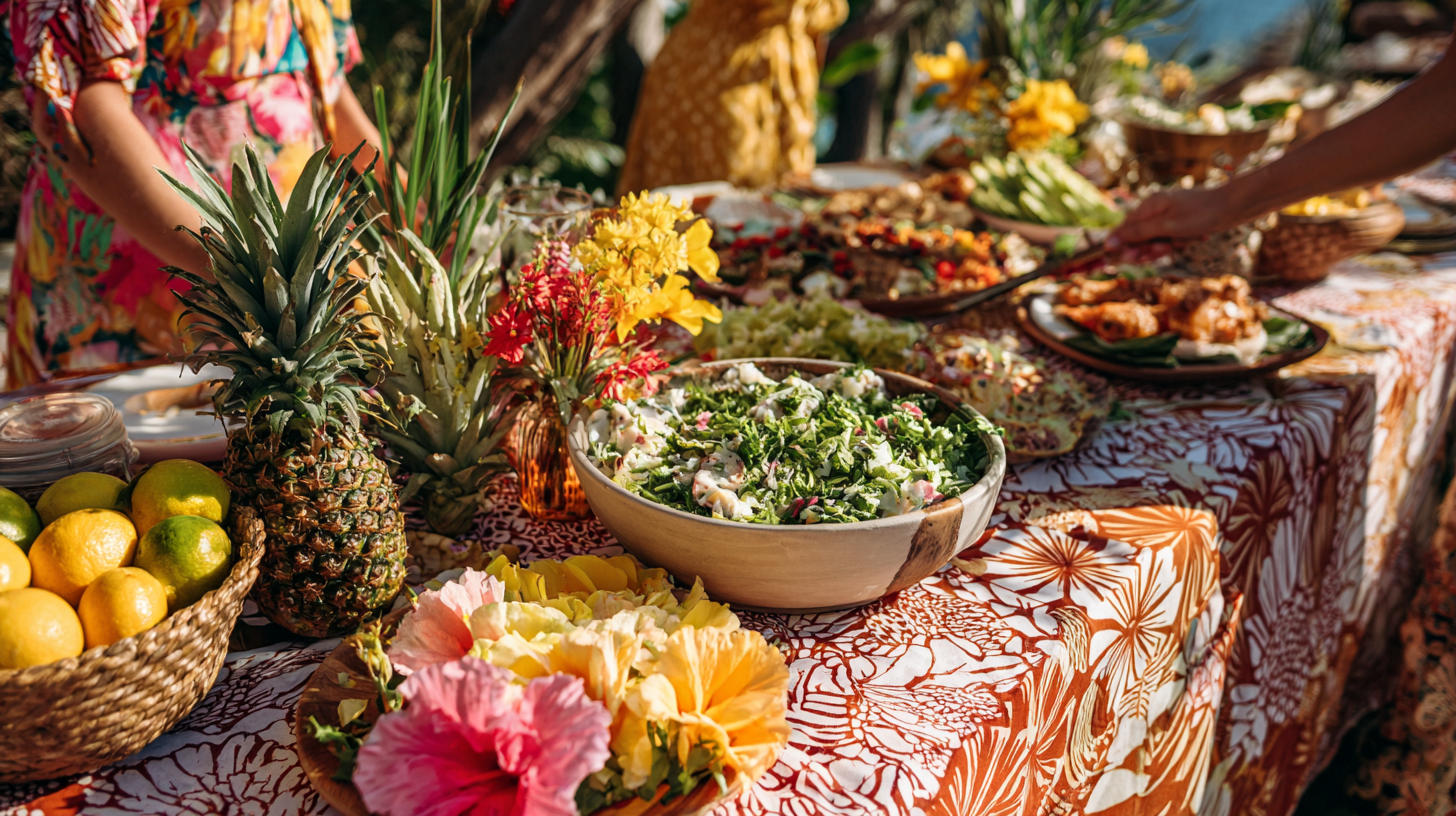
After reviewing hundreds of studies, interviewing families, and watching successful inclusion in action, certain strategies emerge as game-changers. These aren’t theoretical—they’re being implemented right now in schools, camps, and communities around the world with measurable success.
Strategy #1
Replace food-centered celebrations with universally inclusive alternatives: extra recess, special games, creative activities, or “safe-for-all” snacks. This shifts the reward from eating to experiencing together.
Strategy #2
Create formal accommodation plans (like 504 Plans) that specify not just medical needs but social inclusion expectations. Put it in writing that your child sits with peers, participates in activities, and isn’t treated as a burden.
Strategy #3
Launch peer education programs where children learn about allergies through age-appropriate activities. Frame it like learning about any health condition—factual, empowering, and focused on being good friends.
Strategy #4
Develop “safe alternative boxes” that travel with your child to events. Stock them with special treats that make your child excited, not deprived. When everyone else gets cake, your child gets something equally celebratory.
Strategy #5
Build your child’s self-advocacy skills progressively. Start by teaching label-reading together, practice communication scripts, role-play party situations. Confidence comes from competence.
Strategy #6
Connect with specialized support communities—both online and in-person allergy/celiac/diabetes groups where kids meet others “who get it.” Having friends who share the experience is incredibly validating.
These strategies work because they address the root issue: feeling different isn’t the problem; feeling alone in being different is. When we create communities where difference is normalized, where accommodation is seamless, where children feel capable and valued, the dietary restriction becomes just one small part of who they are—not the defining feature that walls them off from joy.
The Confidence Formula: Turning Anxiety into Agency
I want you to think about the difference between a child who shrinks at parties versus one who walks in with their head high, safe-food bag in hand, ready to have fun. What’s the difference? It’s not the severity of the restriction—it’s the internal narrative they’ve built about what their restriction means.
Research on psychological interventions for pediatric food allergies shows that targeted support—teaching anxiety management, building problem-solving skills, and creating positive experiences of safe social eating—significantly improves quality of life. But here’s what strikes me most: the children who thrive aren’t the ones who never worry. They’re the ones who’ve learned to translate worry into action.
Real Scenarios, Real Solutions: Click Each Situation
Scenario: Birthday party invitation arrives for your 7-year-old with multiple allergies
Scenario: Teacher plans cooking activity with ingredients your child can’t touch
Scenario: Your child reports feeling lonely at lunch because they sit alone “for safety”
Scenario: Peer asks loudly, “Why do YOU get different snacks?”
Building confidence isn’t about eliminating fear—that’s impossible when real danger exists. It’s about building a toolkit so robust that fear becomes just one voice among many, not the only voice your child hears. And critically, it’s about shifting the burden off the child’s shoulders alone. Confident kids usually have confident parents who’ve decided: “This restriction doesn’t define us or limit us. It just means we plan a bit differently.”
The Cultural Dimension: When Food Restriction Meets Heritage
Now let’s talk about something that doesn’t get nearly enough attention: what happens when dietary restrictions collide with cultural food traditions. Because if you’re Caribbean, if you’re from any culture where food is love and gathering around the table is sacred, navigating a child’s food allergy or restriction can feel like losing part of your identity.
I’ve watched grandmothers weep when they can’t feed their grandchild their signature dish. I’ve seen families skip cultural celebrations entirely rather than face the complicated conversation about why their child can’t eat what’s served. The isolation deepens because it’s not just the child who feels left out—the entire family can feel disconnected from their community.
But here’s where creativity and determination change everything. Adaptation doesn’t mean abandonment. If your family traditions involve dishes you can’t safely replicate for your restricted child, you have options. You can research alternative versions—and the Caribbean Baby Food Recipe Book includes allergy-friendly adaptations of traditional island dishes that honor flavor profiles while meeting safety needs. You can involve your child in creating “our family’s special version” that becomes its own tradition. You can focus on the non-food elements of celebration—music, stories, rituals—that carry culture just as powerfully as dishes do.
Preserving Heritage While Protecting Health:
Discover how to adapt Caribbean flavors—plantains, yams, coconut, spices, and more—into allergy-conscious recipes that let your child experience their cultural food legacy safely.
Explore Caribbean Baby Food RecipesStudies on immigrant and ethnic minority families navigating food allergies reveal that cultural disconnection adds another layer of stress. Children describe feeling caught between two worlds—unable to participate fully in either their peer culture or their family culture. The solution isn’t choosing one over the other. It’s about building bridges in both directions: educating your cultural community about the medical necessity while finding creative ways to maintain food traditions that keep your child connected to their roots.
School and Social Settings: Designing Inclusion from the Ground Up
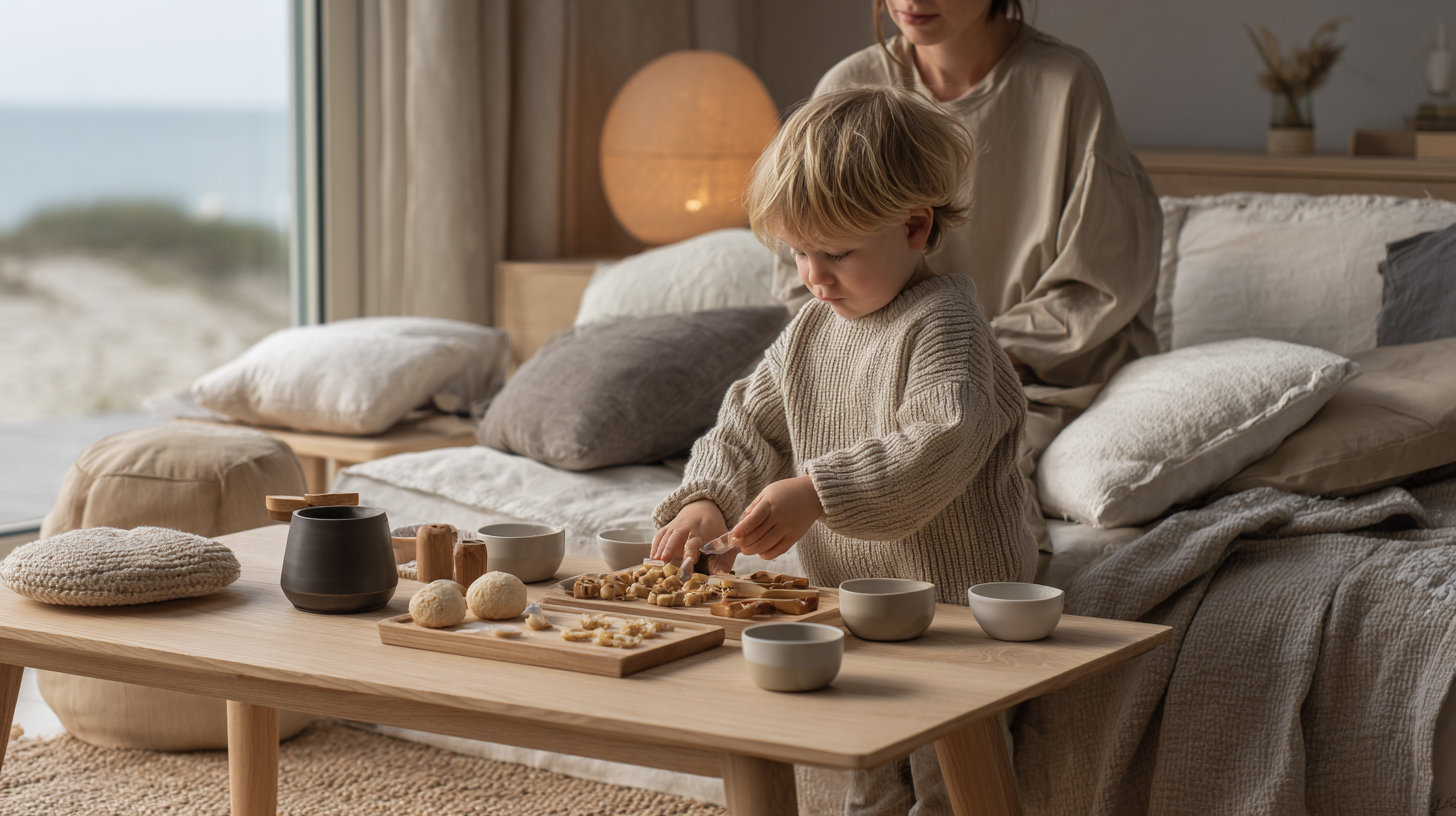
Let’s get tactical. Because all the research and best intentions mean nothing if your child’s actual daily environments—school, sports, scouts, religious education—aren’t structurally set up for inclusion. The difference between a child who thrives and one who withdraws often comes down to whether the adults in charge have thought through inclusion proactively or reactively.
Proactive inclusion looks like this: Before the school year starts, the teacher sends a letter home to all families explaining, “We have students with food allergies. Here’s how we’ll celebrate inclusively this year.” The cafeteria has trained staff who understand cross-contact and can clearly mark safe options. There’s a 504 Plan or equivalent that specifically addresses social participation, not just emergency protocols. Birthday treats are either universally safe or replaced with non-food celebrations. Field trips include your child from the planning stage, with food plans built into the trip logistics—not figured out last-minute as an afterthought.
Reactive inclusion looks like this: You get a call the day of the party saying, “Oh, we’re having pizza. Can you send something for your child?” Your child discovers they’re sitting alone at lunch “for safety.” The coach casually suggests maybe your child should skip the team pizza party. Every single event requires you to fight the same battle, advocate from scratch, educate people who should already know better.
The research from school-based food allergy management programs is unambiguous: comprehensive policies that integrate safety with inclusion, train all staff (not just nurses), educate peers, and normalize accommodation lead to dramatically better psychosocial outcomes. Children in these environments report feeling “normal,” “included,” and “safe,” whereas children in reactive environments report “being a burden,” “feeling different,” and “avoiding activities.”
Your Action Plan: Five Steps to Social Connection (Click to Mark Complete)
List all environments your child navigates. Identify inclusion gaps.
Schedule meetings with teachers, coaches, leaders. Share research on inclusive practices.
Teach your child self-advocacy through role-play and gradual independence.
Connect with support groups online and locally. Arrange playdates with understanding families.
Acknowledge every successful social experience. Build positive associations.
Progress tracked! Each step you complete moves your child closer to confident, connected social experiences.
Here’s the non-negotiable truth: your child has the right to social connection. Not as a privilege someone grants if it’s convenient, but as a fundamental part of healthy development. When schools or organizations push back with “it’s too complicated” or “we can’t accommodate everyone,” push back harder. Point to legal requirements. Share medical evidence about psychological impact. Offer solutions. Bring in outside experts if needed. Your child’s social and emotional health depends on adults creating systems that include them, not exclude them for convenience.
The Peer Education Revolution: Teaching Kids to Be Allies
One of the most powerful shifts happening in progressive schools and communities is the move toward comprehensive peer education. And I don’t mean a one-time “don’t share food” assembly. I mean integrated, age-appropriate curriculum that teaches children about differences, medical conditions, empathy, and allyship from their earliest years.
When done well, this approach transforms the entire social ecosystem. Instead of your child being the weird one with special rules, they become the kid whose friends naturally understand and protect them. Studies of elementary schools that implemented food allergy education programs found significant decreases in bullying and teasing, increases in peer support behaviors, and critically, improvements in how children with allergies felt about themselves and their social experiences.
What does this look like in practice? In kindergarten, it might be a story about a character with a food allergy and discussion about being kind helpers. In third grade, it could be a science unit on immune systems that naturally includes allergies. By middle school, students might learn to read ingredient labels together, discuss cross-contamination, and practice advocacy skills that benefit not just classmates with restrictions but anyone who needs accommodation.
The key is framing. When differences are presented as normal human variation (like different heights, different learning styles, different medical needs), children absorb a mindset of inclusion. When differences are presented as problems or inconveniences, children absorb a mindset of othering. The adults set the tone, and children follow it with remarkable consistency.
If your child’s school isn’t doing this, you can advocate for it. Share research. Connect administrators with organizations that provide free curricula. Offer to present (or have your child present) age-appropriate information. Student-led education—where a child with allergies teaches their classmates about their experience—can be incredibly powerful. It positions your child as the expert and gives peers concrete ways to be good friends.
Technology, Innovation, and the Future of Inclusion
We’re standing at an interesting moment where technology and medical innovation might fundamentally change what food restriction means for children. Oral immunotherapy (OIT) and other desensitization treatments are expanding access, offering some children the possibility of reduced fear and increased flexibility in social eating. Biologics and emerging treatments may further expand options.
But—and this is critical—these innovations bring their own psychosocial considerations. Treatment itself can be burdensome, anxiety-inducing, and time-consuming. Success isn’t guaranteed, and families face complex decisions about risk versus benefit. The pressure to pursue treatment, even when a child is managing well with avoidance, can create new layers of stress. Some children and families find tremendous freedom in treatment; others find it more stressful than the original restriction.
On the community side, digital tools are creating new possibilities for inclusion. Apps that scan ingredient labels, platforms that connect families managing similar restrictions, social media groups where kids share coping strategies—these technologies are building virtual communities that reduce the isolation many families feel. Some schools are using digital communication platforms to easily notify families about upcoming events and coordinate safe food options. Restaurants are creating allergen-friendly menus and training staff in accommodation.
The future likely holds even more innovation—perhaps hypoallergenic versions of common allergenic foods, better diagnostic tools that reduce unnecessary restrictions, policy changes that make inclusion legally required rather than optional. Experts predict continued growth in both food allergy prevalence and societal infrastructure to support inclusion, particularly as numbers reach levels where schools and organizations can no longer treat it as a niche issue.
But technology and medicine alone won’t solve social isolation. Because at the end of the day, inclusion is a choice humans make about how we structure communities. It’s deciding that everyone belongs, everyone gets celebrated, everyone’s needs matter. That’s not something an app or a treatment can do—that’s culture, and culture is built person by person, decision by decision, party by party.
Real Stories: What Success Actually Looks Like
I want to end by painting a picture of what’s possible, because sometimes in the midst of daily management, we lose sight of where we’re heading. Success doesn’t mean your child never feels different. It means they feel different AND connected, restricted AND capable, careful AND joyful.
Success looks like the third-grader who brings her safe cupcake to the party in a special container and all her friends think it’s cool that she has her own version. Success looks like the middle schooler who teaches his basketball team about cross-contamination and they voluntarily choose a restaurant where he can eat safely. Success looks like the teenager who starts a food allergy awareness club and makes her entire school more inclusive for incoming students.
Success looks like the family who adapts traditional recipes—perhaps exploring the Caribbean Baby Food Recipe Book’s approaches to coconut-based, naturally gluten-free dishes like plantain paradise or yam-based purees—so their child grows up tasting their heritage. Success looks like the school that implements a policy change after one family’s advocacy, improving life for every food-allergic student who follows.
Success looks like the moment—and I’ve seen this happen—when a child stops introducing themselves by their restriction and starts introducing themselves by their interests. When the first thing people know about them isn’t what they can’t eat, but who they are.
That transformation doesn’t happen by accident. It happens because adults decided: We will not let food be a wall. We will make it a bridge. We will teach children to navigate their restrictions with confidence. We will restructure environments to include everyone. We will educate communities to understand rather than exclude. We will celebrate differences instead of erasing them.
Your Next Step Starts Now
If you’re reading this with a heavy heart because your child is currently struggling—missing parties, eating alone, feeling left out—I want you to know: it doesn’t have to stay this way. Social isolation from food restrictions is not inevitable. It’s a solvable problem, and the research gives us a roadmap.
Your next step might be scheduling that meeting with your child’s teacher to talk about inclusive celebration practices. It might be connecting with a local or online support group where you’ll meet other families navigating the same challenges. It might be having a conversation with your child where you explicitly say, “Your restriction doesn’t make you less. It doesn’t mean you don’t belong. And we’re going to make sure you have the same amazing childhood everyone deserves.”
It might be exploring food adaptations that let your child experience cultural foods safely—because maintaining connection to heritage through food is powerful. The recipes in resources like the Caribbean Baby Food Recipe Book demonstrate that restrictions don’t mean losing flavor or tradition. They mean adapting thoughtfully so your child can participate in the joy of shared meals.
It might be role-playing party scenarios with your child this weekend, building their confidence script by script. It might be reaching out to another parent at school whose child has restrictions and suggesting a playdate where both kids feel completely normal.
Whatever it is, start there. Because every step toward inclusion, every moment where your child feels they belong despite their restriction, builds the internal foundation they’ll carry into adolescence and adulthood. You’re not just preventing isolation today—you’re teaching them that they have inherent worth, that their needs matter, that difference doesn’t equal deficit.
The birthday parties will keep coming. The school lunches will continue. The celebrations won’t stop happening. But with intention, advocacy, education, and community support, your child can show up to all of it not with dread, but with the quiet confidence of someone who knows: I belong here too. My spot at this table is secure. And these people care enough to make sure I’m included.
That’s not just managing a medical condition. That’s building a life. And your child—your wonderful, resilient, capable child—deserves nothing less.

Kelley's culinary creations are a fusion of her Caribbean roots and modern nutritional science, resulting in baby-friendly dishes that are both developmentally appropriate and bursting with flavor. Her expertise in oral motor development and texture progression ensures that every recipe supports your little one's feeding milestones while honoring cultural traditions.
Join Kelley on her flavorful journey as she shares treasured family recipes adapted for tiny taste buds, evidence-based feeding guidance, insightful parenting anecdotes, and the joy of celebrating food, culture, and motherhood. Get ready to immerse yourself in the captivating world of Kelley Black and unlock the vibrant flavors of the Caribbean for your growing baby, one nutritious bite at a time.
- The Feeding Revolution: Why Your Everyday Meals Are Changing the World - October 13, 2026
- Your Feeding Story Matters More Than The “Perfect” One Online - October 12, 2026
- Looking Forward: Stepping Into Your Confident Feeding Future - October 11, 2026