
The Feeding Journey That Quietly Transforms You Too
One day you realize the same journey that taught your baby to latch, sip, chew, and explore has been quietly rewiring your courage, boundaries, and self-belief too. This is the side of feeding nobody puts in the baby books: how every bottle, boob, puree, and “I don’t want that” reshapes who you are becoming as a parent.
Quick Check: Where Are You In Your Feeding Story?
- 1New to solids and second-guessing every spoonful.
- 2In the picky eating trenches, wondering if fries are a food group.
- 3Juggling allergies, routines, or therapy sessions like a pro nobody claps for.
Feeding is not just about ounces, latch scores, or how many vegetables made it into today’s lunchbox. Researchers now describe feeding as a dense mix of motor learning, social connection, and caregiver effort — a whole little universe where your baby is learning to eat and you are quietly learning who you are as a parent. Around feeding, identity, “good parent” ideals, and self-worth often collide, which is why this journey feels so intense, personal, and sometimes heartbreaking.
What Nobody Told You About Feeding And Identity
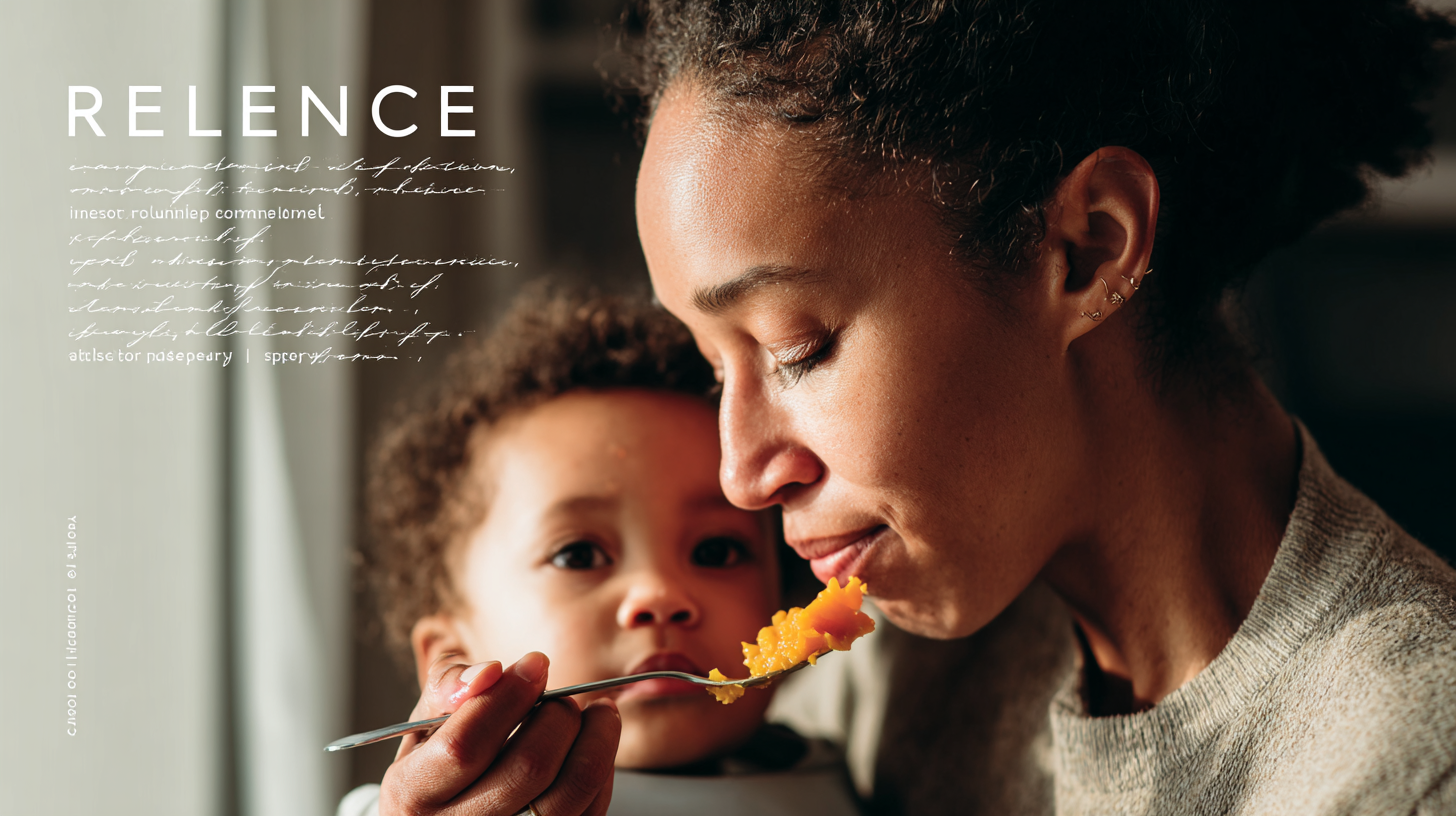
When researchers interview parents about feeding, they repeatedly hear the same pattern: feeding decisions feel like proof of whether you are a “good” parent. When breastfeeding is hard, when pumping drains you, when formula becomes the better choice for mental health, many parents feel as if their identity is on trial. In studies of infant feeding practices, mothers often describe judging themselves not just by what the baby eats, but by how calm, patient, or “natural” they are supposed to be while feeding.
That pressure doesn’t come from nowhere. Culturally, feeding has become a spotlight moment for parenting, especially for mothers. Social media, family expectations, and health messaging can create a narrow picture of what “success” looks like: exclusive breastfeeding for a certain length of time, a rainbow plate at every meal, a baby who eats everything on the first try and never spits it out. When your reality doesn’t match that picture, you might carry quiet shame even when your child is growing well.
Yet the same research also reveals something beautiful: parents constantly adapt, make trade-offs, and choose what matters most in real life, not in theory. Some decide that sleep and mental health come before a rigid feeding ideal. Others find strength in hybrid approaches like combo feeding, baby-led weaning plus purees, or tailoring meals for sensory needs. In the process of making these everyday choices, your values become clearer, your voice grows stronger, and your sense of self shifts from “What should I do?” to “What works for us?”
Tap the moments you’ve lived through, and watch how your “hidden growth bars” fill up.
From Survival Mode To Resilience: What Research Says You’re Building
If you have ever felt like feeding has pushed you past your limits — the cluster feeding, the pumping at work, the refusal of everything but crackers, the carefully measured feeds for a medically complex child — it helps to know that scientists see caregiving as one of the most powerful training grounds for resilience. Studies looking at parents after a child’s serious illness, for example, show that many report profound shifts in priorities, deeper appreciation for everyday moments, and a stronger sense of purpose over time, even while the stress remains very real.
Resilience in this context is not gritting your teeth and pretending you’re fine. It looks more like:
- Feeling knocked down by a setback (like a feeding plan that fails) but slowly trying again with new information.
- Learning to navigate conflicting advice from relatives, professionals, and the internet — and eventually trusting your own judgment.
- Finding small routines that make things feel doable: prepping overnight oats, freezing portions, or having “good enough” fallback meals.
- Letting yourself feel overwhelmed and then reaching for support instead of suffering in silence.
Over time, research suggests that parents who find meaning in what they’ve been through often describe themselves as more compassionate, more grounded, and more confident in setting boundaries. You may notice that you are quicker to speak up when something feels off with your child’s feeding, or more relaxed when plans change. The very stress that once made you feel “behind” becomes proof that you have learned how to bend, not break.
How Self-Compassion Changes Your Feeding Story
A big turning point in many parents’ feeding journeys happens the day they stop talking to themselves like a harsh coach and start talking to themselves like they talk to their child. Self-compassion research shows that when parents treat themselves with kindness instead of criticism, they experience less stress, less shame, and more capacity to respond calmly to tough moments. That means fewer spirals over “she only ate two bites” and more focus on long-term patterns instead of one stressful meal.
Self-compassion has three main pieces: noticing when you’re suffering or triggered, remembering that other parents struggle with this too, and choosing a kind response toward yourself instead of punishment. When applied to feeding, that might look like saying, “Of course I’m upset she threw the food; I’m exhausted and this matters to me. Other parents deal with this too. I’m allowed to feel this and still be a good parent.” This mental shift does not change the mess on the floor, but it does change how quickly you recover, which is a quiet form of growth.
There’s also emerging evidence that when parents practice self-compassion, they show up more warmly and flexibly with their children. In other words, every time you soften your inner voice about feeding — when you forgive yourself for snapping at dinner or for ordering takeout again — you are not only caring for your own heart, you are creating a calmer feeding environment where your child can explore food without absorbing your panic.
Feeding Challenges As Hidden Training: From ICU To Kitchen Table
Not every feeding story is simple. Some families walk through NICU stays, feeding tubes, swallowing evaluations, allergy scares, or long stretches of therapy. In those spaces, feeding routines can feel clinical, high-stakes, and emotionally charged. Research with parents in intensive care and chronic illness settings finds that while distress is very real, many also report something called post-traumatic growth — a sense of inner change that includes new strengths, deeper relationships, and re-ordered priorities.
You do not need a medical diagnosis to experience your own version of this. Maybe you spent months trying to help your child gain weight, or years working around allergies, or countless evenings sitting with a picky eater while relatives criticized. When you look back, you may notice that you:
- Became more assertive with professionals and family members, insisting on accommodations or updated advice.
- Learned to live with uncertainty — not knowing exactly how much your child would eat, or whether a new food would be tolerated.
- Stopped comparing your child’s plate to anyone else’s and started measuring success by safety, comfort, and slow progress.
These are not small shifts. They are identity-level changes. Feeding challenges often force you to confront what matters most: your child’s safety, your family’s values, your mental health. Out of that pressure cooker, a new version of you emerges — one that may be more grounded, more protective of your energy, and less interested in winning the “perfect parent” award.
The Caribbean Table And Your Evolving Confidence
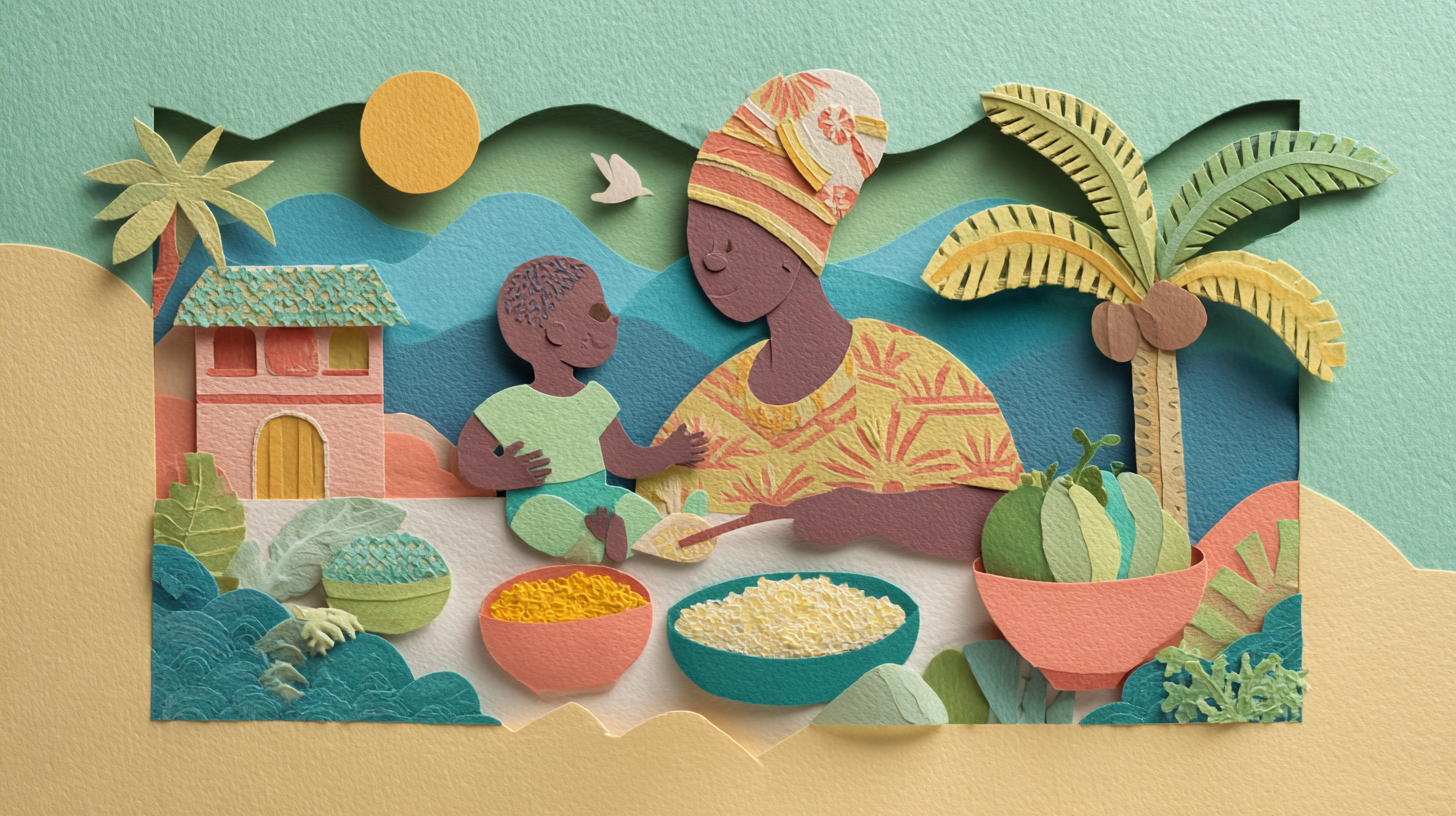
If you are raising your baby in a Caribbean home or with Caribbean roots, feeding is layered with culture, memory, and often a whole chorus of aunties, grannies, and neighbors with strong opinions. There is the joy of introducing foods like pumpkin, callaloo, plantains, and coconut milk — and sometimes the tension between traditional wisdom and modern guidelines. Choosing which parts of your food culture to pass on, which spices to introduce when, and how to adapt recipes for tiny tummies is a powerful act of identity.
Picture the day you first mash calabaza with a little coconut milk, or blend papaya and banana into a silky puree. You are not just feeding calories; you are telling your child, “This is where you come from.” As you tweak recipes — less salt here, more herbs there, extra water for a smoother texture — you might hear older relatives saying, “But we gave them this from three months!” Even in those conversations, you’re growing. You practice holding your ground, honoring culture, and aligning with current safety guidelines all at once.
Caribbean ingredients can be incredible allies in this growth journey. Pumpkin and sweet potato bring gentle sweetness and fiber, plantains add energy and comfort, and coconut milk offers creaminess and healthy fats when used appropriately. If you want ready-made ideas that honor island flavors while staying baby-friendly, a resource like the Caribbean Baby Food Recipe Book: Easy & Healthy Homemade Meals for Infants & Toddlers can help you turn that cultural pride into simple, everyday meals without decision fatigue.
Practical Ways To Notice Your Growth (And Not Just Your Baby’s Percentiles)
The tricky thing about inner growth is that it rarely shows up in your camera roll. You have photos of first purees and birthday cakes, but not of the night you finally forgave yourself for not pumping enough, or the afternoon you calmly sat through a “no” without turning it into a battle. To make this invisible growth visible, you can build small rituals that help you track your transformation alongside your child’s.
Try choosing a simple reflection prompt once a week, like:
- “What did feeding ask of me this week — patience, creativity, advocacy, rest?”
- “When did I surprise myself in a good way at the table?”
- “What did I let go of that used to feel non-negotiable?”
You might keep notes in your phone, whisper them to yourself while washing bottles, or share them with a partner or friend. Over time, you will start to see patterns. Maybe you panic less when your toddler skips a meal. Maybe you are quicker to ask for help when things feel heavy. Those are not just “nice” changes; they are evidence that feeding has been a training ground for your nervous system, your communication, and your sense of worth.
Tap any that feel true. Your personalized reflection will appear below.
Real-Life Scenarios: Seeing Your Growth In Action
Sometimes it’s easier to recognize yourself in someone else’s story. Here are a few composite scenarios drawn from common patterns parents describe in research and real life. As you read, notice which parts feel uncomfortably familiar — that’s often where your biggest growth has been.
First, meet the “all-or-nothing feeder.” She started motherhood determined to breastfeed exclusively, having carefully read the guidelines and prepared every gadget. When latch issues, pain, and exhaustion collided, she pushed past every warning sign until she was sobbing in the dark. Eventually, with support, she added formula and felt both relief and grief. Months later, she describes herself as less rigid, more attuned to her mental health, and more willing to question any rule that erases her needs. The feeding journey forced her to practice self-compassion and flexible thinking — skills she now uses in sleep, discipline, and work decisions too.
Then there’s the parent of a child with allergies and sensory sensitivities. At first, every meal feels like a minefield: reading labels, managing cross-contact, explaining to relatives why certain foods are off-limits, attending therapy sessions. Over time, this parent becomes an efficient advocate — emailing schools, planning safe parties, setting firm boundaries with love. When asked years later what they learned, they talk about persistence, courage, and how much more confident they feel stepping into any health conversation. Feeding was the arena where those muscles formed.
Finally, imagine a Caribbean parent who grew up with strict “finish your plate” rules but now wants a different story for their child. At first, they hear their own parents’ voices in their head every time their toddler refuses food. Through reading, guidance, and trial-and-error, they begin allowing their child to say “all done” and to listen to fullness cues. In the process, they rewrite intergenerational scripts about control, body trust, and respect. The growth is not just about food — it’s about identity, autonomy, and the kind of relationship they want to build.
Supporting Your Growth With Nourishing Tools
Emotional growth is easier when the practical side of feeding feels more manageable. That’s where simple systems, familiar flavors, and trusted recipes come in. For Caribbean-inspired families, leaning on naturally baby-friendly ingredients like pumpkin, plantain, sweet potato, green banana, papaya, coconut milk, and beans can turn “What on earth do I cook?” into “I know exactly what to throw together.”
Dishes like pumpkin with coconut milk, plantain-based mashes, or gentle rice-and-beans blends can be adapted into smooth purees for six-month-olds and chunkier textures for older babies. You can soften yellow yam and carrot into a sunshine-colored mash, create a sweet potato and callaloo mixture with mellow herbs, or try a papaya-banana blend that tastes like a tropical sunrise. As your baby grows, you can gradually increase texture, seasoning, and variety without reinventing your whole kitchen every month.
If your brain feels too tired to plan all of that from scratch, using a guided resource saves time and energy you can put back into rest and connection. A collection like the Caribbean Baby Food Recipe Book: Easy & Healthy Homemade Meals for Infants & Toddlers walks you through age-appropriate recipes built around these familiar ingredients. Following a clear roadmap frees up mental space, which is one of the easiest ways to lower stress and leave more room for the emotional growth you’re doing behind the scenes.
Your Future Self At The Table
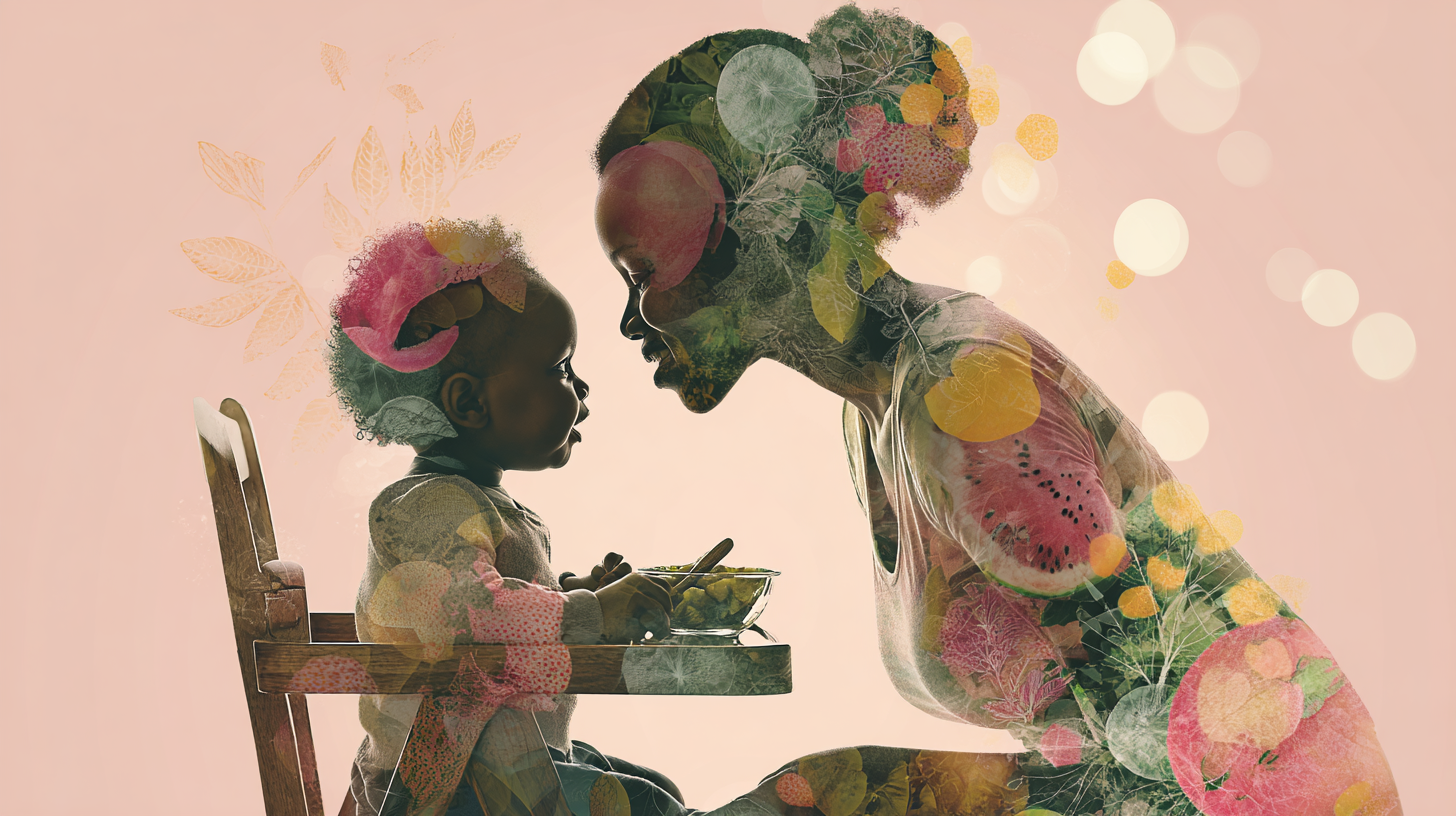
Right now, you might feel like you’re just trying to get through today’s meals without a meltdown (yours or your child’s). But if you zoom out, feeding is building someone you haven’t met fully yet: your future parenting self. This future you is not calmer because life got easier; they are calmer because they have practiced, over and over, how to ride waves of stress, ask for help, and make imperfect choices with intention.
Think about what you wish feeding would feel like a year from now. Maybe you want less fear around allergies, less tension with your co-parent, fewer battles over bites, or more laughter at the table. The good news from research is that small, consistent shifts — like using kinder self-talk, prioritizing connection over control, and trusting your values more than outside noise — add up over time. The you who can do those things is already in training every time you feed your child.
Tap the path that feels most important right now and get a mini “message” from your future self.
Carrying This Transformation Forward
The wildest secret of the feeding journey is this: while your baby is learning to trust their body, you are learning to trust yourself. Every hard choice, every imperfect meal, every late-night cry has been stretching your capacity to love, adapt, and protect. You may not receive a certificate for the resilience you’ve earned, but it’s already shaping your parenting far beyond the high chair years.
As your child grows out of breastmilk, bottles, purees, and toddler meals, the skills you practiced here will travel with you. The self-compassion you learned when you stopped blaming yourself for every bite will serve you when school gets complicated. The advocacy muscles you built asking for allergy-safe options will help you speak up in classrooms and doctor’s offices. The cultural confidence you grew by choosing which recipes to pass down will echo in every story you tell your child about where they come from.
If you want support that honors both your baby’s nutrition and your emotional bandwidth, it’s okay to lean on tools that make the practical side easier. Caribbean-inspired recipes designed specifically for babies and toddlers, like those in the Caribbean Baby Food Recipe Book: Easy & Healthy Homemade Meals for Infants & Toddlers, allow you to nourish your child with familiar flavors while you continue growing into the parent you’re becoming.
Tonight, when you rinse out the bottles or scrape the plate, pause for a second. Notice one way feeding has changed you for the better — maybe you’re more patient, more vocal, more thoughtful, more rooted in who you are. Your child is not the only one who is growing at the table. This journey is making you, too.

Kelley's culinary creations are a fusion of her Caribbean roots and modern nutritional science, resulting in baby-friendly dishes that are both developmentally appropriate and bursting with flavor. Her expertise in oral motor development and texture progression ensures that every recipe supports your little one's feeding milestones while honoring cultural traditions.
Join Kelley on her flavorful journey as she shares treasured family recipes adapted for tiny taste buds, evidence-based feeding guidance, insightful parenting anecdotes, and the joy of celebrating food, culture, and motherhood. Get ready to immerse yourself in the captivating world of Kelley Black and unlock the vibrant flavors of the Caribbean for your growing baby, one nutritious bite at a time.
- The Feeding Revolution: Why Your Everyday Meals Are Changing the World - October 13, 2026
- Your Feeding Story Matters More Than The “Perfect” One Online - October 12, 2026
- Looking Forward: Stepping Into Your Confident Feeding Future - October 11, 2026