The Sweet Truth Nobody Tells You: Why Your Family’s Sugar Journey Starts With What You Already Love
Discover Your Family’s Sweetness Reset Timeline
Your taste buds are more adaptable than you think. Research shows that gradual reduction works because our palates physically recalibrate when we give them time. Click on a timeline to see what happens to your family’s perception of sweetness:
Here’s what no sugar reduction article tells you: your child already knows what real sweetness tastes like. They were born preferring the subtle sweetness in breast milk—around 7% lactose. Then somewhere along the way, we introduced them to foods that hijacked that natural preference. The shocking truth? We don’t need to eliminate sweetness. We need to remember what it originally was.
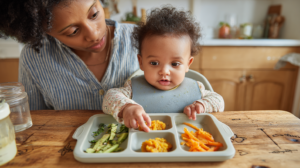
I learned this lesson the hard way when my little one started turning away from perfectly ripe mango slices because they “weren’t sweet enough.” That was my wake-up call. Not because she was being difficult, but because her taste buds had been recalibrated by all those “healthy” toddler snacks that contained more sugar than a cookie. The ingredients label said “no added sugar,” but the fruit concentrates told a different story.
Most families approach sugar reduction like going cold turkey—tossing every sweet thing in the house and replacing it with stevia-laden alternatives. But research from the University of Minnesota in 2025 reveals something revolutionary: gradual sugar reduction over 8-12 weeks decreases sugar intake without changing people’s preferences or enjoyment of food. Your family doesn’t need to suffer through bitter substitutes. They need time to rediscover what sweetness actually means.
The Science Behind Your Sweet Tooth
Let’s talk about what’s really happening in your body when you eat something sweet. The World Health Organization made headlines in 2023 when they advised against using non-sugar sweeteners for weight control, stating that replacing sugar with artificial alternatives doesn’t address the underlying issue: our heightened expectation of sweetness. Think of it this way—if you’re used to listening to music at volume 10, turning it down to volume 5 feels wrong initially. But after a few weeks at volume 5, you can hear every instrument clearly. Your ears adjusted. The same happens with sugar.
Current data shows that Americans aged 2 and older get 13.2% of their daily calories from added sugars, when health authorities recommend keeping it under 10% (ideally 5%). For a family of four, that’s equivalent to consuming an extra 500 calories daily from sugar alone—calories that provide zero nutritional value. But here’s where it gets interesting: 64% of global consumers actively try to reduce sugar, yet many fail because they rely on artificial sweeteners that maintain the same sweetness intensity. It’s like trying to quit smoking by switching to candy cigarettes—you’re still reinforcing the habit.
The food industry has caught on. Between 2020 and 2023, “no added sugar” product launches increased by 4.2%, but many still use concentrated fruit juices, dates, and other natural sweeteners that spike blood sugar just as dramatically as table sugar. The label might say “naturally sweetened,” but your pancreas can’t tell the difference between fructose from organic apple juice concentrate and fructose from high-fructose corn syrup.
Sugar Myths That Keep Families Stuck
Click each myth to reveal the truth that research actually shows:
Why Artificial Sweeteners Keep You Trapped
The WHO’s 2023 guidelines sent shockwaves through the health community, but the message was clear: non-sugar sweeteners don’t help with long-term weight management and may increase the risk of type 2 diabetes and cardiovascular disease with prolonged use. But the problem runs deeper than health risks. Artificial sweeteners maintain your dependence on intense sweetness.
Consider this: sucralose (Splenda) is 600 times sweeter than sugar. Stevia can be 200-300 times sweeter. When your taste receptors are constantly bombarded with hyper-sweet stimuli, naturally sweet foods like strawberries or carrots taste bland by comparison. You’re essentially training your palate to reject real food. One mother in a Reddit parenting forum shared her family’s experience attempting no-sugar guidelines: “We tried replacing everything with stevia for a month. The kids still craved sweets constantly because everything tasted candy-sweet. When we switched to gradual reduction with real food, the cravings actually decreased.”
Expert nutritionists emphasize that “clean-label” and authentic flavor are driving market trends away from artificial sweeteners. Food technology companies are now developing innovative natural sweetener systems using dried fruits, sweet proteins from plants, and enzyme technologies that enhance existing sweetness in foods rather than adding concentrated sweeteners. But here’s what matters for your family: you don’t need to wait for food manufacturers to get it right. You can start training your palate today.
The Caribbean Secret to Natural Sweetness
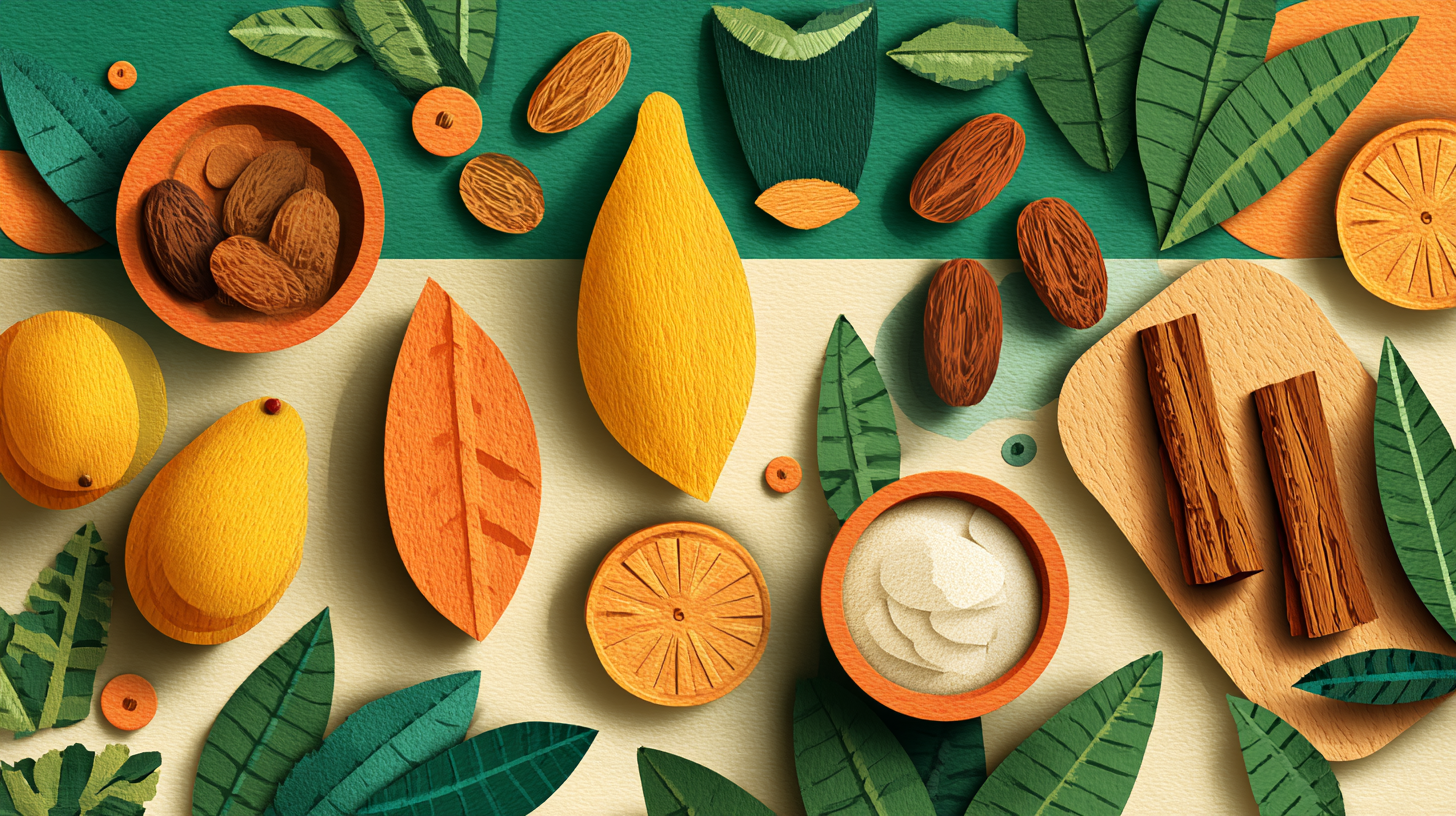
Growing up, my grandmother never added sugar to her sweet potato pudding. She’d roast the sweet potatoes until the natural sugars caramelized, then blend them with coconut milk, cinnamon, nutmeg, and a touch of vanilla. The result? A dessert so rich and naturally sweet that adding sugar would have ruined it. Caribbean cooking traditions have long understood what food scientists are just now confirming: whole foods contain enough natural sweetness when prepared properly.
Take calabaza (Caribbean pumpkin)—when roasted, its sugars concentrate and develop a honey-like sweetness. Ripe plantains become candy-sweet when pan-fried in their own natural sugars. Green papaya, while not sweet raw, develops subtle sweetness when cooked slowly. These ingredients form the foundation of naturally sweet family meals that don’t require any added sugars. If you’re looking to introduce these flavors to your little ones, the Caribbean Baby Food Recipe Book offers over 75 recipes featuring ingredients like sweet potatoes, mangoes, coconut milk, and plantains—teaching babies authentic island flavors while building a foundation for naturally sweet preferences.
Hidden Sugar Reality Check
Select the foods your family regularly eats. Watch the total added sugar accumulate. The American Heart Association recommends no more than 25g daily for children aged 2-18.
The data is sobering. One study tracking sugar-sweetened beverage consumption found that low-income families consume significantly more added sugars, but those participating in nutrition programs like WIC showed reduced intake. Access to education and whole foods makes the difference. You don’t need expensive organic products or specialty stores—you need information and simple swaps.
The Gradual Reduction Method That Actually Works
Here’s the method that research validates and families successfully implement: reduce sugar by 10% every two weeks. Your taste buds need approximately 2-3 weeks to adjust to a new sweetness baseline. Rush it, and you’ll face resistance and cravings. Honor the adaptation period, and the process feels almost effortless.
Start by identifying your family’s primary sugar sources. For most families, it’s beverages (juice, chocolate milk, sweet tea), breakfast foods (cereal, yogurt, pancakes), and snacks (granola bars, fruit snacks, cookies). Choose one category to address first. Let’s say it’s breakfast. If you’re currently adding 2 tablespoons of sugar to oatmeal, reduce to 1.5 tablespoons for two weeks. Then 1 tablespoon. Then half a tablespoon. Eventually, you’ll boost sweetness with mashed banana, a handful of berries, or a sprinkle of cinnamon—and it will taste perfectly sweet.
Real families who’ve shared their success stories emphasize consistency and patience. One parent described their journey: “We removed all refined sugar from our home and started making homemade versions of everything—chia seed jam instead of regular jam, unsweetened yogurt with fruit instead of flavored yogurt. The first two weeks were rough. By week three, something shifted. My kids stopped asking for the sweet stuff. Now, six months later, they actually prefer less sweet foods. My daughter said store-bought cookies taste ‘too sweet’ now.”
The key is focusing on what you’re adding, not just what you’re removing. Enhance flavor with warming spices: cinnamon, vanilla, nutmeg, cardamom, ginger. These create a perception of sweetness without adding sugar. Roast vegetables to caramelize their natural sugars. Use coconut milk to add creamy sweetness to smoothies and porridge. Blend dates into energy balls instead of using honey or syrup. When you introduce your little one to foods like Calabaza con Coco or Sweet Potato Sunshine blends, you’re teaching them that sweetness comes from real ingredients, not packets and bottles.
Teaching Real Food Sweetness to Children
Children aren’t born craving Skittles-level sweetness. They develop it through exposure. The beautiful news? You can reverse it through exposure too. But it requires reframing how you talk about food. Instead of labeling foods as “healthy” (translation: tastes bad but you should eat it) versus “treats” (translation: tastes good but you can’t have it often), talk about how foods make bodies feel.
“This mango is so sweet and juicy—it gives your body energy to run and play.” “These sweet potato fries are naturally sweet because sweet potatoes grow in the ground with sunshine and water.” Emphasize the inherent qualities of whole foods rather than positioning them against processed alternatives. Research shows that when children understand where food comes from and why certain foods help their bodies, they make better choices independently.
Real Sweetness Recognition Quiz
Test your knowledge: Which of these foods is naturally sweetest per 100g serving? (Click to reveal the answer)
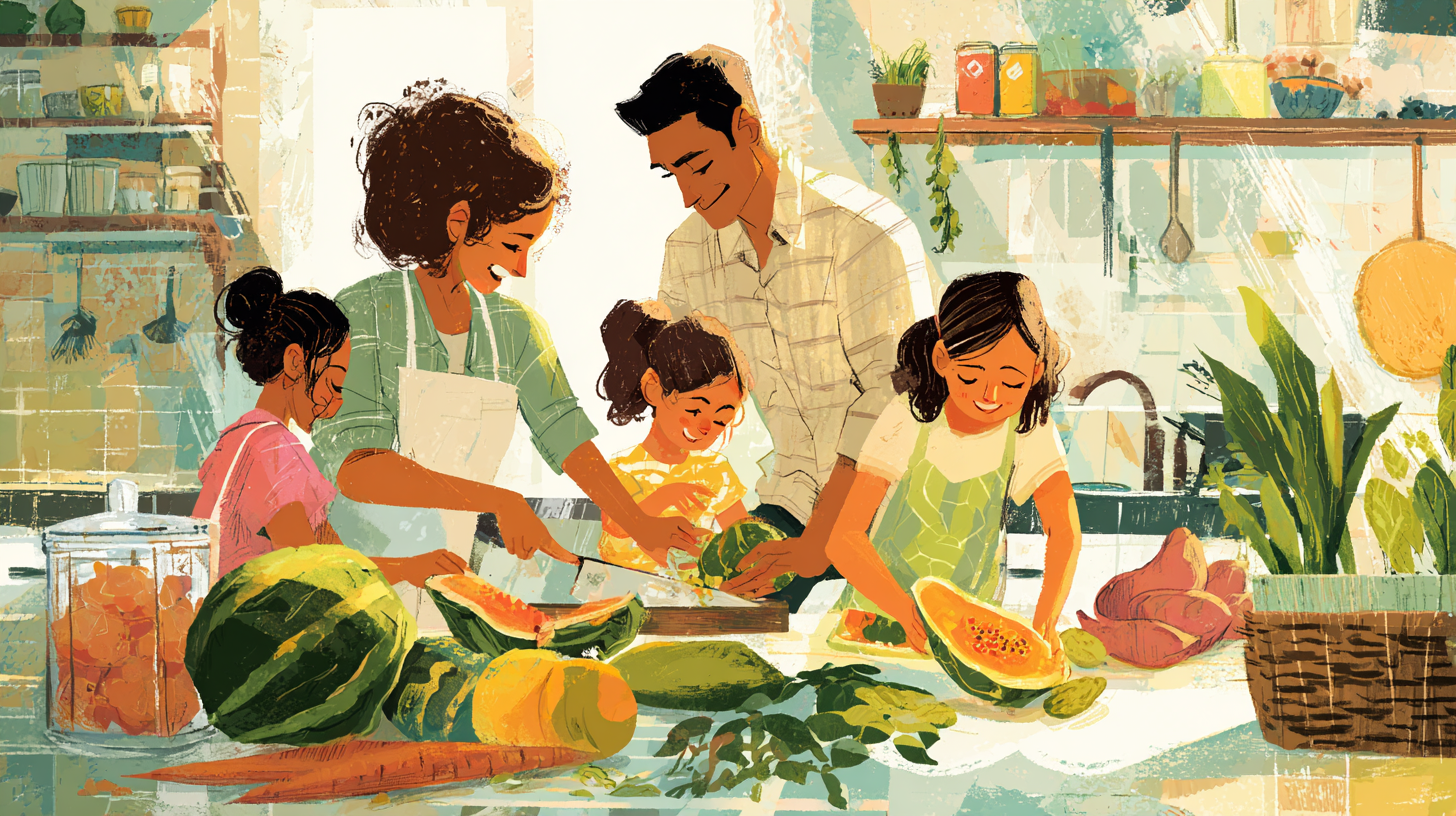
Get your children involved in preparation. When they help roast sweet potatoes and watch them caramelize, they understand that sweetness develops through cooking. When they blend frozen bananas into “nice cream,” they learn that fruit becomes naturally sweeter when frozen and blended. These aren’t just cooking lessons—they’re taste education that lasts a lifetime.
Set realistic expectations. Your five-year-old who’s been drinking apple juice daily for three years won’t immediately love water. But if you dilute that juice by 25% every week, adding water gradually, their taste buds adjust without rebellion. Within a month, they’re drinking lightly flavored water. Within two months, plain water tastes refreshing. Suddenly, you’re not the parent fighting to get your kid to drink water—you’re the parent whose kid actually prefers it.
Navigating the Outside World
Here’s where most families struggle: you’ve successfully reduced sugar at home, and then your child goes to a birthday party and comes back asking why their snacks don’t taste like the ones at Emma’s house. This is the reality of living in a sugar-saturated culture. You can’t control everything, and trying to will drive you (and your kids) crazy.
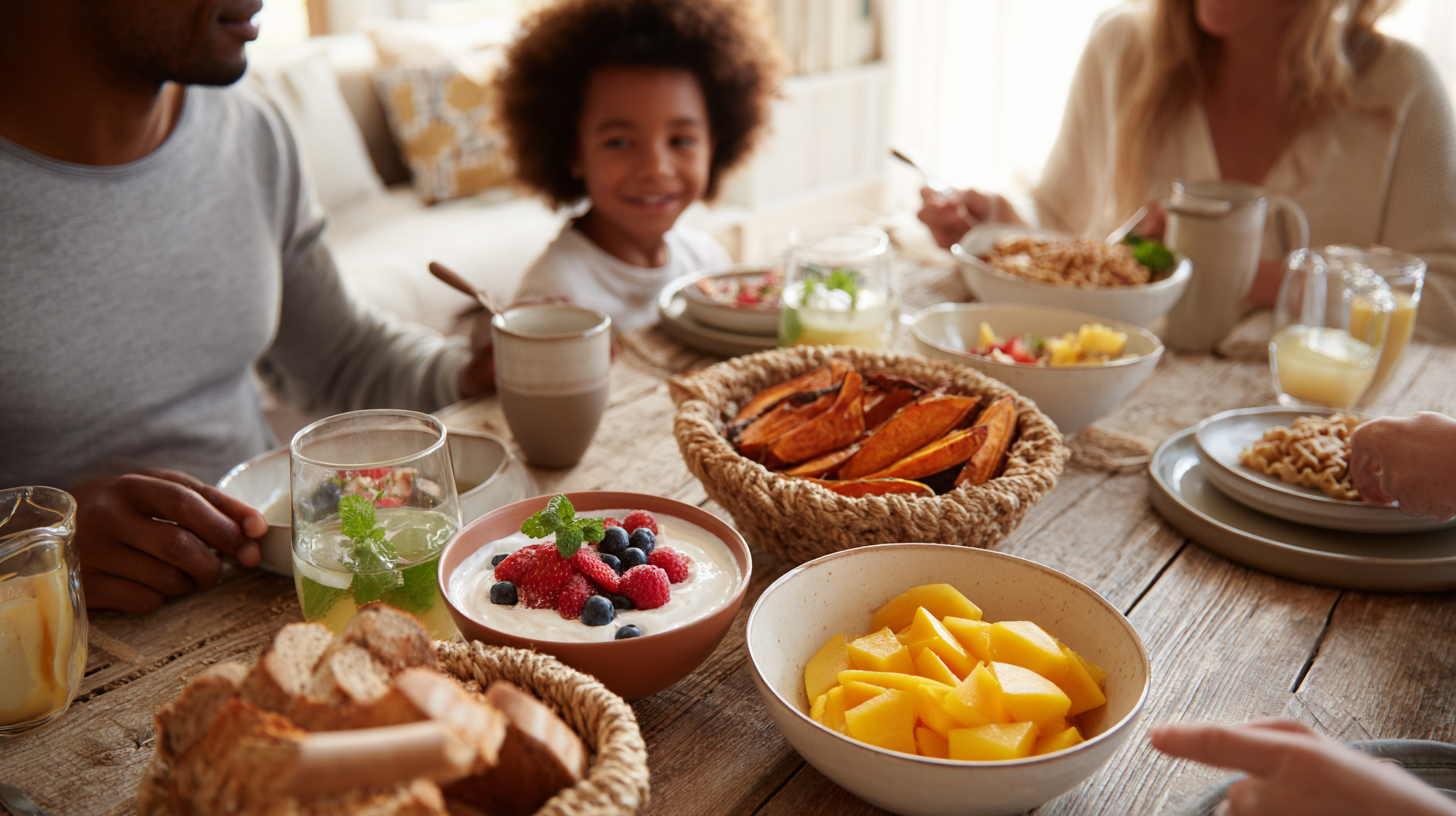
The solution isn’t restriction—it’s foundation. When 80-90% of your family’s diet consists of whole, naturally sweet foods, the occasional birthday cake or Halloween candy doesn’t derail anything. Your children’s baseline preferences are set by what they eat regularly, not occasionally. Plus, many parents report that after several months of reduced sugar intake, their kids self-regulate at parties. They’ll have some cake and then stop because it tastes “too sweet” or makes their “tummy feel weird.”
Social pressure is real. Other parents might question your choices or make comments about your child being “deprived.” But here’s what matters: you’re not depriving your child of sugar. You’re giving them the gift of tasting real food. You’re protecting them from the health consequences that 64% of adults are now scrambling to address by reducing their own sugar intake. You’re setting them up for a lifetime of actually enjoying strawberries instead of needing them dipped in chocolate to find them palatable.
The 12-Week Transformation Timeline
Research confirms that meaningful palate change happens between 8-12 weeks. Here’s what families typically experience in each phase:
Weeks 1-3: The Resistance Phase. This is the hardest part. Your family notices the changes. Kids might complain. You might question whether it’s worth it. Push through. Use distractions, involve them in cooking, try new naturally sweet foods. The cravings are peak during this phase because your taste receptors are still calibrated to higher sweetness levels.
Weeks 4-6: The Breakthrough. Something shifts. Foods that tasted bland three weeks ago suddenly taste pleasant. An apple tastes genuinely sweet. Roasted carrots are surprisingly satisfying. The constant requests for sweets decrease noticeably. This is when families start believing the process actually works.
Weeks 7-10: The New Baseline. Your family’s taste preferences have genuinely changed. Processed foods taste overly sweet and artificial. You can taste individual flavors in foods that previously tasted one-dimensional. Natural sweetness from whole foods feels satisfying instead of disappointing. You’re not white-knuckling it anymore—you genuinely prefer less sweet foods.
Weeks 11-12 and Beyond: The Lifestyle Shift. Reduced sugar is now your normal. You don’t think about it constantly. Your children don’t beg for sweets because their baseline cravings have decreased. When they do have something sweet, they’re satisfied with smaller portions. You’ve successfully rewired your family’s relationship with sweetness.
✨ Your Family’s Sugar Reduction Milestones
Track your progress! Click each milestone as your family achieves it:
Practical Swaps Your Family Will Actually Accept
Theory is helpful, but you need actionable strategies. Here are the swaps that families report having the highest success rate:
Breakfast Revolution: Replace sugary cereal with overnight oats made with mashed banana, cinnamon, and a handful of berries. The texture is creamy, the sweetness is natural, and kids love customizing their toppings. Instead of flavored yogurt (19g sugar per cup), buy plain Greek yogurt and stir in fresh fruit. Add a drizzle of vanilla extract for perceived sweetness without sugar. Swap pancakes with syrup for sweet potato pancakes that are naturally sweet and require zero added sugar.
Beverage Transformation: This is often the biggest source of added sugar. Instead of juice boxes, make fruit-infused water—kids love the ritual of adding berries and mint to their water bottles. Replace chocolate milk with a blend of regular milk, a touch of cocoa powder, and mashed banana. Instead of sweet tea, try hibiscus tea with a slice of orange—naturally tart and refreshing. Smoothies should focus on whole fruits (especially frozen banana for creaminess) rather than juice bases. The Papaya & Banana Sunshine blend makes a perfect naturally sweet smoothie base that toddlers and older kids both love.
Snack Strategies: Ditch the granola bars (basically cookies marketed as health food) and make energy balls with dates, oats, nut butter, and cacao powder. Replace fruit snacks with actual fruit—but make it fun. Frozen grapes taste like candy. Apple slices with a sprinkle of cinnamon and a side of almond butter are satisfying and naturally sweet. Roasted chickpeas with cinnamon and a tiny bit of coconut sugar satisfy the crunchy-sweet craving with a fraction of the sugar.
Dessert Redesign: You don’t have to eliminate dessert—just redefine it. Blend frozen bananas with cocoa powder for chocolate “ice cream.” Bake apples with cinnamon and a handful of oats on top. Make chia pudding with coconut milk, vanilla, and topped with fresh berries. These desserts feel indulgent but get their sweetness from whole foods. Over time, these become your family’s preferred desserts—not because they’re “healthy,” but because they genuinely taste good.
The Challenges Nobody Warns You About
Let’s be honest about the obstacles. First, preparation time increases initially. Making homemade snacks takes longer than grabbing a box of granola bars. But here’s the trade-off: within a month, your kids stop constantly requesting snacks because whole foods keep them satisfied longer. The time you invest upfront pays dividends in reduced snack demands.
Second, you’ll face social judgment. Other parents might comment that you’re being “too strict” or that “a little sugar never hurt anyone.” These comments come from a place of defensiveness—when people see you making changes they’re not ready to make, they sometimes project their discomfort onto you. Stay grounded in your why. You’re not judging their choices; you’re making informed decisions for your family.
Third, cost can be a concern. Processed foods are often cheaper upfront than whole foods. But when you factor in that whole foods keep kids fuller longer (reducing total food consumption) and may reduce future healthcare costs from diet-related diseases, the economics shift. Plus, many naturally sweet whole foods are budget-friendly: sweet potatoes, carrots, bananas, oats, beans, and seasonal fruits. You don’t need expensive superfood powders and fancy natural sweeteners—basic whole foods do the job.
Fourth, consistency across caregivers is challenging. If your kids spend time with grandparents who express love through cookies, or attend a school that serves sweetened foods at every meal, maintaining reduced sugar feels impossible. The solution is communication and compromise. Explain your goals to caregivers and find middle ground. Maybe grandma’s cookies become a once-a-week special occasion rather than an every-visit tradition. Maybe you send your child’s lunch to school rather than relying on cafeteria options. Perfect consistency isn’t possible or necessary—directional consistency is what matters.
Expert Voices and Emerging Research
Leading nutritionists and food scientists are increasingly advocating for gradual reduction over elimination or substitution. Industry insights show that consumers want “sweetness optimization”—finding the minimum amount of sweetener needed for palatability while maximizing natural flavor. This approach aligns with how Caribbean and other traditional food cultures have always cooked: celebrating the inherent sweetness of quality ingredients rather than masking flavors with added sugar.
Social media communities dedicated to natural sugar reduction are growing rapidly. Parents share strategies, recipes, and encouragement. The recurring theme? Gradual change works, cold turkey fails. One viral post from a mother of three described her family’s journey: “Six months ago, my kids would only eat foods if they were sweet enough. Now they genuinely enjoy roasted vegetables, plain yogurt with fruit, and water. I’m not a perfect parent—we still have treats—but the baseline has completely shifted. I wish I’d known this was possible years ago.”
Emerging research on taste adaptation shows that our palates are remarkably plastic. Studies tracking people who reduced salt intake found similar patterns: initial resistance, breakthrough around week 3-4, and complete adaptation by week 8-12. The same neurological pathways apply to sweetness. Your brain isn’t hardwired to need intense sweetness—it learned that preference, and it can unlearn it.
Looking Forward: The Future of Family Nutrition
Government health agencies are strengthening recommendations around sugar reduction. The Healthy People 2030 initiative targets reducing added sugar consumption to 11.5% of daily calories for people aged 2+. Food manufacturers are responding with innovations in natural sweetener technologies—not to give us more ways to maintain high sweetness, but to help transition to lower sweetness baselines gradually.
Future trends point toward better ingredient transparency and more whole food options in mainstream stores. Parents are demanding—and getting—access to foods that make natural sugar reduction easier. Five years ago, finding unsweetened yogurt in single-serve containers for kids’ lunchboxes was nearly impossible. Now it’s on most grocery store shelves. Change is happening, both in the food supply and in family awareness.
The opportunity here is generational. If you successfully shift your family to naturally sweet preferences now, your children grow up with taste calibration that protects them from the health struggles their generation might otherwise face. They’ll be the adults who instinctively choose whole foods not because they’re “healthy,” but because that’s what tastes good to them. That’s the ultimate gift: not restriction, but recalibration.
Your First Step Starts Today
You don’t need to overhaul your entire kitchen tonight. You don’t need to announce to your kids that everything is changing. You don’t need special products or expensive ingredients. You just need to start with one small 10% reduction in one category.
Maybe it’s reducing the sugar in your morning coffee by half a teaspoon. Maybe it’s diluting juice with 25% water. Maybe it’s buying plain yogurt instead of flavored this week and stirring in fresh berries at home. Maybe it’s trying one naturally sweet recipe from Caribbean cuisine—like Plantain Paradise or Cornmeal Porridge Dreams—that shows your family how delicious naturally sweet foods can be.
The magic isn’t in perfection. It’s in consistency over time. It’s in trusting the science that says your taste buds will adapt if you give them the chance. It’s in believing that your family’s future health is worth the initial discomfort of change.
Remember that mother at the beginning whose daughter thought mangoes weren’t sweet enough? Three months into gradual sugar reduction, her daughter now asks for “the really sweet yellow mango” as her after-school snack. The mangoes didn’t change. Her daughter’s palate did. That’s the transformation waiting for your family too. You don’t need to eliminate sweetness from your lives—you need to remember what sweetness was always meant to be. And that journey doesn’t start someday when you’re ready with a perfect plan. It starts today with one small step toward the natural sweetness that’s been waiting all along.

Kelley's culinary creations are a fusion of her Caribbean roots and modern nutritional science, resulting in baby-friendly dishes that are both developmentally appropriate and bursting with flavor. Her expertise in oral motor development and texture progression ensures that every recipe supports your little one's feeding milestones while honoring cultural traditions.
Join Kelley on her flavorful journey as she shares treasured family recipes adapted for tiny taste buds, evidence-based feeding guidance, insightful parenting anecdotes, and the joy of celebrating food, culture, and motherhood. Get ready to immerse yourself in the captivating world of Kelley Black and unlock the vibrant flavors of the Caribbean for your growing baby, one nutritious bite at a time.
- The Feeding Revolution: Why Your Everyday Meals Are Changing the World - October 13, 2026
- Your Feeding Story Matters More Than The “Perfect” One Online - October 12, 2026
- Looking Forward: Stepping Into Your Confident Feeding Future - October 11, 2026