
Oil-Free Cooking: The Truth About When It Works (And When You Actually Need That Tablespoon)
Discover Your Oil-Free Cooking Readiness
Let’s find out which oil-free approach fits YOUR family’s lifestyle right now…
Just Starting
I want to try reducing oil but need simple swaps
Health Goals
I’m focused on weight management and heart health
Feeding a Family
I need practical methods that kids will actually eat
⚖️ Balanced Approach
I want flexibility—mostly oil-free with occasional use
Here’s something nobody tells you when you’re standing in your kitchen, bottle of olive oil in hand, wondering if you’re slowly poisoning your family with every sauté: oil-free cooking isn’t an all-or-nothing game. And the people shouting the loudest about it from both sides? They’re usually selling something—either expensive cookware or yet another diet book.
Last Tuesday, my neighbor caught me roasting sweet potatoes—no oil, just a sprinkle of cumin and some vegetable broth—and she looked at me like I’d announced I was joining a cult. “But how do they taste?” she whispered, as if flavor itself had been outlawed. Two hours later, her seven-year-old was asking for seconds, and suddenly she wanted to know everything about this “magic” cooking method.
The truth? Oil-free cooking works brilliantly in some situations and fails spectacularly in others. After diving deep into the research, talking to nutritionists, and burning enough vegetables to fuel a small bonfire, I’ve learned that success lies in understanding when to skip the oil and when to use just a touch. Because between the “oil is poison” extremists and the “butter makes everything better” traditionalists lies a practical middle ground where most families actually live.
The Science Nobody Wants You to Know
Let’s start with the uncomfortable truth that’s currently sending shockwaves through the food industry: seed oil consumption has exploded over the past century, now accounting for 20% or more of daily calories in American diets. Research from 2024 and 2025 shows a dramatic 216% year-over-year increase in demand for seed oil-free certified products, with some categories spiking by 410% in just twelve weeks. Something is clearly shifting in how families think about cooking fats.
But here’s where it gets interesting—and where the Internet warriors on both sides start throwing nutritional studies at each other like dodgeballs. Oil-free cooking isn’t just some wellness trend cooked up by Instagram influencers with too much time and too many mason jars. Scientific research from 2023 examining covered oil-free cooking processes found that preparing meats without oil reduces indoor air pollutants, cuts fat intake, and lowers overall calorie consumption without sacrificing protein quality. The lamb in that study? Cooked beautifully without a single drop of oil.
Yet nutrition experts maintain that fat-soluble vitamins—A, D, E, and K—require some dietary fat for absorption. This is where the “balanced approach” stops being a cop-out and starts being actual wisdom. Your body needs fat. The question is: how much, from what sources, and does it need to come from heated, refined cooking oils?
Major restaurant chains have begun reformulating entire menus in response to consumer pressure. Fresh Kitchen eliminated all seed oils from their offerings in 2025 after overwhelming customer feedback. But they didn’t eliminate fat entirely—they shifted to whole food sources and strategic cooking methods that preserve flavor while addressing health concerns.
Water Sauté: The Technique That Changes Everything
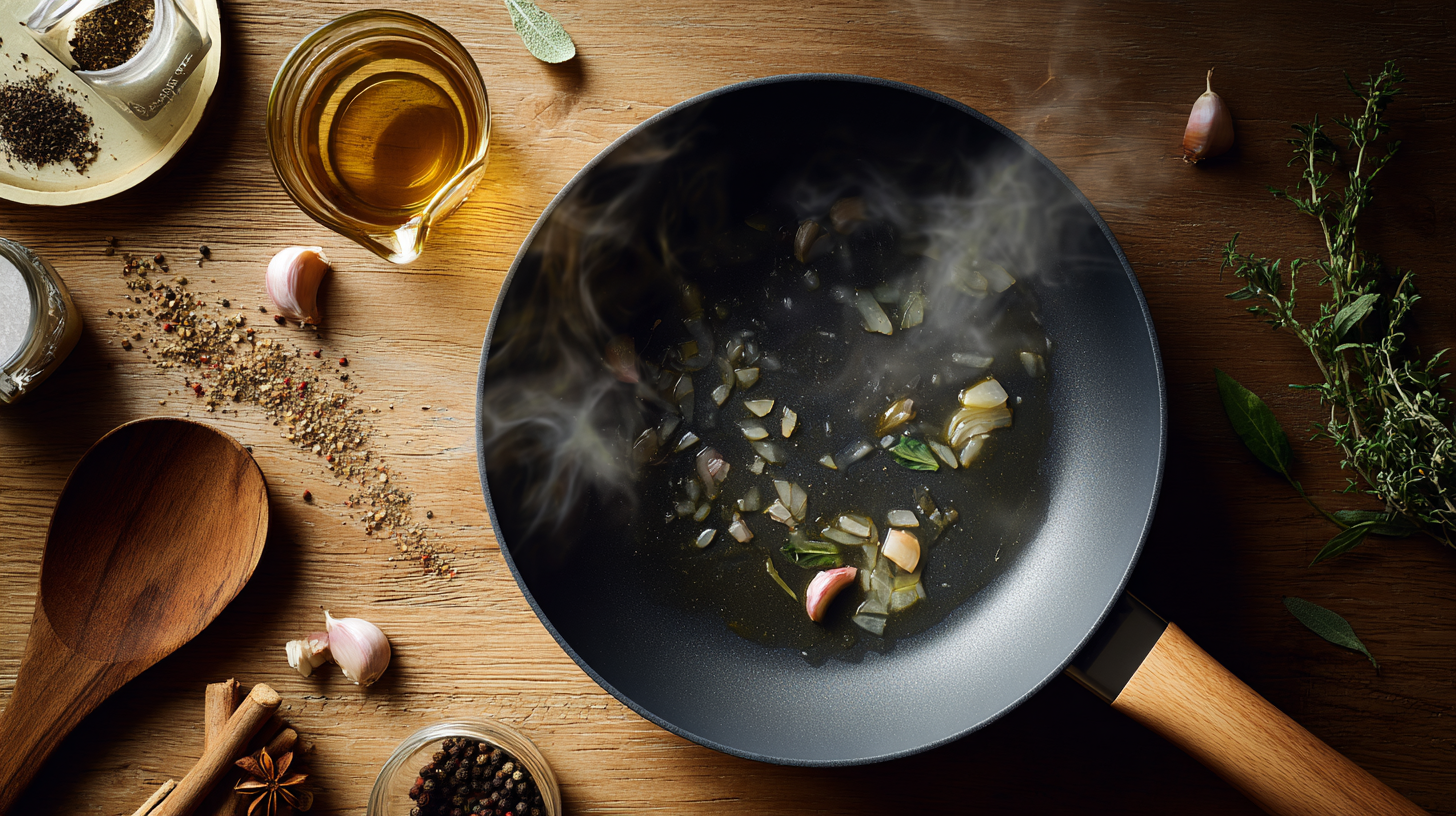
This is where rubber meets road, or more accurately, where vegetable meets pan. Water sautéing sounds impossibly simple because it is: you replace oil with small amounts of water or vegetable broth, creating steam that cooks your vegetables while allowing some caramelization when done correctly.
The technique works like this: heat your pan to medium or medium-low, add two tablespoons of water (more for larger pans), then add your chopped vegetables. The key—and this is where most people mess up—is not stirring constantly. Let those onions sit for a minute or two. Let them get friendly with the pan. That’s when the magic happens and you get actual browning instead of sad, steamed vegetables that taste like regret.
The Water Sauté Flavor Calculator
Find out how much flavor you’re actually adding with different liquids…
Professional chefs using oil-free techniques recommend starting with a dry pan for maximum caramelization, then adding liquid only when vegetables begin to stick. This “dry sauté” method—used successfully in plant-based cooking demonstrations—produces genuinely browned onions and garlic without the 120 calories per tablespoon that oil adds. For a Caribbean twist, try water sautéing your onions and peppers with a splash of coconut water before adding them to dishes like the Stewed Peas Comfort or Coconut Rice & Red Peas from our Caribbean Baby Food Recipe Book—it works for grown-up portions too.
But here’s the part that YouTube tutorials often skip: water sauté works brilliantly for vegetables, acceptable for some proteins, and terribly for anything you want truly crispy. Those perfect, golden-brown edges on roasted potatoes? You’re going to struggle getting those with water alone. That’s not a failure of the technique—it’s just physics. Oil conducts heat differently than water, reaching higher temperatures and creating different chemical reactions (the Maillard reaction, for fellow food nerds) that produce those coveted crispy textures.
Non-Stick Cookware: Your Secret Weapon
Let’s talk about the elephant in the kitchen: not all pans are created equal, and trying to cook oil-free in your grandmother’s ancient cast iron skillet is a recipe for frustration and a lot of scraping.
The cookware revolution happening right now is genuinely exciting. Titanium non-stick surfaces—engineered without PFAS coatings and designed to mimic the Lotus Effect (where water beads on leaves rather than absorbing)—have transformed oil-free cooking from a chore into something actually enjoyable. These surfaces are six times more resistant than basic non-stick coatings, allowing you to brown proteins and vegetables with minimal added fat.
Cookware Reality Check
Click each myth to reveal the truth about oil-free cooking surfaces…
❌ MYTH: You need expensive cookware to cook oil-free
✓ TRUTH: While premium titanium or ceramic pans make oil-free cooking easier, well-seasoned cast iron or quality non-stick pans you already own can work. Start with what you have, focus on technique first, then upgrade if you’re cooking oil-free regularly. Basic non-stick pans ($25-40) work fine for beginners.
❌ MYTH: Oil-free cooking damages your pans faster
✓ TRUTH: Actually, cooking without oil can extend pan life! Oil residue breaks down at high heat and creates sticky buildup. Water-based cooking is gentler on non-stick surfaces and reduces the carbonization that ruins pans over time.
❌ MYTH: All non-stick coatings are unsafe
✓ TRUTH: Modern PFAS-free ceramic and titanium surfaces are engineered without “forever chemicals.” Look for certifications and third-party testing. The newest titanium technology creates mechanical nonstick properties through surface texture rather than chemical coatings.
❌ MYTH: You can’t get crispy textures without oil
✓ TRUTH: You absolutely can—it just requires different techniques. Air fryers, high-heat oven roasting with broth, and proper pan preheating all create crispiness. The texture is slightly different from oil-fried, but many people prefer it once accustomed.
Ceramic cookware offers another oil-free friendly option, though it requires more careful maintenance than titanium. The key advantage? These surfaces need “little to no oil for healthy cooking,” according to manufacturers like T-fal, whose titanium non-stick coatings are specifically engineered for reduced-fat cooking methods.
Hard anodized aluminum with ceramic interiors represents the sweet spot for many families—affordable, durable, and forgiving enough that you won’t weep if your teenager scrubs it with steel wool. These pans won’t last forever, but they’ll last long enough to figure out if oil-free cooking is a temporary experiment or a permanent lifestyle shift.
When Oil-Free Cooking Actually Works
After months of testing, burning, succeeding, and occasionally ordering pizza when experiments went sideways, here are the situations where oil-free cooking genuinely shines:
Vegetable-heavy dishes are the obvious winner. Stir-fries, curries, stews, and soups adapt beautifully to water or broth sautéing. That Sweet Potato & Callaloo Rundown or Geera Pumpkin Puree from traditional Caribbean cooking? They’re naturally suited to oil-free preparation because they rely on spices, aromatics, and coconut milk for flavor rather than fat for texture.
Steaming and boiling never needed oil anyway, but it’s worth mentioning because these methods preserve nutrients better than high-heat cooking. Research on cooking methods and antioxidant retention shows that water-based techniques like steaming for one minute or blanching for 20 seconds maintain significantly more beneficial compounds than oil-based frying.
Slow cooking and pressure cooking work exceptionally well oil-free. Your Instant Pot doesn’t need oil for most recipes—the sealed environment creates its own moisture, and flavors intensify without additional fat. This is perfect for busy parents who want to throw ingredients together in the morning and return home to a finished meal.
Air frying has become the darling of the oil-free movement, and for good reason. Modern air fryers create genuinely crispy textures using rapid air circulation and minimal fat. The oil-free air fryer market has seen explosive growth, driven by health-conscious consumers who refuse to sacrifice texture. Vegetables, proteins, and even sweet potato fries come out crispy with just a light mist of broth or cooking spray.
The Honest Truth About Oil-Free Limitations
Baking delicate items: Oil provides structure and moisture in baked goods that water simply cannot replicate. Cakes, cookies, and pastries need fat for proper texture. You can substitute applesauce or mashed banana in some recipes, but results vary wildly.
High-heat searing: Getting a proper crust on a steak or salmon fillet is exponentially harder without oil. Water evaporates too quickly at searing temperatures, and proteins tend to stick aggressively to even the best non-stick pans.
Sauces and dressings: Emulsified sauces like hollandaise or vinaigrettes rely on fat for their fundamental structure. You can make oil-free dressings, but they’re fundamentally different products with different textures.
Flavor development: Some spices and aromatic compounds are fat-soluble, meaning they release more fully in oil than water. This doesn’t make water sautéing inferior—just different. You might need to adjust seasoning amounts or timing.
Nutrient absorption: Here’s the big one nutritionists worry about: vitamins A, D, E, and K require fat for absorption. A completely fat-free diet, even if theoretically possible, would be nutritionally incomplete. The solution? Include whole food fat sources (nuts, avocados, coconut) even if you skip cooking oils.
The Balanced Approach Real Families Use
Here’s what the research, expert interviews, and real-world experience all point toward: the families thriving with reduced oil consumption aren’t the ones going full extremist. They’re the ones using what I call the “80/20 oil-free approach”—mostly oil-free daily cooking with strategic fat use when it genuinely improves the meal.
Nutrition professionals increasingly recommend this middle path. Cook your daily vegetables, grains, and legumes oil-free to dramatically reduce caloric intake and processed ingredients. Save oil for the dishes where it truly matters—that special occasion grilled fish, the holiday baking, the salad dressing that makes your kids actually eat vegetables.
Your 30-Day Oil-Free Transition Tracker
Select the techniques you’ve tried to see your progress…
This approach addresses the primary health concerns—excessive calorie intake from added fats, exposure to highly processed oils, and inflammation from omega-6 heavy diets—while maintaining flexibility for real life. Because here’s what the extremist voices on social media don’t tell you: food is cultural, social, and emotional. Cooking that makes you miserable or alienates you from your food traditions isn’t sustainable, no matter how “healthy” it might be in theory.
Consider how this works with Caribbean cuisine, where coconut milk and oil have been traditional staples for generations. The solution isn’t eliminating these flavors entirely but using them strategically. Make your Coconut Rice & Red Peas with measured coconut milk for flavor while cooking your daily vegetables with water sauté techniques. Enjoy your Plantain Paradise knowing you’ve reduced overall oil consumption throughout the week.
Practical Implementation: The First Week
Starting oil-free cooking doesn’t require a kitchen overhaul or throwing away your entire spice collection. It requires one good pan, a willingness to experiment, and lowered expectations for the first few attempts. Here’s how to actually begin:
Day 1-2: Water sauté something simple like onions and bell peppers. Use them in scrambled eggs, add them to pasta, or mix them into rice. Get comfortable with the basic technique before attempting anything complicated. Notice how the vegetables taste different—not worse, just different. That’s okay.
Day 3-4: Try roasting vegetables in the oven with vegetable broth instead of oil. Cut them slightly smaller than usual (more surface area equals better browning), toss with broth and spices, then roast at 425°F (220°C) until edges caramelize. The texture won’t match oil-roasted vegetables exactly, but kids often prefer the slightly less greasy result.
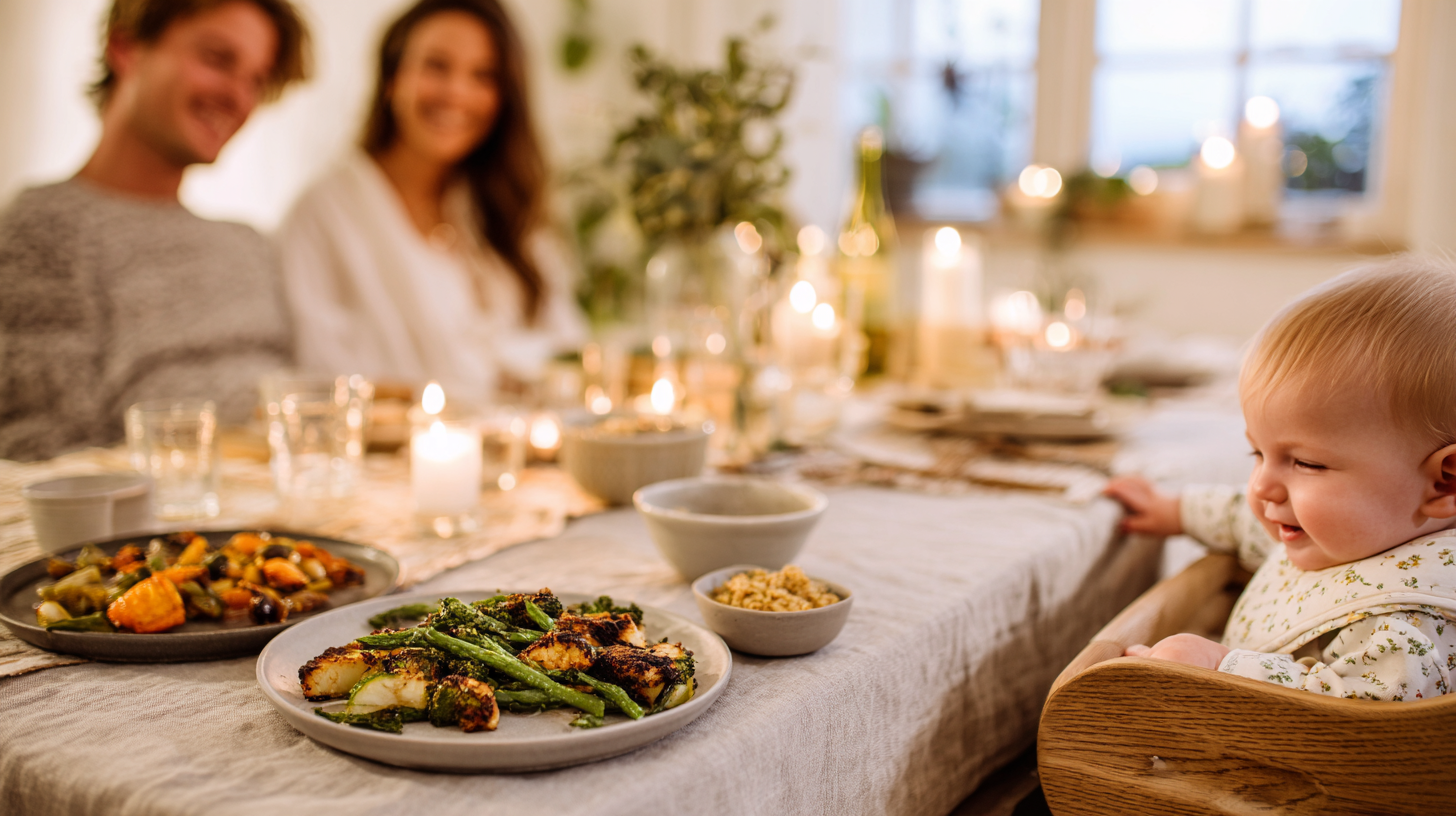
Day 5-6: Adapt a family favorite recipe to oil-free preparation. Maybe that weekly stir-fry or the taco filling everyone loves. Keep everything else exactly the same—same spices, same vegetables, same serving style—but cook without oil. Get honest feedback. If the family hates it, that’s valuable data. Maybe that particular dish needs its traditional oil, or maybe you need to adjust technique.
Day 7: Reflect and adjust. Which techniques felt easy? Which dishes tasted great? Which ones made you want to give up entirely? This isn’t a pass/fail test—it’s information gathering. Maybe you discover that oil-free works perfectly for 60% of your cooking but the other 40% genuinely needs a different approach. That’s still a massive reduction in added oil consumption.
For families introducing babies to solid foods, this is the perfect time to establish oil-free or low-oil cooking patterns. Young taste buds don’t miss what they’ve never had. Recipes like the Basic Mixed Dhal Pure, Yellow Yam & Carrot Sunshine, or Calabaza con Coco from the Caribbean Baby Food Recipe Book are naturally low in added fats while packing incredible flavor from spices, coconut milk, and whole ingredients. When your six-month-old grows up eating vegetables that taste like vegetables rather than whatever oil they were cooked in, they’re more likely to accept these flavors long-term.
The Social Media Debate Nobody’s Winning
Let’s address the elephant in the TikTok feed: the seed oil debate has become genuinely unhinged. On one side, you’ve got influencers claiming that seed oils are the root cause of essentially every modern health problem from obesity to climate change. On the other, you’ve got people mockingly consuming seed oils by the shot glass to “own” the health nuts.
Both sides are missing the point entirely. The issue isn’t that canola oil is arsenic in disguise or that olive oil grants immortality. The issue is that modern Western diets include unprecedented amounts of refined, processed oils—seed-based and otherwise—contributing to caloric excess and potentially unfavorable omega-6 to omega-3 ratios.
Recent retail data shows a 216% increase in seed oil-free certified product sales, with some categories spiking 410% in twelve-week periods. Major restaurant chains and food manufacturers are reformulating products in response to consumer demand. This isn’t happening because of a social media trend—it’s happening because consumers are genuinely concerned about ingredient transparency and processing methods.
But here’s the uncomfortable truth that neither extreme wants to acknowledge: the research on seed oils specifically remains mixed and often contradictory. Studies on canola oil show it can reduce total cholesterol and improve insulin sensitivity compared to other fat sources. Yet other research highlights concerns about omega-6 fatty acid ratios and processing methods involving high heat and chemical solvents.
The actual scientific consensus, when you strip away the noise, lands on something frustratingly moderate: minimize highly processed foods of all types (including refined oils), emphasize whole food sources of nutrients (including fats from nuts, seeds, avocados, and fish), and stop acting like any single ingredient is either poison or panacea.
The Oil-Free Decision Framework
Not sure when to use oil and when to skip it? Use this quick guide…
Real Family Scenarios: What Works in Practice
Theory is wonderful, but dinner needs to be on the table in 45 minutes and your nine-year-old has already announced that whatever you’re making “smells weird.” Here’s how real families are making this work:
The busy weeknight scenario: You need dinner fast, and you’ve got frozen vegetables, rice, and some chicken. Water sauté your aromatics (onion, garlic, ginger) in a large pot. Add chicken pieces and let them brown slightly—yes, some will stick, that’s actually good, you’ll deglaze with broth in a minute and get amazing flavor. Add your vegetables and just enough broth to create steam. Cover and cook. Five minutes before serving, add your Caribbean spices—turmeric, cumin, thyme, whatever your family loves. Serve over rice. Total time: 25 minutes. Total added oil: zero. Family satisfaction: surprisingly high once they taste it.
The picky eater scenario: Your kid will only eat crispy roasted potatoes, and they can spot health food from across the room. Cut sweet potatoes into fries (they don’t need to know sweet potatoes are “healthy”), toss with a mixture of broth and cornstarch (this is the secret—cornstarch helps browning), add spices, then air fry or oven roast at high heat. The cornstarch creates a crispy coating similar to oil-roasted but with a fraction of the calories. Serve with homemade ketchup if needed. They eat vegetables. You win.
The cultural tradition scenario: Sunday dinner includes your grandmother’s Stewed Peas recipe that’s been made the same way for three generations. This is not the dish to experiment with oil-free cooking. Some foods are about more than nutrition—they’re about connection, memory, and love. Make Grandma’s recipe exactly as she taught you, oil and all, and know you’ve reduced oil consumption enough throughout the week that this meal fits perfectly into a balanced approach.
The meal prep scenario: Sunday afternoon, you’re preparing components for the week ahead. Make a huge batch of water-sautéed vegetables with Caribbean spices. Prepare oil-free curried chickpeas using broth sauté for the aromatics. Cook a big pot of coconut rice using measured coconut milk for flavor rather than excessive oil. Roast a pan of sweet potatoes and plantains with broth and spices. These components become building blocks for quick weeknight meals—add proteins, wrap in tortillas, serve over grains, or eat as-is. The time investment on Sunday eliminates the weeknight stress that leads to takeout or heavily processed convenience foods.
For families with babies, this meal prep approach is especially valuable. Many of the recipes in our Caribbean Baby Food Recipe Book—like the Cook-Up Rice & Beans Smooth, Simple Metemgee Style Mash, or Green Papaya Pleasure—work beautifully as family meals with slight texture adjustments. One cooking session feeds both baby and adults, drastically reducing kitchen time and ensuring everyone eats similar flavors.
The Equipment You Actually Need
Marketing wants you to believe you need seventeen specialized pans, four appliances, and a cooking degree to cook without oil. Reality is far simpler and cheaper. Here’s what genuinely helps:
One excellent non-stick pan: Invest here. A quality ceramic or titanium non-stick pan in the 10-12 inch range will handle 80% of your oil-free cooking. Yes, it costs more upfront than the $15 grocery store special, but it’ll actually work and last. Expect to spend $60-120 for something decent. Look for PFAS-free certifications and thick, even heating surfaces.
A basic air fryer: You don’t need the $300 smart-enabled model with seventeen settings and an app. A simple air fryer ($40-80) with manual temperature control will crisp your vegetables, cook your proteins, and reheat leftovers better than a microwave. The oil-free air fryer market has exploded because these appliances genuinely deliver on their promises—crispy textures with minimal fat.
Silicone spatulas and tools: Protect that investment in good cookware by never touching it with metal. Silicone withstands high heat and won’t scratch non-stick surfaces. A couple of spatulas and a spoon will cost $15-25 and prevent the heartbreak of a scratched pan six weeks after purchase.
That’s it. Everything else—the vegetable steamer, the specialty roasting pans, the sous-vide circulator, the seventeen spice blends with “oil-free” on the label charging triple the price—is optional at best and marketing-driven nonsense at worst. Start with the basics, master the techniques, then expand if you’re genuinely using oil-free methods regularly enough to justify more equipment.
When to Ignore Everything and Use Oil Anyway
This might be the most important section of this entire article, and it’s the one that gets me hate mail from both extremes: sometimes you should absolutely use oil, and anyone telling you otherwise is selling you something or trapped in their own dietary dogma.
Use oil for special occasions and celebrations. Your child’s birthday cake needs proper fat for texture. The holiday feast your family has made the same way for decades shouldn’t be sacrificed on the altar of oil-free purity. These meals happen rarely enough that their nutritional impact is negligible, while their emotional and cultural impact is enormous.
Use oil when feeding guests who haven’t opted into your dietary experiments. Making your mother-in-law’s first meal at your house a demonstration of water-sauté techniques is a choice, and possibly not a good one. Save the oil-free cooking for your immediate family while they’re adjusting, then expand to guests once you’ve mastered techniques and recipes that consistently taste good.
Use oil for recipes where it’s genuinely structurally necessary. You cannot make traditional mayonnaise without oil—it’s an emulsion of oil and egg. You cannot make most baked goods without some form of fat. You can find substitutions and work-arounds for many recipes, but some dishes fundamentally rely on fat for their texture, structure, and flavor profile. Trying to force every recipe into an oil-free framework makes cooking joyless and sets you up for failure.
Use oil when the oil-free version tastes terrible even after multiple attempts and technique adjustments. If your family genuinely hates how something tastes cooked without oil, and it’s a frequently eaten dish, that’s feedback worth listening to. Better to use a measured tablespoon of oil in a dish everyone will eat than to insist on oil-free preparation for food that gets thrown away or eaten resentfully.
The goal isn’t oil-free perfection. It’s reducing overall consumption of refined, processed oils while maintaining flexibility for life’s realities. It’s recognizing that family meals are about more than macronutrient ratios—they’re about connection, tradition, and the simple pleasure of eating food that tastes good.
Your Kitchen, Your Rules, Your Health
After everything we’ve covered—the research, the techniques, the honest discussions about where oil-free cooking works and where it doesn’t—here’s what actually matters: you get to decide what works for your family, your health goals, and your relationship with food.
The market data shows consumers are increasingly skeptical of highly processed ingredients, with seed oil-free products seeing triple-digit growth and major restaurant chains reformulating menus. This isn’t happening because of government mandates or doctor’s orders—it’s happening because regular people are making informed choices about what they put in their bodies and feed their families.
But informed choice requires honest information, not fear-mongering or oversimplification. Oil isn’t poison. It’s also not necessary for every single cooking application. The truth, as usual, lives somewhere in the nuanced, complicated middle where most of real life happens.
Some families will thrive going fully oil-free, using water sauté and air frying for everything and loving both the results and how they feel. Other families will find that reducing oil consumption by 60-70%—using oil-free techniques for daily cooking while reserving oil for special applications—better fits their lifestyle and preferences. Both approaches are valid. Both represent significant improvements over the Standard American Diet’s excessive oil consumption.
The key is approaching this as an experiment in curiosity rather than a moral imperative or identity marker. Try water sautéing your vegetables this week. See how it works. Notice how you feel, how your family responds, how much easier cleanup becomes without oil residue. If it works, try it again. If it doesn’t, adjust your approach. Maybe you need better equipment, or different techniques, or simply a willingness to accept that some dishes in your rotation need that tablespoon of olive oil to taste right.
For parents feeding young children, the choices you make now about cooking methods and flavor profiles shape their relationship with food for decades. A baby who grows up eating the vibrant, spice-forward flavors of Caribbean cuisine—whether you’re using the Karhee Curry Blend, the Baigan Choka Smooth, or the Jollof-inspired rice from our Caribbean Baby Food Recipe Book—learns that vegetables have inherent flavor beyond whatever fat they’re cooked in. That’s a gift that keeps giving through childhood, adolescence, and into their adult lives when they make their own food choices.
The future outlook for oil-free and reduced-oil cooking looks bright. Innovation in cookware continues, with PFAS-free non-stick technologies becoming more affordable and accessible. The air fryer market shows no signs of slowing. Food manufacturers are responding to consumer demand for transparency and simpler ingredients. Home cooks are sharing techniques, recipes, and honest reviews across social media, creating a knowledge base far more useful than any single diet book.
What matters most isn’t whether you cook with absolutely zero oil or just significantly less oil than before. What matters is that you’re making intentional choices rather than defaulting to old patterns because “that’s how it’s always been done.” That you’re questioning whether every sauté really needs two tablespoons of oil or whether water might work just as well. That you’re reading labels, considering alternatives, and teaching your children that there are multiple ways to prepare delicious food.
So here’s your homework, if you’re ready: Pick one meal this week. Just one. Make it using an oil-free technique—water sauté your aromatics, air fry your protein, roast your vegetables with broth. Notice everything: how it cooks, how it tastes, how cleanup goes, how your family responds. Don’t judge it against some impossible standard of perfection. Just notice. Then decide whether to try it again or adjust your approach.
That’s all this is—a series of small decisions, made one meal at a time, that collectively shape how you feed yourself and your family. You don’t need permission from Internet strangers, certification from wellness influencers, or approval from diet book authors. You just need curiosity, a decent pan, and the willingness to try something different.
Your kitchen. Your rules. Your health. And maybe, just maybe, a little less oil in that pan tonight.

Kelley's culinary creations are a fusion of her Caribbean roots and modern nutritional science, resulting in baby-friendly dishes that are both developmentally appropriate and bursting with flavor. Her expertise in oral motor development and texture progression ensures that every recipe supports your little one's feeding milestones while honoring cultural traditions.
Join Kelley on her flavorful journey as she shares treasured family recipes adapted for tiny taste buds, evidence-based feeding guidance, insightful parenting anecdotes, and the joy of celebrating food, culture, and motherhood. Get ready to immerse yourself in the captivating world of Kelley Black and unlock the vibrant flavors of the Caribbean for your growing baby, one nutritious bite at a time.
- The Feeding Revolution: Why Your Everyday Meals Are Changing the World - October 13, 2026
- Your Feeding Story Matters More Than The “Perfect” One Online - October 12, 2026
- Looking Forward: Stepping Into Your Confident Feeding Future - October 11, 2026