 Skip to content

Toddler Nutrition Needs: The Truth About What Changes After Infancy (And How Not To Panic)
If you’ve ever stared at your toddler’s barely touched plate and wondered, “How on earth did we get from demolishing bottles and purées to this?”, you’re in the right place. This is your practical, no-guilt roadmap for navigating the messy, hilarious, and sometimes stressful transition from infant feeding to full-on toddler independence.
As a Caribbean parent, it hit hard the first time my little one flat-out refused a spoonful of pumpkin and callaloo that the whole family loves. Instead of the wide-open baby bird mouth I was used to, I got the classic toddler head turn and a firm “No.” That moment pushed me to dive deep into how toddler nutrition really works—beyond mom guilt, Instagram plates, and well-meaning auntie advice.
From Infant to Toddler: What Actually Changes?
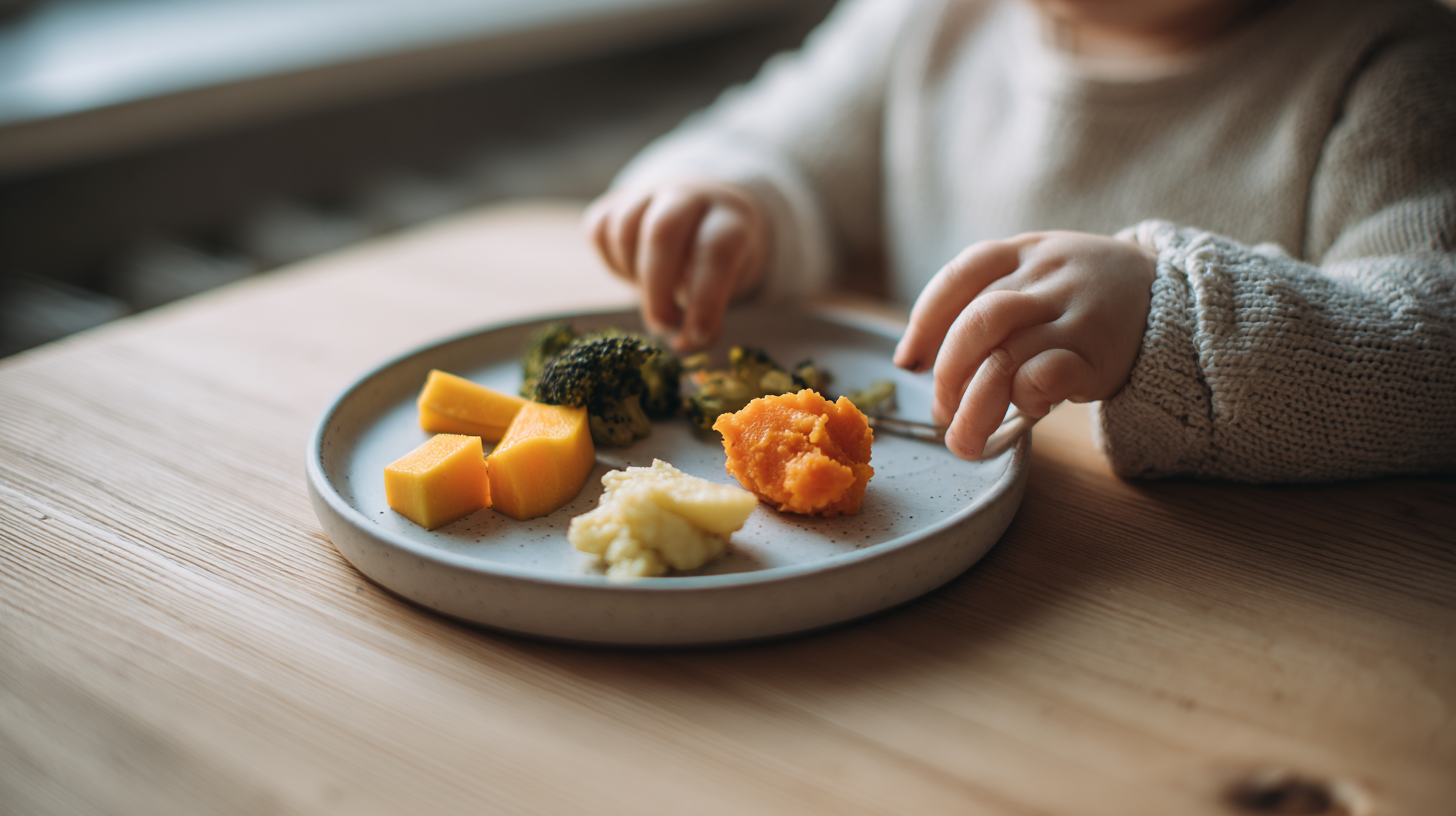
During infancy, your baby’s job was simple: grow fast, double and triple their birth weight, and build a basic relationship with food. Breast milk or formula did most of the heavy lifting, and solids were a gentle introduction to flavors, textures, and family food culture. Once your child hits 12 months, growth slows down, but brain development, movement, and personality all explode, and that shift changes how they eat.
Toddlers still need plenty of energy, but not at the supercharged pace of infancy. The average toddler often does well with roughly 1000–1400 calories a day depending on their size and activity, usually spread across three meals and two to three snacks. That sounds like a lot—until you realize their stomach is still tiny, roughly the size of their clenched fist, so every bite needs to work harder for them nutritionally.
At the same time, the role of milk changes dramatically. Instead of being the primary calorie source, breast milk or cow’s milk becomes just one part of the overall pattern. Most toddlers do well with around two cups of milk per day, leaving room for iron-rich foods, fruits, vegetables, whole grains, beans, and healthy fats. If milk or bottles fill them up, they can easily miss the very nutrients that matter most now.
How Much Food Does a Toddler Really Need?
One of the biggest shocks after the first birthday is how little a toddler sometimes seems to eat. One day they inhale everything in sight; the next day they live on half a banana and some air. That “all or nothing” pattern feels scary, but it’s usually normal. What matters is what they eat across several days, not at a single meal.
A helpful rule of thumb is that a toddler’s portion is often about a quarter of an adult portion. That might look like one to two tablespoons of vegetables, a few small bites of chicken or beans, a couple of spoonfuls of rice, or a slice of soft fruit at a time. When in doubt, start small, then let your toddler ask for more instead of loading the plate and feeling discouraged when half of it returns untouched.
Most toddlers thrive on a predictable rhythm of three meals and two to three snacks offered every two to three hours. That rhythm helps them learn to come to the table hungry—but not starving—and takes some pressure off each individual meal. The goal is steady opportunities, not perfect intake at every sitting. When you zoom out, you’ll often see that their “tiny” breakfast balances with a surprisingly strong dinner or vice versa.
Tip: Tap each box to reveal what a realistic toddler portion looks like. Use it as a gentle guide, not a strict rule.
If you love Caribbean flavors, many everyday dishes adapt beautifully to toddler-sized servings. Small portions of pumpkin and coconut milk, mashed plantain, or smooth dhal can sit right beside classic “kid foods” and help your toddler learn that family food is their food too. For more age-appropriate, Caribbean-inspired meal ideas from 6 months up through toddlerhood, you can explore the Caribbean Baby Food Recipe Book: Easy & Healthy Homemade Meals for Infants & Toddlers .
Key Nutrients Toddlers Can’t Afford to Miss
Because toddlers eat in small bursts, nutrient density matters more than ever. The goal isn’t just calories—it’s getting enough iron, zinc, healthy fats, fiber, and a wide variety of vitamins and minerals into those tiny bellies. When you pay attention to these nutrients, you build a safety net even on “barely touched dinner” days.
Iron sits at the top of the list for toddlers, especially if they drank a lot of milk as babies. Iron helps with brain development, energy, and immunity. Practical iron-rich foods include lentils and other beans, shredded chicken, flaked fish, and fortified porridges. Pair them with vitamin C-rich produce like guava, citrus, or sweet peppers to help their body absorb the iron more effectively.
Healthy fats are another quiet hero in toddler nutrition. Fats support brain development and help them feel satisfied between meals. Caribbean staples like avocado, coconut milk, and a little added oil in dishes like sweet potato rundown or callaloo can make meals both tastier and more filling. Full-fat yogurt, nut butters (spread thinly and safely), and oily fish can also pull double duty as flavor and fuel.
Fiber and variety come next. With toddlers, constipation can turn mealtimes into a battle if their intake leans heavily on milk and refined starches. Offering a mix of fruits, vegetables, beans, and whole grains like millet or brown rice keeps things moving and exposes their taste buds to a wide range of textures and flavors, which lowers the risk of long-term pickiness. A spoonful of “Yellow Yam Carrot Sunshine” style mash or a few bites of “Batata y Manzana” (white sweet potato with apple) can be both familiar and fiber-rich.
Independence on the Plate: Why Toddlers Say “No”
Around the first birthday, your child isn’t just learning to walk—they’re learning that “no” is a powerful word. Food is one of the first places they realize they can control what happens. From a developmental perspective, refusing food, pushing the spoon away, or insisting on feeding themselves is totally normal. It’s not a rejection of you; it’s a toddler testing out their power.
At the same time, appetite genuinely becomes more unpredictable. Growth is slower, activities shift, and some days they’ll be far more interested in perfecting their dance moves than finishing their dhal and rice. In many families, this clashes with cultural expectations that “a good child eats plenty” and with adult worries about waste, leading to pressure, bargaining, or mealtime showdowns.
Research on early feeding consistently shows that pressuring kids to eat more, “just two more bites,” or eat specific foods often backfires. Children may start to dislike the very foods they’re pushed to eat or learn to override their hunger and fullness cues to please adults. Over time, that can erode their ability to self-regulate intake—and that’s one of the most valuable skills we can protect in toddlerhood.
From Battles to Boundaries: The Division of Responsibility
One of the most helpful frameworks for this stage is the “division of responsibility” in feeding. In simple terms, your job as the parent is to decide what is served, when it’s offered, and where eating happens. Your toddler’s job is to decide whether to eat from what’s offered and how much of it they will eat. When those roles stay clear, mealtimes slowly shift from arguments into predictable routines with more trust on both sides.
Practically, that might look like offering a family-style plate with a familiar “safe food” (like rice, plantain, or breadfruit), a protein, and a vegetable, then calmly allowing your toddler to eat the foods and amounts they choose from what’s on the table. If they eat only the rice and a few bites of plantain one meal, you resist the urge to chase them with spoonfuls of chicken. Instead, you remind yourself that another balanced opportunity is coming at the next snack or meal.
This doesn’t mean being hands-off or ignoring genuine concerns. It means building a routine, keeping your cool in the moment, and playing the long game. When caregivers consistently offer balanced options, respect appetite, and avoid turning food into a test of obedience, toddlers gradually learn to trust both their bodies and their parents. Over time, that trust matters more than any single refused carrot.
Picky Eating: What’s Normal, What’s Not, and How to Cope
Here’s a reassuring truth: a large share of toddlers go through a picky phase. Many children around 18 months to three years suddenly become suspicious of new foods, especially vegetables, and prefer familiar flavors and textures. That doesn’t automatically mean there’s something wrong with your child or your parenting—it means they’ve joined a very crowded club.
Normal picky eating still includes some variety over time. A child may prefer a handful of go-to foods but will occasionally accept others with repeated exposure, especially if they’re not pressured. More concerning patterns include very limited accepted foods across all groups, ongoing weight loss or poor growth, choking or gagging with most textures, or intense distress at the sight of new foods. Those signs call for professional guidance rather than waiting it out.
For most toddlers, the key strategies are calm persistence and structure. Offering a new food alongside a familiar favorite, continuing to serve it again and again (often more than 8–10 times), and modeling eating it yourself helps the food move from “scary” to “normal” in your child’s mind. When this is paired with a predictable meal schedule and reduced pressure, many children gradually expand their menu.
If your child’s pickiness sits mostly in the “loves carbs, not a fan of veg” category, you’re far from alone. That’s where gentle tweaks make a big difference. You might serve pumpkin coconut mash as the “comfort starch” instead of plain white rice, or swap one snack of processed crackers for a small bowl of sweet potato mash or plantain purée. For more Caribbean-style ideas that keep flavor high and effort reasonable, the Caribbean Baby Food Recipe Book: Easy & Healthy Homemade Meals for Infants & Toddlers includes recipes like “Sweet Potato Callaloo Rundown” and “Papaya Banana Sunshine” that toddlers can grow with from babyhood.
Managing Milk, Snacks, and Sugary Drinks
One of the hidden reasons toddlers seem “not hungry” at meals is that they’re quietly filling up on milk and snacks. After the first birthday, breast milk or cow’s milk is still valuable, but too much can displace iron-rich foods and suppress appetite. Many families aim for about two cups of milk across the day, offered in a cup rather than a bottle, with water as the main drink between meals.
Snacks can either support balanced eating or completely sabotage it. Instead of grazing on puffs and cookies all day, think of snacks as mini-meals with at least two food groups: fruit plus yogurt, plantain with a small piece of cheese, or a little bowl of Amerindian-style millet or cornmeal porridge. When snacks are too frequent or too sweet, toddlers arrive at the dinner table already full and uninterested in anything that isn’t shaped like a biscuit.
Sugary drinks are one area where even small changes have a big payoff. Juice, flavored drinks, and sweet teas add sugar without the fiber and nutrients found in whole fruit. Keeping drinks simple—mostly water and milk, with occasional small servings of 100% juice if desired—protects both dental health and long-term taste preferences. Toddlers who grow up used to water rarely miss the sugary stuff they never learned to crave.
Caribbean-Flavored Ideas for Balanced Toddler Plates
If you’re raising your little one in a Caribbean household (or just love island flavors), you don’t need a separate “kid menu.” Most traditional dishes adapt beautifully with a few tweaks in texture, salt, and spice. The goal is to keep the soul of the dish while making it safe and gentle for a 1–3-year-old.
For breakfast, soft porridges made with millet, cornmeal, or farine can be gently sweetened with fruit instead of sugar and finished with a splash of coconut milk for healthy fats. Midday meals can feature mashed pumpkin and coconut, soft rice with red peas, or flaked fish with provisions like dasheen or sweet potato. Dinner might include smooth dhal with a bit of cumin, tender callaloo, or a simple “Cook-Up Rice Beans Smooth” style blend adapted for little mouths.
When you want specific, tested recipes, it can be helpful to lean on a collection that’s already portioned and timed for different ages. That’s exactly the purpose of the Caribbean Baby Food Recipe Book: Easy & Healthy Homemade Meals for Infants & Toddlers , which includes Caribbean classics adapted into purees, mashable meals, and family-style dishes from about 6 months right through toddlerhood.
Many parents secretly believe, “If my toddler isn’t eating a full plate, they’re not getting enough.”
Red Flags: When to Ask for Extra Help
While most toddler feeding quirks are developmentally normal, there are times when it’s important to reach out for extra support. Honest monitoring of your child’s growth curve, energy, and variety can help you distinguish between a strong-willed toddler and a child who may have underlying feeding or medical challenges.
Consider talking to a pediatric professional if your toddler eats only a tiny number of foods across all meals, regularly loses weight or isn’t growing, chokes or gags on most textures, or shows extreme anxiety or distress at the sight of new foods. Trust your instincts—if mealtimes feel like a constant crisis rather than a manageable challenge, you deserve backup.
In some cases, feeding therapy with a specialist can be life-changing. Therapists can evaluate sensory issues, oral-motor skills, and family patterns, then create a gradual plan to expand your child’s diet while protecting their sense of safety. The earlier you get help when something feels off, the more options you usually have to gently turn things around.
Your Future Feeding Roadmap (Without the Overwhelm)
The toddler years don’t need to be remembered as one long food fight. With a little structure, a lot of repetition, and a big dose of self-compassion, you can guide your child from infancy’s milk-centered world into a more confident, flexible relationship with real food. Think of this as a season of experimentation rather than a test you either pass or fail.
Your role is to stay consistent with what you can control: offering balanced meals and snacks at predictable times, including a familiar safe food alongside more challenging options, managing milk and snacks so they arrive ready to eat, and modeling the way you hope they’ll eat one day. Their role is to bring their perfectly imperfect appetite, their curiosity, and yes, their “No!” to the table.
As you move forward, you can add small upgrades over time. Maybe you start by swapping one processed snack for a quick Caribbean-inspired mini-meal from your own kitchen. Maybe you decide that one family meal a day will be screen-free. Or maybe you try one new recipe a week from a trusted source until you’ve built a rotation that works for both your toddler and your budget.
If you’d like step-by-step recipes to plug into that roadmap—especially if you want to bring in ingredients like sweet potato, mango, coconut milk, plantain, millet, and beans in a toddler-friendly way—the Caribbean Baby Food Recipe Book: Easy & Healthy Homemade Meals for Infants & Toddlers was designed for exactly this transition. It walks with you from first tastes through those opinionated toddler years with Caribbean-inspired flavor and nutrition in mind.
What You’ll Remember Later
Years from now, you probably won’t remember exactly how many tablespoons of sweet potato your toddler ate on a random Tuesday. What tends to stick is the feeling around the table—the laughter when they squished pumpkin between their fingers, the way they proudly dipped breadfruit into dhal, the quiet moment when you realized you no longer had to chase them with a spoon.
Your toddler’s nutrition matters, especially in these early years, but it doesn’t have to come at the cost of constant stress. When you understand that their bodies need fewer calories per kilo but more nutrition per bite, that uneven appetite is normal, and that pickiness is often a phase, it becomes easier to breathe, set gentle boundaries, and keep showing up with balanced, culturally rich meals.
So tonight, when your little one tastes one bite of pumpkin and ignores the rest, remember: each exposure is a deposit in their future relationship with food. Keep offering, keep modeling, and keep making space for the flavors that tell your family’s story. And if you’d like more Caribbean-inspired ideas to fill their plate as they grow, you can always draw inspiration from the Caribbean Baby Food Recipe Book: Easy & Healthy Homemade Meals for Infants & Toddlers while you write your own chapter of family food memories.

Kelley's culinary creations are a fusion of her Caribbean roots and modern nutritional science, resulting in baby-friendly dishes that are both developmentally appropriate and bursting with flavor. Her expertise in oral motor development and texture progression ensures that every recipe supports your little one's feeding milestones while honoring cultural traditions.
Join Kelley on her flavorful journey as she shares treasured family recipes adapted for tiny taste buds, evidence-based feeding guidance, insightful parenting anecdotes, and the joy of celebrating food, culture, and motherhood. Get ready to immerse yourself in the captivating world of Kelley Black and unlock the vibrant flavors of the Caribbean for your growing baby, one nutritious bite at a time.
- You’re Doing Your Best: The Self-Compassion Revolution Every Feeding Parent Needs - September 11, 2026
- Feeding Therapy: Your Family’s Roadmap from Overwhelm to Progress - September 10, 2026
- When to Seek Professional Feeding Help: Your Complete Guide to Recognizing Warning Signs and Taking Action - September 9, 2026


