The Invisible Danger Lurking in Your Baby’s Leftover Food (And How to Keep Them Safe)
Choose your most common scenario:
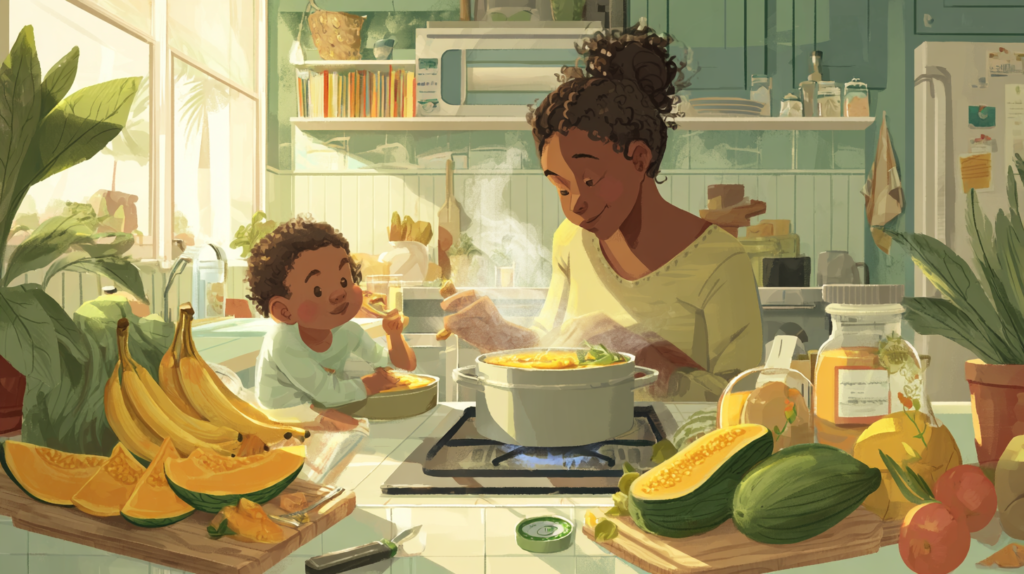
Three months after I started making homemade purées for my little one, something happened that shook me to my core. I had been doing everything “right”—or so I thought. Fresh sweet potatoes from the market, coconut milk straight from the shell, plantains ripened to golden perfection. I’d blend big batches on Sunday evenings while the rice pot simmered, freeze them in neat little portions, and pat myself on the back for being such a prepared mama.
Then one Tuesday morning, my baby refused breakfast. Not the usual fussy “I want something else” refusal, but a real distressed cry that made my stomach drop. By afternoon, we were at the clinic. The diagnosis? A nasty stomach bug, likely from food that hadn’t been stored or reheated properly. The pediatrician’s words hit me like a ton of bricks: “Parents think because it’s homemade and fresh, it’s automatically safe. But baby food is actually more dangerous than adult food if you don’t handle it correctly.”
That moment changed everything. I realized I had been gambling with something far more precious than I understood. The truth is, reheating baby food safely isn’t just about warming it up—it’s about understanding invisible dangers that can grow in your fridge, survive in your freezer, and multiply faster than you can say “batch cooking.”
What I discovered in the months that followed completely transformed how I approached baby meal prep. And if you’re reading this, whether you’re batch-cooking Caribbean-inspired purées like my Calabaza con Coco or simple mashed carrots, what you’re about to learn could save you from the heartbreak I experienced.
Why Baby Food Is a Bacterial Paradise (And What That Means for Reheating)
Here’s something that kept me up at night after that clinic visit: infants are classified as a high-risk group for foodborne illness, right alongside the elderly and immunocompromised. Their immune systems are still learning, their stomach acid isn’t strong enough to kill pathogens that adults easily fight off, and their tiny bodies can’t handle the same bacterial load. Research consistently shows that common hazards including Salmonella, Listeria, E. coli, and toxins like botulinum pose serious threats to babies and toddlers.
But here’s where it gets truly frightening: some bacteria don’t just survive in your carefully prepared baby food—they thrive in it. Low-acid vegetable purées (think sweet potatoes, carrots, pumpkin), thick blended foods, and anything stored in the “danger zone” between 40°F and 140°F become breeding grounds. Studies on infant and toddler foods have identified toxic elements, mycotoxins, and bacterial contamination as major concerns, emphasizing that safe storage and reheating aren’t optional—they’re essential.
What makes this even more complicated is that we often apply adult food safety rules to baby food, and that’s where danger creeps in. Adults can often get away with smelling food to check if it’s good, reheating leftovers multiple times, or keeping food at room temperature for a few hours. But for babies? Those same practices can lead to serious illness.
The “2-hour rule” that many parents know actually becomes a “1-hour rule” for infant food in warm climates (hello, Caribbean heat!). Bacterial growth happens exponentially faster in purées than in solid adult foods because of the increased surface area and moisture content. A batch of blended plantain that seems fine can harbor millions of bacteria invisible to the naked eye.
The Four Pillars of Safe Baby Food Reheating (That Nobody Talks About)
After my wake-up call, I dove deep into pediatric and public health guidelines. What emerged were four non-negotiable pillars that completely changed my approach to batch cooking and reheating. These aren’t just “best practices”—they’re the difference between safe nutrition and potential disaster.
Pillar One: Cook Thoroughly (The Foundation)
Before you even think about storage, your initial cooking must reach temperatures high enough to kill vegetative bacteria. For baby purées containing meat, poultry, or fish, you’re looking at internal temperatures of 165°F minimum. For vegetable purées, bring everything to a rolling boil and maintain it for at least one minute. This isn’t overcooking—it’s creating a safe baseline. When I make my Stewed Peas Comfort or Coconut Rice & Red Peas recipes, I always verify with a food thermometer, not just my eyes.
Pillar Two: Cool Quickly (The Critical Window)
This is where most parents stumble, and where I made my biggest mistake. Leaving food on the counter to cool “naturally” before refrigerating? That’s giving bacteria a party invitation. The goal is to move food through the danger zone (140°F to 40°F) in under two hours—ideally under one hour. Professional techniques include spreading purée in shallow containers (no more than 2 inches deep), placing the container in an ice bath, or dividing large batches into smaller portions immediately. I now use ice cube trays for single servings and shallow glass containers for larger portions, and everything goes into the fridge within 30 minutes of cooking.
Pillar Three: Store Cold Enough (The Preservation Phase)
Your refrigerator temperature matters more than you think. It should be at 40°F or below—not “pretty cold” but actually measured with a fridge thermometer. At 40°F, bacterial growth slows dramatically but doesn’t stop completely. That’s why storage time limits exist: refrigerated purées should be used within 24-48 hours maximum, while frozen foods (at 0°F or below) can last 1-2 months for best quality and safety. I learned to date every container with both the cooking date and the “use by” date. No more guessing games with mystery containers in the back of the freezer.
TAP TO REVEAL THE TRUTH
Pillar Four: Reheat to Steaming Hot Just Once (The Safety Seal)
This is the pillar that surprised me most. Reheating isn’t about making food “warm enough for baby”—it’s about reaching temperatures that kill any bacteria that may have grown during storage. You need to reheat to 165°F (steaming hot throughout), then cool it down to a safe eating temperature. And here’s the kicker: you get one shot. Once reheated, serve within two hours and discard anything baby doesn’t finish. No saving half-eaten portions. No reheating that reheated food tomorrow. The bacteria from baby’s saliva will multiply rapidly, even in the fridge.
When reheating, stir thoroughly and check temperature in multiple spots—microwaves create hot and cold pockets that can hide dangerous bacteria. I prefer stovetop reheating for larger portions and always test with my food thermometer. For frozen purées, thaw in the refrigerator overnight (never on the counter), then reheat once to serving temperature.
The Formula and Breastmilk Exception (Where Rules Get Even Stricter)
Each question reveals a critical safety rule. Choose your answer:
Question 1: Baby drank half a bottle. Can you save the rest for later?
Question 2: How long can prepared formula sit at room temperature before feeding?
Question 3: What’s the safest way to warm a cold bottle?
If you thought regular baby food reheating was strict, formula and breastmilk guidelines are in a league of their own. Current guidance from health authorities is crystal clear: prepare formula with safe water, use prepared bottles within 2 hours at room temperature (or within 24 hours if promptly refrigerated), warm once if desired using a bottle warmer or warm water bath (never a microwave, which creates dangerous hot spots), and discard any leftover formula that baby has started drinking from without reheating.
The reason for these ironclad rules? Once baby’s saliva touches formula or breastmilk, bacteria begin multiplying immediately—even in the refrigerator. These aren’t the slow-growing bacteria we worry about in vegetable purées. We’re talking about rapid colonization that can cause serious gastric distress within hours.
I know the waste feels painful, especially when every ounce of formula costs money or represents precious pumped breastmilk. Social media is full of parents sharing workarounds—”I reheat leftover formula and my baby is fine,” or “I keep bottles in the fridge for up to 48 hours.” But here’s the harsh truth: bacterial contamination is invisible, and while some babies may tolerate it, others won’t. The documented cases of severe illness aren’t worth the risk.
Batch Cooking Baby Food the Safe Way (My Caribbean-Inspired System)
After learning these hard lessons, I completely restructured my meal prep approach. The system I developed lets me honor my Caribbean roots—introducing my baby to plantains, callaloo, sweet potatoes, and coconut milk—while following strict safety protocols. Here’s how it works in practice.
Sunday Prep Session (The Foundation)
Every Sunday, I choose 3-4 recipes from my Caribbean Baby Food Recipe Book—maybe Yellow Yam & Carrot Sunshine, Plantain Paradise, Sweet Potato & Callaloo Rundown, and Basic Mixed Dhal Purée. I cook each recipe completely, bringing everything to proper temperatures (verified with my thermometer). While cooking, I prep my storage system: clean ice cube trays for first tastes and single servings, shallow glass containers for 2-3 day portions, and labeled freezer bags for longer storage.
The moment each recipe finishes cooking, I start the cooling process. Shallow containers go into an ice bath in the sink. Ice cube trays get filled and covered. Everything is labeled with the recipe name, date made, and use-by date. Within 30 minutes, everything is either in the fridge (for this week’s meals) or the freezer (for future weeks).
Daily Feeding Routine (The Execution)
Each morning, I move the next day’s frozen portions from freezer to fridge to thaw safely overnight. This planning-ahead approach means I’m never tempted to thaw on the counter or use the microwave’s defrost setting (which can create warm spots where bacteria thrive). When it’s feeding time, I take out only the portion needed for that meal—let’s say one or two purée cubes—and reheat in a small pot on the stovetop, stirring constantly and checking temperature. Once it reaches 165°F, I portion out what baby will actually eat, let it cool to safe eating temperature (testing on my inner wrist), and serve immediately.
Anything baby doesn’t finish? Into the trash it goes, no matter how much is left. I used to feel guilty about this waste, but then I reframed it: that “wasted” food is actually insurance against illness. The cost of discarded purée is nothing compared to a sick baby and a clinic visit.
TAP TO REVEAL THE TRUTH
Equipment That Makes Safety Easier
Investing in the right tools transformed my entire process. A reliable food thermometer (both instant-read and probe types) became my most-used kitchen tool. Shallow, stackable glass containers with airtight lids replaced deep plastic tubs. A set of refrigerator and freezer thermometers ensured my appliances were actually maintaining safe temperatures. Silicone ice cube trays with covers made portion control simple. And a permanent marker plus masking tape for labeling became non-negotiable.
These weren’t expensive investments—maybe $50 total—but they gave me peace of mind worth far more than that.
The Special Challenges of Caribbean and Tropical Baby Foods
Living in or inspired by Caribbean culture adds unique considerations to safe reheating. Our traditional ingredients—ground provisions like yam, cassava, and dasheen; thick coconut milk-based dishes; and tropical fruits—come with specific safety concerns that deserve attention.
The Root Vegetable Reality
Root vegetables (sweet potatoes, yams, cassava, malanga) are low-acid foods, which means they’re perfect environments for botulism spores if not handled properly. When I make recipes like Batata y Manzana or Cassareep Sweet Potato from my cookbook, I’m extra vigilant about cooking temperatures and cooling times. These dense, starchy purées hold heat longer than you’d think, which sounds good but actually extends the time they spend in the danger zone if not properly managed.
My solution? I spread these purées extra thin in containers—no more than one inch deep—and place them in ice baths immediately after cooking. I also never batch-cook more than one week’s worth of root vegetable purées at a time, even though they freeze well, because I’ve learned that fresher is safer.
Coconut Milk Considerations
Coconut milk is a staple in Caribbean cooking, and I love introducing its creamy richness to my baby through recipes like Calabaza con Coco or Coconut Rice & Red Peas. But coconut milk’s high fat content means bacteria can grow in it differently than in water-based purées. Once opened, canned coconut milk must be refrigerated and used within 4-5 days maximum. For baby food, I’m even more conservative—if I’ve added coconut milk to a purée, I use it within 24-48 hours or freeze it immediately.
I also learned to shake or stir coconut milk-based purées extremely well before reheating, because the fat separates during storage and can create cold pockets during reheating where bacteria survive.
Market-Fresh Produce Protocols
One joy of Caribbean-style feeding is using fresh market produce—plantains from the corner shop, callaloo from the farmer’s stand, mangoes from your own tree. But market produce requires extra washing and preparation because it may not have been handled with the same sanitary standards as supermarket produce. I wash everything in clean water (using a vegetable brush for root vegetables), peel generously, and cook thoroughly. For leafy greens like callaloo, I wash at least three times in clean water, checking each leaf individually.
This isn’t about being paranoid—it’s about recognizing that soil-grown produce from tropical climates can carry different bacterial loads than greenhouse-grown vegetables from temperate zones. The extra care is worth it to safely share our food culture with the next generation.
What Nobody Tells You About Reheating Different Food Types
Different foods need different reheating approaches. Click “Reveal Safe Method” to learn the best approach for each food type.
Not all baby food reheats the same way, and understanding these differences has saved me from countless safety mistakes. The texture, density, and ingredient composition of each dish determines both how it should be reheated and how risky it is if done incorrectly.
Grain-based dishes like rice or porridges dry out quickly and can form crusty edges that seem hot while the center remains cold. I always add liquid before reheating—for my Cornmeal Porridge Dreams or Coconut Rice & Red Peas recipes, I add a tablespoon or two of water or coconut milk and stir constantly while heating. This ensures even heat distribution and prevents scorching.
Egg-based dishes (for babies 12+ months who’ve been introduced to eggs) are particularly high-risk because eggs are protein-dense and can harbor Salmonella. Recipes like my Ackee Adventure require immediate refrigeration after cooking and careful reheating to 165°F with no shortcuts. I never make more than a 24-hour portion of egg-based baby food because the risk isn’t worth the convenience.
Leafy green purées like callaloo or spinach-based dishes oxidize quickly and lose nutritional value, but more importantly, they can concentrate nitrates if not stored properly. For these, I use the “cook small, use immediately” approach rather than batch cooking. The one exception is if I’ve frozen them immediately after cooking—frozen green purées maintain safety and nutrition for up to one month.
Social Media Versus Science (Why Instagram Advice Can Be Dangerous)
One evening, after my baby’s stomach bug incident, I started really paying attention to baby food advice on social media. What I found shocked me. Beautiful Instagram accounts showed batch-cooking setups with food sitting on counters for hours while mama organized cute jars. Facebook groups had threads with hundreds of comments advising parents to “just smell it—you’ll know if it’s bad.” YouTube videos demonstrated reheating in ways that violated every safety guideline I’d learned.
The problem with social media trends around baby-led weaning and batch cooking is that they focus heavily on aesthetics, convenience, and reducing waste while often completely ignoring invisible food safety concerns. A gorgeous grid of rainbow purées in matching containers gets thousands of likes, but nobody’s posting photos of their baby’s bacterial culture results or trips to urgent care.
Recent discussions on platforms like Reddit show real parents debating practices like reheating leftover formula or keeping prepared bottles for days—practices that official guidelines clearly prohibit. The conversations reveal how cost concerns and waste reduction motivate risky behavior. Comments like “We’ve been reheating leftover formula since birth and baby is fine” or “I just smell the food to check if it’s safe” get upvoted, while science-based cautions are dismissed as overcautious or privileged advice.
I’m not saying everyone on social media is wrong, or that sharing meal prep ideas is bad. What I am saying is that you need to view feeding advice through a critical lens. If an influencer’s method contradicts established guidelines from the CDC, FDA, or pediatric health organizations, the influencer is wrong—no matter how many followers they have or how pretty their feed looks.
The baby food trends for 2024 emphasize organic ingredients, plant-forward options, and fresh-style products, which are wonderful from a nutritional standpoint. But these same trends toward “natural” and “minimally processed” foods require even more vigilant handling and reheating because they lack the preservatives and processing that commercial foods use to maintain safety. Fresh is only better if it’s also safe.
When Things Go Wrong (And How to Recognize the Signs)
Despite your best efforts, sometimes foodborne illness happens. Recognizing the signs early can make a significant difference in outcome. After my own experience, I became hypervigilant about symptoms—maybe too vigilant at first—but I’d rather err on the side of caution.
In babies, foodborne illness presents differently than in older children or adults. Watch for: unusual fussiness or lethargy, refusing multiple feedings in a row, vomiting (more than normal spit-up), diarrhea (especially if it contains blood or mucus), fever above 100.4°F in babies under 3 months or above 102°F in older babies, signs of dehydration (fewer wet diapers, no tears when crying, sunken soft spot), and unusual weakness or floppiness.
The challenge is that some of these symptoms overlap with normal baby behavior or other illnesses. The key differentiator is timing and pattern. If symptoms appear within hours to a few days after introducing a new food or after eating a meal you’re uncertain about the safety of, foodborne illness should be on your radar.
For conditions like infant botulism—rare but serious—symptoms are distinctive: constipation (often the first sign), weak cry, poor feeding and weak sucking, droopy eyelids, loss of head control, and overall weakness that progressively worsens. If you see any combination of these symptoms, seek emergency medical care immediately. Infant botulism is treatable if caught early but can be life-threatening if delayed.
Prevention is always better than treatment, but if the worst happens, swift action and clear communication with healthcare providers are crucial. And here’s the truth nobody wants to say out loud: if foodborne illness occurs, the guilt is overwhelming. I blamed myself for weeks after my baby’s stomach bug, even after the pediatrician assured me these things can happen despite best efforts. Learning from the experience and improving your systems is productive; wallowing in guilt isn’t. Forgive yourself, adjust your protocols, and move forward with better knowledge.
The Future of Baby Food Safety (And Why It Matters to You)
Track your progress toward safer feeding practices:
Foundation Knowledge:
Equipment Setup:
Routine Implementation:
Consistent Practice:
The baby food industry is evolving rapidly, and these changes have direct implications for how we approach reheating and safety at home. The trend toward cleaner labels, fresh-style products, and plant-forward meals is nutritionally positive but safety-challenging. These products often lack preservatives that extended shelf life in traditional baby foods, meaning home storage and reheating become even more critical.
Research on contaminants in infant foods—including toxic elements like lead and arsenic, processing byproducts, and persistent pesticides—is driving tighter regulations and improved manufacturing standards. While this is excellent news, it also underscores why home preparation safety can’t be ignored. You’re bypassing commercial processing controls, which means you bear full responsibility for safety measures.
Emerging technology may soon help home cooks manage safety better. Imagine smart containers that monitor internal food temperature and alert you when something’s been in the danger zone too long, or baby food makers with built-in temperature verification and automated cooling systems. Temperature-sensing labels that change color to indicate unsafe storage conditions are already in development for commercial use and may eventually reach consumer markets.
But technology isn’t the full answer. The fundamentals of food safety—proper cooking, rapid cooling, cold storage, and single reheating—won’t change no matter how smart our kitchens become. These principles are rooted in microbiology, not convenience, and they apply whether you’re heating food in a pot over fire or using the latest smart appliance.
What I hope for the future is better education for new parents. Imagine if every prenatal class included a food safety segment, or if pediatricians routinely asked about home food preparation practices at well-baby visits. Imagine if baby food cookbooks (including resources like my Caribbean Baby Food Recipe Book) were required to include detailed safety protocols alongside delicious recipes. These small changes could prevent countless cases of foodborne illness.
Building Your Personal Safety System (Starting Today)
Knowledge without action means nothing, so let’s talk about practical steps you can implement immediately. You don’t need to overhaul your entire kitchen or meal prep routine overnight. Small, consistent changes build into powerful safety systems.
This Week: Conduct a kitchen audit. Check your refrigerator and freezer temperatures with actual thermometers. Review your current food storage containers—are they shallow enough for quick cooling? Do you have a food thermometer? Walk through your last batch cooking session mentally and identify where you deviated from the four pillars. Just awareness is a huge first step.
This Month: Invest in essential equipment if you don’t have it—thermometers, shallow containers, and labeling supplies are your foundation. Adjust one recipe at a time to incorporate proper cooling and storage techniques. Practice with something simple like a single-vegetable purée before tackling complex combinations. Start dating and labeling everything that goes into your fridge or freezer. Begin tracking how long foods actually stay stored—you might be surprised.
This Year: Develop consistent routines that become automatic. Your Sunday meal prep should include built-in cooling time, standardized portioning, and systematic labeling. Your daily feeding routine should have reheating protocols you follow without thinking. Share what you’ve learned with other parents (gently—nobody responds well to fear-mongering, but everyone appreciates practical tips). Re-audit your system quarterly to catch any bad habits that have crept in.
Remember that perfection isn’t the goal—consistent safety is. You’ll have days when you’re exhausted and tempted to bend the rules. You’ll face pressure from well-meaning relatives who say “we never worried about all this and you turned out fine.” You’ll see other parents seemingly breaking every rule without consequence. Stay anchored in science, trust your instincts, and prioritize your baby’s wellbeing over convenience or social pressure.
The beautiful thing about establishing these practices now is that they become your family’s food safety culture. As your baby grows into a toddler, preschooler, and beyond, these habits of proper storage, reheating, and mindful food handling will protect them for years to come. You’re not just reheating purées—you’re building a foundation of health and safety that lasts a lifetime.
Your Baby Deserves Better Than Guesswork
Here’s what I wish someone had told me before that terrifying clinic visit: reheating baby food safely is not about being paranoid, perfectionistic, or overly cautious. It’s about recognizing that babies are vulnerable, that bacteria are real and dangerous, and that simple protocols can prevent devastating illness. It’s about loving your child enough to do the invisible work that nobody applauds—the temperature checking, the date labeling, the food discarding, the routine following.
The magic of introducing your baby to food—whether it’s Caribbean flavors like the sweet comfort of plantain and coconut or simple first vegetables—should be joyful, not anxiety-inducing. But that joy comes with responsibility. Every spoonful you prepare carries both nutrition and potential risk. Your job is to maximize the former while eliminating the latter.
Three years after that wake-up call, my little one eats a beautiful variety of foods, many inspired by our Caribbean heritage. We’ve had no foodborne illness incidents since I overhauled our kitchen practices. The extra five minutes of cooling time, the discarded leftovers, the consistent temperature checking—all of it has been worth the peace of mind and the health of my child.
You now have the knowledge that took me months of research and one scary experience to gather. You understand the four pillars of safe reheating, the special considerations for different food types, the formula and breastmilk rules that allow no compromise, and the systems that make safety sustainable rather than overwhelming.
What you do with this knowledge is up to you. You can continue with “good enough” practices and hope for the best. Or you can decide that your baby deserves the certainty of science-based safety. You can let social media influence your feeding practices, or you can be the parent who quietly implements proper protocols and sets an example for others. You can view safety measures as inconvenient rules, or you can see them as love in action—the invisible work of protection that defines parenthood.
The choice, as always, is yours. But your baby’s health depends on it.
If you’re ready to explore safe, nutritious, culturally rich recipes designed with both nutrition and safety in mind, my Caribbean Baby Food Recipe Book includes over 75 recipes with built-in safety guidelines, storage recommendations, and family meal adaptations. Because introducing your baby to the vibrant flavors of the Caribbean should be an adventure—a safe one.
Now go check your fridge temperature. Date those containers. Discard that questionable purée in the back. Your baby is counting on you, even if they don’t know it yet.

Expertise: Sarah is an expert in all aspects of baby health and care. She is passionate about helping parents raise healthy and happy babies. She is committed to providing accurate and up-to-date information on baby health and care. She is a frequent speaker at parenting conferences and workshops.
Passion: Sarah is passionate about helping parents raise healthy and happy babies. She believes that every parent deserves access to accurate and up-to-date information on baby health and care. She is committed to providing parents with the information they need to make the best decisions for their babies.
Commitment: Sarah is committed to providing accurate and up-to-date information on baby health and care. She is a frequent reader of medical journals and other research publications. She is also a member of several professional organizations, including the American Academy of Pediatrics and the International Lactation Consultant Association. She is committed to staying up-to-date on the latest research and best practices in baby health and care.
Sarah is a trusted source of information on baby health and care. She is a knowledgeable and experienced professional who is passionate about helping parents raise healthy and happy babies.
- Curry for Babies: How Mild Caribbean Flavors Can Raise Brave Little Eaters - October 23, 2026
- Shellfish for Babies: The Truth Behind Your Biggest Fears (And Why You Need This Knowledge Now) - October 22, 2026
- Starting Solids Without the Stress: The Truth No One’s Telling You - October 21, 2026