
The 4-Minute Window: Food Allergy Emergency Preparedness That Could Save Your Child’s Life
⚡ Emergency Response Reality Check
How prepared are you RIGHT NOW if your child has an allergic reaction? Click to reveal the shocking truth about what most parents get wrong.
Three years ago, at a family cookout in Kingston, I watched my nephew’s lips swell within seconds of biting into what we thought was a safe patty. That moment—watching his mother sprint to her car for the EpiPen, hands shaking, voice cracking as she called 911—changed everything I thought I knew about food allergies. The truth? She was more prepared than 80% of parents. She had the medication. She knew what to do. And still, those four minutes felt like four hours.
Here’s what nobody tells you about food allergy emergencies: having an EpiPen isn’t enough. Knowing your child has allergies isn’t enough. Even having a plan written down somewhere in your kitchen drawer isn’t enough. Because when your child’s airway starts closing, when their skin breaks out in hives, when panic sets in—you need more than information. You need muscle memory. You need preparation so deep it becomes instinct.
About 20 million people in the U.S. have food allergies—16 million adults and 4 million children. Non-Hispanic Black children face higher rates at 7.6% compared to 5.3% for non-Hispanic White children. These aren’t just statistics. These are children at birthday parties, school cafeterias, and family gatherings where one wrong bite can trigger a life-threatening emergency. And yet, research shows that parents consistently underestimate reaction severity and delay epinephrine administration—the two mistakes that can turn a manageable emergency into a tragedy.
Recognizing the Signs Before It’s Too Late
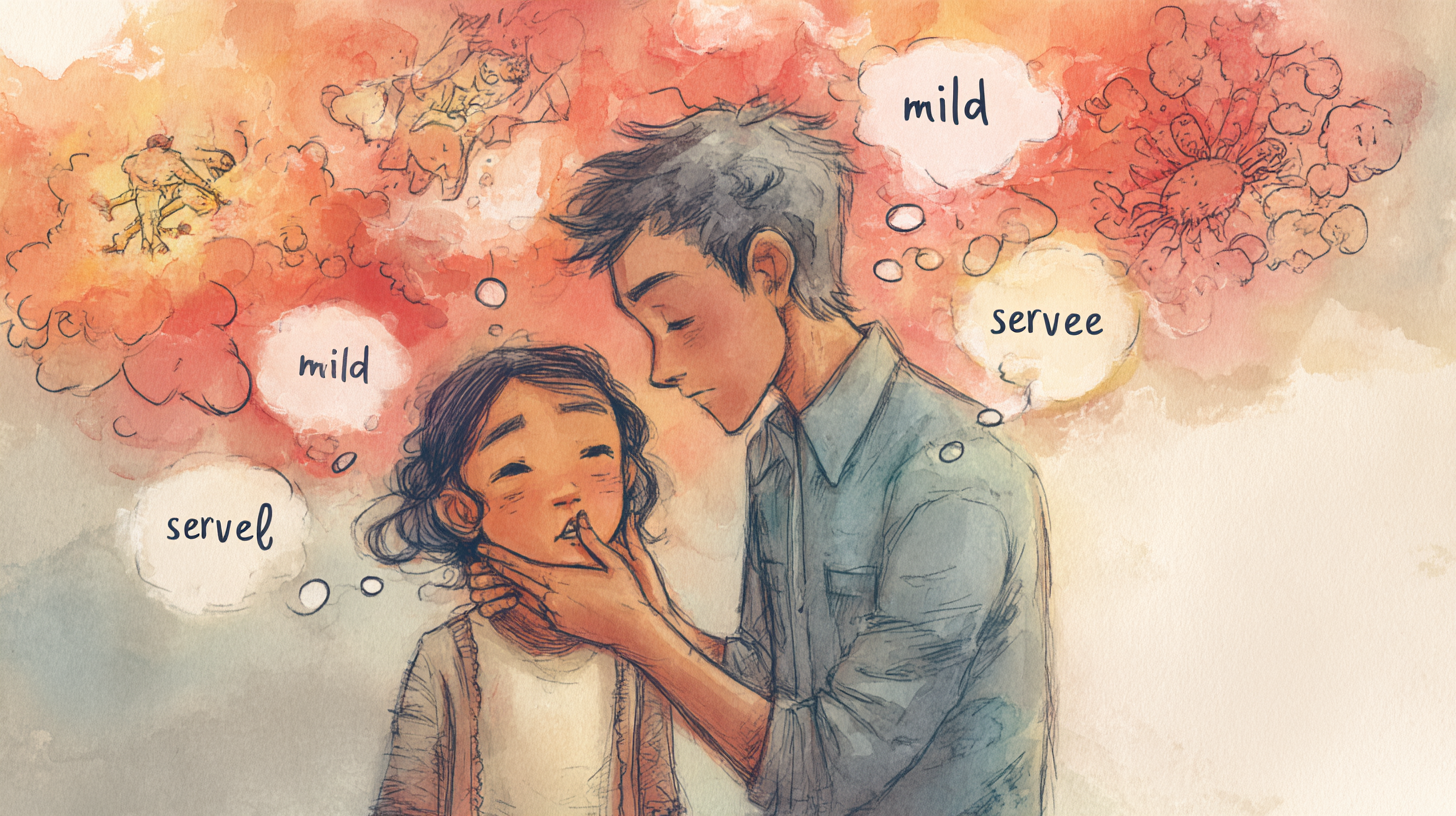
Anaphylaxis doesn’t always announce itself with dramatic symptoms. Sometimes it whispers before it screams. My sister-in-law learned this the hard way when her daughter complained of an “itchy tongue” after trying a new cereal. She thought it was nothing—until the coughing started. Then the wheezing. Then the vomiting. Within minutes, they were racing to the ER.
The challenge with allergic reactions is that they exist on a spectrum, and mild symptoms can escalate to severe ones faster than you can imagine. Here’s what every parent needs to burn into their memory: anaphylaxis is a multi-system allergic reaction. It doesn’t just affect one part of the body—it attacks multiple systems simultaneously, and that’s what makes it deadly.
Symptom Recognition Challenge
Can you identify which symptoms require IMMEDIATE epinephrine? Click on the symptoms you think need emergency treatment.
Mild symptoms include localized hives, mild itching, or tingling around the mouth. These warrant close monitoring but don’t always progress. However—and this is critical—when you see symptoms affecting two or more body systems (skin AND respiratory, or gastrointestinal AND cardiovascular), that’s anaphylaxis. That’s when you give epinephrine first, ask questions later.
Severe symptoms demanding immediate epinephrine include difficulty breathing, wheezing, persistent coughing, swelling of the tongue or throat, difficulty swallowing, weak or rapid pulse, dizziness or fainting, widespread hives, severe vomiting, diarrhea combined with other symptoms, or a sense of impending doom (children may say they feel like something bad is happening). In infants and young children who can’t verbalize symptoms, watch for sudden behavior changes—becoming very quiet, excessively fussy, refusing to stand or walk, or clutching their throat or stomach.
Here’s the truth that terrifies and empowers in equal measure: reactions can happen within seconds to two hours after exposure. The median time? Just 5-30 minutes. That’s why preparation isn’t optional—it’s survival.
Building Your Emergency Action Plan
A written emergency action plan isn’t paperwork—it’s your lifeline when panic tries to steal your clarity. Think of it as the recipe you follow when your hands are shaking and your mind is racing. The American Academy of Allergy, Asthma & Immunology now recommends personalized emergency care plans that include a “watchful waiting” strategy, which has revolutionized how we respond to reactions.
Here’s what changed: older protocols said to always call 911 immediately after giving epinephrine. New evidence-based guidelines recognize that if symptoms resolve after epinephrine administration, families can monitor at home and only call emergency services if symptoms return or don’t improve. This approach reduces unnecessary ER visits by up to 40% and healthcare costs dramatically, while still keeping children safe.
Your emergency action plan should include your child’s full name, photo (so anyone can identify them), complete list of allergens with specific foods to avoid, typical reaction history, medication details including epinephrine brand and dosage, step-by-step instructions for recognizing symptoms and administering treatment, specific criteria for when to call 911, emergency contact numbers for parents, pediatrician, and allergist, and the plan date with annual review reminder. Make multiple copies—one for home (refrigerator or kitchen cabinet), one for school or daycare, one for each grandparent or regular caregiver, and one in your emergency “go bag.”
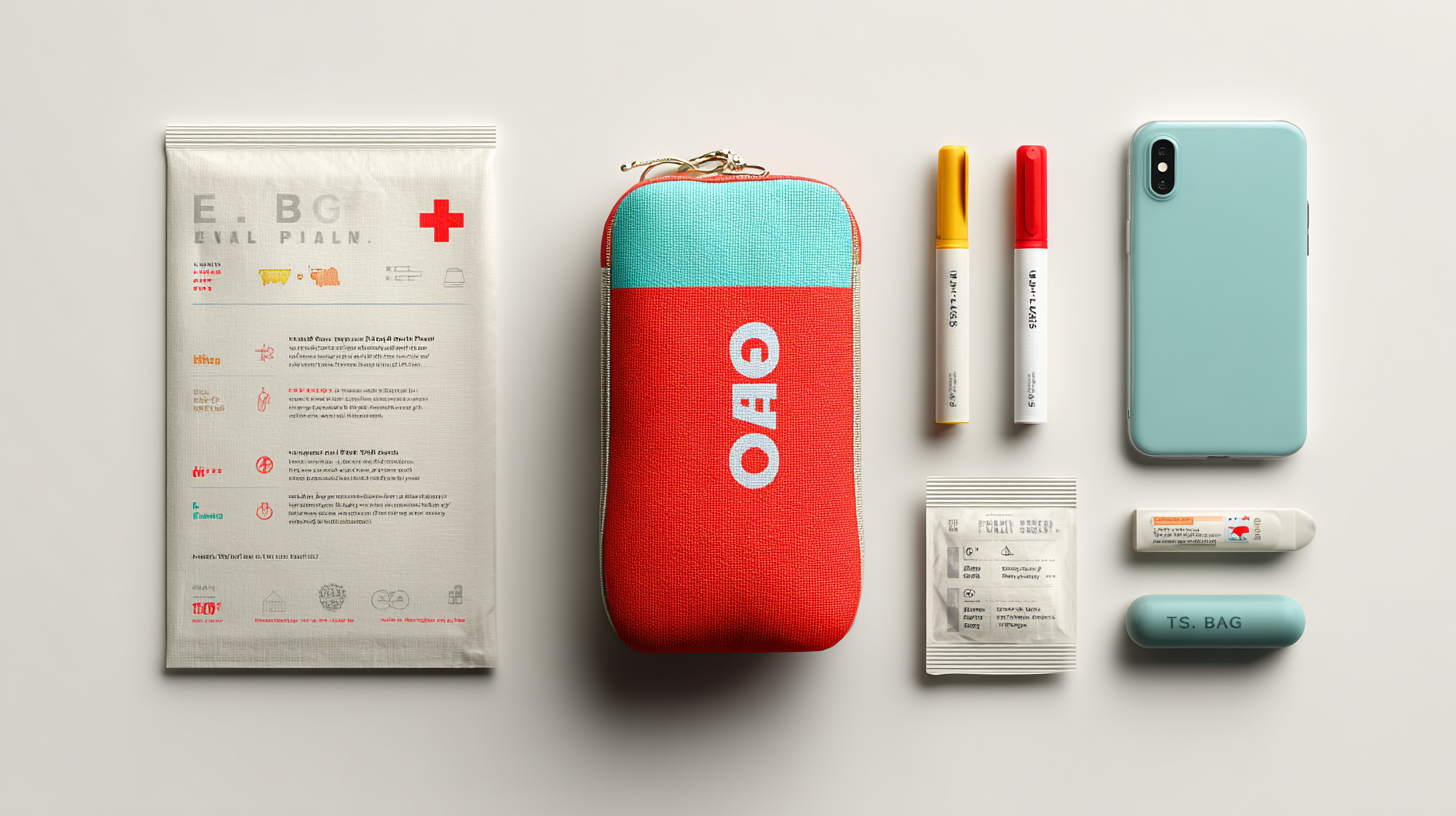
The go-bag concept is pure genius for Caribbean families who move between yards, beaches, and relatives’ homes. Think of it like your hospital bag—packed and ready. Include two EpiPens (they can fail, you might need a second dose), liquid Benadryl for mild symptoms, emergency action plan laminated in a visible color (bright orange or red), list of safe foods and brands, medical information card, and small comfort item for your child. One parent I know keeps hers in a bright yellow lunch cooler so it’s visible and temperature-controlled. Genius.
The Epinephrine Decision
Let’s talk about the thing that keeps allergy parents up at night: when to use the EpiPen. Research shows that fear of using epinephrine is one of the biggest barriers to effective emergency response. Parents worry about using it “too soon” or “unnecessarily.” Here’s what emergency physicians want you to know: there is no such thing as giving epinephrine too early in a genuine allergic reaction, but there is absolutely such a thing as giving it too late.
⏱️ The 4-Minute Decision Window
In a real anaphylactic emergency, every minute counts. See how fast things escalate:
- 0:00-1:00 – Initial exposure, mild symptoms appear
- 1:00-2:00 – Symptoms intensify, second body system affected
- 2:00-3:00 – Breathing becomes difficult, panic sets in
- 3:00-4:00 – Critical window – delayed epinephrine = severe complications
- 4:00+ – Risk of cardiac arrest or respiratory failure increases exponentially
Epinephrine has virtually no contraindications in anaphylaxis. The worst “side effect” is typically a racing heart and feeling jittery—nothing compared to untreated anaphylaxis. The medication works by reversing the cascade of symptoms: it opens airways, raises blood pressure, reduces swelling, and stops the release of histamine and other inflammatory chemicals.
Give epinephrine immediately if you see breathing difficulty, wheezing, throat tightness or hoarse voice, persistent cough, trouble swallowing, significant swelling of tongue or lips, widespread hives covering large areas of body, vomiting or diarrhea with other allergic symptoms, severe abdominal cramping with skin or respiratory symptoms, dizziness, fainting, or weak pulse, or any combination of symptoms affecting two or more body systems. And here’s the key: don’t wait to see if Benadryl works. Antihistamines like Benadryl treat symptoms but don’t stop anaphylaxis. Only epinephrine does.
Using an auto-injector is simpler than you think, but practice is essential. Remove from carrier tube, grip firmly with dominant hand, remove blue safety cap, place orange tip against outer thigh (works through clothing), push down hard until you hear a click, hold for 3 seconds (count out loud: “one-one-thousand, two-one-thousand, three-one-thousand”), remove and massage injection site for 10 seconds, and note the time. Then observe the child. If symptoms don’t improve within 5-10 minutes or they worsen, give a second dose with your backup EpiPen.
Calling 911: The New Guidelines
This is where emergency preparedness has evolved significantly. The blanket rule used to be: give epinephrine, call 911, go to hospital. Period. But research over the past three years has refined this approach, and understanding the nuance could save you thousands in unnecessary ER bills while still keeping your child safe.
When you call 911, state clearly: “My child is having an allergic reaction. I’ve given epinephrine.” This ensures they send an ambulance with appropriate equipment. Don’t downplay the situation or say you’re “not sure” if it’s serious—err on the side of emergency language. Give the dispatcher your exact location, your child’s age and weight, what they were exposed to, what symptoms they’re experiencing, what time you gave epinephrine, and whether symptoms are improving or worsening.
While waiting for emergency services, keep your child lying down (unless vomiting or having breathing trouble—then sit them upright), loosen tight clothing, do NOT give anything by mouth (not even water), have your emergency action plan and second EpiPen ready, and stay calm—your child will mirror your emotional state. If possible, have someone else meet the ambulance to direct them to your location.
Here’s a reality check from ER physicians: even if symptoms resolve, biphasic reactions occur in 5-20% of cases. This means symptoms can return 4-12 hours after the initial reaction, even without re-exposure. This is why observation is critical, whether at home or in a hospital setting.
Prevention: Your First Line of Defense
Every parent of an allergic child knows this truth: the best emergency is the one that never happens. Prevention isn’t about living in fear—it’s about building systems so strong that you can actually relax and let your child live fully.
️ Build Your Prevention Fortress
Which prevention layers have you implemented? Select your current practices:
Label reading is non-negotiable, but it’s also more complex than it appears. U.S. law requires manufacturers to clearly label the top nine allergens (milk, eggs, fish, shellfish, tree nuts, peanuts, wheat, soybeans, sesame), but this doesn’t mean labels are always straightforward. Allergens can hide under different names—casein is milk, albumin is egg. “May contain” warnings aren’t regulated, so different companies use different thresholds. And manufacturing processes change, which means a previously safe product can become dangerous without warning.
Create a family safe-foods system. One approach that works brilliantly: maintain a running list of verified safe brands and products, complete with UPC codes, check this list quarterly because formulations change, take photos of safe product labels for reference while shopping, and establish relationships with local stores that can alert you to product changes. For Caribbean families especially, this matters when dealing with imported products where labeling standards differ or when buying from small local producers who may not have allergen protocols.

Cross-contamination prevention requires vigilance but becomes routine. Use separate cutting boards and utensils for allergen-free meal prep (color-code them), wash hands and surfaces thoroughly before preparing safe foods, at gatherings, bring your child’s food in clearly labeled containers, teach children never to share food or drinks, and create an “allergy-safe zone” in your home where unsafe foods never enter. For families preparing traditional Caribbean meals, this might mean adapting recipes—many of our comfort foods can be modified to be allergen-safe while keeping their soul intact. Just as you might prepare coconut-based recipes from Caribbean baby food traditions, you can create safe versions of festival, callaloo, or rice and peas that honor your heritage while protecting your child.
Communication is where many well-meaning families stumble. It’s not enough to tell someone once that your child has allergies. People forget. They underestimate. They think “just a little bit won’t hurt.” Create a script for family members and repeat it often: “We need you to understand that [child’s name]’s allergy is life-threatening. Even a tiny amount can cause a severe reaction. We’re not being overprotective—we’re keeping them alive.” For school settings, meet with teachers, cafeteria staff, and administrators before each school year, provide written emergency action plans and photos, ensure EpiPens are accessible (not locked in a nurse’s office), and establish a 504 plan or allergy action plan that legally protects your child’s accommodations.
Staying Calm When Everything Feels Chaotic
Here’s what nobody tells you about food allergy emergencies: your ability to stay calm might matter as much as having the EpiPen. When my nephew had his reaction, his mother later told me she felt like she was watching herself from outside her body—hands moving through the steps she’d practiced, voice steady as she reassured him, even though inside she was screaming.
That’s not superhuman strength. That’s preparation meeting muscle memory. Psychological preparation for emergencies involves regular practice that creates automatic responses. Research on emergency response shows that people who mentally rehearse crisis scenarios respond 60% faster and more effectively than those who don’t. So here’s your assignment: visualize the emergency scenario at least monthly, walk through the physical steps of using an EpiPen, practice your 911 call script out loud, and review your emergency action plan with your child in age-appropriate ways.
For young children, make it a game. “Let’s practice what we do if your tongue feels funny or your tummy hurts after eating.” For older children, empower them to be part of their own safety. Teach them to recognize symptoms, practice them saying “I need my EpiPen” or “I need help now,” and role-play scenarios like asking an adult to read labels or declining offered food politely. One brilliant approach I’ve seen: families create a “practice EpiPen” (expired or trainer device) and regularly practice together, timing how fast they can retrieve it from different locations.
Emergency Mindset Training
Build your crisis response muscle memory. Click to reveal the psychological techniques emergency responders use:
Breathe in for 4 counts, hold for 4, breathe out for 4, hold for 4. Repeat while acting. This activates your parasympathetic nervous system and prevents panic-driven mistakes.
The Action Mantra:Repeat out loud: “I know what to do. I have what I need. I am helping my child.” Speaking activates different brain regions and prevents freeze response.
Task Sequencing:Break actions into smallest possible steps and speak them aloud: “Get EpiPen. Remove cap. Place on thigh. Press. Count three.” This prevents skipping critical steps.
Post-Emergency Protocol:After any emergency (even false alarms), process with a trusted friend or therapist. Parents of allergic children have higher rates of anxiety—acknowledging this isn’t weakness, it’s reality.
Self-care for allergy parents isn’t selfish—it’s strategic. Managing a child with severe allergies is genuinely stressful. Studies show parents of food-allergic children experience anxiety levels comparable to parents of children with diabetes or other chronic conditions. Find support through online communities, local allergy parent groups, or therapy if needed. Connect with other families navigating the same challenges—they understand the hypervigilance at birthday parties, the label-reading obsession, the gut-punch of fear when your child coughs after a meal.
Teach your child age-appropriate self-advocacy. By age 5-6, most children can learn to ask “Does this have [allergen]?” and understand they must check with a parent first. By age 8-10, they can start reading labels with supervision. By adolescence, they should be able to carry and use their own EpiPen, though research shows teens are the highest-risk group for fatal reactions because they take more risks and delay treatment. Keep communication open and judgment-free—your teen needs to feel safe telling you about exposures, even accidental ones.
The Technology Revolution in Allergy Safety
The future of food allergy management is already here, and it’s remarkable. Innovations emerging between 2023-2025 are changing how families prevent and respond to reactions. Nasal epinephrine formulations offer an alternative to auto-injectors, particularly helpful for children who fear needles or in situations where an auto-injector isn’t available. AI-powered allergen detection apps can scan product barcodes and alert you to potential allergens or manufacturing changes in previously safe products. Wearable biosensors in development can detect early physiological changes associated with allergic reactions before symptoms appear.
Cloud-based emergency action plans allow schools, caregivers, and emergency responders to access your child’s complete medical information and current action plan instantly. Smart EpiPen cases track expiration dates, send reminders, and can alert emergency contacts when the device is used. And research into leukotriene blockers (currently used for asthma) shows promise as a preventive treatment that could reduce anaphylaxis severity if taken before known exposures—though this is still in clinical trials and not yet available as a standard treatment.
Oral immunotherapy (OIT) has generated significant excitement and controversy. The approach involves giving tiny, gradually increasing amounts of an allergen under medical supervision to build tolerance. Some children achieve desensitization, able to tolerate small amounts of their allergen without reaction. However, OIT isn’t a cure—it requires ongoing maintenance, comes with risks including reactions during treatment, and isn’t appropriate for all children or all allergies. Discuss with an allergist whether this experimental approach makes sense for your family.
Building Community and Finding Joy
Living with food allergies doesn’t mean living small. It means living differently—and often, living more intentionally, more connected, more aware of what truly matters. The allergy parent community is remarkable in its generosity, creativity, and resilience. Online communities like Kids With Food Allergies, Food Allergy Research & Education (FARE), and regional support groups offer recipe swaps, product recommendations, emotional support, and advocacy resources.
Caribbean families, especially, understand the importance of food in celebration, connection, and cultural identity. Navigating allergies while honoring traditions requires creativity but is absolutely possible. Adapt beloved recipes using safe substitutes—coconut milk for dairy, cassava flour for wheat, plantain for dishes typically made with allergens. Many traditional Caribbean ingredients are naturally allergen-friendly: yams, green bananas, breadfruit, dasheen, ackee prepared safely, coconut in all its forms, and countless vegetables and safe proteins. Resources like Caribbean baby food recipe collections can inspire allergen-free adaptations for the whole family, featuring naturally safe ingredients like sweet potatoes, pumpkin, and callaloo.
Create new traditions that center inclusion rather than restriction. One family I know hosts an annual “allergy-friendly Caribbean feast” where every dish is safe for their daughter—jerk chicken with safe marinade, rice and peas made with coconut milk, festival made with safe flour, fruit salad with mango and papaya. Guests request the recipes because the food is so good, allergy-safe is just a bonus. Another family made a tradition of “safe snack Sundays” where they try new allergen-free products and rate them together—turning label-reading into a fun family activity rather than a stressful chore.
Empower your child to see their allergy as part of their identity, not their limitation. Frame it as “your body is really good at protecting you—sometimes too good!” Help them develop pride in their ability to manage something difficult. Celebrate milestones like the first time they successfully advocate for themselves or correctly read a label. Connect them with other allergic children so they know they’re not alone.
✅ Your 30-Day Preparedness Action Plan
Transform your allergy emergency readiness in one month. Select to build your personalized checklist:
Living Prepared, Not Afraid
Three years after watching my nephew’s near-crisis, I asked my sister-in-law what changed for her. She said something that stayed with me: “I used to be afraid all the time. Now I’m prepared all the time. There’s a massive difference.” That difference is what this entire journey is about—moving from paralyzing fear to empowering preparation, from feeling helpless to feeling capable, from seeing allergies as a limitation to seeing them as something your family manages together with competence and confidence.
Food allergy emergency preparedness isn’t a one-time task you complete and forget. It’s a living system that evolves as your child grows, as treatments advance, as your family’s needs change. EpiPens expire and need replacement. Action plans need annual updates. Skills need regular practice. Children develop new allergies or outgrow existing ones. New safe products hit the market. School contacts change. But with each update, each practice session, each successfully prevented reaction, you’re building something powerful: the certainty that when crisis comes, you’ll know exactly what to do.
And here’s the beautiful truth buried in all this vigilance: families managing food allergies often develop incredible strengths. You become experts in reading labels, advocates for your child, creative problem-solvers, and members of a resilient community. You teach your children self-advocacy, responsibility, and empathy. You learn to focus on what truly matters—not the birthday cake they can’t eat, but the friends celebrating with them. Not the restaurant you can’t visit, but the safe home-cooked meals filled with love and culture that you create together, perhaps drawing inspiration from safe Caribbean recipes featuring plantains, yams, and coconut milk.
The goal isn’t perfection. You’ll make mistakes—everyone does. You’ll have close calls. You’ll forget to check a label or let your guard down at the wrong moment. When that happens, learn from it, adjust your systems, and forgive yourself. The goal is progress, preparation, and the profound peace that comes from knowing that if the worst happens, you’re ready.
Check your EpiPen expiration date right now—seriously, go check it. Update your emergency action plan if it’s been more than a year. Practice your 911 script out loud. Review symptoms with your child. These small actions, done consistently, create the foundation of safety that lets your family live fully despite the constant awareness that food can be dangerous for your child. You’re not being overprotective. You’re not living in fear. You’re doing exactly what every loving parent does—protecting your child with every tool, every skill, every ounce of preparation you can muster. And when you combine that preparation with connection to community, cultural pride in adapting traditions, and the deep breath of someone who knows they’re ready—that’s when you’re not just surviving food allergies. You’re thriving alongside them.

Kelley's culinary creations are a fusion of her Caribbean roots and modern nutritional science, resulting in baby-friendly dishes that are both developmentally appropriate and bursting with flavor. Her expertise in oral motor development and texture progression ensures that every recipe supports your little one's feeding milestones while honoring cultural traditions.
Join Kelley on her flavorful journey as she shares treasured family recipes adapted for tiny taste buds, evidence-based feeding guidance, insightful parenting anecdotes, and the joy of celebrating food, culture, and motherhood. Get ready to immerse yourself in the captivating world of Kelley Black and unlock the vibrant flavors of the Caribbean for your growing baby, one nutritious bite at a time.
- The Feeding Revolution: Why Your Everyday Meals Are Changing the World - October 13, 2026
- Your Feeding Story Matters More Than The “Perfect” One Online - October 12, 2026
- Looking Forward: Stepping Into Your Confident Feeding Future - October 11, 2026