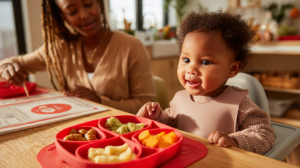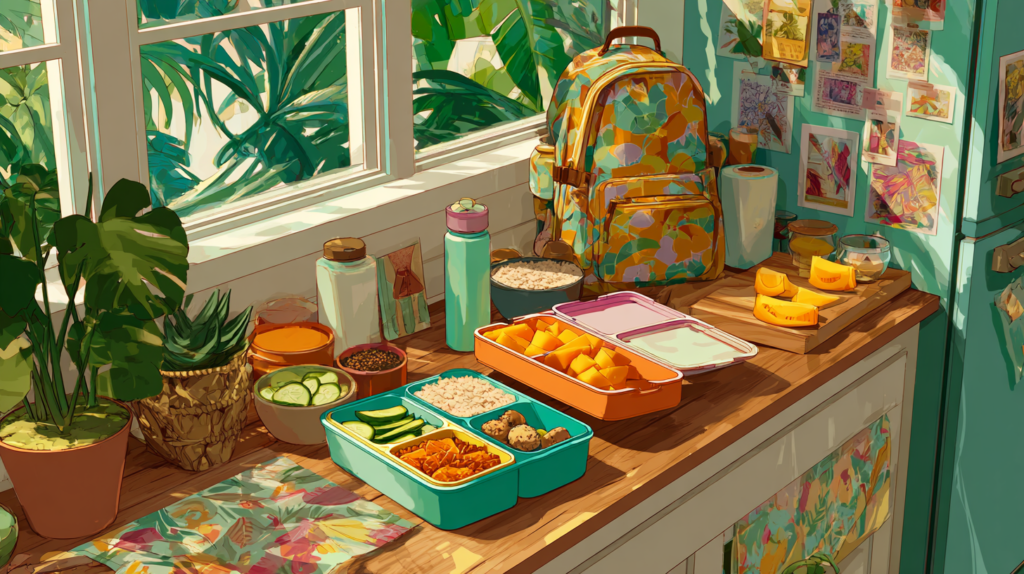
The Lunchbox Revolution: Balanced Meals Your Kids Will Actually Devour
Every school morning, nearly 29 million families face the same challenge: creating a lunch that’s nutritious, appealing, and won’t come home untouched. But here’s something remarkable that changed everything for countless parents…
Before we dive into the strategies that work, let’s discover which lunchbox personality YOU have:
Discover Your Lunchbox Parent Personality
Click on the option that sounds most like your morning routine:
Three years ago, my niece Maya started kindergarten, and like clockwork, her lunchbox returned home every day with barely a bite taken. Her mother, my sister Kendra, felt defeated. She’d spent years feeding Maya nutrient-rich Caribbean-inspired meals at home—the same sweet potato and callaloo that toddler Maya had devoured. But the school lunchbox? Different story entirely.
One afternoon, Kendra discovered something that shifted everything. Maya wasn’t rejecting nutrition—she was overwhelmed by presentation. The colorful lunch that looked beautiful to adult eyes appeared chaotic to a five-year-old in a noisy cafeteria with only twenty minutes to eat. When Kendra simplified the approach, using sectioned containers with recognizable foods in appealing portions, Maya’s consumption rate jumped from 30% to 85% within two weeks.
This isn’t just one family’s story. Research from systematic reviews of lunchbox interventions reveals that what parents pack significantly impacts what children actually consume, yet acceptance rates vary wildly. Nearly 21.1 million U.S. children received free or reduced-price school lunches in 2023-2024, but millions more bring packed lunches from home, where parents control every ingredient and face unique challenges around nutrition, food safety, appeal, and their child’s ever-changing preferences.
Why the Traditional Lunchbox Approach Fails
For generations, parents packed lunches based on what made sense to adults: balanced, varied, and visually impressive. But here’s what researchers and pediatric dietitians from institutions like Harvard T.H. Chan School of Public Health have discovered—children don’t eat with adult logic. They eat with sensory preferences, social awareness, time constraints, and an innate need for familiarity during stressful moments.
The school environment itself creates barriers. Kids face peer judgment, limited eating time (often just 15-20 minutes after settling down), noisy cafeterias that overwhelm sensitive eaters, and the developmental reality that executive function—the ability to make good choices under pressure—is still forming. When a child opens a lunchbox packed with five different items, each requiring decision-making, many simply shut down and eat the familiar carbohydrate first, leaving vegetables and proteins untouched.
Moreover, temperature and texture transformation sabotages even the best intentions. That fresh sandwich becomes soggy. The crunchy apple slices turn brown. The cheese gets warm and slightly oily. Parents often don’t account for how food changes between 7 AM packing and 12 PM consumption, and children, with their heightened sensory awareness, reject items that don’t match their expectations.
The Hidden Lunchbox Truths
Click each truth to reveal what researchers discovered about why lunches fail:
The Shocking Finding: Studies show that too much variety actually decreases consumption in children under 8. While adults enjoy diverse options, young children feel overwhelmed by choice. Limiting main options to 3-4 familiar items increases actual intake by up to 40%.
The Shocking Finding: After lining up, settling down, and socializing, children typically have 10-15 minutes of actual eating time. Foods requiring utensils, unwrapping, or assembly get abandoned first. Finger-friendly, pre-cut items are consumed 3x more frequently.
The Shocking Finding: Food safety research reveals that items in standard lunchboxes reach unsafe temperatures (above 40°F for cold foods) within 2-3 hours without proper insulation. Yet 73% of parents don’t use ice packs consistently, unknowingly creating bacteria growth conditions.
The Shocking Finding: Children are 60% more likely to eat fruits and vegetables if they see peers eating them. Social media debates around “lunchbox shaming” reflect a real phenomenon where kids feel judged for both ultra-healthy and treat-heavy options. The sweet spot? Normalized, familiar foods with one fun element.
The Foundation: Understanding What Actually Constitutes Balance
Balance isn’t about perfection in every meal—it’s about patterns over time. Nutrition authorities, including registered dietitians and public health researchers, consistently recommend a template that children’s bodies actually need: approximately half the lunchbox devoted to fruits and vegetables, one quarter to whole grains, one quarter to healthy proteins, plus sources of healthy fats and calcium.
But here’s where Caribbean food wisdom offers something extraordinary. Growing up in island communities, we didn’t separate “healthy eating” from “delicious eating.” The foods that sustained generations—provisions like sweet potato and yam, legumes like red peas and lentils, fruits like mango and papaya, vegetables prepared with coconut milk and aromatic herbs—naturally aligned with modern nutritional science. These ingredients provide complex carbohydrates for sustained energy, plant-based proteins, essential vitamins, and healthy fats that support growing brains.
If you’ve been introducing your little one to these flavors from infancy, you’ve already built a foundation. The Caribbean Baby Food Recipe Book includes dozens of recipes like Sweet Potato & Callaloo Rundown, Coconut Rice & Red Peas, and Yellow Yam & Carrot Sunshine that translate beautifully into toddler and school-age lunch components. That early flavor exposure makes packed lunches easier because kids already love these nutritious foods.
Balance also means accommodating growth stages. A five-year-old needs approximately 1,200-1,400 calories daily, with lunches providing roughly 400-500 calories. By age ten, that increases to 500-700 calories at lunch. Protein needs range from 13-19 grams at lunch for younger children, increasing to 20-30 grams for older kids. But these numbers don’t need to induce anxiety—focusing on food groups and portions naturally hits these targets without obsessive calculation.
The Game-Changers: Strategies That Actually Work
After analyzing successful lunchbox interventions and talking with dozens of parents who’ve cracked the code, several strategies emerge as genuinely transformative. These aren’t trendy hacks—they’re evidence-based approaches that address the real barriers children face.
Strategy #1: The Modular Approach
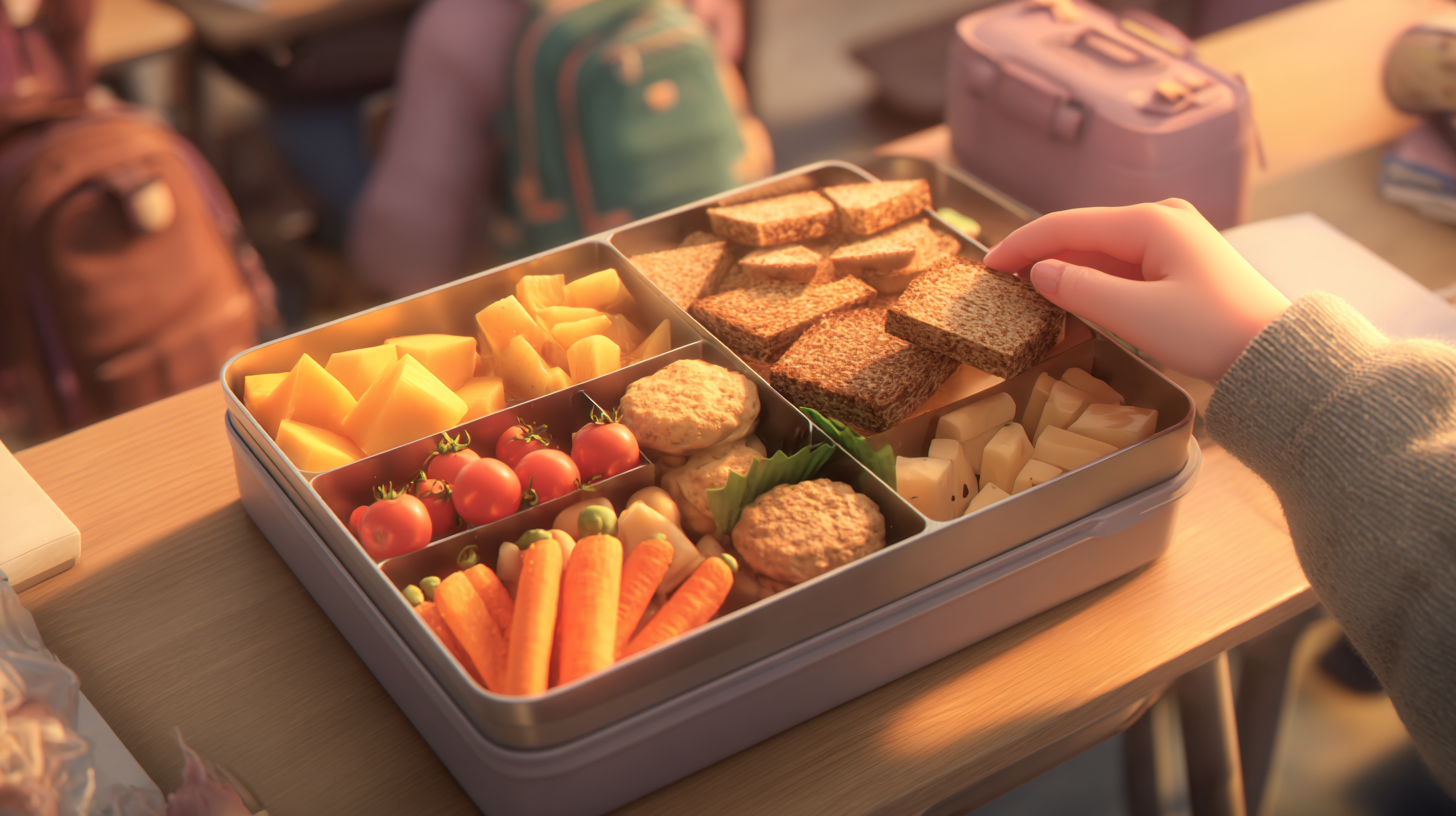
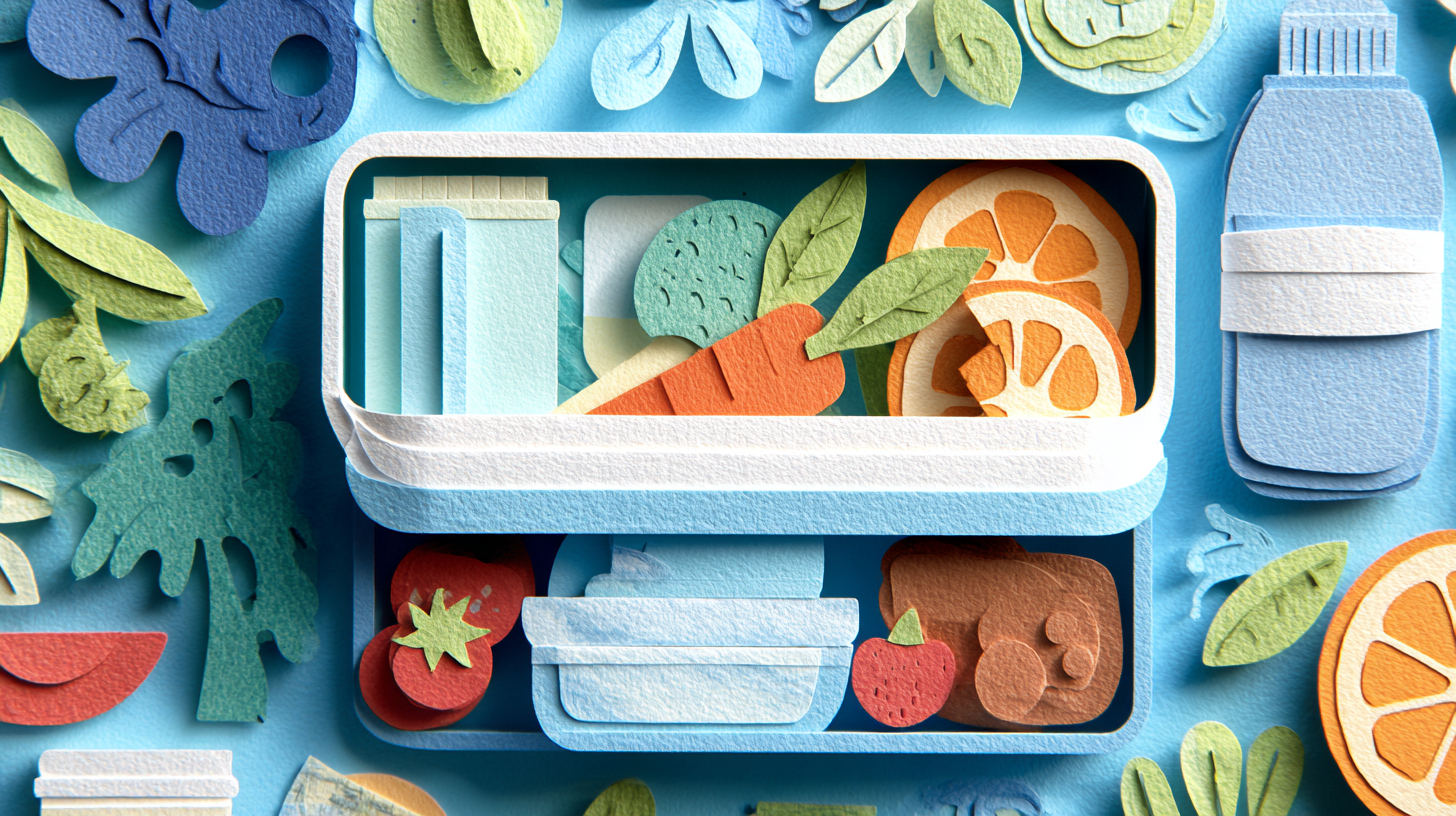
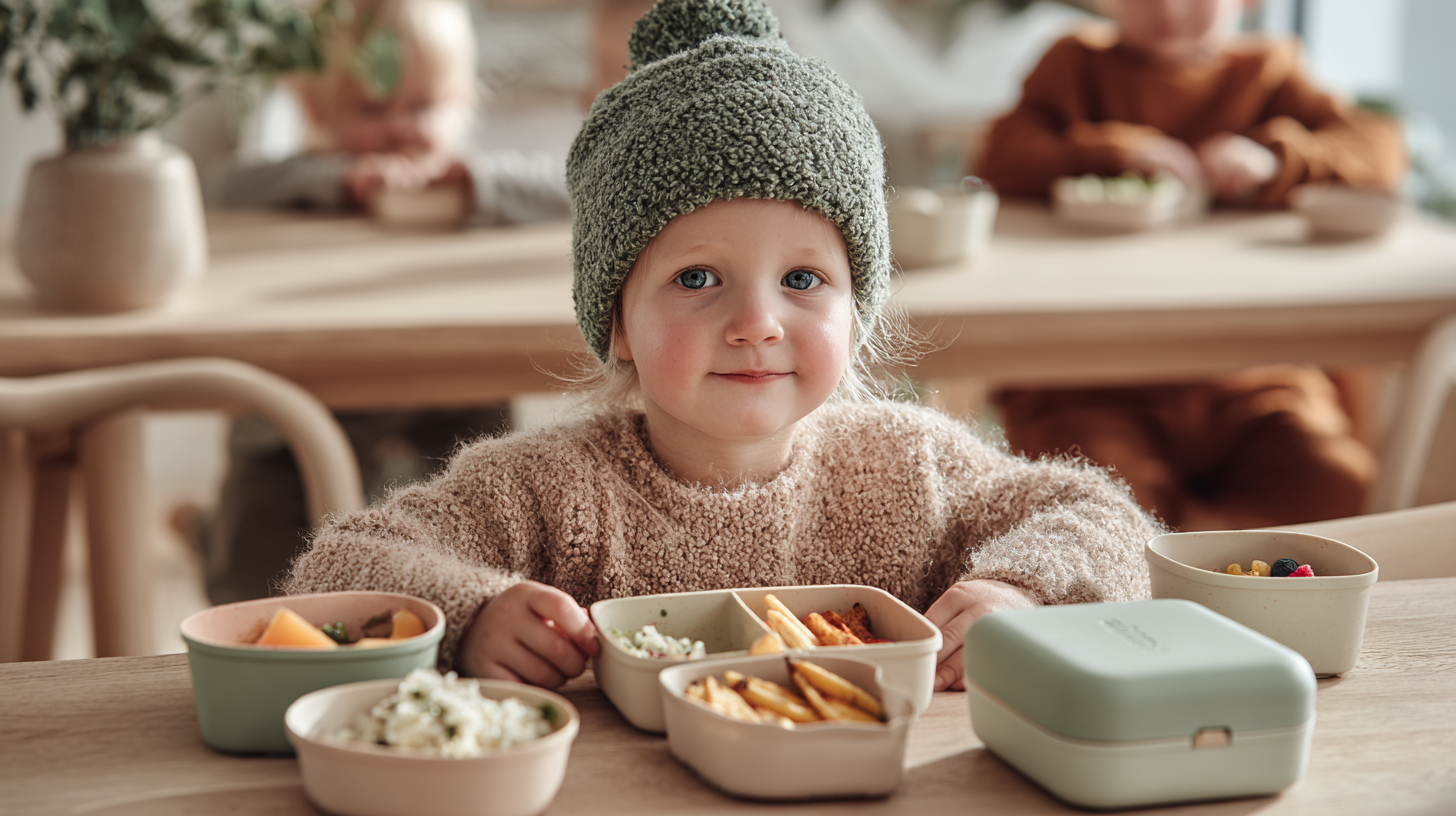
Bento-style containers with separate compartments have exploded in popularity for good reason—they work. The visual separation helps children process options without overwhelm. Each compartment serves a purpose: one for main protein/grain combination, one for fruit, one for vegetables, one for a small treat or extra. This structure provides enough variety for nutrition without the decision paralysis that shuts down eating.
Parents report that switching to sectioned containers alone increased vegetable consumption by 35-50%. Why? Because vegetables get their own space instead of touching other foods (a major issue for sensory-sensitive eaters), and the portion looks manageable rather than like a side dish that’s easily ignored.
Strategy #2: The Breakfast-for-Lunch Rotation
Who said lunch must look like miniature dinner? Some of the most successful lunchboxes contain breakfast-style foods: whole grain waffles with nut butter, yogurt parfaits with granola and fruit, breakfast burritos with scrambled eggs and beans, or porridge-based items. These foods are often more appealing to children, hold up better during transport, and pack serious nutrition.
Think about overnight oats made with coconut milk, cinnamon, and diced mango—a flavor combination from recipes like Ti Pitimi Dous or Kremas Inspired Porridge. Serve it in a thermos to maintain temperature and texture. That’s whole grains, healthy fats, fruit, and calcium in one familiar, comforting package that kids will actually finish.
Strategy #3: The Power of Predictable Variety
This sounds contradictory, but it’s backed by behavioral research: children thrive on routine with small variations. Instead of completely different lunches daily, establish a rotating framework. Maybe Mondays are always sandwich-based, Tuesdays feature wraps or rolls, Wednesdays include pasta or grain salads, Thursdays bring breakfast-for-lunch options, and Fridays offer “choice day” where kids pick from a pre-approved list.
Within each framework, ingredients rotate. The Monday sandwich might be tuna one week, chicken another, hummus and vegetables the third. This approach dramatically reduces morning decision fatigue for parents while giving children the comfort of knowing generally what to expect, making them more likely to engage with the meal.
Strategy #4: The Temperature-Control Non-Negotiable
Food safety isn’t optional, yet it’s where many packed lunches fail. Insulated lunchboxes, ice packs, and thermoses aren’t luxuries—they’re necessities. Hot foods must stay above 140°F, cold foods below 40°F. Anything in between becomes a bacterial breeding ground.
Invest in a quality insulated bag and multiple reusable ice packs so you always have frozen ones ready. For hot foods, preheat thermoses with boiling water, dump it out, then add the heated food. This keeps soups, stews, pasta, and rice dishes safely warm and appealing. For cold items, pack ice packs on all sides, and consider freezing items like juice boxes or water bottles to serve double duty as both drink and cooling element.
Portion Perfect Calculator
Find the right lunchbox portions for your child’s age:
Building Your Weekly Lunchbox System
Systems beat willpower every time. Parents who successfully pack nutritious lunches that kids eat aren’t more disciplined—they’ve built repeatable systems that remove daily friction. Here’s how to create yours.
Sunday Foundation Session (60-90 minutes)
Dedicate one block of time weekly to prepare lunchbox components. This isn’t about making full meals in advance—it’s about removing weekday barriers. Wash and cut vegetables into finger-friendly sticks. Portion fruits into containers. Cook a large batch of grains (rice, quinoa, pasta). Prepare proteins (bake chicken, boil eggs, cook ground beef with seasonings). Bake a batch of muffins or energy balls for easy treat options.
Store everything in clear, labeled containers so mornings become assembly rather than cooking. When my sister Kendra adopted this approach, her morning lunchbox time dropped from 25 stressful minutes to 7 calm minutes. Game-changer.
The Master Lunchbox Formula
Use this fill-in-the-blank template that ensures balance without overthinking:
Base Layer: 1 serving whole grain or starchy vegetable (whole wheat bread, brown rice, sweet potato, whole grain crackers, corn tortilla)
Protein Power: 1 palm-sized portion protein (beans, lentils, chicken, fish, eggs, cheese, nut butter if allowed, tofu)
Produce Punch: 1 serving fruit + 1 serving vegetable (apple slices, berries, melon, carrot sticks, cucumber rounds, cherry tomatoes, bell pepper strips)
Healthy Fat: 1 source (avocado, nuts/seeds if allowed, olive oil in dressing, coconut in baked goods)
Calcium Boost: 1 dairy or fortified alternative (cheese, yogurt, milk, fortified plant milk)
Hydration: Water bottle (skip juice boxes—they’re sugar bombs with minimal nutrition)
Optional Fun Element: Small treat that won’t overshadow nutrition (homemade muffin, dark chocolate pieces, baked plantain chips)
Real-World Winning Combinations
Here’s what actually gets eaten, based on parent reports and consumption studies:
The Islander Special: Mini whole wheat roti filled with curried chickpeas, cucumber sticks, mango chunks, coconut milk yogurt with cinnamon (inspired by flavors from Karhee Curry Blend and Coconut Rice & Red Peas)
The Build-Your-Own: Whole grain crackers, cubed cheese, turkey slices, cherry tomatoes, strawberries, small container of hummus—kids love deconstructed meals they can assemble
The Breakfast Winner: Whole grain waffle “sandwiches” with almond butter and banana slices, hard-boiled egg, blueberries, string cheese
The Cozy Comfort: Thermos of coconut rice and beans (prepare like Cook-Up Rice & Beans Smooth but chunkier for older kids), plantain chips, orange segments, small muffin
The Global Adventure: Sushi-style rolls with cucumber and avocado, edamame, clementine sections, rice crackers, small square of dark chocolate
The Snack-Style Plate: String cheese, whole grain pretzels, bell pepper strips, hummus, grapes, small oatmeal cookie—this deconstructed approach works beautifully for grazers
Navigating the Minefield: Preferences, Allergies, and Peer Pressure
No discussion about school lunches is complete without addressing the complications that make parents want to give up: pickiness, allergies, school restrictions, and the social dynamics that influence what kids eat.
The Picky Eater Protocol
Picky eating peaks between ages 2-6 but often extends into elementary school. The mistake most parents make? Engaging in power struggles or short-order cooking. Instead, adopt the “division of responsibility” principle established by feeding expert Ellyn Satter: parents decide what foods are offered and when; children decide whether to eat and how much.
For lunches, this means consistently packing nutritious options without pressuring consumption. Include at least one or two “safe foods” your child reliably eats alongside less-familiar options. Never punish for not eating or reward for finishing. Over time—and we’re talking weeks or months, not days—repeated exposure without pressure increases acceptance.
One powerful technique: the “food bridge” method. If your child loves plain pasta, gradually bridge toward pasta salad with vegetables by starting with pasta plus one tiny vegetable piece, then slowly increasing vegetables while decreasing plain pasta. For Caribbean-influenced options, if they love sweet potato, bridge toward Sweet Potato & Callaloo Rundown by starting with mostly sweet potato and gradually increasing the callaloo.
Allergy Accommodations Without Sacrifice
Many schools have gone nut-free, eliminating a convenient protein and healthy fat source. But Caribbean cuisine offers brilliant alternatives. Sunflower seed butter provides similar nutrition to peanut butter. Pumpkin seeds (pepitas) add crunch and nutrition to baked goods. Coconut provides healthy fats in numerous forms—shredded in muffins, milk in smoothies, oil for cooking.
For children with multiple food allergies or intolerances, recipes like Calabaza con Coco, Basic Mixed Dhal Pure, or Plantain Paradise offer naturally allergen-friendly nutrition. These dishes are free from common allergens while providing complete nutrition and flavors kids actually enjoy.
The Social Dynamics Dilemma
Around age 6-7, children become acutely aware of what peers are eating, leading to requests for “normal” food (translation: processed convenience foods marketed to kids). This is where the heated social media debates about lunchbox shaming originate—parents feel judged both for packing too-healthy options (making other parents look bad) and for including treats (making their own child look bad).
The solution lies in normalizing rather than extremes. Pack lunches that are nutritious but recognizable. A turkey sandwich on whole wheat bread doesn’t draw attention. Carrot sticks with ranch dip are familiar. Apple slices with a small cookie satisfy both nutrition and the desire to fit in. Avoid both the ultra-processed convenience route and the Instagram-perfect five-color bento that sets unrealistic standards.
When kids request specific items because “everyone else has them,” use it as a teaching opportunity. “I hear you want Lunchables like Sarah brings. Let’s make our own version that’s even better.” Create DIY Lunchables-style compartments with whole grain crackers, good quality deli meat, real cheese, and fruit. Kids get the deconstructed experience they crave with exponentially better nutrition.
Lunchbox Problem-Solver Cards
Click each problem to reveal the solution:
The Technology and Tools That Matter
The lunchbox industry has exploded with innovations, but not all tools are worth the investment. After testing recommendations from product reviewers at Good Housekeeping and Wirecutter, plus feedback from real parents, here’s what actually enhances lunchbox success.
The Insulated Lunchbox
This is your foundation. Quality insulated bags maintain temperature for 4-6 hours when used correctly with ice packs. Look for bags with separate compartments (one for cold items with ice packs, one for items that can be room temperature), easy-clean interiors, and kid-friendly closures. Brands like PackIt (with built-in freezable gel), Bentgo, and simple insulated bags from L.L.Bean consistently rate highest for actual temperature maintenance.
The Bento Box System
Sectioned containers aren’t just trendy—they’re functional. Models with 4-5 compartments, leakproof lids, and microwave-safe materials (for reheating at school if available) work best. Planetbox, Yumbox, and Bentgo offer options ranging from simple to elaborate. The key is choosing something your child can open independently—complicated latches lead to frustration and uneaten lunches.
The Thermos Investment
A quality thermos opens up endless possibilities: soups, stews, pasta dishes, rice and beans, even oatmeal. Look for wide-mouth options (easier for kids to eat from), 12-16 ounce capacity for lunch portions, and vacuum-insulated stainless steel. Preheat with boiling water before adding food to maximize heat retention. Suddenly, your child can enjoy comforting warm meals even in winter.
The Reusable Ice Pack Collection
You need more than you think—at least 4-6 so there are always frozen ones available. Flat, flexible packs fit better than bulky blocks. Some lunchboxes have built-in freezable liners, eliminating separate ice packs entirely.
The Organization System
Clear containers, labels, and designated refrigerator space for prepped components make morning assembly seamless. Some parents swear by drawer organizers repurposed for lunch supplies, keeping everything visible and accessible. The specific products matter less than establishing a system where everyone knows where things belong.
The Weekly Meal Planning Magic
Planning removes the daily “what should I pack?” paralysis. But effective planning isn’t about rigid menus—it’s about flexible frameworks. Here’s a system that works:
The Theme-Based Week
Assign loose themes to each day, giving structure without restriction:
Monday – Sandwich/Wrap Day: Whole grain bread or tortilla, protein filling, vegetables, fruit, crunchy side
Tuesday – Global Flavors: Foods inspired by different cuisines (Caribbean rice and beans, Asian-style rice balls, Mediterranean hummus plate, Mexican-inspired burrito bowl components)
Wednesday – Breakfast-for-Lunch: Waffle sandwiches, yogurt parfaits, egg muffins, overnight oats, breakfast burritos
Thursday – Deconstructed/Snack Style: Multiple smaller items that create a complete meal (cheese, crackers, vegetables, fruit, protein, treat)
Friday – Kid’s Choice: Let them choose from a pre-approved list you’ve created together, giving autonomy within healthy boundaries
The Rolling Menu Strategy
Create a master list of 20-30 lunch combinations your child reliably eats. Rotate through them without repetition for 4-6 weeks. By the time you circle back, they’ve forgotten and it feels new again. This eliminates constant meal planning while ensuring variety over time.
The Seasonal Rotation
Adjust your approach by season. Fall and winter favor thermoses with warm soups, stews, and grain dishes. Spring and summer emphasize fresh fruits, cold salads, and lighter options. This natural variation prevents boredom and takes advantage of seasonal produce at peak flavor and value.
✅ Your Weekly Lunchbox Success Tracker
Check off tasks as you complete them. Watch your confidence grow!
Beyond Nutrition: Teaching Food Literacy Through Lunch
The lunchbox is more than fuel—it’s a daily opportunity to teach children about food, health, culture, and making choices. These lessons don’t require lectures, just intentional inclusion.
Involving Kids in the Process
Children who help plan and pack lunches eat more of what they bring. Even young kids can wash fruit, assemble containers, or choose between pre-approved options. Older children can pack their own lunches with your oversight. This involvement builds executive function, responsibility, and ownership over eating.
Make grocery shopping educational. Let them pick a new fruit or vegetable weekly. Explain why you choose whole grain bread over white, or how protein helps muscles grow. These casual conversations build food literacy that serves them lifelong.
Cultural Connection Through Food
For families with Caribbean heritage, the lunchbox offers daily cultural connection. Including provisions, seasoned proteins, fruits common in island cuisine, and flavors from home helps children embrace their identity. It’s also an opportunity to educate peers—“This is callaloo from my grandmother’s garden,” creates pride and bridges cultural understanding.
Even for families without Caribbean connections, exploring global flavors broadens palates and worldviews. Try recipes inspired by different traditions—the hummus and pita of the Mediterranean, the rice and beans common across Latin America and the Caribbean, the bento presentation of Japan. Food is culture, and exposure builds appreciation.
The Sustainability Conversation
By high elementary school, kids can understand environmental impacts of food choices. Use reusable containers instead of disposable bags. Choose whole fruits over individually packaged items. Explain how food waste affects the planet. Let them help compost lunch scraps. These habits, formed young, become lifelong values.
When Things Go Wrong: Troubleshooting Common Disasters
Even with the best systems, lunchbox catastrophes happen. Here’s how to recover:
The “I Forgot My Lunch” Emergency: Keep backup shelf-stable items in your car or at school: nut-free protein bars, dried fruit, whole grain crackers, individual hummus or sunflower butter packs. It’s not perfect, but it prevents hunger and panic.
The “Everything Came Home Uneaten” Day: Resist the urge to criticize or force eating. Simply ask, “Were you not hungry today, or was something about the lunch not working?” Sometimes kids are too excited or stressed to eat. Sometimes the food got warm or squished. Gather information, adjust, and move forward without shame or pressure.
The “I Don’t Like This Anymore” Announcement: Kids’ preferences change rapidly. A food they loved for six months might suddenly be rejected. Don’t take it personally or force it. Remove it from rotation for a few weeks, then try again. Sometimes breaks reset acceptance.
The Comparison Trap: When your child sees elaborate lunches on social media or notices differences from peers, validate their feelings without changing your approach unnecessarily. “I see that Luna’s lunch looks different from yours. Every family makes different choices. What we pack is nutritious, delicious, and made with love. But I’m always open to trying new ideas together.”
The Future of School Lunch: Trends and Innovations
Looking ahead, several trends are reshaping how families approach packed lunches. Understanding these helps you adapt without getting swept up in every fad.
Plant-Forward Eating: More families are incorporating plant-based proteins and reducing meat, both for health and environmental reasons. This aligns beautifully with Caribbean cuisine, which features abundant legumes, vegetables, and plant-based dishes. Recipes featuring lentils, chickpeas, beans, and provisions fit perfectly into this trend.
Global Flavors and Fusion: Children today are exposed to more diverse cuisines than previous generations. They’re more open to flavors beyond the standard American lunch fare. This creates opportunities to pack exciting options that also happen to be nutritious—curried chickpeas, sushi-inspired rolls, Mediterranean mezze plates, Caribbean rice and beans variations.
Technology Integration: Smart lunchboxes that monitor temperature, apps that plan nutritionally balanced meals, and online communities where parents share successful combinations are growing. While not necessary, these tools can support families struggling with the daily challenge.
Sustainability Focus: Reusable everything, zero-waste lunch initiatives at schools, and composting programs are pushing families toward more environmentally conscious packing. This requires initial investment but saves money long-term and models important values.
Personalization and Autonomy: The “kid-parent co-creation” model is gaining traction, recognizing that children’s involvement increases success. Future approaches will likely emphasize child agency within healthy frameworks rather than parent-controlled packing.
Your Transformation Journey Starts Today
Remember Kendra and Maya? Three years later, Maya now helps pack her own lunch every Sunday, choosing from prepared components. She’s tried dozens of fruits and vegetables, expanded her protein sources, and navigated growing social dynamics around food. The journey wasn’t linear—there were rejected lunches, frustrating phases, and moments of wanting to give up. But by focusing on systems over perfection, involvement over control, and progress over immediate results, they created a sustainable approach that works.
The research is clear: what parents pack matters, and thoughtful approaches significantly impact what children eat. Nearly 30 million American families face this challenge daily, and millions more worldwide. You’re not alone in the morning scramble, the worry about nutrition, the frustration of uneaten vegetables, or the guilt about not doing enough.
But here’s what matters most: you care. You’re reading this article, seeking information, trying to provide well for your child. That intention, combined with practical strategies that actually work, creates transformation. Not perfection—transformation. Imperfect lunches packed with love and nutrition that get mostly eaten by a child who’s learning to fuel their body well.
Start small. This week, implement one new strategy—maybe the Sunday prep session, or switching to a sectioned container, or involving your child in choosing components. Next week, add another. Within a month, you’ll have a system that feels manageable, even automatic. Your child will be eating more of what you pack. Your mornings will involve less stress. And you’ll have created an approach that serves your family’s unique needs and values.
The lunchbox isn’t just about food—it’s about connection, nourishment, tradition, and teaching. It’s your daily vote for your child’s health, your family’s culture, and sustainable practices that matter. That’s powerful, even when it’s packed in ten minutes between getting dressed and rushing to school.
For families wanting to continue the journey of raising adventurous, healthy eaters, remember that flavor preferences begin in infancy. The Caribbean Baby Food Recipe Book: Easy & Healthy Homemade Meals for Infants & Toddlers contains over 75 recipes that introduce babies to nutrient-dense ingredients and bold flavors from day one of solid foods. Those early exposures become the foundation for school-age lunches kids actually want to eat. Whether you’re packing lunches now or planning ahead for future years, building that flavor foundation matters.
So take a deep breath. Look at tomorrow’s lunch with fresh eyes. You’ve got this. Not because you’ll pack the perfect lunch—because you’ll pack a good-enough lunch with love, intention, and the knowledge that you’re doing your best for your child. That’s always been enough. That will always be enough.

Kelley's culinary creations are a fusion of her Caribbean roots and modern nutritional science, resulting in baby-friendly dishes that are both developmentally appropriate and bursting with flavor. Her expertise in oral motor development and texture progression ensures that every recipe supports your little one's feeding milestones while honoring cultural traditions.
Join Kelley on her flavorful journey as she shares treasured family recipes adapted for tiny taste buds, evidence-based feeding guidance, insightful parenting anecdotes, and the joy of celebrating food, culture, and motherhood. Get ready to immerse yourself in the captivating world of Kelley Black and unlock the vibrant flavors of the Caribbean for your growing baby, one nutritious bite at a time.
- From “Who’s Right?” to “We’ve Got This”: Building a Feeding Partnership That Actually Works - September 13, 2026
- You’re More Than Just the Person Who Feeds Your Baby - September 12, 2026
- You’re Doing Your Best: The Self-Compassion Revolution Every Feeding Parent Needs - September 11, 2026