 Skip to content

Brain Foods for Kids: Nutrition for Cognitive Function
What’s Your Child’s Brain Food Knowledge Level?
Before we dive deep, let’s see where you stand. Click your answer:
Three years ago, I watched my then six-year-old nephew struggle through homework that should have taken twenty minutes. His eyes glazed over. His fingers fidgeted with his pencil. His mind wandered to everything except the math problems in front of him. My sister blamed screen time. His teacher suggested more structure. But nobody mentioned what was happening three times a day at the dinner table.
Here’s the truth that still shocks most parents I talk to: your child’s brain is the greediest organ in their entire body. It devours roughly 20% of all the energy they consume, despite making up only 2% of their body weight. And here’s what nobody tells you in those pediatrician visits—when that brain doesn’t get the right fuel, everything suffers. Memory. Focus. Learning. Mood. Everything.
The science behind brain nutrition isn’t just fascinating anymore—it’s becoming critical as academic demands intensify and childhood attention issues skyrocket. Recent research from 2023 shows that children consuming nutrient-rich, minimally processed foods have significantly better neurodevelopmental scores, attention spans, memory retention, and learning outcomes compared to their peers on standard Western diets. We’re not talking about marginal improvements here. We’re talking about measurable, life-changing differences in how our children think, learn, and grow.
The Hidden Science Nobody’s Talking About
Let me share something that changed everything for me. I came across research about the gut-brain axis—this incredible two-way communication highway between your child’s digestive system and their brain. When I first heard about it, I thought it sounded like pseudoscience. But the evidence is overwhelming and growing stronger every year.
Your child’s gut contains trillions of microorganisms that directly influence brain chemistry, neurotransmitter production, and cognitive function. These microscopic residents don’t just help digest food—they actively shape how your child thinks, learns, and feels. When the gut microbiome thrives on diverse, nutrient-dense foods, cognitive function soars. When it struggles on ultra-processed foods and added sugars, everything from memory to emotional regulation takes a hit.
The numbers tell a sobering story. Over 50% of calories in children’s diets in developed countries now come from ultra-processed foods. These aren’t just empty calories—they’re actively harmful to developing brains. A 2025 study published in major pediatric journals found that ultra-processed food consumption is directly associated with cognitive deficits, increased ADHD symptoms, and behavioral challenges in children and adolescents.
But here’s the encouraging part: fortified foods and whole-food interventions rich in omega-3 fatty acids and polyphenols have shown remarkable improvements in executive functions like working memory in vulnerable children. The brain is incredibly responsive to nutritional changes, especially during childhood when neural pathways are still forming and strengthening.
Essential Brain Nutrients Your Child Needs
Click each nutrient to discover its brain-boosting superpowers:
Omega-3 Fatty Acids (DHA & EPA)
Brain Benefits: Builds brain cell membranes, enhances neural communication, improves memory and learning capacity
Best Sources: Fatty fish (salmon, sardines, mackerel), walnuts, flaxseeds, chia seeds
Daily Target: 250-500mg combined DHA/EPA for children
Iron
Brain Benefits: Crucial for oxygen transport to brain tissue, supports neurotransmitter synthesis, prevents cognitive delays
Best Sources: Lean meats, beans, lentils, fortified cereals, dark leafy greens
Daily Target: 7-10mg for children ages 4-8, 8-11mg for ages 9-13
Zinc
Brain Benefits: Regulates neurotransmitter function, supports memory formation, enhances cognitive stability
Best Sources: Oysters, beef, pumpkin seeds, chickpeas, cashews
Daily Target: 5mg for ages 4-8, 8mg for ages 9-13
Choline
Brain Benefits: Essential for acetylcholine production (key memory neurotransmitter), supports brain development
Best Sources: Eggs, liver, fish, soybeans, Brussels sprouts
Daily Target: 250mg for ages 4-8, 375mg for ages 9-13
B Vitamins (B6, B12, Folate)
Brain Benefits: Support neurotransmitter production, protect against cognitive decline, enhance energy metabolism
Best Sources: Whole grains, legumes, leafy greens, eggs, dairy, fish
Daily Target: Varies by specific vitamin; aim for variety in whole foods
Antioxidants (Vitamins C & E)
Brain Benefits: Protect brain cells from oxidative stress, support healthy brain aging, enhance cognitive resilience
Best Sources: Berries, citrus fruits, nuts, seeds, dark chocolate, green tea
Daily Target: 25mg Vitamin C for ages 4-8; 15mg Vitamin E for all children
The Caribbean Connection to Brain Health
Now here’s where my own heritage taught me something beautiful. Growing up with Caribbean flavors meant I was already feeding my family some of the world’s most brain-nourishing ingredients—I just didn’t know it yet.
Sweet potatoes, plantains, coconut milk, mangoes, beans—these weren’t just cultural staples. They’re cognitive powerhouses. Sweet potatoes deliver complex carbohydrates that provide steady glucose to fuel intensive learning sessions without the crash that comes from refined sugars. Plantains offer resistant starch that feeds those beneficial gut bacteria we talked about earlier. Coconut milk provides medium-chain triglycerides that the brain can use as an alternative fuel source.
When I started incorporating traditional Caribbean ingredients into my nephew’s meals more intentionally, something shifted. The fidgeting decreased. The focus improved. And most importantly, learning became less of a battle and more of a natural flow.
If you’re looking to introduce these authentic island flavors to your own children while ensuring proper nutrition from an early age, the Caribbean Baby Food Recipe Book offers over 75 recipes featuring ingredients like sweet potatoes, mangoes, coconut milk, plantains, and beans—all designed to nourish developing brains from the very beginning.
Foods That Actually Move the Needle
Let’s get practical. You don’t need exotic superfoods or expensive supplements to support your child’s brain development. You need real, accessible foods served consistently.
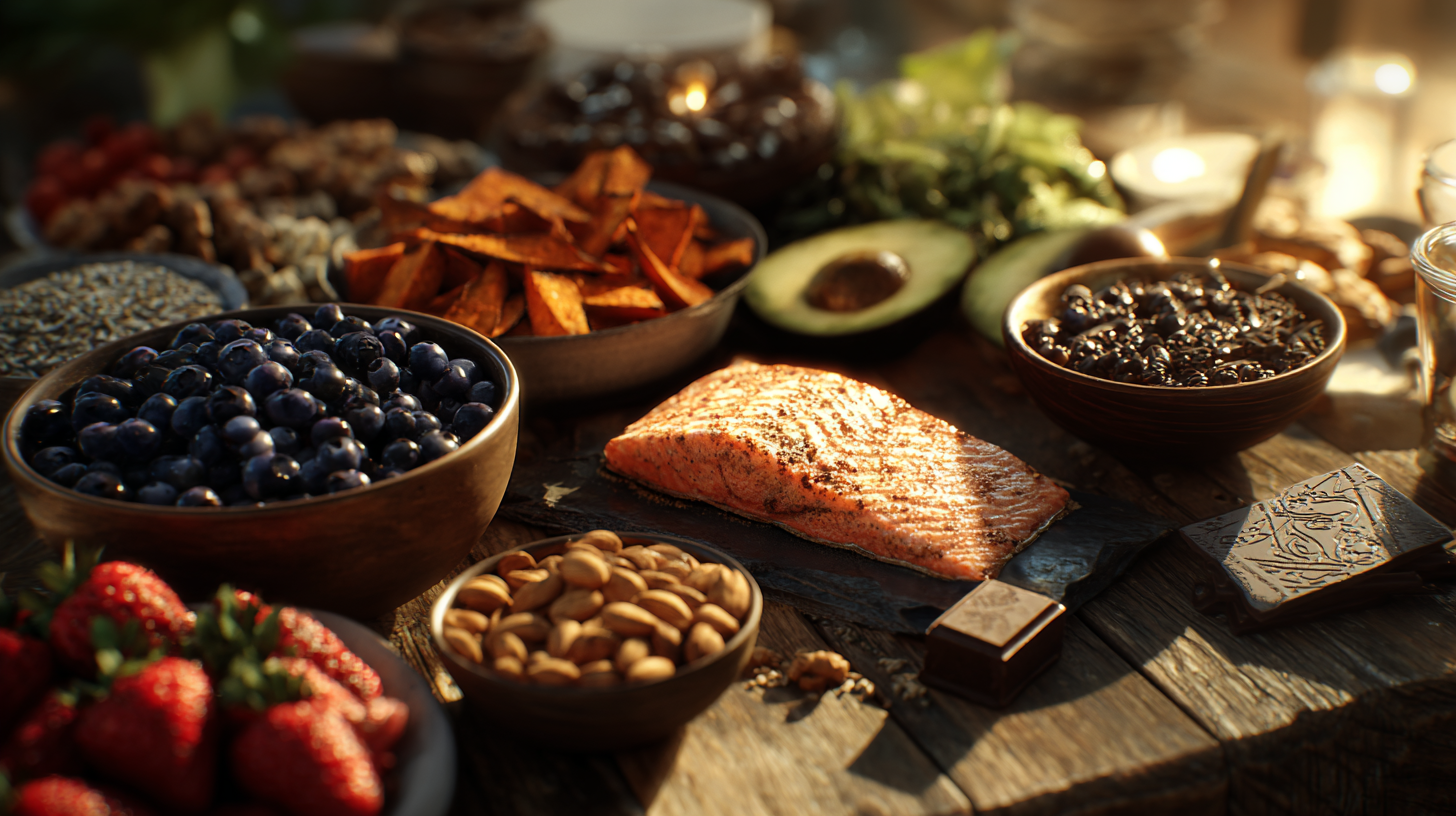
Fatty fish tops every neuroscientist’s list. Salmon, sardines, and mackerel deliver omega-3 fatty acids in their most bioavailable form. These fats literally become part of your child’s brain cell membranes, improving signal transmission between neurons. If your child won’t touch fish, don’t despair—walnuts, flaxseeds, and chia seeds provide plant-based omega-3s that the body can partially convert to the active forms the brain needs.
Berries are non-negotiable in my house now. Blueberries, strawberries, and blackberries contain polyphenols that cross the blood-brain barrier and accumulate in brain regions responsible for learning and memory. One study showed that children who consumed berry-rich diets performed better on cognitive tasks measuring attention and memory compared to control groups. We blend them into smoothies, toss them in oatmeal, or simply serve them as snacks.
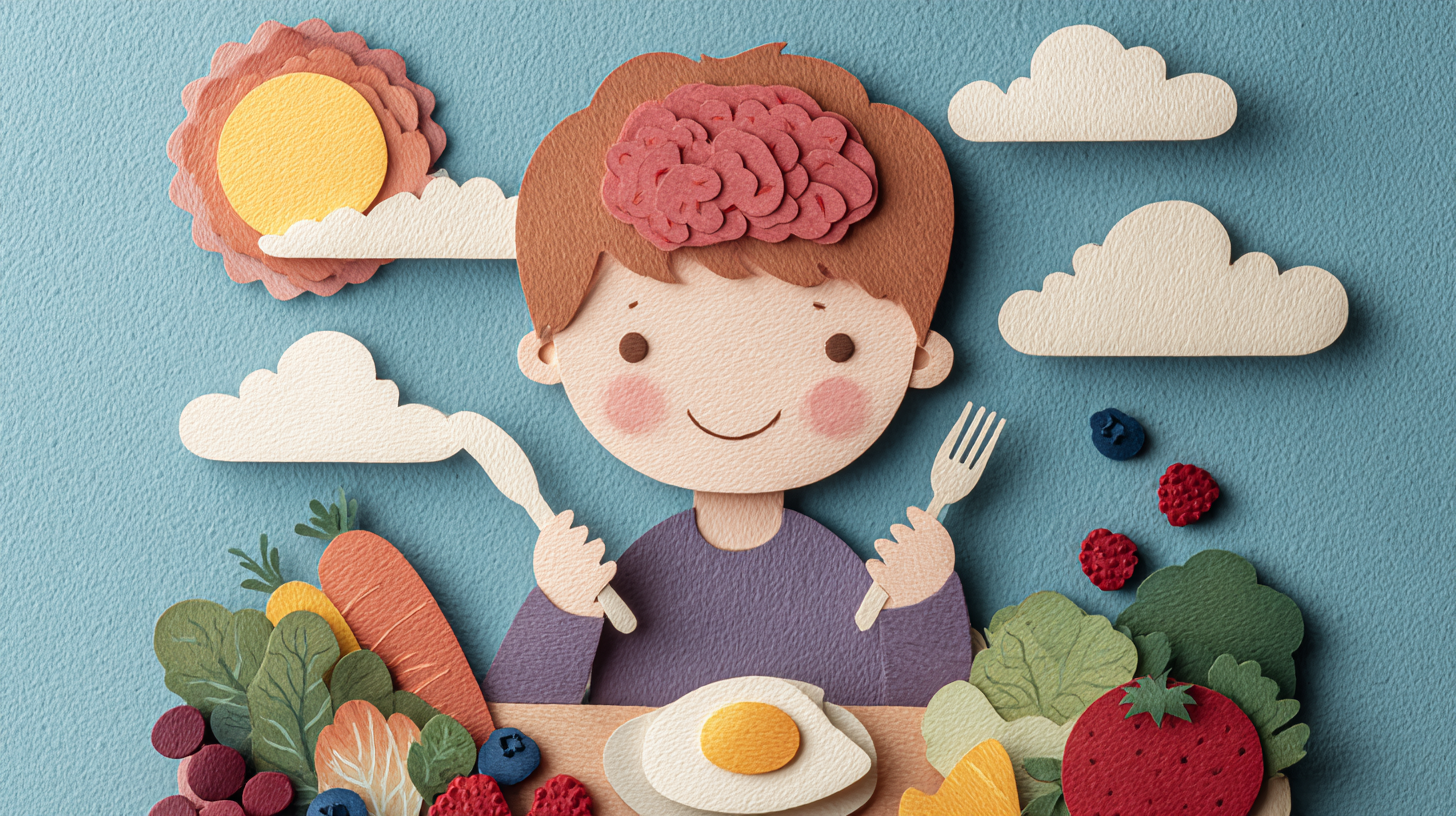
Eggs deserve special attention. Each egg yolk contains approximately 147 milligrams of choline—that crucial nutrient for memory formation that most children don’t get enough of. The morning scramble isn’t just breakfast. It’s brain architecture.
Leafy greens like spinach and kale pack folate, vitamin K, and antioxidants that protect cognitive function and support healthy brain aging from childhood onward. Yes, getting kids to eat greens can be challenging. I’ve found success blending them into fruit smoothies where the sweetness masks the bitterness, or incorporating them into dishes with familiar Caribbean flavors like callaloo mixed into rice and peas.
Whole grains—oats, quinoa, brown rice—provide the steady energy release that keeps blood sugar stable and attention spans long. Unlike refined grains that spike and crash blood glucose levels, whole grains deliver sustained fuel that supports concentration through long school days and homework sessions.
Dark chocolate surprised me. Quality dark chocolate (70% cocoa or higher) contains flavonoids that improve blood flow to the brain and enhance cognitive performance. A small square after school isn’t just a treat—it’s functional nutrition. Just watch the sugar content and keep portions reasonable.
️ Brain-Boosting Meal Ideas Throughout the Day
Click each meal category to unlock delicious, brain-healthy ideas:
Breakfast Brain Starters
Omega-3 Oatmeal Bowl: Steel-cut oats topped with walnuts, blueberries, chia seeds, and a drizzle of honey
Tropical Brain Smoothie: Mango, banana, spinach, coconut milk, and flaxseed—inspired by Caribbean flavors
Protein Power Scramble: Eggs scrambled with tomatoes, peppers, and a side of whole grain toast
Sweet Potato Hash: Diced sweet potato with bell peppers, onions, and scrambled eggs
Midday Focus Fuel
Salmon Salad Wrap: Flaked salmon, avocado, leafy greens in a whole wheat wrap
Caribbean Rice & Beans Bowl: Brown rice, red beans, plantain, with steamed broccoli
Turkey & Hummus Plate: Sliced turkey, hummus, cucumber, carrots, and whole grain crackers
Veggie-Packed Pasta: Whole wheat pasta with spinach, tomatoes, chickpeas, and olive oil
Smart Snack Solutions
Trail Mix: Walnuts, almonds, pumpkin seeds, and dried mango
Apple Slices & Almond Butter: Classic combination delivering sustained energy
Edamame: Steamed edamame pods with a light sprinkle of sea salt
Greek Yogurt Parfait: Greek yogurt layered with berries and a sprinkle of granola
Dark Chocolate & Nuts: Small squares of quality dark chocolate with cashews
Evening Nourishment
Grilled Fish Fiesta: Grilled salmon or mackerel with roasted sweet potato and steamed broccoli
Chicken & Quinoa Bowl: Grilled chicken, quinoa, roasted vegetables, avocado
Caribbean Curry: Mild curry with chicken or chickpeas, coconut milk, served over brown rice
Beef & Bean Chili: Lean ground beef, black beans, tomatoes, served with cornbread
What Parents Get Wrong About Brain Food
I need to address the myths that keep circulating in parenting groups and school pickup lines. These misconceptions cost children real cognitive potential.
Brain Food Myth Buster
Click each myth to reveal the scientific truth:
MYTH: Sugar gives kids energy to focus better
Many parents still believe a sweet snack before homework helps concentration…
TRUTH: Refined sugar causes blood glucose spikes followed by crashes that devastate attention span and mood. Studies show that high-sugar diets are associated with poorer cognitive performance, reduced memory capacity, and increased behavioral problems. The brain needs steady glucose, not spikes—that’s why complex carbohydrates from whole grains and fruits work better.
MYTH: Brain supplements work better than food
The supplement industry markets heavily to concerned parents…
TRUTH: While the kids’ brain health supplement market is projected to reach $13 billion by 2035, experts consistently emphasize that whole foods deliver superior results. Foods provide synergistic combinations of nutrients, fiber, and compounds that work together in ways isolated supplements cannot replicate. Save your money and invest in real food instead.
MYTH: Breakfast doesn’t really matter for learning
Some parents skip breakfast when mornings get rushed…
TRUTH: Breakfast dramatically impacts cognitive function throughout the morning. Children who eat nutrient-dense breakfasts show improved attention, memory, and academic performance compared to those who skip it or eat high-sugar options. The brain uses approximately 20% of daily energy intake—don’t send kids to school on empty.
MYTH: Kids don’t like fish, so don’t bother
Many parents give up on fish after initial resistance…
TRUTH: Taste preferences are learned and can be shaped. Children need 8-15 exposures to new foods before accepting them. Start with mild fish like tilapia or cod, incorporate fish into familiar dishes, or try fish tacos with favorite toppings. Persistence pays cognitive dividends that last a lifetime.
MYTH: Only organic foods support brain health
Budget-conscious parents worry conventional produce won’t help…
TRUTH: While organic foods reduce pesticide exposure, conventional fruits, vegetables, and whole grains still deliver powerful brain-supporting nutrients. Don’t let perfect be the enemy of good. A conventional apple is infinitely better for your child’s brain than no apple at all. Focus on variety and nutrient density over organic labels when budget is tight.
The Challenges Nobody Warns You About
Let’s be honest about the obstacles. Knowing what your child should eat and actually getting them to eat it are two entirely different battles.
Picky eating is real and neurologically based. Children have more taste buds than adults, making them more sensitive to bitter flavors found in many nutrient-dense foods like leafy greens. Their natural neophobia—fear of new foods—served an evolutionary protective function. Understanding this helps reduce the frustration when your carefully prepared brain-boosting meal gets rejected.
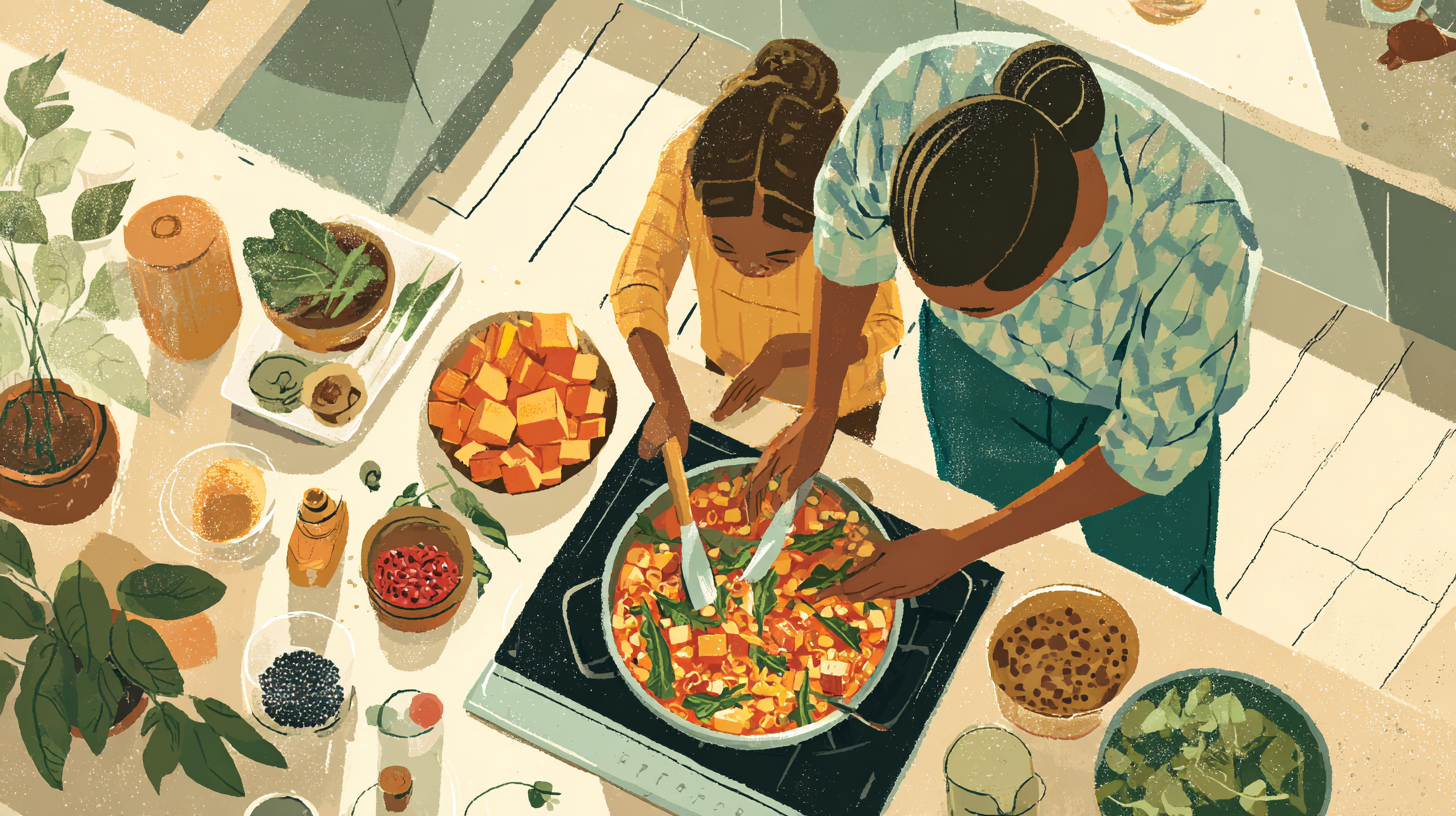
Time constraints crush good intentions. Between school, activities, homework, and work schedules, preparing brain-healthy meals can feel impossible. I’ve learned that batch cooking on weekends saves weeknight sanity. Making large portions of Caribbean-inspired stews, rice and beans, or baked salmon that can be quickly reheated makes brain-healthy eating sustainable rather than aspirational.
Ultra-processed foods are engineered for hyperpalatability. Food manufacturers employ food scientists specifically to create products that hijack taste preferences and override natural satiety signals. Your child’s brain gets flooded with more intense flavors, colors, and textures than nature ever intended. Whole foods can’t compete with that level of sensory manipulation—at first. But taste preferences adapt when ultra-processed foods are reduced gradually and consistently.
The social dimension matters more than we’d like to admit. When your child is the only one bringing salmon and quinoa to lunch while everyone else has chicken nuggets and cookies, social pressure creates resistance. I’ve found success involving my nephew in meal prep, letting him help choose recipes, and occasionally including treats so he doesn’t feel completely deprived around peers.
Iron deficiency remains surprisingly common even in developed countries and can devastate cognitive function. Children need iron for oxygen transport to brain tissue and neurotransmitter synthesis. But many kids don’t eat enough iron-rich foods or pair them with vitamin C sources that enhance absorption. If your child seems tired, irritable, or struggles with focus despite adequate sleep, ask your pediatrician to check iron levels.
Building Brains From the Beginning
The earlier you start, the more profound the impact. Brain development during infancy and early childhood sets trajectories that last lifetimes. Critical periods exist when specific nutrients have outsized effects on neural architecture.
The first thousand days—from conception through age two—represent the most intensive period of brain development a human ever experiences. During this window, approximately one million neural connections form every second. The nutrients available during this period directly determine brain structure, cognitive capacity, and even emotional regulation patterns that persist into adulthood.
This doesn’t mean parents of older children should despair. The brain retains remarkable plasticity throughout childhood and adolescence. Nutritional interventions at any age produce measurable benefits. But starting early compounds advantages over time.
For parents with babies and toddlers, introducing brain-supporting foods during the complementary feeding period (starting around six months) shapes taste preferences and microbiome diversity that influence health for years to come. The Caribbean Baby Food Recipe Book includes thoughtfully designed recipes for ages 6+ months that incorporate nutrient-dense ingredients like sweet potato, coconut milk, and beans—building both cultural connection and cognitive foundation simultaneously.
Your Child’s Daily Brain Food Score Calculator
Select the brain foods your child ate today. Watch your score grow!
The Academic Performance Connection
Everything I’ve shared leads to the question parents care about most: does this actually improve academic performance?
The research is unequivocal. Multiple studies demonstrate direct links between diet quality and academic outcomes. Children consuming balanced diets rich in the nutrients we’ve discussed show higher standardized test scores, better grades, improved classroom behavior, and stronger attendance records compared to peers with poor nutritional habits.
One particularly compelling 2022 study from Italy examined dietary patterns and cognitive performance in seven-year-old children. Researchers found that children following Mediterranean-style eating patterns—rich in fruits, vegetables, whole grains, fish, and healthy fats—scored significantly higher on cognitive assessments measuring verbal ability, perceptual reasoning, working memory, and processing speed compared to children consuming more processed Western diets.
The mechanism isn’t mysterious. Academic performance requires sustained attention, efficient memory encoding and retrieval, emotional regulation under stress, and mental flexibility to solve problems. Every single one of these capacities depends on optimal brain function. And optimal brain function depends on optimal nutrition.
Think about it this way: you wouldn’t expect a car to run well on contaminated fuel. Why expect a developing brain—infinitely more complex than any car—to perform optimally on nutritional junk?
Beyond test scores, nutrition affects the daily experience of learning. A child adequately nourished with brain-supporting foods experiences less mental fatigue, maintains focus longer, recovers from mistakes faster, and approaches challenging tasks with greater resilience. Learning becomes less frustrating and more rewarding, creating positive feedback loops that compound over years.
Making It Happen in Real Life
Theory means nothing without implementation. Here’s what actually works in real kitchens with real kids.
Start with addition, not subtraction. Instead of removing beloved foods and creating restriction backlash, focus on adding brain-healthy options alongside current favorites. Serve berries with cereal. Add spinach to pasta sauce. Offer nuts alongside crackers. Gradual additions feel less threatening to children than sudden overhauls.
Involve your kids in the process. Take them grocery shopping and let them choose one new fruit or vegetable to try. Assign them age-appropriate cooking tasks. Children who participate in meal preparation are significantly more likely to eat what they helped create. My nephew became far more enthusiastic about salmon after I let him season it and watch it transform in the oven.
Make strategic substitutions invisible. Swap white rice for brown rice gradually, mixing them together initially. Replace sugary cereals with lower-sugar versions topped with fresh fruit. Use whole wheat pasta in heavily sauced dishes where the texture difference is less noticeable. These swaps improve nutrient density without triggering resistance.
Create flavor bridges using familiar foods. If your child loves pizza, make homemade versions with whole wheat crust, plenty of vegetables, and quality cheese. If tacos are popular, build brain-boosting taco bowls with quinoa, black beans, avocado, and salsa. Cultural favorites from Caribbean cuisine like rice and peas can be enhanced with brown rice, extra beans, and coconut milk for additional brain benefits.
Establish consistent meal and snack times. Grazing throughout the day on processed snacks destroys appetite for nutritious meals and creates blood sugar roller coasters that wreck concentration. Structured eating times with balanced meals and snacks support both metabolic health and cognitive function.
Model the behavior you want to see. Children learn eating patterns from observing caregivers far more than from lectures about nutrition. When they see you regularly choosing and enjoying brain-healthy foods, they internalize those preferences as normal and desirable.
7-Day Brain Food Challenge
Ready to start? Click each day as you complete it and watch your progress:
The Future of Brain Nutrition Science
The field of nutritional neuroscience is exploding with discoveries that will transform how we feed our children in the coming years.
Personalized nutrition based on individual genetics and microbiome composition represents the frontier. Scientists are developing tools to analyze a child’s unique biological profile and recommend specific foods that optimize their individual brain chemistry. What works perfectly for one child might be less effective for another based on genetic variations in nutrient metabolism.
Functional foods fortified with targeted brain-supporting compounds are becoming more sophisticated. We’re moving beyond simple vitamin fortification toward foods enhanced with specific polyphenols, probiotics tailored to support the gut-brain axis, and novel compounds that enhance neurotransmitter function. Some of these products will deliver on their promises; many won’t. Parents will need to become savvy consumers of nutrition science to separate evidence from marketing.
The microbiome-brain connection will continue revealing new intervention opportunities. Research suggests that specific probiotic strains might enhance cognitive performance, reduce anxiety, and improve mood regulation in children. We’re learning which dietary patterns cultivate beneficial microbial species and which ones promote harmful ones. This knowledge will increasingly inform feeding recommendations.
Public health initiatives targeting ultra-processed food consumption are gaining momentum. As evidence accumulates about cognitive and developmental harms, some regions are beginning to regulate marketing to children, implement warning labels, or restrict availability in schools. The global conversation about protecting children’s brain health through nutrition policy is just beginning.
Digital tools and apps that track nutrient intake, suggest recipes, and provide personalized guidance are becoming more sophisticated and accessible. While technology can’t replace whole foods, it can help busy parents make better decisions and maintain consistency.
Your Path Forward
Here’s what I learned through three years of trial, error, research, and persistence: brain nutrition isn’t about perfection. It’s about progress. It’s about making more good choices than poor ones, consistently, over time.
My nephew is nine now. His focus has transformed. His grades have improved. But more importantly, learning feels different for him. It’s no longer this exhausting battle against a brain that won’t cooperate. He has energy that lasts through homework. He remembers what he studies. He thinks more clearly and creatively.
Did nutrition alone create this change? Of course not. Maturity, practice, better study strategies, and dedicated teachers all played roles. But nutrition provided the foundational brain support that made everything else possible. It’s like the difference between building a house on sand versus solid ground. The same building techniques work better with the right foundation.
You don’t need to overhaul everything overnight. You don’t need expensive supplements or exotic ingredients. You need consistent inclusion of nutrient-dense whole foods that support the most important organ in your child’s body.
Start with one meal. Then one day. Then one week. Build momentum gradually. Celebrate small victories. Notice the changes—they’re often subtle at first but compound dramatically over months and years.
Your child gets one childhood. One period of explosive brain development that sets trajectories for life. The foods you serve today literally become the brain your child thinks with tomorrow. That’s not pressure—it’s power. Power to give your child advantages that no amount of tutoring or enrichment activities can replicate.
The Caribbean wisdom I grew up with taught me that food is never just fuel. It’s culture. It’s love. It’s heritage. It’s medicine. Modern science is proving what traditional cultures always knew—that nourishing the body means nourishing the mind. For parents looking to blend this wisdom with practical recipes from the very beginning of their child’s food journey, resources like the Caribbean Baby Food Recipe Book can help establish those healthy patterns early, with recipes featuring sweet potato, mango, coconut, and other brain-supporting ingredients your family will actually enjoy.
Three years ago, I watched a child struggle unnecessarily. Today, I watch him thrive. The difference isn’t magic. It’s not expensive. It’s not complicated. It’s simply feeding a developing brain what it actually needs to build, connect, learn, and grow.
That power is in your hands now. Use it well.

Kelley's culinary creations are a fusion of her Caribbean roots and modern nutritional science, resulting in baby-friendly dishes that are both developmentally appropriate and bursting with flavor. Her expertise in oral motor development and texture progression ensures that every recipe supports your little one's feeding milestones while honoring cultural traditions.
Join Kelley on her flavorful journey as she shares treasured family recipes adapted for tiny taste buds, evidence-based feeding guidance, insightful parenting anecdotes, and the joy of celebrating food, culture, and motherhood. Get ready to immerse yourself in the captivating world of Kelley Black and unlock the vibrant flavors of the Caribbean for your growing baby, one nutritious bite at a time.
- You’re Doing Your Best: The Self-Compassion Revolution Every Feeding Parent Needs - September 11, 2026
- Feeding Therapy: Your Family’s Roadmap from Overwhelm to Progress - September 10, 2026
- When to Seek Professional Feeding Help: Your Complete Guide to Recognizing Warning Signs and Taking Action - September 9, 2026


