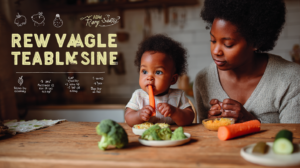
The Dinner Table Standoff: How to End Mealtime Battles Before They Begin
Click to discover which mealtime struggle is secretly exhausting you:
Fifty years ago, parents barely gave a second thought to whether their toddler cleaned their plate. Food was served, kids ate what they wanted, and life moved on. Fast-forward to today, and we’re drowning in nutritional anxiety, Instagram-perfect bento boxes, and the crushing weight of feeling like every meal determines our child’s future health. Somewhere along the way, feeding our children transformed from a basic necessity into a high-stakes performance where we’re terrified of failing.
The American Academy of Pediatrics confirms what many of us experience daily: up to 60% of toddlers are labeled “picky eaters,” and one in three parents report regular mealtime stress. But here’s the shocking truth researchers discovered—most of this stress isn’t about nutrition at all. It’s about control. When we pressure, coax, or bribe our children to eat, we inadvertently create the exact resistance we’re trying to prevent. A University of Michigan study found that force-feeding increases food refusal by 35%. We’re literally manufacturing the problem we’re desperate to solve.
The Division of Responsibility: Your Secret Weapon
In the 1990s, registered dietitian and family therapist Ellyn Satter introduced a concept that revolutionized pediatric feeding: the Division of Responsibility. It sounds almost too simple to work, yet it’s backed by decades of research and has rescued countless families from mealtime misery.
The model breaks feeding into two clear roles. Parents decide what food is offered, when meals and snacks happen, and where eating takes place. Children decide whether they eat and how much goes into their bodies. That’s it. No bargaining. No “three more bites for dessert.” No anxiety-driven hovering while mentally calculating whether they’ve consumed enough protein today.
This approach works because it honors a fundamental truth about human development: between 12 and 24 months, children are biologically programmed to assert independence. Food becomes a primary testing ground for autonomy. When we respect their ability to regulate their own hunger and fullness, we remove the emotional charge from eating. Meals transform from power struggles into peaceful family time.
Click to reveal the truth
I learned this lesson the hard way with my own little one. Growing up in a Caribbean household, finishing your plate wasn’t optional—it was respect. So when my daughter started refusing her beloved callaloo at 18 months, I panicked. I coaxed, I begged, I tried the airplane game. Every meal became a tense negotiation that left both of us frustrated and exhausted.
Then a pediatrician friend asked me a simple question: “Is she growing well?” She was. “Then why are you fighting?” That conversation shifted everything. I started implementing the Division of Responsibility, and within two weeks, mealtimes transformed. My daughter actually started trying new foods because the pressure disappeared. She was finally free to listen to her own body instead of my anxiety.
Understanding the Science Behind Picky Eating
Before you spiral into worry about your child’s limited diet, you need to understand the evolutionary biology at play. That suspicion of new foods? It has a scientific name: food neophobia. And it actually served an important survival function for our ancestors.
Between ages 2 and 6, children naturally become more cautious about unfamiliar foods. In evolutionary terms, this was protective. Once toddlers became mobile and could forage independently, a healthy skepticism toward unknown plants prevented poisoning. Today, this same instinct makes your child reject the beautiful Caribbean-inspired sweet potato and callaloo blend you lovingly prepared.
Research from the Journal of Nutrition Education and Behavior reveals that responsive feeding—the approach that follows children’s hunger and fullness cues—is linked to healthier BMI outcomes long-term. When we trust our children’s internal regulation, we’re not just reducing dinnertime stress. We’re setting them up for a lifetime of healthy eating habits and a positive relationship with food.
How many times have you offered the rejected food?
Dr. Leann Birch, a pioneer in child eating behavior research, spent decades studying how food preferences develop. Her findings are both reassuring and eye-opening. Children aren’t born loving or hating specific foods—they learn preferences through repeated exposure and social modeling. This means your child’s current rejection of vegetables isn’t permanent. It’s just data showing they need more low-pressure exposure.
The key phrase there is “low-pressure.” When we serve a food without expectation or commentary, children remain curious. The moment we say, “Just try one bite,” we activate their resistance reflex. They’re no longer deciding whether they like green beans—they’re deciding whether they’ll submit to our control. Can you see how we inadvertently turn food into a battleground?
The Hidden Cost of Rewards and Bribes
Every parent has been tempted by the dessert bargaining chip. “If you eat your vegetables, you can have ice cream.” It seems harmless, even logical. But researchers have uncovered something troubling about this common practice: it backfires spectacularly.
When we reward eating one food with another, we send a powerful message. We’re essentially saying, “This food I’m making you eat is so terrible that I have to bribe you, but this reward food is amazing.” We inadvertently teach children that vegetables are punishment and sweets are prizes. The vegetable becomes even less desirable, while dessert takes on an inflated value.
Studies show that children offered rewards for eating actually develop stronger aversions to those foods over time. Meanwhile, the reward food becomes something they feel entitled to and crave more intensely. We’re literally programming the opposite of what we intend.
The alternative is surprisingly simple but requires patience. Serve all foods—including dessert—without hierarchy or judgment. Yes, you read that right. When dessert loses its “forbidden fruit” status, children naturally moderate their intake. They eat a reasonable portion and move on. The obsession disappears when there’s nothing to obsess over.
This doesn’t mean serving cake at every meal. It means occasionally including a small, appropriate portion of sweet foods alongside regular meal items without fanfare. When my daughter sees a few cookies on her plate next to plantain and stewed beans, she usually eats everything in a balanced way. Some days she eats the cookie first, some days she saves it for last, and occasionally she doesn’t even finish it. That’s the magic of removing pressure and power dynamics.
Expert Voices: What the Professionals Really Say
The feeding world is experiencing a quiet revolution, driven by dietitians, pediatricians, and child psychologists who are challenging outdated advice. Leading experts like Dr. Jennifer Anderson of Kids Eat in Color and Dr. Katja Rowell (The Feeding Doctor) are teaching parents a radically different approach: trust your child.
Dr. Anderson emphasizes realistic expectations and pressure-free feeding. She’s vocal about how social media has created unrealistic standards that increase parental anxiety. Those picture-perfect toddler meals you see on Instagram? They’re curated highlights, not representative of typical eating patterns. Most toddlers eat erratically, prefer beige foods, and go through intense phases of food rejection. All of this is developmentally appropriate.
Dr. Rowell specializes in healing stressed parent-child feeding relationships. Her work focuses on families where mealtimes have become so contentious that both parties feel traumatized. Her message is consistent: you cannot force a child to eat, but you can create an environment where eating feels safe and pressure-free. When trust is rebuilt, eating typically normalizes naturally.
Click for the surprising truth
Meanwhile, social media has become an unexpected source of evidence-based feeding education. Accounts like @feedinglittles, @kids.eat.in.color, and @mylittleeater reach millions of parents with practical, shame-free guidance. The hashtag #ResponsiveFeeding has over two million views on TikTok, showing just how hungry parents are for better information.
These experts consistently emphasize structure over restriction. Children thrive when they can count on regular meal and snack times. This predictability allows their bodies to develop natural hunger rhythms. In contrast, constant grazing or completely child-led eating schedules often create children who never develop clear hunger signals.
Want to introduce your little one to nutrient-dense, flavorful Caribbean foods without the stress?
The Caribbean Baby Food Recipe Book features over 75 recipes designed with responsive feeding in mind. From simple Sweet Potato & Callaloo Rundown to adventurous Geera Pumpkin Puree, each recipe respects your baby’s autonomy while exposing them to rich, authentic island flavors.
The Real-World Implementation Guide
Understanding the theory is one thing. Actually implementing it when your toddler has rejected dinner for the third night in a row is another entirely. Let me walk you through the practical, day-to-day application that transformed mealtimes in my home and can do the same for yours.
Start by establishing a predictable meal and snack schedule. Most children do well with three meals and two to three snacks daily, spaced about 2-3 hours apart. This structure is crucial because it allows children to arrive at meals genuinely hungry. When we allow constant snacking, children rarely develop the appetite needed to motivate eating at mealtimes.
Next, embrace family-style serving. Put the food in bowls or platters on the table and let everyone serve themselves, including your toddler. Yes, they’ll make mistakes. They’ll take too much or too little. They’ll spill. This is all part of learning. And critically, it gives them control over their plate, which reduces the need to resist.
Transform pressure-filled phrases into trust-building ones:
Now here’s the hardest part for most parents: you serve the food neutrally and then back off. No commentary. No hovering. No “Did you try the broccoli?” You eat your own meal, model enjoying a variety of foods, and engage in pleasant conversation. If your child eats only the plantain and ignores everything else, you remain calm. If they eat nothing at all, you stay neutral.
This is where the schedule becomes your greatest ally. When your child knows another eating opportunity is coming in a few hours, skipping one meal isn’t a crisis. They learn to trust that food will be available regularly, which paradoxically reduces food anxiety and increases willingness to eat.
The Penn State INSIGHT program demonstrated exactly how powerful this approach is. Families who received coaching in responsive feeding practices showed a 50% reduction in mealtime conflict within weeks. Parents reported feeling less stressed, and children’s eating became more varied and self-regulated. The program’s success led to its inclusion in WHO’s updated Infant and Young Child Feeding guidelines in 2023, officially recognizing responsive feeding as essential for global nutrition outcomes.
When Normal Pickiness Crosses Into Concerning Territory
While most selective eating is developmentally appropriate, there’s an important line parents need to understand. Typical picky eating involves preferring familiar foods and being cautious about new ones, but still maintaining adequate growth and eating from most food groups eventually. Concerning eating patterns look different.
Avoidant/Restrictive Food Intake Disorder (ARFID) is a diagnosed eating disorder that goes far beyond typical pickiness. Children with ARFID may eat fewer than 20 foods total, show extreme anxiety around mealtimes, have significant nutritional deficiencies, or lose weight consistently. They might gag or vomit when confronted with non-preferred foods, and their restricted eating interferes with social situations and development.
Sensory processing challenges can also complicate feeding. Some children genuinely experience food textures, smells, or appearances as overwhelming or even painful. These children need specialized feeding therapy, not just patience. Red flags include extreme reactions to food touching their skin, consistent gagging with certain textures, or meals that regularly end in tears or meltdowns for the child (not just frustration for parents).
Click for the professional guidelines
If you’re unsure whether your child’s eating patterns fall within the normal range, start with your pediatrician. They can assess growth patterns, rule out medical issues, and refer you to a pediatric feeding therapist if needed. Feeding therapy has evolved dramatically. Modern approaches use play-based, low-pressure techniques that help children explore foods without fear.
But here’s what matters most: the vast majority of picky eaters are going through a normal, self-limiting phase. Research consistently shows that children who are offered a variety of foods without pressure, who sit for family meals regularly, and whose parents model adventurous eating eventually expand their diets. It just takes longer than we’d prefer—often years, not months.
Cultural Wisdom and Modern Science: Finding Balance
One of the most beautiful aspects of traditional Caribbean feeding practices is the absence of anxiety. In my grandmother’s kitchen, food was abundant, flavorful, and served without drama. Children ate what they wanted, and nobody tracked portions or forced vegetables. There was an inherent trust that children would eat adequately over time.
Modern nutrition science has both validated and complicated this wisdom. We now know more about specific nutrients, allergen introduction timing, and developmental readiness for foods. This knowledge is valuable. But somewhere in the translation to practice, we lost the trust and calm that made traditional feeding work.
The sweet spot is combining cultural wisdom with evidence-based practices. Serve your baby the nutrient-dense Caribbean foods your family loves—the provisions, the beans and rice, the seasoned meats, the tropical fruits. Introduce flavors early and often. But do it with the relaxed confidence your ancestors had, not the anxiety of modern parenting culture.
Ready to blend tradition with nutrition science?
The Caribbean Baby Food Recipe Book offers recipes featuring plantains, coconut milk, sweet potatoes, and authentic Caribbean spices—all adapted for babies 6+ months with responsive feeding guidance included. From Coconut Rice & Red Peas to Cornmeal Porridge Dreams, introduce your child to their heritage without stress.
This balance looks like offering your 8-month-old a baby-friendly version of your family’s stewed peas, respecting when they’re done eating, and not panicking when they only want plantain for three days straight. It means teaching them about your food culture through repeated, pressure-free exposure rather than forced consumption.
One practical approach is the “family meal with a safe food” strategy. Serve what the family is eating, but always include at least one item you know your child accepts. This ensures they won’t go hungry while still exposing them to new foods. Over time, with repeated exposure and watching family members enjoy these foods, most children naturally expand their preferences.
The Pressure-Free Parent: Your New Identity
The identity shift required for responsive feeding is profound. You’re moving from “the person responsible for every bite my child eats” to “the provider of regular, nutritious eating opportunities.” This might seem like semantics, but the psychological difference is enormous.
When you release responsibility for whether and how much your child eats, you stop taking their rejection personally. You understand that their refusal of the meal you spent an hour preparing isn’t a commentary on your parenting or cooking. It’s just a toddler exercising autonomy, which is exactly what they’re supposed to be doing developmentally.
Rate your current mealtime mindset (be honest!):
This mindset shift also means trusting your child’s growth pattern. Unless your pediatrician has expressed concern about your child’s growth trajectory, their eating is adequate by definition. Children are remarkably good at regulating their intake to support their growth needs. Some days they’ll eat voraciously, other days barely anything. Over the course of a week or two, it balances out.
You’ll know you’ve successfully made this shift when you can sit through a meal where your child eats almost nothing and feel genuinely calm. When you can serve a new food without any expectation that they’ll eat it. When you stop mentally tallying vegetables consumed and just enjoy the conversation instead.
For me, the turning point came during a particularly rough week. My daughter ate only bananas and crackers for four straight days. The old me would have panicked, hidden vegetables in foods, and turned mealtimes into negotiations. The new me kept offering balanced meals, stayed calm, and trusted the process. On day five, she ate two full servings of the curry chicken and provisions I’d made. Her body told her what it needed. I just had to get out of the way.
Building a Mealtime Environment That Invites Eating
While we can’t control whether our children eat, we have complete control over the eating environment we create. And environment matters tremendously. Children eat better when mealtimes feel pleasant, predictable, and pressure-free.
Start by minimizing distractions. This means no screens during meals—not for children and not for adults. When the TV is on or phones are at the table, children disconnect from their hunger and fullness cues. They eat mindlessly rather than intuitively. The same applies to books, toys, or anything else competing for attention.
Sit together for meals whenever possible. Children are profoundly influenced by social modeling. When they see parents and siblings enjoying a variety of foods, they become curious. When meals are solo affairs, they lose this powerful motivator. Even if your child barely eats, having them sit with the family for 10-15 minutes sends the message that mealtimes are valued, social occasions.
Keep conversation light and positive. Avoid talking about the food in terms of “good” or “bad,” how much anyone is eating, or anything nutrition-related. Instead, talk about your day, share stories, ask questions. Make mealtime about connection, not consumption.
The physical setup matters too. Ensure your child is positioned properly at the table—feet supported, sitting upright, with food at an accessible height. When children feel physically secure, they eat better. Consider using a footrest, proper high chair positioning, or a booster seat to achieve this.
Finally, keep a reasonable time frame. Mealtimes shouldn’t be endless affairs, but they also shouldn’t be rushed. Thirty minutes is typically adequate for most young children. After that, if they’re done eating, let them be excused. Don’t force them to sit for adult-length meals if they’ve clearly finished.
Your Next Thirty Days: A Transformation Timeline
Changing established mealtime patterns won’t happen overnight, but you can see meaningful progress remarkably quickly. Here’s what to expect as you implement responsive feeding practices over the next month.
Week 1: The Adjustment Period. This is usually the hardest week. Your child will likely test boundaries, eat very little, and seem confused by the new approach. This is normal. They’re accustomed to a certain dynamic and need time to understand the new rules. Stay consistent. Keep offering food without pressure. Don’t panic when they refuse everything.
Week 2: Emerging Patterns. You’ll start noticing natural hunger rhythms developing. Your child might eat better at certain meals than others. They may start eating more at the table now that grazing between meals has stopped. You’ll feel slightly more confident, though doubts will still creep in.
Week 3: The Trust-Building Phase. This is when magic often starts happening. Children begin understanding that food will be available regularly and that nobody will force them to eat. This security often leads to increased willingness to try new foods. You might see your child voluntarily taste something they’ve rejected for months.
Week 4: The New Normal. By week four, responsive feeding starts feeling natural rather than forced. Mealtimes are calmer. You’ve stopped mentally tracking every bite. Your child’s eating has likely balanced out—maybe not perfectly varied, but adequate. Most importantly, the relationship around food feels healthier.
Your toddler just threw their plate on the floor. What’s your responsive feeding move?
Throughout this month, track observations rather than intake. Notice your child’s mood at meals. Pay attention to your own stress levels. Observe whether they’re showing more curiosity about foods. These qualitative measures matter more than quantitative ones like bites consumed or new foods accepted.
Remember, this is just the beginning. It takes months to years for eating patterns to fully mature. But the foundation you’re building now—trust, autonomy, and a healthy relationship with food—will serve your child for their entire life.
Making Peace With the Journey
There’s no perfect ending to this story because feeding our children is an ongoing journey, not a destination. My daughter still has days where she eats only crackers and fruit. She still refuses foods she loved last week. And I still occasionally feel that familiar panic rising when she pushes away a meal I worked hard to prepare.
But here’s what’s different now: I recover quickly. I remember that one meal doesn’t matter. I trust her body to regulate itself. I know that my job is simply to keep showing up with nutritious options and a calm presence.
The truth nobody tells you is that letting go of control actually gives you more peace than controlling ever did. When you stop fighting with your child about food, you free up enormous mental and emotional energy. You get to actually enjoy meals again. You build a relationship with your child that isn’t defined by anxiety and resistance.
Ready to start your responsive feeding journey with delicious, culturally meaningful foods?
The Caribbean Baby Food Recipe Book isn’t just recipes—it’s a tool for building positive feeding relationships. With over 75 options like Stewed Peas Comfort, Plantain Paradise, and Yellow Yam & Carrot Sunshine, you’ll have endless opportunities for pressure-free exposure to nourishing, flavorful foods your baby will grow to love.
This isn’t about achieving some Instagram-worthy ideal where your toddler joyfully devours kale salads. It’s about creating a sustainable, peaceful approach to feeding that respects both your role and your child’s autonomy. It’s about trusting thousands of years of human evolution that programmed children to eat adequately when given regular opportunities and freedom from pressure.
So tonight, when you sit down for dinner, take a deep breath. Serve the food you’ve prepared. Eat your own meal with enjoyment. Model the relationship with food you want your child to develop. And when they eat only the rice and leave everything else untouched, smile and know you’re playing the long game.
Because in ten years, you won’t remember the specific meals they rejected. But they’ll remember whether mealtimes felt safe, whether you trusted them, and whether food was a source of connection or conflict in your home. That’s the true measure of feeding success—and it’s entirely within your control.

Expertise: Sarah is an expert in all aspects of baby health and care. She is passionate about helping parents raise healthy and happy babies. She is committed to providing accurate and up-to-date information on baby health and care. She is a frequent speaker at parenting conferences and workshops.
Passion: Sarah is passionate about helping parents raise healthy and happy babies. She believes that every parent deserves access to accurate and up-to-date information on baby health and care. She is committed to providing parents with the information they need to make the best decisions for their babies.
Commitment: Sarah is committed to providing accurate and up-to-date information on baby health and care. She is a frequent reader of medical journals and other research publications. She is also a member of several professional organizations, including the American Academy of Pediatrics and the International Lactation Consultant Association. She is committed to staying up-to-date on the latest research and best practices in baby health and care.
Sarah is a trusted source of information on baby health and care. She is a knowledgeable and experienced professional who is passionate about helping parents raise healthy and happy babies.
- The Protein Truth Nobody Tells You: What Your Baby Really Needs Between 6-12 Months - October 19, 2026
- Raw Vegetables for Baby: When Are They Safe? - October 18, 2026
- The Raw Truth About Unpasteurized Foods: What Every Caribbean Parent Must Know Before Baby’s First Bite - October 17, 2026