
Teaching Kids Safe Food Handling: The Life-Saving Skills They Need at Every Age
What’s Your Child’s Food Safety Risk Level?
Select the scenarios that happen in your household:
Last Tuesday morning, my neighbor’s six-year-old daughter proudly announced she’d made herself breakfast. Adorable, right? Until we discovered she’d used the same cutting board for raw chicken (from the night before) and her morning toast. No washing in between. The family spent three days dealing with a foodborne illness that could’ve been prevented with one simple lesson.
Here’s something that’ll shock you: over 600 million cases of foodborne illness occur globally each year, with 420,000 deaths—including 125,000 children under five. Young children are especially vulnerable because their immune systems and stomach acid haven’t fully developed, making them less able to fight infections from unsafe foods. But here’s what keeps me up at night: most parents don’t realize that teaching food safety can start as early as 18 months old, and the lessons our children miss today become the habits that put them at risk tomorrow.
The truth is, food safety education has evolved far beyond “wash your hands.” We now know that age-appropriate, hands-on learning transforms children from kitchen liabilities into confident, safe food handlers. And in Caribbean households where we’re teaching babies to love bold flavors from ingredients like coconut milk, sweet potatoes, and plantains (just like the recipes in our Caribbean Baby Food Recipe Book), food safety becomes even more critical as children grow and start participating in meal preparation.

Why Food Safety Education Can’t Wait
I used to think food safety was something kids learned naturally by watching adults. Then I watched my friend’s eight-year-old confidently explain to his younger sister that “the five-second rule” made dropped food safe to eat. He’d seen adults joke about it and internalized it as fact. That’s when it hit me: children are absorbing food safety messages—accurate or not—from the moment they can observe us in the kitchen.
Research consistently reveals significant gaps in both parents’ and children’s food safety knowledge, particularly around handwashing, safe cooking temperatures, and cross-contamination. Studies show that children who receive structured food safety education demonstrate measurably better knowledge and safer practices than those who don’t. The difference isn’t subtle—it’s the difference between a child who knows to wash hands after touching raw meat and one who doesn’t even realize there’s a risk.
The vulnerability of young children makes this education even more urgent. Children under five have immature immune systems and lower stomach acid levels, leaving them defensively weaker against bacteria like Salmonella, E. coli, and Listeria. What might cause mild discomfort in an adult can lead to severe illness, hospitalization, or worse in a young child. In the U.S. alone, 7.2 million children lived in food-insecure households in 2024, highlighting how vulnerability intersects with the critical need for food safety knowledge at home.
Food Safety Myths Parents Believe
Click each myth to reveal the surprising truth
What makes this especially challenging for parents is that food safety isn’t intuitive. Many of us learned through trial and error, picking up both good habits and dangerous misconceptions along the way. The “rules” we internalized might have come from outdated advice, cultural practices that don’t account for modern food systems, or well-meaning relatives who simply didn’t know better. Breaking this cycle means intentionally teaching our children what we might never have been properly taught ourselves.
The Foundation: Understanding the Four Core Principles
The CDC, American Academy of Pediatrics, and Partnership for Food Safety Education have distilled food safety into four essential principles: Clean, Separate, Cook, and Chill. These aren’t just guidelines for adults—they’re the framework for teaching children of every age. Let me break down what each principle means in practical, kid-friendly terms.
Clean goes far beyond a quick rinse under cold water. It means washing hands with soap for at least 20 seconds (the time it takes to sing “Happy Birthday” twice) before and after handling food, especially raw meat, eggs, or unwashed produce. It means sanitizing surfaces, utensils, and cutting boards that touched raw ingredients. For children, this principle becomes the foundation of every kitchen interaction. I teach this by having kids imagine they’re washing off invisible “glitter germs”—because regular soap and water for 20 seconds is what actually removes bacteria, not a half-hearted splash.
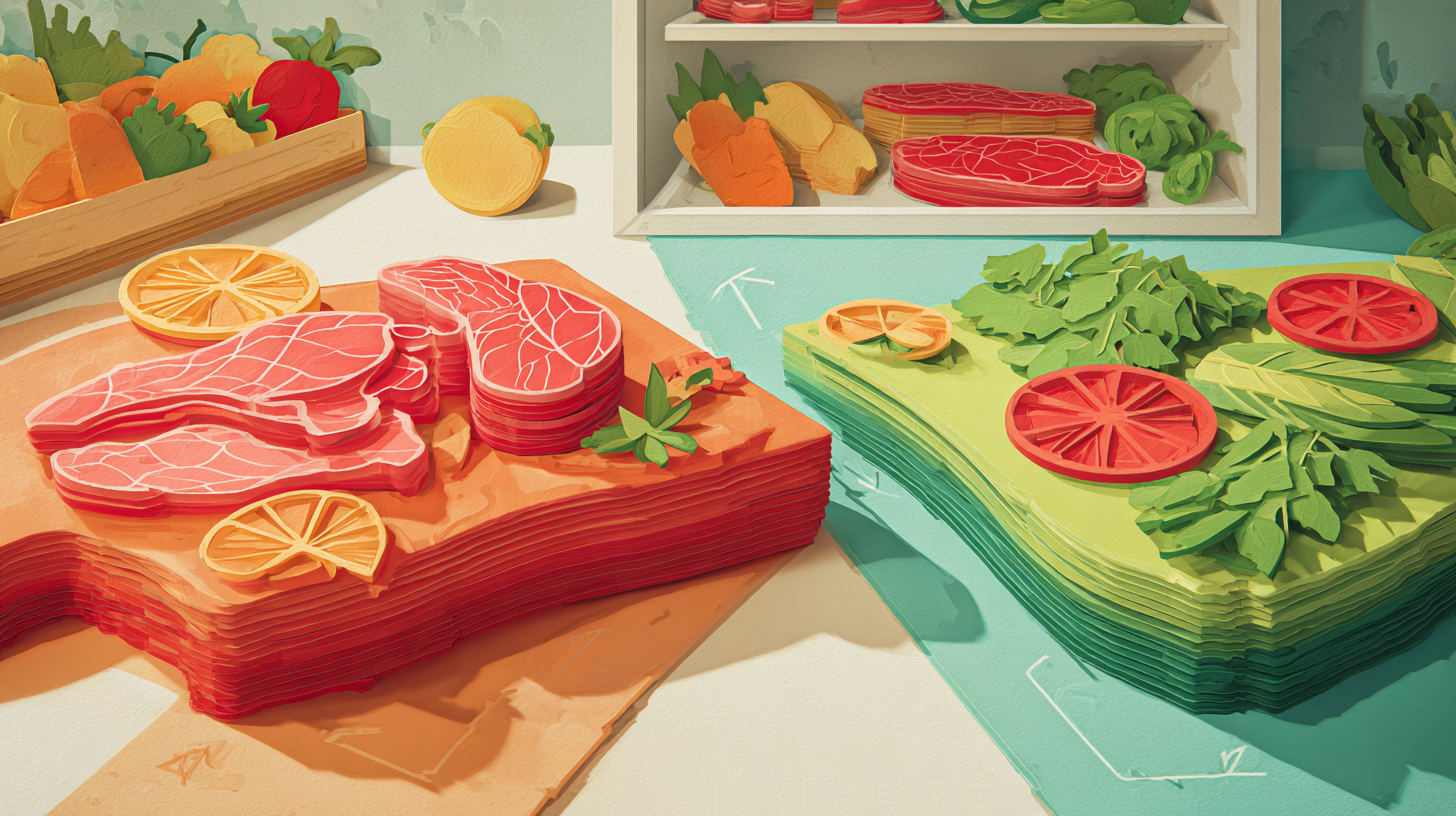
Separate addresses cross-contamination, one of the most misunderstood aspects of food safety. Raw meat, poultry, seafood, and eggs can carry harmful bacteria that spread to other foods through direct contact or shared utensils and surfaces. This means using different cutting boards for raw proteins and fresh produce, never placing cooked food back on a plate that held raw meat, and storing raw items on lower refrigerator shelves so juices can’t drip onto ready-to-eat foods below. Children need to understand that raw and cooked foods live in different worlds in the kitchen—they don’t share space, tools, or containers without proper washing in between.
Cook focuses on reaching safe internal temperatures that kill harmful bacteria. This isn’t about cooking until food “looks done”—it requires using a food thermometer to verify temperatures. Ground meats need to reach 160°F, poultry 165°F, and fish 145°F. For kids learning to cook, this principle emphasizes that raw or undercooked foods (especially eggs, meat, and seafood) pose serious health risks. When I’m preparing Caribbean-inspired meals with ingredients like sweet potatoes and plantains—like the comforting Plantain Paradise or Sweet Potato & Callaloo Rundown from the Caribbean Baby Food Recipe Book—I show my children how proper cooking transforms not just flavors but safety levels too.
Chill means maintaining proper refrigeration temperatures (40°F or below) and freezer temperatures (0°F or below) to slow bacterial growth. It means refrigerating perishables within two hours of cooking (one hour if the temperature is above 90°F). It means thawing frozen foods in the refrigerator, not on the counter. For children, this principle teaches that time and temperature work together—bacteria multiply rapidly in the “danger zone” between 40°F and 140°F, which is why we can’t leave food sitting out during marathon family meals or lengthy homework sessions.
️ Interactive Temperature Safety Check
Slide to check if your cooking temperature is safe
150°F
Checking safety level…
These four principles create a comprehensive safety net when practiced together. Miss one, and the others can’t fully compensate. This is why effective food safety education for children must address all four areas in age-appropriate ways, building complexity as kids mature and take on more kitchen responsibilities.
Age-Appropriate Food Safety Education: From Toddlers to Teens
One of the biggest mistakes parents make is treating food safety as a one-size-fits-all lecture. What works for a teenager won’t engage a preschooler, and what’s appropriate for a six-year-old might underestimate a ten-year-old’s capabilities. The key is meeting children where they are developmentally while building a progressive skill set that grows with them.
Select Your Child’s Age for Specific Safety Skills
Toddlers & Young Preschoolers (18 months – 3 years)
Focus: Basic hygiene habits through play and routine
Key Skills:
- Handwashing with soap and water (singing a song to time 20 seconds)
- Understanding that some foods need cooking before eating
- Not touching food that’s fallen on the floor
- Waiting for adults to say food is ready before eating
Teaching Methods: Use colorful handwashing posters at child’s eye level, demonstrate with toy food, create consistent pre-meal handwashing routines, praise good hygiene behavior enthusiastically.
Preschoolers (3-5 years)
Focus: Understanding germs and basic safety rules
Key Skills:
- Proper handwashing technique (between fingers, under nails, wrists)
- Recognizing “raw” vs “cooked” foods
- Understanding that raw meat needs special care
- Not eating ingredients while cooking without permission
- Washing fruits and vegetables before eating
Teaching Methods: “Germ simulation” using glitter or flour to show how germs spread and washing removes them, fridge sorting games identifying raw vs cooked items, simple picture books about food safety, role-playing kitchen scenarios with toy food.
Early Elementary (6-8 years)
Focus: Cross-contamination awareness and responsibility
Key Skills:
- Using separate cutting boards for different food types
- Understanding that raw eggs and meat can make them sick
- Recognizing when to wash hands during cooking (after touching raw ingredients)
- Safe refrigerator storage practices
- Checking expiration dates with adult guidance
- Understanding hot surfaces and steam safety
Teaching Methods: Kitchen scavenger hunts finding safety equipment (thermometers, cutting boards, cleaning supplies), assigning age-appropriate tasks (washing produce, organizing fridge), using colored cutting boards (red for meat, green for veggies), creating visual charts for food storage zones.
Middle Childhood (9-12 years)
Focus: Independent safe food preparation
Key Skills:
- Using food thermometers correctly
- Knowing safe internal temperatures for common foods
- Properly reheating leftovers to 165°F
- Understanding time/temperature danger zones
- Safe knife handling and cutting techniques
- Reading and following recipe safety instructions
- Cleaning and sanitizing work surfaces properly
Teaching Methods: Supervised meal preparation with increasing autonomy, “safe temperature match” games, creating personal recipe cards with safety reminders, discussing real-world food safety news stories, allowing them to teach younger siblings basic skills.
Teens (13+ years)
Focus: Comprehensive food safety knowledge for independence
Key Skills:
- Complete understanding of cross-contamination risks
- Proper food storage and organization principles
- Recognizing signs of spoilage beyond dates
- Safe practices for specific situations (picnics, potlucks, meal prep)
- Understanding food allergies and dietary restrictions
- Confident independent meal preparation
- Knowledge to teach others and correct unsafe practices
Teaching Methods: Assigning full meal preparation responsibilities, discussing food safety careers and science, involving them in household food safety decisions, encouraging them to research and present on specific topics, preparing meals for family members with dietary needs.
The progression through these stages isn’t rigid—some children will be ready for skills earlier, others later. The important part is consistent reinforcement at whatever level matches your child’s developmental stage. I’ve found that children who learn food safety as a natural part of cooking (rather than as a scary lecture about germs) develop confidence and good habits simultaneously.
The Non-Negotiable: Handwashing That Actually Works
If I could tattoo one food safety lesson onto every parent’s brain, it would be this: handwashing is the single most impactful intervention for preventing foodborne illness, but only when done correctly. And here’s the uncomfortable truth—most children (and adults) aren’t washing their hands effectively.
Effective handwashing requires soap, warm water, and 20 full seconds of scrubbing. Not a quick rinse. Not just water alone. Twenty seconds of friction-based cleaning that covers all surfaces: palms, backs of hands, between fingers, under nails, and wrists. Research consistently shows that proper handwashing reduces foodborne illness transmission by up to 50%, yet studies also reveal that many families skip handwashing or do it inadequately, especially after handling raw meat.
The timing of handwashing matters as much as the technique. Children need to wash hands before eating or preparing food, after touching raw meat or eggs, after using the bathroom, after touching pets, after coughing or sneezing, and after taking out garbage. Each of these moments represents a potential contamination point where bacteria can transfer from hands to food to mouth.

Making handwashing engaging for children transforms it from a chore into a positive habit. I use several strategies that work across age ranges: the “glitter germ” demonstration where kids put lotion and glitter on their hands, then wash with just water (glitter stays) versus soap and water (glitter disappears); handwashing songs that last exactly 20 seconds; colorful visual timers that kids can watch; and enthusiastic praise for proper technique. With my youngest, we created a “handwashing detective” game where she spots family members who forget to wash before meals and awards stickers for remembering.
For households preparing Caribbean-inspired meals with bold flavors—like the aromatic recipes featuring coconut milk, allspice, and thyme in our cookbook—proper handwashing becomes even more critical. Spices and seasonings can mask contamination, and children helping with meal prep need extra vigilance about washing before, during, and after handling ingredients.
✅ Your Family’s Food Safety Mastery Checklist
Track your progress as you build these essential habits
Cross-Contamination: The Invisible Danger Parents Miss
Cross-contamination is where most home kitchens fail food safety standards, and it’s the concept children find hardest to grasp because the danger is invisible. Unlike a hot stove or sharp knife—hazards kids can see and understand—bacterial contamination has no visual, taste, or smell indicators until it’s too late.
Cross-contamination occurs when harmful bacteria transfer from one surface, food, or utensil to another. The most common scenarios involve raw meat, poultry, seafood, or eggs contaminating ready-to-eat foods like salads, fruits, or cooked items. This happens through direct contact (placing cooked chicken on a plate that held raw chicken), shared utensils (using the same knife for raw and cooked foods without washing), or contaminated surfaces (cutting vegetables on a board that just held raw meat).
Teaching children to prevent cross-contamination requires making the invisible visible. I use several hands-on demonstrations: the “dye transfer” activity where we use food coloring on a paper towel representing raw meat and show how it “contaminates” everything it touches; the “glowing germ” demonstration using UV-reactive lotion and a blacklight to show how germs spread through touch; and the “separate cutting board” rule using different colors (red for raw meat, green for vegetables, blue for cooked foods, yellow for bread) that creates a visual system even young children can follow.
The refrigerator is a major cross-contamination battlefield. Raw meat juices can drip onto foods stored below, contaminating items that won’t be cooked before eating. The solution is simple but requires consistent practice: store raw meats, poultry, and seafood on the bottom shelf in sealed containers or on plates to catch drips; keep ready-to-eat foods like fruits, vegetables, and leftovers on upper shelves; never thaw raw meat on the counter where it can contaminate surrounding surfaces. I created a simple fridge diagram with my kids showing the “safe zones” and “caution zones,” which they reference when putting groceries away.
Kitchen tools and surfaces require special attention. Cutting boards, knives, countertops, and sponges can harbor and spread bacteria if not properly cleaned. The FDA recommends washing cutting boards, dishes, and utensils with hot soapy water after contact with raw meat, or running them through the dishwasher. Countertops should be sanitized with a diluted bleach solution (1 tablespoon bleach per gallon of water) after preparing raw meat. Sponges should be replaced frequently or microwaved wet for one minute to kill bacteria.
For families cooking diverse cuisines—especially Caribbean recipes that might combine multiple proteins, root vegetables, and fresh produce in one meal—cross-contamination prevention becomes even more complex. When I’m preparing recipes from the Caribbean Baby Food Recipe Book like Cook-Up Rice & Beans Smooth or Karhee Curry Blend that involve multiple ingredients and preparation steps, I make the cross-contamination prevention process explicit for my children: “See how I’m washing this cutting board before switching from chicken to plantains? That’s how we keep everyone safe.”
Making It Fun: Experiential Learning That Sticks
Here’s what research and experience have taught me: children don’t internalize food safety through lectures, no matter how clear and important the information. They learn through doing, playing, and experiencing consequences (real or simulated) in safe environments. The most effective food safety education programs use experiential, hands-on approaches that transform abstract concepts into concrete, memorable lessons.
Game-based learning tops the list of effective strategies. “Germ Busters” handwashing games where kids try to wash off washable markers or special UV lotion make proper technique engaging. Kitchen scavenger hunts where children find and identify safety equipment (thermometers, different cutting boards, cleaning supplies) turn learning into adventure. Fridge sorting games where kids categorize items as “top shelf safe” or “bottom shelf only” reinforce storage rules. Food temperature matching games where children pair foods with their safe cooking temperatures build knowledge through repetition.
Role-playing scenarios let children practice decision-making in low-stakes situations. “What would you do if…” prompts like “your friend drops a cookie on the floor and picks it up to eat it” or “you need to cut vegetables but the cutting board has raw chicken juice on it” force children to apply knowledge to realistic situations. I create simple scenario cards and let my kids work through solutions, praising creative problem-solving and gently correcting misconceptions.
Visual aids make invisible concepts tangible. I use color-coded cutting boards, stickers marking refrigerator zones (with pictures for pre-readers), illustrated handwashing sequences at kid-eye-level near sinks, and food safety posters featuring cartoon characters. These environmental cues serve as constant, non-nagging reminders that reinforce lessons without parent intervention.
Cooking together is the ultimate experiential learning opportunity. When children participate in real meal preparation with age-appropriate responsibilities, food safety becomes practical rather than theoretical. My seven-year-old washes all produce, checks that thermometer readings match our safety chart, and reminds me when leftovers have been in the fridge too long. She’s not doing this because she memorized facts—she’s doing it because these tasks are her regular kitchen jobs, reinforced through consistent practice.
Digital tools and apps can supplement hands-on learning for older children. Apps that track food storage dates, provide safe cooking temperature references, or offer food safety quizzes engage tech-savvy kids while building knowledge. Educational YouTube videos demonstrating proper techniques (like the BAM! (Be a Food Safe Family) resources) can reinforce parent teaching.
Quick Food Safety Challenge
Test your family’s food safety knowledge
Scenario: You have raw chicken, a vegetable salad, leftover cooked rice, and fresh strawberries. Where does each go in the fridge?
Answer: Raw chicken on the bottom shelf in a sealed container (prevents dripping), leftover rice on the middle shelf (ready-to-eat but needs reheating), vegetable salad on the upper shelf (ready-to-eat), fresh strawberries on the top shelf after washing (ready-to-eat, most vulnerable to contamination).
Scenario: You’re making tacos. You’ve just cut raw chicken on a cutting board. Now you need to chop lettuce and tomatoes. What’s the proper sequence?
Answer: Thoroughly wash the cutting board with hot soapy water (or use the dishwasher), or switch to a completely different cutting board designated for produce. Never use the same board without proper cleaning in between, as raw chicken bacteria can contaminate raw vegetables that won’t be cooked.
Scenario: You made a big pot of soup on Sunday night. It’s now Thursday evening. The soup has been refrigerated the whole time and smells fine. Is it safe to eat?
Answer: It’s been four days, which is the maximum safe window for most refrigerated leftovers. While it might smell okay, bacterial growth accelerates after 3-4 days even in cold temperatures. For children especially, it’s safer to discard it. Remember: “When in doubt, throw it out.”
Overcoming Common Challenges and Resistance
Let’s be real: even with the best teaching strategies, you’ll encounter resistance, forgetfulness, and frustration. Children push back against rules that feel inconvenient, parents forget to consistently reinforce habits, and the daily chaos of family life makes food safety feel like one more thing to manage. Here’s how to navigate the most common obstacles.
Challenge: “It takes too long!” Children (and adults) resist handwashing and other safety steps when they’re hungry or impatient. Solution: Build food safety steps into meal timing. Start meal prep earlier to accommodate safety procedures without rushing. Use timers and songs to make the 20-second handwashing feel faster. Praise efficiency alongside safety: “Wow, you washed your hands properly and we’re still starting on time!”
Challenge: Inconsistent enforcement. Parents enforce rules sometimes but let them slide when tired or busy, sending confusing messages. Solution: Choose a few non-negotiable rules (like handwashing before meals) and enforce them 100% of the time, even when inconvenient. Let less critical practices have more flexibility initially, then add new non-negotiables as habits solidify. Consistency matters more than perfection across every possible food safety practice.
Challenge: Children don’t understand “why.” Abstract concepts like bacteria and contamination don’t resonate with concrete thinkers. Solution: Use age-appropriate explanations and visual demonstrations. For young children: “Germs are tiny bugs we can’t see that make us sick—washing removes them.” For older children: show real examples of food poisoning news stories, discuss the science of bacterial growth, or watch educational videos together that demonstrate contamination pathways.
Challenge: Different standards from other caregivers. Grandparents, babysitters, or other adults in children’s lives may have different food safety practices. Solution: Have a direct, respectful conversation about your family’s standards. Provide written guidelines for childcare providers. Recognize that some flexibility is necessary, but certain practices (raw meat handling, handwashing) are non-negotiable regardless of who’s supervising.
Challenge: Older children developing risky independence. Preteens and teens often feel invincible and may skip safety steps when preparing food independently. Solution: Research shows that older children sometimes display a sense of “invincibility” regarding food risks. Counter this with real consequences (not punishment, but natural outcomes like explaining food poisoning experiences), increased responsibility (“You’re old enough to handle this safely, which means…”), and autonomy-supportive teaching that respects their growing independence while maintaining standards.
Challenge: Limited time and resources. Not every family has multiple cutting boards, instant-read thermometers, or time for elaborate teaching activities. Solution: Start with the highest-impact practices (handwashing, separating raw and cooked foods) that require minimal equipment. Purchase food safety tools gradually. Use free resources like printable posters, YouTube videos, and community programs. Recognize that imperfect implementation of key practices is far better than perfect knowledge that’s never applied.
Special Considerations: Food Allergies, Dietary Restrictions, and High-Risk Foods
Food safety education becomes exponentially more complex when allergies, dietary restrictions, or particularly high-risk foods enter the picture. These situations demand heightened awareness and more rigorous safety protocols—exactly when children need the clearest, most consistent teaching.
Food allergies create cross-contact risks similar to cross-contamination but with potentially severe consequences. A child with a peanut allergy can react to trace amounts transferred from a knife used to spread peanut butter, then used for their jelly. Children need to understand that for some people, certain foods are dangerous even in tiny amounts, and preventing cross-contact requires the same vigilance as preventing bacterial contamination. Research on children’s perspectives on food allergies reveals that kids experience anxiety, social isolation, and confusion around allergy management—making clear, consistent safety education even more critical.
High-risk foods for young children require special attention. The CDC identifies several foods that pose elevated risks for children under five: raw or undercooked eggs (risk of Salmonella), raw or undercooked meat and poultry (risk of E. coli, Salmonella, Listeria), raw or undercooked seafood (risk of Vibrio, parasites), unpasteurized dairy products and juices (risk of various pathogens), raw sprouts (risk of Salmonella, E. coli), and deli meats and hot dogs unless heated to steaming (risk of Listeria). Children need age-appropriate explanations of why these foods require extra care or avoidance altogether.
Dietary restrictions for cultural, religious, or ethical reasons add another layer of complexity. A child learning to avoid pork for religious reasons needs to understand contamination prevention if others in the household consume pork. Vegetarian or vegan children need to recognize that a “plant-based” dish isn’t safe if prepared with utensils contaminated by animal products (if that’s their family’s standard). These situations require teaching both the “what” and “why” of food restrictions alongside the “how” of preventing cross-contact.
Caribbean cuisine presents unique considerations because many traditional preparations involve foods or techniques that require careful handling. Raw conch (used in ceviche-style dishes), the cassareep in Guyanese recipes, or the raw ingredients in dishes like Ackee and Saltfish demand proper preparation to ensure safety. The recipes in the Caribbean Baby Food Recipe Book address these considerations with age-appropriate modifications, but as children grow and want to help with traditional family recipes, they need to understand the specific safety requirements of ingredients and techniques from their cultural heritage.
When Learning Becomes Teaching: Empowering Children as Food Safety Leaders
Something remarkable happens when children master food safety concepts: they become ambassadors, teaching siblings, correcting adults, and advocating for safe practices in settings beyond home. This transformation from learner to teacher represents the ultimate success of food safety education—internalized knowledge that drives behavior change across environments.
I’ve watched my nine-year-old politely correct her grandmother when Grandma put a plate with raw meat residue into the dish drain without washing it first. Rather than being offended, my mother-in-law was impressed by her granddaughter’s knowledge and awareness. That moment crystallized something important: when children understand the “why” behind food safety rules, they develop the confidence to apply and advocate for those rules regardless of setting or authority figure.
Schools and community programs increasingly recognize children as effective food safety educators. Programs like FEAST in Australia integrate food education into curricula, teaching not just cooking skills but also safety, sustainability, and nutritional literacy. These programs report measurable improvements in children’s food knowledge and behaviors, with effects that extend into family practices as children bring lessons home. Digital interventions like Foodbot Factory demonstrate that gamified, age-appropriate content can meaningfully shift children’s food literacy, including safety awareness.
Peer education is particularly powerful. Children teaching younger siblings or classmates internalize concepts more deeply than passive learning allows. The act of explaining “why we use different cutting boards” or demonstrating proper handwashing technique reinforces the teacher’s understanding while making food safety “cool” rather than parental nagging. I’ve deliberately created opportunities for my older child to teach her younger sister, framing it as “you’re the expert now—can you show her how we do this safely?”
Social media and digital platforms offer new avenues for youth food safety advocacy. Older children and teens can create TikTok videos demonstrating proper techniques, design Instagram infographics explaining cross-contamination, or participate in online food safety challenges that reach peer audiences far more effectively than adult messaging. This approach leverages adolescents’ comfort with digital communication while giving them ownership of food safety education.
The Long Game: Building Lifelong Habits
The ultimate goal of childhood food safety education isn’t perfect compliance today—it’s the creation of lifelong habits that protect health for decades. This requires thinking beyond immediate behavior to the patterns we’re establishing that will persist into adulthood, when children make food safety decisions independently without parental oversight.
Habit formation research tells us that behaviors become automatic through consistent repetition in stable contexts. A child who washes hands before every meal for years will likely continue this practice automatically as an adult, even when alone. A teenager who’s used separate cutting boards for raw meat since age six won’t suddenly abandon this practice in their first apartment. The investment in consistent enforcement during childhood pays dividends throughout the lifespan.
But habit formation requires more than repetition—it requires connecting behaviors to positive outcomes and personal identity. Children who see themselves as “safe cooks” or “food safety experts” maintain practices that reinforce this identity. Those who understand that food safety protects people they love develop intrinsic motivation beyond rule-following. I emphasize to my children that learning these skills means they’ll be able to keep themselves, their future families, and their friends safe—framing food safety as a form of care and competence rather than obligation.
The progression from external enforcement to internal motivation is critical. Young children follow food safety rules because parents require it. Older children follow rules because they understand the consequences and want to avoid illness. Teens and adults follow rules because the behaviors have become automatic habits aligned with their values. Effective teaching facilitates this progression by gradually reducing reminders and external enforcement as children demonstrate consistent compliance, allowing them to experience the autonomy of self-directed safe food handling.
Looking forward, the future of food safety education for children will likely involve more sophisticated technology (apps that track food storage, smart thermometers that connect to phones, AI-powered food safety coaching), culturally-tailored interventions that address diverse food practices and ingredients, school-based programs that reach all children regardless of home food security, and peer-to-peer learning models that leverage social dynamics. But the core principles—Clean, Separate, Cook, Chill—and the commitment to age-appropriate, experiential learning will remain foundational.
Your Family’s Food Safety Journey Starts Today
Here’s the truth that keeps me committed to teaching food safety even when it’s inconvenient: the habits we build in our children’s early years will protect them (and their future families) for the rest of their lives. Every time my daughter automatically washes her hands before cooking, every time my son questions whether leftovers are still safe, every time they catch me cutting corners and call me out—I see the investment paying off.
You don’t need to transform your kitchen overnight. You don’t need expensive equipment or expert-level knowledge. You need commitment to a few core practices, consistency in enforcing them, and the willingness to make food safety education a natural part of family life rather than an occasional lecture. Start with handwashing. Add cross-contamination prevention. Introduce temperature awareness. Layer in food storage practices. Build gradually, reinforce constantly, and celebrate small victories.
The small moments matter: the two-year-old who proudly sings through proper handwashing, the six-year-old who asks which cutting board to use before slicing vegetables, the ten-year-old who checks leftovers dates before reheating lunch, the teenager who teaches their friends proper food safety at a potluck. These moments represent children developing the knowledge, skills, and habits that will serve them for life.
As you introduce your children to the joys of cooking—whether it’s preparing comforting family favorites, exploring Caribbean flavors like those in our Caribbean Baby Food Recipe Book, or creating new culinary traditions—let food safety be woven throughout these experiences. Not as a barrier to fun or creativity, but as the foundation that makes all that exploration safe and sustainable.
The kitchen is where magic happens: where ingredients transform into meals, where cultural traditions pass between generations, where children learn competence and independence, where families connect over shared food. Making that space safe doesn’t diminish the magic—it protects it, ensuring that the memories we’re creating are joyful ones, not cautionary tales of preventable illness.
Your child’s food safety education begins with a single handwashing. With consistent teaching and patience, it grows into comprehensive knowledge that will protect them and those they love for decades to come. That’s not just good parenting—it’s one of the most valuable life skills you’ll ever teach.

Kelley's culinary creations are a fusion of her Caribbean roots and modern nutritional science, resulting in baby-friendly dishes that are both developmentally appropriate and bursting with flavor. Her expertise in oral motor development and texture progression ensures that every recipe supports your little one's feeding milestones while honoring cultural traditions.
Join Kelley on her flavorful journey as she shares treasured family recipes adapted for tiny taste buds, evidence-based feeding guidance, insightful parenting anecdotes, and the joy of celebrating food, culture, and motherhood. Get ready to immerse yourself in the captivating world of Kelley Black and unlock the vibrant flavors of the Caribbean for your growing baby, one nutritious bite at a time.
- Your Child’s Relationship with Food: The Quiet, Life-Long Gift You’re Giving Every Day - October 2, 2026
- The Feeding Journey That Quietly Transforms You Too - October 1, 2026
- When Food Becomes the Language Your Heart Speaks - September 30, 2026