 Skip to content
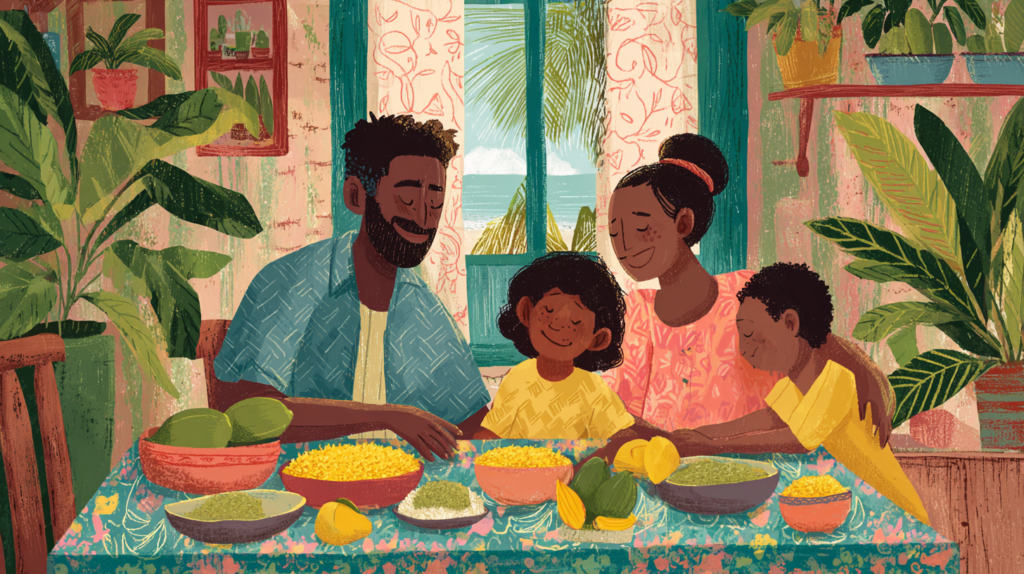
Intuitive Eating for Kids: How to Raise Children Who Trust Their Bodies (Even in a Diet-Obsessed World)
Quick Gut-Check: Which Parent Are You Today?
Tap the sentence that feels most true right now, and see what it reveals about your family’s food story.
If you clicked any of those, you are already doing the brave thing most parents never do: questioning the food rules you were handed and asking if there is a gentler way for your child. [web:29]
Kids are actually born as tiny intuitive eaters, wired with powerful internal systems that tell them when they are hungry, when they are full, and what their bodies need to grow. [web:5] Long before anyone counts a calorie or hears the word “diet,” babies turn their heads away when they have had enough milk and cry with impressive conviction when they need more. [web:5] The problem is not that children do not know how to eat; it is that diet culture, pressure, and fear slowly teach them to stop listening. [web:21]
At the same time, you are parenting in a world where nearly one in five children in the United States meets criteria for obesity and where almost half of teenagers report trying to lose weight, often with extreme or unhealthy methods. [web:67] Body worries are showing up earlier and earlier, with large surveys suggesting that between 40 and 60 percent of girls as young as six already worry about their weight or becoming “fat.” [web:62] No wonder so many loving parents feel stuck between wanting to protect their kids’ health and being terrified of accidentally triggering body shame or disordered eating. [web:56]
This is where intuitive eating for kids comes in, not as a trendy buzzword, but as a deeply practical, research-backed way of feeding children that combines structure, trust, and gentle nutrition. [web:9] Instead of teaching kids to chase a “perfect” body or a perfect plate, intuitive eating teaches them to stay in relationship with their bodies, to enjoy all kinds of foods without shame, and to learn about nourishment in a way that fits their age and culture. [web:29] In this article, you will walk through what that actually looks like in a real home, how to handle dessert without chaos, why forcing “one more bite” backfires, and how to blend intuitive eating with Caribbean flavors and traditions you love. [web:9]
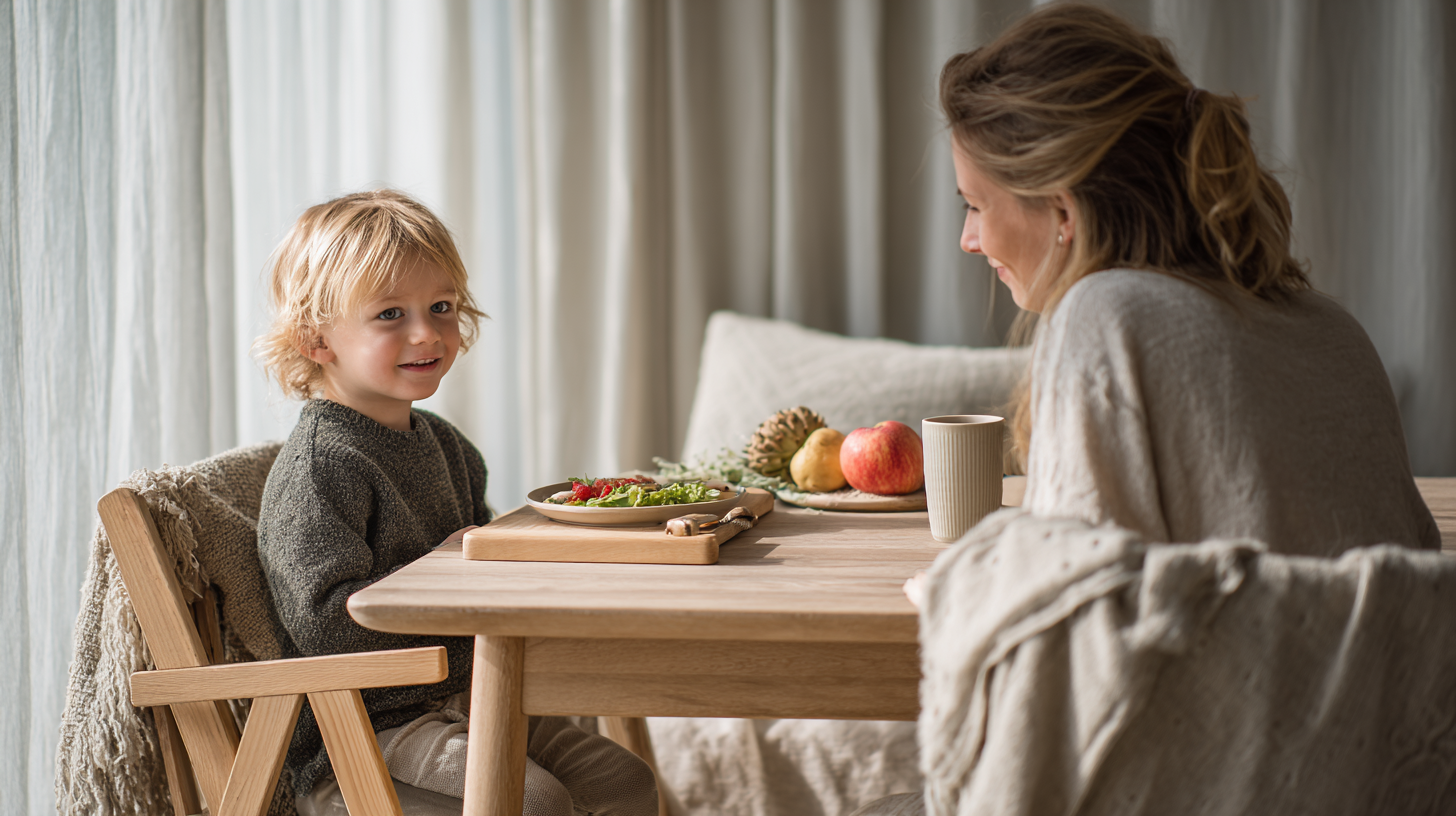
What Intuitive Eating Really Means for Children
Intuitive eating was originally developed for adults as a non-diet, weight-inclusive approach that helps people tune back into hunger and fullness, reject rigid food rules, and choose foods that feel good physically and emotionally. [web:41] Large research reviews show that adults and teens who score higher on intuitive eating scales tend to have less disordered eating, less body dissatisfaction, and better psychological well‑being. [web:41] They are also less likely to be caught in constant dieting cycles, even when living in environments that strongly push weight loss. [web:32]
With kids, though, intuitive eating is not about handing a preschooler a buffet and saying “go wild” or pretending nutrition does not matter. [web:9] Children need structure, repetition, and adult leadership, which is why many pediatric experts lean on the Satter Division of Responsibility in Feeding (often called sDOR) as the backbone for intuitive eating in childhood. [web:9] In this model, parents are in charge of the what, when, and where of feeding, and children are in charge of whether they eat and how much from what is offered. [web:13]
This means you decide that dinner is at six o’clock at the table, that the meal includes rice and peas, stewed chicken, and sliced mango, and that everyone sits together without screens. [web:9] Your child, however, decides if they are going to eat two bites of chicken and three mango slices or just the rice and peas, and you resist the urge to push, bribe, or bargain for more. [web:13] It sounds simple, but this clear division of roles gives children safety and predictability while preserving their internal sense of appetite and control. [web:1]
Diet Culture Detector: Which Message Did You Grow Up With?
Tap one of these childhood food messages and see how it might be echoing in your parenting today.
Studies following children over time show that when parents rely heavily on pressure to “clean the plate” or on strong restriction of certain foods, kids are more likely to eat when they are not hungry, sneak food, or feel out of control around sweets. [web:21] In contrast, children raised with less controlling, more responsive feeding—where adults notice and respect hunger and fullness cues—are more likely to maintain intuitive eating patterns as they grow. [web:24] Recent research even suggests that parents’ own intuitive eating and body attitudes are closely linked to their children’s ability to eat intuitively. [web:19]
The Hidden Cost of Teaching Kids to Diet
Here is one of the most shocking truths for parents: trying to keep kids from gaining weight by putting them on diets or constantly talking about weight often makes things worse, not better. [web:46] In national surveys, nearly half of high school students say they are actively trying to lose weight, and many report skipping meals, using diet products, or engaging in other risky behaviors to do it. [web:61] These attempts are not harmless experiments; they are associated with higher rates of disordered eating and poorer mental health over time. [web:56]
Even in younger children, studies show that a significant portion are already familiar with dieting language and can describe restricting food or exercising more to become thinner. [web:51] At the same time, between 40 and 60 percent of primary school‑aged girls and a substantial number of boys report worrying about their body size. [web:62] Social media pours fuel on that fire, with analyses of popular hashtags like “What I eat in a day” showing that many videos promote restrictive patterns and appearance‑driven eating that kids can easily internalize. [web:69]
On the surface, this culture claims to be about “health,” but when you look closely, the message kids actually receive is that smaller is always better and that appetite is a problem to be fixed. [web:60] Research reviews now consistently link weight stigma and appearance‑focused comments with higher risk of eating disorders, depression, and weight cycling. [web:71] That means a child can have a “normal” body size on paper and still be deeply harmed by constant dieting talk or food policing at home. [web:33]
Intuitive eating for kids offers another path that does not ignore health but refuses to sacrifice a child’s relationship with food and their body in the name of it. [web:29] Instead of teaching children to fear weight gain, parents can focus on behaviors that actually support wellbeing—like regular meals, varied foods, joyful movement, and compassionate self‑talk. [web:32] The evidence suggests these habits are not only gentler, they are also more sustainable than an endless cycle of restriction and guilt. [web:32]
Honoring Hunger and Fullness (Without Losing Your Mind at the Table)
If you grew up being told to finish everything on your plate, trusting your child to stop when they say they are full can feel almost rebellious. [web:5] Yet one of the earliest and strongest findings in child‑feeding research is that young children are pretty good at balancing their intake over days when adults do not interfere too much. [web:21] In other words, a light dinner tonight often leads to a bigger breakfast tomorrow, all without anyone making charts or giving lectures. [web:22]
What Honoring Cues Looks Like
- You offer meals and snacks at regular times, not grazing all day.
- Your child can choose whether to eat and how much from what is served.
- You stay neutral if they eat “just rice” one night or skip the chicken.
Over time, this repeated practice teaches your child that their body’s signals matter and can be trusted. [web:5]
What Undermines Cues
- Begging: “Just three more bites for Mommy.”
- Bargaining: “No TV until you finish your vegetables.”
- Threatening: “If you do not eat this, you are going to get fat.”
These tactics may get a few extra bites in the moment but can disconnect kids from their own hunger and fullness over time. [web:21]
Hunger & Fullness Scale for Grown‑Ups
Tap the number that best matches how you usually stop eating; then read the tip underneath.
1 = “Stuffed and uncomfortable” • 3 = “Comfortably satisfied” • 5 = “Still hungry, barely ate”
One of the most powerful ways to help kids honor hunger and fullness is to narrate your own cues out loud in a calm, non‑dramatic way. [web:37] At breakfast you might say, “My belly feels really empty, I am going to have some more callaloo and toast,” and at dinner, “I feel comfortable now, I am going to save the rest for later.” [web:37] This simple modeling gives children language for sensations they already feel, especially helpful for little ones who live in their bodies but do not yet have words for them. [web:25]
In my own home, I remember one Sunday when my daughter ate only dumplings from the soup, ignoring the pumpkin, carrot, and callaloo I had lovingly chopped after a long week. [attached_file:75] Old scripts rushed in—“She is going to be so picky,” “All that work for nothing”—but instead of pushing, I reminded myself of the research, cleared the table, and made sure there was a solid snack before bedtime. [web:1] The very next day, at lunch, she surprised me by asking for the leftover pumpkin with a little coconut milk stirred in, and I was quietly glad that I had stayed out of the way of her appetite recalibrating. [web:22]
From Food Rules to Food Peace (Especially Around Sugar)
Many parents are surprised to learn that strict food rules—“No sweets in this house,” “You must finish your veggies to earn dessert”—can make kids think about those “forbidden” foods even more. [web:21] When children finally get access, at a party or relative’s house, they may eat past comfort, not because they lack willpower, but because scarcity made that food feel urgent and special. [web:22] Over time, this pattern can train a child to disconnect from fullness in the presence of treats, which is the opposite of intuitive eating. [web:24]
Food Rule Flip Game
Tap a card to flip a common rule into an intuitive‑eating alternative you can start using tonight.
Intuitive eating does not put foods into moral categories of “good” and “bad”; instead, it treats foods as having different jobs. [web:29] Some foods give quick energy, some keep you full longer, some bring comfort or connection, and some do all three at once. [web:32] When you talk about food with your child, shifting from judgment words (“junk,” “dirty,” “guilty pleasure”) toward function words (“gives energy,” “helps you grow,” “takes care of your heart”) quietly rewrites their inner script. [web:37]
One simple, evidence‑aligned way to reduce sugar obsession is to include sweets more predictably rather than only as a reward or surprise. [web:9] For example, you might decide that a small sweet will be part of dinner a few nights a week, served on the plate with everything else, without fanfare. [web:15] At first, many kids will eat the sweet first, but over time, as it stops feeling like a once‑in‑a‑lifetime event, most settle into eating it alongside or after other foods, guided more by taste and fullness than by scarcity panic. [web:21]
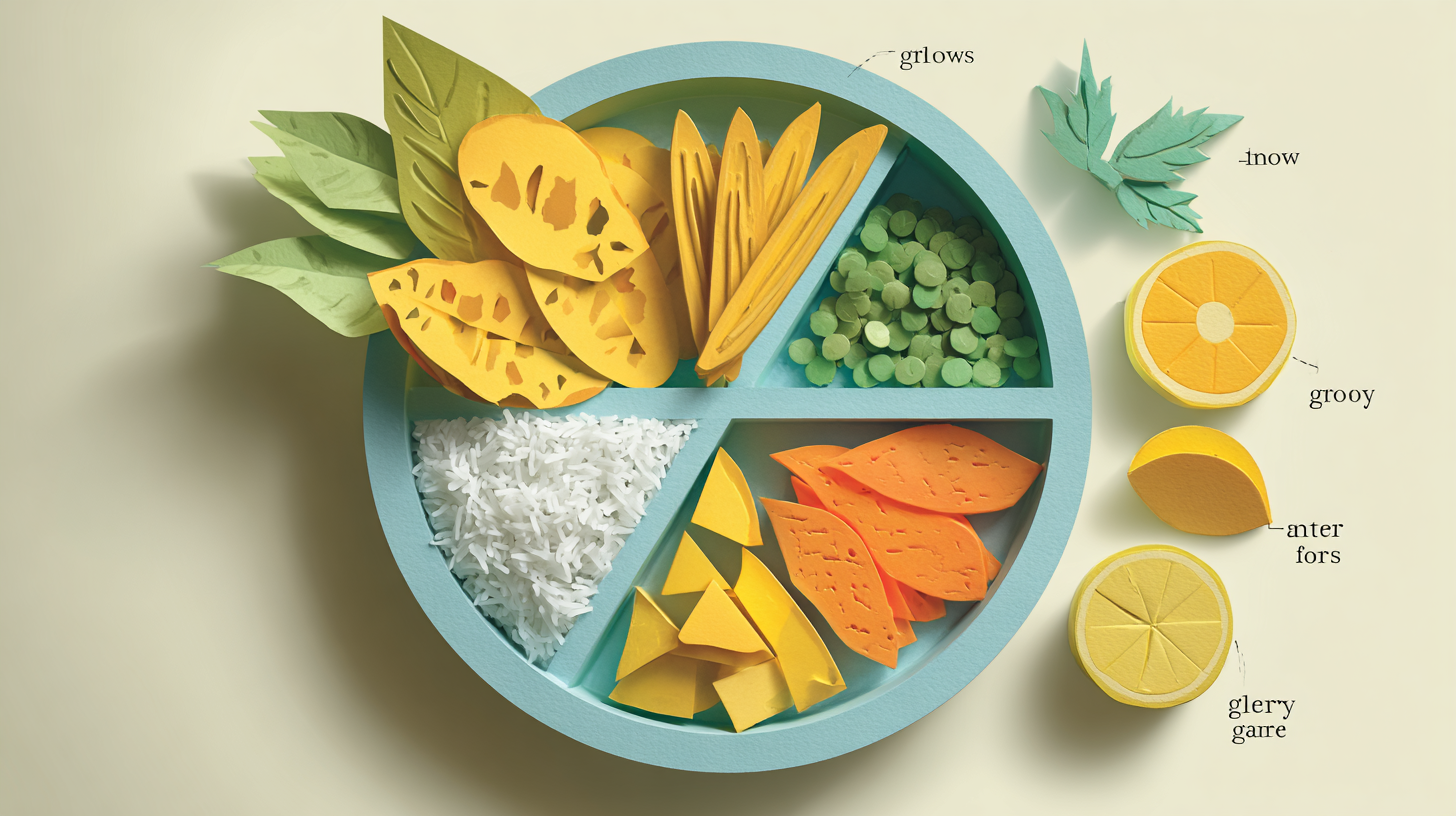
Gentle Nutrition, Caribbean‑Style
Gentle nutrition is the part of intuitive eating that often gets misunderstood; it is not “nutrition does not matter,” but “nutrition matters in a way that does not bulldoze your relationship with food.” [web:29] For children, that means grown‑ups quietly ensuring there is enough variety and enough nutrients over days and weeks, instead of micromanaging any single plate. [web:18] You still think about iron, fiber, healthy fats, and all the rest, but you fold that into meal planning rather than into constant commentary. [web:4]
If you are raising your child in a Caribbean or Caribbean‑influenced household, the good news is that many traditional dishes already lend themselves beautifully to gentle nutrition. [attached_file:75] Think of the way sweet potato, callaloo, pumpkin (calabaza), plantain, beans, and coconut milk naturally show up in the foods you love. [attached_file:75] Those same ingredients can be offered in softer, milder forms for babies and toddlers and then gradually seasoned more boldly as your child grows, all while staying within an intuitive eating approach. [attached_file:75]
Island Plate Builder: What Would an Intuitive Kids’ Meal Look Like?
Choose one option from each row to build a balanced, kid‑friendly Caribbean meal, then tap “Show my plate.”
For babies six months and up who are just starting solids, that might look like offering silky purées such as sweet potato blended with a bit of coconut milk, green papaya mash, or soft plantain mixed with ripe guava, all of which feature in traditional Caribbean‑inspired baby recipes. [attached_file:75] As they get a little older, those same flavors can evolve into dishes like “Papaya & Banana Sunshine,” “Plantain Paradise,” or “Sweet Potato & Callaloo Rundown” served in textures your child can handle. [attached_file:75] These are gentle, familiar ways to expose them to a wide range of nutrients while keeping mealtimes relaxed and joyful. [attached_file:75]
If you want step‑by‑step inspiration for this kind of intuitive, island‑inspired feeding from the very first bites, you can explore the Caribbean Baby Food Recipe Book: Easy & Healthy Homemade Meals for Infants & Toddlers, which includes over 75 baby‑friendly recipes using ingredients like plantain, sweet potato, mango, coconut milk, beans, and millet. [attached_file:75] It is a practical way to pair intuitive eating principles with flavors that feel like home. [attached_file:75]
For older kids and teens, gentle nutrition might sound like, “Let us add some stewed peas here so this meal keeps you full for longer,” or, “How about we slice some mango on the side to help your body fight off those school germs.” [web:4] You are still pointing out the benefits of certain foods, but you are staying away from threats and shame. [web:37] The goal is for your child to think, “Food helps me feel and do my best,” not, “Food is a test I can fail.” [web:29]
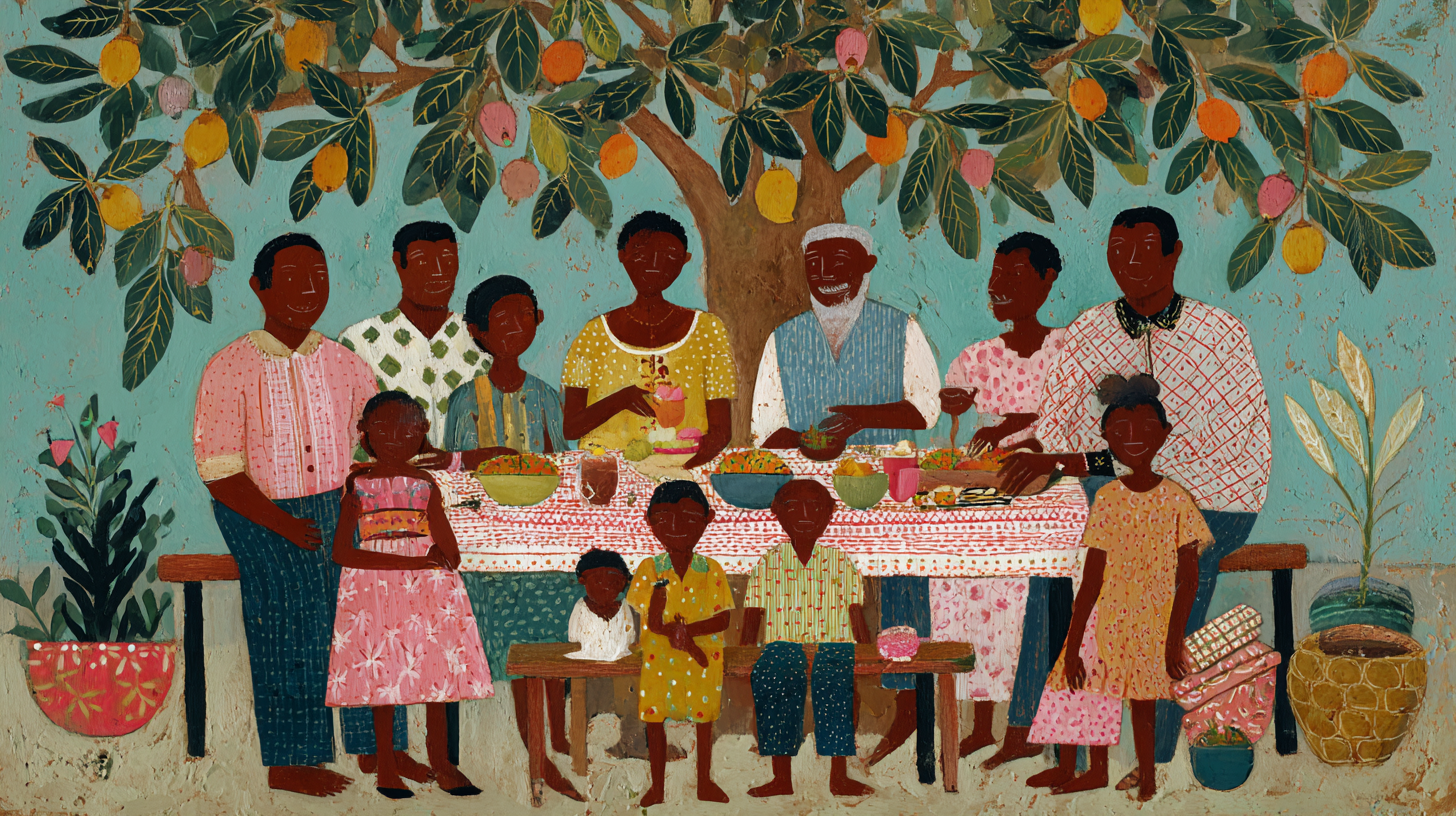
Real‑World Scenarios: How Intuitive Eating Plays Out at Home
Theory is nice, but what parents ask most often is, “What do I actually do when my child is picky, obsessed with sweets, or talking about wanting to be thinner.” [web:37] The good news is that intuitive eating for kids is not a rigid program; it is a flexible way of responding that you can weave into everyday moments. [web:9] Here are a few common situations and what a non‑diet, developmentally aware response might look like. [web:19]
Mini Scenario Quiz: What Would You Do?
Tap the option that feels most like what you usually do and then check the feedback below.
Scenario: Your 4‑year‑old only eats the rice and ignores the callaloo and fish.
There is no perfect answer, but some move you closer to preserving your child’s inner cues.
With the picky four‑year‑old, the intuitive‑eating‑aligned move is usually to keep your structure—serve balanced meals, include at least one “safe” food they reliably eat—and let their appetite unfold over time. [web:3] You resist short‑order cooking, you do not pile on pressure, and you remember that research supports repeated neutral exposure as one of the strongest predictors of eventually accepting new foods. [web:4] That means serving small portions of callaloo many times, without drama, and letting your child watch you enjoy it. [web:22]
For the child who seems obsessed with sweets, the key shift is counterintuitive: you make sweets less scarce, not more. [web:21] Instead of locking them up and lecturing, you fold them into your predictable meal and snack rhythm, sometimes offering something like a small slice of sweet plantain, a piece of coconut custard, or fruit‑based desserts alongside other foods. [attached_file:75] As sugar stops being a rare treasure and becomes just one part of the week, many kids naturally become more responsive to their own fullness around it. [web:21]
If your older child or teen says, “I need to eat less, I am getting fat,” your first job is not to correct their body size perception but to validate the feelings and open a conversation. [web:62] You might respond, “I hear that you are worried about your body; can you tell me what made you feel that way,” and then explore what they have been seeing on social media, at school, or in the family. [web:68] From there, you can gently introduce ideas from intuitive eating, like how bodies naturally come in different shapes, how dieting can backfire, and how focusing on consistent meals and joyful movement is more helpful than chasing a smaller size. [web:32]
In these moments, having simple, nourishing recipes you can rely on—like coconut rice with red peas, amerindian farine cereal, or mangú mornings for breakfast—can make it easier to stick to your feeding values even on chaotic days. [attached_file:75] That is one reason so many families appreciate having the Caribbean Baby Food Recipe Book: Easy & Healthy Homemade Meals for Infants & Toddlers on hand as their kids grow; the same ingredients can be adapted for toddlers, school‑age kids, and even the adults at the table. [attached_file:75] You are not cooking separate “diet” food for your child; you are inviting them into the family food story in age‑appropriate ways. [web:9]
Common Challenges and Why This Still Feels So Hard
Even with all of this in mind, intuitive eating for kids can feel like swimming upstream because so many systems around you—from pediatric visits to school lessons to TikTok trends—are still deeply weight‑focused. [web:61] Some guidelines encourage aggressive weight‑management strategies for children in larger bodies, including structured weight‑loss programs or even medications, without always centering the child’s lived experience. [web:61] At the same time, eating‑disorder specialists warn that focusing heavily on weight and dieting language increases risk for disordered eating across the size spectrum. [web:56]
Another layer of complexity is access: research shows that kids living in food‑insecure households have a harder time practicing intuitive eating because scarcity naturally pushes them to eat whenever food is available, regardless of hunger. [web:26] In those settings, telling a child simply to “listen to your body” without addressing the structural realities of food access can feel disconnected from their reality. [web:46] That is why some researchers have asked whether intuitive eating is, in part, a “privileged approach,” and have called for more culturally and economically grounded adaptations. [web:26]
There is also the emotional inheritance you carry as a parent: if you grew up dieting, judging your body harshly, or being shamed for what you ate, it is normal for those old stories to surface when you sit down with your child. [web:20] You might find yourself wincing when your child goes back for seconds of rice or panicking a bit when they leave half a serving of fish uneaten, even if your rational brain knows self‑regulation is a good thing. [web:24] Part of this work is gently separating your own food history from the path you want for your child. [web:20]
Where You Go From Here
The truth is, you do not need to turn your kitchen into a textbook example of intuitive eating overnight for it to matter; what changes children is not perfection, but the repeated experience that their body signals are heard and that food is not a battleground. [web:5] Tiny shifts—like retiring the “clean your plate” rule, sitting down together for one more family meal each week, or offering dessert without a side of guilt—add up over months and years. [web:9] The goal is not to raise a child who never eats past fullness or never has a moment of body insecurity, but one who knows, deep down, that their worth is not measured by their plate or their size. [web:29]
Your Next Three Tiny Steps
Tap each card when you are ready to try it this week; watch how your progress bar fills as you go.
Step 1: Retire One Rule
Choose a single food rule (like “no dessert unless…”) and replace it with a more intuitive script.
Step 2: Add One Ritual
Pick one relaxed shared meal this week where nobody comments on bodies or bites taken.
Step 3: Name One Cue
Once a day, say out loud how your own hunger or fullness feels, so your child learns that language.
Imagine your child at eighteen, coming home from college and casually making themselves a bowl of rice and peas, a side of callaloo, and some mango, not because anyone is watching, but because they know how those foods make their body feel. [attached_file:75] Imagine them scrolling through a sea of “What I eat in a day” videos and, instead of spiraling into comparison, shrugging and thinking, “My body knows what works for me.” [web:69] That future is built not on one grand conversation, but on hundreds of small, ordinary meals where you quietly chose trust over fear. [web:24]
If you are starting this journey with a baby or toddler, consider giving yourself an easier on‑ramp by leaning on resources that already align with this approach, like the Caribbean Baby Food Recipe Book: Easy & Healthy Homemade Meals for Infants & Toddlers, which was created to help families introduce authentic island flavors in textures and combinations that support both nutrition and intuitive eating. [attached_file:75] You are not just feeding a child; you are shaping the voice in their head that will one day feed them when you are not in the room. [web:25]
At the end of your life, it will not be the perfectly measured plates you remember, but the way your child’s eyes lit up when they saw you walk through the door, the laughter over spilled juice, the quiet pride the first time they helped stir the pot of callaloo. [attached_file:74] Intuitive eating for kids is less about getting every nutrient “right” and more about protecting those moments by making food a place of safety, not struggle. [web:5] You do not need to know every step of this path today; you only need to take the next tiny one toward trust, starting with the very next meal. [attached_file:74]

Kelley's culinary creations are a fusion of her Caribbean roots and modern nutritional science, resulting in baby-friendly dishes that are both developmentally appropriate and bursting with flavor. Her expertise in oral motor development and texture progression ensures that every recipe supports your little one's feeding milestones while honoring cultural traditions.
Join Kelley on her flavorful journey as she shares treasured family recipes adapted for tiny taste buds, evidence-based feeding guidance, insightful parenting anecdotes, and the joy of celebrating food, culture, and motherhood. Get ready to immerse yourself in the captivating world of Kelley Black and unlock the vibrant flavors of the Caribbean for your growing baby, one nutritious bite at a time.
- You’re Doing Your Best: The Self-Compassion Revolution Every Feeding Parent Needs - September 11, 2026
- Feeding Therapy: Your Family’s Roadmap from Overwhelm to Progress - September 10, 2026
- When to Seek Professional Feeding Help: Your Complete Guide to Recognizing Warning Signs and Taking Action - September 9, 2026


