 Skip to content

Homemade vs. Store-Bought Baby Food: The Truth Nobody’s Telling You
Let me ask you something that’s been keeping you up at 2 AM while rocking your little one: Did you feel that twist in your stomach last week when another parent casually mentioned they make everything from scratch? Or that quiet guilt when you grabbed those pouches from the store because honestly, who has three hours to steam, blend, and portion sweet potatoes after a full day?
Here’s what I’ve learned after hundreds of conversations with exhausted parents, pediatricians who won’t sugarcoat it, and yes—my own messy journey through the baby food trenches: The homemade versus store-bought debate isn’t really about nutrition. It’s about something much deeper. It’s about identity, time, money, and the impossible standards we’re drowning under.
Today, we’re going to challenge everything you think you know. Because a 2024 study just dropped some shocking findings that are making even the crunchiest parents rethink their approach. And by the end of this article, you’ll have something better than another person’s opinion—you’ll have the data, the real costs, and a framework that actually fits your life.
What’s Your Real Feeding Struggle?
The Science Just Changed Everything
Remember when everyone swore homemade was automatically more nutritious? A groundbreaking 2024 study published in BMC Nutrition just flipped that assumption on its head. Researchers compared industrial and homemade versions of identical recipes—plumcakes, fish sticks, tomato sauce, cereal bars—and found zero significant nutritional differences between them. Let me repeat that: zero.
But here’s where it gets interesting. When Spanish researchers analyzed homemade versus commercial infant foods specifically, they discovered homemade vegetable meals contained more variety (3.7 different vegetables compared to 3.3 in commercial options). Yet commercial products had stricter quality control, consistent nutrient profiles, and met legal nutritional standards that homemade foods don’t have to follow.
The real kicker? In a survey of 303 physicians, 51.8% recommended commercial baby foods for starting solids, compared to only 34% who recommended homemade. Their reasoning? “Quality, known composition, and safety of ready-made products.” These are doctors—the people who’ve seen what actually happens to babies.
What Nobody Tells You About Costs
Let’s talk money, because the “homemade is cheaper” narrative is only half true. Store-bought baby food runs between $0.12-0.35 per ounce, which sounds expensive until you factor in what homemade actually costs. And I’m not just talking about ingredients.
Your Real Baby Food Cost Calculator
A parent making homemade food spends roughly ₹5-10 per serving compared to ₹25-35 for commercial equivalents—that’s significant savings. But that calculation ignores your time (valued at minimum wage, those 3 hours weekly equal $30-45), the freezer space, the equipment (blender, storage containers, steamer), and the inevitable food waste when your baby decides sweet potatoes are suddenly “yucky.”
Daily costs increase dramatically as babies grow: $0.77 for 4-6 months, $1.53 for 6-8 months, and $2.72 for 8-12 months if you’re buying commercial. That’s potentially $50-80 monthly. Meanwhile, batch-cooking homemade options can drop costs to $20-35 monthly—but only if you have the time and energy to sustain it.
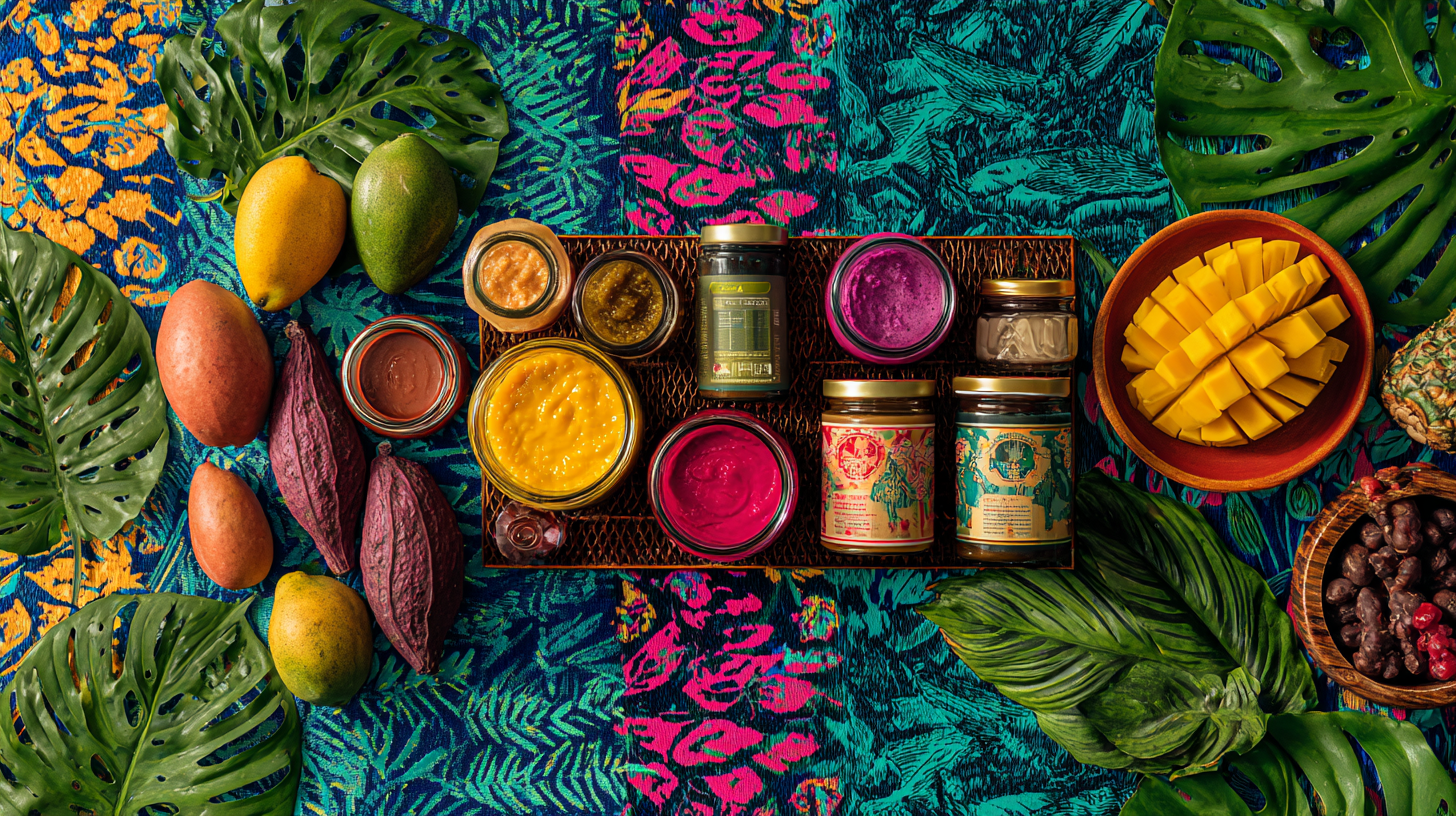
Here’s what parents in the Caribbean have figured out: strategic hybrid approaches save the most. Making big batches of culturally meaningful foods like Sweet Potato & Callaloo Rundown or Coconut Rice & Red Peas for weekend family meals, then using quality commercial options during the week. This gives babies authentic island flavors without the daily grind.
The Time Investment Reality Check
A survey of 1,500 parents revealed that 92% choose ready-made foods because they’re “quick and easy.” Not because they’re lazy—because they’re drowning. And yet 56% of those same parents prefer homemade but lack the time. That gap between intention and reality? That’s where the guilt lives.
⏱️ Where Does Your Time Actually Go?
Let’s break down what “making baby food” really means: shopping for specific ingredients (30-45 minutes), washing and prepping produce (15-20 minutes), cooking (20-40 minutes depending on method), blending or mashing (10 minutes), portioning into containers (10 minutes), labeling and freezing (5 minutes), then cleaning up (15-20 minutes). That’s 105-140 minutes for a single cooking session. Commercial food? Thirty seconds to open a jar.
But here’s the nuance that changes everything: time invested in food can be time invested in culture. When you’re making dishes from your heritage—like the recipes in our Caribbean Baby Food Recipe Book featuring over 75 island-inspired meals—you’re not just feeding your baby. You’re passing down identity. That’s different than spending two hours making plain broccoli puree.
Debunking the Myths That Keep You Up at Night
The baby food industry has created a mythology around both homemade and commercial options. And parents are suffering because of it. Time to separate fact from fear.
Tap Each Myth to Reveal the Scientific Truth
The Nutrient Retention Truth
Here’s where things get technical—but stay with me, because this changes everything about how you cook. The method matters more than the source. Boiling vegetables can destroy up to 50% of water-soluble vitamins like vitamin C and B vitamins. Steaming preserves up to 80-90% of nutrients. Microwaving (yes, really) can actually preserve more nutrients than any other method because of shorter cooking times.
Commercial baby food undergoes flash heating and rapid cooling, which can lock in nutrients better than home cooking methods that use prolonged heat. A 2022 study published in Nutrients found that micronutrient profiles in commercial purees were comparable or superior to homemade versions, depending on preparation method. The key factor? Temperature control and processing speed.
But here’s the advantage homemade has: you can use peak-freshness produce, introduce variety without formula restrictions, and customize textures for your baby’s developmental stage. You can also incorporate ingredients that rarely appear in commercial options—like the callaloo, ackee, plantain, and cassava featured in Caribbean-inspired baby food recipes that connect your child to cultural roots.
The Convenience Factor Nobody Admits
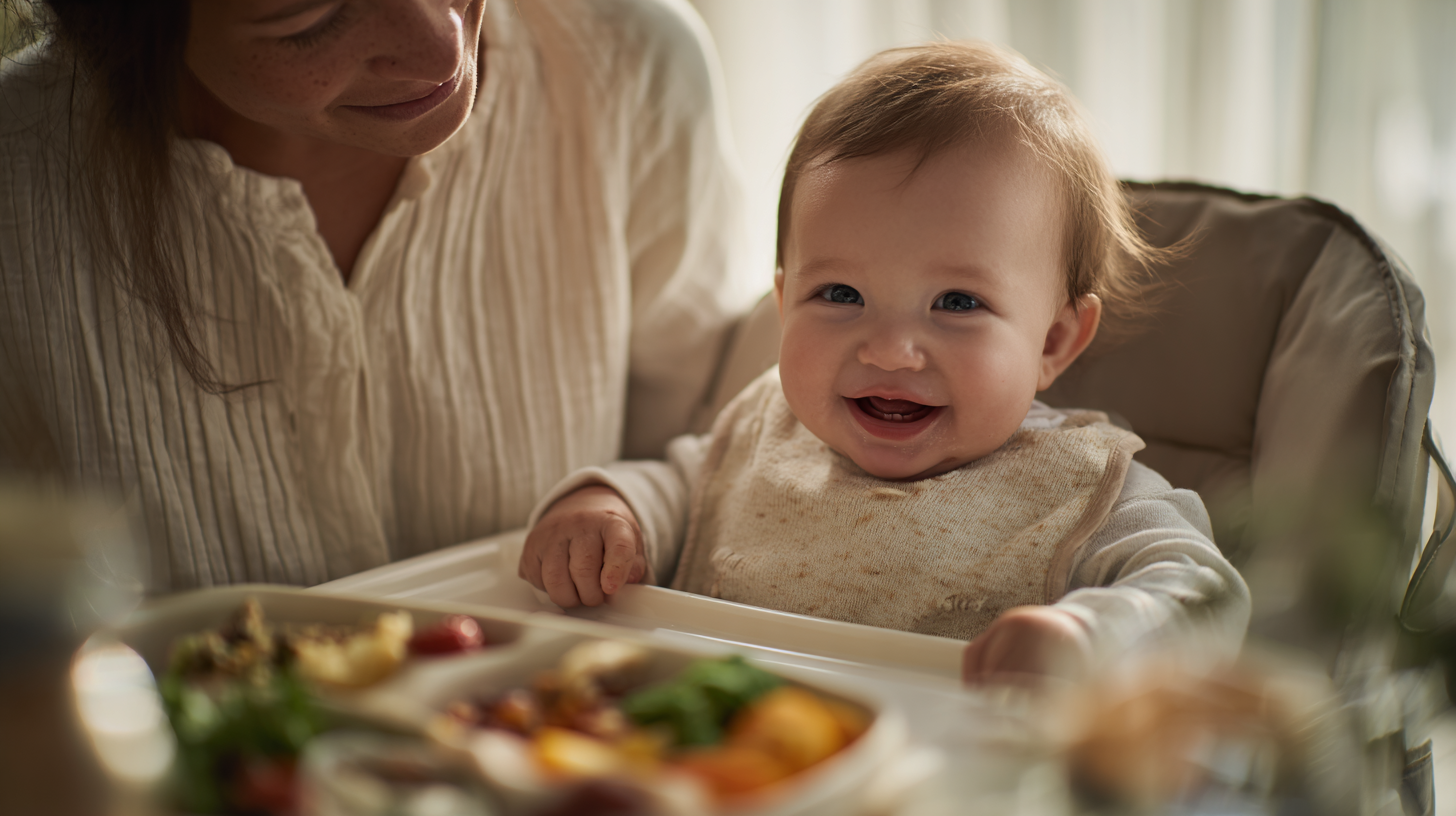
Let’s talk about what convenience really means. It’s not about being lazy—it’s about being strategic with your finite energy. Working parents, single parents, parents managing multiple children, parents dealing with postpartum challenges, parents without extended family support—these realities shape what’s actually sustainable.
Commercial food provides consistency. Your baby gets the same taste and texture every time, which can ease picky eating. It’s portable—throw pouches in the diaper bag and you’re covered for hours. It has a longer shelf life, reducing food waste and grocery trips. And critically, it removes the cognitive load of meal planning, shopping, and prep during the most exhausting phase of parenthood.
But homemade offers different conveniences that matter to different people. You control ingredients completely—crucial for babies with allergies or sensitivities. You can use leftovers from family meals, building eating habits that align with your household from the start. And you introduce babies to authentic cultural flavors that commercial options simply don’t offer. In Caribbean households, this might mean adding coconut milk, spices like cumin and thyme from appropriate ages, or traditional starches like yam and dasheen.
The global baby food market is projected to hit $185-213 billion by 2032-2035, with the fastest growth in pouches and snacks. That growth signals something important: parents are voting with their wallets for solutions that work with modern life, not against it.
The Heavy Metal Controversy
This is the conversation that sends parents into panic spirals. A 2021 Congressional investigation found that commercial baby food contained dangerous levels of toxic heavy metals—lead, arsenic, cadmium, and mercury. Some products showed lead levels 177 times higher than federal limits for bottled water, arsenic 91 times higher, and cadmium 69 times higher.
Before you throw out every jar in your pantry, understand this: heavy metals are naturally occurring in Earth’s soil. They’re in organic produce. They’re in the vegetables you grow in your backyard. They’re in everything that comes from the ground. The problem isn’t commercial versus homemade—it’s environmental contamination that affects our entire food supply.
What’s changing? California’s AB 899, effective January 1, 2025, requires baby food manufacturers to test for heavy metals at 6 parts per billion and display results via QR codes on packaging. The FDA proposed lead limits of 10-20 ppb for various baby foods. Companies like Beech-Nut now test for up to 255 contaminants and are selecting farmers using regenerative practices (crop rotation, cover crops) that minimize heavy metal absorption.
Industry experts like Scott Faber from the Environmental Working Group note that “market adjustments will likely do more to lower toxic metal levels than any actions the FDA might eventually take.” Translation? Competition between brands to show the lowest contamination levels is driving real change faster than regulation.
Your action step: Use the QR codes. Compare brands. Rotate your food sources—both commercial and homemade—to minimize exposure from any single source. And remember that consistent, adequate nutrition outweighs the theoretical risks of trace heavy metals in regulated products.
Making Your Personal Choice
Here’s what nobody tells you: the “right” choice is the one you can sustain without burning out. Because a stressed, exhausted, guilty parent is worse for your baby than any feeding method.
Your Personalized Feeding Strategy
In Caribbean communities, there’s a concept called “making a way out of no way”—finding solutions that honor tradition while adapting to reality. That might mean batch-cooking Plantain Paradise or Yellow Yam & Carrot Sunshine on Sundays when grandparents visit, then using quality commercial options Tuesday through Thursday. It means recognizing that Cornmeal Porridge Dreams connects your baby to heritage in ways a generic oat cereal can’t—and that’s worth the extra effort sometimes.
Your Action Plan Moving Forward
Stop trying to be perfect. Start being strategic. Here’s your framework for making this work in real life:
For Time-Strapped Parents: Use commercial products as your baseline, adding homemade when energy permits. Choose brands with simple ingredient lists and use California’s QR code system to compare heavy metal testing. Save your cooking energy for weekend cultural dishes that matter to your family identity. One homemade meal weekly beats zero because you burnt out trying to do everything.
For Budget-Conscious Families: Batch cook on weekends using seasonal produce. Make big pots of rice and beans, sweet potato mashes, and pureed vegetables that freeze well. Use commercial products for variety and when time runs short. Calculate the true cost including your time—if working an extra hour pays for a week of quality baby food and preserves your sanity, that’s a valid choice.
For Culture-Focused Parents: Prioritize homemade for dishes that carry cultural significance. Let commercial products handle the daily basics while you invest energy in teaching your baby to love ackee, callaloo, stewed peas, and other heritage foods. This targeted approach gives your child authentic flavor experiences without overwhelming your schedule.
For Nutrition-Focused Parents: Combine both methods strategically. Commercial foods provide consistent nutritional baselines and are legally required to meet standards. Homemade adds variety, controls sodium and sugar content, and introduces diverse flavors and textures. Rotate protein sources, include a rainbow of produce, and remember that food variety matters more than whether you or a factory made it.
The science is clear: both homemade and store-bought baby foods can adequately nourish your child. What determines outcomes isn’t the source—it’s consistency, variety, and your family’s ability to sustain the approach without guilt or burnout. Research shows that parental stress negatively impacts infant feeding outcomes more than food preparation method ever could.
Living the Hybrid Reality
The future of baby feeding isn’t either/or—it’s strategic integration. The baby food industry is responding to parent demands with cleaner labels, transparency through QR code testing results, sustainable packaging innovations, and specialized options for allergies and dietary needs. Companies are reformulating products based on parent feedback about sugar content and ingredient quality.
At the same time, resources for homemade preparation are expanding. Recipe books focusing on cultural cuisines (like Caribbean, Guyanese, Haitian, Cuban, Puerto Rican, Dominican, and Trinidadian baby foods) help parents pass down heritage. Batch-cooking guides respect modern time constraints. And the conversation is finally shifting from judgment to support.
Your baby doesn’t need perfection. Your baby needs a parent who’s present, not depleted. Who shows up consistently, not resentfully. Who finds joy in feeding moments rather than stress. Whether that food comes from your kitchen or a trusted manufacturer makes virtually no nutritional difference—but your emotional state makes all the difference in the world.
73% of parents believe commercial baby foods are healthy. 56% prefer homemade but lack time. The gap between those numbers? That’s where you get to decide what works for YOUR family, not someone else’s Instagram feed.
So here’s my challenge to you: Make one decision this week that reduces your food-related guilt. Maybe it’s giving yourself permission to use pouches without shame. Maybe it’s batch-cooking one culturally meaningful recipe to freeze. Maybe it’s a hybrid approach where Tuesday is “easy day” and Sunday is “cooking with family day.”
Whatever you choose, choose it with confidence. The research supports you. The doctors support you. And more importantly, your well-being supports your baby’s wellbeing far more than the source of their pureed carrots ever will.
Because at the end of the day, the best baby food is the one that nourishes your child while preserving your sanity. And that, my friend, is a recipe worth following.

Kelley's culinary creations are a fusion of her Caribbean roots and modern nutritional science, resulting in baby-friendly dishes that are both developmentally appropriate and bursting with flavor. Her expertise in oral motor development and texture progression ensures that every recipe supports your little one's feeding milestones while honoring cultural traditions.
Join Kelley on her flavorful journey as she shares treasured family recipes adapted for tiny taste buds, evidence-based feeding guidance, insightful parenting anecdotes, and the joy of celebrating food, culture, and motherhood. Get ready to immerse yourself in the captivating world of Kelley Black and unlock the vibrant flavors of the Caribbean for your growing baby, one nutritious bite at a time.
- Feeding Therapy: Your Family’s Roadmap from Overwhelm to Progress - September 10, 2026
- When to Seek Professional Feeding Help: Your Complete Guide to Recognizing Warning Signs and Taking Action - September 9, 2026
- Finding Your Feeding Community: The Support That Changes Everything - September 8, 2026


