Your Baby Doesn’t Need a Trust Fund to Eat Like Royalty: The Truth About Budget-Friendly Baby Feeding
Here’s something nobody tells you at those expensive prenatal classes: that $3.99 organic baby food pouch contains the exact same sweet potato you can buy for 89 cents at your local grocery store. I learned this the hard way, standing in my kitchen at 2 AM, sleep-deprived and staring at my dwindling bank account, wondering if I was failing my daughter because I couldn’t afford the fancy jarred baby food with the smiling babies on the labels.
But then something shifted. My grandmother—who raised six healthy children in Jamaica on what would make today’s budget look generous—gently reminded me of a truth that changed everything: “Dahlin’, babies been eating good food long before dem put it in fancy jars.” And you know what? She was absolutely right.
What’s Your Biggest Baby Feeding Budget Worry?
Click what’s keeping you up at night (we’ve all been there):
If you’re feeding your baby on a tight budget, you’re not alone—and you’re definitely not failing. With food insecurity affecting 13.5% of U.S. households and food prices up 3.2% in 2025, families everywhere are feeling the squeeze. But here’s the truth bomb that nobody’s telling you: good nutrition doesn’t require expensive specialty foods. In fact, some of the healthiest baby feeding approaches cost a fraction of what those Instagram-perfect pouches would run you.
What you’re about to discover will flip everything you thought you knew about feeding babies on a budget. Because while the baby food industry wants you to believe their $3 pouches are essential, parents have been nourishing healthy, thriving children with simple, affordable whole foods for generations. And you can too.
The Great Baby Food Industry Con (And Why You’re Smarter Than That)
Let’s get real about something the baby food industry doesn’t want you to know: those cute “toddler milks” and special “baby snacks” in your grocery store aisle? They’re marketing gold, not nutritional necessity. Research shows that toddler-specific foods consistently cost more than regular equivalents—sometimes $0.22 more per 100 mL for toddler milk versus regular whole milk—while often containing higher sugar and lower protein, fat, and calcium.
The truth is even more shocking when you peek behind the curtain. Generic store brand formulas? They’re manufactured by the same company (Perrigo) that makes the name brands. The primary difference isn’t quality or safety—it’s marketing costs. Strict FDA guidelines ensure nearly identical nutritional value whether you’re paying $45 or $22 for that formula container.
But the con goes deeper. The organic baby food market is projected to reach $17.4 billion by 2032, expanding at over 10% yearly. Meanwhile, the American Academy of Pediatrics concludes there is “no consistent nutritional difference between organic and conventional produce, milk, or meat.” Organic foods reduce pesticide exposure, yes—but they cost on average 50% more than conventional options without providing superior nutrition for your baby’s growth and development.
Here’s where it gets personal: I remember standing in that baby food aisle, feeling the weight of judgment from other parents’ carts filled with expensive organic pouches while I held my store-brand sweet potato jar. What I didn’t realize then? That jar contained the exact same nutritional profile, just without the premium price tag funding celebrity endorsements.
Smart Shopping Strategies That Actually Work
Your grandmother knew something that modern parenting culture forgot: feeding a baby well is about strategy, not spending. And the best part? These approaches don’t require extreme couponing or hours of deal-hunting—just smart, simple shifts in how you shop.
Start with the unit price game. Those shelf tags aren’t just decoration—they’re your secret weapon. A large bag of rice costs less per unit than small boxes. Large containers of plain oatmeal beat individual packets while being healthier due to lack of added salts and sugars. This single shift can cut your grain costs by 40% or more.
Your Monthly Savings Calculator
See how much you could save with smart swaps:
Seasonal and frozen produce changes the game entirely. Buying seasonal produce reduces costs while providing peak flavor and nutrition. And here’s something that shocked me: frozen fruits and vegetables provide equal nutrition to fresh options while extending storage life and reducing waste. That $4 bag of frozen mango chunks? It’ll give you more bang for your buck than the $2 per-piece fresh mangos that go bad in three days.
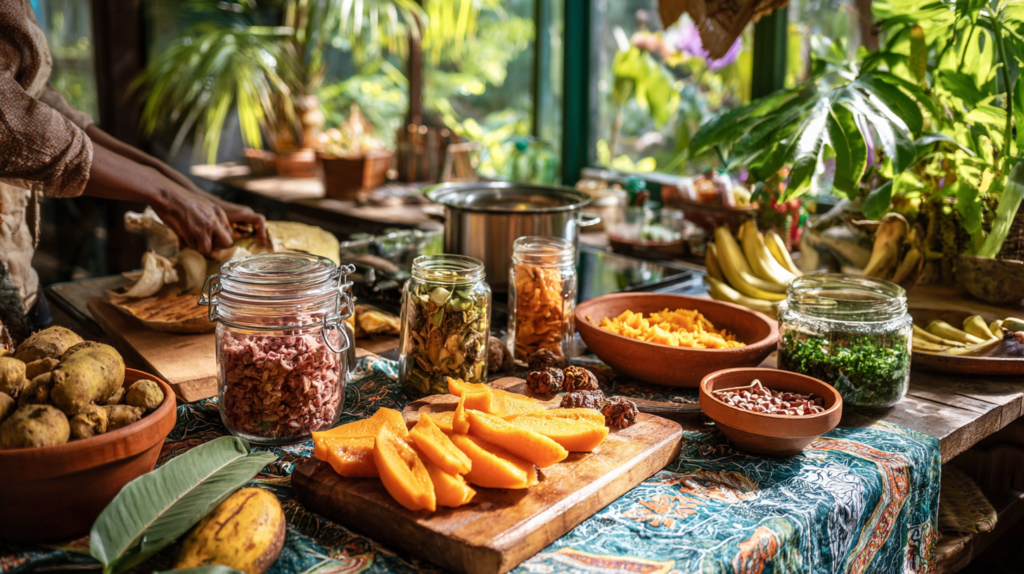
One of my favorite Caribbean-inspired tricks comes from my Trinidadian neighbor—she buys whatever ground provisions are on sale (sweet potato, yam, dasheen) and creates different flavor profiles using simple spices. This week it’s sweet potato with a tiny pinch of cinnamon. Next week? Yellow yam with carrot. The babies don’t know it’s “repetitive”—they just know it tastes good and fills their bellies.
Target’s Good & Gather organic line offers pouches for $0.79-$0.99, while premium brands can hit $3 per serving. Amazon’s Mama Bear brand provides USDA organic, non-GMO options at similar savings. If you do use pouches occasionally (no judgment—life gets hectic), these options give you the organic label without the premium markup.
Bulk Cooking: Your Secret Weapon Against the Budget Squeeze
Let me paint you a picture: it’s Sunday afternoon, your baby is napping, and you’ve got two hours. In those two hours, you can create an entire month’s worth of baby food for less than the cost of a week’s worth of pouches. This isn’t Pinterest-perfect meal prep—this is survival strategy that actually works.
The batch cooking approach is beautifully simple. Parents successfully batch cook meatballs, sweet potato wedges, lentil patties, and pureed vegetables, then freeze portions in ice cube trays (approximately 1-ounce servings each). Silicone ice cube trays are your best friend here—they allow easy popping of frozen cubes into freezer bags labeled with content and date, maintaining quality for up to 3 months.
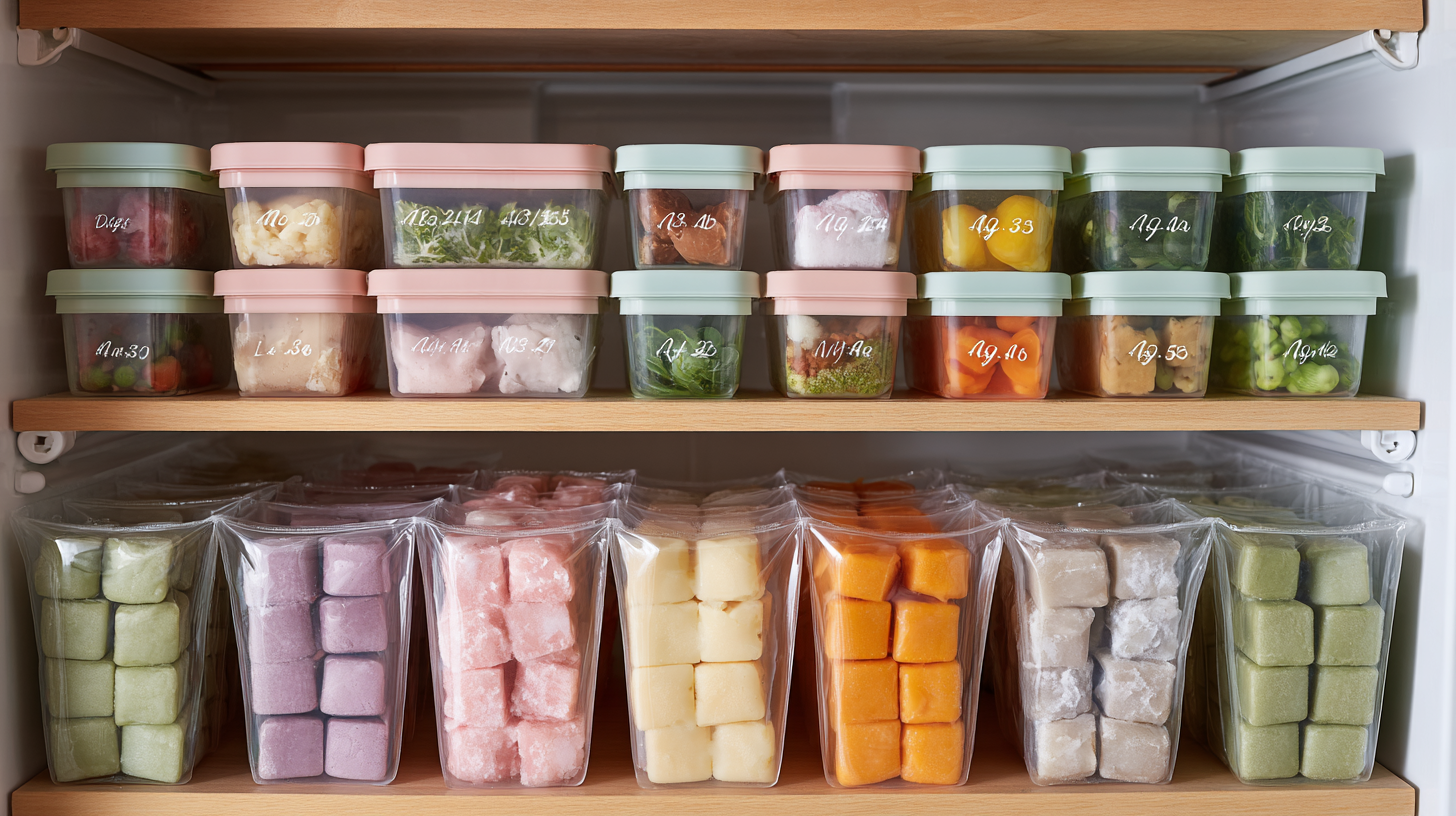
One parent documented spending just $512.87 on raw ingredients over six months to create 4,124 ounces of homemade baby food using a $10 used blender and $5 in BPA-free ice cube trays. That works out to about 12.4 cents per ounce—comparable to jarred options but with complete control over ingredients and zero preservatives.
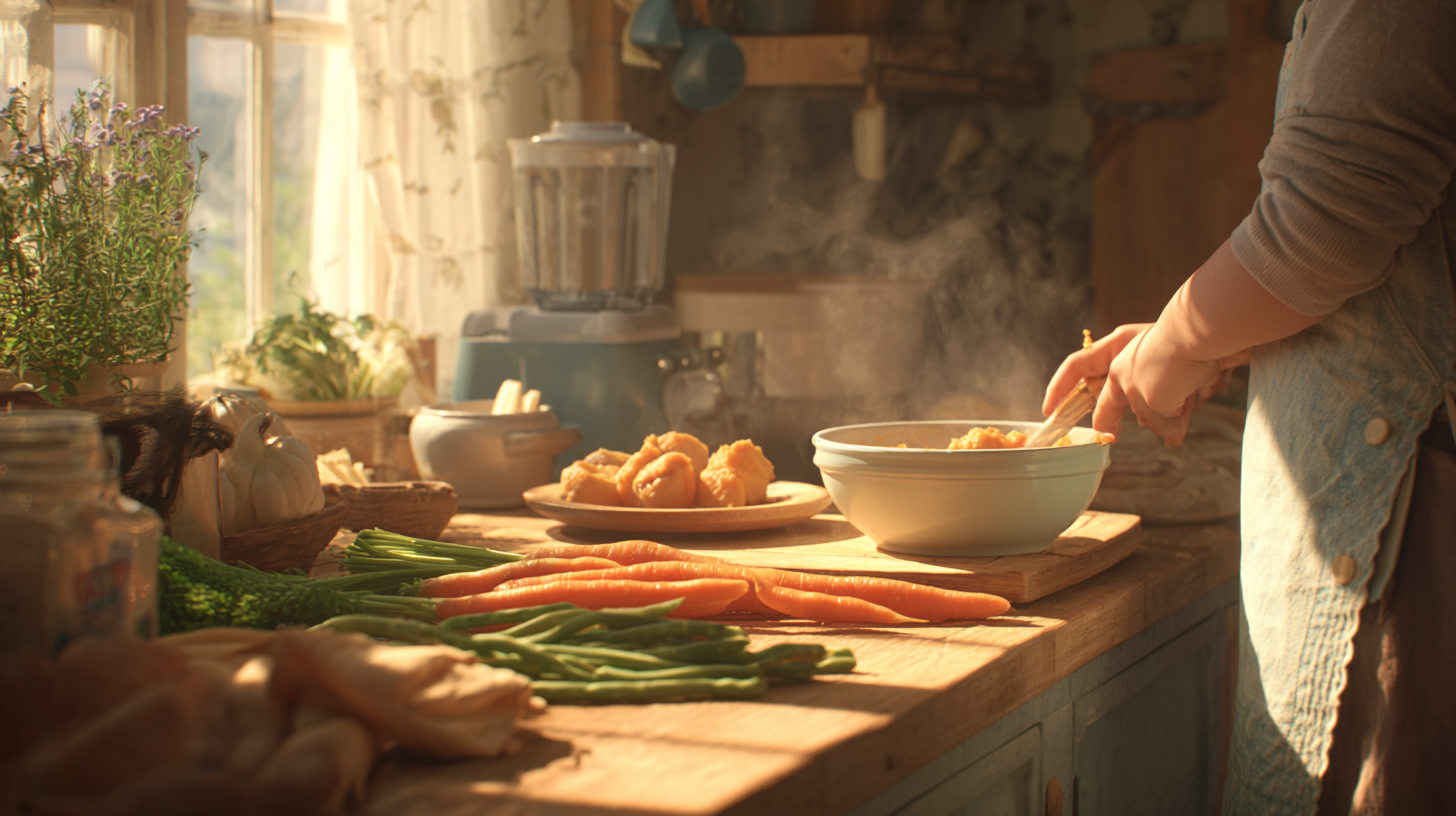
Here’s my actual Sunday routine that changed everything: I roast a big batch of sweet potatoes, steam some carrots and green beans, and cook a pot of Basic Mixed Dhal (from the Caribbean Baby Food Recipe Book—split peas are ridiculously cheap and packed with protein). While everything cooks, I’m not hovering over the stove; I’m doing laundry or playing with my daughter. Then comes the fun part: I blend different combinations, pour them into trays, freeze, and pop them out the next day. Boom—I’ve got breakfast, lunch, and dinner options for weeks.
Leftover integration is where the real magic happens. Using leftover rice to make rice balls or veggie patties, and incorporating the previous night’s cooked vegetables into baby meals eliminates waste while reducing preparation time. That Coconut Rice & Red Peas you made for dinner? Mash a portion with some avocado for baby’s lunch tomorrow. The roasted vegetables from your meal prep? Perfect finger foods for baby-led weaning.
Low-Cost Nutritious Options That Pack a Punch
Want to know what makes pediatric nutritionists excited? It’s not expensive superfoods or trendy organic snacks. It’s humble, affordable staples that have nourished generations of healthy children. We’re talking about eggs, beans, lentils, and canned fish—foods that cost pennies but deliver nutritional knockout punches.
Flip the Cards: Discover Budget Protein Powerhouses
Click each card to reveal the nutrition punch hidden in affordable foods:
Iron is where budget foods truly shine. Dark leafy greens like spinach pack 3mg iron per half cup boiled. Fortified cereals deliver iron in every spoonful. Pumpkin seeds provide 2.5mg per quarter cup. The secret? Pair these with vitamin C sources like sweet potatoes to enhance absorption. That Sweet Potato & Callaloo Rundown recipe I make? It’s a nutritional powerhouse disguised as simple Caribbean comfort food, costing less than $2 to make a week’s worth.
Canned foods deserve special mention because they’re criminally underrated in baby feeding circles. Research shows canned fruits, vegetables, beans, and fish provide nutrients at a lower cost compared to fresh, frozen, or dried options. A can of black beans costs around $0.89 and provides multiple servings of protein and fiber. Low-sodium canned tomatoes, pumpkin, and sweet corn all make excellent, affordable baby food bases.
Here’s a game-changer my Guyanese friend taught me: Pholourie—split pea fritters that babies can hold and munch on. Split peas cost about $1.50 per pound, and that pound makes dozens of protein-rich fritters. The Caribbean Baby Food Recipe Book has an adapted baby-friendly version that skips the hot pepper but keeps all the nutrition. It’s become our go-to snack, and visitors are always shocked when I tell them how cheap they are to make.
Baby-Led Weaning: The Budget Parent’s Dream Approach
Baby-led weaning might sound like another trendy parenting method, but here’s why budget-conscious families are all over it: it allows you to completely skip the baby/toddler food aisle. No jarred purees. No expensive pouches. No “toddler meals” that cost three times what the adult version costs. Just real food, appropriately prepared.
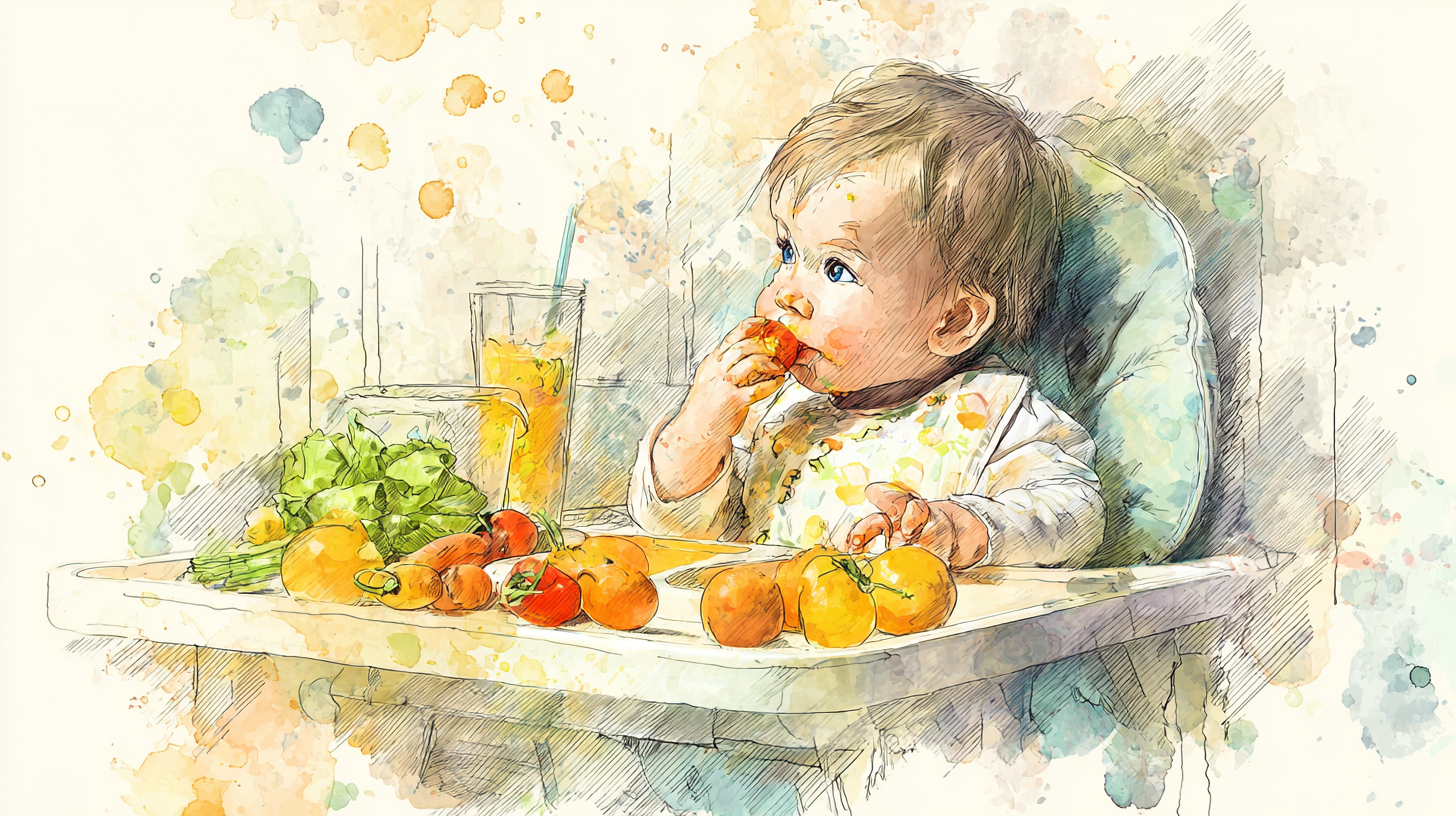
The Brazilian Ministry of Health recommends children eat the same foods as family members by 8 months of age. This isn’t reckless—it’s evidence-based. Recent 2024 studies show that infants practicing baby-led weaning achieve comparable caloric intake to traditional spoon-feeding methods with potentially more favorable growth trajectories. The key is appropriate preparation: steamed vegetables cut into stick shapes, small pieces of cheese, soft fruits, and appropriately sized portions of family meals.
This approach literally saved my sanity and my wallet. Instead of making separate purees, I started offering finely chopped steamed spinach in scrambled eggs, mashed beans with enriched rice, low-sugar baked beans with whole wheat bread, and veggie muffins with pureed vegetables mixed in. These aren’t special baby recipes—they’re family meals with minor adaptations. The ingredients come from my regular grocery haul, not a separate “baby food” budget line.
Myth-Busting Time: Click to Reveal the Truth
Real talk from experience: my daughter’s first foods included soft-steamed carrot sticks, mashed avocado on whole grain toast fingers, Yellow Yam & Carrot mash, scrambled eggs, and strips of very ripe mango. Not one of those required a baby food jar or pouch. She ate modified versions of what we ate, and she’s thriving—hitting all her milestones, healthy appetite, adventurous eater. And our monthly food budget? It barely budged when we started solids.
Community Resources You Might Not Know About
Here’s something that took me way too long to learn: you don’t have to do this alone, and there’s no shame in using resources designed specifically to help families afford nutritious food. In fact, these programs exist precisely because society recognizes that every baby deserves good nutrition, regardless of their parents’ bank account.
WIC (Women, Infants, and Children) serves approximately 6.7 million participants monthly, including an estimated 41% of all U.S. infants. If you’re at or below 185% of the poverty level, or participating in SNAP, Medicaid, or TANF, you automatically qualify. WIC provides formula, milk, eggs, cheese, cereal, fruits, vegetables, and nutrition education—regardless of immigration status. The Cash Value Benefit permanently increased to $26 for child participants in 2024, with ongoing inflation adjustments.
Food pantries aren’t just for “extreme” situations. Resources like Tiny Table Infant Formula and Food Pantry provide up to 2 cans of formula and 5 jars of baby food per 7-day period to any custodial parent with photo ID and baby’s birth certificate, no income verification required. Organizations like Neighbors In Need operate mobile food pantries strategically located in underserved neighborhoods, often including diaper programs alongside food assistance.
Summer meal programs offer free meals for all children ages 0-18 at hundreds of locations, requiring no registration or identification. SUN Bucks (Summer EBT) automatically enrolls families with school-aged children receiving SNAP, providing food assistance when schools close. These programs recognize that child nutrition is a community responsibility, not an individual burden.
SNAP (food stamps) remains one of the most powerful tools for food security, yet enrollment stigma keeps eligible families from applying. Here’s the thing: if you qualify, that money is already allocated for your family. Using it isn’t taking from someone else—it’s accepting support that exists specifically for situations like yours. No parent should have to choose between feeding their baby well and paying rent.
Real Parents, Real Stories, Real Results
Theory is nice, but you want to know if this actually works in real life with real babies and real budget constraints. So let me introduce you to some parents who figured this out before I did.
One parent shared: “Successfully transitioned from expensive Similac 360 to Kirkland Signature formula with zero impact. Baby stays fuller longer on generic brands without tummy issues.” That switch alone saved them $23 monthly—$276 per year—with absolutely no difference in their baby’s health, growth, or happiness.
Another documented their entire first six months: “$512.87 on raw ingredients created 4,124 ounces of homemade baby food using a $10 used blender and $5 in BPA-free ice cube trays.” Breaking that down, they spent approximately $85 per month on complete homemade nutrition, compared to parents spending $150-300 monthly on commercial baby food.
A Caribbean mom in my neighborhood follows a structured budget meal plan, successfully feeding her family of four on $500 monthly. Her secret? Planning meals using similar ingredients bought in bulk, repeating successful meals across weeks, and choosing conventionally grown produce strategically. She introduced her baby to Calabaza con Coco (pumpkin with coconut milk), Plantain Paradise, and simple bean purees—all costing less than commercial baby food while introducing authentic cultural flavors.
My personal favorite success story comes from a mom in a local parenting group who was drowning in guilt about not being able to afford organic everything. She switched to baby-led weaning with family foods, started batch cooking on Sundays, and began using WIC benefits she’d been too proud to apply for initially. Three months later, she posted: “My baby is thriving, I’m spending 60% less on food, and I have zero guilt anymore. Turns out love matters more than labels.”
These aren’t exceptional circumstances or particularly talented cooks. These are regular parents who stopped believing the marketing hype and started trusting that simple, whole foods could nourish their babies beautifully—without breaking the bank.
✅ Your Budget-Friendly Feeding Action Plan
Click each item as you implement it—watch your confidence (and savings) grow!
Your Baby Is Thriving, Not Just Surviving
So here we are, at the end of this journey through affordable baby feeding. And I want you to hear something important, something I wish someone had told me when I was standing in that grocery aisle feeling like a failure: your baby doesn’t measure your love in dollars spent on organic pouches.
The research backs this up completely. Studies comparing homemade versus commercial infant foods show homemade meals contain significantly more vegetable variety. Families practicing budget-conscious feeding with whole foods, batch cooking, and strategic shopping raise babies who hit every milestone, grow beautifully, and develop healthy relationships with food—often more so than babies raised on expensive specialty products.
Those beans you bought for $0.89? They contain the same protein and fiber as the $3 organic baby food pouch. That sweet potato you steamed and mashed? It provides identical nutrition to the jarred version, just fresher and without preservatives. The scrambled eggs you made for breakfast? Better protein quality than most expensive baby meals on the market.
What truly nourishes babies is consistency, variety within your means, and the love you put into preparing their food—whether that’s opening a can of low-sodium beans, steaming frozen vegetables, or adapting last night’s dinner. The Caribbean Baby Food Recipe Book philosophy centers exactly on this: using accessible, affordable ingredients to create culturally rich, nutritionally complete meals. Recipes like Stewed Peas Comfort, Cornmeal Porridge Dreams, and Cook-Up Rice & Beans Smooth prove that cultural heritage and budget-consciousness aren’t mutually exclusive.
Budget-friendly feeding isn’t about deprivation or making do with less. It’s about seeing through the marketing fog to recognize that the most nourishing approach has always been the simplest: real food, prepared with care, shared with love. Your tight budget isn’t limiting your baby’s nutrition—it’s teaching you to focus on what actually matters.
So the next time someone side-eyes your cart full of generic formula, frozen vegetables, and dried beans instead of expensive organic pouches, remember this: you’re not doing less for your baby. You’re doing exactly what generations of parents have done before the baby food industry convinced us we needed them—you’re feeding your child real, nourishing food within your means. And that’s not just good enough. That’s exactly right.
Because at the end of the day, your baby won’t remember whether their sweet potato came from a $3 pouch or a $0.89 whole potato. But they will grow strong, healthy, and loved—and that’s the only label that truly matters.

Kelley's culinary creations are a fusion of her Caribbean roots and modern nutritional science, resulting in baby-friendly dishes that are both developmentally appropriate and bursting with flavor. Her expertise in oral motor development and texture progression ensures that every recipe supports your little one's feeding milestones while honoring cultural traditions.
Join Kelley on her flavorful journey as she shares treasured family recipes adapted for tiny taste buds, evidence-based feeding guidance, insightful parenting anecdotes, and the joy of celebrating food, culture, and motherhood. Get ready to immerse yourself in the captivating world of Kelley Black and unlock the vibrant flavors of the Caribbean for your growing baby, one nutritious bite at a time.