When Your Baby’s First Bites Bring Unexpected Backup: The Real Talk Guide to Constipation in New Eaters
Here’s what nobody tells you at those “intro to solids” classes: the moment you celebrate your baby’s first spoonful of sweet potato, their digestive system might just decide to throw the slowest protest in parenting history. One day you’re excitedly loading up purees, and the next, you’re Googling “baby hasn’t pooped in three days” at 2 AM while your little one arches their back and turns red during diaper changes.
I learned this the hard way when my niece started solids. My sister—armed with the “best” organic rice cereal and picture-perfect banana purees—watched in horror as her formerly regular baby became a tiny, uncomfortable bundle of backed-up misery. The pediatrician’s first question? “What are you feeding her?” Turns out, she’d accidentally created the perfect constipation storm: rice cereal for breakfast, bananas for lunch, and more bananas for snacks. No wonder that poor child looked like she was trying to pass a coconut.
But here’s the thing that changed everything for us, and it’ll change everything for you too: constipation during the solids transition is incredibly common, completely preventable, and—when it happens—totally fixable. You’re about to discover exactly which foods are your baby’s digestive allies, which ones are secretly working against you, and the hydration strategies that’ll keep everything moving smoothly from day one.
Quick Reality Check: Is Your Baby Actually Constipated?
Click on your baby’s current situation:
The Shocking Truth About “Healthy” First Foods
Walk into any baby aisle and you’ll see rice cereal positioned as the gold standard first food. It’s fortified! It’s hypoallergenic! It’s… binding your baby up like concrete. The truth that nobody advertises on those cheerful boxes is that rice cereal, along with several other “approved” first foods, can turn your baby’s digestive tract into a traffic jam.
According to recent pediatric gastroenterology research, up to 9.5% of children globally experience constipation, with rates spiking significantly during the weaning transition when low-fiber foods dominate early diets. The Rome IV diagnostic criteria—the medical gold standard—identifies constipation as having two or more symptoms for at least one month, including painful bowel movements and infrequent defecation (≤2 times weekly).
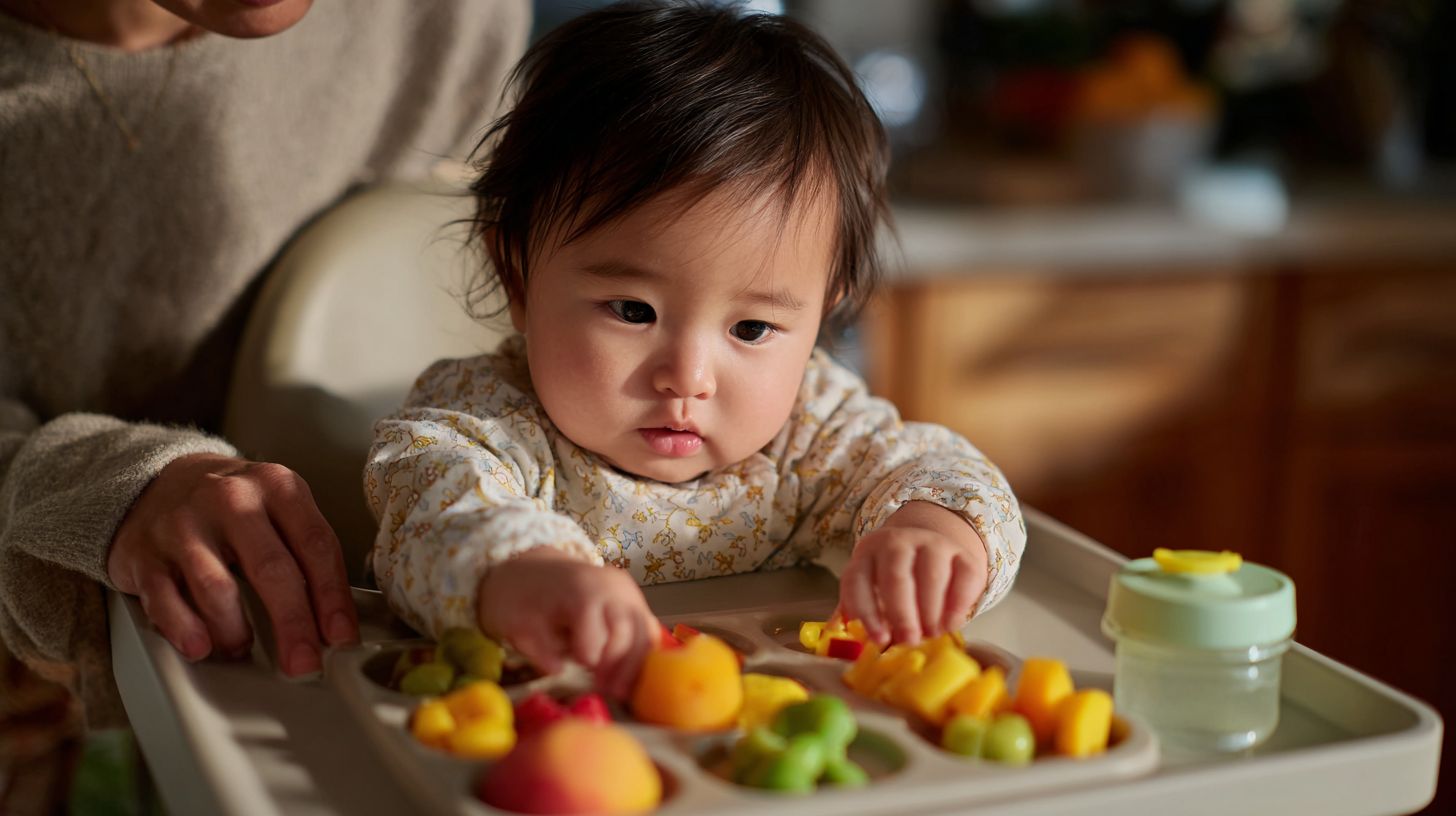
But here’s where it gets interesting—and where Caribbean food wisdom has been ahead of Western recommendations for generations. While mainstream advice pushes rice cereal and bananas, traditional Caribbean first foods emphasize ground provisions rich in fiber: sweet potatoes, dasheen, eddoes, and green figs (green bananas). These starchy vegetables contain significantly more fiber than processed cereals and provide the bulk that keeps baby’s system moving.
When I started researching recipes for my Caribbean Baby Food Recipe Book, I discovered that traditional island first foods like Sweet Potato & Callaloo Rundown and Yellow Yam & Carrot Sunshine naturally prevent constipation because they’re packed with the soluble and insoluble fiber babies need. Our grandmothers knew what modern parents are just rediscovering: real food beats processed food every time.
Food Detective: Helper or Blocker?
Click each food to discover if it helps or hinders digestion:
The Hydration Secret Nobody Mentions
Here’s a truth bomb that should be shouted from every pediatrician’s office: fiber without water is like trying to slide down a dry playground slide. It just doesn’t work. Yet somehow, the memo about hydration during the solids transition gets lost between the excitement of first bites and the Instagram photos.
When babies move from exclusive milk feeding to solid foods, their hydration needs change dramatically. Breast milk and formula are about 85-90% water, but pureed sweet potato? Not so much. Recent guidelines recommend introducing 30-60 ml of water daily when starting solids at 6 months, gradually increasing to approximately 200 ml daily by 12 months.
But here’s where it gets practical: how do you actually get a 6-month-old to drink water? After watching my sister struggle with sippy cups that leaked everywhere and baby bottles that confused her daughter’s feeding routine, we discovered the game-changer: offering small sips from an open cup at mealtimes. Room temperature, not cold (which can shock their little systems). Just 2-3 sips with each solid feeding session.
Hydration Calculator: Is Your Baby Getting Enough?
Per Meal: 30-45 ml
Pro tip: That’s about 2-3 tablespoons with each solid feeding!
The Five “P” Foods That Save the Day
When constipation hits, parents need solutions that work fast. Enter the “P Foods”—pears, prunes, plums, peaches, and peas. These aren’t just old wives’ tales; they’re backed by solid science. These fruits contain sorbitol, a natural sugar alcohol that works as an osmotic laxative, drawing water into the intestines and softening stools.
Prune juice, in particular, has been studied extensively. The recommended dosage for infants is 1 ounce per month of life (so a 6-month-old gets 2 ounces), diluted 1:1 with water, no more than twice daily, with a maximum of 4 ounces total. But here’s what worked better for us: prune puree mixed into other foods. Two tablespoons of pureed prunes stirred into oatmeal or sweet potato made medicine taste like breakfast.
In the Caribbean tradition, we’ve got our own version of the P foods: papaya. Green papaya, specifically, contains papain—an enzyme that aids digestion and keeps things moving. My Caribbean Baby Food Recipe Book includes recipes like Papaya & Banana Sunshine and Green Papaya Pleasure that naturally support digestion while introducing authentic island flavors. When you’re feeding your baby, you might as well be teaching them about their heritage too.
The Perfect Poop-Prevention Meal Builder
Create a constipation-busting meal for your baby!
Breakfast Options:
- ✅ Oatmeal mixed with 2 tbsp prune puree + pear slices
- ✅ Sweet potato puree with coconut milk (like Calabaza con Coco)
- ✅ Mashed avocado on whole grain toast strips
Lunch Options:
- ✅ Basic Mixed Dhal (lentils) with sweet potato
- ✅ Coconut Rice & Red Peas (Caribbean staple!)
- ✅ Green papaya with eddoes puree
Snack Options:
- ✅ Fresh pear or plum slices (for older babies)
- ✅ Prune puree mixed with plain yogurt
- ✅ Mashed beans with avocado
Avoid This Combo: Rice cereal + banana + cheese = Constipation Central!
When Your Baby Needs More Than Food Fixes
Let’s talk about when good food isn’t enough. Sometimes, despite your best fiber-filled, water-supplemented efforts, your baby still struggles. And that’s when you need to know the difference between “call the nurse line tomorrow” and “get in the car right now.”
Red flags that require immediate medical attention include: no bowel movement within the first 48 hours of life (this could indicate Hirschsprung’s disease), blood in the stool beyond minor streaks from anal fissures, severe abdominal distension, vomiting with constipation, or extreme pain lasting more than an hour. These aren’t situations for home remedies—these need a doctor’s eyes.
But for the more common scenario—baby hasn’t pooped in 3-4 days, seems uncomfortable, and you’re stressed—here’s your action plan. First, the warm bath trick actually works. The warm water relaxes the abdominal muscles and can stimulate bowel movements. Add gentle “bicycle legs” while baby is in the bath, moving their legs in a cycling motion.
Should You Call the Doctor? Symptom Checker
Click all symptoms your baby is experiencing:
Tummy massage is another grandmother-approved technique that modern medicine backs up. Using gentle pressure, massage your baby’s abdomen in a clockwise circular motion—following the path of the intestines. Think of it as manually encouraging things along. Do this 2-3 times daily, especially after feedings.
And here’s the Caribbean addition that worked wonders: a tiny bit of coconut oil. Not as a supplement, but incorporated into food. Coconut oil has a mild laxative effect and is a traditional remedy throughout the islands. Recipes like Sweet Potato & Callaloo Rundown naturally include coconut milk, which provides this benefit along with healthy fats that ease digestion.
The Prevention Strategy That Actually Works
Here’s what I wish someone had told my sister before she started solids: prevention is ten times easier than treatment. Once constipation sets in and your baby associates pooping with pain, you’re fighting both a physical and psychological battle. The pain-fear-withholding cycle is real, and breaking it is hard.
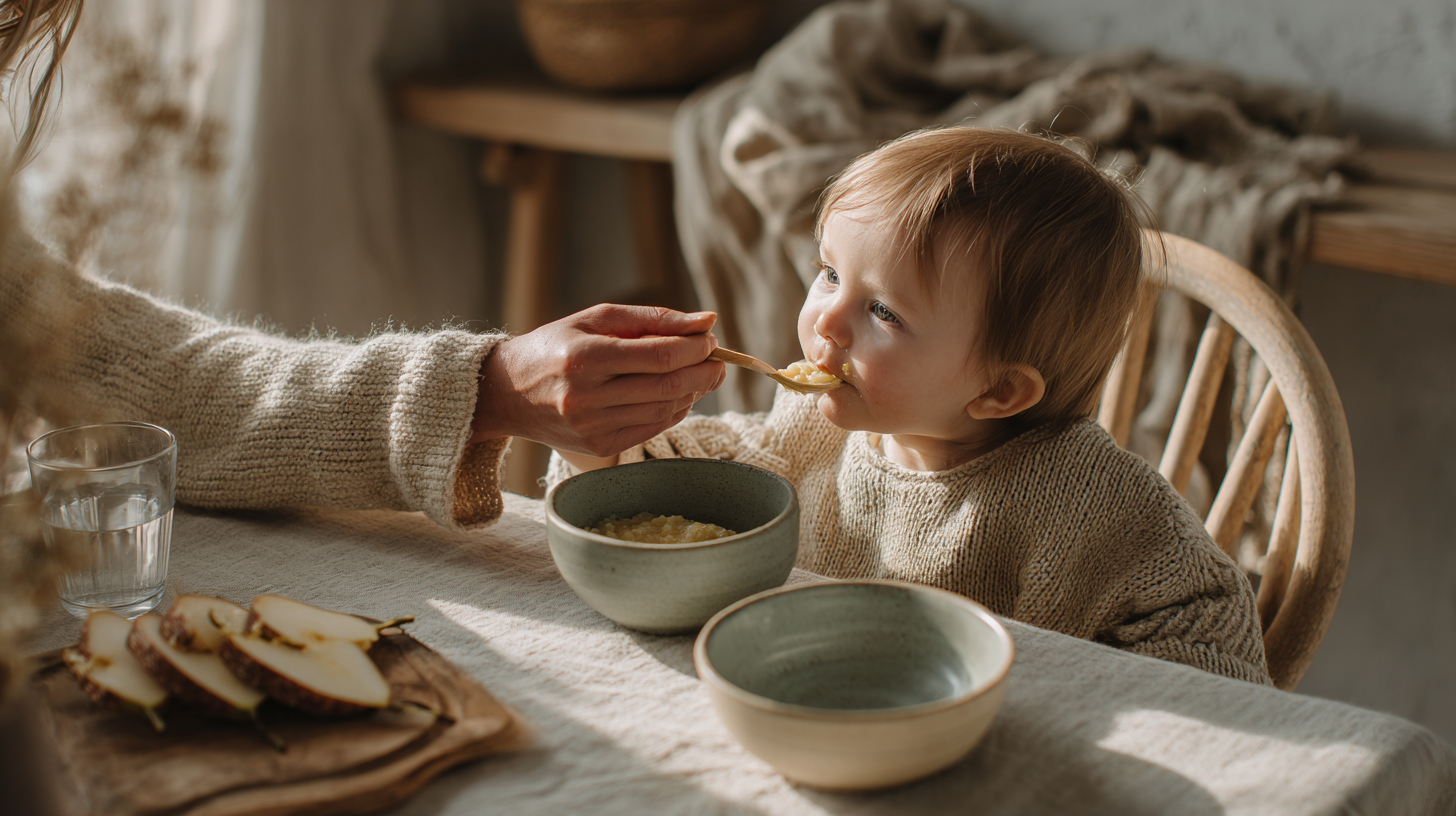
The prevention strategy is beautifully simple: start with fiber-rich first foods from day one. Skip the rice cereal entirely and go straight to oat cereal if you want a cereal option. Better yet, start with pureed sweet potato, avocado, or pureed peas. Introduce water with every single solid feeding session from the very first spoonful. Make the “P fruits” regular rotation players, not emergency bench warmers.
Variety is your secret weapon. Babies who eat only 2-3 foods are far more likely to become constipated than babies exposed to diverse foods. This is where Caribbean-inspired feeding shines. Traditional island diets naturally include diverse root vegetables, multiple types of beans and peas, various fruits, and foods prepared with coconut milk—all of which support healthy digestion.
My Caribbean Baby Food Recipe Book makes this diversity simple with over 75 recipes specifically designed for babies 6+ months, featuring ingredients like dasheen, callaloo, eddoes, plantains, and multiple types of beans. Each recipe naturally incorporates the fiber and hydration principles that prevent constipation, while introducing your baby to authentic island flavors they’ll love for life.
Your 7-Day Constipation Prevention Action Plan
Ready to make sure constipation never happens? Here’s your week-by-week strategy:
Day 1-2: Foundation Setting
✅ Switch from rice cereal to oat cereal or pureed sweet potato
✅ Introduce 30 ml (2 tbsp) water with each solid meal
✅ Choose ONE P-fruit to introduce (pears are perfect for beginners)
Day 3-4: Build Variety
✅ Add a fiber-rich vegetable (try calabaza/pumpkin or callaloo)
✅ Increase water to 45 ml (3 tbsp) per solid meal
✅ Mix prune puree (1-2 tbsp) into one meal daily
Day 5-6: Introduce Healthy Fats
✅ Add mashed avocado or coconut milk to purees
✅ Try a bean-based meal (like Basic Mixed Dhal)
✅ Start daily tummy massage routine (5 min after meals)
Day 7: Assessment & Adjustment
✅ Track bowel movements (should be soft, easy to pass)
✅ Ensure 3 different food groups daily (grain/cereal, vegetable, fruit)
✅ Confirm total water intake is 60-90 ml daily
✅ Celebrate—you’ve built a constipation-proof foundation!
The Truth About Probiotics and “Miracle Cures”
Walk into any health food store and you’ll find an entire shelf of probiotics marketed for baby constipation. The packaging promises miracles. The price tag suggests they work. But do they?
Recent research shows mixed results. Some studies indicate that probiotics—particularly Bifidobacterium animalis subsp. lactis—can improve treatment success rates and defecation frequency when combined with conventional treatment. Other systematic reviews, including a 2022 Cochrane analysis, found low-certainty evidence that probiotics add any benefit beyond osmotic laxatives alone.
Here’s my take after navigating this with multiple families: food first, supplements if necessary. Before you spend money on expensive probiotic drops, make sure you’ve maximized dietary interventions. Introduce fermented foods naturally through yogurt (in moderation). Focus on prebiotic foods—the foods that feed good gut bacteria—like beans, eddoes, and ground provisions.
The Caribbean approach to gut health has always been food-based. Fermented foods like traditional ginger beer, coconut water kefir, and naturally fermented fruit preparations provide probiotics without pills. While these aren’t appropriate for babies under 12 months, the principle holds: real food contains the compounds babies need for healthy digestion.
Building a Constipation-Free Future
Here’s what gives me hope: once you establish good habits early, constipation rarely becomes a chronic issue. Babies who start solids with fiber-rich foods, adequate hydration, and dietary variety maintain healthy bowel patterns as they grow. The key is starting right from that very first spoonful.
The dietary patterns you establish now shape your child’s eating habits for life. A baby raised on diverse Caribbean-inspired foods—rich in fiber, healthy fats, and varied nutrients—becomes a toddler who naturally gravitates toward these foods. They don’t need to be convinced to eat vegetables because vegetables have always been part of their flavor profile.
Think about this: chronic constipation affects up to 14.4% of children globally when diagnosed using Rome IV criteria, and it significantly impacts quality of life for entire families. Parents report anxiety, frustration, and stress. Children experience behavioral problems, social difficulties, and emotional distress. But this entire cascade of problems can be prevented with simple dietary choices in the first months of solid feeding.
Your Constipation-Prevention Checklist
Save this checklist—it’s your daily constipation-prevention insurance policy:
✅ Every Single Day:
- ☐ At least ONE P-fruit or vegetable (pear, prune, plum, peach, peas, papaya)
- ☐ Water with every solid meal (30-60 ml based on age)
- ☐ Fiber-rich carb (oatmeal, whole grain, beans, ground provisions)
- ☐ Healthy fat (avocado, coconut milk, or nut butter for 8+ months)
- ☐ Tummy massage after one feeding
❌ Avoid or Limit:
- ☐ Rice cereal (switch to oat)
- ☐ Bananas more than 2-3x weekly
- ☐ Excessive dairy (more than 2 servings daily)
- ☐ Processed baby snacks (often low in fiber)
Track Weekly:
- ☐ Bowel movement frequency (should be 3-7x weekly minimum)
- ☐ Stool consistency (should be soft, formed, easy to pass)
- ☐ New foods introduced (aim for 1-2 new foods weekly)
Your Baby’s Belly, Your Peace of Mind
Standing in the baby food aisle six months ago, you probably didn’t imagine you’d become an expert on infant bowel movements. Yet here you are, reading a 3,000-word article about baby poop. And honestly? That makes you exactly the kind of parent your baby needs—someone willing to learn, adapt, and prioritize their comfort even when the topic isn’t Instagram-worthy.
Constipation during the solids transition isn’t a sign you’re doing something wrong. It’s a sign your baby’s digestive system is adapting to a major life change. Your job isn’t to prevent every moment of discomfort—that’s impossible. Your job is to set up conditions that support easy, comfortable digestion so those uncomfortable moments are rare exceptions rather than daily occurrences.
The strategies we’ve covered—fiber-rich first foods, adequate hydration, food variety, and culturally-rich ingredients—aren’t complicated. They don’t require expensive equipment or special training. They just require intention. Choose the pear instead of the banana. Offer water with that sweet potato puree. Mix in those prunes before trouble starts.
And when you’re looking for practical ways to incorporate these principles into actual meals your baby will eat, remember that traditional Caribbean cooking has been solving this problem for generations. The recipes in my Caribbean Baby Food Recipe Book—from Simple Metemgee Style Mash to Coconut Rice & Red Peas to Papaya & Banana Sunshine—naturally include the fiber, hydration, and healthy fats that keep your baby’s digestion running smoothly. You’re not just preventing constipation; you’re building a foundation of healthy eating that lasts a lifetime.
So here’s to smooth poops, happy babies, and parents who no longer panic when they hear that telltale grunt from the diaper area. You’ve got this. Your baby’s got this. And their belly? With your help, it’s going to work just fine.
Now go make that oatmeal with prune puree. And maybe keep some P-fruits in the fridge. Just in case.

Kelley's culinary creations are a fusion of her Caribbean roots and modern nutritional science, resulting in baby-friendly dishes that are both developmentally appropriate and bursting with flavor. Her expertise in oral motor development and texture progression ensures that every recipe supports your little one's feeding milestones while honoring cultural traditions.
Join Kelley on her flavorful journey as she shares treasured family recipes adapted for tiny taste buds, evidence-based feeding guidance, insightful parenting anecdotes, and the joy of celebrating food, culture, and motherhood. Get ready to immerse yourself in the captivating world of Kelley Black and unlock the vibrant flavors of the Caribbean for your growing baby, one nutritious bite at a time.
- The Feeding Revolution: Why Your Everyday Meals Are Changing the World - October 13, 2026
- Your Feeding Story Matters More Than The “Perfect” One Online - October 12, 2026
- Looking Forward: Stepping Into Your Confident Feeding Future - October 11, 2026