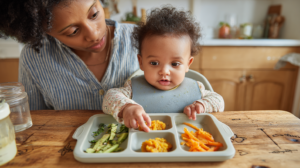
Vegetable Resistance: Creative Strategies That Actually Work
What’s Your Biggest Veggie Battle?
Choose one and discover your personalized starting point:
Three years ago, I stood in my kitchen at midnight, tears streaming down my face, staring at yet another untouched plate of carefully prepared vegetables. My daughter had eaten everything except the broccoli, carrots, and peppers—again. I’d tried everything: making airplane noises, hiding vegetables in sauces, even bribing with dessert. Nothing worked. The guilt was crushing. Was I failing as a parent? Would my child grow up nutrient-deficient because I couldn’t figure this out?
That’s when I discovered something that changed everything. The science behind vegetable acceptance isn’t about tricks or battles—it’s about understanding how children’s brains actually work. And here’s the truth nobody tells you: only about 10% of children globally meet recommended daily vegetable intake guidelines. You’re not alone in this struggle. But more importantly, there’s a way forward that doesn’t involve tears, tricks, or power struggles.
What I learned transformed not just our mealtimes, but my entire relationship with food and my child. The strategies I’m about to share aren’t theoretical—they’re backed by recent research and they actually work in real homes with real, stubborn toddlers who think vegetables are the enemy. This isn’t about sneaking or forcing. It’s about something far more powerful: teaching your child to genuinely like vegetables.
The Truth About Vegetable Resistance
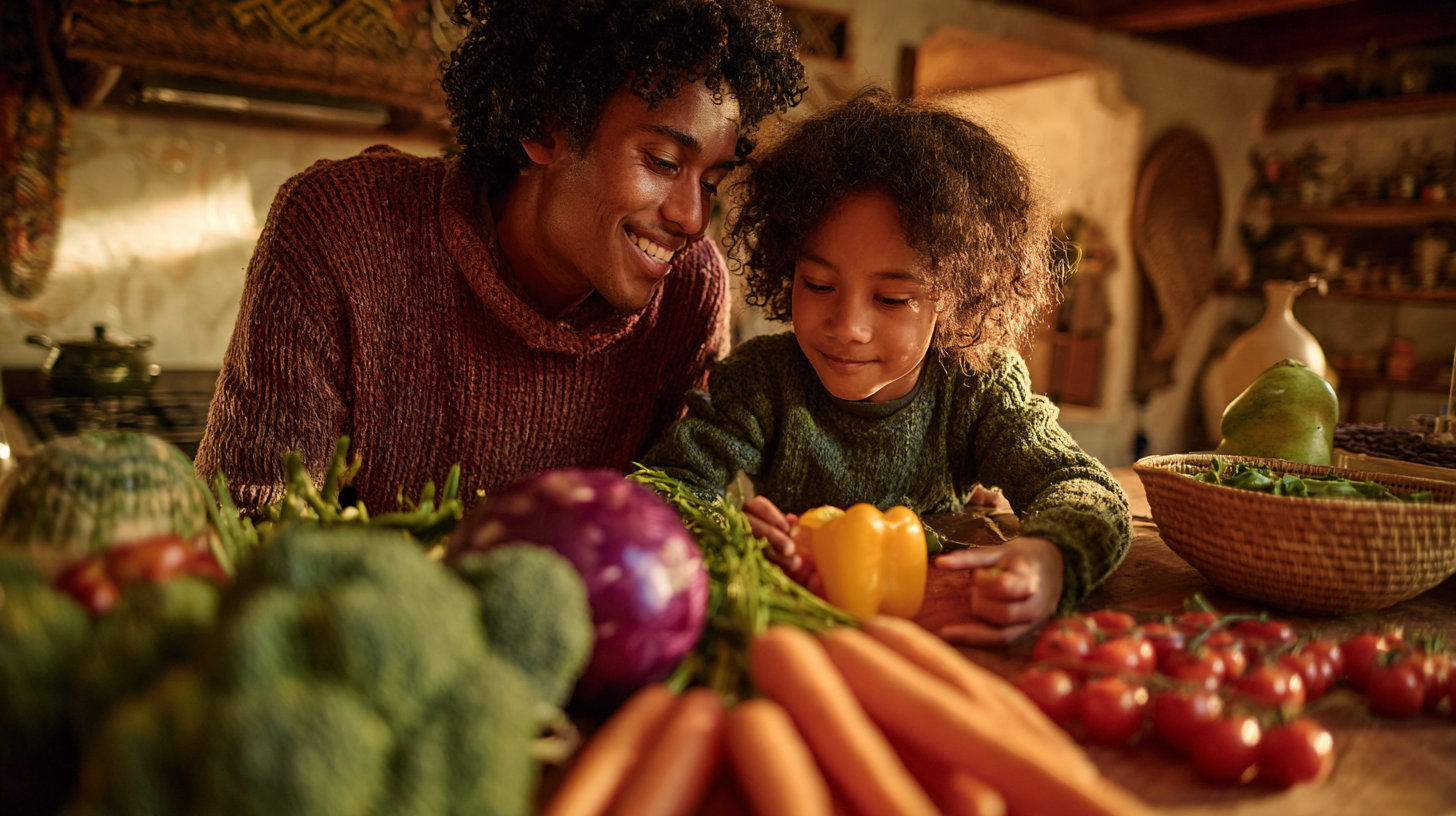
Let’s start with what’s really happening in your child’s mind when they push away that plate of green beans. It’s not defiance—it’s biology. Children are born with an innate preference for sweet and salty flavors and a natural suspicion of bitter tastes. This goes back to our evolutionary past when bitter flavors often signaled poisonous plants. Your child’s vegetable resistance isn’t a character flaw; it’s a survival instinct that’s about 200,000 years old.
But here’s where it gets interesting. Research shows that taste preferences are remarkably malleable in early childhood. Studies demonstrate that repeated exposure—offering a vegetable 8 to 15 times—can increase vegetable acceptance by up to 60% in preschoolers. The key word here is “repeated.” Most parents give up after two or three attempts, right when they’re on the verge of a breakthrough.
I remember the moment this clicked for me. I’d offered my daughter roasted sweet potato at least ten times over three weeks. Every time, she’d wrinkle her nose and push it away. Then one Tuesday evening, with zero fanfare, she picked up a piece and ate it. Then another. I almost cried—not because she ate sweet potato, but because I realized the power of patient, pressure-free persistence.
The Shocking Truth Researchers Don’t Want You to Miss
Here’s what 15 years of vegetable acceptance research tells us: The most effective strategy isn’t what you think. It’s not about making vegetables fun, hiding them, or offering rewards. The single most powerful predictor of vegetable acceptance is something simpler: parental modeling combined with neutral exposure.
When parents eat vegetables with genuine enjoyment (not exaggerated enthusiasm) and offer them repeatedly without pressure or comment, children’s acceptance rates skyrocket. One study found that children whose parents ate vegetables naturally at meals were 5 times more likely to develop vegetable preferences than children whose parents used any other strategy.
The kicker? Your child is watching you more closely than you realize. If you grimace before eating broccoli or make comments about “healthy but not tasty” foods, your child absorbs that message completely. The vegetables you eat regularly and visibly enjoy become your child’s accepted foods—eventually.
The Great Debate: Sneaky Methods vs. Exposure
This is where parents get confused, and honestly, I was confused too. Should you hide vegetables in smoothies and sauces, or should you present them openly and repeatedly? The answer isn’t what most parenting blogs tell you.
Sneaky methods—blending vegetables into pasta sauce, adding spinach to smoothies, hiding cauliflower in mac and cheese—do increase vegetable intake in the short term. A study from Pennsylvania State University found that hiding vegetables to reduce energy density effectively increased vegetable consumption and reduced overall calorie intake. Sounds great, right?
But here’s the catch. Hiding vegetables doesn’t teach children to recognize, accept, or enjoy them as standalone foods. You’re getting nutrients into their bodies, but you’re not building the long-term relationship with vegetables that leads to lifelong healthy eating. When my daughter was eating spinach smoothies but refusing all visible greens, I realized I was solving the wrong problem.
The exposure method—presenting vegetables repeatedly in their recognizable form without pressure—takes longer but creates lasting change. Research shows that repeated taste exposure, even without rewards, significantly increases both vegetable liking and consumption, with effects lasting up to three months. One study found that children who participated in parent-administered exposure programs showed sustained increases in vegetable acceptance long after the intervention ended.
So what’s a exhausted parent to do? Use both strategically. In the early days or during particularly stubborn phases, sneaking vegetables ensures your child gets nutrients while you work on the bigger picture. But simultaneously, keep offering visible, approachable vegetables without pressure. Think of hiding as the safety net and exposure as the actual trapeze training.
If you’re looking for delicious ways to incorporate vegetables that bridge both approaches, the Caribbean Baby Food Recipe Book offers creative recipes like Sweet Potato & Callaloo Rundown and Calabaza con Coco that celebrate vegetables in their natural glory while making them irresistibly flavorful.
Preparation Variations That Change Everything
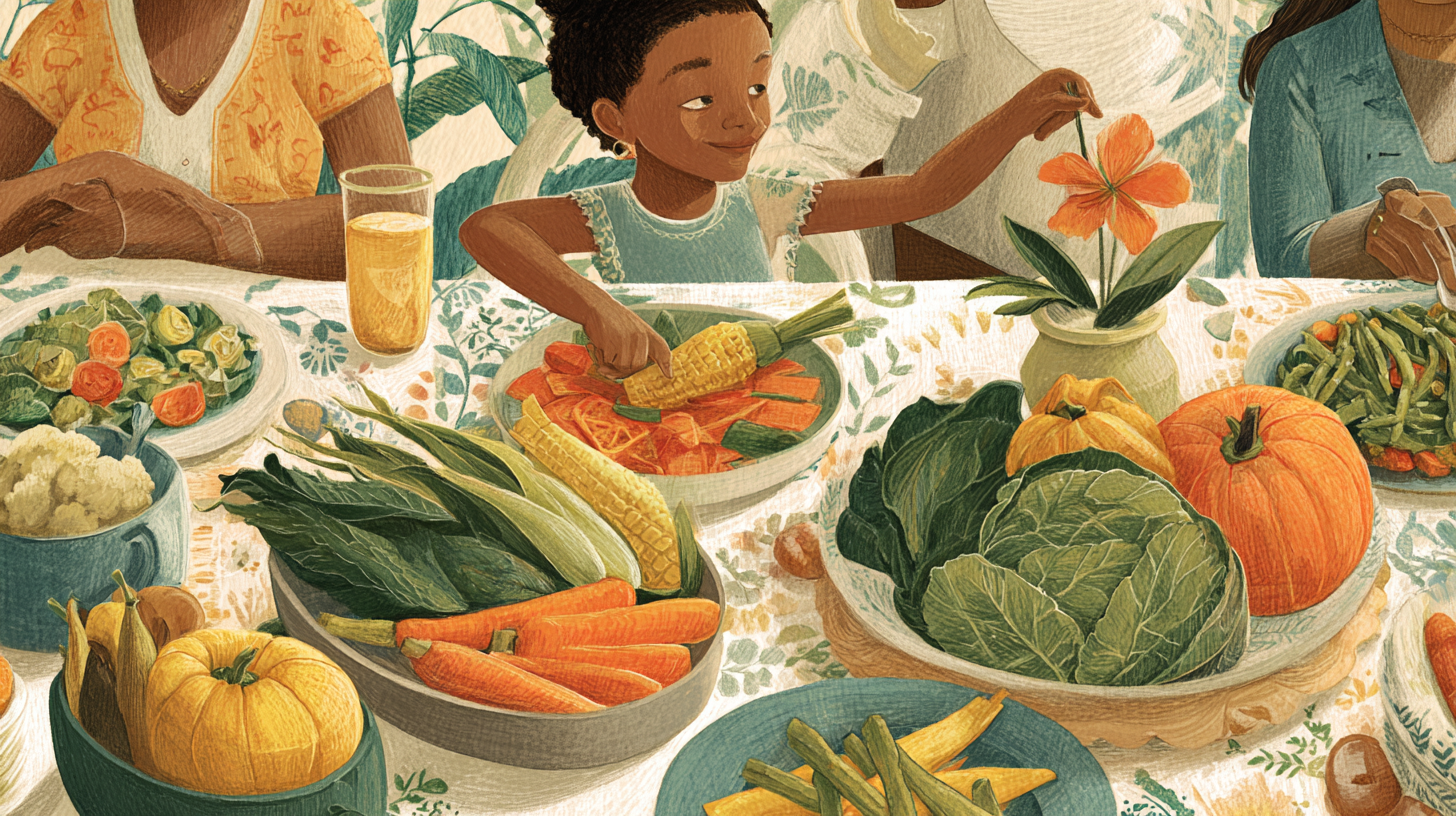
Here’s something that blew my mind: the same vegetable prepared differently can be the difference between acceptance and rejection. It’s not just about what you serve—it’s about how you serve it.
Texture matters enormously to children, more than we often realize. A child who refuses steamed broccoli might devour roasted broccoli florets. Someone who pushes away boiled carrots might crunch happily on raw carrot sticks with hummus. The vegetable is the same; the experience is completely different.
I discovered this accidentally with bell peppers. My daughter absolutely refused cooked peppers in any form. But one day, I was making a salad and she grabbed a raw pepper slice from the cutting board and ate it. Just like that. I’d been cooking peppers because I thought that’s what you’re supposed to do for children. Turns out, she preferred them raw and crunchy all along.
Temperature plays a role too. Some children prefer vegetables cold, others warm. My neighbor’s son won’t touch warm cucumbers but loves them chilled from the refrigerator. Another friend’s daughter prefers slightly warm cherry tomatoes over cold ones. These preferences seem arbitrary, but they’re very real to the child experiencing them.
Presentation size and shape also matter. Research on multisensory exposure shows that allowing children to interact with vegetables in different forms—whole, chopped, spiralized, mashed—increases willingness to try them. The same carrot becomes an adventure when it’s presented as coins, sticks, ribbons, or stars. Is it more work? Yes. Does it work? Absolutely.
Here’s your experiment this week: choose one rejected vegetable and prepare it three completely different ways. Serve each version on separate days without comment or pressure. Just put it on the plate alongside accepted foods. You might be surprised which version suddenly becomes acceptable.
Select all that apply to your child:
The Power of Involvement: From Store to Table
This strategy sounds simple, but it’s backed by surprisingly robust research: when children participate in selecting, preparing, and cooking vegetables, they’re significantly more likely to eat them. Garden-based interventions that integrate gardening, cooking, and nutrition education have demonstrated sustained increases in vegetable consumption and improved home food environments.
But you don’t need a garden to harness this power. Start at the grocery store or farmer’s market. Give your child agency in the vegetable selection process. “We need something green for dinner. Should we get broccoli or green beans?” This tiny choice creates investment. It’s not your broccoli anymore—it’s the broccoli they chose.
I started doing this when my daughter was barely three. At first, her choices were random and sometimes hilarious. One week she insisted on a purple cabbage because it was “a princess vegetable.” I had no idea what to do with purple cabbage, but we figured it out together. She helped me wash it, tear it into pieces, and we roasted it with olive oil. She ate more purple cabbage that week than she’d eaten of any vegetable in months.
In the kitchen, age-appropriate involvement is key. Young toddlers can wash vegetables, tear lettuce, or push buttons on the food processor. Preschoolers can use child-safe knives to cut soft vegetables, measure ingredients, or stir. Older children can follow simple recipes independently. The more hands-on the experience, the more ownership they feel over the final dish.
One study specifically examining in-home interventions found that parent-implemented strategies focused on involvement and repeated exposure increased vegetable intake significantly, with effects maintained over time. The children didn’t just eat more vegetables—they became more willing to try new vegetables they hadn’t encountered before.
There’s something almost magical about a child eating a vegetable they helped prepare. It’s like they’ve invested too much to reject it. One mother told me her son refused tomatoes until he helped plant, water, and harvest cherry tomatoes from their patio container. The first tomato he grew himself? He ate it like candy. Same child, same vegetable, completely different context.
For culturally rich, child-friendly vegetable recipes that make involvement easy and delicious, explore options like the Geera Pumpkin Puree or Baigan Choka Smooth from the Caribbean Baby Food Recipe Book, which turn everyday vegetables into flavorful experiences children want to help create.
Repeated Offerings Without Pressure
This is the strategy that requires the most patience and delivers the most lasting results. It’s also the one most parents abandon too early. Here’s what the research tells us, and it’s worth reading slowly: it takes an average of 8 to 15 exposures for a child to accept a new food. Not 2 or 3. Eight to fifteen.
Let that sink in. If you offer broccoli three times and your child refuses it three times, you’re not failing—you’re only 20% through the process. But most of us interpret those three rejections as “my child hates broccoli” and take it off the rotation permanently. We give up right when persistence would pay off.
The crucial element here is “without pressure.” Each exposure should be neutral and pressure-free. No cajoling, no bargaining, no “just one bite.” You simply place a small portion of the vegetable on the plate alongside accepted foods and say nothing about it. If your child eats it, wonderful. If they don’t, also wonderful. The exposure itself is the point.
This approach is called “responsive feeding,” and it’s supported by decades of research. A comprehensive review of interventions to increase fruit and vegetable consumption in children found that strategies emphasizing repeated exposure without pressure were among the most effective for creating lasting behavior change.
I’ll be honest—this was the hardest strategy for me to implement because it felt like doing nothing. I wanted to encourage, praise, explain the nutrients, remind her how yummy it was last time. But all of that creates pressure. The message becomes “Mom really needs me to eat this,” which triggers resistance. When I learned to put the vegetable on the plate and then truly let it go—not watching her, not commenting, not even making eye contact about it—the acceptance came faster.
Here’s what this looks like in practice. Monday: place three pieces of roasted cauliflower on the plate. Your child ignores them. You clear them away without comment. Wednesday: same thing. Ignored again. Friday: again. Still ignored. The following Monday: same process. Week two, same pattern. Week three, your child picks up a piece, smells it, puts it down. You say nothing. Week four, they taste it and spit it out. Still no comment from you. Week five or six, they eat one piece. You might smile, but don’t make a big deal. By week seven or eight, cauliflower might become an accepted food.
This timeline might feel excruciating, but it works. And once you establish this pattern with one vegetable, subsequent vegetables follow the same path—often faster because your child has learned that trying new vegetables is safe and pressure-free.
Your 15-Exposure Vegetable Tracker
Choose a vegetable and check off each exposure. Watch your progress grow!
Start your journey to vegetable acceptance!
Celebration, Not Battle
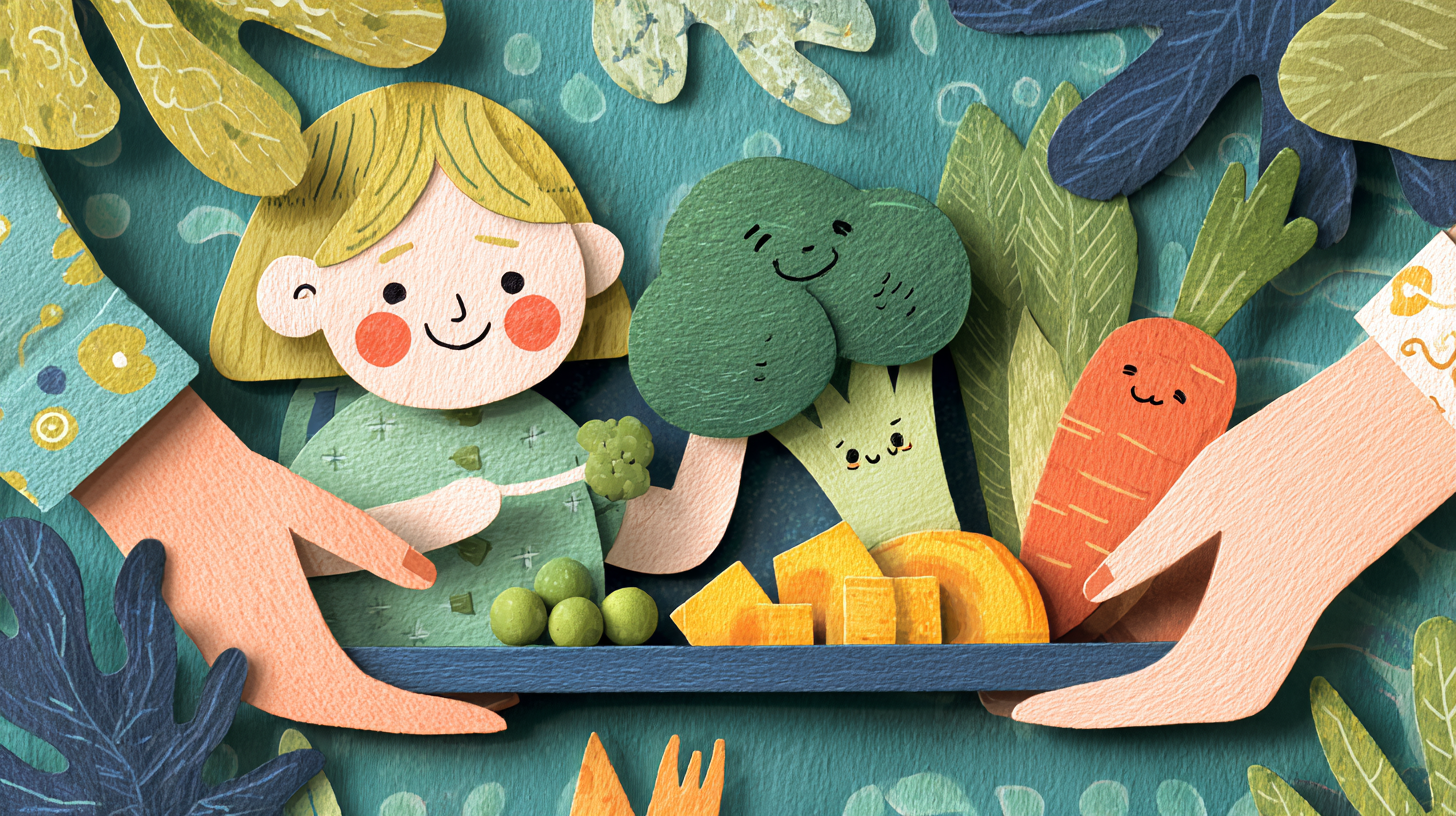
This mindset shift changed everything for us, and it might change everything for you too. When you view vegetables as a battleground—a test of wills between you and your child—everyone loses. But when you reframe vegetable acceptance as a journey worth celebrating, small victories become meaningful and the pressure dissolves.
The research supports this approach. Experts emphasize the importance of celebrating small steps without pressure, using non-food rewards like stickers or praise, and avoiding food-based rewards that can undermine intrinsic motivation. When children receive external rewards for eating vegetables, they often become less likely to eat those vegetables when rewards aren’t available. But celebration of progress—that’s different.
What does celebration look like without pressure? It’s acknowledging effort, not just outcome. “You touched the green bean today—that’s new!” or “I noticed you smelled the tomato. You’re being brave and curious.” These statements celebrate exploration without requiring consumption. They make trying new foods an adventure rather than a requirement.
One approach that’s gained traction recently is storytelling about vegetables. A study published in early 2025 found that storytelling about “magical” vegetables boosted children’s interest and consumption for several weeks. When vegetables become characters in stories—brave broccoli, super spinach, curious carrots—children develop emotional connections that translate to acceptance.
I started creating silly stories about “Sir Broccoli, the bravest vegetable in the kingdom” who went on adventures. My daughter became invested in Sir Broccoli’s story and wanted to “help him” by eating him. It sounds ridiculous, but it worked. She wasn’t eating broccoli because I wanted her to; she was participating in a story she enjoyed.
Another celebration strategy: the “try it” sticker chart. Not “eat it,” but “try it.” One lick, one touch, one smell—all worthy of a sticker. This removes the pressure to consume while rewarding curiosity and bravery. After accumulating stickers, the reward isn’t food-related—it’s an experience like extra story time, a park trip, or choosing a family movie.
The most powerful celebration, though, is internal to you as the parent. Celebrate your own patience. Celebrate your persistence. Celebrate the fact that you offered vegetables fifteen times without giving up. Your child is watching your attitude more than your words, and when you approach vegetables with patient optimism rather than frustrated desperation, they absorb that energy.
Social Media and Modern Influences
Here’s something fascinating that’s emerged in recent years: social media is actually influencing vegetable acceptance in unexpected ways. Platforms like TikTok are driving food trends that emphasize whole foods and vegetable-forward eating. The “Girl dinner” trend, for example, celebrates simple meals featuring vegetables, fruits, and snacks, and it’s reshaping how families think about casual meals.
Instagram and Pinterest have made beautiful vegetable presentations mainstream. When children see colorful, artistic vegetable arrangements that look like rainbows or animals, vegetables become associated with creativity and fun rather than obligation. One study noted that social media food trends are driving health and sustainability interests, particularly among younger parents who are now shaping their children’s food environments.
But there’s a flip side. Social media also spreads unrealistic expectations about children’s eating habits. You see perfectly curated posts of toddlers eating elaborate vegetable platters, and you feel like a failure when your child refuses green beans for the tenth time. Remember: those posts are highlights, not daily reality. Most children struggle with vegetable acceptance—it’s the norm, not the exception.
Use social media strategically. Follow accounts that share realistic, evidence-based feeding strategies rather than perfection. Join parenting communities where honest struggles are shared alongside victories. Seeing other parents navigate the same challenges normalizes your experience and provides practical strategies you can actually use.
One trend I’ve found genuinely helpful: food art. Simple presentations that turn vegetables into faces, animals, or scenes make vegetables playful. My daughter refused cucumber for months until I arranged slices with cherry tomato eyes and a red pepper smile to create a face on her plate. She laughed, played with it, and eventually ate it. The vegetable hadn’t changed, but the context had.
Expert Insights on What Actually Works
Let’s talk about what the leading researchers and nutritionists are saying right now, because their insights cut through a lot of the noise and conflicting advice you’ll encounter.
Dr. Hayley Syrad from University College London has conducted extensive research on parent-administered exposure programs. Her work shows that small, non-food rewards like stickers can be helpful in the early stages of vegetable acceptance, but the key is pairing rewards with genuine exposure—not hiding vegetables or making consumption contingent on other foods. The goal is building familiarity and positive associations, not bribing.
Research from the University of Konstanz found that multisensory exposure—activities that involve smelling, touching, and visually exploring vegetables before tasting—significantly increased children’s willingness to try vegetables. This is called the “VeggieSense” approach, and it recognizes that eating is a full sensory experience, not just taste. When children can interact with vegetables through multiple senses without the pressure to eat, acceptance follows naturally.
Nutrition experts consistently emphasize that parental modeling is the most powerful tool in your arsenal. Children learn eating behaviors primarily through observation and imitation. If you want your child to eat vegetables, they need to see you eating vegetables regularly and enjoying them—not just serving them.
There’s also growing recognition that cooking and gardening interventions work because they transform vegetables from unfamiliar, possibly threatening objects into familiar friends. When a child plants a seed, waters it, watches it grow, harvests it, and helps prepare it, that vegetable becomes something entirely different than a random green thing on their plate.
One particularly interesting finding: the timing of vegetable offerings matters. A 2023 study found that offering vegetables at breakfast in nursery and kindergarten settings—a non-traditional time—increased overall daily vegetable intake. Breaking out of the “vegetables are only for lunch and dinner” mindset opens up new opportunities for acceptance.
Caribbean culinary traditions actually embody many of these expert recommendations naturally. Recipes that incorporate vegetables into beloved staples like rice and peas, or that celebrate vegetables in naturally sweet preparations like plantain-based dishes, align perfectly with what research shows works. The Caribbean Baby Food Recipe Book offers over 75 recipes that demonstrate how cultural food wisdom and modern nutrition science converge beautifully.
Match the Strategy to the Science
Test what you’ve learned! Match these evidence-based strategies:
The Real Challenges Nobody Talks About
Let’s get honest about the obstacles that make vegetable acceptance harder than it needs to be, because acknowledging these challenges is the first step to overcoming them.
First, there’s the time issue. Evidence-based strategies like repeated exposure and involvement require consistent effort over weeks or months. When you’re exhausted from work, managing multiple children, or dealing with life stress, preparing different vegetable presentations or calmly offering rejected foods fifteen times feels impossible. This is real, and it’s why so many parents default to either hiding vegetables or giving up.
The solution isn’t to do everything perfectly. It’s to pick one strategy and commit to it imperfectly. Maybe you can’t involve your child in preparation every day, but you can do it on weekends. Maybe you can’t offer fifteen different vegetable preparations, but you can commit to offering the same vegetable twice a week for two months. Something is always better than nothing.
Second, there are socioeconomic barriers that research often glosses over. Fresh vegetables cost money. They require refrigeration and relatively quick use. Families with limited resources or food insecurity face additional challenges in implementing these strategies. If this is your situation, focus on affordable, long-lasting vegetables like cabbage, carrots, and frozen options that are equally nutritious and more budget-friendly.
Third, there’s the pressure and anxiety that come with knowing your child isn’t eating enough vegetables. This anxiety itself becomes a barrier because it creates tension around meals. Children pick up on parental stress instantly, and mealtimes become fraught rather than relaxed. Ironically, the more anxious you are about vegetables, the less likely your child is to accept them.
One mother I spoke with shared that she had to literally leave the room during dinner because her anxiety about her son’s eating was so visible. When she stopped watching and micromanaging, he started trying more foods. Your calm presence is more important than your vigilance.
Fourth, there’s the controversy around pressure. Some experts say no pressure whatsoever; others suggest gentle encouragement is fine. The research actually shows that the line between encouragement and pressure is blurry and highly individual. What feels encouraging to one child feels like pressure to another. You have to know your child and watch for signals: if your words make them more resistant, that’s pressure. If your words make them curious and exploratory, that’s encouragement.
Finally, there’s the challenge of maintaining strategies long-term. Many interventions show great short-term results that fade when the intervention ends. This is why building habits and making strategies part of your regular routine—not a special project—matters so much. Vegetable acceptance isn’t a sprint; it’s a lifestyle.
Looking Forward: Building Lifelong Vegetable Lovers
Here’s what excites me about the current research and future trends: we’re moving away from the “clean your plate” and “vegetables are medicine” mentality toward something much healthier—teaching children that vegetables are delicious, interesting, and worth exploring.
The future of vegetable acceptance likely includes more technology integration. Apps and games that track exposure, celebrate trying new foods, and provide age-appropriate nutrition education are emerging. Digital tools for meal planning that incorporate child preferences while gradually introducing new vegetables show promise. These tools won’t replace the fundamentals—parental modeling, repeated exposure, involvement—but they might make implementation easier for busy families.
There’s also growing recognition of the importance of cultural food traditions in vegetable acceptance. When vegetables are integrated into beloved cultural dishes rather than presented as separate “health food,” acceptance rates increase. This is why recipes that honor heritage while introducing vegetables work so beautifully—they leverage existing positive associations with family food culture.
School-based interventions are becoming more sophisticated and evidence-based. Programs that combine gardening, cooking classes, taste testing, and family engagement show the most promising results. When schools and families work together using consistent strategies, children receive reinforcing messages about vegetables from multiple trusted sources.
Looking ahead, the prediction is that we’ll see more personalized approaches that account for individual children’s sensory preferences, temperaments, and cultural backgrounds. One-size-fits-all feeding advice is giving way to customized strategies that honor each child’s uniqueness while applying universal principles like repeated exposure and pressure-free offerings.
The opportunities here are enormous. We’re raising a generation that could be the first to genuinely enjoy vegetables rather than merely tolerate them. But it requires us to unlearn a lot of what previous generations taught us about children and vegetables. No more “eat your vegetables or no dessert.” No more “vegetables are good for you” lectures that position vegetables as unpleasant obligations. Instead, we’re cultivating curiosity, exploration, and genuine enjoyment.
Bringing It All Together
If you’ve made it this far, you’re clearly committed to solving the vegetable puzzle, and that commitment itself is half the battle. So let me leave you with the most important takeaways from thousands of hours of research and years of real-world implementation.
Vegetable acceptance is a marathon, not a sprint. Your child won’t transform overnight, and that’s actually perfect because lasting change happens gradually. The goal isn’t getting your child to eat broccoli tomorrow; it’s raising an adult who makes vegetables a regular part of their diet because they genuinely enjoy them.
Multiple strategies work together better than any single approach. Use exposure as your foundation, involve your child in selection and preparation when possible, vary preparations to find what resonates, celebrate small victories without pressure, and yes, sneak vegetables sometimes when you need the nutritional safety net. These aren’t competing philosophies—they’re complementary tools.
Your attitude matters more than your techniques. When you approach vegetables with patient curiosity rather than desperate insistence, your child absorbs that energy. When vegetables are presented as interesting rather than obligatory, exploration becomes natural. When trying new foods is celebrated as bravery rather than required as obedience, resistance decreases.
Remember that every child’s timeline is different. Your neighbor’s child might eat everything at eighteen months while yours refuses all green foods until age four. Both trajectories are normal. Comparison is the thief of joy, and it’s also the thief of effective parenting. Your child is on their own journey, and your job is to support it, not force it.
The science is clear: repeated, pressure-free exposure combined with parental modeling creates the most lasting vegetable acceptance. Everything else is supplementary. If you do nothing else, do these two things consistently, and you’ll see progress.
Finally, give yourself grace. You’re doing this in the middle of countless other demands and challenges. Some weeks you’ll implement strategies beautifully; other weeks you’ll serve chicken nuggets and call it a win. Both are fine. What matters is the overall pattern, not individual meals.
Three years after that midnight crying session in my kitchen, my daughter now eats more than a dozen vegetables regularly. Not because I forced her, not because I tricked her, but because we built a relationship with vegetables together—slowly, patiently, without pressure. She still has preferences and occasionally refuses things, and that’s okay. The goal was never perfection; it was progress. And progress, my friend, is absolutely within your reach.
If you’re looking for a comprehensive resource that combines evidence-based nutrition with delicious, culturally rich recipes designed to help children embrace vegetables naturally, the Caribbean Baby Food Recipe Book offers over 75 recipes for ages 6+ months that make vegetables the hero of every meal—from Sweet Potato & Callaloo Rundown to Calabaza con Coco to Baigan Choka Smooth—all designed with both nutrition and genuine flavor in mind.
Start where you are. Use what you have. Do what you can. That’s always enough, and you’re already doing better than you think. The fact that you’re here, reading this, learning, trying—that makes you exactly the parent your child needs for this journey. Now go serve those vegetables with confidence, patience, and the knowledge that science is on your side.

Kelley's culinary creations are a fusion of her Caribbean roots and modern nutritional science, resulting in baby-friendly dishes that are both developmentally appropriate and bursting with flavor. Her expertise in oral motor development and texture progression ensures that every recipe supports your little one's feeding milestones while honoring cultural traditions.
Join Kelley on her flavorful journey as she shares treasured family recipes adapted for tiny taste buds, evidence-based feeding guidance, insightful parenting anecdotes, and the joy of celebrating food, culture, and motherhood. Get ready to immerse yourself in the captivating world of Kelley Black and unlock the vibrant flavors of the Caribbean for your growing baby, one nutritious bite at a time.
- The Feeding Revolution: Why Your Everyday Meals Are Changing the World - October 13, 2026
- Your Feeding Story Matters More Than The “Perfect” One Online - October 12, 2026
- Looking Forward: Stepping Into Your Confident Feeding Future - October 11, 2026