Turning Trash Into Treasure: How Your Family Can Save $2,913 This Year (While Raising Eco-Warriors)
Your Family’s Food Waste Reality Check
Before we dive in, let’s see where your family stands. Click the scenarios that sound familiar:
Your Personalized Starting Point:
Here’s something that stopped me cold last Tuesday morning: while scraping yet another untouched dinner into the garbage, I realized my family of four was literally throwing away nearly $250 every single month. That’s not a vacation fund or college savings—it’s perfectly good food heading straight to the landfill.
And we’re not alone. The average American household wastes about 6.2 cups of edible food every single week—that’s 322 cups per year, totaling almost $2,913 annually for a family of four. Nearly 60 million tons of food get discarded in the US each year, representing close to 40% of our nation’s food supply. But here’s what really gets me: while we’re stressed about grocery bills climbing higher, we’re simultaneously tossing out food we’ve already paid for.
The thing is, teaching our kids about food waste isn’t just about saving money or being environmentally conscious—though both matter tremendously. It’s about raising children who understand that resources are precious, that their choices ripple outward, and that they have the power to create real change. When a five-year-old learns to compost apple scraps or a ten-year-old figures out how to transform yesterday’s rice into tomorrow’s lunch, something clicks. They stop seeing themselves as passive consumers and start becoming active problem-solvers.

Today, I’m breaking down exactly how eco-conscious families are slashing their food waste, teaching kids meaningful sustainability lessons, and yes—saving thousands of dollars in the process. No guilt trips, no overwhelming changes. Just practical, age-appropriate strategies that actually work with real kids in real kitchens.
The Shocking Truth Nobody Talks About
Waste Myth Buster
Think you know food waste? Click to reveal the truth behind common myths:
Let’s get real for a moment. When researchers studied household food waste patterns, they discovered something fascinating: it’s not about lack of care or intentional wastefulness. It’s about habits, systems, and knowledge gaps. Families want to do better—they’re just not sure how.
The barriers are real: short lunch periods at school mean kids don’t finish meals, junk food marketing makes nutritious options less appealing, and safety concerns around food sharing create additional waste. Low socioeconomic status households face even steeper challenges, requiring culturally relevant interventions tailored to their specific needs. But acknowledging these obstacles is the first step toward dismantling them.
Here’s what changed everything for us: involving the kids wasn’t just helpful—it was essential. When children participate in meal planning, shopping, cooking, and yes, even composting, they develop ownership. They stop seeing food as something that magically appears and start understanding the journey from farm to fork. And suddenly, that half-eaten banana isn’t just trash—it’s compost material they carefully saved for the garden.
Age-Appropriate Waste Warriors
One size never fits all, especially with kids. A preschooler’s capacity for understanding sustainability looks vastly different from a preteen’s, and your strategies need to match their developmental stage. The EPA and World Wildlife Fund both emphasize meeting children where they are, building skills progressively as they grow.
Preschool (Ages 3-5): The Foundation Years
At this age, kids are concrete thinkers. Abstract concepts like “the environment” don’t resonate yet, but hands-on experiences absolutely do. Start by encouraging them to help with simple meal prep—washing vegetables, tearing lettuce, stirring ingredients. Let them participate in “remix nights” where yesterday’s leftovers become tonight’s new creation. Even cleanup becomes educational when you frame it as “feeding the compost bin” rather than throwing things away.
The key here is making it fun and tactile. Create a colorful sorting station with different bins: one for compost, one for recycling, one for trash. Turn it into a game—”Can you figure out where this banana peel goes?” Preschoolers love having jobs and responsibilities that make them feel capable and important.
Early Elementary (Ages 5-10): Building Real Skills
This age group is ready for more responsibility and deeper understanding. Include children in actual grocery shopping—give them the list, let them find items, discuss why you’re choosing certain products. Teach them basic recipe reading and let them help select meals for the week. Most importantly, introduce composting basics. Kids this age are endlessly fascinated by decomposition and transformation.
Schools have found tremendous success with programs that let children participate in food preparation. Salad bars and fruit slicing stations increase consumption while reducing plate waste. When kids have agency over their choices and portions, they’re far more likely to actually eat what they take. You can replicate this at home by letting them serve themselves (with guidance on portion sizes) rather than pre-plating everything.
One brilliant strategy from nutrition education programs: teach kids about “food families” and how to use ingredients across multiple meals. That rotisserie chicken becomes three dinners—shredded in tacos Monday, in soup Wednesday, in fried rice Friday. When you’re introducing these concepts with Caribbean-inspired ingredients like plantains, coconut milk, or beans, the Caribbean Baby Food Recipe Book offers over 75 recipes showing how traditional island ingredients naturally lend themselves to waste reduction through versatile preparation methods.
The Leftover Monitor System
Quiz: What’s Your Family’s Leftover Personality?
Discover your unique leftover management style:
Your Leftover Personality:
Your Action Plan:
Upper Elementary Through Middle School (Ages 10-14): The Game-Changer Years
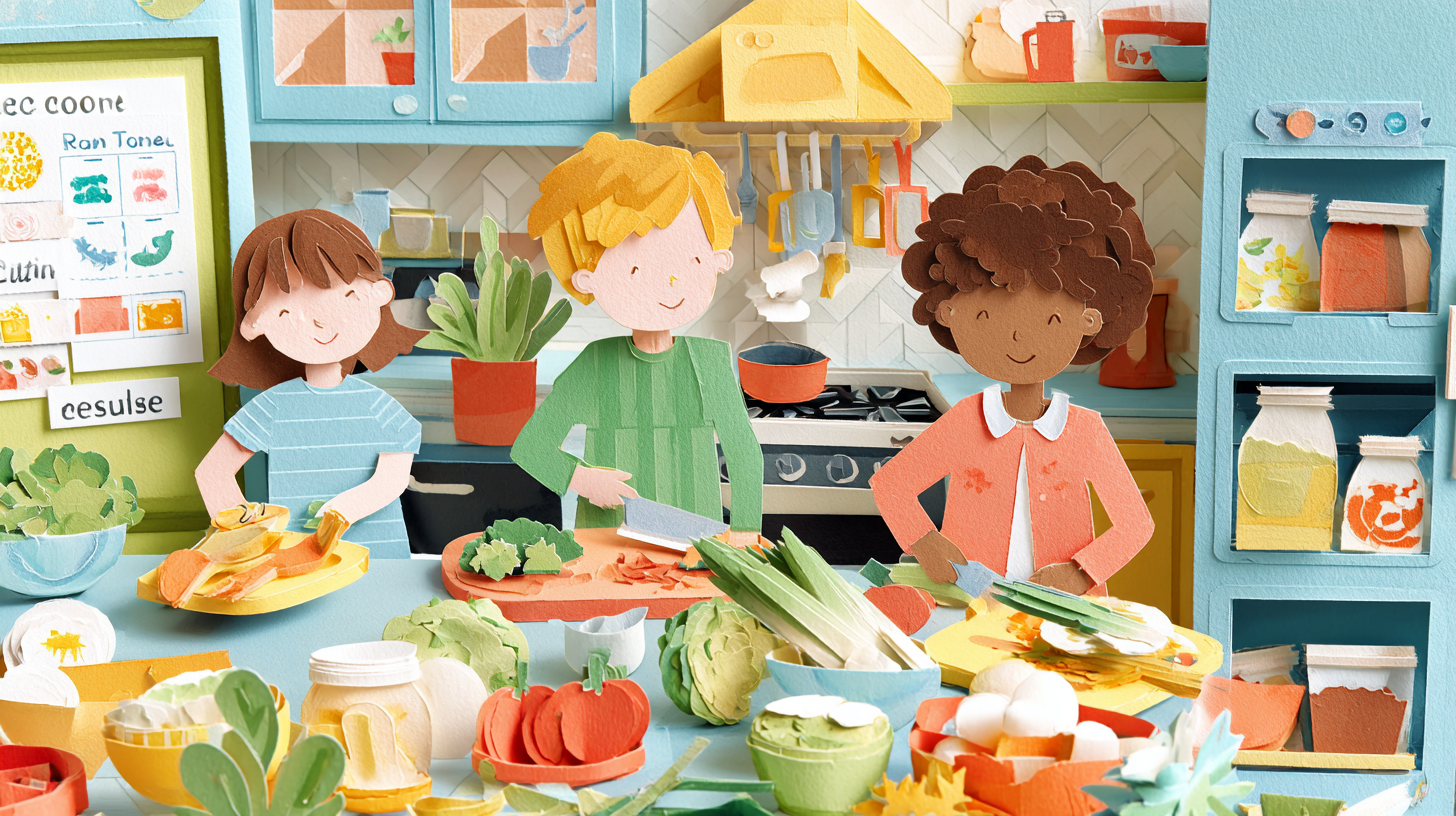
This is where things get exciting. Preteens and young teens are capable of genuine responsibility and love feeling trusted with important tasks. Assign them as the official “leftover monitor”—they check the fridge daily, identify what needs using, and suggest ways to incorporate it into meals. Have them participate in actual waste audits where you track what gets thrown out for a week, then strategize together about prevention.
The Re-Licious project in schools used co-design methods with adolescents to creatively utilize leftovers, and the results were remarkable. When teens felt ownership over the process—coming up with their own recipes, naming dishes, and sharing successes—engagement skyrocketed. Try this at home: challenge your preteen to create one new recipe per week using leftovers or ingredients about to expire. Make it a competition with prizes or bragging rights.
Meal planning becomes collaborative at this age. Sit down together Sunday evening and map out the week. Discuss what ingredients you already have, what needs using up, and how to plan meals that build on each other. That Sunday roasted chicken informs Monday’s chicken salad, which informs Wednesday’s chicken soup. It’s real-life math, science, and executive functioning all rolled into one practical skill.
Composting Without The Confusion
Let’s address the elephant in the room: composting sounds intimidating. Images of complicated bins, bad smells, and fruit flies make people hesitate. But here’s the truth—composting with kids can be remarkably simple, educational, and yes, even fun.
Start small. You don’t need an elaborate outdoor system or expensive equipment. A basic countertop bin for collecting scraps works perfectly. Teach kids the simple rule: if it came from a plant, it can go back to the earth. Fruit and vegetable scraps, coffee grounds, tea bags, eggshells, even paper napkins—all perfect for composting.
School programs that introduced composting found something wonderful: kids became genuinely excited about decomposition. They wanted to track what happened to their apple cores and banana peels. They asked questions about microorganisms and nutrient cycling. What started as waste reduction became integrated science learning.
You can replicate this at home even without a yard. Vermicomposting (worm composting) works brilliantly in apartments and fascinates children. It’s contained, relatively odor-free when done correctly, and produces both compost and nutrient-rich “worm tea” for plants. Kids name the worms, monitor their eating habits, and feel responsible for these tiny decomposers doing important work.
For families with outdoor space, involving children in traditional composting teaches patience and biological processes. Let them help turn the pile, check moisture levels, and eventually see finished compost enriching garden soil. When vegetables grow from that compost and end up on their dinner plates, the cycle becomes tangible and meaningful.
Your Family’s Waste Savings Calculator
See how much you could save by reducing food waste:
Your Potential Annual Savings:
$0
That’s enough for:
Mindful Consumption From The Ground Up
The most effective waste reduction strategy isn’t managing garbage—it’s preventing waste in the first place. And that starts with how we think about, purchase, and consume food. Teaching kids mindful consumption might be the most valuable life skill you give them.
Here’s what this looks like practically: Before grocery shopping, involve kids in a fridge and pantry inventory. What do we already have? What actually needs replacing? This simple step prevents duplicate purchases and forgotten ingredients languishing unused. Let children help create the shopping list based on planned meals for the week, not random impulses.
At the store, teach them to look critically at packaging, portion sizes, and actual needs versus wants. Discuss marketing tactics: “Notice how the cookies are at your eye level? That’s on purpose.” This builds media literacy alongside food literacy. When they understand how stores are designed to encourage overconsumption, they become more conscious decision-makers.
The systematic review of household food waste factors revealed something crucial: attitude, social norms, and perceived behavioral control—these psychological factors matter tremendously. When families believe they can make a difference and see sustainable practices as normal rather than exceptional, behavior changes naturally. Your kids are watching and absorbing these attitudes constantly.
Portion awareness is another critical component. Researchers found that when children serve themselves (with guidance) rather than receiving pre-plated portions, both consumption increases and waste decreases. They take what they actually want, and they’re more invested in finishing it. Start small—you can always get seconds—rather than piling plates high from the start.

Getting Creative With Scraps
This is where food waste reduction becomes genuinely fun. What looks like trash to most people becomes creative opportunity when you shift perspective. Teaching kids to see potential in scraps builds resourcefulness, creativity, and problem-solving skills that extend far beyond the kitchen.
Start with simple transformations: Vegetable scraps become flavorful stock. Stale bread becomes breadcrumbs or croutons. Overripe bananas star in muffins or smoothies. Broccoli stems (often discarded) get spiralized into vegetable noodles or blended into pesto. Suddenly, the “unusable” becomes valuable.
The Re-Licious school intervention taught adolescents to transform leftovers into new, appealing meals. They weren’t just reheating last night’s dinner—they were creating something fresh. Yesterday’s roasted vegetables became today’s frittata filling. Leftover rice transformed into rice pudding or fried rice. This mindset shift is powerful: we’re not eating “leftovers” (which sounds boring), we’re being creative food scientists.
For families embracing Caribbean flavors, ingredient versatility becomes even more exciting. Plantains work at every ripeness stage—green for savory, ripe for sweet. Coconut milk enriches both main dishes and desserts. Root vegetables like sweet potatoes, yams, and malanga stretch across multiple preparations. When you’re establishing these creative habits early, the Caribbean Baby Food Recipe Book demonstrates how ingredients like coconut rice, stewed peas, and plantain purées naturally adapt to different meals and age groups, reducing waste while introducing authentic island traditions.
Create a “scrap jar” in your fridge where vegetable trimmings collect throughout the week. On Sundays, turn it into stock. Kids love seeing their saved scraps transformed into something useful. It makes the abstract concept of resourcefulness concrete and immediate.
Challenge older kids to “chopped” style competitions using refrigerator odds and ends. Give them three random ingredients that need using and 30 minutes to create something edible. You’ll be amazed at their ingenuity—and they’ll gain confidence that “I don’t know what to make” is never really true when you’re willing to experiment.
When School Meets Home
Your home isn’t the only place where kids encounter food waste—school cafeterias are massive waste generators. But increasingly, schools are implementing innovative programs, and you can reinforce these lessons at home while also advocating for change at your child’s school.
Successful school interventions share common elements: student involvement in meal choices, age-appropriate portion sizes, composting programs, and food education integrated into curriculum. The FEAST program in Australia, which targeted 10-12 year olds, saw significant improvements in food waste knowledge and behaviors. These weren’t just abstract lessons—they were hands-on, practical, and empowering.
Talk with your kids about their school lunch experiences. What gets thrown away and why? Is it truly inedible, or is it portion size issues? Are there foods they’d eat if prepared differently? Use these conversations to both problem-solve at home and potentially advocate for changes at school.
Some schools have implemented “share tables” where students can place unopened, unwanted items for others to take. This simple intervention dramatically reduces waste while ensuring food reaches kids who want it. If your school doesn’t have this, consider proposing it—student-driven initiatives often gain the most traction.
Pack lunches mindfully together. Let kids choose components from a healthy selection, pack appropriate portions, and include items they’ll actually eat. Use reusable containers that clearly show portion sizes. Include a small note asking them to bring home uneaten items rather than automatically tossing them—you can gauge appetite patterns and adjust accordingly.
Real Families, Real Results
Theory is great, but you want to know: does this actually work with real kids in real households? The answer is absolutely yes—when approached with consistency, patience, and age-appropriate expectations.
Families interviewed for food waste prevention success stories shared common themes. They started small rather than attempting everything at once. They involved kids from day one rather than dictating changes. They celebrated progress rather than perfection. And crucially, they made it fun rather than preachy.
One family saved thousands annually by implementing simple changes: weekly meal planning with kid input, designated leftover nights, composting basics, and a “use it up” challenge before each shopping trip. Their children started naturally considering waste implications before taking food or making requests. These weren’t forced behaviors—they became integrated values.
Another family created a visual tracking system where kids earned points for waste-reduction actions: finishing meals, composting scraps, creating leftover recipes, or preventing food from expiring. Points accumulated toward family rewards—movie nights, special outings, or extra screen time. The gamification worked brilliantly because it made abstract goals concrete and progress visible.
School cafeterias that introduced student choice—salad bars, fruit slicing stations, and portion-based serving—saw dramatic waste reduction alongside increased fruit and vegetable consumption. When children feel autonomous and respected, they rise to expectations rather than rebelling against them.
✅ Your 30-Day Family Action Plan
Click each action as you complete it and watch your family’s progress:
Building Lifelong Eco-Warriors
Here’s what makes this work so powerful: you’re not just reducing food waste or saving money—though both are incredible benefits. You’re raising children who understand their impact on the world and believe they have agency to create positive change. That mindset extends far beyond food into every aspect of their lives.
When a child learns that their choices matter—that taking less food means less waste, that composting feeds the soil, that creative thinking prevents trash—they develop internal motivation for sustainable living. These aren’t rules imposed from outside; they’re values integrated from within. And those stick.
The research consistently shows that educational interventions work best when they’re holistic rather than isolated, when they involve rather than lecture, and when they provide concrete skills rather than abstract concepts. Your kitchen is the perfect laboratory for all three.
Expert voices from the EPA, World Wildlife Fund, and nutrition educators worldwide agree: engaging children in meal planning, shopping, cooking, and waste management builds sustainable habits that persist into adulthood. Start now, start small, and stay consistent. The compound effects are extraordinary.
Legislative and infrastructure developments are expanding composting facilities across multiple states. Consumer awareness is rising. But lasting change happens household by household, child by child, meal by meal. Your family’s participation genuinely matters.
Think about the message you send when you involve kids in these practices. You’re saying: “Your voice matters. Your actions have consequences. You’re capable of real responsibility. We can solve problems together.” Those lessons shape who they become far more than any lecture ever could.
Your Family’s Sustainable Future Starts Today
Let’s bring this home. You now know that the average family wastes nearly $3,000 worth of food annually—but also that reducing waste by just 25% saves $728. You understand that preschoolers can help with composting basics while preteens can become leftover monitors. You’ve seen how mindful consumption prevents waste before it starts and how creative scrap usage builds resourcefulness.
Most importantly, you know this isn’t about perfection. It’s about progress. About involving your kids in meaningful ways. About building skills and values that will serve them for life. About making sustainability normal rather than exceptional.
Start with one strategy from this article. Just one. Maybe it’s setting up that compost bin with your five-year-old. Maybe it’s assigning your preteen as leftover monitor. Maybe it’s instituting weekly meal planning sessions where everyone contributes ideas. Whatever resonates most with your family’s current situation—begin there.
Track your progress for 30 days. Notice what’s working, adjust what isn’t, and celebrate small wins. When your child enthusiastically scraps carrot peels into the compost bin or proudly presents a recipe they created from refrigerator odds and ends, pause and acknowledge it. You’re witnessing values formation in real time.
The path to sustainable living isn’t found by waiting for perfect conditions or complete knowledge. It’s created by walking, by doing, by learning from each small step. Your family doesn’t need to transform overnight. You just need to start.
And here’s the beautiful truth: every banana peel composted, every leftover creatively repurposed, every shopping trip planned mindfully—these aren’t just reducing your household waste. They’re teaching your children that they matter, their choices count, and they have the power to shape a better future. That’s the real treasure you’re creating, one meal at a time.
So go ahead. Open that fridge. Look at what’s about to expire. Call your kids over and ask: “What could we create with this?” Their answers might surprise you. And that’s exactly where the magic begins.

Kelley's culinary creations are a fusion of her Caribbean roots and modern nutritional science, resulting in baby-friendly dishes that are both developmentally appropriate and bursting with flavor. Her expertise in oral motor development and texture progression ensures that every recipe supports your little one's feeding milestones while honoring cultural traditions.
Join Kelley on her flavorful journey as she shares treasured family recipes adapted for tiny taste buds, evidence-based feeding guidance, insightful parenting anecdotes, and the joy of celebrating food, culture, and motherhood. Get ready to immerse yourself in the captivating world of Kelley Black and unlock the vibrant flavors of the Caribbean for your growing baby, one nutritious bite at a time.
- The Feeding Revolution: Why Your Everyday Meals Are Changing the World - October 13, 2026
- Your Feeding Story Matters More Than The “Perfect” One Online - October 12, 2026
- Looking Forward: Stepping Into Your Confident Feeding Future - October 11, 2026