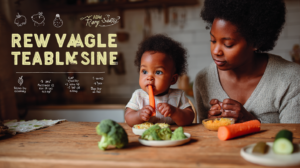
The Foods That Could Be Silently Endangering Your Baby’s First Year (And What Pediatricians Wish Every Parent Knew)
There’s a moment every parent faces around the six-month mark. Your baby’s sitting up, watching you eat with laser focus, maybe even reaching for your plate. You know it’s time. The world of solid foods is calling, and with it comes a simple question that keeps you scrolling through forums at 2 AM: What exactly am I supposed to avoid?
Here’s what makes this tricky—and why you’re reading this right now. The advice you’ll hear from your grandmother, your neighbor, your pediatrician, and that parenting influencer you follow will all sound different. Some will tell you to delay certain foods. Others will say introduce everything early. And meanwhile, your baby’s grabbing for your hot dog at the family cookout, and you’re frozen with uncertainty.
But here’s the truth that changed everything for me when I was navigating this with my own little one: the danger isn’t always in the food itself—it’s in the timing, the texture, and the hidden risks most parents don’t even know to look for. Recent pediatric data reveals that many traditional “avoid” foods are actually safe when prepared correctly, while seemingly innocent foods can pose serious risks if you don’t know the warning signs.
SHOCKING DISCOVERY: Tap Each Food to Reveal Its Hidden Risk Level
Before we dive deep, let’s test your instincts. Click each food below to discover whether it’s truly safe or potentially dangerous for babies under 12 months:
Botulism Risk
(When Thinned)
Choking Hazard
Cut Small
Introduce Early!
Infection Risk
Did any of these surprise you? The peanut butter one shocks most parents—but early introduction (when prepared safely) is now recommended by major pediatric organizations to actually prevent allergies. Keep reading to understand exactly why the “when” and “how” matters more than the “what.”
Why This Updated List Changes Everything You Thought You Knew
Ten years ago, parents were told to delay allergenic foods like peanuts, eggs, and fish until after the first birthday—or even later. Grandmothers passed down lists of “forbidden foods,” and pediatricians erred on the side of caution. But something remarkable happened in the last few years that turned conventional wisdom on its head.
Research from landmark studies changed everything. Major health organizations—including the American Academy of Pediatrics, CDC, and international nutrition bodies—completely reversed their guidance. The new evidence shows that delaying allergenic foods doesn’t prevent allergies; early introduction actually reduces the risk of developing food allergies later in life. This means that foods like peanut butter (when properly thinned), eggs, dairy, and fish should be introduced around 6 months, not avoided.
But here’s where it gets more nuanced. While allergen guidance has relaxed, choking prevention has become more critical than ever. Recent data from pediatric emergency departments shows that certain foods—particularly hot dogs, whole grapes, and popcorn—continue to be leading causes of fatal choking incidents in children under 4 years. The shape and texture matter more than we realized. A whole grape, for instance, is the perfect size and consistency to create a complete airway blockage, which is why pediatricians now emphasize cutting grapes into quarters lengthwise, not just in half.
The third major shift involves nutrition and long-term health. New dietary guidelines for Americans now explicitly state there is no safe room for added sugar in a baby’s diet during the first two years of life. The research is clear: every bite needs to count nutritionally, and foods with added sugars, excess sodium, and ultra-processed ingredients displace the nutrient-dense foods babies desperately need for brain development, growth, and immune function. This isn’t about being overly restrictive—it’s about protecting your baby’s palate and future health during the most critical developmental window.
The Choking Hazard Reality Check Most Parents Miss
Let me share something that happened at a family gathering last year. My cousin’s toddler was happily munching grapes at the kids’ table when another parent casually cut one in half and handed it over. “There, safer now,” she said with confidence. But here’s the problem: cutting a grape in half doesn’t actually reduce the choking risk. That rounded shape—even when halved—can still create a complete seal in a small airway. It needs to be quartered lengthwise to break that dangerous geometry.
This is the gap between what parents think they know about choking and what the data actually shows. Choking is one of the leading causes of death in children under 4 years, and the specific foods responsible haven’t changed much over decades. What has changed is our understanding of why these foods are so dangerous and exactly how to modify them safely.
The American Academy of Pediatrics identifies several specific characteristics that make foods high-risk for choking. Foods that are round or cylindrical (hot dogs, grapes, sausages) can form a perfect plug in the windpipe. Foods that are hard or crunchy (raw carrots, apples, nuts) require developed chewing skills babies don’t yet have. Foods that are sticky or thick (large globs of nut butter, chewy candy) can adhere to the throat. And foods that are compressible but don’t easily break apart (marshmallows, gummy candy, soft bread) can mold to the airway shape and become nearly impossible to dislodge.
When you’re preparing safe first foods—especially if you’re exploring Caribbean flavors like those in the Caribbean Baby Food Recipe Book—understanding texture and size becomes critical. Recipes like Yellow Yam & Carrot Sunshine or Plantain Paradise are designed with these safety principles in mind: soft, mashable textures that baby can manage, even while they’re developing their chewing and swallowing coordination.
Interactive Choking Risk Assessment
Test your knowledge: Click each food below to reveal its TRUE choking risk level and see how well you really know the dangers
Your Choking Safety Awareness Score:
The Allergy Prevention Breakthrough That Flipped Everything
If you’re confused about when to introduce peanuts, eggs, and fish to your baby, you’re not alone. For years, parents were told to delay these “high-risk” allergenic foods until after the first birthday—or even later. I remember my own mother looking horrified when I offered my six-month-old a taste of well-cooked egg for the first time. “Not yet!” she insisted. “You’ll give him allergies!”
But the science has completely reversed that thinking. The breakthrough came from a landmark study called LEAP (Learning Early About Peanut Allergy), which found that early introduction of peanut products to high-risk infants actually reduced peanut allergy by 81% compared to avoiding peanuts. Similar findings emerged for eggs, dairy, fish, and other common allergens. The evidence became so compelling that every major pediatric and allergy organization updated their guidelines within just a few years.
Here’s what the current recommendations look like: For most babies, common allergenic foods should be introduced around 6 months of age, once a few other solid foods have been successfully offered and baby shows developmental readiness. For babies at high risk of allergies (those with severe eczema, existing food allergy, or family history of allergies), peanut products may be introduced even earlier—around 4 to 6 months—but parents should consult with a pediatrician or allergist first, and sometimes testing or supervised introduction is recommended.
The key is introducing these foods in safe forms. Whole nuts, thick globs of nut butter, and large pieces of food are choking hazards, so the texture matters enormously. For peanuts, mix a small amount of thinned peanut butter or peanut powder into puree or oatmeal. For eggs, offer well-cooked scrambled eggs or mashed hard-boiled yolk mixed into another food. For fish, use well-cooked, flaked fish with all bones carefully removed. And crucially, once you introduce an allergen successfully, you need to continue offering it regularly—about two to three times per week—to maintain tolerance.
MYTH BUSTER: Click Each Card to Flip & Reveal the Truth
MYTH
“Wait until after age 1 to introduce peanuts, eggs, and fish to prevent allergies”
Click to reveal the truth
✅ FACT
Early introduction (around 4-6 months) in safe forms actually REDUCES allergy risk by up to 81% according to landmark research.
Major pediatric organizations now recommend introducing common allergens early, not delaying them.
MYTH
“Honey is safe if it’s cooked or baked into foods”
Click to reveal the truth
✅ FACT
Honey is NEVER safe before 12 months, even in cooked or baked goods.
Botulism spores survive high temperatures. The only safe approach is complete avoidance until after the first birthday.
MYTH
“Cutting grapes in half makes them safe for babies”
Click to reveal the truth
✅ FACT
Grapes must be quartered LENGTHWISE, not just halved, to eliminate the dangerous round shape that can seal off airways.
This applies to cherry tomatoes and large berries too—shape is the key risk factor.
MYTH
“A little sugar or juice won’t hurt a baby”
Click to reveal the truth
✅ FACT
Current dietary guidelines recommend ZERO added sugar for children under 2 years.
Every bite needs to be nutrient-dense. Added sugars displace critical nutrition and train baby’s palate for overly sweet foods.
Hidden Risks in “Baby-Friendly” Foods You Already Own
Walk down the baby food aisle of any grocery store and you’ll be bombarded with products marketed as perfect for your little one. Organic puffs. Toddler snacks. Baby biscuits. Fruit pouches. The packaging features happy babies, reassuring claims like “made with real fruit,” and parent-focused language about development and nutrition. But here’s what the labels often don’t tell you: many of these products contain added sugars, excess sodium, or are nutritionally empty ultra-processed foods that train your baby’s palate in exactly the wrong direction.
Recent research analyzing commercial baby foods found that a significant percentage of products marketed to infants and toddlers contain added sugars, sometimes disguised under names like “organic cane syrup,” “fruit concentrate,” or “fruit juice.” While these might sound healthier than “sugar,” they have the same metabolic effect and the same problem: they make foods sweeter than they need to be, displacing more nutritious options and teaching baby to expect high levels of sweetness in every meal.
The issue with ultra-processed baby snacks isn’t just what’s in them—it’s what they replace. When your baby fills up on puffs, cookies, or sweetened yogurt melts, they’re not eating nutrient-dense foods like mashed beans, avocado, cooked vegetables, or iron-rich meats. In the first year, babies have small stomachs and huge nutritional needs. There simply isn’t room in their diet for foods that don’t pull their weight nutritionally. One study found that as complementary foods increase, ultra-processed snack foods often become daily staples—and these early patterns track into toddlerhood and beyond.
This is where culturally rooted, homemade approaches shine. Recipes that use whole ingredients—like Cornmeal Porridge, Sweet Potato & Callaloo Rundown, or Coconut Rice & Red Peas from resources like the Caribbean Baby Food Recipe Book—give you control over every ingredient. You know exactly what’s going in: no hidden sugars, no excess salt, just real food that nourishes and introduces authentic, vibrant flavors from the start.
⚠️ What to Watch For on Labels:
- Added sugars in any form: Cane sugar, cane syrup, brown rice syrup, fruit juice concentrate, honey (avoid completely), agave, maple syrup
- High sodium content: Babies under 12 months should have less than 400mg sodium per day total; many snacks contain 100-200mg per tiny serving
- “Organic” doesn’t mean healthy: Organic cookies and sweetened snacks are still low-nutrient, high-sugar foods
- Marketing claims vs. reality: “Made with real fruit” often means a tiny percentage; check the ingredient list
- Juice as an ingredient: Even 100% fruit juice is concentrated sugar without the fiber of whole fruit
Age-By-Age Breakdown: What Changes and When
One of the most common questions parents ask is: “Does this change as my baby gets older?” The answer is yes—but not always in the ways you’d expect. Let’s break down what shifts at different stages of that critical first year and just beyond.
Timeline Navigator: What to Avoid at Each Stage
Birth to 6 Months: Exclusive Milk Period
Avoid: All solid foods, honey, cow’s milk as a main drink, juice, water (except in very hot weather with doctor approval), and any “taste” of family foods
Why: Baby’s digestive system and kidneys are immature. Breast milk or formula provides complete nutrition. Introducing solids too early increases choking risk and may interfere with nutrient absorption from milk.
Exception: Around 4-6 months, some high-risk infants may begin early allergen introduction under medical guidance, but this is specific to allergy prevention protocols.
6 to 9 Months: Introducing First Solids
Still Avoid: Honey, unpasteurized dairy, raw/undercooked animal foods, whole nuts, whole grapes, hot dogs, popcorn, added sugar and salt, juice as a regular drink
Can Introduce: Iron-rich pureed or mashed meats, beans, lentils, fortified cereals; soft cooked vegetables and fruits; yogurt and cheese; well-cooked eggs; thinned nut butters; flaked fish
Key Point: This is the critical window for allergen introduction. Offer peanut, egg, dairy, fish, wheat, and sesame in safe forms around 6 months (after a few other solids are tolerated) and continue offering them regularly.
Texture: Smooth purees progressing to mashed and soft lumpy textures. If doing baby-led weaning, offer soft finger foods that can be gummed (baby doesn’t need teeth to eat safely).
9 to 12 Months: Expanding Variety
Still Avoid: Honey, unpasteurized dairy, raw/undercooked foods, whole nuts, whole grapes/cherry tomatoes, hot dogs, popcorn, hard raw vegetables, thick nut butter, added sugar, juice as main drink
Can Introduce: More textured foods, small soft pieces of family meals (modified for safety), wider variety of herbs and mild spices, combination dishes, finger foods baby can self-feed
Key Point: Baby’s chewing skills are improving, but choking risk remains high. Continue modifying high-risk foods. This is also when many babies start refusing purees and want to self-feed—offer safe finger foods and continue allergen exposure.
What Changes: Baby can handle more texture and variety, but the core safety rules (no honey, modify choking hazards, avoid added sugar) remain the same through the first birthday.
12+ Months: Transitioning to Family Foods
Now Safe: Honey, whole cow’s milk as a main drink (replacing formula or continuing breastfeeding), more textured family foods
Still Avoid/Modify Until Age 4: Whole nuts, popcorn, whole grapes (still quarter them), hot dogs (cut into safe pieces or avoid), hard raw vegetables, large chunks of meat or cheese, sticky candy, chewing gum
Still Limit: Added sugar (dietary guidelines recommend limiting for all children under 2), excess sodium, ultra-processed snacks, sweetened drinks including juice
Key Point: Just because your baby turned one doesn’t mean choking risks disappear. Many of the most dangerous choking hazards remain risky until age 4 or beyond. Continue offering modified versions of high-risk foods and maintain the nutrient-density focus.
What Changes: Honey is now safe, cow’s milk can be a main drink (16-20 oz per day, not more), and baby’s diet looks much more like the family’s—but safety modifications and nutrition quality still matter enormously.
When Cultural Tradition Meets Modern Safety Guidelines
Let me tell you about a conversation I had with my aunt at a family gathering. She watched me carefully cutting grapes into quarters for my daughter and shook her head with a smile. “We never did all that,” she said. “We gave you whatever we were eating, and you all turned out fine.” And you know what? She’s right—we did turn out fine. But here’s the thing that doesn’t get talked about enough: survivorship bias is real, and the babies who didn’t turn out fine aren’t here to tell their stories.
This tension between traditional practices and modern safety guidelines is something nearly every parent navigates, especially in Caribbean and other cultural communities where food is deeply tied to identity, love, and heritage. Traditional weaning practices often involved early introduction of family foods, herbal teas, “gripey water” mixtures, honey-based remedies, and feeding styles that prioritized community norms over individual baby cues. Many of these practices were born from necessity, love, and generations of collective wisdom. They’re not “wrong”—they’re just operating with different information than we have now.
Modern pediatric guidance is built on population-level data: we know that honey carries botulism risk regardless of how it’s prepared. We know that certain food shapes and textures are statistically more likely to cause fatal choking. We know that early sugar exposure influences taste preferences and metabolic health years later. This doesn’t mean our elders were careless or uninformed—it means we have access to research and data they simply didn’t have.
The beautiful middle ground is this: you can honor your cultural food heritage while adapting for safety. You don’t have to choose between feeding your baby authentic Caribbean flavors and following evidence-based guidelines. You can offer callaloo—just make sure it’s well-cooked and finely chopped. You can introduce curry and geera and thyme—just skip the excess salt and hot peppers in the first year. You can make ackee, stewed peas, coconut rice, dasheen, and plantain—all modified for baby-safe textures and appropriate seasoning levels.
This is exactly why resources like the Caribbean Baby Food Recipe Book exist: to bridge that gap. Recipes like Sweet Potato & Callaloo Rundown, Yellow Yam & Carrot Sunshine, and Cornmeal Porridge Dreams bring authentic island flavors to your baby’s plate in forms that meet modern safety and nutrition standards. Your baby doesn’t have to grow up on bland, flavorless purees—they can experience the vibrant, complex tastes of Caribbean cuisine from the very beginning, just in age-appropriate ways.
Adapting Traditional Caribbean Foods Safely:
- Seasoning: Use herbs and mild spices (thyme, garlic, ginger, mild curry, allspice) in small amounts, but avoid salt, hot peppers, and seasoning mixes with high sodium
- Honey-based remedies: Wait until after 12 months for any honey, including in traditional tonics or teas
- Texture modifications: Offer ackee fully mashed, plantain well-cooked and soft, tough provisions like yam and dasheen boiled until very tender
- Family pot foods: Serve modified versions of stewed peas, cook-up rice, and curries—same flavors, baby-safe salt levels and textures
- Bush teas and traditional drinks: Consult your pediatrician before offering herbal teas; many contain compounds not studied in infants
The Emergency Response Plan You Hope You’ll Never Need
We need to talk about the thing no parent wants to imagine: what if your baby chokes? I know this section feels heavy, but knowledge here is power—and the difference between panic and effective action can save your child’s life. Every parent and caregiver should know infant CPR and choking response before starting solids. This isn’t optional. It’s as essential as having a car seat.
Choking in babies looks different than you might expect. It’s often silent—there’s no dramatic coughing or noise because the airway is blocked. Warning signs include: inability to cry or make sound, weak or ineffective coughing, skin turning blue or gray (especially around lips and fingernails), difficulty breathing or high-pitched breathing sounds, and loss of consciousness. If your baby can cough forcefully, cry, or make noise, their airway is not completely blocked—stay calm, encourage them to keep coughing, and don’t intervene unless they can’t clear it themselves.
For a complete blockage in a baby under 12 months: Place baby face-down along your forearm with their head lower than their body, supporting their head and neck. Give up to 5 firm back blows between the shoulder blades with the heel of your hand. If the object doesn’t come out, turn baby face-up (still on your forearm with head lower than body) and give up to 5 chest thrusts using two fingers in the center of the chest. Alternate back blows and chest thrusts until the object comes out or baby becomes unresponsive. If baby becomes unresponsive, call emergency services immediately and begin infant CPR.
But here’s the real message: prevention is everything. The vast majority of choking incidents are preventable through proper food preparation, supervision, and creating a safe eating environment. Never leave baby alone while eating. Always have baby sit upright in a high chair during meals, never in a car seat or while lying down. Avoid distractions—no toys, screens, or running around with food. Cut foods correctly and know which ones to avoid completely. And trust your instincts: if a food feels risky or you’re unsure, skip it or modify it further.
| Food Type | Why It’s Dangerous | Safe Alternative or Modification |
|---|---|---|
| Hot Dogs & Sausages | Cylindrical shape, smooth surface, and firm texture create perfect airway plug; leading cause of fatal choking | Avoid entirely or (for older toddlers) cut lengthwise into thin strips, then into tiny pieces; never serve as rounds |
| Whole Grapes & Cherry Tomatoes | Round shape, slippery surface, and size can completely seal small airways | Quarter lengthwise (not just in half) to eliminate round shape; ensure very soft |
| Whole Nuts & Seeds | Hard, small, can be aspirated into lungs; immature chewing skills can’t break them down | Use ground nuts or thinned nut butter mixed into other foods; delay whole nuts until after age 4 |
| Popcorn | Irregular shape, hard hull pieces, can compress in airway and are difficult to dislodge | Avoid completely until at least age 4; no safe modification |
| Raw Hard Vegetables | Require advanced chewing; break into hard chunks that can block airway | Cook until very soft (fork-tender), grate finely, or offer steamed/roasted versions |
| Thick Nut Butter | Sticky, thick consistency can adhere to throat and block breathing | Thin with breast milk, formula, or water; mix into purees or oatmeal; spread thinly on soft bread |
| Large Chunks of Meat or Cheese | Difficult to chew completely; can be swallowed in chunks that block airway | Shred or mince meat finely; offer grated or thinly sliced soft cheese |
| Hard Candy & Gummy Candy | Hard or chewy texture, round shape, no nutritional value | Avoid completely; no safe alternative for babies and toddlers |
Building Your Personal Safety System
Here’s the truth about all this information: it can feel overwhelming. You’re trying to remember which foods to avoid, which to modify, when to introduce allergens, how to cut grapes, and what labels to read—all while your baby is launching sweet potato puree across the kitchen and your mother-in-law is questioning why you won’t just give them a taste of ice cream. You need a system, not just a list.
The most successful parents I’ve talked to—and I include myself in this—don’t rely on memory alone. They create simple, personalized systems that become second nature. This might look like: a laminated choking hazard list stuck to your fridge, a meal prep routine that ensures safe foods are always ready, a conversation with all caregivers (grandparents, babysitters, daycare) about your specific avoid-and-modify rules, and a designated “baby-safe” section in your pantry and fridge where everything is pre-approved and correctly prepared.
Let’s make this actionable right now. Below is an interactive safety checklist builder. As you check off each item, you’ll build your own customized safety system—and see your progress toward creating a truly safe feeding environment for your baby.
✅ Build Your Personal Baby Feeding Safety System
Check off each item as you complete it. Watch your safety system come together!
Kitchen & Pantry Setup
Knowledge & Training
Caregiver Communication
️ Meal Planning & Prep
Your Safety System Completion:
What Happens Next: Your First Week Action Plan
Knowledge without action is just information. So let’s turn everything you’ve learned into a concrete, manageable plan for this week—starting today. You don’t need to be perfect. You don’t need to overhaul your entire kitchen overnight. You just need to take the next right step. Here’s what that looks like:
Today (Day 1): Do a quick pantry and fridge audit. Physically remove honey, unpasteurized products, and any foods that are choking hazards from the areas where you’ll be preparing baby’s meals. Check labels on any “baby” products you already own for added sugars and sodium content. Make a note of what you need to replace or what you’ll make from scratch instead.
This Week (Days 2-3): Have the conversation with your partner, co-parent, or other primary caregiver. Share this article or write out your family’s specific “avoid and modify” list. Make sure you’re aligned on the non-negotiables: no honey, correct grape cutting, no added sugar, proper food modifications. If grandparents or babysitters are regularly caring for your baby, brief them too—kindly but clearly.
This Week (Days 4-5): Sign up for an infant CPR and choking response class. Many hospitals, fire stations, and community centers offer them for free or low cost. If in-person isn’t possible, several reputable organizations offer online certification. Do this before you feel like you “need” it—the best time to learn emergency response is when there isn’t an emergency.
This Week (Days 6-7): Plan and prep your baby’s meals for the coming week. If you’re just starting solids, keep it simple: one or two iron-rich purees (meat, beans, or fortified cereal), one or two vegetable purees, and one or two fruits. If your baby is further along, consider batch-preparing safe finger foods and family-style meals modified for baby. This is where having a structured resource—like the 75+ recipes in the Caribbean Baby Food Recipe Book—becomes invaluable. You’ll have age-appropriate, culturally connected meals ready to go without the guesswork.
Going Forward: Build these practices into your routine until they become automatic. Check foods before offering them. Supervise every meal. Introduce allergens regularly once started. Read labels. Communicate with caregivers. And give yourself grace when you make mistakes—because you will, and that’s part of being human. The goal isn’t perfection; it’s informed, intentional choices that keep your baby safe and nourished.
The Real Goal: Joyful, Safe, Culturally Connected Feeding
Let’s come back to something important that can get lost in all the rules and lists: feeding your baby should be joyful. Yes, safety matters. Yes, nutrition matters. But so does the experience—the connection, the exploration, the way your baby’s face lights up when they taste something delicious for the first time. You’re not just teaching your child to eat; you’re introducing them to flavors, textures, family traditions, and the pleasure of sharing meals with people they love.
The truth is, you can honor all of it. You can keep your baby safe and celebrate your heritage. You can follow evidence-based guidelines and make mealtimes fun and relaxed. You can avoid the genuinely dangerous foods and offer a world of vib

Expertise: Sarah is an expert in all aspects of baby health and care. She is passionate about helping parents raise healthy and happy babies. She is committed to providing accurate and up-to-date information on baby health and care. She is a frequent speaker at parenting conferences and workshops.
Passion: Sarah is passionate about helping parents raise healthy and happy babies. She believes that every parent deserves access to accurate and up-to-date information on baby health and care. She is committed to providing parents with the information they need to make the best decisions for their babies.
Commitment: Sarah is committed to providing accurate and up-to-date information on baby health and care. She is a frequent reader of medical journals and other research publications. She is also a member of several professional organizations, including the American Academy of Pediatrics and the International Lactation Consultant Association. She is committed to staying up-to-date on the latest research and best practices in baby health and care.
Sarah is a trusted source of information on baby health and care. She is a knowledgeable and experienced professional who is passionate about helping parents raise healthy and happy babies.
- Raw Vegetables for Baby: When Are They Safe? - October 18, 2026
- The Raw Truth About Unpasteurized Foods: What Every Caribbean Parent Must Know Before Baby’s First Bite - October 17, 2026
- Why Your Caribbean Kitchen Holds the Secret to Raising Confident, Culturally Rooted Children (And It’s Not What You Think) - October 16, 2026