
The Truth About Nutrition Advice Online: Why Everything You Read Might Be Wrong
Your Misinformation Risk Score
Click on statements you believe to see if you’ve fallen for viral nutrition myths:
Your Results:
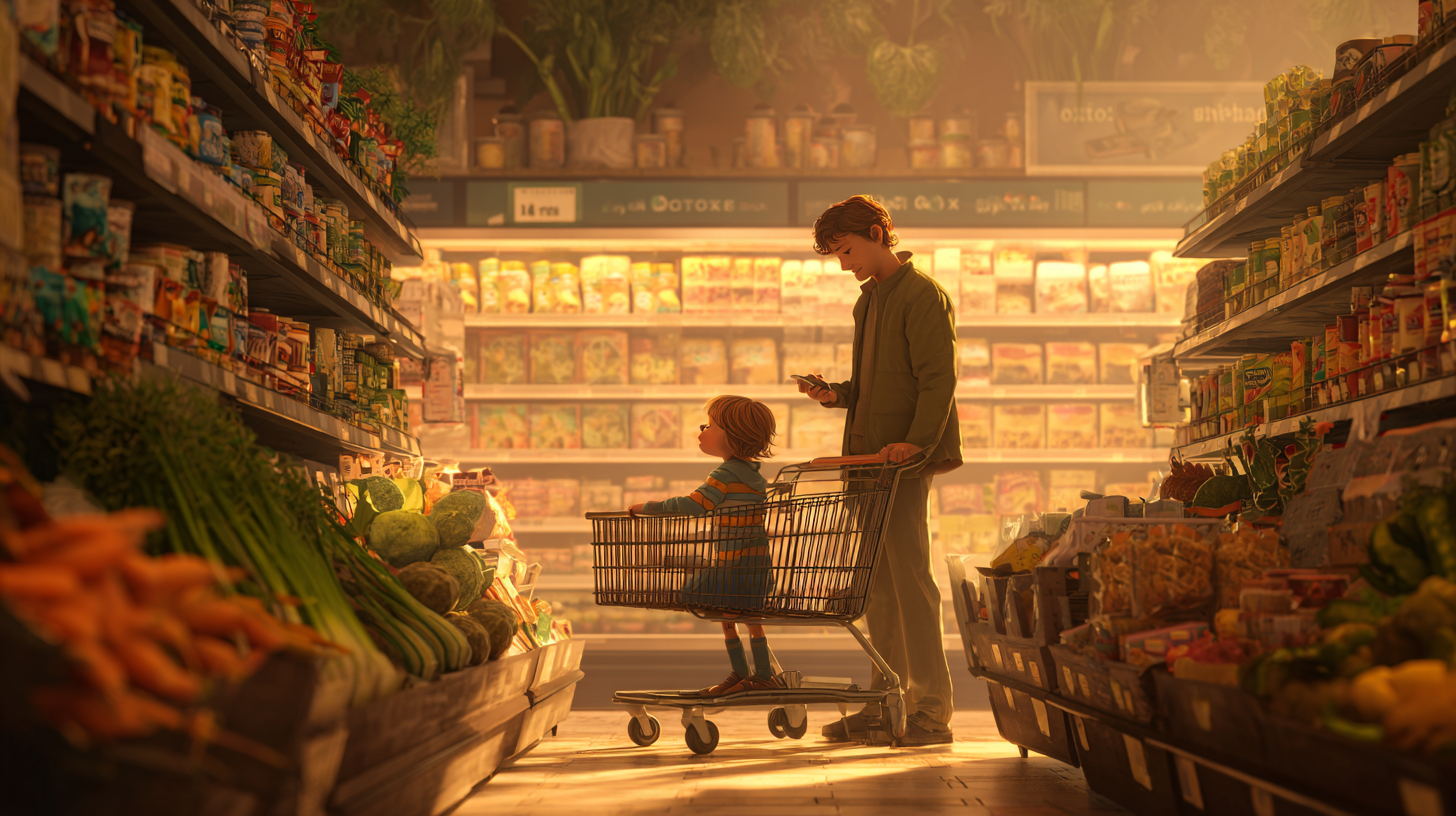
Three weeks ago, a mama in my neighborhood swore off feeding her baby any carbohydrates because a TikTok influencer with 2 million followers said carbs were “poison.” Another friend told me she was putting butter in her morning coffee because some “wellness doctor” promised it would “reset her metabolism.” And just last Tuesday, I watched a young mother panic in the grocery store, frantically Googling whether sweet potatoes were “actually toxic” after reading a viral Instagram post.
Here’s what nobody tells you when you’re standing in that grocery aisle at 7 PM, exhausted and just trying to feed your family something healthy: up to 24 million people worldwide are currently being fed nutrition lies disguised as science. And the scariest part? Most of us don’t even know we’ve been fooled.
The truth is that online nutrition misinformation has become a full-blown crisis. We’re not talking about innocent mistakes or differences in opinion—we’re talking about a calculated industry where influencers with zero credentials are profiting from your confusion, your fears, and your genuine desire to do right by your family. But once you understand how this machine works, you’ll never fall for it again.
The Shocking Reality of What You’re Actually Reading
Let me share something that changed how I view every piece of nutrition advice online: a comprehensive 2023 systematic review analyzed thousands of nutrition posts across social media platforms and found that almost half were rated as low quality or completely inaccurate. On Instagram alone, 86% of nutrition posts lacked any scientific citations whatsoever, and 45% contained clear, verifiable inaccuracies that could harm someone’s health.
But here’s where it gets truly disturbing. The same research revealed that 96% of high-profile health influencers have a direct financial incentive—they’re selling supplements, coaching programs, meal plans, or courses. Only 13% have any formal medical or nutrition credentials. Think about that for a moment. You’re taking advice about your child’s health from someone who learned everything they know from Google and whose primary motivation is their bank account, not your baby’s wellbeing.
The misinformation spreads through what researchers now call “superspreaders”—influential personalities categorized as “Docs” (people who use medical credentials, real or fabricated), “Rebels” (those who position themselves against mainstream science), and “Hustlers” (pure profit-driven content creators). These superspreaders collectively reach hundreds of millions of parents every single day, and their messaging is sophisticated, emotional, and incredibly convincing.
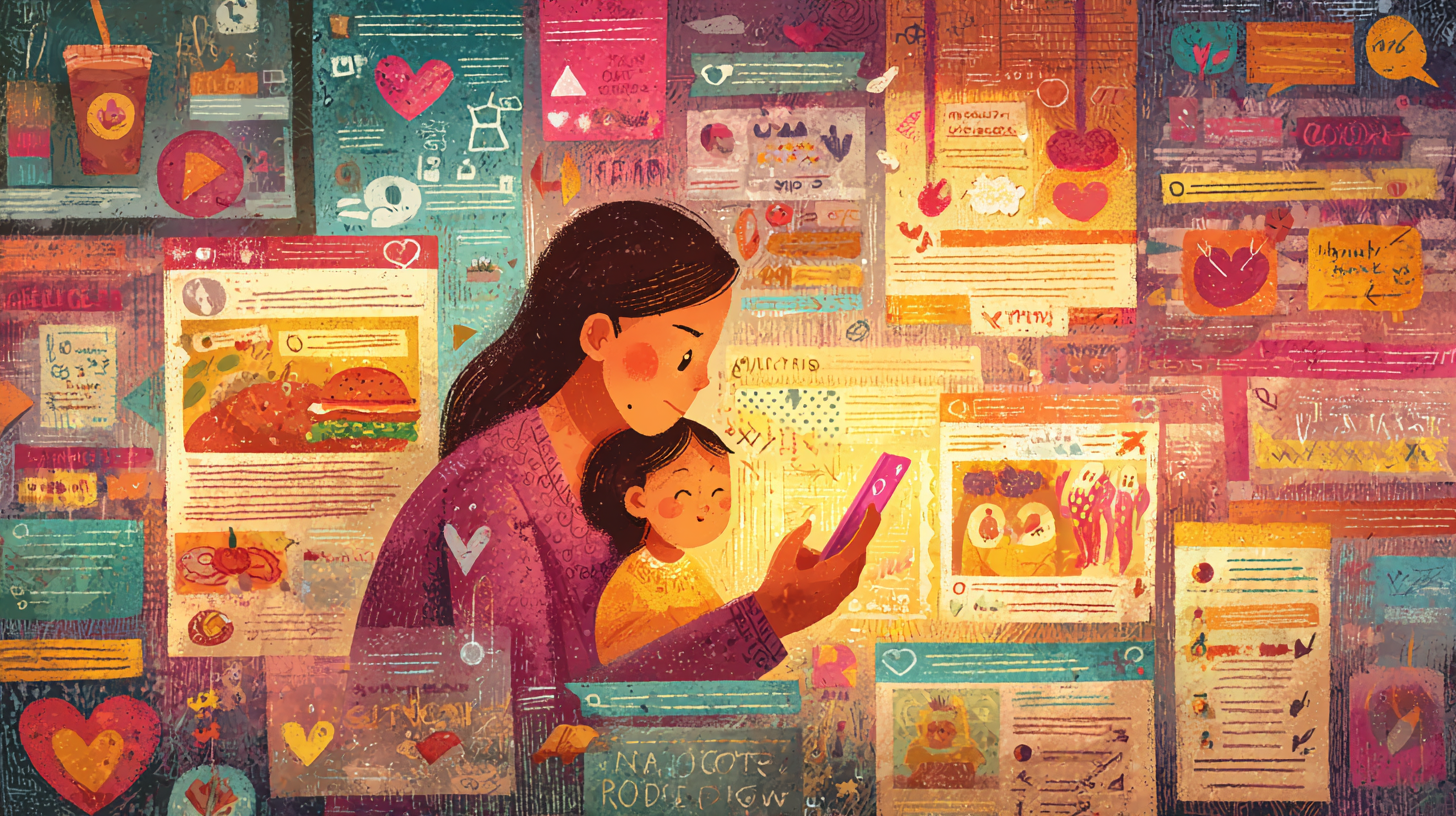
What makes this particularly dangerous for parents is that 87% of Millennials and Gen Z now prefer platforms like TikTok for nutrition information over traditional, vetted sources. When you’re sleep-deprived, overwhelmed, and desperate for answers about feeding your family, a 60-second video promising a “miracle solution” feels like a lifeline. But that lifeline might actually be pulling you under.
The Red Flag Detector
Flip each card to discover the red flags that signal unreliable nutrition advice:
Red Flag #1
Click to reveal →
Miracle Claims
“Lose 10 pounds in 3 days!” or “This ONE food cures disease!” Real nutrition is gradual and nuanced—never miraculous.
Red Flag #2
Click to reveal →
Vilifying Language
Words like “toxic,” “poisonous,” “never eat,” or “deadly” about common foods. Legitimate experts don’t use fear tactics.
Red Flag #3
Click to reveal →
No Credentials
No RD, RDN, or verified medical degree listed. Self-proclaimed “wellness expert” or “health coach” isn’t a protected credential.
Red Flag #4
Click to reveal →
Selling Something
Every post links to their supplement line, detox program, or coaching. If they profit from your fear, question everything.
Red Flag #5
Click to reveal →
No Nuance
“Always” or “never” statements about nutrition. Real science acknowledges individual differences and context.
Red Flag #6
Click to reveal →
Anecdotal Evidence
“It worked for me!” isn’t scientific proof. Without peer-reviewed research, it’s just a personal story.
Why Your Brain Falls for Nutrition Lies Every Time
Understanding why misinformation spreads isn’t about intelligence—it’s about psychology. Researchers studying online nutrition content discovered that false information consistently spreads faster and reaches more people than evidence-based content. The reason is simple: lies are designed to hijack your emotions, while truth is often boring and complicated.
Think about the posts that go viral. They promise quick fixes. They validate your existing beliefs or fears. They use emotional language about protecting your children or optimizing your health. Meanwhile, the actual scientific advice—”eat a variety of foods, including vegetables, whole grains, and protein; limit processed foods; stay hydrated”—doesn’t exactly make your thumb stop scrolling.
There’s also something researchers call “information overload” that’s making the problem worse. Studies on dietary information exposure found that contradictory advice about topics like carbohydrates and fats leads to confusion, frustration, and eventually “nutritional backlash”—where people stop trusting legitimate sources altogether and either give up or cling to whatever feels right emotionally.
When my daughter started solids, I experienced this firsthand. One day I’d read that babies need iron-fortified cereals, the next day an influencer would tell me cereal was “processed garbage” and I should only feed organ meats. One article praised sweet potatoes as the perfect first food, while another warned they were too high in sugar. I remember standing in my kitchen, my baby crying in her high chair, completely paralyzed by conflicting information and terrified of making the wrong choice.
That’s when I realized the misinformation crisis isn’t just about false facts—it’s about weaponizing parental anxiety for clicks and profit. And the only way to fight back is to build your own internal fact-checking system, which is exactly what we’re going to do together. As I learned to evaluate sources and built confidence in my choices—mixing traditional Caribbean ingredients like sweet potato, coconut milk, and nutrient-dense beans from recipes in resources like the Caribbean Baby Food Recipe Book—I stopped second-guessing every feeding decision.
Building Your Family’s Defense System Against Bad Advice
Here’s what registered dietitians, public health experts, and researchers agree works when evaluating online nutrition advice. First, look at credentials—and not the impressive-sounding ones they invented themselves. A Registered Dietitian (RD or RDN) has completed extensive education, clinical training, and passed a national exam. Medical doctors (MD or DO) have legitimate medical training. “Certified health coach,” “wellness expert,” or “nutrition specialist” often means they took an online course that could have lasted anywhere from a weekend to a few months.
Second, check for citations. Legitimate nutrition advice references peer-reviewed studies published in established journals. If someone makes a bold claim—”this food causes cancer” or “this supplement cures diabetes”—and doesn’t link to research, that’s your sign to walk away. And even when they do cite studies, take a moment to click through. I’ve seen influencers cite research that actually contradicts their point, banking on the fact that most people won’t read past the abstract.
Third, evaluate the language. Real nutrition science is full of phrases like “may help,” “some evidence suggests,” “in certain populations,” or “more research is needed.” That’s not weakness—that’s honesty. Nutrition is complex, individual, and constantly evolving. Anyone who speaks in absolutes is either lying or doesn’t understand the science they’re claiming to represent.
Fourth, ask yourself who profits. This doesn’t mean everyone selling something is dishonest, but it does mean you need to evaluate their advice extra carefully. If the person warning you about “toxic” foods just happens to sell a $200 detox program, their motivation becomes pretty clear. Compare that to public health organizations or academic institutions that publish evidence-based guidelines with no financial stake in what you choose.
⚖️ The Source Credibility Scale
Rate the credibility of your go-to nutrition source:
Your Source’s Trust Score:
The Social Media Nutrition Trap and How to Escape It
Let’s talk specifically about social media, because that’s where most of the damage happens. Research analyzing nutrition content on TikTok found that posts about weight loss and dietary supplements were simultaneously the least accurate and the most engaging—meaning the worst advice gets the most attention. The algorithm doesn’t care about truth; it cares about watch time, shares, and comments. Outrage and fear keep people scrolling, so that’s what gets promoted.
Instagram isn’t much better. Analysis of popular nutrition accounts revealed that most posts lack scientific backing, oversimplify complex topics, and use before-and-after photos that may be manipulated or show results that aren’t sustainable. The comment sections become echo chambers where people with the same beliefs reinforce each other, drowning out anyone who questions the advice.
YouTube presents its own challenges. Long-form videos feel more authoritative and thorough, but length doesn’t equal accuracy. Some of the most dangerous misinformation comes packaged in 20-minute videos with impressive graphics, dramatic music, and carefully edited testimonials. The production value makes it feel legitimate even when the content is completely fabricated.
Here’s what works: diversify your sources and never let social media be your only nutrition educator. Follow a mix of registered dietitians, public health organizations, and academic institutions. When you see advice that seems revolutionary or shocking, pause before sharing. Take a screenshot, then spend five minutes fact-checking before you let it influence your family’s choices. The Academy of Nutrition and Dietetics recently launched a “Nutrition Fact Check” initiative specifically to combat viral myths—resources like this exist because the problem has become so widespread.
Most importantly, teach yourself to recognize the difference between education and entertainment. Social media is designed for entertainment. Quick tips, dramatic transformations, and controversy keep you engaged. But your family’s nutrition deserves more than entertainment—it deserves truth.
Real Talk: When I began introducing my baby to Caribbean flavors—things like mild curry blends, coconut milk, and traditional ingredients like plantain and callaloo—I encountered influencers claiming these foods were “too exotic” or “not clean enough” for babies. The truth? These nutrient-dense, culturally rich ingredients have nourished generations of healthy children. Trust evidence-based guidance and your cultural wisdom over random internet fear-mongering.
Teaching Your Children to Think Critically About Food Information
If you think the misinformation problem is bad now, imagine what it’ll be like when your children are old enough to search for nutrition information themselves. That’s why building media literacy around health information needs to start early—not with lectures, but with everyday conversations that model critical thinking.
When your child asks why they can’t have unlimited candy, don’t just say “because I said so” or “it’s unhealthy.” Explain in age-appropriate terms: “Our bodies need lots of different foods to grow strong. Candy tastes good and we can enjoy some sometimes, but it doesn’t have the vitamins and energy our bodies need every day. That’s why we eat it as a treat, not as a meal.” You’re teaching them that food choices are based on function and balance, not moral judgment or arbitrary rules.
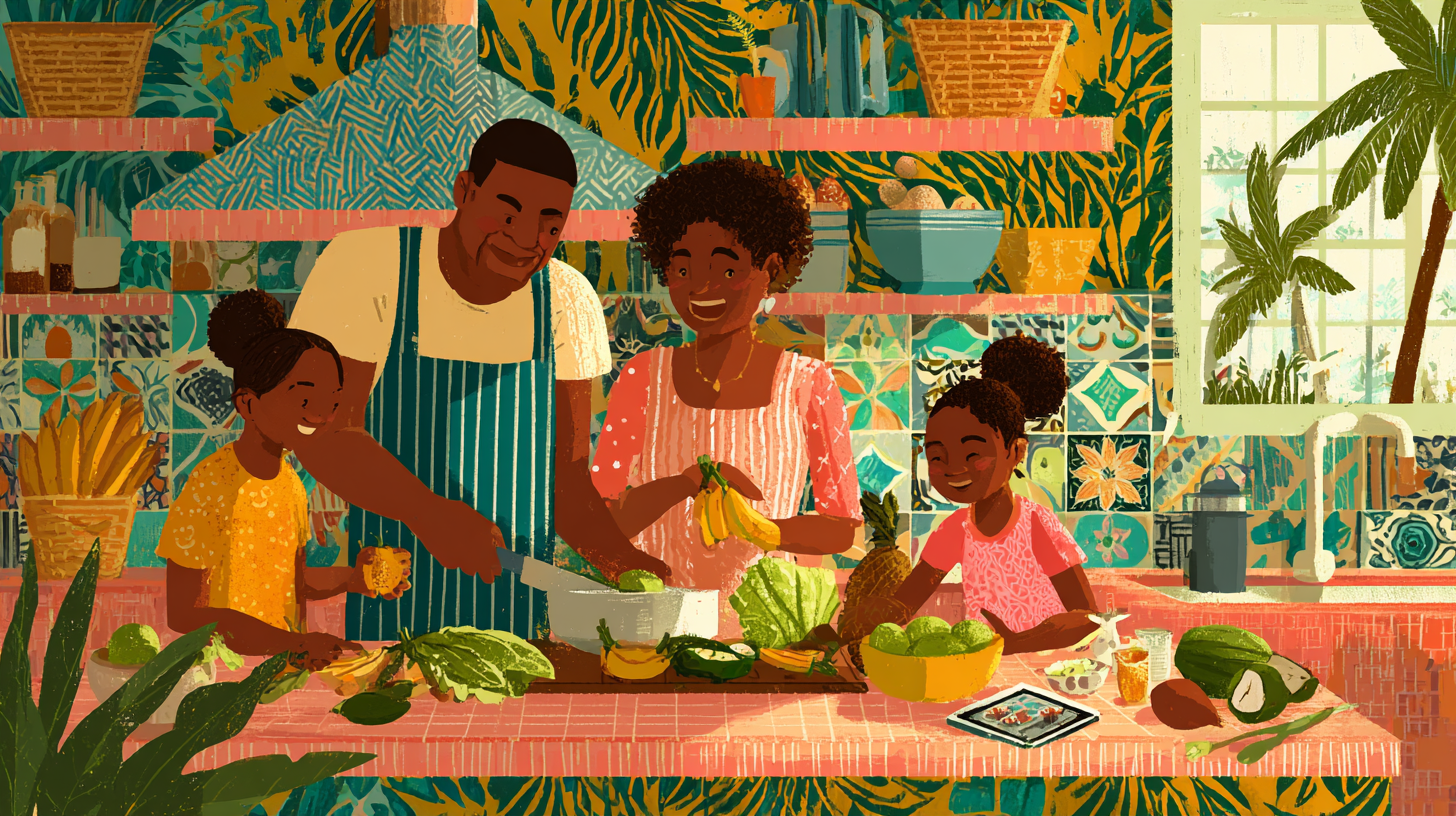
As children get older, involve them in evaluating claims. When they see an ad or hear something at school, ask questions: “Who told you that information? How do they know it’s true? Are they trying to sell you something?” These conversations don’t have to be formal or heavy—they can happen naturally while cooking dinner or shopping together.
Model good information behavior yourself. When you hear a nutrition claim that interests you, verbalize your thought process: “That sounds interesting, but I want to check if it’s actually true before we change anything. Let me see if I can find research about it.” Let your children see you questioning, researching, and sometimes changing your mind when you encounter better evidence. That’s what critical thinking actually looks like in practice.
Most importantly, create an environment where it’s safe to question and discuss without judgment. If your teenager comes home convinced that a ketogenic diet is the only healthy way to eat because their favorite YouTuber said so, don’t dismiss or ridicule them. Ask them to share what they learned, discuss the evidence together, and explore the nuances they might have missed. When children feel heard rather than lectured, they’re much more likely to genuinely engage with critical thinking rather than just rebelling against parental rules.
Your Media Literacy Action Plan
Check off each step as you implement it into your family’s routine:
Real-World Consequences When We Get This Wrong
Let me share why this matters beyond just abstract concerns about “misinformation.” Real families experience real harm when nutrition lies go unchallenged. Researchers studying the impact of contradictory nutrition advice found that exposure to conflicting information leads to decreased trust in all nutrition sources, increased anxiety about food choices, and sometimes complete disengagement from trying to eat healthfully—people just give up.
More concerning are the direct health consequences. Children have been hospitalized due to restrictive diets promoted by influencers. Parents have delayed necessary medical treatment because a social media “expert” convinced them that dietary changes alone could cure serious conditions. Eating disorders are being triggered and reinforced by “wellness” content that’s actually just disordered eating wrapped in health language.
The financial exploitation is real too. Families spend thousands of dollars on unnecessary supplements, testing, and programs that provide zero benefit and sometimes cause active harm. One study found that the average person following popular wellness influencers spends over $500 annually on products that have no scientific backing whatsoever. For families already struggling financially, that money could have gone toward actual nutritious food or necessary healthcare.
There’s also a broader societal cost. When large groups of people reject evidence-based health guidance because they’ve been convinced it’s all lies or conspiracy, public health initiatives become less effective. Vaccine hesitancy, distrust of medical professionals, and rejection of proven interventions don’t exist in isolation—they’re often connected to a general erosion of trust in expertise, which nutrition misinformation actively feeds.
But here’s what gives me hope: once people understand how misinformation works and develop tools to recognize it, they become incredibly effective at protecting themselves and their families. Education and critical thinking skills are the vaccine against nutrition lies, and unlike immunity to disease, these skills only get stronger with practice.
What Actually Works: Evidence-Based Nutrition Simplified
After all this talk about what’s wrong with nutrition advice online, let’s anchor in what’s actually right. The truth about healthy eating is remarkably consistent across legitimate sources, even if it’s less exciting than what influencers promise.
Here’s what decades of nutrition research actually tells us: eat a variety of foods from all food groups unless you have a specific medical reason not to. Emphasize vegetables, fruits, whole grains, lean proteins, and healthy fats. Limit highly processed foods, added sugars, and excessive sodium. Stay adequately hydrated. Adjust portions based on your individual needs, activity level, and health goals. That’s it. That’s the foundation.
For families with babies and young children, the guidance is similarly straightforward. Introduce a wide variety of foods and flavors starting around 6 months, including common allergens. Let children self-regulate their intake while you control what’s offered and when. Model healthy eating yourself. Don’t use food as reward or punishment. Make mealtimes pleasant and pressure-free. These principles work across cultures, income levels, and dietary preferences.
Notice what’s missing from this advice? No villainizing entire food groups. No expensive supplements or detoxes. No before-and-after photos. No miracle timelines. Just steady, sustainable approaches that support health across a lifetime—the kind of approach that doesn’t generate clicks but does generate genuinely healthy families.
When I finally let go of the search for perfect nutrition hacks and focused on this basic framework, everything became easier. My daughter eats a variety of foods because she’s been offered a variety consistently, including flavors from our Caribbean heritage like mild curries, coconut, and beans. She doesn’t have anxiety around food because I don’t project mine onto her. She’s healthy and growing well, which is actually the only metric that matters. And I stopped wasting mental energy on whatever new diet trend was making the rounds that week.
This approach also has room for cultural foods, treats, celebrations, and flexibility—all the things that make eating one of life’s great pleasures rather than a source of constant stress. Resources that honor both nutrition science and cultural wisdom, like the Caribbean Baby Food Recipe Book with recipes featuring ingredients like sweet potato, plantain, coconut milk, and traditional seasonings, demonstrate how evidence-based feeding can celebrate heritage while nourishing children optimally.
Quick Myth-Busting Challenge
Test your new knowledge by identifying which statements are TRUE:
Your Results:
Moving Forward With Confidence, Not Fear
The goal of understanding nutrition misinformation isn’t to make you paranoid or cynical about everything you read online. It’s to empower you to be selective, critical, and confident in your ability to distinguish truth from manipulation. That confidence changes everything—not just for your family’s health, but for your mental well-being as a parent constantly making decisions.
Start small. You don’t need to overhaul your entire approach to nutrition information overnight. Pick one action from this article—maybe it’s unfollowing three unqualified influencers, or bookmarking a reliable fact-checking resource, or having one conversation with your child about evaluating claims. Each small step builds the habit of critical thinking that will protect your family for years to come.
Remember that perfect doesn’t exist in nutrition. You will occasionally fall for misleading information—we all do. What matters is building the skills to recognize it faster, correct course more quickly, and ultimately trust yourself to make good decisions most of the time. That’s actually what “healthy eating” looks like in real life, not the pristine perfection influencers sell you.
Create boundaries around your consumption of nutrition content. If following certain accounts makes you feel anxious, inadequate, or constantly second-guessing yourself, unfollow them regardless of how many credentials they claim. Your mental health is part of your overall health, and nutrition advice that increases stress is counterproductive no matter how “scientifically accurate” it might be.
Most importantly, trust that your desire to do right by your family is valid and valuable. You don’t need to become a nutrition expert or spend hours researching every food choice. You just need basic media literacy skills, a few trusted sources, and the confidence to recognize when someone is trying to profit from your fear rather than genuinely help you thrive.
The future of nutrition information depends on consumers like you demanding better—refusing to engage with misleading content, supporting credible sources, and teaching the next generation to think critically. Every time you fact-check before sharing, every time you ask “who profits from this claim,” every time you choose evidence over emotion, you’re making the information ecosystem a little bit healthier for everyone.
The Choice Is Yours—And It’s Simpler Than You Think
We’ve covered a lot of ground here, but the core message is beautifully simple: you have more power than you think. The nutrition misinformation industry relies on your confusion, your fear, and your desperation for quick answers. When you refuse to give them those things—when you slow down, ask questions, and demand evidence—their power evaporates.
Your family doesn’t need the latest superfood or the trendiest diet plan. You need real food, prepared with love, eaten without shame or anxiety, and informed by actual science rather than someone’s financial agenda. That’s what nourishment really means—and it’s been true for every generation before us, despite what the internet wants you to believe.
So the next time you’re scrolling through social media and see a post claiming that one weird trick will transform your family’s health, I want you to stop. Take a breath. Ask yourself who’s making this claim and why. Check for credentials, citations, and financial motives. And if something doesn’t add up, trust that feeling and move on.
Your job isn’t to become a nutrition researcher or to never make a mistake. Your job is to feed your family with confidence, informed by reliable information and guided by common sense. Everything else—all the trends, the influencers, the miracle claims—is just noise. And once you learn to tune out the noise, what remains is surprisingly clear, surprisingly simple, and surprisingly liberating.
Start today. Not tomorrow, not next week—today. Pick one thing from this article and do it. Your family deserves better than nutrition advice designed to profit from your confusion. They deserve you—informed, confident, and capable of making choices based on truth rather than fear. And that’s exactly what you’re going to give them, one evidence-based decision at a time.
Ultimately, building media literacy around nutrition is one of the most valuable gifts you can give your children—right up there with teaching them to read or showing them how to prepare nourishing meals from scratch. Speaking of which, when you’re ready to combine evidence-based nutrition with cultural pride and flavor, having trusted resources makes all the difference—the Caribbean Baby Food Recipe Book offers over 75 recipes rooted in both nutritional science and Caribbean culinary traditions, proving that optimal health and authentic flavor always belong together.

Kelley's culinary creations are a fusion of her Caribbean roots and modern nutritional science, resulting in baby-friendly dishes that are both developmentally appropriate and bursting with flavor. Her expertise in oral motor development and texture progression ensures that every recipe supports your little one's feeding milestones while honoring cultural traditions.
Join Kelley on her flavorful journey as she shares treasured family recipes adapted for tiny taste buds, evidence-based feeding guidance, insightful parenting anecdotes, and the joy of celebrating food, culture, and motherhood. Get ready to immerse yourself in the captivating world of Kelley Black and unlock the vibrant flavors of the Caribbean for your growing baby, one nutritious bite at a time.
- The Feeding Revolution: Why Your Everyday Meals Are Changing the World - October 13, 2026
- Your Feeding Story Matters More Than The “Perfect” One Online - October 12, 2026
- Looking Forward: Stepping Into Your Confident Feeding Future - October 11, 2026