The Shocking Truth About Your Baby’s Gut Health (That Your Pediatrician Might Not Tell You)
Your baby’s belly is holding onto a secret—one that could shape their entire future health. I remember the first time my little one had a bout of tummy troubles. I thought it was just “normal baby stuff” until my cousin (who’s a microbiologist, of all things) sat me down and told me something shocking: 76% of American babies have suboptimal gut microbiomes, putting them at higher risk for allergies, asthma, and even immune issues later in life. And here’s the kicker—most parents have no idea.
Here’s what nobody tells you at those prenatal classes or in those glossy parenting magazines: your baby’s gut is literally being built right now, during these precious early months. Think of it like constructing a house. If the foundation is weak, everything else becomes shaky. But if you get it right? You’re setting your child up for a lifetime of strong immunity, better digestion, and even improved mood and behavior. Yeah, gut health is *that* powerful.
So stick with me here, because what you’re about to discover might completely change how you think about feeding your baby. We’re going to talk about the good bacteria your baby desperately needs, why not all yogurt is created equal, and whether those fancy probiotic supplements are worth the hype—or just expensive snake oil.
Test Your Gut Health Knowledge
What percentage of U.S. babies lack the critical bacteria Bifidobacterium infantis?
When does the gut microbiome establishment begin?
Which feeding method provides natural prebiotics (HMOs) that support beneficial bacteria?
Your Results:
What’s Really Happening in Your Baby’s Belly
Let me paint you a picture. Inside your baby’s tiny gut right now, there’s an entire universe being built—trillions of microscopic organisms setting up shop, communicating with each other, and literally training your baby’s immune system. This isn’t science fiction; this is happening whether we pay attention to it or not.
The gut microbiome is essentially a community of bacteria, fungi, and other microorganisms that live in the digestive tract. And here’s where it gets wild: these little guys make up about 70% of your baby’s immune system. They’re not just along for the ride—they’re running the show.
Research from 2024 showed that babies’ gut microbiota development follows one of five distinct trajectories, and the healthy one is characterized by high *Bifidobacterium* levels early on. But here’s the problem: modern life is working against us. High C-section rates (over 30% of deliveries), antibiotics, and formula feeding without adequate prebiotics are all disrupting this natural process.
Think about it like this: your grandmother in the Caribbean probably had a much more diverse gut microbiome than babies born today in sterile hospital environments. She grew up eating fermented foods, fresh produce straight from the ground (with all its beneficial soil bacteria), and wasn’t constantly doused in hand sanitizer. I’m not saying we should go back to those days entirely, but we’ve lost something important along the way.
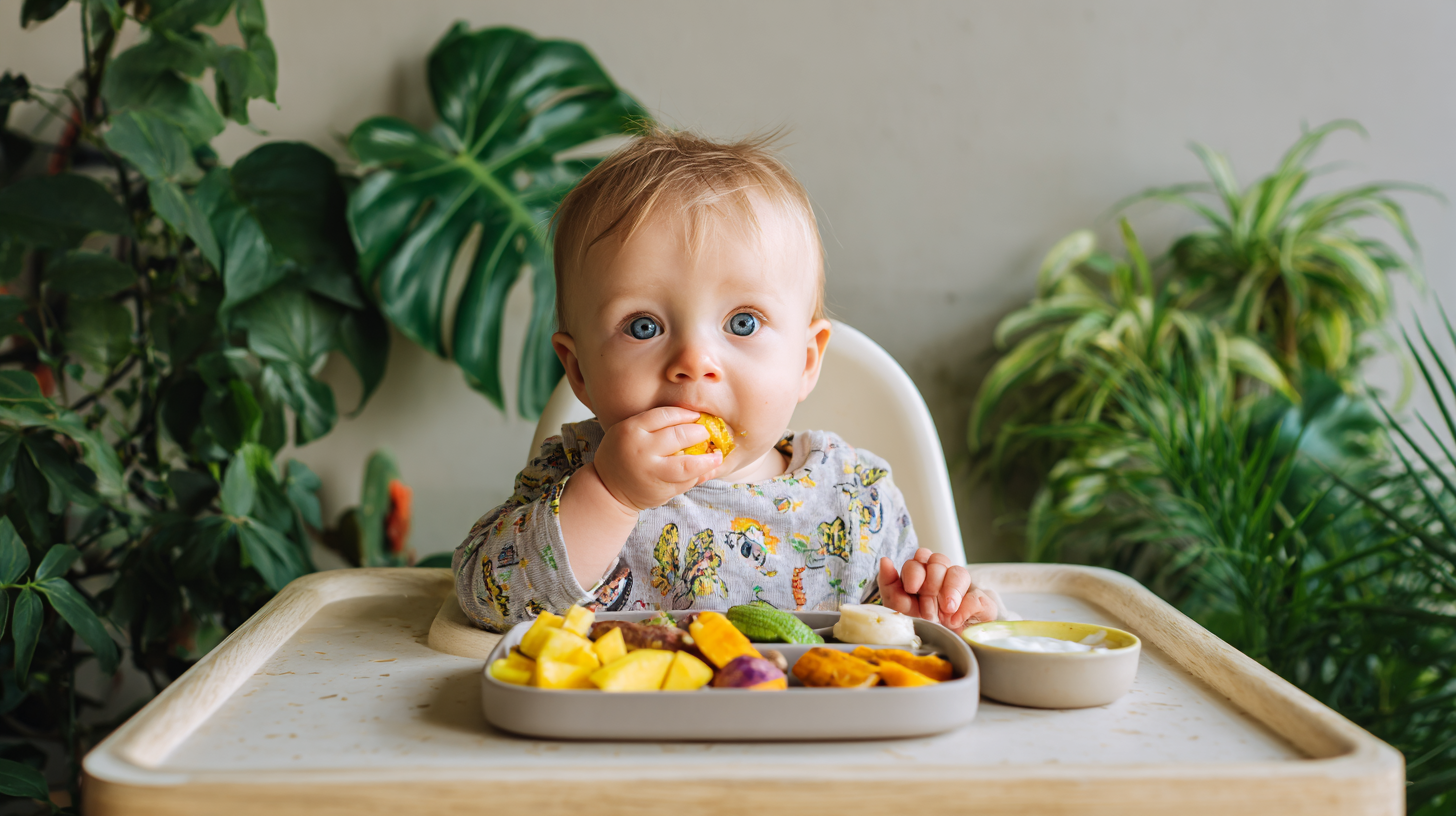
The first 1,000 days—from conception through age two—are absolutely critical. This is when the foundation is being laid. Miss this window, and you might be dealing with consequences for years. Studies have linked early gut dysbiosis to everything from childhood obesity to autoimmune conditions and even behavioral issues.
Prebiotics vs. Probiotics: The Confusion Ends Now
Okay, I’m going to clear this up once and for all because even I was confused when I first started researching this. Here’s the simple truth: probiotics are the good bacteria themselves, while prebiotics are the food that feeds those good bacteria. Think of it like this—probiotics are the fish, prebiotics are the fish food.
Prebiotics are typically certain types of carbohydrates and fibers that our bodies can’t digest, but the beneficial bacteria in our gut absolutely love them. Human Milk Oligosaccharides (HMOs) in breast milk are nature’s perfect prebiotic. They literally evolved to feed *Bifidobacterium infantis*, the superstar bacteria that helps babies process breast milk and protects against pathogens.
Find the Perfect Probiotic Foods for Your Baby’s Age
Select your baby’s age to get personalized recommendations:
Perfect Choices for Your Baby:
When my baby turned six months and we started introducing solids, I was overwhelmed by all the options. Should I buy expensive probiotic drops? What about that fancy Greek yogurt everyone raves about? Here’s what I learned: food sources are almost always better than supplements for healthy, full-term babies.
Probiotic-rich foods include yogurt (look for “Live Active Cultures” on the label), kefir, and as babies get older, small amounts of fermented foods. In Caribbean culture, we’ve been onto something all along—fermented foods have been part of our diet for generations. Now science is catching up and confirming what our grandmothers knew intuitively.
But here’s what surprised me most: recent research from 2024 shows that prebiotics might actually have a bigger impact on infant gut health than probiotics. Adding prebiotic components to formula creates microbiota shifts that more closely resemble breastfed babies. So when you’re choosing formula, look for ones with added prebiotics like GOS (galactooligosaccharides) or FOS (fructooligosaccharides).
When introducing solid foods, focus on prebiotic-rich options too. Bananas, apples, sweet potatoes (hello, Caribbean staple!), and whole grains all feed those beneficial bacteria. If you’re looking for creative ways to incorporate these ingredients into baby-friendly meals with authentic island flavors, the Caribbean Baby Food Recipe Book offers over 75 recipes featuring gut-friendly ingredients like coconut milk, plantains, and sweet potatoes that naturally support digestive health.
The Probiotic Foods Your Baby Actually Needs
Let’s get practical. You’re probably wondering, “Okay, so what should I actually feed my baby?” I’ve got you covered with real, actionable foods you can find at any grocery store—no fancy health food store required.
Yogurt (6+ months): This is your go-to. Plain, whole-milk yogurt with live cultures is gold. Stonyfield Organic YoBaby is the #1 pediatrician-recommended yogurt for babies, containing the probiotic strain *Bifidobacterium animalis lactis* BB-12®. But honestly? Any plain yogurt with “Live Active Cultures” on the label will do the job. Skip the sugar-laden stuff marketed to kids—that’s just candy in a cup.
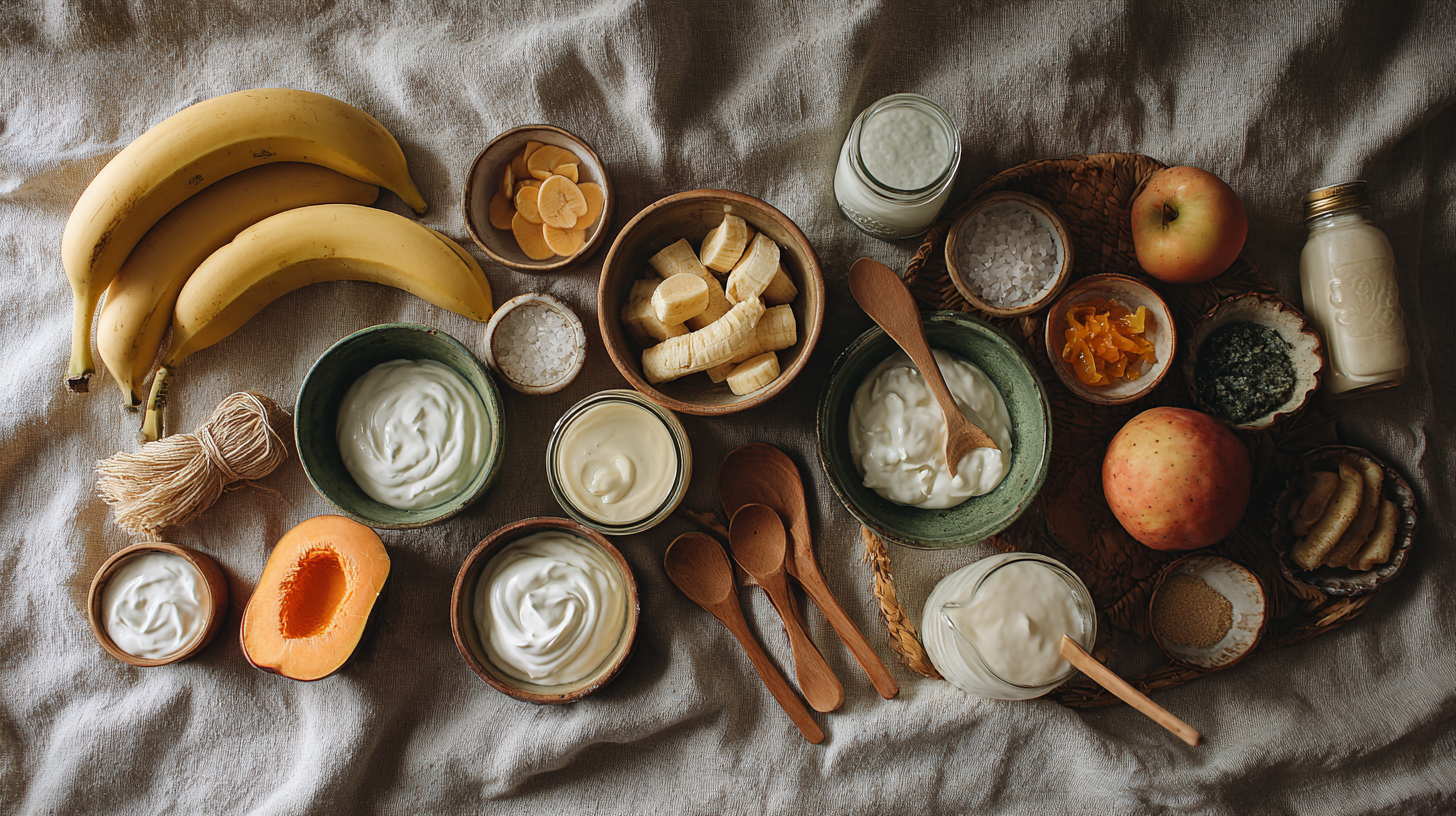
Kefir (6+ months): Think of this as yogurt’s more powerful cousin. It’s a fermented milk drink that’s packed with even more beneficial bacteria strains than yogurt. You can add it to smoothies or use it in recipes. I love mixing it with mashed banana for a quick breakfast.
Does Your Baby Show Signs of Gut Imbalance?
Select any symptoms your baby experiences:
Your Assessment:
Fermented vegetables (8-10+ months): Once your baby is comfortable with various textures, you can introduce tiny amounts of naturally fermented foods. In Caribbean culture, we have our own traditions here. Think about introducing small amounts of fermented vegetables as finger foods. Just make sure they’re low in salt and introduced gradually.
Here’s a real-life example from my own kitchen: I make a simple mash using sweet potato (prebiotic), a dollop of plain yogurt (probiotic), and a tiny pinch of cinnamon. My baby devours it, and I know I’m feeding those good gut bacteria at the same time. The Caribbean Baby Food Recipe Book features recipes like Sweet Potato & Callaloo Rundown and Coconut Rice & Red Peas that combine gut-friendly ingredients with authentic Caribbean flavors your whole family will love.
And here’s something important that nobody talks about: variety matters more than you think. Each different probiotic food contains different strains of beneficial bacteria. Rotating between yogurt, kefir, and age-appropriate fermented foods gives your baby the most diverse gut microbiome possible. It’s like building a well-rounded team instead of just having one star player.
Supplements vs. Food Sources: What You Need to Know
Alright, let’s talk about the elephant in the room—those expensive probiotic drops and supplements lining the pharmacy shelves. Are they worth it, or are companies just preying on worried parents?
Here’s the honest truth: for most healthy, full-term babies, food sources are sufficient and safer. But—and this is a big but—there are specific situations where supplements might be beneficial or even necessary.
Prebiotic or Probiotic? Test Your Knowledge!
Can you correctly identify whether these foods are prebiotics (feed bacteria) or probiotics (contain bacteria)?
The FDA issued a serious warning in October 2023 about probiotic products for preterm infants. These products contributed to invasive disease, including one infant death, and more than two dozen adverse events since 2018. That’s terrifying. Never give probiotic supplements to premature babies, children with compromised immune systems, or those with serious medical conditions without explicit doctor approval.
But for healthy, full-term babies? The research is more nuanced. A groundbreaking 2021 study found that early supplementation with *Bifidobacterium infantis* EVC001 in breastfed infants resulted in stable colonization lasting up to 12 months—something that had never been seen before with probiotics. This particular strain seems to really stick around and do its job.
Here’s my practical advice based on the research and conversations with my pediatrician: Start with food sources first. If your baby was born via C-section, received antibiotics during birth, or is formula-fed, consider discussing targeted supplementation with your doctor. The key phrase is “discussing with your doctor”—not buying whatever you see on Instagram.
Should You Consider Supplements or Stick with Food?
Your Personalized Recommendation:
Another thing worth mentioning: not all supplements are created equal. The probiotic supplement industry is largely unregulated, which means quality varies wildly. If you do decide to go the supplement route, look for products that:
- List specific bacterial strains (not just “probiotic blend”)
- Have been third-party tested
- Come recommended by your pediatrician
- Are specifically formulated for infants
- Have published research supporting their efficacy
Pediatrician-recommended strains include *Lactobacillus rhamnosus* GG (LGG) for digestive health, *Bifidobacterium infantis* for breastmilk digestion, and *Saccharomyces boulardii* for managing diarrhea.
The C-Section Connection (And What You Can Do About It)
If you had a C-section, I need you to know something important: this doesn’t doom your baby to a lifetime of gut problems. But it does mean you need to be more intentional about supporting their microbiome development.
Babies born via C-section miss out on the crucial transfer of vaginal and fecal bacteria that happens during vaginal birth. This isn’t anyone’s fault—sometimes C-sections are medically necessary and life-saving. But understanding the impact helps us take action.
The “vaginal seeding” practice—swabbing C-section babies with maternal vaginal fluids—has gotten a lot of attention, but here’s the truth: the research is mixed, and there are legitimate infection concerns. A 2022 randomized controlled trial found no significant impacts on gut microbiota, growth, or allergy risks during the first two years of life. So it’s controversial and not currently recommended by most major health organizations.
Here’s what actually works: targeted probiotic supplementation, especially with *B. infantis*, appears to be safer and more ecologically sound for restoring gut bacteria after C-section. One study found that restoring gut-adapted bacteria through supplementation is more effective than trying to transfer vaginal bacteria.
If your baby was born via C-section, consider these steps:
- Breastfeed if possible (breast milk contains prebiotics and beneficial bacteria)
- Choose formula with added prebiotics and probiotics if formula-feeding
- Discuss targeted probiotic supplementation with your pediatrician
- Introduce probiotic-rich foods early and consistently once solids begin
- Avoid unnecessary antibiotics (but don’t skip them when medically necessary)
- Focus on diverse, fiber-rich foods as your baby grows
My friend had an emergency C-section and felt terrible guilt about it. But once she started focusing on these strategies, her baby’s digestive issues improved dramatically. The first few weeks were rough, but by six months, her little one was thriving. The point is: knowledge is power, and you absolutely can course-correct.
Building Your Baby’s Gut Health Action Plan
Okay, so we’ve covered a lot of ground. Your head is probably spinning with information about bacteria strains, prebiotics, probiotics, and everything in between. Let me distill this into a simple, actionable plan you can start implementing today.
Your Baby’s Gut Health Journey
Track your progress by checking off each milestone as you implement it:
Birth to 6 Months: If breastfeeding, focus on your own gut health—your microbiome affects your breast milk. Eat plenty of fiber, fermented foods, and diverse plant foods. If formula-feeding, choose formulas with added HMOs, GOS, or FOS. Avoid unnecessary antibiotics (but always follow medical advice when they’re needed).
6-8 Months: This is when the magic starts. Introduce plain, whole-milk yogurt with live cultures. Start with a small spoonful and gradually increase. Mix it with mashed banana or sweet potato for added prebiotics. Offer prebiotic-rich foods like bananas, cooked apples, and sweet potatoes. The timing here is crucial—you’re catching that critical developmental window.
8-12 Months: Expand variety. Introduce kefir (great in smoothies or mixed with fruit). Start offering more diverse prebiotic foods—whole grain cereals, varied fruits and vegetables. If your baby is doing well with textures, you can try tiny amounts of age-appropriate fermented vegetables. This is also when you can get creative with Caribbean-inspired recipes that naturally support gut health—think coconut milk, plantains, and yams all prepared in baby-friendly ways.
12+ Months: Continue building diversity. Your toddler can now enjoy most probiotic-rich foods in age-appropriate portions. Focus on making gut-healthy eating a normal part of your family’s routine. This is also when you can introduce more complex flavors and textures. Recipes like Coconut Rice & Red Peas, Sweet Potato & Callaloo, or Plantain-based dishes from the Caribbean Baby Food Recipe Book combine authentic island flavors with gut-supporting ingredients that benefit the whole family.
Here’s something nobody tells you: consistency matters more than perfection. You don’t need to stress about getting probiotic foods into every single meal. What matters is establishing patterns over time. A spoonful of yogurt with breakfast, some mashed banana as a snack, sweet potato with dinner—these small, consistent choices add up.
What the Future Holds
The infant gut health field is exploding with research right now, and what’s coming down the pipeline is genuinely exciting. Scientists have developed “digital twin” technology that can predict gut microbiome trajectories and even forecast potential health issues early enough for intervention. In a few years, we might be able to test your baby’s gut bacteria and get personalized nutrition recommendations.
The market is booming too—the infant gut health market is projected to nearly double by 2034, reaching $17.6 billion. That’s not just corporate greed; it reflects growing awareness that what happens in those early months and years truly matters.
Postbiotics—the metabolic byproducts of probiotic bacteria—are emerging as particularly promising, especially for vulnerable populations like premature babies. They offer benefits without the risks associated with live organisms. We’re also seeing development of more sophisticated synbiotic formulations (combinations of prebiotics and probiotics) backed by clinical research.
But here’s what excites me most: universal patterns in early microbiome development might lead to standardized guidelines for nurturing infant health. Right now, recommendations vary wildly depending on who you ask. In the near future, we might have clear, evidence-based protocols for supporting every baby’s gut health, regardless of how they were born or fed.
Your Baby’s Gut, Your Family’s Future
Look, I’m not going to lie to you—when I first learned about all this gut microbiome stuff, I felt overwhelmed. There’s so much information, so much pressure to get everything “right.” But here’s what I want you to take away from this: you have more power than you think.
Every spoonful of yogurt, every mashed banana, every thoughtful food choice is an investment in your baby’s future health. You’re not just feeding them lunch—you’re building their immune system, supporting their brain development, and potentially preventing chronic diseases they might otherwise face decades from now.
And here’s the beautiful thing: so much of what supports gut health aligns with traditional Caribbean wisdom. Our grandmothers knew the value of coconut milk, sweet potatoes, plantains, and fermented foods. They didn’t know about *Bifidobacterium infantis* or prebiotics, but they knew what worked. Now science is confirming what generations of Caribbean families have known intuitively.
You don’t need to be perfect. You don’t need to buy every supplement or follow every trend. What you need is consistency, intention, and a willingness to prioritize this invisible but crucial aspect of your baby’s health. Start small—maybe just adding plain yogurt to tomorrow’s breakfast. Then build from there.
Your baby’s gut is their second brain, their immune system headquarters, their digestive powerhouse. Nurture it well during these early years, and you’re giving them a foundation that will support them for life. And honestly? That’s one of the most powerful things you can do as a parent.
The journey to optimal gut health doesn’t have to be complicated or expensive. Sometimes it’s as simple as sharing a bowl of coconut sweet potato mash, introducing your baby to the flavors you grew up with, and trusting that you’re doing exactly what they need. For more gut-friendly, Caribbean-inspired recipes that make this journey delicious and culturally meaningful, explore the Caribbean Baby Food Recipe Book—because nourishing your baby’s gut and connecting them to their heritage can happen at the same meal.

Kelley's culinary creations are a fusion of her Caribbean roots and modern nutritional science, resulting in baby-friendly dishes that are both developmentally appropriate and bursting with flavor. Her expertise in oral motor development and texture progression ensures that every recipe supports your little one's feeding milestones while honoring cultural traditions.
Join Kelley on her flavorful journey as she shares treasured family recipes adapted for tiny taste buds, evidence-based feeding guidance, insightful parenting anecdotes, and the joy of celebrating food, culture, and motherhood. Get ready to immerse yourself in the captivating world of Kelley Black and unlock the vibrant flavors of the Caribbean for your growing baby, one nutritious bite at a time.