The Revolutionary Truth About Leftovers That Could Save You 10+ Hours Every Week
Here’s something they don’t tell you in those picture-perfect meal prep videos: the average family throws away $1,500 worth of groceries every single year. That’s not a typo. Fifteen hundred dollars of food—gone. But here’s what’s even more shocking: 25% of that waste comes from simply cooking too much food without a plan for what comes next.
What if everything you’ve been told about leftovers is completely backward?
For years, leftovers have gotten a bad reputation—they’re the sad, forgotten containers shoved to the back of the fridge, the meals nobody wants to eat, the food that eventually becomes science experiments. But what if I told you that the world’s most efficient families aren’t avoiding leftovers—they’re creating them on purpose?
This isn’t about eating the same boring meal for five days straight. This is about a complete mindset shift that transforms how you think about cooking, planning, and feeding your family. It’s called strategic leftovers, and it’s about to change everything you thought you knew about meal planning.
The Hidden Cost of Cooking from Scratch Every Single Night
Let’s talk about what nobody wants to admit: cooking dinner from scratch every single night is exhausting. You’re tired. The kids are hungry. Everyone’s asking “what’s for dinner?” and you’re staring into the fridge hoping inspiration will magically appear. Sound familiar?
The truth is, we’ve been sold a lie that good parents cook fresh meals every night. But here’s what the research actually shows: households that practice intentional leftover planning report significant reductions in weekly cooking time and grocery expenses. Not just a little reduction—we’re talking hours of time saved and hundreds of dollars kept in your pocket.
Think about it: if you’re spending an hour cooking dinner every night, that’s seven hours a week. Seven hours you could be spending with your kids, pursuing a hobby, or honestly just sitting down for five minutes without someone needing something from you.
What Strategic Leftovers Actually Means
Strategic leftovers aren’t about eating the exact same meal multiple days in a row. That’s the old way of thinking, and frankly, it’s why most people hate leftovers in the first place. Strategic leftovers are about intentionally preparing extra portions during meal preparation with the express purpose of repurposing or consuming these leftovers in subsequent meals.
Here’s the revolutionary part: you’re not making leftovers because you accidentally cooked too much. You’re making leftovers because they’re part of your plan. It’s the difference between reactive cooking and proactive meal strategy.
This practice reframes leftovers from unplanned surplus to a deliberate meal planning technique, emphasizing efficiency, food waste reduction, and household sustainability. And when you start seeing leftovers this way, everything changes.
Select how many nights per week you could use strategic leftovers:
The Science Behind Why This Actually Works
The concept of strategic leftovers isn’t just some trendy meal planning hack—it’s rooted in real behavioral science and household economics. Recent years have shown a dramatic increase in consumer interest in leftovers: search volumes for food waste, meal prepping, and leftovers nearly doubled in the U.S. from 2024 to 2025, and they’re expected to grow 22% more by 2030.
Why the sudden interest? Because families are realizing what’s been true all along: the traditional model of cooking fresh every night simply isn’t sustainable for most households. The mental load alone is overwhelming. Decision fatigue is real, and when you’re making three meals a day, seven days a week, that’s over 1,000 food decisions per year.
Food waste reduction experts highlight that planned leftovers play a crucial role in minimizing environmental impact while improving household efficiency. When you cook intentionally for multiple meals, you’re not just saving time—you’re reducing waste, saving money, and lowering your family’s environmental footprint.
The Leftover Transformation System
Here’s where it gets exciting. The Leftover Transformation System is gaining traction among busy families and meal planning communities, and for good reason. Instead of thinking about leftovers as “the same meal again,” you’re thinking about them as building blocks for entirely new meals.
This approach is sometimes called “modular cooking”—culinary professionals recommend preparing versatile ingredients like roasted chicken, cooked grains, or seasoned beans as building blocks for different meals throughout the week. The key is variety through transformation, not through starting from scratch every time.
Let me give you a real example: On Sunday, you roast a whole chicken with Caribbean spices—maybe some thyme, allspice, and ginger. Monday night, you shred that leftover chicken and transform it into quesadillas with cheese and peppers. Tuesday, the remaining chicken goes into a hearty soup with vegetables and rice. Wednesday, you use the last bits in a quick fried rice with whatever vegetables are in your fridge.
Same chicken. Four completely different meals. And here’s the magic part: you only had to deal with raw chicken once. You only had to clean up that cutting board and knife once. You only had to heat up your oven once.
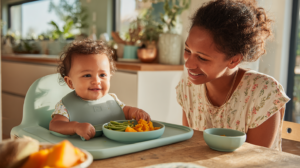
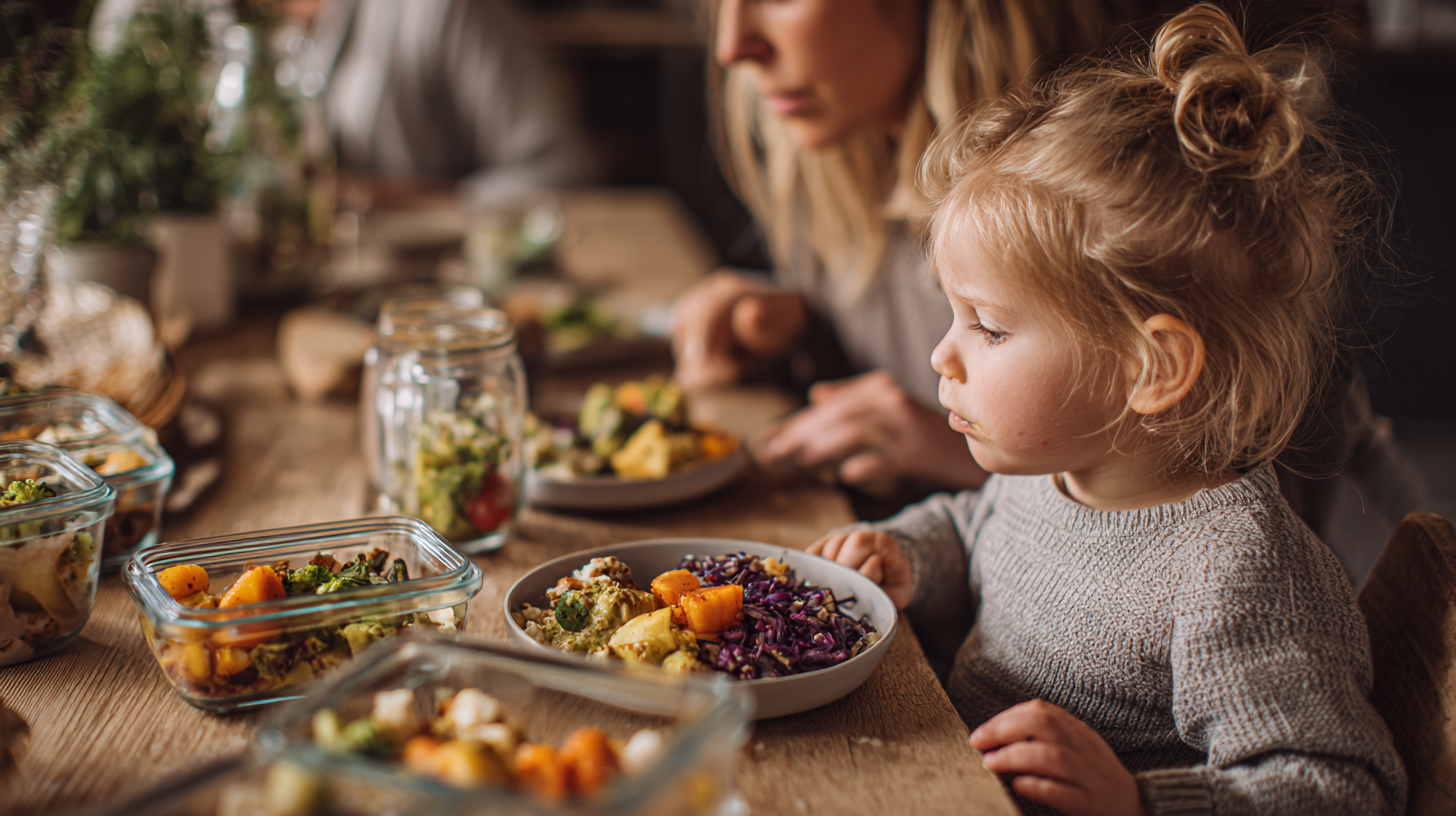
This works beautifully with family meals too. If you’re making dishes like Caribbean-inspired recipes featuring ingredients like coconut rice and red peas or sweet potato and callaloo, you can easily adapt portions for both adults and older babies, stretching your cooking efforts across multiple meals and family members.

Breaking Down the Myths That Keep You Stuck
Tap Each Myth to Reveal the Truth
“Leftovers are boring and everyone complains”
When properly transformed, leftovers become entirely new meals. The real issue isn’t leftovers—it’s repetition. Change the sauce, change the grain, change the vegetables, and you’ve created something fresh.
“Planning leftovers takes too much time”
Planning actually SAVES time. Spending 10 minutes planning on Sunday saves you hours throughout the week. It’s the difference between reactive scrambling and proactive peace.
“My family won’t eat leftovers”
They’re already eating “leftovers” at restaurants—they just don’t know it. Most commercial kitchens use components prepared in advance. When done right, no one can tell the difference.
“You need special containers and storage systems”
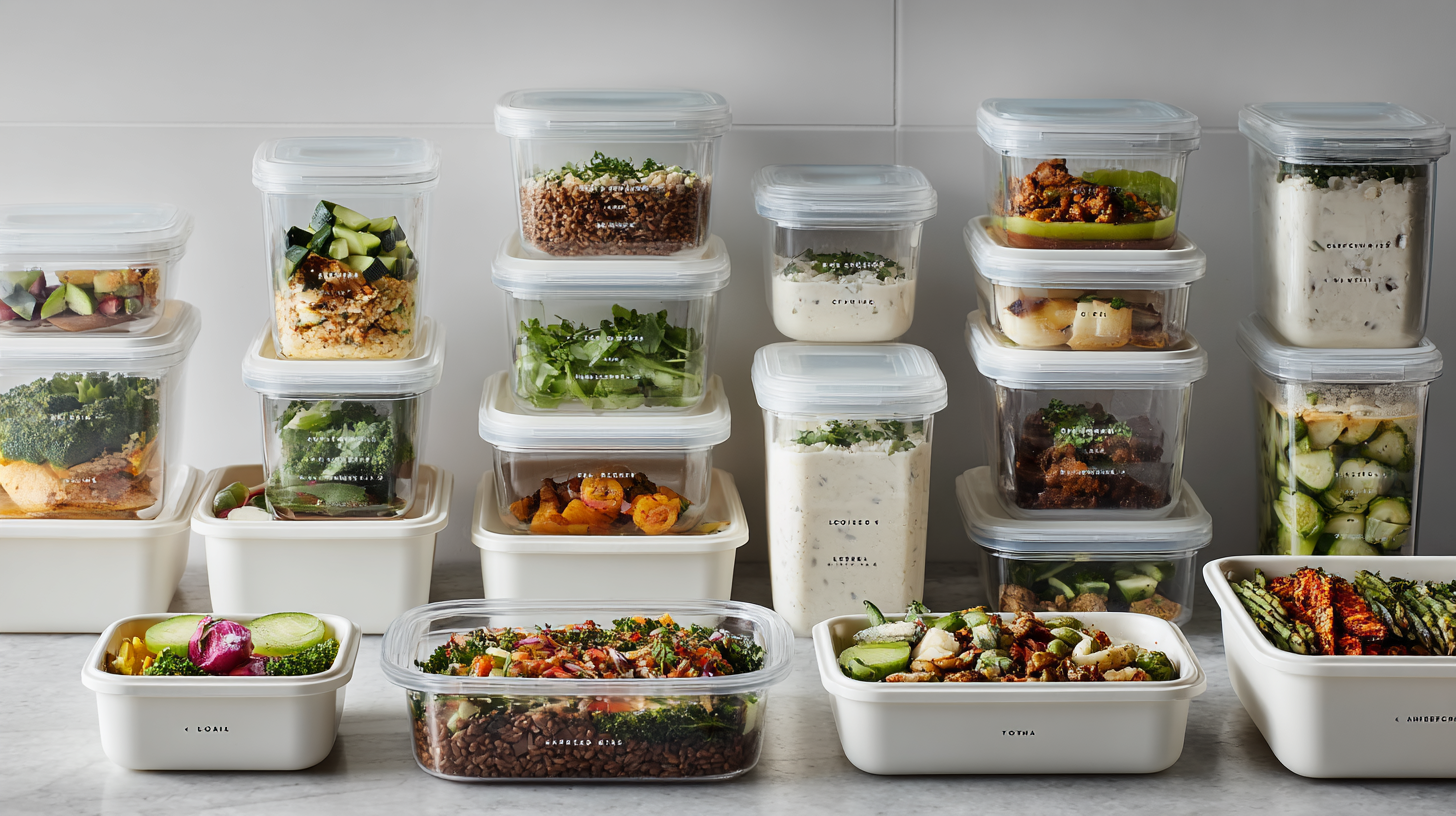
While good containers help, you don’t need anything fancy. Regular glass jars, reusable containers, or even covered bowls work perfectly fine. Start with what you have.
Real Implementation Strategies That Actually Work
Let’s get practical. Here’s how real families are implementing strategic leftovers without the overwhelm:
The “Cook Once, Eat All Week” Approach: This method involves families doubling recipes with the intent to freeze or repurpose, dramatically reducing weeknight cooking demands. You’re essentially batch cooking, but in a way that doesn’t feel like you’re eating the same thing repeatedly.
Planned Leftover Nights: Many busy families dedicate one specific night per week to consuming all remaining food in the fridge—they call it “Use It Up Night” or “Leftover Buffet Night.” This creates accountability and prevents food from going to waste while making it feel special rather than like an afterthought.
The Base Ingredient Method: Prepare versatile base ingredients like plain cooked chicken, grains, or beans, then vary the final meal by changing sidebar elements, sauces, or cuisines. One night it’s teriyaki chicken with rice, the next night it’s chicken tacos with beans, and the following night it’s chicken pasta with marinara. Different meals, same protein, minimal additional cooking.
The Repurposing Strategy: This is where creativity shines. Roasted vegetables become soup or quesadilla filling. Stale bread transforms into croutons or bread pudding. Vegetable scraps are saved for homemade broth. Nothing goes to waste because everything has a second (or third) purpose.
For families with young children, this approach becomes even more valuable. When you’re introducing solid foods and dealing with picky eaters, having versatile base ingredients means you can quickly adapt meals for different age groups and preferences. Recipes like those found in the Caribbean Baby Food Recipe Book—featuring adaptable dishes like cornmeal porridge, coconut rice, or plantain-based meals—show how one batch can serve babies, toddlers, and adults with minimal adjustments.
The Weekly Strategic Leftover Blueprint
Here’s what a week of strategic leftovers might actually look like in practice:
Sunday: Roast a large batch of seasoned chicken thighs with Caribbean spices, cook a pot of rice and beans, and roast a big pan of mixed vegetables. Total time: about 90 minutes, but you’re setting yourself up for success all week.
Monday: Serve the chicken as is with rice and vegetables. Easy, fresh-feeling meal with zero additional cooking.
Tuesday: Shred leftover chicken, mix with BBQ sauce, and serve in tortillas with coleslaw. Feels like a completely different meal, takes 15 minutes to put together.
Wednesday: Use remaining rice and beans as a base for burrito bowls with fresh toppings like avocado, cheese, salsa, and any remaining chicken. Assembly-only dinner—kids can even help.
Thursday: Transform leftover roasted vegetables into a frittata or soup, served with toast. New cooking required: 20 minutes max.
Friday: Pizza night using store-bought dough but topped with any remaining vegetables and proteins. Feels special, uses up odds and ends.
Saturday: Fresh cooking day or eat out—you’ve earned it after a week of efficient meals.
Notice the pattern? One big cooking session feeds you for most of the week, with minimal daily cooking required. Each meal feels different because you’re transforming ingredients, not just reheating the same plate.
Tap each challenge as you complete it!
Overcoming the Real Challenges
Let’s be honest: strategic leftover planning isn’t without its challenges. The most commonly cited obstacles are time management, meal monotony, storage limitations, and maintaining motivation for consistent meal prep. But here’s the thing—every single one of these challenges has a practical solution.
Time Management: Yes, the initial planning takes time. But remember, you’re trading 10-15 minutes of planning for hours of daily cooking. It’s an investment with immediate returns. Start small—plan just 3-4 days instead of a full week.
Meal Monotony: This is the biggest complaint, and it’s completely valid. The solution? Focus on transformation, not repetition. Change the format (tacos → bowls → wraps), change the cuisine (Mexican → Asian → Mediterranean), and change the temperature (hot → cold salad → sandwich). Same ingredients, wildly different experiences.
Storage Limitations: You don’t need a massive fridge or fancy containers. Prioritize what needs refrigeration versus what can be frozen. Use vertical space with stackable containers. Clear out your fridge weekly so you’re starting fresh.
Maintaining Motivation: Track your wins. Notice how much less stressed you feel on Tuesday when dinner’s already planned. Count the money you’re saving. Measure the extra time you have with your family. These visible results keep you going when motivation wanes.
Social media conversations reveal that while some users champion creative transformations and batch-cooking, others note barriers such as picky eaters or flavor fatigue. The solution often lies in involvement—when family members help plan or prepare meals, they’re more invested in eating them.
The Environmental and Financial Impact You Can’t Ignore
Here’s something that might surprise you: Around 25% of household food waste in the UK is due to cooking or preparing too much food, which translates to 1.1 million tonnes of food valued at nearly £5 billion annually. In the United States, the numbers are even more staggering—families discard an average of $1,500 worth of groceries per year, contributing to $382 billion in surplus food nationwide.
When you practice strategic leftovers, you’re directly addressing this massive waste problem. Every meal you plan is a meal that doesn’t get thrown away. Every repurposed ingredient is money staying in your pocket instead of going in the trash.
But it’s not just about money—it’s about environmental impact. Food waste in landfills produces methane, a greenhouse gas 25 times more potent than carbon dioxide. When you reduce your food waste, you’re making a measurable difference in your carbon footprint. It’s one of the most impactful things individuals can do for the environment, and it happens right in your kitchen.
What Experts and Everyday Families Are Saying
Notable voices in the food sustainability space—like Daniel Dixon from UMaine Sustainability and culinary bloggers focused on zero-waste cooking—advocate for household “micro supply chains” and ingredient versatility for sustainable, efficient meal systems. They’re seeing what families have known intuitively: cooking with intention creates less waste and more peace.
The “Leftover Transformation System” is appearing more frequently in meal planning communities, with families sharing their creative repurposing strategies online. Social media platforms like Reddit, TikTok, and Facebook groups show engaged communities discussing catchall recipes, freezer batch cooking, and mixing different cuisines with sauces or toppings to avoid food monotony.
Even schools are getting involved. Pilot interventions like the Re-Licious program actively teach adolescents to convert leftovers into appealing new dishes, working to change attitudes toward food waste from a young age. This generational shift suggests that strategic leftover planning isn’t just a trend—it’s becoming a fundamental life skill.
Looking Ahead: The Future of Family Meal Planning
Interest in intentional leftover strategies is forecast to grow as households increasingly seek solutions for time savings, food inflation, and sustainable living. As food costs continue to rise and time becomes increasingly precious, the strategic leftover approach isn’t just smart—it’s essential.
We’re seeing the emergence of automation and smart kitchen tools that help with tracking inventory, generating meal plans, and suggesting leftover repurposing recipes in real time. While you don’t need fancy technology to implement strategic leftovers, these tools can make the process even smoother for tech-savvy families.
There’s also potential for subscription meal planning services and apps to include smart leftover features like auto-adjusting shopping lists, recommending repurposing options, and tracking expiry dates. The meal planning industry is catching up to what families have been doing intuitively for generations.
The Secret Strategy That Changes Everything
There’s one game-changing strategy that successful meal planners use but rarely talk about…
The secret? They cook for tomorrow while cleaning up today.
While you’re already in cleanup mode with the cutting board out and the kitchen messy, spend 10 extra minutes prepping components for tomorrow’s meal. Chop vegetables for tomorrow’s stir-fry. Season chicken for tomorrow’s dinner. Cook extra rice.
This strategy leverages a psychological principle called “task batching”—you’re already in “kitchen mode,” so the additional effort feels minimal. But those 10 minutes save you 30-40 minutes the next day when you’re tired and hungry.
The families who successfully maintain strategic leftover systems aren’t superhuman—they just understand that the easiest time to prep tomorrow’s dinner is while you’re already cleaning up from today’s.
Your Simple Starting Point
If you’re feeling overwhelmed, take a breath. You don’t need to overhaul your entire meal planning system overnight. Here’s the truth that took me years to learn: you don’t need to see every step of the path—just the next one.
Start with one strategic leftover meal this week. Just one. Roast extra chicken. Cook extra rice. Make a bigger batch of beans. Then, the next day, transform it into something new. Notice how much easier dinner was. Notice the time you saved. Notice the reduced stress.
Once you experience that win, you’ll naturally want to do it again. And again. And before you know it, strategic leftovers aren’t something you’re “trying”—they’re just how you cook.
For families introducing solid foods to babies or managing multiple age groups at the table, starting with versatile, adaptable recipes makes this transition even smoother. Resources like the Caribbean Baby Food Recipe Book with its 75+ adaptable recipes featuring ingredients like sweet potatoes, coconut milk, plantains, and beans provide the exact kind of flexible foundation that works for strategic leftover planning across all family members.
The Life You Get Back
Remember at the beginning when we talked about $1,500 of wasted food per year? About 25% of household waste coming from cooking too much without a plan? About the exhaustion of cooking from scratch every single night?
Strategic leftovers fix all of that. But more importantly, they give you something back that you can’t put a price on: your time and your peace of mind.
When you’re not spending an hour every night figuring out what to cook, shopping for ingredients, and cleaning up afterward, you get that time back. Time to play with your kids. Time to pursue a hobby. Time to just sit down without feeling guilty that you should be doing something productive.
The real success isn’t just in the money saved or the food waste reduced—it’s in the stress that melts away when you open your fridge on Tuesday night and dinner is already halfway done. It’s in the confidence of knowing that even on your hardest days, your family will still eat well because you planned ahead when you had the energy.
At the end of the day, strategic leftovers aren’t really about food at all. They’re about reclaiming your time, reducing your mental load, and creating space for what actually matters. They’re about working smarter, not harder. They’re about giving yourself permission to take shortcuts that aren’t really shortcuts at all—they’re just smarter systems.
So here’s my challenge to you: Don’t wait for the perfect moment to start. Don’t wait until you have all the right containers or the perfect meal plan template. Start today with whatever you’re cooking for dinner tonight. Make extra. Plan what you’ll do with it tomorrow. Notice the difference.
Because the truth is, the only thing standing between you and a more efficient, less stressful kitchen routine is the decision to try something different. And you don’t need to know every step of the journey—just the next one.
Your future self—the one who isn’t stressed about dinner every night, who has extra time in the evening, who’s saving hundreds of dollars a month—is waiting for you to take that first step. So take it. Make those strategic leftovers. Transform them into something delicious. And watch as your entire relationship with cooking begins to shift.
The magic isn’t in perfect execution. It’s in starting before you feel ready and learning as you go. So go ahead—cook that extra chicken, make that double batch of rice, roast those extra vegetables. Your week-from-now self will thank you.

Kelley's culinary creations are a fusion of her Caribbean roots and modern nutritional science, resulting in baby-friendly dishes that are both developmentally appropriate and bursting with flavor. Her expertise in oral motor development and texture progression ensures that every recipe supports your little one's feeding milestones while honoring cultural traditions.
Join Kelley on her flavorful journey as she shares treasured family recipes adapted for tiny taste buds, evidence-based feeding guidance, insightful parenting anecdotes, and the joy of celebrating food, culture, and motherhood. Get ready to immerse yourself in the captivating world of Kelley Black and unlock the vibrant flavors of the Caribbean for your growing baby, one nutritious bite at a time.
- The Feeding Revolution: Why Your Everyday Meals Are Changing the World - October 13, 2026
- Your Feeding Story Matters More Than The “Perfect” One Online - October 12, 2026
- Looking Forward: Stepping Into Your Confident Feeding Future - October 11, 2026