
The Preschool Food Revolution: What Every Parent Gets Wrong About Ages 3-5
What’s YOUR Biggest Preschool Feeding Challenge?
Click to discover personalized insights for YOUR situation
Your Personalized Insight:
Here’s what nobody tells you when your baby graduates from high chair to big kid table: the rules completely change. And I’m not talking about using a fork properly or sitting still for five minutes (though Lord knows we’re working on that too). I’m talking about something deeper, something that catches nearly every parent off guard.
Between ages three and five, your child’s brain and body are orchestrating a nutritional transformation so profound that researchers call it a “critical window.” Yet more than half of U.S. children in this age group consume sugary drinks weekly, and surveys show most preschoolers fall short on vegetables, fruits, and whole grains. The gap between what our children need and what they’re actually eating has never been wider, but here’s the twist: it’s not always about what’s on the plate.
My own wake-up call came on a Tuesday afternoon when my daughter Sienna, then four, announced she would “only eat white foods” for the rest of her life. White rice. White bread. Yogurt if I was lucky. I stood in my kitchen, staring at the rainbow of roasted vegetables I’d lovingly prepared, and realized something: I’d been playing the wrong game entirely. The nutrition advice that worked beautifully at eighteen months had become completely obsolete by age three, and nobody had given me the updated playbook.
The Hidden Science Behind Preschool Appetites
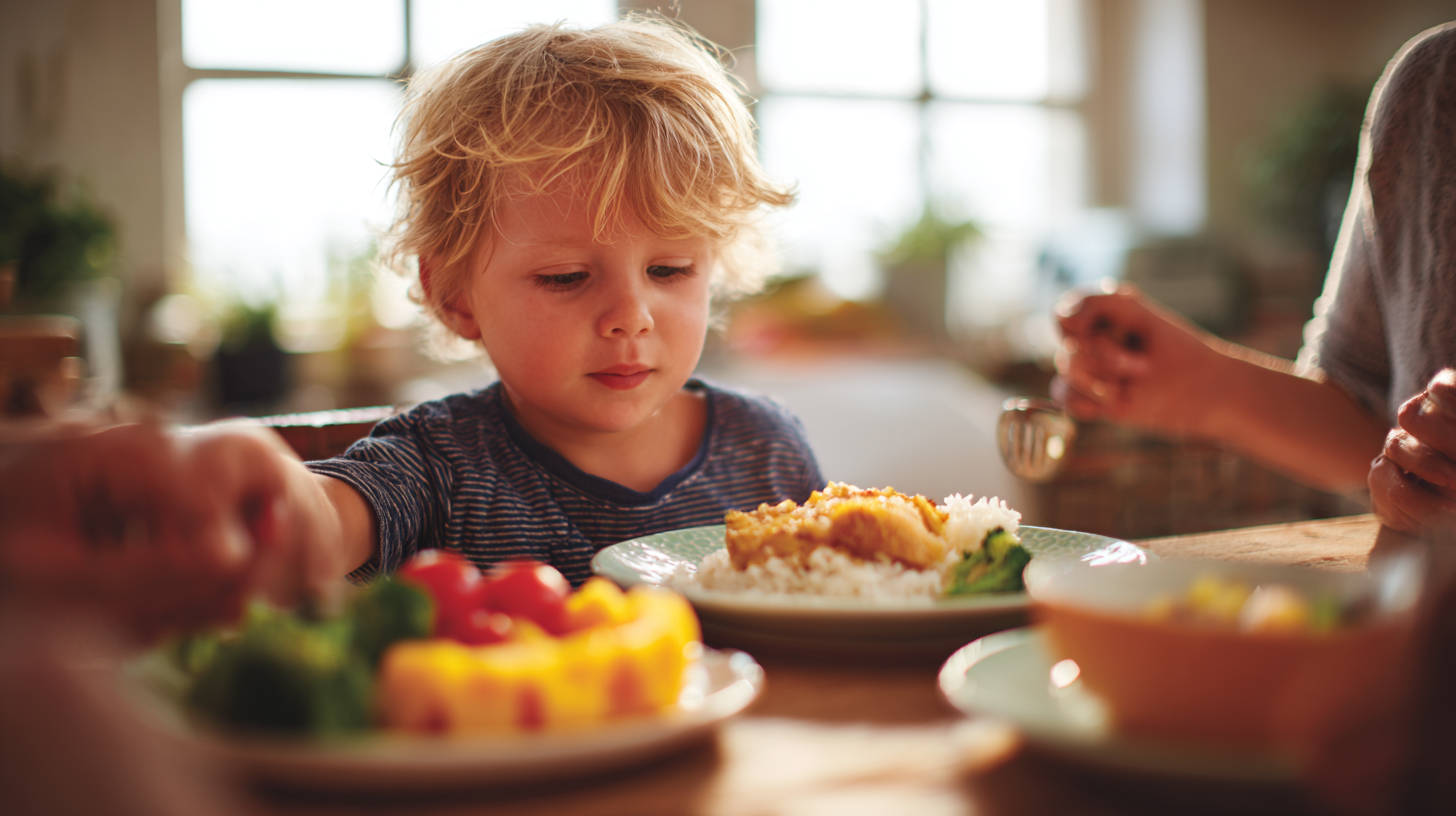
Let’s start with the uncomfortable truth that pediatric nutritionists have known for decades but rarely communicate clearly to parents: your preschooler is biologically programmed to become pickier right now. Food neophobia—the fear and rejection of new foods—peaks between ages two and five, and it’s not a character flaw or parenting failure. It’s evolution doing exactly what it’s supposed to do.
When our ancestors’ toddlers started walking independently, they needed a built-in protection system to prevent them from eating poisonous berries or toxic plants. That ancient survival mechanism is still firing in your modern preschooler’s brain, making them suspicious of anything green, unfamiliar, or “touching” something else on the plate. Research shows that food neophobia significantly affects dietary variety and nutrient intake during these critical years, with nearly one-third of preschoolers experiencing notable aversion to new foods.
But here’s where it gets fascinating: this same period is also when children develop food preferences that can last a lifetime. The preschool years represent a narrow window when taste preferences are still flexible enough to shape, but stable enough to stick. Preschoolers from families who shop at specialized outlets and prioritize minimally-processed foods show measurably healthier eating habits that persist into later childhood. The patterns you establish now—not through force, but through consistent, positive exposure—become the foundation for decades of food choices.
The nutrition needs during ages three to five are equally specific. Growth slows compared to the baby and toddler years, but brain development remains rapid. Preschoolers need adequate protein for muscle development, calcium and vitamin D for bone growth, iron for cognitive function, and healthy fats for brain maturation. Yet hidden hunger—micronutrient deficiencies even in well-fed children—affects nearly half of children under five globally, with consequences for growth, immunity, and cognitive development that can echo for years.
The Social Eating Revolution
Something magical and maddening happens around age three: your child suddenly cares deeply about what other people think. This social awareness transforms mealtimes from simple nutrition delivery into complex social events filled with peer pressure, modeling, and identity formation.
Research consistently shows that preschoolers are significantly more likely to try new foods when they see peers or adults eating them enthusiastically. The child who refuses broccoli at home will sometimes devour it at preschool because “Emma eats it.” This peer influence can work for you or against you, which is why the eating environment during these years matters as much as the food itself.
But social influence extends far beyond the preschool cafeteria. Digital exposure now plays an enormous role in shaping preschooler food preferences, often in ways parents don’t fully recognize. Studies reveal that preschoolers regularly encounter food marketing—overwhelmingly for ultra-processed foods—through apps, videos, and even educational content. Social media reshapes children’s diets and body image with alarming consequences, introducing brand preferences and cravings for foods they’ve never even tasted in real life.
The implications are profound: a preschooler’s food world is no longer limited to what you serve at home or what’s available at school. They’re absorbing messages about food from screens, from other children, from packaging, and from the broader food culture in ways that previous generations never experienced. Parents who successfully navigate this stage don’t try to control every influence—an impossible task—but instead become active guides, helping their children develop critical thinking about food messages even at this young age.
The Neophobia Assessment: Where Does Your Child Fall?
Discover your child’s neophobia level and get targeted strategies
Select all behaviors you’ve observed in the past month:
Your Child’s Neophobia Profile:
Independence vs. Guidance: The Preschool Paradox
Every preschool parent knows this contradiction intimately: your child screams “I do it myself!” while simultaneously lacking the judgment to make reasonable decisions. This tension plays out most intensely at mealtimes, where the stakes feel high and the power struggles escalate quickly.
The research on this is remarkably clear, even though the execution remains challenging: experts advocate for responsive feeding, where parents provide healthy choices and children decide what and how much to eat, rather than pressuring children to “clean their plate.” This division of responsibility—you control what, when, and where; they control whether and how much—sounds simple but requires tremendous parental restraint in practice.
Here’s why it matters: surveys show that three in five parents play “short order cook” for young children who don’t like dinner, preparing separate meals to ensure their child eats something. While this comes from a place of love and concern, it can actually undermine the child’s developing autonomy and relationship with food. Children who are pressured to eat or who have food restricted show increased risk for disordered eating patterns and emotional eating issues that can persist into adolescence and beyond.
The alternative approach requires patience most parents don’t naturally possess. It means serving family-style meals where preschoolers can choose what to put on their plates from offered options. It means allowing them to serve themselves (even if they take microscopic portions or heap on too much). It means not commenting on how much they eat, not bribing with dessert, and not turning mealtimes into negotiations.
But here’s the remarkable part: children who are given appropriate autonomy within clear boundaries actually develop better self-regulation around food. They learn to recognize internal hunger and fullness cues rather than eating because they’re told to or stopping because the plate is empty. They’re more willing to try new foods when there’s no pressure. And they develop a healthier relationship with eating that serves them far beyond the preschool years.
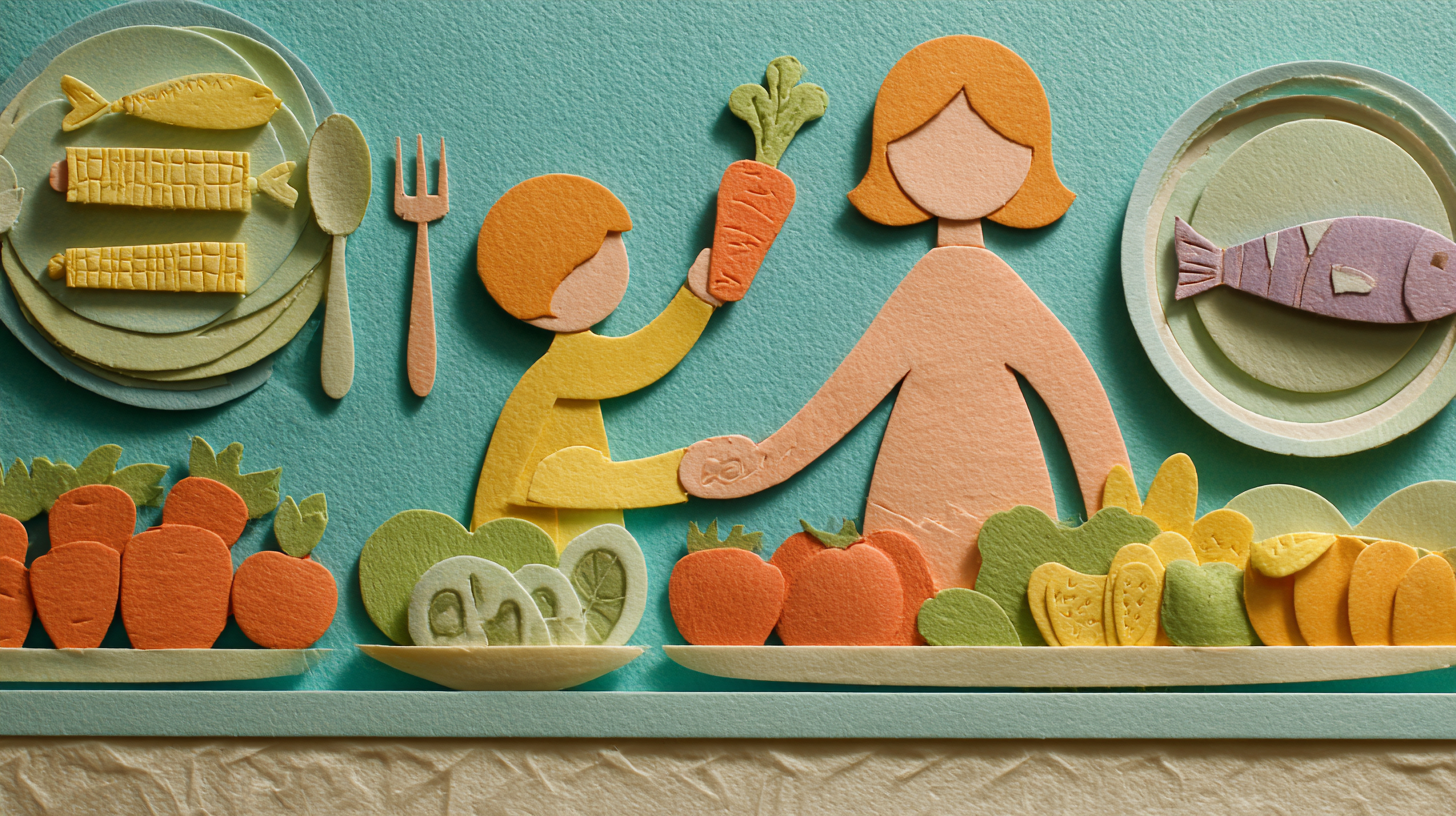
For parents raising preschoolers with Caribbean roots, this autonomy can be beautifully blended with traditional food culture. Introducing complex flavors early—like those found in dishes such as Calabaza con Coco or Yellow Yam & Carrot Sunshine from the Caribbean Baby Food Recipe Book—gives children the power to explore their heritage through food while developing sophisticated palates. The key is offering these traditional foods without pressure, allowing curiosity rather than obligation to drive acceptance.
Preparing for the School Transition
The transition to formal schooling brings a seismic shift in your child’s eating patterns, and most families are completely unprepared for it. Suddenly your child faces new challenges: eating within a specific time window, navigating a cafeteria or lunchbox situation, managing social dynamics around food, and making independent decisions without parental guidance.
Child nutrition programs served 9.3 billion meals in U.S. schools in 2024, representing a massive influence on young children’s food habits and health outcomes. For many preschoolers, school meals become their primary source of nutrition, making the quality and acceptance of these meals critically important. Research shows that well-designed kindergarten meal programs can improve daily intake of vegetables, whole grains, and other nutrient-dense foods, but only if children actually eat them.
The months before school starts represent a golden opportunity to build food independence skills that will serve your child throughout their academic years. This preparation isn’t about teaching them to open difficult packaging (though that helps). It’s about developing the confidence to navigate unfamiliar food situations, the language to communicate preferences and needs, and the skills to self-regulate in group eating environments.
Practical preparation looks like this: practice packed lunch scenarios at home, letting your child help choose and prepare simple foods they can manage independently. Teach them to recognize when they’re hungry versus bored or anxious. Role-play cafeteria situations—what to do if they don’t like what’s served, how to ask for help, how to navigate peer pressure around food. Introduce the concept of “sometimes foods” and “everyday foods” without creating forbidden fruit scenarios that backfire.
The social aspect of school eating deserves particular attention. For many preschoolers, eating becomes a social activity for the first time, complete with comparison, judgment, and the desperate desire to fit in. Children whose lunches look “different” may face questions or even teasing. Children who haven’t been exposed to certain foods may feel left out. But children who have been given opportunities to talk about food diversity, to see eating as both nourishment and pleasure, and to feel confident in their own food choices tend to navigate these social waters much more successfully.
School Readiness Food Scenarios
How would YOUR child handle these real school situations?
The Caribbean Advantage in Preschool Nutrition
Here’s something that doesn’t get nearly enough attention in mainstream nutrition discussions: Caribbean food traditions offer remarkable advantages for preschool nutrition, if parents know how to leverage them properly during this stage.
Traditional Caribbean diets emphasize exactly what preschoolers need: complex carbohydrates from ground provisions like yams and sweet potatoes, plant-based proteins from peas and beans, healthy fats from coconut, and a rainbow of fruits and vegetables. These aren’t trendy superfoods that cost a fortune at specialty stores—they’re affordable, accessible staples that have nourished generations of children.
But the real advantage isn’t just nutritional—it’s cultural and practical. Preschoolers are beginning to form their identity, and food becomes a powerful expression of who they are and where they come from. Children who grow up eating and celebrating their cultural foods develop a sense of pride and belonging that extends far beyond mealtimes. They’re less vulnerable to the pressure to conform to mainstream food culture that often emphasizes processed convenience over nourishment.
The challenge many Caribbean families face is adapting traditional recipes to preschooler preferences without losing the essential flavors and nutrients. A four-year-old probably isn’t ready for full-strength curry or heavily seasoned stew peas, but they can absolutely enjoy gentler versions that introduce these flavors gradually. Recipes like Plantain Paradise, Coconut Rice & Red Peas, or Sweet Potato & Callaloo Rundown from the Caribbean Baby Food Recipe Book offer age-appropriate entry points to traditional flavors while meeting preschooler nutrition needs.
The key is making these foods part of regular rotation rather than special occasion dishes. When Caribbean foods are everyday foods—not exotic treats or obligation meals—preschoolers internalize them as normal, comfortable, and desirable. They become the reference point against which other foods are measured, rather than the “weird” alternative to mainstream options.
What the Latest Research Reveals
The landscape of preschool nutrition research has evolved dramatically in just the past few years, with findings that should fundamentally change how we think about feeding this age group.
First, the recognition that adequate nutrition in early childhood has implications far beyond physical growth. Recent studies confirm that undernutrition in preschoolers can lead to behavioral deficits and academic struggles that persist for years. The connection between early nutrition and cognitive development is now so well-established that physicians routinely screen for nutrition inadequacy as part of developmental assessments.
Second, the Dietary Guidelines for Americans now include comprehensive recommendations for children from birth to twenty-four months, reflecting a policy shift toward early intervention. This represents growing recognition that nutrition patterns established in the first five years have outsized influence on lifetime health outcomes, making preschool nutrition a public health priority rather than just a parenting concern.
Third, and perhaps most importantly, research now strongly emphasizes systems approaches to preschool nutrition rather than individual behavior change. This means addressing not just what parents serve at home, but also what’s available at preschools, how food is marketed to children, what economic barriers families face, and how policy supports or undermines healthy eating. Recent comprehensive reviews call for coordinated intervent

Kelley's culinary creations are a fusion of her Caribbean roots and modern nutritional science, resulting in baby-friendly dishes that are both developmentally appropriate and bursting with flavor. Her expertise in oral motor development and texture progression ensures that every recipe supports your little one's feeding milestones while honoring cultural traditions.
Join Kelley on her flavorful journey as she shares treasured family recipes adapted for tiny taste buds, evidence-based feeding guidance, insightful parenting anecdotes, and the joy of celebrating food, culture, and motherhood. Get ready to immerse yourself in the captivating world of Kelley Black and unlock the vibrant flavors of the Caribbean for your growing baby, one nutritious bite at a time.
- The Feeding Revolution: Why Your Everyday Meals Are Changing the World - October 13, 2026
- Your Feeding Story Matters More Than The “Perfect” One Online - October 12, 2026
- Looking Forward: Stepping Into Your Confident Feeding Future - October 11, 2026