
The Hidden Truth About Food Assistance: What Nobody Tells You About SNAP, WIC, and School Meals
Before we dive in, let’s reveal something shocking: What you think you know about food assistance programs might be completely wrong. Click through these common beliefs to uncover the real story.
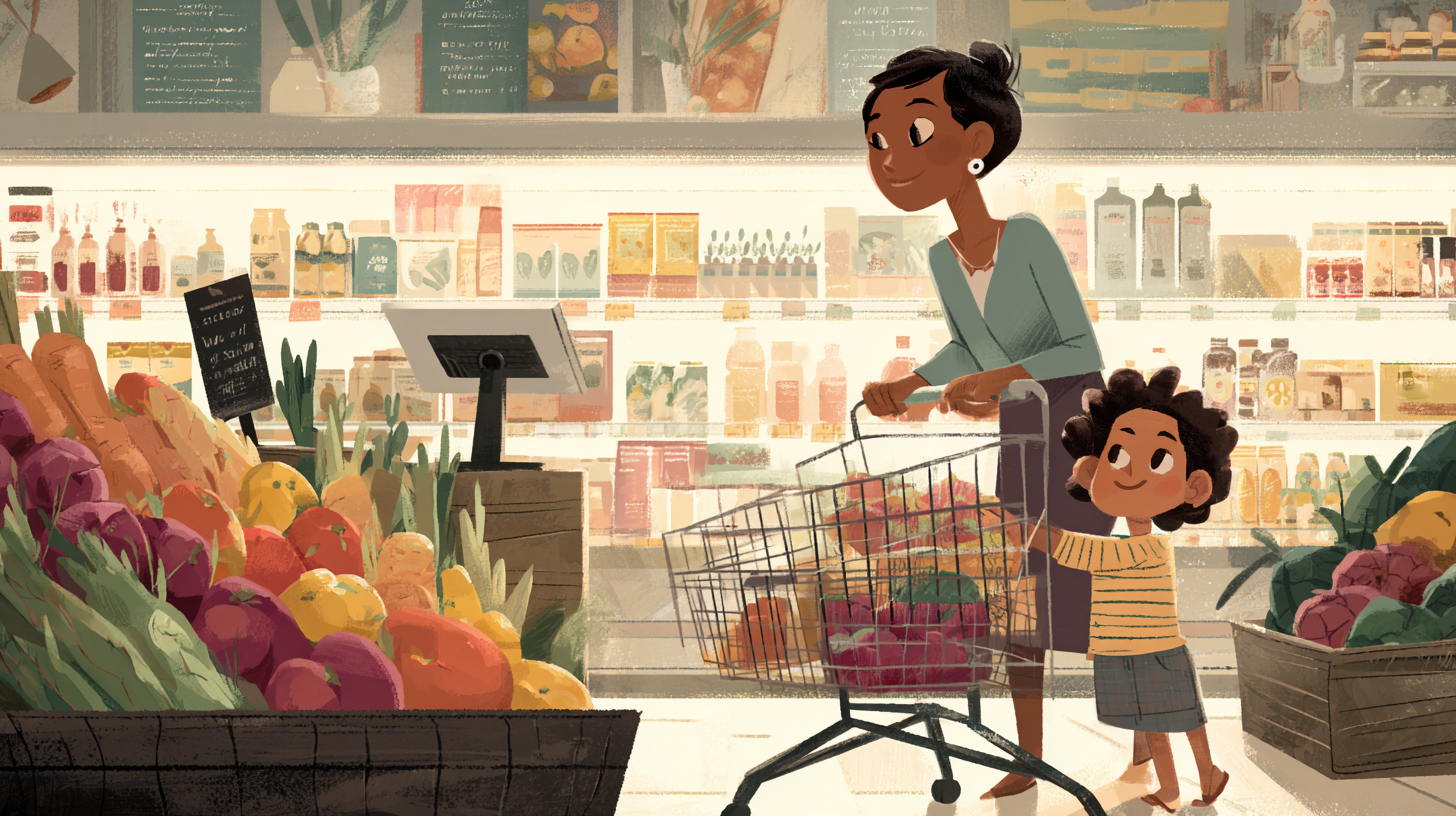
Here’s something I never expected to face: standing in the grocery store checkout line, watching my toddler grab at colorful boxes I couldn’t afford, while my EBT card sat heavy in my wallet. The shame felt crushing. But then something shifted. I realized that millions of families face this exact moment—and most of them don’t know the full truth about the support that’s actually available to them.
The reality is that food assistance programs in America serve over 42 million people, including nearly half of all newborns through WIC. Yet these programs remain shrouded in misunderstanding, stigma, and myths that prevent families from getting the help they desperately need. What I discovered through my own journey—and through extensive research—changed not just how I fed my family, but how I understood food security in America.
What Food Assistance Programs Really Are (And Why You Probably Misunderstand Them)
Let’s start with the basics, because even the names can be confusing. SNAP stands for Supplemental Nutrition Assistance Program—what used to be called food stamps. It’s the largest nutrition assistance program in the United States, providing electronic benefits that work like a debit card at grocery stores and farmers markets. The program began in 1939, evolved through the Food Stamp Act of 1964, and has been continuously refined to meet modern needs.
WIC—the Special Supplemental Nutrition Program for Women, Infants, and Children—was created in the 1970s specifically to address malnutrition among pregnant women, new mothers, and young children. It doesn’t just provide food benefits; it includes nutrition education, breastfeeding support, and healthcare referrals. WIC currently serves about 7 million people and covers nearly half of all babies born in America.
School meal programs—the National School Lunch Program and School Breakfast Program—have been feeding children since the 1960s. In the 2022-2023 school year alone, these programs reached 28.1 million children for lunch and 14.3 million for breakfast. The Community Eligibility Provision, expanded in recent years, now provides free meals to 27.2 million students across more than 54,000 schools without requiring individual applications.
But here’s what most people don’t realize: these programs aren’t just about handing out food. They’re comprehensive safety nets designed to reduce food insecurity by about 20%, prevent developmental delays in children, and actually stimulate local economies. Every dollar spent on SNAP generates between $1.50 and $1.80 in economic activity—supporting farmers, grocery stores, and entire communities.
The programs work together in ways that might surprise you. A family receiving SNAP automatically qualifies for free school meals in most states. WIC benefits complement SNAP by providing specific nutritious foods that babies and young children need most. And when families learn to navigate these programs effectively—something we’ll talk about in detail—they can create a food security foundation that supports healthy development and family stability.
The Numbers That Will Change How You Think About Food Insecurity
Click on your family situation to see the real-world benefits available:
The statistics around food assistance tell a story that’s both heartbreaking and hopeful. In 2023, SNAP served approximately 42 million Americans—that’s roughly one in eight people. Among households with children, 47% of those receiving SNAP are automatically eligible for free school meals, creating a seamless safety net that follows children from home to school.
WIC’s impact is particularly profound for the youngest Americans. The program provides support to about 7 million individuals, covering nearly half of all U.S. newborns. This early intervention is crucial—studies show that WIC participation during pregnancy and infancy leads to better birth outcomes, reduced infant mortality, and improved developmental milestones. For parents introducing their babies to solid foods, the WIC food packages are specifically designed to provide nutrient-dense options like iron-fortified cereals, fruits, vegetables, and whole grains.
School meal programs saw remarkable growth in the 2023-2024 school year, with participation increasing by 1.3 million children compared to the previous year. This surge was largely due to state-level expansion of free meal provisions—eight states now provide free school meals to all students regardless of income, recognizing that eliminating barriers increases participation and reduces stigma. Research consistently shows that students who eat school breakfast have better attendance, improved test scores, and fewer behavioral issues.
But perhaps the most important statistic isn’t about participation—it’s about impact. SNAP reduces the risk of very low food security by about 20%. That might sound modest, but for families living on the edge, it’s the difference between a child going to bed hungry or having a nutritious meal. It’s the difference between a parent skipping meals to feed their children or having enough for everyone. And increasingly, it’s the difference between families being able to afford not just any food, but nutritious, culturally appropriate foods that support healthy development—including ingredients like sweet potatoes, beans, plantains, and fresh produce that appear in traditional recipes across cultures.
Recent changes to these programs have created both opportunities and challenges. In 2024-2025, new federal policies shifted some SNAP funding responsibilities to states for the first time, creating uneven program effects across different regions. Congress also passed the largest cut to SNAP in history, reducing funding by 20%—a change that affects millions of Americans and threatens to increase food insecurity nationwide. At the same time, innovation continues: some states are experimenting with fruit and vegetable incentive programs that give SNAP recipients extra benefits when they purchase fresh produce, effectively doubling their buying power for the healthiest foods.
Breaking Down Every Major Program (The Details They Don’t Tell You)
Understanding each program’s specifics can mean the difference between missing out on hundreds of dollars in monthly benefits and having your family fully supported. Let’s break down what each program actually offers—and the hidden benefits most families never discover.
SNAP (Supplemental Nutrition Assistance Program): The average SNAP benefit is about $195 per person per month, but this varies significantly based on household size, income, and expenses. A family of four might receive $700-$900 monthly. Here’s what most people don’t know: SNAP benefits can be used at over 250,000 retailers nationwide, including many farmers markets where they’re often matched dollar-for-dollar for fresh produce purchases. Some states allow SNAP for online grocery orders through Amazon and Walmart, making it easier for families without transportation to access healthy food.
SNAP eligibility is based on gross income (usually 130% of the federal poverty level, or about $36,000 for a family of four) and net income after deductions for things like housing costs, childcare, and medical expenses. Many working families qualify but never apply because they assume they earn too much. The application process typically takes 30 days, though emergency SNAP can be approved in as little as 7 days for families in crisis.
WIC (Women, Infants, and Children): This program is specifically designed for pregnant women, new mothers (including those who are breastfeeding or formula-feeding), and children under age 5. WIC provides monthly food packages tailored to nutritional needs at each stage. For infants, this includes formula (if not breastfeeding), iron-fortified infant cereal, and baby food fruits and vegetables. For young children, it includes milk, eggs, whole grains, fruits, vegetables, peanut butter, and beans.
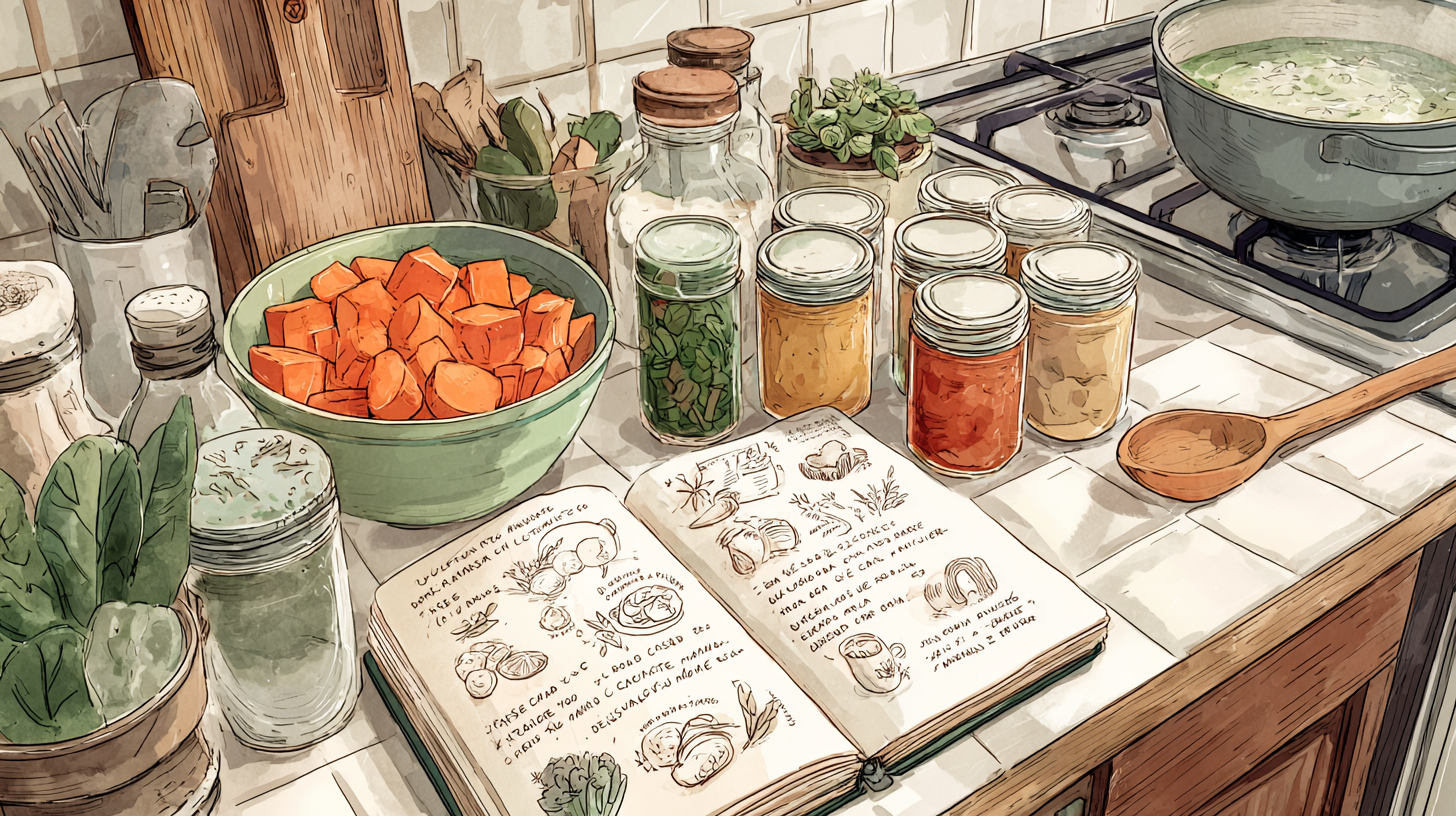
What makes WIC unique is its nutrition education component. Participants receive personalized counseling on topics like introducing solid foods, managing picky eating, and preparing nutritious meals on a budget. Many WIC programs now offer classes on making homemade baby food—teaching parents how to prepare nutrient-dense purees and finger foods that introduce babies to a variety of flavors and textures. These skills align beautifully with approaches that emphasize authentic, flavorful foods from the start, including recipes featuring ingredients like sweet potatoes, mangoes, coconut milk, and beans that WIC benefits can help families afford.
WIC eligibility extends to 185% of the federal poverty level (about $53,000 for a family of four), making it accessible to more families than SNAP. Importantly, even if you’re already receiving SNAP, you can and should also apply for WIC if you have young children—the benefits stack, providing comprehensive support.
School Meal Programs: The National School Lunch Program and School Breakfast Program operate in nearly all public schools and many private schools. Children from households at or below 130% of poverty receive free meals; those between 130-185% receive reduced-price meals (no more than 40 cents for lunch, 30 cents for breakfast). Many districts also participate in the Community Eligibility Provision, which provides free meals to all students in high-poverty schools without requiring individual applications.
Here’s a little-known benefit: summer meal programs continue feeding children when school is out. Through the Summer Food Service Program, millions of children can receive free meals at parks, community centers, libraries, and other sites. There’s also the Pandemic-EBT program, which provides grocery benefits to families when schools close or switch to virtual learning—a benefit that continues evolving to meet changing needs.
The Emergency Food Assistance Program (TEFAP): This often-overlooked program supplies food banks and pantries with USDA commodities. If you’re using a local food bank, you’re likely benefiting from TEFAP without even knowing it. These resources complement other assistance and don’t require the same application processes—they’re available to anyone who needs them.
Senior Nutrition Programs: For grandparents raising grandchildren or elderly family members, the Commodity Supplemental Food Program and Senior Farmers Market Nutrition Program provide additional support specifically designed for older adults’ nutritional needs.
The Application Process Demystified (Step-by-Step, No Confusion)
Track your progress as you work through the application process. Click each step as you complete it:
The application process intimidates many families, but breaking it down into clear steps makes it manageable. Here’s the truth about applying that caseworkers wish everyone knew from the start.
For SNAP: You can apply online through your state’s Department of Social Services website, by phone, by mail, or in person at a local office. The online application typically takes 30-45 minutes if you have all your documents ready. You’ll need proof of identity (driver’s license, birth certificate), proof of residence (utility bill, lease agreement), proof of income (recent pay stubs, benefit statements), and information about your expenses (rent/mortgage, childcare costs, medical bills for elderly or disabled household members).
After submitting your application, you’ll be contacted for an eligibility interview—this can usually be done by phone. The interview isn’t designed to trip you up; it’s simply to verify your information and ensure you receive the correct benefit amount. Be honest about your situation. If you have irregular income or expenses that vary month-to-month, explain this clearly. Caseworkers can work with you to calculate average amounts.
One crucial tip: Don’t withdraw your application if you think you might not qualify. Let the agency make that determination. Many families who assume they earn too much are actually eligible once deductions for housing, childcare, and medical costs are factored in. The worst that can happen is you’re denied—and even then, you’ll have a clear understanding of what would need to change for you to qualify in the future.
For WIC: WIC applications are processed through local health departments or WIC clinics. You’ll need proof of identity and residence, proof of income (or proof that you already receive SNAP, Medicaid, or TANF—which automatically qualifies you for WIC), and you’ll need to bring your children with you for initial certification. The appointment includes basic health screenings (height, weight, hemoglobin check) and a nutrition assessment.
The WIC appointment is actually an opportunity to ask questions about your child’s nutrition and development. Staff are trained to provide guidance on everything from breastfeeding challenges to introducing solid foods to managing food allergies. Don’t hesitate to discuss your concerns about your baby’s eating habits, growth, or any dietary restrictions—this personalized support is one of WIC’s greatest strengths.
For School Meals: Most schools include meal applications in back-to-school packets. You can also apply online through your school district’s website or pick up a paper application at the school office. If your family receives SNAP, Medicaid, or TANF, your children are automatically eligible for free meals—you just need to list your case number on the application rather than providing income information.
Here’s something many families don’t realize: school meal eligibility is household-based, but the application is confidential. Other students, teachers, and even school staff outside the meal program office don’t know which children receive free or reduced-price meals. All students use the same payment system, whether they’re paying full price, reduced price, or eating free.
Maximizing Your Benefits (The Strategies Nobody Shares)
Click your current situation to discover which combination of programs could work for you:
Getting approved for benefits is just the beginning. Truly maximizing these programs requires understanding strategies that dramatically increase their value—approaches that advocates and experienced recipients use but that aren’t advertised anywhere.
Stack Your Benefits Strategically: Many families don’t realize they can receive multiple forms of assistance simultaneously. If you qualify for SNAP, you should absolutely also apply for WIC if you have young children—the benefits complement rather than compete with each other. WIC provides specific nutritious foods for babies and young children, while SNAP covers everything else your household needs. Together, they can reduce your food costs by 60-70%.
Additionally, SNAP eligibility often makes you automatically eligible for other programs like Lifeline (reduced-cost phone and internet service), utility assistance programs, and reduced fees for various services. Always mention that you receive SNAP when applying for other assistance—it can streamline the process significantly.
Time Your Purchases Wisely: SNAP benefits are typically loaded onto your EBT card once monthly on a designated date. Many experienced recipients split their shopping into strategic trips: one major stock-up shopping trip right after benefits load, focusing on shelf-stable items and ingredients that can be frozen; then smaller trips throughout the month for fresh produce and dairy. This prevents the feast-or-famine cycle that many families experience.
For WIC, benefit packages are issued in monthly allotments that must be used within specific timeframes—usually they’re valid for the month issued plus the following month. Don’t let WIC benefits expire. If you can’t use everything, consider sharing the shopping trip with a friend or family member who’s also on WIC, or adjust your meal planning to incorporate more WIC-approved foods.
Leverage Farmers Market Incentives: Many states offer farmers market nutrition programs that match your SNAP or WIC benefits dollar-for-dollar when purchasing fresh produce. This means if you spend $20 in SNAP benefits on fruits and vegetables at a participating farmers market, you receive an additional $20 to spend on more produce. These programs effectively double your buying power for the healthiest foods and support local farmers simultaneously.
Master Budget-Friendly Meal Planning: The families who stretch their benefits furthest are those who plan meals around versatile, nutrient-dense ingredients. Think dried beans and lentils, whole grains like rice and oats, seasonal vegetables, eggs, and affordable proteins like chicken thighs. These ingredients form the foundation of countless nutritious meals across cultures—from Caribbean rice and peas to simple vegetable stir-fries to hearty bean soups. When you’re cooking for babies and toddlers, these same ingredients can be easily adapted into age-appropriate purees and soft foods, introducing your little ones to real flavors while keeping costs manageable.
Many parents find that preparing homemade baby food from the same ingredients they’re using for family meals is both economical and nutritious. Resources that teach these techniques—showing how to transform simple ingredients like sweet potatoes, plantains, mangoes, and coconut milk into delicious first foods—can help families maximize both their SNAP and WIC benefits while exposing babies to diverse flavors from the start.
Build Relationships with Your Caseworkers: Your SNAP or WIC caseworker isn’t your adversary—they’re a resource. When circumstances change (you lose hours at work, your rent increases, you have unexpected medical expenses), report these changes promptly. Your benefits might increase. Similarly, if you’re struggling to afford certain necessities, ask your caseworker about additional resources. They often know about local programs, emergency assistance, and community resources that can help fill gaps.
Take Advantage of Nutrition Education: Both SNAP and WIC offer nutrition education programs—and these aren’t just boring lectures. Many programs include cooking classes, recipe demonstrations, grocery store tours, and practical workshops on topics like meal prep, food budgeting, and cooking with kids. The skills you learn in these programs have lasting value, helping you make the most of your benefits and continue eating well even after you no longer need assistance.
Confronting and Conquering Stigma (The Conversation We Need to Have)
How would you respond in these real-world scenarios? Click to see empowering responses:
Let’s talk about the elephant in the room: the shame and stigma surrounding food assistance. Research shows that stigma is widespread and strongly discourages eligible families from applying for or using benefits. In a 2024 study, 47% of Americans reported experiencing stigma associated with government food assistance, with many feeling judged by others or even anticipating judgment that never actually occurs.
Here’s what I learned through my own experience: the shame you feel says more about societal misconceptions than about you or your family. The truth is that most people who receive food assistance are working—70% of SNAP households with children have at least one working adult. Many are working full-time at minimum wage or slightly above, in jobs that simply don’t pay enough to cover basic necessities in today’s economy. This isn’t a failure on your part; it’s a reflection of stagnant wages, rising costs, and economic structures that leave working families struggling.
The stigma stems from persistent myths: that people on assistance are lazy, that they’re “gaming the system,” that they’re using benefits to buy luxury items while “real taxpayers” foot the bill. Every single one of these myths is demonstrably false. Fraud rates in SNAP are less than 1%—making it one of the most accurately administered federal programs. The average SNAP recipient uses benefits for just 8-10 months before their situation improves and they no longer need assistance. And far from being a drain, these programs generate significant economic activity while reducing healthcare costs and improving children’s long-term outcomes.
But knowing these facts intellectually doesn’t always ease the emotional weight. So here are practical strategies for confronting and overcoming stigma:
Reframe Your Narrative: You’re not “taking a handout”—you’re accessing a program your tax dollars (or your parents’ or community members’ tax dollars) have funded. These programs exist precisely for moments like this, for families like yours. Using them isn’t shameful; it’s smart. It’s taking care of your family by accessing resources designed to help.
Find Your Community: Connecting with other families who use food assistance can be incredibly validating. Online communities, local parent groups, and even conversations at WIC appointments can help you realize you’re far from alone. When you hear others’ stories—the single mom working two jobs, the family recovering from medical bankruptcy, the laid-off professional navigating unemployment—you recognize that food insecurity affects people across all backgrounds and circumstances.
Educate When You Can, Ignore When You Must: If someone makes an ignorant comment, you can choose to educate them—or you can choose to ignore them entirely. Neither response is wrong. Some people are genuinely misinformed and might shift their perspective when confronted with facts. Others are willfully judgmental, and engaging with them only drains your energy. Trust your instincts about which situations warrant a response.
Focus on Your Children: When stigma feels overwhelming, remind yourself why you’re doing this. Every meal your child eats because of these benefits supports their growth, their brain development, their ability to learn and thrive. Research consistently shows that children who experience food insecurity face increased risks of developmental delays, behavioral issues, and health problems. By accessing food assistance, you’re quite literally investing in your child’s future—and that’s something to feel proud of, not ashamed.
Advocate for Change: One powerful way to combat stigma is to be part of changing the narrative. This might mean sharing your story (anonymously or publicly, whatever feels comfortable), contacting elected officials to support food assistance funding, or volunteering with organizations that fight hunger and food insecurity. When people with lived experience speak up, it humanizes these programs and challenges stereotypes.
The Real Challenges (And How to Navigate Them)
Even the best-designed programs have gaps and frustrations. Let’s be honest about the current challenges families face—and practical strategies for navigating them.
Administrative Burdens: The application and recertification processes can be time-consuming and complicated. Required documentation changes, appointments must be scheduled during work hours, and the rules vary significantly by state. For families juggling jobs, childcare, and other responsibilities, these administrative hurdles can feel insurmountable.
Strategy: Many states now offer online recertification and phone interviews, reducing the need for in-person office visits. Ask specifically about these options. Additionally, community organizations and legal aid societies often provide free application assistance—someone who can help you gather documents, understand requirements, and navigate the system. Search for “SNAP application assistance” plus your city name to find local resources.
Benefit Adequacy: Even with assistance, many families find that benefits don’t fully cover their food needs, especially toward the end of each month. The average SNAP benefit of $195 per person per month works out to about $6.50 per day—barely enough for three basic meals, let alone nutritious ones.
Strategy: Combine food assistance with other resources. Use food banks and pantries to supplement your groceries—there’s no shame in accessing multiple forms of support. Participate in community meal programs. Take advantage of summer and weekend meal programs for children. And maximize your food budget through strategies we discussed earlier: buying in bulk, cooking from scratch, preserving foods when they’re in season, and using farmers market incentive programs.
Policy Uncertainty: Recent and proposed changes to food assistance programs create anxiety and confusion. Benefit reductions, work requirement changes, and funding cuts all threaten the stability these programs are meant to provide.
Strategy: Stay informed through reliable sources like the Food Research and Action Center (FRAC), Feeding America, and your state’s social services department. When policies are being debated, make your voice heard by contacting legislators. And build resilience by developing skills and strategies that help you stretch resources: cooking skills, food preservation techniques, budget management, and community connections that provide mutual support.
Access Barriers: Some communities, particularly rural areas and food deserts, have limited grocery stores that accept SNAP or WIC. Transportation challenges compound these issues, making it difficult for families to shop at stores with better prices and selection.
Strategy: Explore online ordering options—more states are adding online purchasing to SNAP programs. Coordinate shopping trips with friends or family members who have transportation. Look into grocery delivery services, some of which accept EBT. And advocate in your community for better food access—mobile markets, community gardens, and improved public transportation to grocery stores all make a difference.
Looking Ahead: The Future of Food Assistance
The landscape of food assistance is evolving rapidly, with both concerning threats and promising innovations on the horizon. Understanding these trends helps families prepare and advocates push for positive change.
Technology is transforming how people access benefits. Online applications, mobile apps for checking balances and finding participating stores, and digital nutrition education platforms are making programs more accessible. Some states are piloting text message reminders for recertification deadlines and digital case management systems that reduce paperwork. These innovations could significantly reduce the administrative burden that prevents eligible families from accessing help.
There’s growing recognition that nutrition assistance should support not just adequate calories, but truly nutritious food. Fruit and vegetable incentive programs are expanding, with some states doubling SNAP benefits when used for fresh produce. Research shows these incentives increase produce consumption significantly, particularly among children. WIC has updated its food packages to include more diverse options, recognizing that cultural appropriateness matters—families are more likely to use benefits when they can purchase foods that fit their cooking styles and preferences.
At the same time, serious threats loom. Proposed work requirements could disqualify millions of people, including parents caring for young children. Funding cuts could reduce benefit levels or restrict eligibility. Changes in immigration policies create fear that prevents eligible families from applying, even when their children are U.S. citizens entitled to assistance. And as costs shift to states, disparities between states may widen, creating a patchwork system where your zip code determines whether you can feed your family.
The future of food assistance will be shaped by advocacy. Every email to a legislator, every shared story, every vote for candidates who support these programs matters. Organizations like FRAC, the Center on Budget and Policy Priorities, and Feeding America provide action alerts and tools for advocacy. Even small actions—attending a town hall, signing a petition, correcting misconceptions when you hear them—contribute to protecting and strengthening these vital programs.
Community Resources Beyond the Big Three Programs
Click each category to reveal local resources that can supplement food assistance programs:
The formal programs we’ve discussed—SNAP, WIC, school meals—form the foundation of food assistance, but they’re far from the only resources available. Strong communities build networks of support that fill gaps and provide help in different forms.
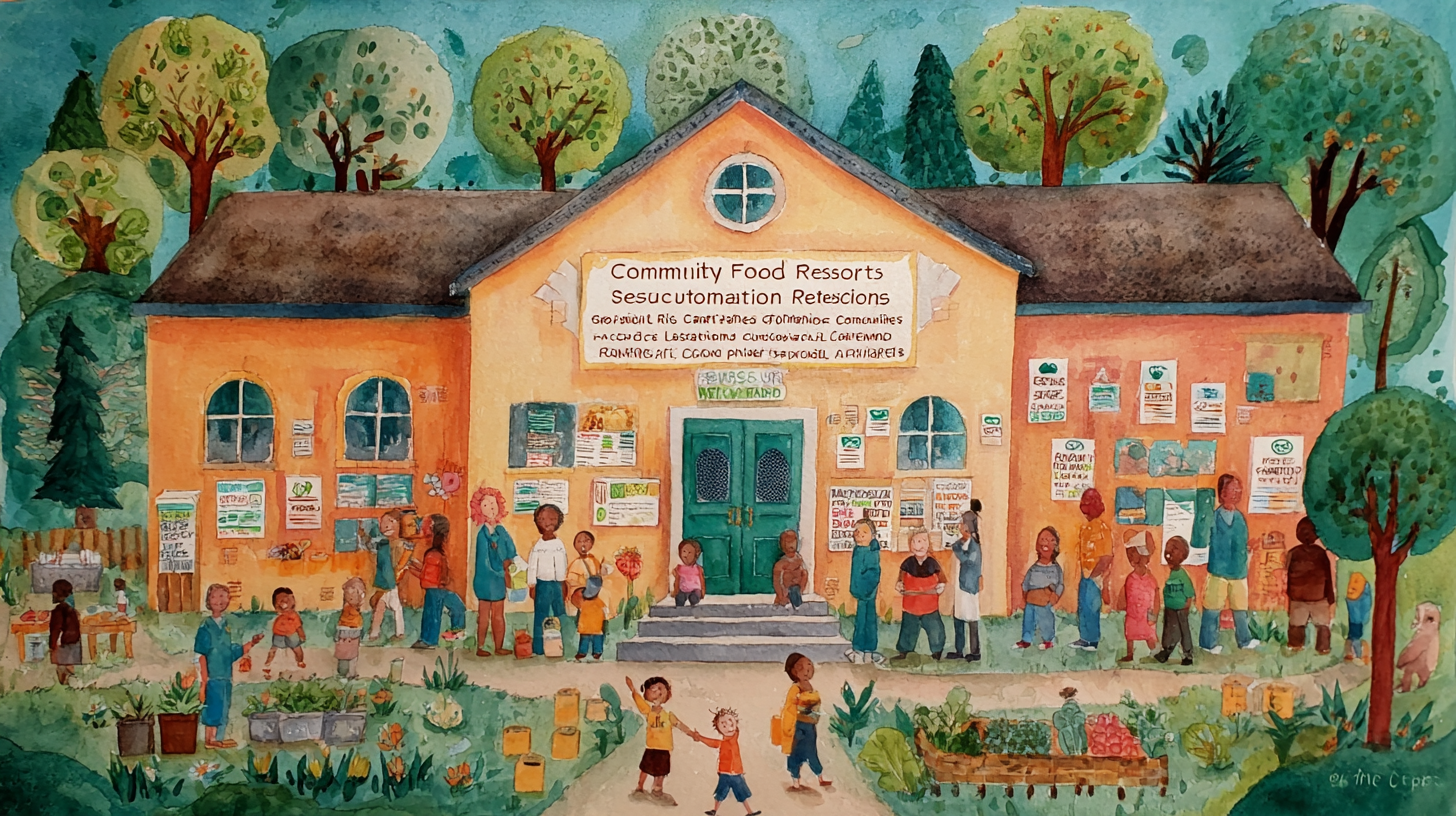
Food banks and pantries serve as crucial supplements to benefits that run out before the end of the month. Most are connected to Feeding America’s network and receive food from The Emergency Food Assistance Program (TEFAP). You don’t need to prove eligibility—just show up and receive food. Many pantries now operate more like grocery stores, allowing clients to choose items rather than receiving pre-packed bags, which reduces waste and increases dignity.
Community meal programs provide hot, prepared meals—often breakfast, lunch, or dinner served at churches, community centers, senior centers, and shelters. Some allow you to take meals home if eating on-site isn’t practical with young children. Summer meal programs specifically target children, providing free breakfasts and lunches at parks, libraries, and community centers when school is out.
Mutual aid networks have grown significantly in recent years, with neighbors directly supporting neighbors through food sharing, meal trains for families in crisis, community fridges, and free farmers markets. These grassroots efforts often serve people who fall through the cracks of formal programs or who face barriers accessing them.
Faith communities, even if you’re not religious, often operate food ministries and assistance programs open to anyone in need. Many have discretionary funds for emergency assistance, volunteer caseworkers who can help with applications, and connections to resources you might not find elsewhere.
Programs specifically supporting infant and toddler nutrition include diaper banks that distribute formula and baby food alongside diapers, hospital-based programs providing formula for families with feeding challenges, and breastfeeding support groups that offer both practical help and community. For parents learning to prepare homemade baby food—an economical approach that also introduces babies to diverse flavors and textures—local resources might include community cooking classes, WIC nutrition education programs, and online communities sharing recipes and techniques. Comprehensive guides featuring Caribbean-inspired recipes can teach parents how to use affordable, nutrient-dense ingredients like sweet potatoes, plantains, beans, and coconut milk to create delicious first foods that introduce babies to authentic island flavors while supporting healthy development.
Taking the First Step Today
Knowledge is powerful, but action is what feeds your family. If you’re reading this and thinking, “Maybe I should apply,” let me be clear: you absolutely should. The worst that happens is you’re told you don’t qualify—and even then, you’ll know exactly what threshold you’re near and what changes might make you eligible in the future.
Here’s your literal next step: Before you close this article, open a new tab and search for “[your state name] SNAP application.” Most states allow you to start the application online right now. It will take less than an hour. You won’t be committing to anything by starting—you can always pause and come back to it. But starting is what transforms possibility into reality.
If you have young children or are pregnant, search for “WIC office near me” and call to schedule an appointment. The staff expect your call. They will walk you through what to bring and what to expect. They’ve helped thousands of families, and they understand that taking this step can feel vulnerable. They’re there to help, not to judge.
If your children attend school, fill out the school meal application. Even if you’re not sure you qualify, complete it. Eligibility is determined by the district, and you might be surprised. Remember: the information is confidential, and nobody at school will know your family’s financial situation.
Talk to someone you trust about this. Whether it’s a friend, family member, healthcare provider, or counselor, sharing what you’re going through breaks the isolation that shame thrives on. You’ll likely discover that more people around you have experience with food assistance than you ever realized—it’s incredibly common, just rarely discussed.
Most importantly: release the guilt. You’re doing what good parents do—accessing resources to care for your children. There’s no virtue in struggling alone when help is available. These programs exist because as a society, we’ve agreed that families shouldn’t go hungry, that children deserve nutrition to grow and thrive, and that temporary support during difficult times benefits everyone.
The moment I swiped my EBT card for the first time, my toddler looked up at me with absolute trust in his eyes. He didn’t care how the groceries were paid for. He just knew that we had food, that he would eat dinner that night, that everything was okay. And it was okay—because I had done what needed to be done to take care of my family.
You can do the same. The support is there. The only question is whether you’ll reach for it. I hope this article has given you the knowledge, the confidence, and the permission to take that step. Your family deserves to eat. Full stop. No qualifications, no conditions, no shame. Go get the help that’s waiting for you.

Kelley's culinary creations are a fusion of her Caribbean roots and modern nutritional science, resulting in baby-friendly dishes that are both developmentally appropriate and bursting with flavor. Her expertise in oral motor development and texture progression ensures that every recipe supports your little one's feeding milestones while honoring cultural traditions.
Join Kelley on her flavorful journey as she shares treasured family recipes adapted for tiny taste buds, evidence-based feeding guidance, insightful parenting anecdotes, and the joy of celebrating food, culture, and motherhood. Get ready to immerse yourself in the captivating world of Kelley Black and unlock the vibrant flavors of the Caribbean for your growing baby, one nutritious bite at a time.
- Your Child’s Relationship with Food: The Quiet, Life-Long Gift You’re Giving Every Day - October 2, 2026
- The Feeding Journey That Quietly Transforms You Too - October 1, 2026
- When Food Becomes the Language Your Heart Speaks - September 30, 2026