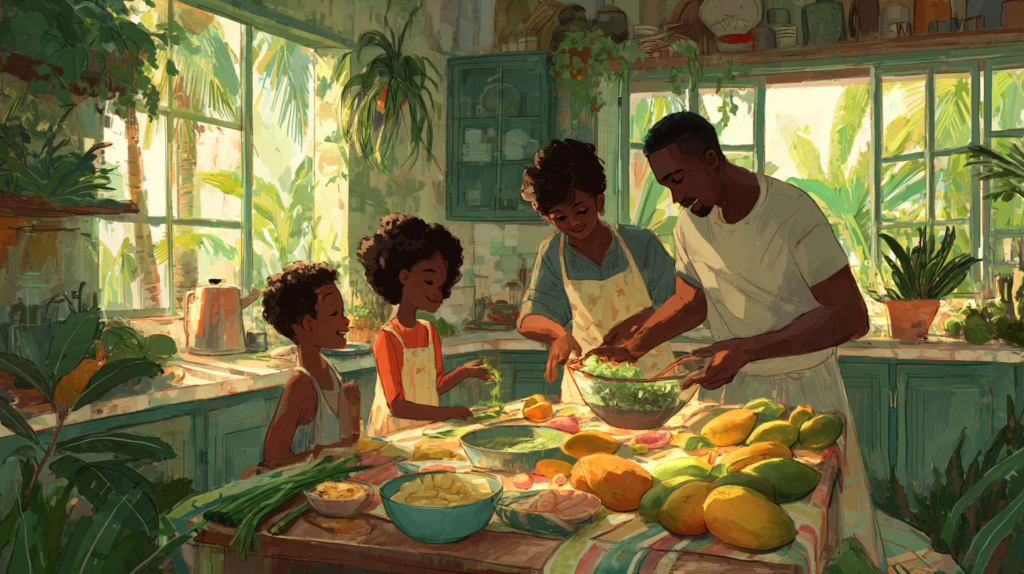
Teaching Gratitude for Food Without the Guilt Trip: A Revolutionary Approach to Raising Mindful Eaters
Before we dive deep, let’s uncover something about you. Which statement feels most true to your current mealtime approach?
Here’s something nobody tells you when you become a parent: teaching your child to appreciate food is one of the most delicate dances you’ll ever perform. Too heavy-handed, and you create shame. Too hands-off, and you raise someone who tosses half a sandwich without a second thought. The balance? It lives in a space most of us were never shown growing up.
I learned this the hard way one evening when my four-year-old pushed away her barely-touched plate of rice and peas—food I’d spent an hour preparing from scratch. My grandmother’s voice echoed in my head: “Children in other countries are starving!” But something stopped me. Was guilt really the lesson I wanted to plant in her young mind about food? Would shaming her into eating teach genuine appreciation, or just teach her to disconnect from her own hunger cues?
That moment became a turning point. Research shows that approximately one in five children in the United States lives in a food-insecure household, yet using their hardship as a weapon to guilt our own children doesn’t honor their struggle or teach our kids authentic gratitude. In fact, experts studying child feeding practices now warn that shame-based approaches can increase disordered eating patterns and undermine the very appreciation we’re trying to cultivate.
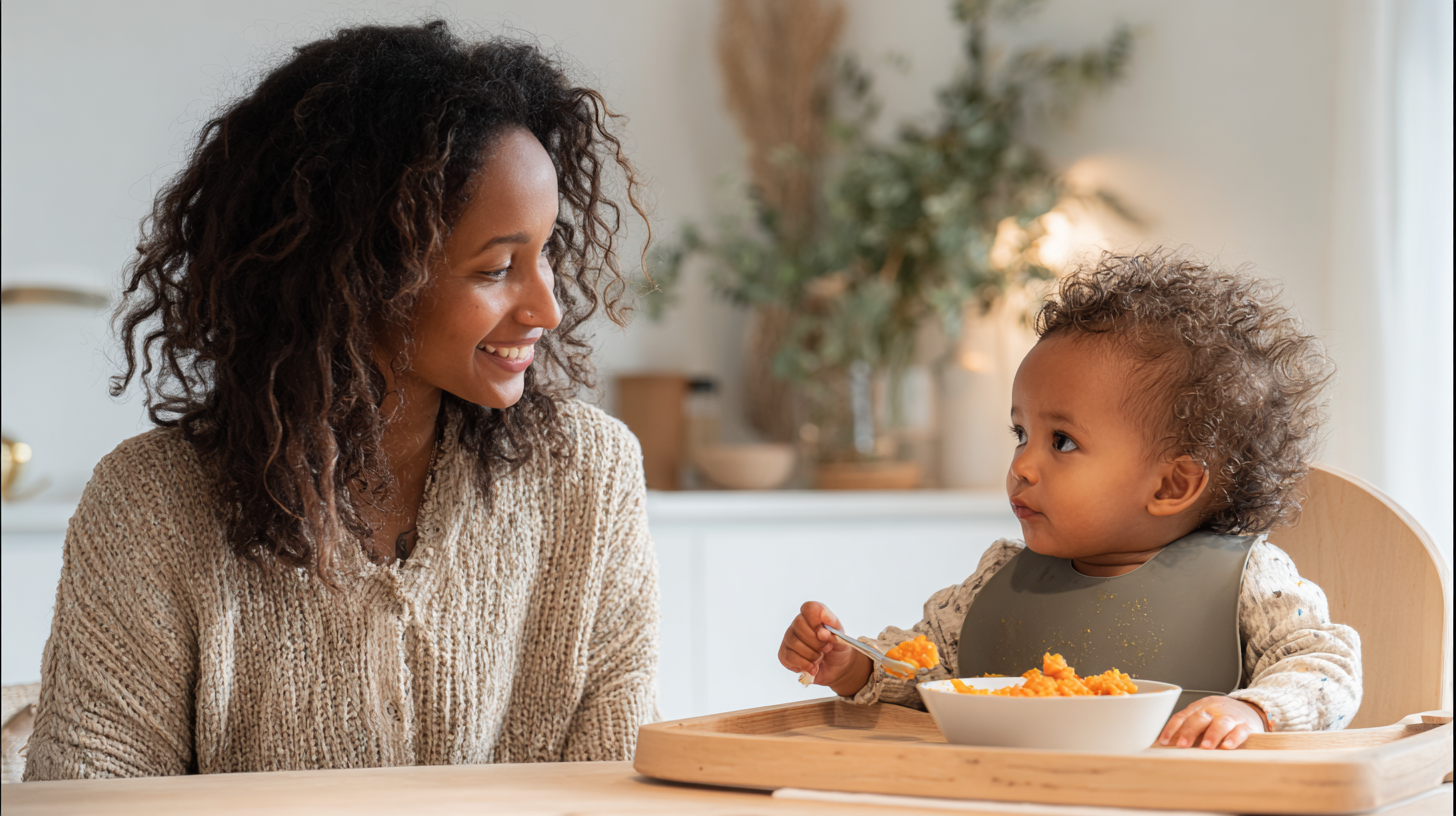
The Hidden Truth About Food Gratitude Nobody Shares
Let’s start with what gratitude actually means in psychology. It’s not obligation. It’s not guilt. Gratitude is a prosocial emotion that involves three components: noticing a benefit, recognizing that others contributed to it, and feeling positively motivated to respond. When we apply this to food, we’re helping children see meals as the result of many contributors—farmers, family members, transport workers, the earth itself—and responding with genuine appreciation rather than forced compliance.
The old model of food gratitude looked like this: clean your plate because someone worked hard to provide it, and children elsewhere are suffering. The new model? It acknowledges effort and resources while honoring a child’s autonomy, appetite, and emotional well-being. This isn’t just semantics. Children who grow up with shame-based food messages are more likely to develop complicated relationships with eating, including restriction, secret eating, and body image issues.
Here’s the revolutionary part: gratitude interventions actually work when they’re done right. Meta-analyses examining gratitude practices across ages show small but significant improvements in mental health, well-being, and life satisfaction. Studies with parents demonstrate that specific daily practices—like prompting children to reflect on “the benefit, the benefactor, and their response”—lead to measurably higher gratitude over time. But notice what’s missing from that formula: guilt, shame, or comparison to less fortunate children.
Test your understanding. Flip each card to reveal whether the approach builds gratitude or creates guilt.
“You need to finish everything. Do you know how much this cost?”
❌ GUILT: Ties worth to waste and money, creates pressure and obligation
“These carrots grew underground for weeks before we could eat them. Isn’t that amazing?”
✅ GRATITUDE: Builds wonder and connection to food origins without pressure
“Children are starving, and you’re being wasteful!”
❌ GUILT: Uses others’ suffering as a weapon, creates anxiety and shame
“Let’s save what you don’t want now for later when you’re hungry again”
✅ GRATITUDE: Honors fullness cues while demonstrating respect for food and resources
Why the Old Scripts Are Failing Our Children
Many of us grew up in households where “clean your plate” was non-negotiable. Where refusing food was seen as disrespectful. Where being “picky” earned you lectures about privilege. These messages came from a place of love—from parents and grandparents who often experienced real scarcity and wanted better for us. But what worked in one context doesn’t automatically translate to another.
The challenge with traditional food gratitude approaches is they often confuse obedience with appreciation. A child who mechanically finishes every bite out of fear of disappointing you isn’t grateful—they’re compliant. Worse, they’re learning to override their internal hunger and fullness signals, which research consistently links to disordered eating patterns later in life. Health systems and child-feeding experts now explicitly warn against food policing and the practice of using weight or body comments as motivators.
There’s also the privilege paradox. How do we teach children about food insecurity and global hunger without weaponizing that knowledge? The answer lies in separating awareness from coercion. We can teach children that not everyone has reliable access to food—that 47 million people in the U.S. lived in food-insecure households in 2023, including nearly 14 million children. But this awareness should lead to compassionate action (food drives, donations, volunteering) rather than guilt-based eating. Using distant suffering to force a child to eat more doesn’t actually help hungry children; it just creates anxiety in your own.
Think about it this way: would you want your child to stay in an unhappy relationship because “other people don’t have partners”? To take a job they hate because “others are unemployed”? Of course not. We understand in those contexts that guilt-based decision making creates misery. The same is true with food. Authentic gratitude emerges from connection, understanding, and choice—never from shame.
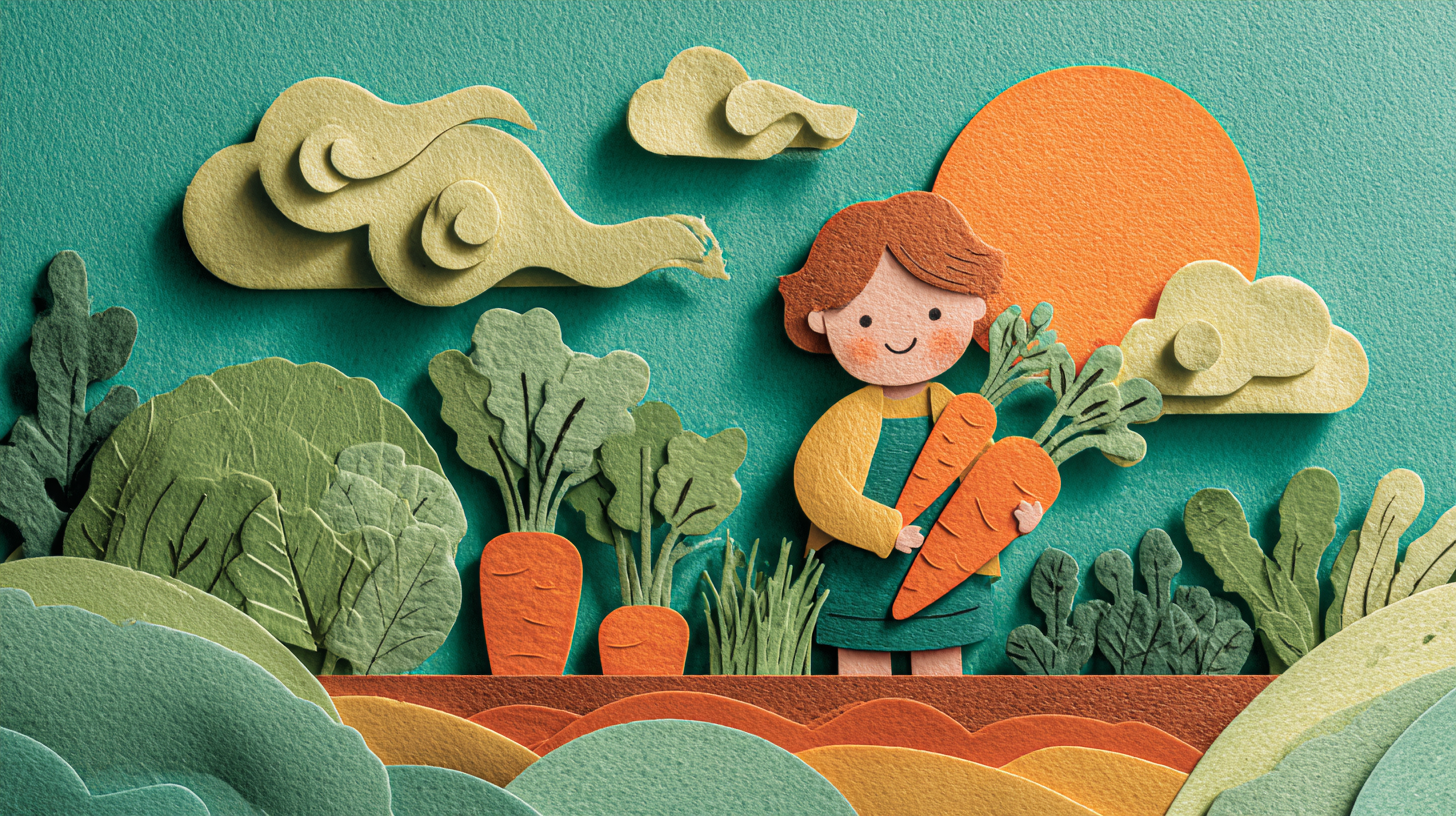
The Developmental Journey: Age-Appropriate Gratitude Practices
Here’s where many parents get stuck: they try to have the same gratitude conversation with a toddler and a tween, and wonder why it doesn’t land. Food gratitude understanding develops in stages, just like language or empathy. Let’s break down what actually works at each developmental phase.
For babies and toddlers (6 months to 3 years): At this stage, gratitude is entirely sensory and relational. Your baby isn’t capable of abstract appreciation, but they are building foundational associations between food, care, and pleasure. This is when you model enjoyment: “Mmm, this mango is so sweet and juicy!” You name helpers simply: “Grandma grew these tomatoes.” You demonstrate “thank you” to servers and cooks. The goal is joyful connection, not lessons. When offering Caribbean-inspired first foods—whether it’s a smooth sweet potato purée or gently spiced plantain mash—focus on the experience rather than the lecture. If you’re exploring diverse, flavorful options for your baby, recipes like the ones in the Caribbean Baby Food Recipe Book offer beautiful opportunities to introduce cultural appreciation through taste from the very beginning.
For preschoolers (3 to 5 years): Now you can start connecting dots, but keep it concrete. Preschoolers think literally, so abstract concepts like “privilege” won’t resonate. Instead, invite participation: washing vegetables, stirring batter, watering herbs on the windowsill. Read books about where food comes from. Visit a farm or farmers market if possible. Use simple origin stories: “This rice grew in a field with lots of water and sunshine. Farmers planted tiny seeds and waited months for it to grow tall.” When your preschooler refuses dinner, resist the urge to guilt. Instead: “I hear you’re not hungry for this right now. Your body knows what it needs. We’ll save this for when you’re ready.” This models both body respect and food respect simultaneously.
For school-age children (6 to 11 years): This is your golden window for deeper understanding. School-age kids can grasp supply chains, labor, and resource allocation. They can handle more complex discussions about privilege, inequality, and sustainability—if you approach it right. Create a family ritual: maybe each person shares one thing they appreciate about the meal before eating. Map the journey of an ingredient from seed to plate. Watch age-appropriate videos about food systems. Consider starting a small garden together, even if it’s just herbs in pots. This age is also perfect for teaching practical anti-waste skills: proper storage, creative use of leftovers, composting. Frame it as problem-solving rather than moralizing: “We have half a pumpkin left. What could we make with it?” Studies of school-based culinary and gardening programs for 5-12 year-olds show measurable improvements in attitudes toward vegetables and some increases in vegetable intake, proving that experiential learning builds genuine appreciation.
For tweens and teens (12+ years): Now you can explore ethics, justice, and personal values. Teens are capable of understanding labor conditions, environmental impact, food apartheid, and global trade. They can participate meaningfully in family food decisions: planning menus, comparing nutrition labels, choosing local options when possible. This is also when gratitude connects powerfully to autonomy. Let them choose a food-related cause they care about—hunger relief, farmworker rights, food waste reduction—and support one together as a family. Have open conversations about body diversity, diet culture, and how food messages can be used to control rather than nourish. The goal is raising a young adult who makes conscious, compassionate food choices because they understand the interconnected web of food systems—not because they fear your judgment.
Select your child’s age range to unlock specific, research-backed gratitude practices you can start today:
Practical Scripts That Replace Shame With Wonder
Theory is beautiful, but you need actual words when your child pushes away their plate or complains about dinner. Here are real-world scripts that build gratitude without guilt:
Instead of: “You’re so ungrateful! I spent an hour making this!”
Try: “I put a lot of care into this meal because I love feeding our family. I notice you’re not interested right now. What’s your body telling you?”
Instead of: “Kids in [other country] would be grateful for this food!”
Try: “Not everyone has enough food every day, which is really hard. That’s why in our family, we’re thoughtful about what we take and try not to waste. What feels like the right amount for you right now?”
Instead of: “You can’t be done, you barely ate anything!”
Try: “Your body knows when it’s had enough. Let’s wrap this up and put it in the fridge in case you get hungry later.”
Instead of: “That food is expensive, you can’t just throw it away!”
Try: “Food costs money and resources. I want to make sure we’re choosing amounts we’ll actually eat. Next time, should we start with less and you can always get more?”
Notice the pattern? Every alternative acknowledges the reality (effort, cost, global inequality, resources) while centering the child’s autonomy and body signals. This is how you build both gratitude and a healthy relationship with food and hunger.
The Cultural Dimension: Food Gratitude Across Backgrounds
If you grew up in a Caribbean, African, Asian, or other non-Western household, you might be feeling tension right now. Many of us come from cultures where refusing food is genuinely disrespectful, where feeding others is the primary love language, where “I’m full” wasn’t an acceptable response to an elder’s offering. How do we honor these cultural values while also protecting our children from shame-based eating?
The answer isn’t to abandon cultural wisdom—it’s to separate the value (respect, appreciation, community) from the harmful mechanism (forced eating, guilt, body comments). You can teach a child to honor the cook’s effort without demanding they override their fullness. You can preserve the communal importance of shared meals without using food refusal as a character judgment.
In my own Jamaican family, mealtimes are sacred. Food is love, effort, heritage. When I started implementing these principles, I worried my grandmother would see it as disrespect. But here’s what I discovered: when I explained that we were teaching appreciation through participation rather than guilt—having my daughter help with simple tasks, sharing stories about recipes’ origins, being mindful of portions—she actually embraced it. She recognized that the goal was the same (grateful, respectful children), just with methods that protected their relationship with food.
Many traditional food cultures actually have built-in gratitude practices we’ve lost: prayers or blessings before meals, eating seasonally and locally by necessity, using every part of an ingredient, sharing abundance with neighbors. We can revive these practices while leaving behind the shame. If your heritage includes vibrant food traditions—whether it’s Caribbean cuisine, Latin American staples, African dishes, or Asian flavors—introducing those diverse tastes early helps children appreciate the breadth of global food culture. The Caribbean Baby Food Recipe Book includes over 75 recipes featuring ingredients like sweet potato, coconut milk, plantain, and gentle spices, offering a delicious way to weave cultural appreciation into daily feeding from the very start.
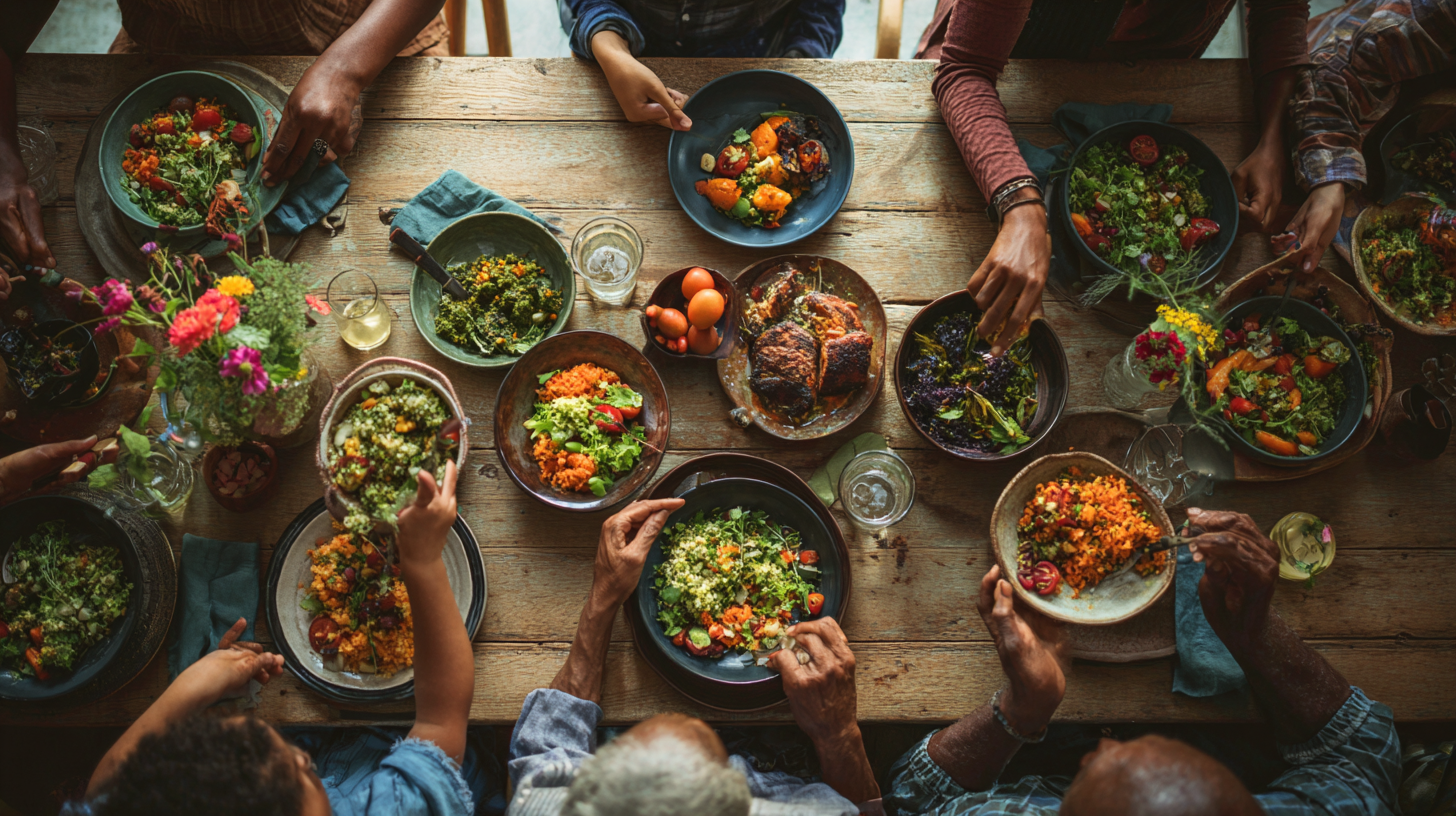
Teaching Food Origins: From Mystery to Understanding
One of the most powerful gratitude-building tools is demystifying food origins. Most children today have no idea where their food comes from—and that disconnection makes appreciation nearly impossible. How can you be grateful for something that appears magically in the refrigerator?
This doesn’t require a farm or elaborate setups. Start with simple visibility: talk about the journey of a single ingredient at dinner. “These beans started as seeds in Mexico, grew in fields for months, got picked by farmworkers, traveled on trucks, and arrived at our store.” Even better, involve children in some step of that process when possible. Plant seeds—even if it’s just basil on a windowsill. Visit a farmers market and talk to growers. Watch short, age-appropriate videos about food production. Read books that show the process.
Children who participate in growing, harvesting, or preparing food show measurably greater willingness to try new foods and higher vegetable intake. Food literacy programs that integrate understanding of food systems, sustainability, and supply chains help children see eating as part of a larger interconnected web. This naturally cultivates appreciation without a single guilt trip.
Here’s a practice that works beautifully: create a “gratitude chain” for a single meal. With your child, identify everyone and everything involved: the sun, soil, water, seeds, farmers, transport drivers, store workers, the person who earned the money, the cook. Write or draw each one on a paper link and connect them. Suddenly, a simple bowl of rice becomes a miracle of collaboration—and your child recognizes it not because you shamed them, but because they genuinely see it.
Click each truth below to reveal research-backed insights that might surprise you:
The Privilege Conversation: Doing It Right
This is the part that makes most parents break into a cold sweat. How do we teach children that they’re fortunate without making them feel guilty about that fortune? How do we inspire compassion and action rather than shame and paralysis?
First, separate awareness from coercion. It’s entirely appropriate to teach children that access to food varies widely—that some families struggle to put meals on the table, that some children rely on school breakfast and lunch as their main nutrition, that food deserts exist where fresh produce isn’t accessible. This is reality, and children can handle reality when it’s age-appropriately framed.
What’s not appropriate: using others’ hardship to manipulate your child’s behavior. “Children are starving so you must eat everything” is different from “Not everyone has reliable food, which is why our family donates to the food bank and tries not to waste.” See the distinction? One is a guilt-weapon. The other is an invitation to compassionate action.
Here’s how to frame the privilege conversation at different ages:
Preschool: “Some families don’t have enough food, which makes them feel sad and hungry. That’s why we share—like when we bring food to the community fridge or donate to the food drive.”
School-age: “Not everyone has access to the same food choices we have. Some neighborhoods don’t have grocery stores with fresh fruits and vegetables. Some families’ money has to stretch really far. When we have enough, we can help by donating, volunteering, or supporting policies that help hungry families.”
Teens: “Food access is a justice issue. Let’s explore why: look at how food deserts form, how minimum wage affects food security, how agricultural policy impacts farmworkers. What do you think we should do about it? How do we balance gratitude for what we have with action toward equity?”
Notice that in every version, the focus shifts from individual guilt to systemic understanding and collective responsibility. Your child isn’t bad for having food—they’re learning to participate in making sure others have food too.
Beyond the Table: Gratitude in Action
The most authentic gratitude isn’t spoken—it’s lived. Once your children understand where food comes from and recognize that access isn’t universal, channel that understanding into meaningful action. This transforms abstract appreciation into concrete care.
Age-appropriate actions might include: participating in family food donations, volunteering at a community garden, writing thank-you notes to school cafeteria workers, choosing one meal per week to cook together from start to finish, composting to give back to the soil, supporting a local farm through a CSA share, or learning to properly store food to minimize waste.
In our home, we implemented “Leftover Creativity Nights” where we challenge ourselves to make new meals from what’s already in the fridge. It’s become a game, and my daughter takes genuine pride in reducing waste. We also sponsor a child through a nutrition program, and she helps choose the donation amount from her allowance. These aren’t perfection—we still waste food sometimes, still slip into convenience—but they’re practices that make gratitude tangible.
Research supports this approach. Studies show that when gratitude is paired with prosocial action (helping others, contributing to community, solving problems), the benefits multiply. Children don’t just feel grateful—they become people who act on that gratitude, which reinforces the emotion and creates a positive cycle.
When Family Members Undermine Your Approach
Let’s address the elephant in the room: you’re trying to teach shame-free food appreciation, and then Grandma visits and says, “You’re not leaving this table until that plate is clean!” Or your partner reverts to “waste not, want not” lectures. Or well-meaning relatives start commenting on your child’s body size or eating amounts.
This is genuinely hard, especially when it involves elders or cultural dynamics where contradicting family members feels disrespectful. Here’s a framework that preserves relationships while protecting your child:
Before the visit: Have a private conversation. “I’m using a different approach to food with the kids. Research shows pressuring them to eat or commenting on their bodies can create eating issues later. I know your generation did it differently, and I’m so grateful for everything you provided. I’m asking you to support me in this new way.” Most people respond to respect plus explanation.
In the moment: Gently redirect. “Actually, in our house, kids eat until they’re full, not until the plate is empty. It helps them learn to listen to their bodies.” Say it kindly but firmly, and change the subject.
After the moment: Debrief with your child. “Grandpa grew up in a time when food was harder to come by, so he learned different rules. In our family, we trust your body to tell you when you’re done eating.”
You’re not going to change everyone’s mind, and that’s okay. Your job is to be the consistent, primary voice teaching your child how to relate to food. Other voices matter less when yours is clear, confident, and present.
Honest assessment: How many of these shame-free gratitude practices are you already doing?
The Long Game: What Success Actually Looks Like
Here’s what I wish someone had told me at the beginning: teaching shame-free food gratitude won’t produce a child who thanks you profusely for every meal or cleans their plate with a smile. That’s not the goal. The goal is raising someone who:
- Understands that food has a story—origins, labor, resources—and respects that story
- Listens to their body’s hunger and fullness signals and trusts those signals
- Takes only what they’ll eat and finds creative ways to use what might otherwise be wasted
- Recognizes food access as a justice issue and takes age-appropriate action
- Views eating as both nourishment and pleasure, without guilt attaching to either
- Appreciates the people who grow, transport, prepare, and serve food without needing to perform gratitude
- Makes conscious food choices based on values (sustainability, health, culture) rather than restriction or rebellion
This kind of gratitude is quiet. It’s internal. You might not see evidence of it for years. And then one day, your teenager will mention they chose the “ugly” produce at the store because “it’s still good food and otherwise it goes to waste.” Or your young adult will volunteer at a food bank without prompting. Or your school-age child will thank the cafeteria worker genuinely. These moments—these are your proof.
Success doesn’t look like compliance. It looks like consciousness. It looks like a young person who sees food as simultaneously ordinary and miraculous, who takes seriously their role in a food system much larger than their own plate, who moves through the world leaving less waste and more care.
The Future We’re Creating, One Meal at a Time
Food gratitude, when done right, is ultimately about connection. Connection to the earth that grows our food. Connection to the people who make it possible. Connection to our own bodies and their needs. Connection to others facing food insecurity. Connection across generations and cultures through shared meals and recipes.
Every time you choose curiosity over criticism at the dinner table, you’re rewiring generations of shame. Every time you talk about a farmer’s work instead of a child’s wastefulness, you’re building empathy. Every time you honor fullness instead of demanding empty plates, you’re teaching body trust. This is revolutionary work, even though it happens quietly, meal after meal after meal.
The research is clear: gratitude can be taught, but not through force. Children who grow up with shame-based food messages struggle with eating, body image, and emotional regulation. Children who grow up with connection-based food messages become adults who eat intuitively, waste thoughtfully, and care deeply. The choice of which approach to take is actually the choice of which future to create.
So let’s build that future together. Let’s raise children who know where papaya grows and how long sweet potato takes to mature underground. Who understand that some families struggle to afford groceries and respond with compassion rather than judgment. Who can cook a simple meal and appreciate every person and process that made it possible. Who waste less because they value more. Who eat joyfully because they’re not carrying the weight of guilt with every bite. If you’re looking for more ways to introduce rich, diverse flavors that connect children to cultural food heritage, exploring recipes from various traditions—like those found in the Caribbean Baby Food Recipe Book—can be a delicious starting point for building that food appreciation early.
This work isn’t easy. It requires unlearning scripts we absorbed as children. It requires patience when you’re tired and just want compliance. It requires believing that the long-term relationship with food matters more than the short-term cleaned plate. But here’s what I know after years of fumbling through this: it’s worth it. The moment my daughter spontaneously thanked me for dinner—not because I demanded it, but because she genuinely appreciated it—I knew something had shifted. She was learning to see food, really see it, without the clouding lens of guilt.
That’s the gift we give our children when we choose this path. Not perfect gratitude. Not performative thankfulness. But authentic appreciation built on understanding, respect, and choice. That’s the kind of gratitude that lasts a lifetime.
Your Next Steps Start Now
You’ve made it this far, which means you’re ready to implement real change. Don’t wait for the perfect moment—there isn’t one. Start tonight at dinner with one small shift. Maybe it’s swapping “finish your plate” for “how does your tummy feel?” Maybe it’s sharing one fact about where an ingredient came from. Maybe it’s simply taking a breath before responding to food refusal and choosing curiosity instead of criticism.
Remember, you’re not alone in this. Thousands of parents are unlearning old food scripts and building new ones. Every meal is a fresh opportunity. Every day is a chance to model the relationship with food and gratitude you want your children to inherit. This is how change happens—not through grand declarations, but through small, consistent, intentional choices repeated over time.
The meals you share matter. The words you choose matter. The messages you send about food, bodies, worth, and privilege—they all matter. Your children are watching, learning, absorbing. What they learn from you about food will shape not just their eating, but their capacity for empathy, their understanding of justice, their ability to appreciate without guilt and contribute without resentment.
So take a deep breath. Release the pressure to be perfect. And start where you are, with what you have, making one mindful choice at a time. Your children don’t need flawless food gratitude lessons. They need a parent who’s willing to try, adjust, learn, and grow alongside them. They need someone who sees them—really sees them—and honors both their appetite and their autonomy. You’re already becoming that parent, simply by being here, reading this, questioning the old ways and reaching for something better.
That’s the most powerful form of gratitude we can teach: the courage to question what we inherited and the wisdom to choose what we pass on.

Kelley's culinary creations are a fusion of her Caribbean roots and modern nutritional science, resulting in baby-friendly dishes that are both developmentally appropriate and bursting with flavor. Her expertise in oral motor development and texture progression ensures that every recipe supports your little one's feeding milestones while honoring cultural traditions.
Join Kelley on her flavorful journey as she shares treasured family recipes adapted for tiny taste buds, evidence-based feeding guidance, insightful parenting anecdotes, and the joy of celebrating food, culture, and motherhood. Get ready to immerse yourself in the captivating world of Kelley Black and unlock the vibrant flavors of the Caribbean for your growing baby, one nutritious bite at a time.