Self-Feeding Milestones: What to Expect and When (And Why Nobody Warns You About the Mango Incident)
Here’s what nobody tells you about baby feeding milestones: somewhere between month six and twelve, your pristine living room will transform into what can only be described as a Jackson Pollock painting, except instead of paint, it’s mashed sweet potato. And that carpet you loved? It’s about to become a permanent art installation featuring pureed calabaza.
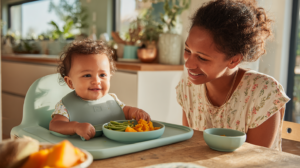
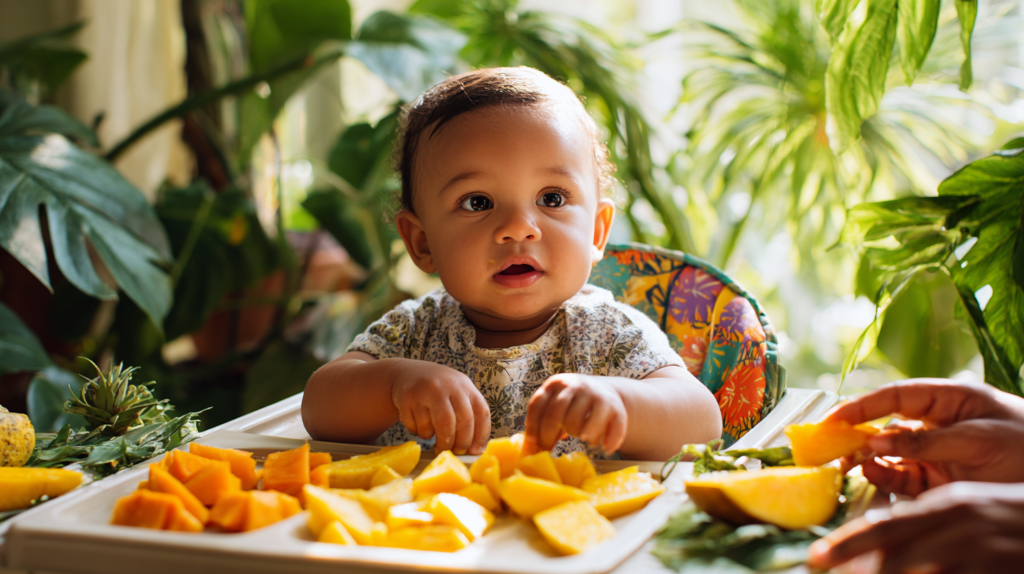
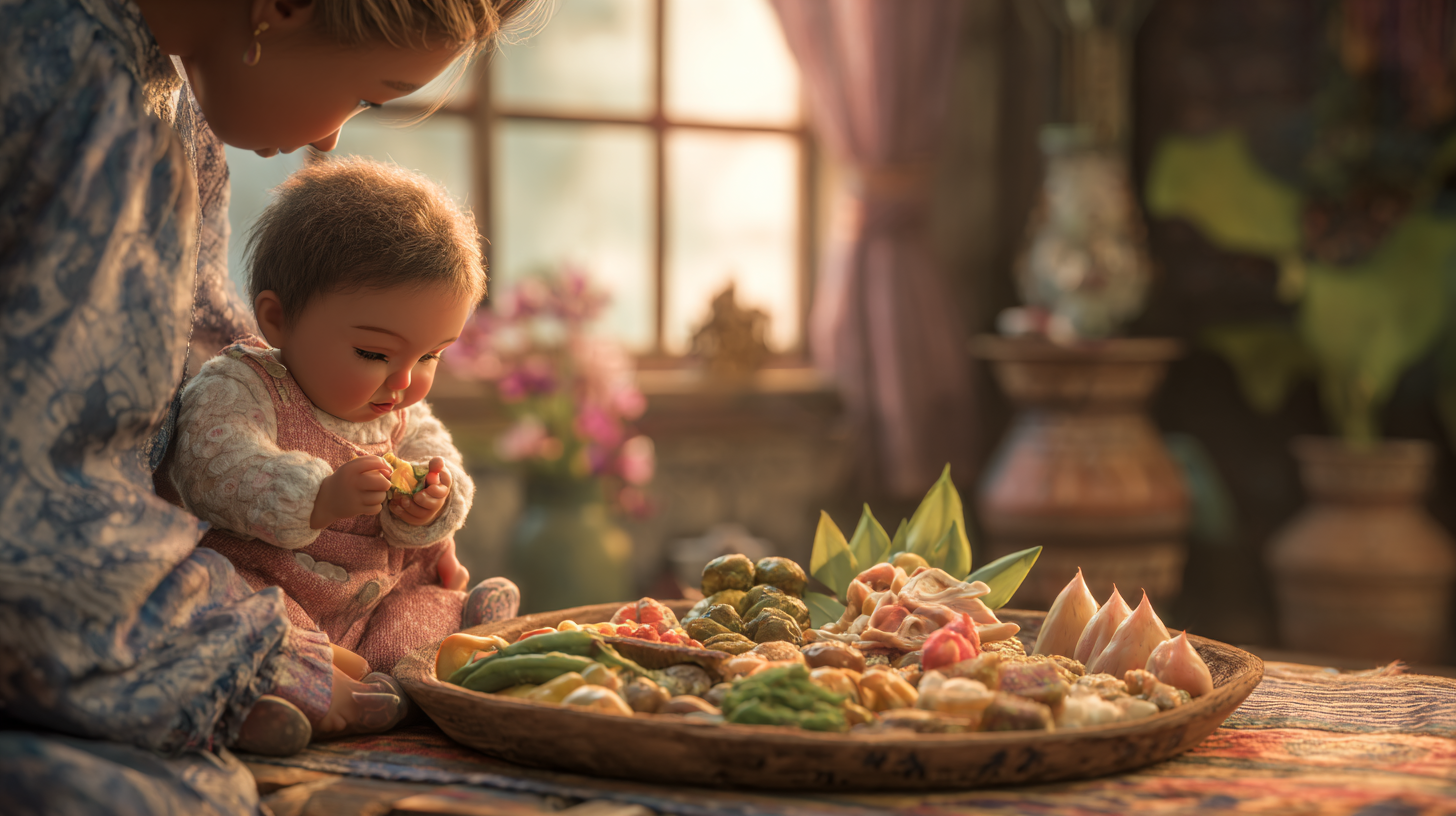
But here’s the thing that makes it all worth it—watching your baby’s face light up when they successfully grab a piece of soft mango for the first time. That moment when those tiny fingers finally coordinate, and they look at you like they’ve just discovered fire. Pure magic.
Quick Discovery: What’s Your Baby’s Feeding Superpower Stage?
Click your baby’s age to unlock their current milestone zone:
Three years ago, my niece turned six months old. My sister—exhausted, overwhelmed, and drowning in conflicting advice from every grandmother, pediatrician, and parenting blog on the internet—asked me a simple question: “When will she actually be able to feed herself?” The truth is, that question doesn’t have a simple answer. Because feeding milestones aren’t about hitting some arbitrary date on the calendar. They’re about the journey your baby takes from total dependence to confidently smashing plantain into their own face (and loving every messy minute of it).
The Truth About Timelines (Spoiler: Your Baby Didn’t Read the Manual)
Let’s start with something that’ll save you countless hours of worry: 68% of healthy infants exhibit at least one “problematic” feeding characteristic during their first month of life. Read that again. More than two-thirds of completely typical babies don’t follow the textbook script. So when your baby seems slightly behind or ahead of schedule, they’re not broken—they’re normal.
Research shows that developmental readiness matters far more than chronological age. While health organizations recommend introducing complementary foods around six months, the key word is “around.” Some babies show readiness at five months; others aren’t quite there until seven. The magic happens when we watch for signs of readiness rather than circling dates on a calendar.
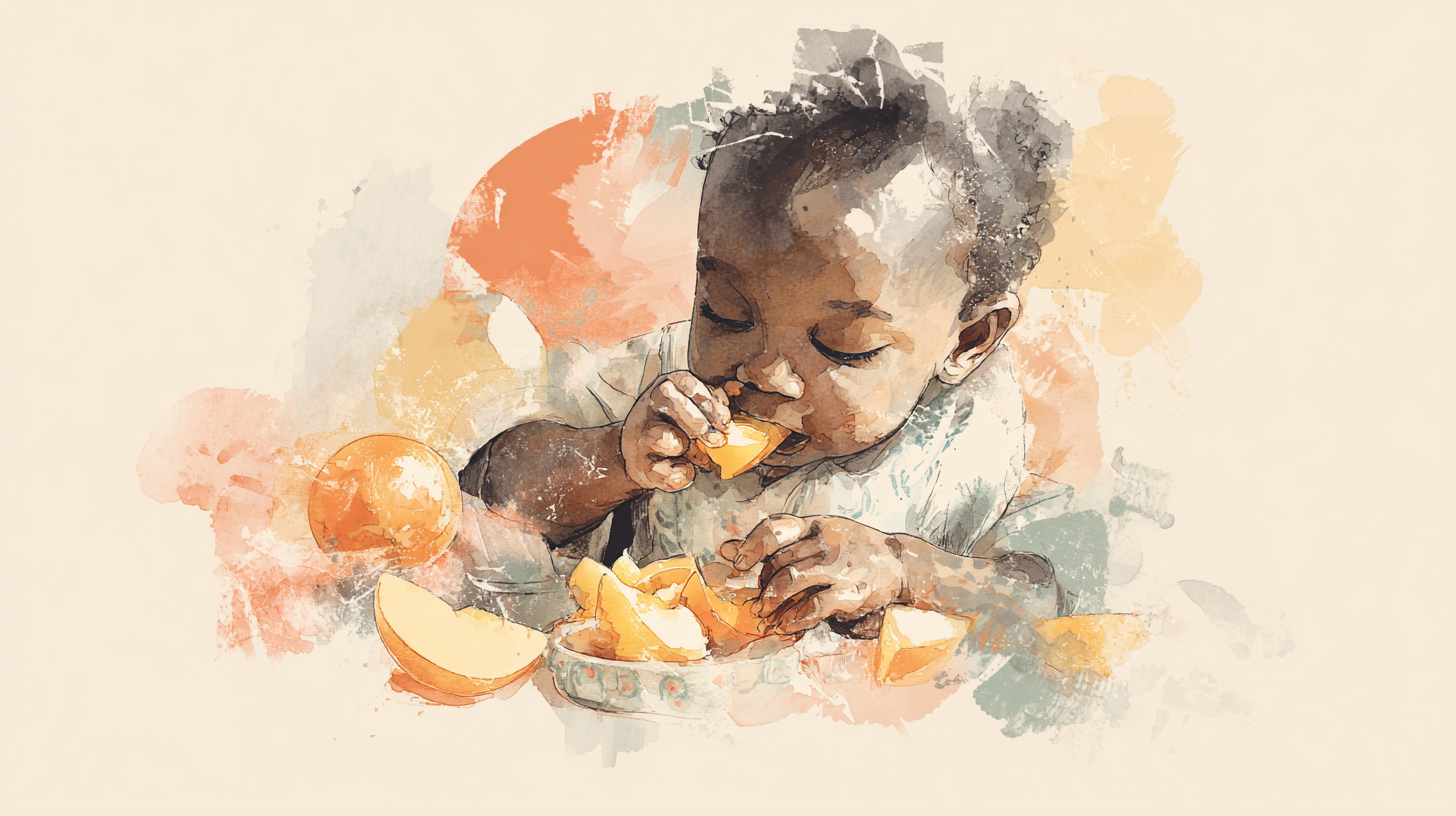
Here’s what actually matters: Can your baby sit with minimal support? Do they show interest when others eat? Have they lost the tongue-thrust reflex that automatically pushes food out? These signs tell you more than any milestone chart ever could.
Is Your Baby Ready? The Real Readiness Checklist
Tap each sign you’ve noticed in your baby. Get instant personalized guidance!
The Pincer Grasp Revolution (Or: When Fingers Finally Get Their Act Together)
Around nine months, something remarkable happens. Your baby discovers they can use their thumb and index finger like tiny precision tools. This inferior pincer grasp—where they slowly, deliberately pick up one small piece of food at a time—changes everything. Suddenly, those soft-cooked carrots aren’t just food; they’re a challenge to conquer.
But here’s where it gets interesting: the pincer grasp isn’t just about feeding. It’s about brain development, hand-eye coordination, and building the fine motor foundation they’ll need for writing, buttoning shirts, and eventually texting you back when they’re teenagers. Every time your baby practices picking up a piece of steamed calabaza, they’re literally building neural pathways.
By ten months, that inferior pincer grasp matures. Now they’re using the very tips of their thumb and finger with impressive accuracy. This is when you’ll notice them going for the tiniest crumbs on their high chair tray—because they can. They’re not being fussy; they’re practicing a skill that took millions of years of human evolution to develop. When you’re introducing foods with varying textures during this phase, consider soft, finger-friendly options like those found in the Caribbean Baby Food Recipe Book, which features over 75 recipes designed specifically for developing pincer grasp skills, including preparations like Batata y Manzana and Papaya & Banana Sunshine.
The Shocking Truth Scientists Recently Discovered
Researchers found something unexpected about babies who self-feed from the start…
The Baby-Led Weaning Discovery
Recent studies comparing baby-led weaning (where infants self-feed solid foods from the start) versus traditional spoon-feeding revealed something unexpected: babies following the traditional method actually experienced more choking episodes when introduced to finger foods and lumpy textures later.
The theory? Early exposure to different textures allows babies to develop oral motor control, sensory perception, and safe chewing patterns. Babies who started with self-feeding from around six months became better at handling food in their mouths because they’d been practicing all along.
But here’s the nuance nobody mentions: baby-led weaning babies showed lower iron, zinc, and vitamin B12 intake in some studies. The takeaway isn’t that one method is universally better—it’s that babies benefit from exposure to varied textures early, whether through self-feeding or a combination approach. The key is offering those opportunities to explore different food consistencies, not waiting until they’re “older” to introduce texture.
The Cup Drinking Journey (More Complex Than You’d Think)
Here’s something that surprises most parents: babies can start learning to drink from an open cup as early as 4-6 months with adult assistance. Not a sippy cup. Not a straw. An actual, regular cup. Mind-blowing, right?
The reason this works so well early on comes down to biomechanics. When babies drink from a bottle or breast, milk is delivered to the back of their tongue—they don’t have to work much for it. But an open cup? That requires coordinating multiple oral muscles: the lips, tongue, jaw, cheeks, and soft palate. It’s like CrossFit for their mouths.
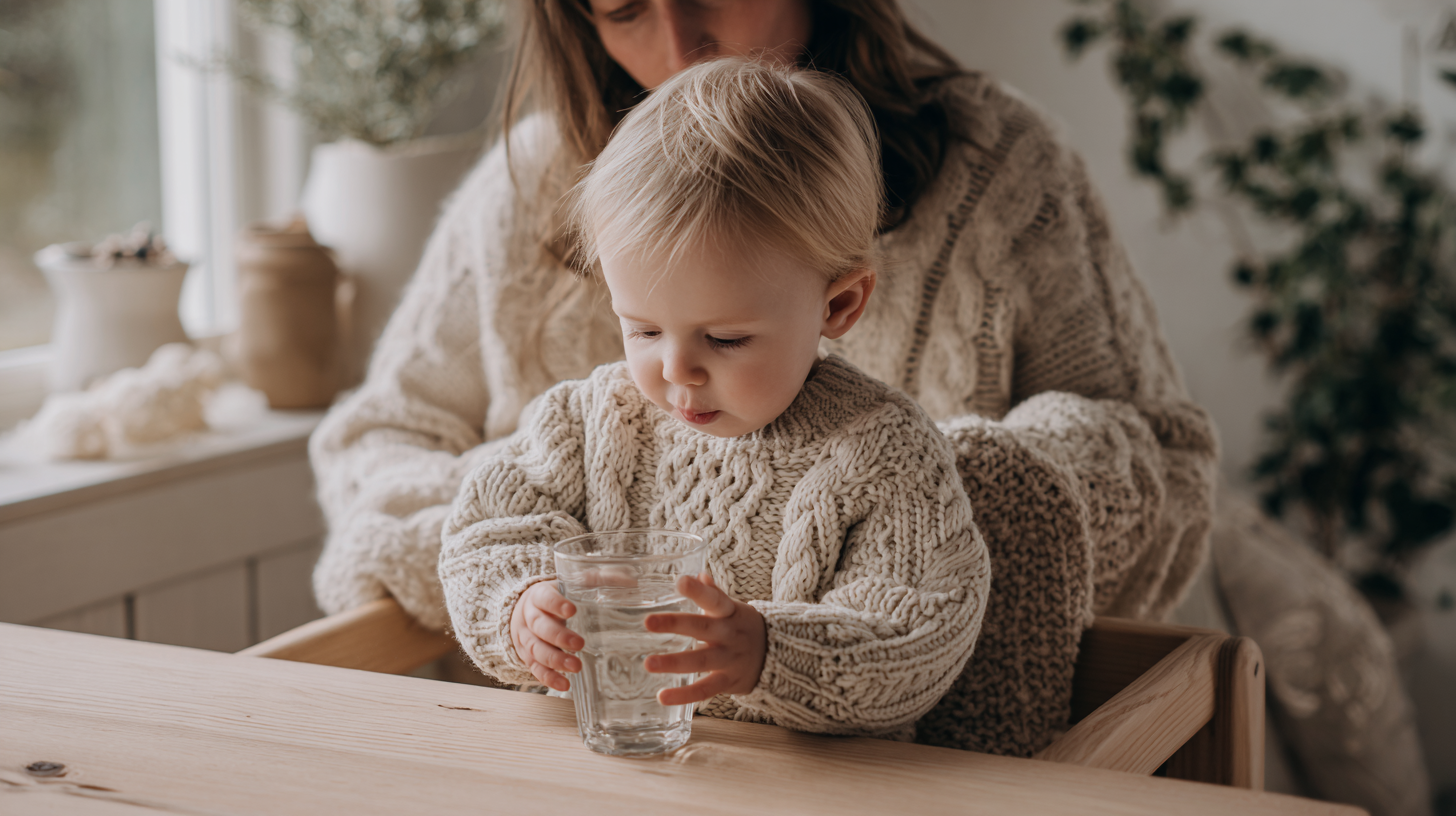
Research shows that just five minutes of daily open cup practice starting at six months can lead to confident, independent cup drinking by the first birthday. Five minutes. That’s less time than it takes to scroll through social media looking for baby feeding advice (guilty as charged).
The American Academy of Pediatrics specifically recommends encouraging cup drinking starting at six months. But here’s what they don’t emphasize enough: you’ll need towels. Many towels. And possibly a wetsuit for yourself. The first few weeks of cup practice look less like “feeding” and more like “strategic water deployment.” But that mess? That’s learning happening in real-time.
Utensil Readiness: When Spoons Stop Being Toys
Around 12 months, something shifts. The spoon that’s been a percussion instrument for the past six months suddenly becomes… a tool? Your toddler starts showing genuine interest in using utensils the way you do. They’ll attempt to scoop, miss their mouth entirely, and wear more food than they eat. It’s beautiful chaos.
But here’s what the milestone charts don’t tell you: true spoon proficiency—where they can consistently get food from bowl to mouth without losing half of it—doesn’t typically emerge until 15-18 months. And forks? Those come even later, around 18-24 months, when their hand-eye coordination and grip strength mature enough to spear food effectively.
The secret to supporting this development isn’t buying fancy self-feeding gadgets. It’s letting them practice, even when it’s messy. Especially when it’s messy. Every failed attempt builds muscle memory, refines motor planning, and strengthens their determination. Plus, you’re already cleaning sweet potato out of their ears anyway—what’s a little extra splattering?
Your Personal Milestone Timeline Navigator
Select your baby’s age to see exactly what’s happening right now:
Select an age range above to see detailed milestones
What Nobody Tells You About Texture Progression
This is where things get real. Between 6-12 months, your baby needs to transition through multiple texture stages: smooth purees, thicker purees with soft lumps, mashed foods, soft finger foods, and eventually—by around 12 months—modified table foods. That’s a huge leap in just six months.
But here’s the catch: if this transition takes significantly longer than expected (like, if your 15-month-old still only tolerates smooth purees), it might signal that they need additional support. Children with limited texture exposure can develop food selectivity, miss critical windows for oral motor development, and struggle with feeding as they grow.
Recent research reveals something crucial: babies who experience various textures early—whether through baby-led weaning or modified traditional feeding—develop better oral control and are actually at lower risk for choking as they advance. It’s counterintuitive, right? You’d think smoother, softer foods would always be safer. But babies need practice handling different consistencies to develop the skills that prevent choking. This is where recipes like Coconut Rice & Red Peas or Stewed Peas Comfort from authentic Caribbean preparations can introduce varied textures naturally—find age-appropriate texture progressions in the Caribbean Baby Food Recipe Book, featuring meals that honor cultural food traditions while supporting safe texture advancement.
Myth Buster Challenge
Tap each statement to separate feeding fact from fiction:
Completely false! Babies develop chewing skills using their gums long before teeth emerge. Around 7-9 months, they can mash soft foods with their gums, which are surprisingly strong. In fact, waiting for teeth can delay important oral motor development. Your baby’s gums are nature’s built-in food processors.
Outdated advice! There’s no scientific evidence that rice cereal must be the first food. You can start with vegetables, fruits, or proteins—whatever fits your family’s food culture. In fact, starting with diverse flavors and textures (like Caribbean staples such as sweet potato, calabaza, or soft ripe plantain) can help babies develop more adventurous palates and reduce pickiness later.
Wrong by 18 months! Babies can start practicing with open cups as early as 4-6 months with adult help. By 12 months, many babies can drink independently from a regular cup with minimal spillage. Sippy cups, while convenient, can actually delay proper oral motor development. The AAP recommends starting open cup practice at 6 months.
Actually the opposite! Research shows babies who self-feed from the start often participate more in family meals and may develop less picky eating habits. The key is offering variety from the beginning. When babies explore different colors, textures, and flavors independently, they develop positive associations with diverse foods—including vegetables.
The Red Flags Worth Watching For
Most babies hit feeding milestones within a fairly wide window, and that’s completely normal. But some signs suggest your baby might benefit from evaluation by a pediatric feeding specialist or occupational therapist. This isn’t about panicking—it’s about getting support early when it can make the biggest difference.
Watch for these patterns: difficulty progressing through texture stages (like, if your 12-month-old still can’t handle anything beyond smooth purees), consistent gagging or choking during meals beyond the initial learning phase, mealtimes consistently taking longer than 30 minutes, or your child falling off their growth curve despite adequate opportunities to eat.
Here’s the thing: pediatric feeding disorders are more common than most people realize. Getting early intervention doesn’t mean you failed as a parent—it means you’re being proactive about supporting your child’s development. Feeding therapists have specific strategies and techniques that can make a massive difference when implemented early.
If your child will only tolerate very limited textures or flavors, if they consistently refuse entire food groups, or if mealtimes feel like battles rather than bonding time, trust your instincts. A consultation with a professional can provide peace of mind or early support—both are valuable.
Real-Life Scenario Challenge
What would you do? Test your feeding milestone knowledge:
Cultural Wisdom Meets Modern Science
Here’s something beautiful about Caribbean feeding traditions: they’ve been supporting baby feeding development for generations, often in ways that align perfectly with current research. Take the practice of offering babies soft-cooked provisions like green bananas, yellow yam, and sweet potato. These foods are naturally perfect for babies learning to self-feed—soft enough to mash with gums, substantial enough to grip, and nutrient-dense enough to support growth.
Or consider how many Caribbean families naturally implement “family-style” eating, where babies sit at the table and experience meals as social events. This isn’t just tradition—it’s responsive feeding in action. Research shows babies who participate in family meals develop better self-regulation, try more diverse foods, and establish healthier eating patterns long-term.
The thick, creamy porridges that are staples across the islands? They’re ideal transition foods between thin purees and thicker textures. Cornmeal porridge, farine, or provisions mashed with coconut milk provide the perfect consistency for babies developing their swallowing coordination. Our grandmothers knew what they were doing.
The Technology Revolution (For Better or Worse)
Smart feeding bottles are now a real thing. We’re living in a world where bottles have embedded sensors that measure feeding angles, track milk consumption in real-time, and automatically store data. Some connect to apps that analyze feeding patterns and share information directly with pediatricians.
On one hand, this technology can reduce parental anxiety and provide valuable data for babies with feeding challenges. On the other hand… do we really need Bluetooth-enabled bottles? Sometimes the best feeding tracker is simply observing your baby, counting wet diapers, and trusting that babies are remarkably good at regulating their own intake when we let them.
The global baby feeding bottle market is projected to grow substantially through 2029, driven by these smart features. But here’s my take: technology should support, not replace, your instincts. Use these tools if they bring you peace of mind, but don’t let them override what you observe about your own child.
Social Media’s Influence (The Good and The Messy)
Instagram and TikTok are flooded with pediatric dietitians, feeding therapists, and occupational therapists sharing milestone checklists, feeding tips, and developmental guidance. This democratization of expert knowledge is incredible—parents now have access to evidence-based information that previous generations never had.
But here’s the catch: general pediatricians, while excellent at monitoring growth and overall health, often receive limited training on feeding development specifics. As one pediatric dietitian noted on Instagram, “A pediatrician’s training focuses on keeping your baby healthy, spotting illness, and monitoring growth, but things like starting solids, advancing textures, or handling picky eating? That’s a whole other specialty.”
The lesson? Follow feeding specialists and therapists on social media for detailed developmental guidance, but maintain a relationship with your pediatrician for overall health monitoring. They’re different expertise areas, and babies benefit from both.
Making It Work In Your Real Life
Theory is wonderful. Research is essential. But you’re not raising a baby in a laboratory—you’re doing this in real life, probably while sleep-deprived, definitely while multitasking, and almost certainly with sweet potato in your hair.
So here’s the practical truth: start where you are. If your baby is six months old and showing readiness signs, offer them something soft to explore. It doesn’t have to be fancy. A piece of ripe avocado. Soft-cooked sweet potato. A banana. See what happens.
If they’re nine months old and practicing their pincer grasp, give them opportunities to use it. Small pieces of soft foods scattered on their tray. Let them pick up, drop, squish, and yes—eventually eat them. The mess is temporary. The neural pathways they’re building last forever. Caribbean ingredients naturally support this journey—soft plantain strips, mashed callaloo with provisions, or calabaza with coconut milk offer ideal textures and flavors for developing palates, with detailed preparation methods in the Caribbean Baby Food Recipe Book, including family meal adaptations that grow with your child.
If they’re 12 months and interested in utensils, hand them a spoon. Load it for them initially, then let them try. They’ll miss. They’ll fling food across the room. They’ll probably stick the spoon in their ear. That’s all normal. That’s all learning.
Practice open cup drinking during bath time if you’re worried about spills—everything’s already wet anyway. Offer sips of water with meals. Start with just an ounce in the cup; you can’t spill what isn’t there. Gradually increase as their skills develop.
And remember: meeting milestones a few weeks later than average is usually nothing to worry about. Not meeting them months later, or regressing significantly, warrants a conversation with a professional. Trust your instincts. You know your baby better than any chart ever could.
The Journey, Not The Destination
Three years after my niece started her feeding journey, she now confidently wields a fork, drinks from a regular cup, and has opinions about which foods belong together on her plate (spoiler: according to her, everything goes with ketchup). But the transformation didn’t happen overnight. It happened through hundreds of messy meals, countless dropped spoons, and gallons of spilled liquid.
The real milestone isn’t when your baby first successfully gets food to their mouth. It’s not when they master the pincer grasp or drink independently from a cup. The real milestone is you—the parent—learning to trust the process. Learning that the mess is progress. Learning that there’s no single “right” timeline, only your child’s unique developmental journey.
Every smashed plantain, every spilled cup, every pureed sweet potato painted on the high chair is part of the story. They’re building skills that will serve them for life: motor coordination, independence, self-confidence, and the understanding that eating is about more than nutrition—it’s about exploration, autonomy, and joy.
So yes, your living room will look like a food bomb exploded. Yes, you’ll find dried black beans in places beans have no business being. Yes, you’ll question your life choices while scraping mashed callaloo off the ceiling (don’t ask how it got there; nobody knows).
But you’ll also witness pure magic: the concentration on your baby’s face as they successfully coordinate their fingers for the first time, the pride in their eyes when they drink from a cup independently, the confidence that grows with every self-fed meal. These moments don’t show up on milestone charts, but they’re the ones you’ll remember.
The journey from dependent feeding to independent eating typically spans about three years. Three years of mess, growth, setbacks, and triumphs. Three years of building not just feeding skills, but the foundation for a lifetime of healthy eating habits and positive relationships with food.
Somewhere in those three years, probably when you’re least expecting it, you’ll look up from wiping smashed food off surfaces and realize: they did it. They learned. And you both survived the journey, sweet potato stains and all.
That’s the milestone that really matters. Not the date it happened, but the fact that you showed up, day after messy day, giving your baby opportunities to practice, learn, and grow. You trusted the process even when it felt chaotic. You cleaned up the messes without counting them. You celebrated the small victories—the first pincer grasp, the first independent sip, the first successful bite with a spoon.
And when your adult child calls you years from now to ask when their baby will finally feed themselves, you’ll smile, remember these days, and say exactly what nobody told you when you started: “Soon enough. But treasure the mess while it lasts. These are the moments you’ll miss.” For more practical guidance, Caribbean-inspired recipes, and meal ideas that support every stage of your baby’s self-feeding journey—from smooth purees to family table foods—explore the Caribbean Baby Food Recipe Book, featuring over 75 recipes with texture progressions, safety guidelines, and cultural feeding wisdom passed down through generations.

Kelley's culinary creations are a fusion of her Caribbean roots and modern nutritional science, resulting in baby-friendly dishes that are both developmentally appropriate and bursting with flavor. Her expertise in oral motor development and texture progression ensures that every recipe supports your little one's feeding milestones while honoring cultural traditions.
Join Kelley on her flavorful journey as she shares treasured family recipes adapted for tiny taste buds, evidence-based feeding guidance, insightful parenting anecdotes, and the joy of celebrating food, culture, and motherhood. Get ready to immerse yourself in the captivating world of Kelley Black and unlock the vibrant flavors of the Caribbean for your growing baby, one nutritious bite at a time.
- The Feeding Revolution: Why Your Everyday Meals Are Changing the World - October 13, 2026
- Your Feeding Story Matters More Than The “Perfect” One Online - October 12, 2026
- Looking Forward: Stepping Into Your Confident Feeding Future - October 11, 2026