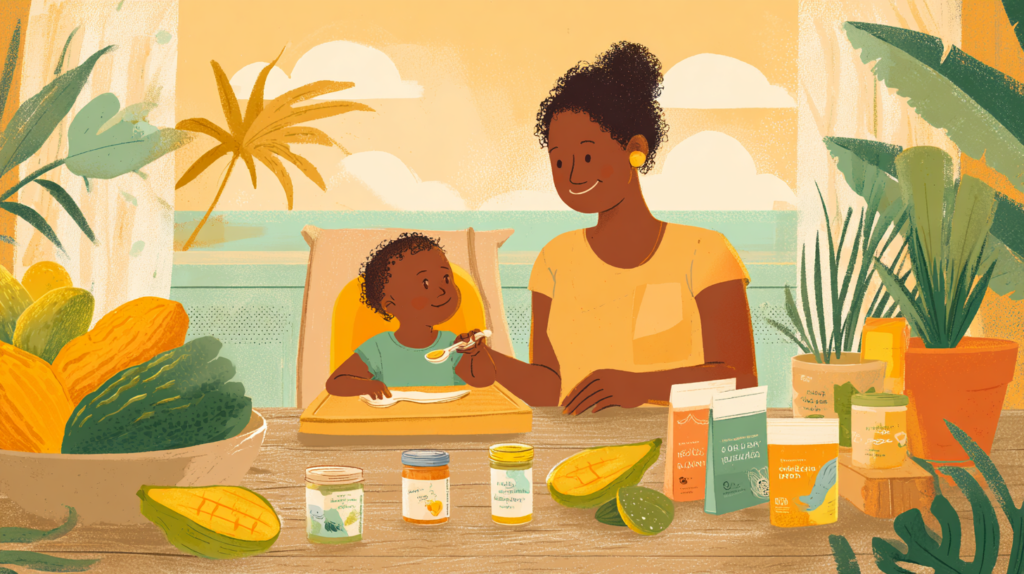
The Shocking Truth About Homemade Baby Food: Why Your Kitchen Might Not Be the Safest Place After All
Before We Begin: Test Your Baby Food Knowledge
Click the card below to reveal a surprising fact that will change how you think about baby food forever…
TAP TO REVEAL:
What scientists discovered when they tested homemade vs. store-bought baby food
Homemade baby food contains EQUAL levels of toxic heavy metals as commercial baby food – the myth is officially busted!
Here’s something nobody tells you when you’re standing in your kitchen at midnight, blending sweet potatoes with the dedication of a Michelin-star chef: homemade isn’t always better. I know, I know. That sentence probably feels like heresy, especially when we’ve been sold this beautiful image of loving parents preparing fresh, organic meals from scratch while commercial baby food sits on store shelves looking suspicious and processed.
But here’s the truth that changed everything for me, and it’ll probably shake up what you believe too. A groundbreaking 2022 study by Healthy Babies Bright Futures analyzed hundreds of baby food samples – both homemade and commercial – and discovered something absolutely shocking. The toxic heavy metal contamination was virtually identical in both categories. That organic carrot you lovingly steamed and pureed? It contained the same levels of lead, arsenic, and cadmium as the jarred version you felt guilty about buying last week.
This isn’t about making you feel bad for choosing homemade, or for grabbing store-bought when life gets overwhelming. This is about finally having an honest conversation about baby nutrition that goes beyond Pinterest-perfect photos and judgmental parenting forums. Because the real story here – the one that actually matters for your baby’s health and your sanity – is so much more nuanced than “homemade good, store-bought bad.”
So let’s dig into the research, bust some myths wide open, and figure out what actually makes baby food nutritious and safe. And trust me, some of these findings will surprise you as much as they surprised the researchers themselves.
The Great Homemade Myth: Where It All Started
The belief that homemade baby food is nutritionally superior didn’t just appear out of nowhere. It’s rooted in a genuine, beautiful instinct – the desire to give our children the absolute best start in life. For generations, parents have associated homemade meals with love, care, and quality. And honestly? There’s nothing wrong with that sentiment.
Before the 20th century, homemade was really the only option. Mothers and grandmothers mashed fruits, vegetables, and grains by hand, passing down recipes and feeding wisdom through generations. Then came the commercial baby food revolution in the early 1900s, and suddenly parents had choices. But with industrialization came suspicion. What were those companies putting in those jars? Could factories really care about babies the way mothers did?
Fast forward to today, and that suspicion has evolved into full-blown mythology. Social media feeds overflow with aesthetic images of farmers market hauls destined for baby food prep. Influencers tout the superiority of homemade purees. Parenting groups create an almost moral hierarchy where making baby food from scratch equals being a better parent.
But here’s where the narrative starts crumbling. Modern research reveals something that challenges this entire worldview. A comprehensive 2021 Spanish study published in the journal Nutrients compared the nutritional profiles of homemade and commercial infant foods for babies aged 6-18 months. The researchers analyzed everything – macronutrients, vitamins, minerals, variety. Their conclusion? Both homemade and commercial baby foods provided adequate nutrition when properly prepared or formulated. No significant nutritional advantage existed for either category.
⚖️ Nutrition Reality Check: Where Does Your Baby Food Stand?
Select which factors you consider most when choosing baby food:
Think about that for a moment. Decades of parenting guilt, countless hours spent chopping and steaming, and the research shows that a quality jar from the supermarket provides essentially the same nutritional value. This doesn’t make homemade food bad – it just means commercial options aren’t the nutritional villains we’ve been led to believe they are.
The myth persists partly because of marketing. Companies selling baby food makers, organic produce subscriptions, and premium kitchen gadgets have a vested interest in promoting homemade superiority. Meanwhile, commercial baby food brands face constant scrutiny and criticism, creating a perception problem that research doesn’t actually support.
What really matters isn’t whether the food came from your kitchen or a factory. What matters is the quality of ingredients, proper preparation methods, and whether your baby is getting the diverse nutrients they need for healthy development. A poorly planned homemade diet can be just as problematic as a poorly chosen commercial diet. Similarly, both can be excellent when done thoughtfully.
The Heavy Metal Scandal That Changed Everything
If you’re a parent who’s been following baby food news in recent years, you’ve probably felt your stomach drop reading headlines about toxic heavy metals. The 2021 congressional report that exposed high levels of arsenic, lead, mercury, and cadmium in popular baby food brands sent shockwaves through parenting communities worldwide. Suddenly, that convenient pouch seemed potentially dangerous.
Many parents responded by pivoting hard to homemade, thinking they could avoid contamination by controlling ingredients themselves. But then came the 2022 study that flipped the script entirely. Healthy Babies Bright Futures tested 288 baby foods – including homemade versions prepared by parents using “clean” ingredients. The results were sobering and, frankly, a bit terrifying.
Homemade baby foods showed virtually identical heavy metal contamination levels to store-bought versions. Seventy-three percent of homemade baby foods tested positive for concerning levels of toxic heavy metals. This wasn’t because parents were doing anything wrong. It was because the contamination exists in the soil where our food grows.
Root vegetables like sweet potatoes and carrots – staples in baby food – naturally absorb heavy metals from soil. Rice, another common first food, is particularly efficient at absorbing arsenic from groundwater. These contaminants have been building up in agricultural soils for decades due to industrial pollution, pesticide use, and natural geological deposits. Making food at home doesn’t magically remove these environmental contaminants.
Heavy Metal Risk Assessment
Which common baby food ingredients are you regularly using? Click to reveal their contamination risk:
Sweet potatoes are among the highest in heavy metal content due to their root structure that absorbs contaminants from soil. Both homemade and commercial versions face this challenge. Consider rotating with white potatoes, calabaza (Caribbean pumpkin), or breadfruit for variety.
Rice naturally absorbs arsenic from water during growth. Limit rice-based foods to a few times per week and choose options tested for lower arsenic levels. Alternative first grains include oats, quinoa, or farine (cassava flour), commonly used in Caribbean baby feeding traditions.
Root vegetables like carrots accumulate lead and cadmium. Peeling can reduce contamination slightly. Mix with lower-risk foods like bananas, avocado, or green vegetables to dilute exposure.
Fruits like bananas, papayas, mangoes, and apples tend to have lower heavy metal content. Green vegetables, peas, and beans are also generally safer options. The key is variety – no single food should dominate your baby’s diet.
This revelation was crushing for many parents who’d invested significant time, energy, and emotional labor into homemade baby food preparation, believing they were protecting their children from contamination. The truth? Location matters more than preparation method. Produce grown in contaminated soil will contain heavy metals regardless of whether you puree it or a factory does.
The good news – and yes, there is good news – is that regulatory efforts are finally addressing this crisis. The FDA launched the “Closer to Zero” action plan aimed at reducing heavy metals in infant foods across the board. This initiative sets limits for lead, arsenic, cadmium, and mercury in baby food products, holding manufacturers accountable while also providing guidance to farmers about soil testing and remediation.
What does this mean for you practically? First, stop beating yourself up about whether you’re making food from scratch or buying it prepared. Second, focus on variety. The American Academy of Pediatrics emphasizes that feeding your baby diverse foods from different sources is your best defense against heavy metal accumulation. If your sweet potatoes came from Florida this week, maybe choose ones from California next week. Rotate between different proteins, grains, and produce.
Third, stay informed about which foods pose higher risks. The Environmental Working Group and Healthy Babies Bright Futures maintain updated testing data and recommendations. Some commercial brands have responded to pressure by implementing more rigorous testing and sourcing practices – information that’s often publicly available on their websites.
What the Research Actually Says About Nutrition
Let’s talk numbers, because this is where the homemade superiority myth really falls apart under scrutiny. That 2021 Spanish study I mentioned earlier didn’t just find nutritional equivalence – it revealed some surprising advantages on both sides that challenge our assumptions about what makes baby food “good.”
The research analyzed macronutrients (proteins, fats, carbohydrates), micronutrients (vitamins and minerals), and food variety across 220 infant food samples. Homemade foods often contained more whole ingredients and less processing, which sounds inherently better. But commercial baby foods frequently contained fortification with iron, vitamin D, and omega-3 fatty acids – nutrients that are genuinely challenging to guarantee in adequate amounts through homemade preparation alone.
Here’s something that shocked me: many homemade baby food preparations actually fell short on critical nutrients. Iron deficiency is one of the most common nutritional deficiencies in infants and toddlers, affecting cognitive development in ways that can persist long-term. Commercial baby cereals are fortified with iron specifically to address this concern. Making oatmeal from scratch at home won’t provide that same iron boost unless you’re very deliberately planning complementary foods.
A 2016 study from Ethiopia examining complementary feeding practices in developing countries found that homemade complementary foods frequently lacked adequate caloric density, protein quality, and micronutrient content. While this research focused on resource-limited settings, it highlights an important truth: good intentions don’t automatically translate to nutritionally complete meals.
The nutritional profile conversation also has to include food safety and handling. Commercial baby food undergoes pasteurization and safety testing that kills potential pathogens like E. coli, salmonella, and listeria. While these bacteria are rare, they’re particularly dangerous for infants whose immune systems are still developing. Home preparation requires meticulous attention to food safety – proper cooking temperatures, immediate refrigeration, appropriate reheating, and careful hygiene. When these protocols aren’t followed perfectly, homemade food can actually pose greater safety risks than commercial alternatives.
A 2024 study published in Food Science examined the microbiological safety of homemade versus commercial baby foods and found that contamination rates were higher in homemade preparations, primarily due to improper storage and reheating practices. This doesn’t mean homemade food is inherently unsafe – it means it requires knowledge and vigilance that not all parents have been taught.
On the flip side, commercial baby food isn’t without legitimate concerns. Some brands add unnecessary sugars, salt, or thickening agents that provide no nutritional benefit and may contribute to developing unhealthy taste preferences. The 2024 study on marketing claims for toddler food products revealed that packaging often misleads parents with terms like “natural,” “organic,” or “vegetable-based” that don’t necessarily indicate superior nutrition.
Reading labels becomes critical. A jarred “vegetable dinner” might be mostly rice and water with minimal actual vegetables. Some pouches marketed as fruit servings contain more apple juice than the berries pictured on the package. These marketing deceptions give commercial baby food a bad reputation – but they’re not universal. Many brands prioritize genuine nutrition and transparency.
The Convenience Factor Nobody Talks About Honestly
Here’s the part of this conversation that makes people uncomfortable: time, energy, and mental load matter. They matter for your wellbeing, which directly impacts your ability to parent effectively. And yet we’ve created a culture where admitting that convenience is a valid priority gets coded as lazy parenting.
Making baby food from scratch requires planning, shopping, preparation, cooking, pureeing, portioning, storing, and cleaning. For parents juggling work, childcare, household management, and their own basic needs, this represents hours per week of additional labor. Research on parental burnout consistently shows that unrealistic expectations around perfect parenting contribute to anxiety, depression, and family stress.
A 2024 study examining factors that drive parents’ baby food choices found that convenience ranked as one of the top three priorities, alongside nutrition and cost. Time poverty is real. According to the research, parents who felt pressured to make homemade baby food despite lacking time or resources reported higher stress levels and lower overall parenting satisfaction.
Commercial baby food offers genuine advantages beyond just convenience. Shelf-stable pouches and jars mean you can keep backup options in your bag, car, or pantry for the inevitable moments when life gets chaotic. They provide consistent portion sizes that help with feeding routine establishment. They’re useful for travel, sick days, and those evenings when cooking anything feels impossible.
Your Baby Feeding Reality Check
How many hours per week do you realistically have for baby food preparation? Move the slider:
The unspoken truth in parenting communities is that advocating for homemade baby food has become a class and privilege issue. Parents with flexible work schedules, access to farmers markets, quality kitchen equipment, and adequate storage capacity are far better positioned to make baby food from scratch than parents working multiple jobs, living in food deserts, or managing housing instability. Judging parents who rely on commercial options ignores these structural inequalities.
Moreover, the assumption that homemade equals more love is genuinely harmful. Feeding your baby nutritious food – regardless of who prepared it – is an act of love. Choosing options that allow you to be more present, less stressed, and better rested? That’s also an act of love. Your emotional availability matters more to your baby’s development than whether their carrots were steamed in your kitchen or a factory.
I’m not suggesting that making baby food at home is wrong or shouldn’t be done. Many parents genuinely enjoy it and find it fits seamlessly into their routines. But the guilt and judgment surrounding commercial baby food use needs to end. Both options have legitimate places in infant feeding, and individual families should make decisions based on their specific circumstances without shame.
When Homemade Actually Makes Sense (And When It Doesn’t)
So if homemade isn’t automatically superior, when does it actually make sense to prepare baby food at home? The answer is more nuanced than you might expect.
Homemade baby food shines when you’re introducing flavors beyond what’s commercially available. Store-bought options tend toward universally accepted tastes – sweet potatoes, pears, carrots, apples. But babies benefit from exposure to diverse flavor profiles, including bitter greens, aromatic spices, and complex combinations. If you want your baby experiencing jerk seasoning, curry blends, or traditional family recipes, you’ll likely need to prepare those yourself.
This is where cultural feeding practices become important. The Caribbean approach to infant feeding – which involves adapting family meals rather than creating separate “baby food” – naturally introduces babies to a wider range of flavors and textures. Traditional ingredients like callaloo, breadfruit, ackee, plantain, and dishes prepared with thyme, allspice, and coconut milk rarely appear in commercial baby food. For families wanting to pass down cultural food traditions, homemade preparation becomes essential.
The Caribbean Baby Food Recipe Book addresses exactly this need – over 75 recipes featuring ingredients like dasheen, malanga, pigeon peas, and soursop, prepared in age-appropriate ways while maintaining authentic island flavors. It’s not about homemade being nutritionally superior; it’s about cultural connection and flavor exposure that commercial options don’t provide.
Homemade also makes sense when you’re dealing with specific allergies or dietary restrictions. If your baby has multiple food sensitivities or requires specialized preparation methods, commercial options become limited quickly. Having control over ingredients and cross-contamination becomes genuinely important in these situations.
Cost can be another factor, though it’s more complicated than it appears. Making baby food from scratch can be economical if you’re already purchasing and cooking those ingredients for your family. If you’re batch cooking and freezing, the time investment becomes more reasonable. But if you’re buying small quantities of specialty organic produce specifically for baby food, then adding in the cost of electricity, water, storage containers, and your time, commercial options might actually be more cost-effective.
Quiz: Which Approach Suits Your Situation Best?
Answer honestly – no judgment! Click your response:
How would you describe your cooking confidence?
What’s your weekly schedule like?
What matters most to you in baby feeding?
When doesn’t homemade make sense? When it’s causing significant stress, taking time away from bonding with your baby, or when you lack the resources to do it safely and consistently. When you’re exhausted from night wakings and the thought of washing one more blender container makes you want to cry. When your mental health is suffering under the weight of trying to be “perfect.”
The research on maternal mental health and infant outcomes is clear: stressed, anxious, depressed parents negatively impact child development more than the source of their puree does. If choosing commercial baby food means you’re more present, patient, and emotionally available with your baby, that’s objectively the better choice for your child’s wellbeing.
And here’s something else worth considering: the transition to family foods happens relatively quickly. Most babies are eating modified versions of family meals by 12-15 months. The window where baby food even exists is surprisingly brief. Spending that entire period stressed about preparation methods robs you of enjoying your baby’s first food experiences.
The Future of Baby Food: Where Science Is Heading
Understanding where baby food research and innovation are heading helps put the homemade-versus-commercial debate in perspective. Spoiler alert: the future looks promising for both approaches, and the lines between them are blurring in interesting ways.
The global prepared baby food market is projected to grow from $81 billion in 2025 to $145 billion by 2035, according to Future Market Insights. But this growth isn’t driven by the same old jarred purees. Consumer demand is pushing innovation toward organic certification, clean labels, minimal processing, and transparent sourcing. Brands that can’t meet these standards are being left behind.
Personalized nutrition represents one of the most exciting frontiers. Companies are developing baby foods tailored to specific developmental stages, dietary needs, and even genetic profiles. Imagine receiving recommendations for your baby based on their unique nutritional requirements, allergies, and family health history. Technology is making this level of customization increasingly accessible and affordable.
Functional foods for infants are another emerging category. These products go beyond basic nutrition to include probiotics for gut health, DHA for brain development, and immune-supporting compounds. While you can certainly provide these through carefully planned homemade meals, having fortified options available makes ensuring adequate intake far simpler for time-strapped parents.
Sustainability is becoming a major focus as well. The baby food industry is responding to environmental concerns with reduced packaging, regenerative agriculture sourcing, and carbon-neutral production methods. Some brands are partnering directly with farmers to improve soil health, which simultaneously reduces heavy metal contamination while supporting environmental stewardship.
On the homemade front, innovation continues too. Smart baby food makers now offer precise temperature control, automated steaming and blending, and even nutritional tracking through connected apps. These devices lower the barrier to entry for parents interested in homemade preparation but intimidated by the process.
Track Your Reading Progress
You’re learning the truth about baby food myths! See how far you’ve come:
Keep reading – the most practical tips are coming up next!
Regulatory improvements will continue evolving. The FDA’s “Closer to Zero” action plan is just the beginning. Advocacy organizations like the Healthy Babies Bright Futures continue pushing for lower heavy metal limits, mandatory testing, and public disclosure of contamination data. These standards will apply equally to homemade ingredients and commercial products, further leveling the playing field.
Food technology is also exploring solutions like biofortification – breeding or genetically modifying crops to be more nutritious while absorbing fewer contaminants from soil. These innovations could fundamentally change the safety and nutritional profile of common baby food ingredients like sweet potatoes, rice, and carrots.
Perhaps most importantly, the conversation itself is shifting. Healthcare providers, researchers, and parenting educators are moving away from absolutist positions toward evidence-based nuance. The message emerging from the scientific community is clear: feed your baby nutritious, safe food in whatever form works for your family. Focus on variety, minimize high-risk ingredients, read labels carefully, and trust that both homemade and commercial options can support healthy development.
Building Your Personalized Baby Feeding Strategy
So where does all this research and myth-busting leave you practically? With permission to create a feeding approach that actually works for your life, your values, and your baby’s needs – without guilt.
The hybrid approach makes sense for most families. Keep commercial options on hand for busy days, travel, and backup situations. Prepare homemade foods when you have time, energy, and inclination, especially for introducing cultural flavors or using seasonal produce from your own meals. This flexibility reduces stress while maximizing nutrition and variety.
When choosing commercial baby food, prioritize brands that conduct regular heavy metal testing and publish results. Look for products with minimal ingredients – you should recognize everything on the label. Avoid added sugars, excess sodium, and unnecessary thickeners. Organic certification reduces pesticide exposure, though it doesn’t eliminate heavy metal risk. Stage-appropriate textures support oral motor development as your baby grows.
For homemade preparation, focus on variety above all else. Rotate ingredients from different regions and sources to minimize heavy metal accumulation from any single area. Peel root vegetables to reduce surface contamination. Rinse rice thoroughly and cook it in excess water that you drain off – this removes some arsenic. Combine higher-risk ingredients with lower-risk ones in the same meal.
Introduce allergenic foods early and often, as current research supports early exposure for allergy prevention. Both homemade and commercial approaches can accomplish this – commercial products specifically designed for allergen introduction exist, or you can easily incorporate eggs, peanut butter, fish, and dairy into homemade preparations.
Don’t forget about texture progression. Many parents get stuck in puree-land far longer than necessary. By 8-9 months, most babies benefit from thicker, chunkier textures and appropriate finger foods. This development happens regardless of whether you’re using homemade or commercial foods – but you need to actively progress textures rather than staying with smooth purees indefinitely.
Involve your pediatrician or a pediatric dietitian if you’re concerned about nutrition, growth, or feeding challenges. These professionals can assess your baby’s individual needs and provide personalized guidance that no blog post or parenting forum can match. Iron levels, vitamin D status, and growth patterns should be monitored, especially if you’re exclusively using homemade preparations without fortified foods.
Document what works for your family and let go of what doesn’t. If batch cooking on Sunday works well, great. If grabbing pouches from the store preserves your sanity, perfect. If you do a combination, wonderful. Your feeding approach can evolve as your circumstances change – nothing is permanent or binding.
Most importantly, release the guilt. Every parent makes hundreds of feeding decisions daily. Some will be optimal, some will be good enough, and some will be survival mode. All of that is normal and acceptable. Your baby’s relationship with food, family meals, and eating will be shaped far more by the atmosphere around feeding than by whether purees were homemade or store-bought.
The Real Truth About What Matters
After wading through all this research, after busting myths and examining evidence, here’s what actually matters for your baby’s health and development: consistent nutrition from safe sources, variety across food groups, appropriate texture progression, and positive feeding experiences.
Notice what’s not on that list? Whether you made the food yourself. That’s because source matters far less than we’ve been led to believe. What matters is that your baby receives adequate calories, protein, iron, healthy fats, vitamins, and minerals. Both homemade and commercial approaches can deliver these – or fall short.
The myth that homemade is always better causes genuine harm by creating unnecessary parental guilt, stress, and judgment. It establishes an artificial hierarchy that doesn’t reflect nutritional reality. It ignores the legitimate advantages of commercial options like consistent fortification, safety testing, and convenience. It privileges families with resources while shaming those without.
What if instead of arguing about homemade versus store-bought, we focused on what matters? Teaching babies to eat a variety of foods. Minimizing exposure to contaminants regardless of source. Making feeding relaxed and positive. Supporting parents in finding approaches that work for their unique situations.
The research is clear: nutritional quality isn’t determined by who holds the spoon doing the mashing. It’s determined by what goes into the bowl, how it’s prepared safely, and whether it meets your baby’s developmental needs. A sweet potato is a sweet potato – whether you steamed it or Gerber did. Both contain the same nutrients. Both contain the same potential heavy metals from the soil it grew in. Neither is morally superior.
Your baby will not remember whether their first solid foods came from your blender or a pouch. They won’t develop differently based on preparation method. They will remember – or rather, their developing brain and body will respond to – whether they received adequate nutrition, whether feeding times were stressed or peaceful, and whether their caregivers were present and responsive.
So here’s my final piece of advice, born from research but also from lived experience: feed your baby nutritious food in whatever form allows you to be the parent you want to be. If making baby food from scratch brings you joy and fits your lifestyle, do it. If it doesn’t, don’t. If you want to do a combination, that’s perfect too.
Choose quality ingredients or quality brands. Prioritize variety and minimizing high-risk foods. Focus on the feeding relationship rather than the preparation method. Trust that you know your family’s needs better than any expert, influencer, or judgmental comment section.
The homemade superiority myth has had its day. It’s time for a more nuanced, evidence-based, compassionate conversation about infant nutrition – one that supports parents rather than shames them, one that acknowledges real challenges rather than promoting impossible standards, one that puts babies’ actual needs ahead of ideology.
Your baby deserves good nutrition. You deserve support, flexibility, and freedom from guilt. Both of these things can be true simultaneously, regardless of whether the carrots in tonight’s puree came from your kitchen or a jar. That’s not a myth – that’s the truth.

Expertise: Sarah is an expert in all aspects of baby health and care. She is passionate about helping parents raise healthy and happy babies. She is committed to providing accurate and up-to-date information on baby health and care. She is a frequent speaker at parenting conferences and workshops.
Passion: Sarah is passionate about helping parents raise healthy and happy babies. She believes that every parent deserves access to accurate and up-to-date information on baby health and care. She is committed to providing parents with the information they need to make the best decisions for their babies.
Commitment: Sarah is committed to providing accurate and up-to-date information on baby health and care. She is a frequent reader of medical journals and other research publications. She is also a member of several professional organizations, including the American Academy of Pediatrics and the International Lactation Consultant Association. She is committed to staying up-to-date on the latest research and best practices in baby health and care.
Sarah is a trusted source of information on baby health and care. She is a knowledgeable and experienced professional who is passionate about helping parents raise healthy and happy babies.
- The Truth About Caribbean Fruits Your Baby’s Digestive System Has Been Waiting For (And Nobody Told You About Seasons) - October 8, 2026
- Trust Your Baby: The Revolutionary Approach to Intuitive Feeding That No One Talks About - October 7, 2026
- Baby Nutrition Essentials: The Quiet Signs Your Baby Is Not Getting Enough - October 6, 2026