
Omega-3s for Brain Development: The Complete Parent’s Guide to DHA, EPA, and Smart Nutrition
Your Child’s Brain in Numbers
Click each card to discover shocking truths about omega-3s and brain development
Three years ago, my nephew started struggling in preschool. His teacher mentioned attention issues, and my sister—always the proactive one—dove into research mode. What she discovered changed everything: his diet was almost entirely devoid of omega-3 fatty acids. No fish, no seeds, nothing. Within six weeks of adding proper omega-3 sources, his teacher noticed improvements in focus and behavior. It wasn’t magic. It was nutrition giving his brain what it desperately needed to function.
Here’s the truth nobody wants to say out loud: we’re raising a generation of children on a diet that’s starving their brains. While we obsess over screen time and academic pressure, we’re missing the most fundamental building block of cognitive development—omega-3 fatty acids. These aren’t just helpful nutrients; they’re the literal structural components of your child’s developing brain.
The science is clear and overwhelming. DHA and EPA—the two critical long-chain omega-3s—form the foundation of neuronal membranes, orchestrate neurotransmission, and enable the neuroplasticity that allows children to learn, adapt, and grow. Without adequate omega-3s, you’re essentially asking a builder to construct a house without proper materials. It might still stand, but it won’t reach its full potential.
What Omega-3s Actually Do in Your Child’s Brain
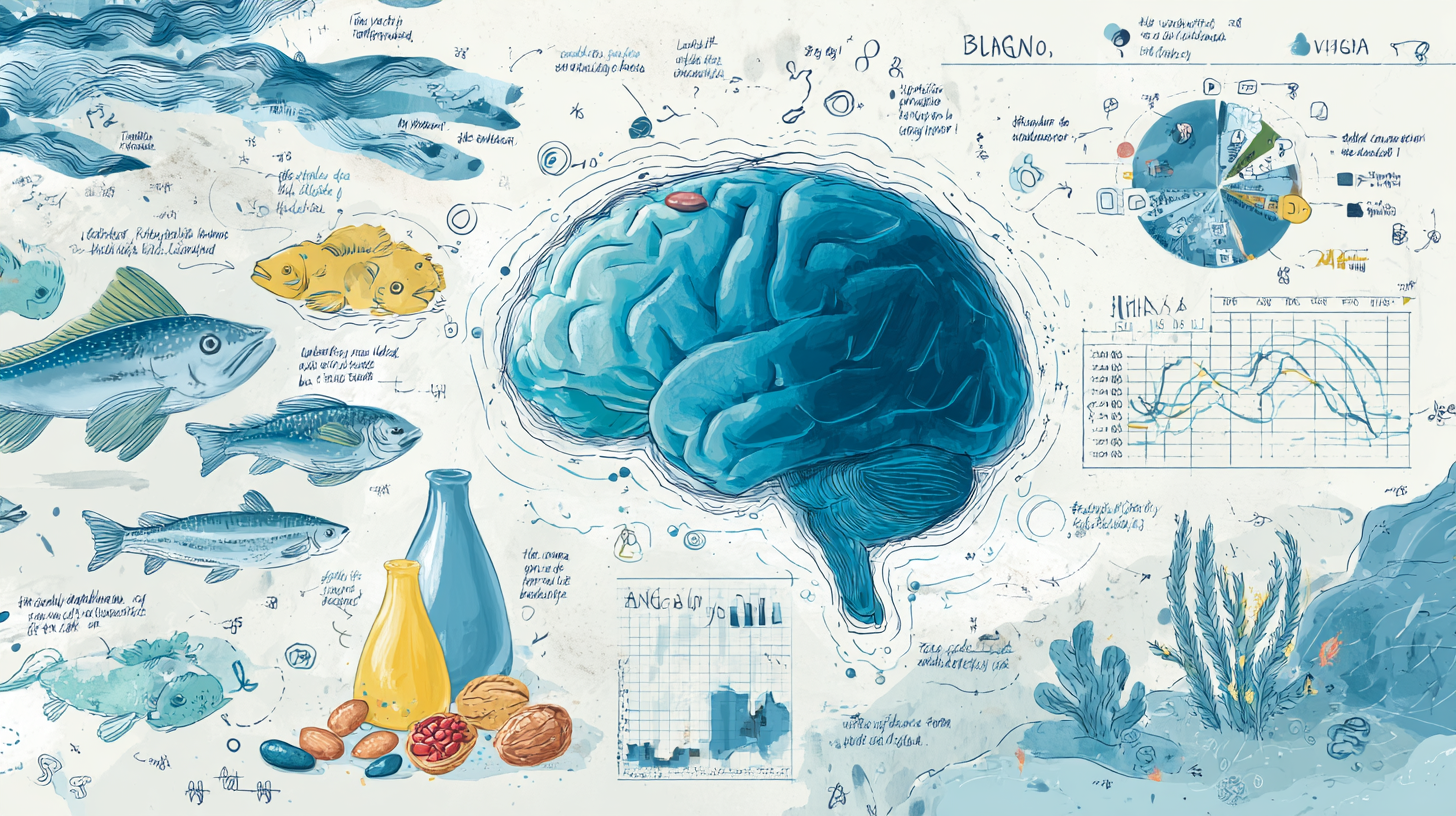
Let me break this down in a way that makes it real. Omega-3 fatty acids—specifically DHA (docosahexaenoic acid) and EPA (eicosapentaenoic acid)—are polyunsaturated fats that serve as primary structural components of brain tissue. DHA alone comprises approximately 10-15% of your child’s brain by composition. This isn’t trivial—this is architectural.
These omega-3s integrate directly into neuronal cell membranes, where they influence membrane fluidity, receptor function, and signal transduction. In plain English: they determine how efficiently brain cells communicate with each other. Better communication means faster processing, improved memory consolidation, and enhanced learning capacity. Research consistently demonstrates that children with higher DHA levels show superior performance in language development, visual processing, and psychomotor skills.
But here’s where it gets even more interesting. Omega-3s aren’t just structural—they’re functional. They modulate neurotransmitter systems, reduce neuroinflammation, and support the production of brain-derived neurotrophic factor (BDNF), which essentially acts as fertilizer for brain cell growth and connection formation. This is why children with adequate omega-3 status consistently outperform their peers on cognitive assessments.
The historical context matters too. For millennia, human diets included substantial omega-3 intake through fish, seafood, and wild game. Our brains evolved to expect these nutrients. Modern Western diets—heavy on processed foods and omega-6 fatty acids—have disrupted this balance catastrophically. We’ve gone from omega-6 to omega-3 ratios of roughly 1:1 in ancestral diets to ratios as high as 20:1 today. Your child’s brain is trying to develop using a nutrient profile it was never designed to work with.
Quick Knowledge Check: Omega-3 Myths
What do you believe about omega-3s? Click your answer:
The Real Numbers: How Much Your Child Actually Needs
Let’s talk specifics, because vague recommendations don’t help anyone. The current dietary recommendations for omega-3 intake vary by age, and understanding these numbers is crucial for practical implementation.
For infants under 12 months, recommendations suggest approximately 0.5 grams per day of total omega-3s, with emphasis on DHA during this period of explosive brain growth. For children ages 1-3 years, this increases to 0.7 grams daily. Ages 4-8 require 0.9 grams, while children 9-13 need 1.0-1.2 grams per day. These aren’t aspirational goals—these are minimum requirements for basic neurological function.
But here’s the problem: most research suggests these recommendations are actually conservative. Studies showing cognitive benefits often use doses of 120-1,300mg of combined EPA and DHA per day, with many researchers arguing for higher intakes than current guidelines suggest. The upper tolerable limits are set at 1,500mg for children ages 1-8 and 2,000mg for ages 9-13, providing significant room above baseline recommendations.
Recent data from 2025 reveals that children achieving optimal DHA status—measured through blood omega-3 index testing—consistently show superior neurodevelopmental scores compared to peers meeting only minimum requirements. This suggests that hitting the bare minimum might not be enough if you’re aiming for optimal brain development rather than just adequate function.
Personalized Omega-3 Calculator
Select your child’s age range to see specific recommendations:
Food Sources That Actually Work
Theory is useless without practical application. Let me give you the real breakdown of omega-3 food sources that will actually make a difference in your child’s diet—not the sanitized, unrealistic versions you see in most nutrition advice.
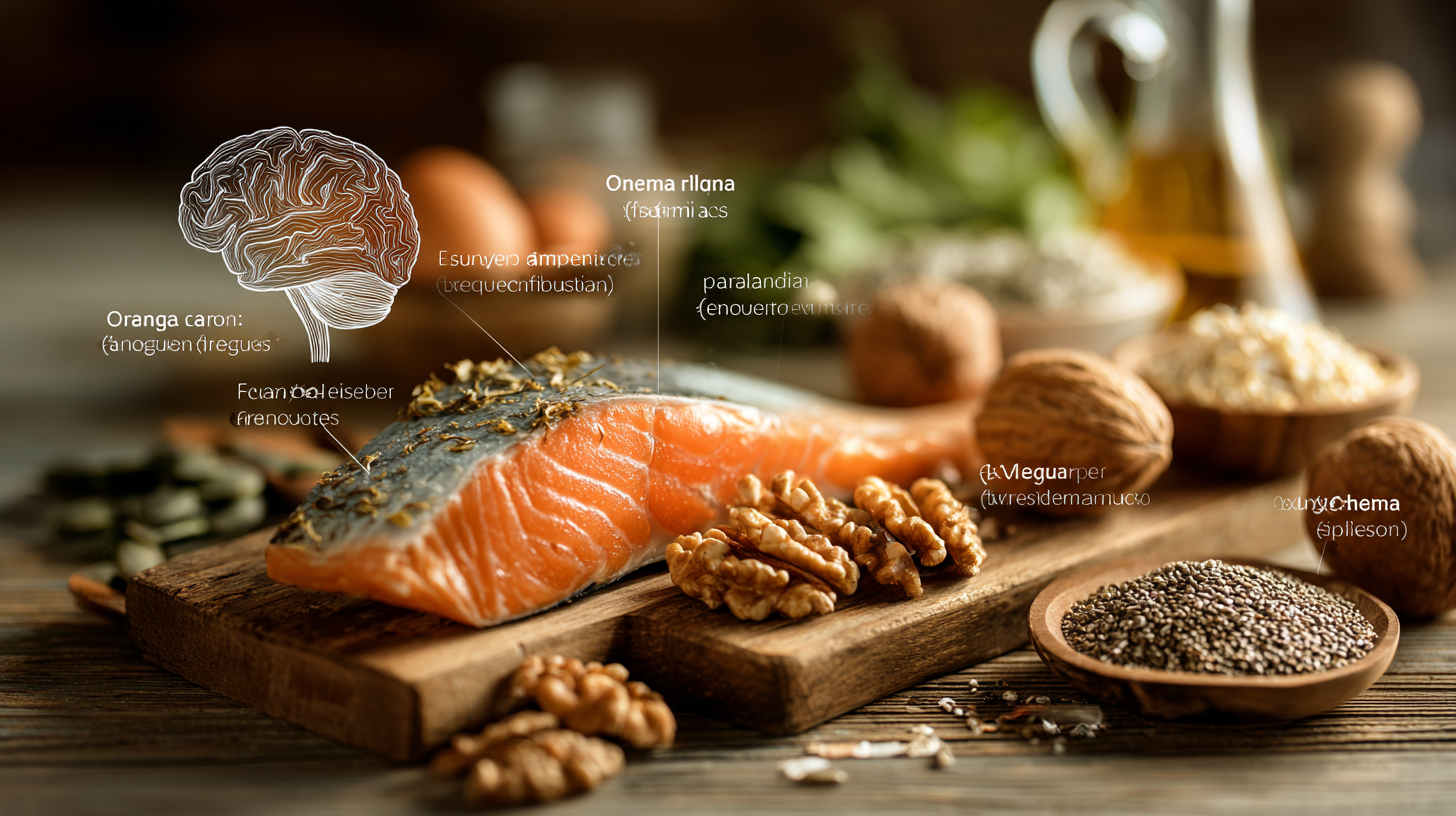
Fatty fish remains the gold standard. Salmon, sardines, mackerel, trout, and certain types of tuna provide substantial amounts of pre-formed DHA and EPA that your child’s brain can use immediately. A 3-ounce serving of wild salmon delivers approximately 1,500-2,000mg of omega-3s—enough to meet or exceed daily requirements in a single serving. Sardines punch above their weight class, offering around 1,200mg per serving along with calcium and vitamin D.
But here’s the reality: many children won’t eat fish. They won’t. You can dress it up, hide it, rebrand it—doesn’t matter. This is where plant sources and enriched foods become critical backup options. Walnuts contain alpha-linolenic acid (ALA), a plant-based omega-3, with a quarter-cup providing about 2.5 grams. Chia seeds and ground flaxseed are even more concentrated, offering 2-3 grams of ALA per tablespoon.
The catch with plant sources: ALA must be converted to DHA and EPA in the body, and this conversion is notoriously inefficient—typically only 5-10% for EPA and less than 1% for DHA. This means plant sources alone rarely provide adequate amounts of the specific omega-3 forms that brain tissue requires. They’re beneficial and should be included, but they cannot fully replace marine sources or supplements.
Eggs enriched with DHA—from chickens fed omega-3-rich feed—provide another practical option, delivering 50-150mg of DHA per egg. Fortified dairy products, certain brands of yogurt, and omega-3-enriched foods can contribute to daily intake, though you’ll need to read labels carefully to understand actual content.

If you’re incorporating Caribbean cuisine—and I strongly encourage this—you have built-in advantages. Many traditional recipes feature fish and seafood prominently. In my Caribbean Baby Food Recipe Book, recipes like the Guyanese Fish & Potato blend (for 12+ months) naturally deliver omega-3s alongside cultural authenticity. The Cook-Up Rice & Beans Smooth can be enhanced with sardines or mackerel for an omega-3 boost that respects traditional flavors.
The Supplement Question: When Food Isn’t Enough
Let’s address the elephant in the room: supplementation. The pediatric nutrition community has long debated whether supplements are necessary for children eating balanced diets. The research increasingly suggests that for many children—perhaps most—food alone doesn’t deliver adequate omega-3 intake.
Multiple forms of omega-3 supplements exist, each with distinct advantages and considerations. Fish oil supplements remain most common, typically providing 300-1,000mg of combined EPA and DHA per serving. Cod liver oil offers omega-3s plus vitamins A and D, though dosing must account for these fat-soluble vitamins to avoid excess intake. Algal oil supplements—derived from microalgae—provide a vegetarian/vegan source of pre-formed DHA and EPA, bypassing the conversion problem that plagues plant sources.
Quality matters enormously in supplementation. The omega-3 supplement market is notoriously inconsistent, with independent testing frequently revealing products that don’t match label claims or contain oxidized oils that provide no benefit. Look for products that have undergone third-party testing (USP, NSF International, or IFOS certification), specify actual EPA and DHA content rather than total fish oil, and use dark bottles to prevent light-induced oxidation.
Dosing for supplementation typically ranges from 250-500mg of combined EPA and DHA for basic support, with therapeutic doses for children with attention, behavior, or learning challenges sometimes reaching 1,000-1,500mg daily under professional guidance. Recent expert opinions suggest that dosing should ideally be individualized based on blood omega-3 index testing, which measures actual omega-3 status rather than relying on dietary recall estimates.
The timing debate: some evidence suggests divided doses (morning and evening) may improve absorption and reduce any fishy aftertaste or digestive upset. Taking omega-3 supplements with meals containing some fat enhances absorption, since these are fat-soluble nutrients. Liquid formulations tend to offer better bioavailability than capsules for younger children, though gummies—while convenient—often contain lower actual omega-3 content than claimed.
What the Science Actually Shows
Time to cut through the marketing hype and examine what controlled research actually demonstrates about omega-3s and cognitive development. The evidence is substantial but nuanced—understanding these nuances prevents both underselling the benefits and making unrealistic promises.
Multiple systematic reviews and meta-analyses confirm that maternal and early-childhood omega-3 status correlates with improved language development, visual processing, and psychomotor skills. A 2024 meta-analysis examining omega-3 supplementation in mothers and infants found significant positive effects on these specific domains, though effects on global intelligence measures were less consistent. This pattern repeats across research: omega-3s reliably improve specific cognitive functions without necessarily boosting overall IQ scores in already well-nourished populations.
The most compelling evidence appears for children with existing neurodevelopmental challenges. Research on omega-3 supplementation for children with ADHD shows consistent improvements in attention, behavior regulation, and academic performance. A 2020 systematic review analyzing omega-3 intervention studies found that doses providing 120-1,300mg of EPA and DHA daily produced measurable cognitive benefits, with higher doses generally showing larger effects.
Critical period effects are real and significant. Studies tracking omega-3 intake during pregnancy and early childhood demonstrate that adequate status during these windows produces lasting effects on brain development that persist into later childhood and adolescence. Missing these critical periods cannot be fully compensated later—you cannot go back and rebuild foundational brain architecture that was constructed with inadequate materials.
Recent 2025 data reveals particularly interesting findings about dose-response relationships. Children with blood omega-3 index values (a measure of red blood cell EPA and DHA content) above 8% consistently outperform those with index values of 4% or below on neurodevelopmental assessments. Most American children fall into the 4-6% range—adequate to prevent deficiency but well below optimal levels for brain function.
Practical Implementation: Making This Work in Real Life
Theory divorced from practical implementation is useless. Let me walk you through realistic strategies that actually work with real children in real kitchens with real time constraints.
Start with baseline assessment. Track your child’s current omega-3 intake for a typical week. Count fish servings, note any enriched foods, and calculate roughly where you stand. Most parents discover they’re providing far less than they assumed—this baseline reality check motivates consistent improvement.
Build a practical rotation: aim for fatty fish 2-3 times weekly if your child will eat it. Salmon patties, fish tacos with mild seasoning, sardines mashed into pasta sauce—whatever format your child accepts. On non-fish days, incorporate plant sources: walnut butter on toast, ground flaxseed in smoothies or oatmeal, chia pudding for snacks.
For the picky eater—and let’s be honest, that describes most children at some point—strategic approaches matter more than force-feeding. Mild white fish like tilapia or cod can be seasoned Caribbean-style with gentle spices introduced gradually. The Caribbean Baby Food Recipe Book includes preparations that naturally incorporate fish in formats children accept: the Guyanese Fish & Potato for older babies, or the Lambi ak Lalou (conch and arrowroot) for adventurous eaters introduces seafood omega-3s alongside cultural tradition.
Supplementation strategy: if food sources aren’t meeting requirements consistently, choose a high-quality supplement providing at least 250-500mg combined EPA and DHA daily. For younger children, liquid formulations mixed into smoothies, yogurt, or even directly into purees work well. Older children often accept small soft-gel capsules or flavored gummies, though actual omega-3 content must be verified against serving sizes.
Create omega-3-rich snack defaults: walnut trail mix, chia seed pudding cups, smoked salmon on cucumber rounds, omega-3 enriched granola bars. When grabbing quick foods becomes habitual omega-3 delivery, you’re no longer relying on perfect meal planning.
Batch cooking saves sanity: prepare several portions of salmon or mackerel at once, freezing individual servings. Cook a large batch of omega-3-enriched muffins or energy balls for grab-and-go options. The effort happens once; the nutrition happens repeatedly.
Myth Busters: Click to Reveal the Truth
The Challenges Nobody Talks About
Let’s discuss the uncomfortable realities that most nutrition advice conveniently omits. Implementing optimal omega-3 nutrition faces genuine obstacles that deserve honest acknowledgment.
Cost represents a significant barrier for many families. Wild salmon costs substantially more than chicken or ground beef. High-quality omega-3 supplements aren’t cheap—expect $15-30 monthly for adequate dosing. This creates legitimate tension between optimal nutrition and household budgets. Practical solutions: canned sardines and mackerel cost a fraction of fresh fish while delivering comparable omega-3 content. Store-brand fish oil supplements from reputable manufacturers (with third-party testing verification) provide adequate quality at lower prices than premium brands.
Contaminant concerns—particularly mercury in fish—legitimately worry parents. Larger, longer-lived fish (shark, swordfish, king mackerel, tilefish) accumulate dangerous mercury levels and should be avoided by children. However, smaller, shorter-lived species (salmon, sardines, anchovies, herring) contain minimal mercury while providing maximum omega-3s. The neurodevelopmental benefits of appropriate fish consumption far outweigh mercury risks when sources are chosen correctly.
Taste and texture acceptance poses perhaps the biggest practical challenge. Many children reject fish entirely, won’t swallow pills, or detect fishy flavors in smoothies. This isn’t a failure of parenting—it’s normal sensory preferences that require creative problem-solving rather than force-feeding battles. Strategies that actually work: very gradual introduction, novel preparations, strategic seasoning, and acknowledging that supplements may be necessary when food approaches consistently fail.
The plant-source conversion problem creates specific challenges for vegetarian and vegan families. Without marine sources, achieving adequate DHA and EPA becomes extremely difficult through food alone. Algal oil supplements become essentially mandatory rather than optional for these families—not a judgment, just biochemical reality.
Supplement quality inconsistency means you cannot trust all products equally. Independent testing repeatedly reveals omega-3 supplements that don’t match labels, contain oxidized oils providing no benefit, or include insufficient active ingredients. This isn’t theoretical—it means many parents think they’re providing omega-3 supplementation when their child receives little to no actual benefit. Solution: stick with brands that undergo rigorous third-party testing (IFOS, USP, or NSF certification), even if they cost slightly more.
Expert Perspectives and Current Debates
The professional consensus on omega-3s and child development has solidified considerably over the past decade, though important debates and areas of uncertainty remain.
Major health organizations—including the National Institutes of Health, American Academy of Pediatrics, and Academy of Nutrition and Dietetics—now consistently recommend adequate omega-3 intake throughout childhood, with particular emphasis on early developmental periods. However, disagreement persists regarding optimal dosing, with some experts arguing current recommendations are too conservative given emerging research on cognitive benefits at higher intakes.
Dr. William Harris, a leading omega-3 researcher, advocates for using blood omega-3 index testing to personalize recommendations rather than relying on generalized dietary guidelines. His position: target an index of 8-12% for optimal brain function, which typically requires higher intakes than current standard recommendations for many children. This biomarker-driven approach represents an emerging frontier in personalized pediatric nutrition.
The supplementation debate centers on whether otherwise healthy children eating typical diets require omega-3 supplements or whether improved food choices suffice. Conservative voices argue that balanced diets should provide adequate omega-3s without supplementation. The counterargument—increasingly dominant—points to data showing most children fall short of even conservative intake targets through food alone, making supplementation a practical necessity for many families.
Recent 2025 research has opened new discussions about potential synergistic effects between omega-3s and other nutrients, particularly vitamin D, for neurodevelopment. Some preliminary evidence suggests combined supplementation may produce greater benefits than either nutrient alone, though definitive recommendations await further research.
Social media has amplified awareness of omega-3 importance but also spread considerable misinformation. Parent communities on platforms like Instagram and TikTok share practical tips and recipes—valuable crowd-sourced wisdom—but also promote questionable products and make exaggerated claims not supported by evidence. The challenge: separating legitimate information from marketing disguised as advice.
Looking Forward: What’s Coming in Omega-3 Research and Practice
The trajectory of omega-3 science and public health policy points toward several significant developments over the next 3-5 years that will affect how parents approach this aspect of child nutrition.
Increased fortification of common children’s foods appears inevitable. Several manufacturers have already begun adding DHA to products like milk, yogurt, bread, and pasta. Expect this trend to accelerate, potentially making adequate omega-3 intake more achievable through routine grocery shopping rather than requiring specialized products or meal planning.
Personalized nutrition based on biomarker testing will likely move from research setting to clinical practice. As home testing kits for omega-3 index become more accessible and affordable—already available for under $100—expect growing numbers of parents to use actual blood measurements rather than dietary estimates to guide omega-3 strategies.
Algal oil technology continues improving, with newer production methods increasing DHA concentration and reducing cost. This positions algal supplements as increasingly viable alternatives to fish oil, particularly important for vegetarian families and those concerned about marine ecosystem sustainability.
Large-scale cohort studies currently underway will provide unprecedented data on long-term outcomes. Research projects tracking thousands of children from infancy through adolescence, correlating early-life omega-3 status with academic achievement, mental health outcomes, and cognitive performance, will produce definitive evidence about optimal intake levels and critical developmental windows.
Public health initiatives targeting childhood omega-3 status are already emerging. Several countries have implemented programs to increase fish consumption in school meals or provide omega-3 supplements to high-risk populations. Expect similar initiatives in the United States as evidence continues mounting regarding widespread inadequacy and its developmental consequences.
The sustainability conversation around marine omega-3 sources will intensify. As demand for fish oil supplements grows globally, questions about ocean ecosystem impact and seafood sustainability become increasingly urgent. This likely drives continued investment in alternative sources—algal production, improved plant conversion through genetic modification, or entirely novel production methods using fermentation technology.
✓ Your Omega-3 Action Plan
Click each item as you implement it—track your progress toward optimal brain nutrition:
Building Brains One Meal at a Time
My nephew—the one who struggled in preschool—is now thriving in second grade. Top of his class in reading, focused, engaged, excited about learning. Did omega-3s alone create this transformation? Of course not. But they provided the biochemical foundation that made everything else possible. His brain finally had the raw materials it needed to build optimal neural architecture.
That’s what this comes down to: giving your child’s developing brain what it needs when it needs it. Not perfection—nobody achieves that. Not obsession—that helps no one. Just consistent, informed attention to providing adequate omega-3 fatty acids through whatever combination of food and supplementation works for your family, your budget, and your child’s preferences.
The research is unambiguous: omega-3s matter. DHA forms the structural foundation of neuronal membranes. EPA modulates neuroinflammation and neurotransmitter function. Together, they enable the neuroplasticity that allows learning, memory formation, and cognitive development to occur at optimal rates. Providing inadequate omega-3s during critical developmental windows has consequences—not catastrophic, but real and measurable.
Start where you are. Use what you have. Do what you can. Add one serving of fatty fish this week. Incorporate ground flaxseed into morning oatmeal. Choose omega-3 enriched eggs. Try one new preparation method for fish that might appeal to your picky eater. If you’re already exploring Caribbean cuisine, recipes from the Caribbean Baby Food Recipe Book like the Ackee Adventure (for 12+ months) or the Cornmeal Porridge Dreams naturally deliver nutrition while honoring cultural authenticity.
If food approaches aren’t working consistently, there’s zero shame in high-quality supplementation. You’re not failing—you’re problem-solving. The goal isn’t winning parent-of-the-year awards for perfect home-cooked organic fish dinners every night. The goal is ensuring your child receives adequate omega-3 fatty acids to support optimal brain development through whatever practical, sustainable means work for your family.
Your child’s brain is building itself right now, today, using whatever nutritional materials you provide. Three years from now, you won’t remember the stress of finding recipes that work or the cost of good supplements. You will see the results in a child whose brain developed with the resources it needed—capable, focused, ready to learn. That’s worth every bit of effort you invest in getting this right.
The science has spoken. The path is clear. The choice—as always—is yours.

Kelley's culinary creations are a fusion of her Caribbean roots and modern nutritional science, resulting in baby-friendly dishes that are both developmentally appropriate and bursting with flavor. Her expertise in oral motor development and texture progression ensures that every recipe supports your little one's feeding milestones while honoring cultural traditions.
Join Kelley on her flavorful journey as she shares treasured family recipes adapted for tiny taste buds, evidence-based feeding guidance, insightful parenting anecdotes, and the joy of celebrating food, culture, and motherhood. Get ready to immerse yourself in the captivating world of Kelley Black and unlock the vibrant flavors of the Caribbean for your growing baby, one nutritious bite at a time.
- The Feeding Revolution: Why Your Everyday Meals Are Changing the World - October 13, 2026
- Your Feeding Story Matters More Than The “Perfect” One Online - October 12, 2026
- Looking Forward: Stepping Into Your Confident Feeding Future - October 11, 2026