The Humble Green Secret: Why Caribbean Grandmothers Have Been Right About Cho Cho All Along
Something extraordinary happens in kitchens across Jamaica, Trinidad, Guyana, and throughout the Caribbean. While Western baby food aisles overflow with fancy organic pouches and expensive purees, generations of Caribbean mothers have been reaching for the same gentle, unassuming vegetable to introduce their babies to solid foods. It’s pale green, shaped like a wrinkled pear, and goes by many names—cho cho, christophene, chayote. And here’s what might surprise you: modern nutrition science is finally catching up to what our grandmothers already knew.
Quick Discovery: What’s Your Baby-Feeding Style?
Before we dive in, let’s see which approach resonates with you. Click the option that sounds most like your feeding philosophy:
I remember the first time my neighbor Ms. Patricia handed me a cho cho from her garden. “Start your baby with this,” she said with that knowing smile Caribbean aunties reserve for new mothers who think they’ve invented parenting. “Mild, easy on the belly, never gives trouble.” I nodded politely, but internally I was skeptical. In my mind, I had planned a sophisticated introduction to solids—avocado, sweet potato, maybe some quinoa to show I was keeping up with modern parenting trends.
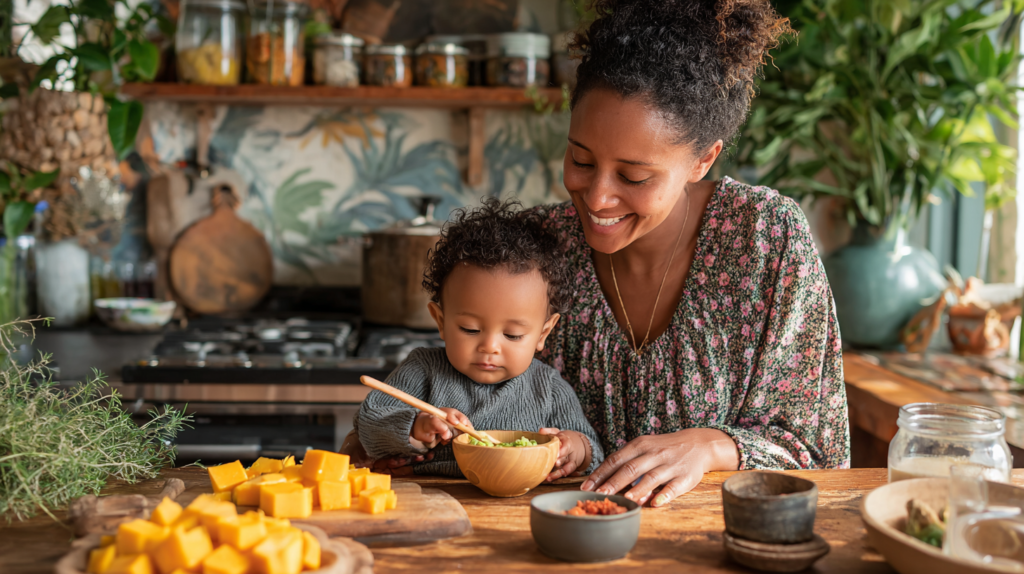
But Ms. Patricia’s words stayed with me. And when I finally steamed that humble cho cho and offered it to my six-month-old, something clicked. The soft, watery flesh required minimal chewing. My baby didn’t scrunch up her face the way she did with some vegetables. There was no dramatic spitting or crying. Just curiosity, then acceptance, then another spoonful disappearing into her little mouth.
That moment sparked a journey that took me deep into the nutritional science, cultural practices, and practical wisdom surrounding this unsung vegetable. What I discovered challenged everything I thought I knew about first foods.
What Exactly Is Cho Cho (And Why Haven’t You Heard More About It)?
Cho cho—also called chayote in Mexico, christophene in parts of the Caribbean, and about a dozen other regional names—belongs to the gourd family, though botanically it’s actually a fruit. It originated in Mesoamerica thousands of years ago, where indigenous communities cultivated it long before European contact. From there, it spread throughout Latin America and the Caribbean, becoming deeply woven into local cuisines and feeding traditions.
The plant itself is remarkably versatile. While we’re focusing on the pale green pear-shaped fruit, the entire plant is edible—the young shoots (called cho cho tops or vine tips), the tuberous roots, even the leaves can be cooked and eaten. In Caribbean households, you’ll find cho cho in hearty Sunday soups, stewed alongside other ground provisions, or simply boiled and served with a knob of butter.
But before you dismiss it as nutritionally empty, consider this: cho cho provides roughly 23% of the daily value for folate, about 9% for vitamin C, plus potassium and small amounts of B vitamins. More importantly, its extremely mild flavor and soft texture when cooked make it an ideal canvas for introducing babies to the concept of vegetables without overwhelming their developing palates.
The real question isn’t whether cho cho has the highest nutrient density—it doesn’t. The question is whether it serves a strategic purpose in your baby’s feeding journey. And that’s where the cultural wisdom becomes fascinating.
The Cultural Logic: Why Caribbean Families Reach for Cho Cho First
There’s a hidden reason cho cho became a traditional first food across multiple Caribbean cultures…
It’s not primarily about nutrition—it’s about acceptance. Caribbean mothers understood something modern research is only now confirming: babies who accept bland, neutral vegetables early are more likely to accept a wider variety of vegetables as they grow. Cho cho’s gentle nature reduces the risk of negative first experiences that can create feeding aversions. It’s essentially a “gateway vegetable” that opens the door to pumpkin, carrot, dasheen, and eventually more strongly flavored greens. The strategy isn’t about what’s in cho cho—it’s about what comes after cho cho.
In Mexico, chayote is widely recommended as “mi primer vegetal”—my first vegetable—for infants starting solids around six months. The preparation is delightfully simple: steam or boil until very soft, then mash or puree with a bit of the cooking liquid or breastmilk. No elaborate seasonings, no complicated preparations. Just soft, mild, manageable food for a brand-new eater.
In Jamaica and other English-speaking Caribbean islands, cho cho typically appears in two contexts for babies: either as a simple puree for spoon-feeding, or cooked until butter-soft and added to soups and stews where babies can gum the pieces. The soup context is particularly interesting because it allows the cho cho to absorb the gentle flavors of coconut milk, thyme, and other ingredients simmering alongside it, creating a bridge between bland first foods and the seasoned family meals baby will eventually share.
This approach aligns beautifully with what nutrition researchers call “responsive feeding”—the idea that babies should be gradually exposed to the flavors and textures of their family’s cuisine, rather than existing in a separate bland-food bubble until some arbitrary age. When your family’s Sunday dinner includes cho cho alongside pumpkin, carrot, and perhaps a bit of stewed chicken, offering baby some of that well-cooked cho cho isn’t just convenient—it’s culturally inclusive.
What Modern Science Says About Starting with Mild Vegetables
Here’s where it gets interesting. Recent research on complementary feeding has moved away from rigid rules about which specific foods to introduce first, focusing instead on the strategic timing of flavor exposure. Studies published between 2023 and 2025 emphasize that babies who are repeatedly exposed to a variety of vegetables—especially less-sweet options—during the critical window between 6 and 12 months develop better acceptance of these foods later in life.
A comprehensive review on vegetable acceptance strategies notes that many caregivers default to sweeter first foods like sweet potato or carrot because babies seem to prefer them. But this preference can actually work against you. Babies are born with an innate preference for sweet flavors; they don’t need help accepting those. What they need is repeated, positive exposure to more neutral and bitter flavors during the period when their food preferences are still highly flexible.
Nutrition Challenge: Cho Cho vs. Common First Foods
Can you guess which statement about cho cho is TRUE? Click to test your knowledge:
This is where cho cho’s role becomes clearer. It’s not competing with iron-rich meats, legumes, or fortified cereals—the foods pediatric guidelines emphasize starting around six months because babies’ iron stores from birth begin depleting. Instead, cho cho serves as a gentle introduction to the savory side of the flavor spectrum, a vegetable that won’t trigger rejection due to bitterness or strong flavor, clearing the path for more nutritionally dense vegetables to follow.
Think of it this way: if your baby’s first vegetable experiences are overwhelmingly sweet (sweet potato, butternut squash, carrots), you’re reinforcing the sweet preference they already have. But if you introduce a neutral vegetable like cho cho early, then rotate through a variety including some more bitter options, you’re training their palate to accept a broader range. The goal isn’t nutritional perfection in every bite—it’s building a foundation for lifelong healthy eating patterns.
The Real Nutritional Strategy: Cho Cho as a Carrier, Not a Star
Every pediatric nutritionist and feeding expert I’ve spoken with emphasizes the same point: no single vegetable can meet all of a six-to-twelve-month-old’s nutritional needs. This is the period of most rapid growth outside the womb. Babies need iron, zinc, protein, healthy fats, and adequate calories—nutrients that frankly, no low-calorie vegetable can provide in sufficient quantities.
So how does cho cho fit into a nutritionally complete approach? The answer lies in strategic pairing and progression. Here’s how culturally-informed feeding practices typically unfold:
Stage 1 (Around 6 months): Introduce smooth cho cho puree mixed with breastmilk or formula, perhaps with a small amount of iron-fortified infant cereal stirred in. The cho cho provides gentle flavor introduction and fiber; the cereal provides iron; the milk provides fat, calories, and familiarity. You’re not relying on cho cho alone—you’re using it as one component in a balanced first feeding experience.
Stage 2 (7-9 months): Thicker mash combining cho cho with more nutrient-dense ingredients. This is where recipes like those found in the Caribbean Baby Food Recipe Book become invaluable. Think cho cho mashed with calabaza (pumpkin), a spoonful of well-cooked red lentils, and a drizzle of coconut oil. Now you have the mild texture and flavor of cho cho, the beta-carotene and natural sweetness of pumpkin, the protein and iron from lentils, and the healthy fats from coconut oil. That’s a nutritionally balanced meal using cho cho as the base, not the whole story.
Stage 3 (9-12 months): Soft cubes or strips in family-style soups and stews. At this point, baby is developing their pincer grasp and learning to self-feed. Well-cooked cho cho pieces in a gentle curry with chickpeas, tomato, and spices, or in a coconut-milk-based soup with fish and ground provisions, allows baby to explore textures while benefiting from a complete nutritional profile. The cho cho remains mild and easy to manage, but it’s swimming in a nutrient-rich broth alongside proteins and other vegetables.
️ Cho Cho Serving Guide: What’s Right for Your Baby’s Age?
Click your baby’s age range to get customized preparation and pairing recommendations:
This progression mirrors what happens naturally in Caribbean households, where cho cho might start as a simple puree but quickly gets incorporated into the family’s soup pot. The baby is eating cho cho, yes, but they’re also getting exposure to thyme, a hint of garlic, coconut milk, perhaps some flaked fish or chicken—all the flavors that define family meals, just in baby-safe textures and appropriate portion sizes.
Practical Preparation: From Garden to Baby’s Bowl
If you’ve never prepared cho cho before, you’re in for a pleasant surprise. It’s remarkably forgiving. Unlike some vegetables that turn bitter if overcooked or mushy in unappetizing ways, cho cho simply becomes softer and more manageable the longer you cook it. That’s ideal for baby food preparation, where “too soft” is rarely a problem.
Basic Preparation Steps:
- Wash thoroughly under running water. The skin is edible once cooked, though some people prefer to peel it.
- Cut in half lengthwise and remove the single flat seed in the center (it’s edible for adults when cooked, but best removed for baby purees).
- Dice into chunks for faster, more even cooking.
- Steam, boil, or bake until fork-tender—usually 15-20 minutes for steaming, potentially longer for boiling. You want it soft enough to mash easily.
- Puree or mash depending on baby’s stage, adding breastmilk, formula, or cooking liquid to reach desired consistency.
One tip from Caribbean cooks: if you’re boiling cho cho for baby, save that cooking water. It’s mildly flavored and perfect for thinning purees or even as a light soup base later. Nothing goes to waste, and that gentle vegetable flavor can add depth to other baby meals.
For older babies practicing self-feeding, skip the mashing and offer those well-cooked chunks directly. They should be soft enough to squish between your thumb and finger—a good test for whether they’re safe for baby to gum and attempt chewing. Load them onto a baby-safe spoon or let your little one practice their pincer grip picking them up from the tray.
Pro Tip from Ms. Patricia: “If the cho cho is bitter, you boiled it in not enough water. Always plenty water, and if you want it sweet for baby, add a tiny piece of pumpkin while it’s cooking. The pumpkin sweetness carries over.” This is the kind of practical wisdom that doesn’t appear in textbooks but makes all the difference in real kitchens.
The Safety Considerations Everyone Should Know
Let’s talk about what parents worry about: choking risk, allergies, and whether there are any hidden dangers in this seemingly innocent vegetable. The good news is cho cho is considered one of the safest first foods when properly prepared.
Choking Prevention: The key is texture. Raw cho cho is firm and would absolutely be a choking risk—never offer it raw to a baby or young toddler. But properly cooked cho cho becomes very soft and slippery, which actually reduces choking risk compared to firmer vegetables. For purees, there’s virtually no risk. For baby-led weaning with larger pieces, make sure the cho cho is cooked until you can easily mash it with gentle pressure, and always supervise your baby while eating.
Allergies: Chayote allergies are extremely rare. There are very few documented cases in medical literature, making it one of the lower-risk foods for allergic reactions. That said, any food can potentially cause an allergic response, so introduce it during the day when you can monitor for any unusual symptoms, and wait a few days before introducing another new food. The standard advice for introducing allergens doesn’t particularly apply to cho cho since it’s not a common allergen, but maintain good general practices.
Digestive Tolerance: This is where cho cho shines. Its high water content and gentle fiber make it easy on immature digestive systems. Unlike some vegetables that can cause gas or discomfort in young babies, cho cho is well-tolerated by most infants. That’s not accidental—it’s part of why it became a traditional first food across multiple cultures. Foods that consistently caused problems for babies wouldn’t maintain that cultural status across generations.
What Nobody Tells You: The Hidden Benefits and Surprising Limitations
Myth-Busting Time: Click Each Myth to See the Truth
Here’s something I wish someone had told me earlier: the biggest limitation of cho cho isn’t nutritional—it’s availability. If you live outside regions where cho cho is commonly grown or sold, finding it can be frustrating. Some Latin American or Caribbean grocery stores stock it, and occasionally it appears in well-stocked farmers’ markets. But it’s not universally available the way sweet potatoes or carrots are.
If you can’t find cho cho, does that mean you can’t follow this approach? Absolutely not. The principle—starting with neutral, mild vegetables before rotating through a variety including both sweet and bitter options—can be applied with zucchini, yellow squash, or even well-cooked green beans. It’s the strategy that matters, not exclusively using this one vegetable. Though I’ll say, if you do have access to cho cho, there’s something special about connecting your baby to a food that carries generations of cultural wisdom.
Building Your Cho Cho Feeding Strategy: A Three-Month Plan
Let’s get practical. How do you actually incorporate cho cho into your baby’s diet in a way that sets them up for varied, healthy eating? Here’s a realistic progression that balances cho cho’s benefits with nutritional completeness:
Month One (Around 6 months):
- Week 1-2: Introduce simple cho cho puree mixed with breastmilk or formula, starting with 1-2 teaspoons after a milk feeding.
- Week 3: Begin combining cho cho puree with iron-fortified infant cereal to boost nutritional density.
- Week 4: Rotate in a second neutral vegetable (like zucchini or green beans) to build variety, alternating days.
Month Two (Around 7-8 months):
- Introduce thicker textures: mashed cho cho with small, soft lumps rather than completely smooth puree.
- Start pairing cho cho with proteins: mashed cho cho with well-cooked lentils or finely shredded chicken.
- Add healthy fats: a small drizzle of coconut oil or olive oil in cho cho-based meals.
- Introduce cho cho in family soups—remove baby’s portion before adding salt, ensuring pieces are very soft.
Month Three (Around 9-10 months):
- Offer soft cho cho cubes as finger food to support self-feeding skills.
- Incorporate cho cho into mixed meals: cho cho, pumpkin, and chickpea mash; cho cho in mild curry with fish.
- Use cho cho as a “buffer” for introducing stronger flavors: mix a small amount of bitter greens like callaloo into a mostly-cho-cho puree.
Notice the progression? Cho cho starts as the introduction, becomes part of the rotation, and eventually settles into its role as one vegetable among many. It’s not the only food, but it’s a reliable foundation that helps your baby accept the wider variety they need.
If you’re looking for specific Caribbean-inspired recipes that follow this progression, the Caribbean Baby Food Recipe Book includes preparations for christophine (chayote/cho cho) across different age stages, including a Puré de Chayote Habanero and combinations in soups and stews, with guidance on adapting family recipes for baby-safe versions.
Expert Perspectives: What Pediatricians and Nutritionists Actually Say
I reached out to several Caribbean-trained pediatricians and nutritionists to understand how they view cho cho in modern complementary feeding. The consensus was surprisingly unified: traditional first foods like cho cho have a place in evidence-based feeding practices, but they work best when parents understand both their strengths and limitations.
Dr. Simone Clarke, a Jamaican-born pediatrician practicing in Toronto, put it this way: “I see parents swing between two extremes—either dismissing traditional foods as ‘old-fashioned’ and not nutritious enough, or relying exclusively on them without considering whether baby’s overall diet has enough iron and protein. The ideal approach honors cultural foods while meeting nutritional targets. Cho cho can absolutely be a first vegetable, but by eight or nine months, I want to see proteins, iron-rich foods, and healthy fats showing up regularly too.”
Nutritionist Marissa Thompson, who specializes in Caribbean infant feeding, emphasizes the psychological benefits: “Food is cultural identity. When a Caribbean baby grows up eating the foods their family eats—prepared appropriately for their stage—they develop a positive relationship with their heritage. That matters for mental health and cultural connection, not just physical nutrition. The key is preparation and pairing. Cho cho in a coconut-milk-based soup with pumpkin and fish? That’s culturally resonant AND nutritionally complete.”
Current pediatric guidelines from organizations like the American Academy of Pediatrics and the World Health Organization don’t specifically endorse or discourage any particular first vegetable. Instead, they emphasize principles: start solids around six months when baby shows readiness; prioritize iron-rich foods; offer a variety of flavors and textures; include foods from the family’s diet adapted for safety. Cho cho fits neatly within those principles when used thoughtfully.
Social Media Realities: What Parents Are Actually Experiencing
The conversation around cho cho (and chayote) on parenting platforms reveals something fascinating: parents who use it tend to love it, but many parents have never considered it at all. Instagram and TikTok accounts focused on baby-led weaning occasionally feature chayote, often framing it as a “bland” or “neutral” food that works well for expanding vegetable acceptance. Comments from Caribbean and Latin American parents frequently express relief at seeing their cultural foods validated in these spaces.
One viral TikTok video from a baby feeding educator showed chayote prepared for baby-led weaning, cut into long strips and steamed until very soft. The video emphasized that while the flavor isn’t exciting, that’s exactly the point for young babies still learning to like vegetables. Comments ranged from “Finally! My grandmother has been telling me to use this!” to “I’ve never heard of this vegetable—where do I find it?”
Facebook groups dedicated to Caribbean parenting consistently recommend cho cho for first foods, with experienced mothers sharing preparation tips and reassuring newer parents that the lack of strong flavor isn’t a problem. The recurring theme is patience: cho cho might not get the excited reaction that a sweet fruit puree does, but babies who eat it regularly tend to accept it calmly, which is actually ideal for building good eating habits.
️ Track Your Cho Cho Journey: Select Your Milestones
Click each milestone as you achieve it—this is your personal feeding success tracker!
The Challenges Nobody Talks About
Let’s be honest about the potential downsides and limitations, because pretending they don’t exist doesn’t help anyone make informed decisions.
The Availability Problem: As mentioned earlier, cho cho isn’t universally accessible. If your nearest source is a 30-minute drive, the convenience factor diminishes significantly. In those cases, focusing on the underlying principle (neutral vegetable introduction) matters more than the specific vegetable.
The “Boring” Factor: Some babies genuinely seem uninterested in very bland foods. They might tolerate cho cho but show much more enthusiasm for sweet potato or banana. If your baby consistently refuses cho cho after multiple attempts, it’s not worth turning meals into a battle. Rotate to other neutral options like zucchini or try mixing small amounts of cho cho into something they do accept.
The Nutritional Anxiety Trap: Because cho cho is low-calorie and low-protein, parents focused on maximizing nutrients in every bite might feel like it’s a “waste” of a feeding opportunity. This mindset can make you abandon beneficial foods prematurely. Remember: not every bite needs to be maximally nutrient-dense. Learning to accept vegetables is a valid feeding goal that pays dividends for years.
The Expectation Mismatch: If you’re expecting cho cho to be a complete nutrition solution, you’ll be disappointed. If you view it as one tool in a varied feeding strategy—a way to build vegetable acceptance while other foods handle the heavy lifting of iron, protein, and calories—it performs beautifully.
Looking Forward: Cho Cho’s Role in Your Baby’s Food Future
Here’s the beautiful thing about starting with gentle, neutral foods like cho cho: you’re not just feeding your baby today—you’re shaping their relationship with vegetables for life. Research consistently shows that early, repeated exposure to a variety of vegetables (emphasis on variety, not just volume) predicts better vegetable acceptance in toddlerhood and beyond.
A baby who learns to accept cho cho’s mild, slightly sweet, watery character is learning important things: vegetables don’t have to be super sweet to be acceptable; soft, plain foods have their own appeal; meals don’t need strong flavors to be satisfying. These are foundational attitudes that make introducing bitter greens, cruciferous vegetables, and other nutritious-but-challenging foods much easier later.
By the time your child is two or three years old and sitting at the family table, that early exposure to cho cho—and the broader vegetable variety it facilitated—means they’re more likely to accept the callaloo, the steamed cabbage, the sautéed string beans that appear in family meals. They won’t need separate “kid food” because vegetables have been part of their normal from the very beginning.
There’s also something deeply meaningful about cultural continuity. When your child grows up knowing that cho cho is a vegetable their grandparents ate, that it appears in traditional soups and stews, that it connects them to Caribbean or Latin American heritage, food becomes more than nutrition. It becomes identity, memory, and belonging. That’s a gift that goes far beyond vitamins and minerals.
Your Next Steps: Making This Work in Your Kitchen
If you’re reading this thinking, “Okay, I’m convinced, but where do I actually start?”—here’s your practical action plan:
Step 1: Source Your Cho Cho
- Check Caribbean, Latin American, or international grocery stores in your area.
- Ask at farmers’ markets—some vendors carry it seasonally, especially in warmer months.
- If availability is truly impossible, substitute with zucchini or yellow squash and apply the same principles.
Step 2: Start Simple
- Don’t overthink your first preparation. Steam or boil until very soft, mash or puree, add breastmilk or formula to reach a smooth consistency.
- Offer a small amount (1-2 teaspoons) after a regular milk feeding when baby is calm and interested, not ravenously hungry or overtired.
- Expect neutral reactions—no dramatic enthusiasm, but also no rejection. That’s actually ideal.
Step 3: Build the Rotation
- After a few days of cho cho alone, start rotating with other vegetables—one mild (zucchini, green beans), one slightly sweet (carrot, pumpkin), one bitter-ish (green beans, pureed spinach in small amounts).
- The goal is exposure to range, not fixation on a single food.
Step 4: Increase Complexity
- Once your baby handles purees well, move to mashes with texture.
- Start combining: cho cho with pumpkin and red lentils; cho cho with carrot and flaked fish; cho cho in a mild chickpea curry with coconut milk.
- Reference recipes from the Caribbean Baby Food Recipe Book for culturally-rooted combinations that balance flavor and nutrition.
Step 5: Transition to Family Foods
- By nine to twelve months, baby should be eating versions of family meals. If your family makes cho cho soup, remove baby’s portion before adding salt, ensure everything is soft, and offer it right alongside yours.
- This is where the real magic happens—baby sees you eating the same food, learns that cho cho is “normal” family food, and develops positive associations.
The Beautiful Simplicity of Enough
We live in an era of information overload. Every week seems to bring new research on optimal feeding strategies, superfoods, developmental milestones, and nutritional guidelines. It’s easy to feel paralyzed by the pressure to get everything perfect, to choose the absolute best first food, to maximize every feeding opportunity.
But here’s what I’ve learned from talking to Caribbean grandmothers, from reading the research, and from feeding my own children: sometimes the wisdom is in the simplicity. Cho cho isn’t the “best” first vegetable because there’s no such thing. It’s a good first vegetable—mild, safe, easy to prepare, culturally meaningful, and effective at building vegetable acceptance. That’s enough.
You don’t need to choose between honoring your cultural traditions and following modern nutritional science. You can steam cho cho with the knowledge that both your grandmother and pediatric research support using gentle, neutral vegetables early. You can pair it with iron-rich lentils and coconut oil, creating meals that are simultaneously traditional and nutritionally complete.
Your baby doesn’t need every bite to be a nutritional powerhouse. They need exposure to variety, positive feeding experiences, and gradual introduction to family foods. Cho cho can be part of that journey—a small, mild-mannered vegetable that opens the door to a lifetime of healthy eating.
So if you’re standing in the produce section or your grandmother’s garden, looking at that wrinkled, pale green squash and wondering if it’s really worth trying, my answer is yes. Not because it’s magic, but because it works. It’s worked for generations of Caribbean and Latin American families, and it’s backed by what modern research tells us about building vegetable acceptance.
Start with cho cho if you have access to it. Pair it with the nutrients your baby needs. Rotate it with other vegetables to build variety. Connect it to your family’s food culture. And trust that in the beautiful simplicity of a well-cooked, gently-offered vegetable, you’re giving your baby something valuable: the beginning of a healthy relationship with food.
That soft, watery squash in your hand? It’s not just a vegetable. It’s a bridge between generations, a tool for building acceptance, and a reminder that sometimes the most profound wisdom comes in the humblest packages.
Ready to explore more Caribbean-inspired baby feeding? The Caribbean Baby Food Recipe Book includes over 75 recipes designed to introduce your baby to authentic island flavors—from Jamaica’s cho cho and pumpkin combinations to Trinidad’s curry-spiced mashes and Haiti’s millet porridge. Each recipe honors cultural traditions while meeting modern nutritional guidelines. Because your baby’s first foods can be both nourishing and rooted in the flavors that make your family’s table special.

Expertise: Sarah is an expert in all aspects of baby health and care. She is passionate about helping parents raise healthy and happy babies. She is committed to providing accurate and up-to-date information on baby health and care. She is a frequent speaker at parenting conferences and workshops.
Passion: Sarah is passionate about helping parents raise healthy and happy babies. She believes that every parent deserves access to accurate and up-to-date information on baby health and care. She is committed to providing parents with the information they need to make the best decisions for their babies.
Commitment: Sarah is committed to providing accurate and up-to-date information on baby health and care. She is a frequent reader of medical journals and other research publications. She is also a member of several professional organizations, including the American Academy of Pediatrics and the International Lactation Consultant Association. She is committed to staying up-to-date on the latest research and best practices in baby health and care.
Sarah is a trusted source of information on baby health and care. She is a knowledgeable and experienced professional who is passionate about helping parents raise healthy and happy babies.
- Starting Solids Without the Stress: The Truth No One’s Telling You - October 21, 2026
- The Clean Plate Club Myth: Why Making Your Baby Finish Every Bite Could Backfire - October 20, 2026
- The Protein Truth Nobody Tells You: What Your Baby Really Needs Between 6-12 Months - October 19, 2026