Kitchen Safety for Kids: The Life Skills That Could Save Your Child (And Your Sanity)
Is Your Kitchen Really Kid-Safe? Take This 60-Second Reality Check
When was the last time your child was in the kitchen?
What’s your biggest kitchen safety fear?
Does your child know what to do if there’s a kitchen fire?
Your Kitchen Safety Profile:
Here’s something that might shock you: over 160,000 children are injured in kitchen accidents every year in the United States alone. That’s 438 children—every single day—who end up in emergency rooms because of preventable kitchen injuries. And here’s the twist that nobody talks about: the majority of these accidents happen because parents either kept their kids completely out of the kitchen (creating curiosity and sneaking), or let them in without proper age-appropriate training.
What if the solution isn’t about keeping your kids out, but about bringing them in—the right way?
I learned this the hard way when my then-four-year-old decided to “help” make breakfast while I was in the shower. By the time I heard the smoke alarm, she’d turned on the wrong burner, started a small grease fire with the pan I’d left out from the night before, and was standing there frozen—terrified and completely unprepared. That morning changed everything about how I approach kitchen safety. Because here’s the truth: our children will eventually be in the kitchen, with or without us. The question isn’t if, but how prepared they’ll be when that moment comes.
Teaching kitchen safety isn’t about wrapping your kids in bubble wrap or banning them from one of the most important rooms in your home. It’s about building competence, confidence, and life-saving awareness—one age-appropriate skill at a time. And when you approach it with the same intentionality you bring to teaching them to cross the street or swim in the pool, something magical happens. The kitchen transforms from a danger zone into a classroom for independence, responsibility, and connection.
The Hidden Truth About Kitchen Injuries (That Pediatricians Won’t Always Tell You)
Let’s talk numbers—because they paint a picture that should wake us all up. Children under five are the most vulnerable to kitchen burns, with 43% of burn injuries in this age group coming from hot liquids and food. Think about that: nearly half. And here’s the kicker—60% of these scalding injuries happen at home, in what we assume is a safe environment. The kitchen ranks as the third most common site for child injuries overall, with hot surfaces causing approximately 40,000 cases annually, cookware injuries accounting for 37,000, and even seemingly harmless appliances like microwaves and blenders contributing 10,000 and 9,600 injuries respectively.
But here’s what the statistics don’t capture: the near-misses. For every reported injury, there are dozens of close calls that parents never talk about. The toddler who almost grabbed the pot handle. The six-year-old who reached for the knife drawer when your back was turned. The ten-year-old who tried to use the microwave and didn’t realize metal can’t go inside.
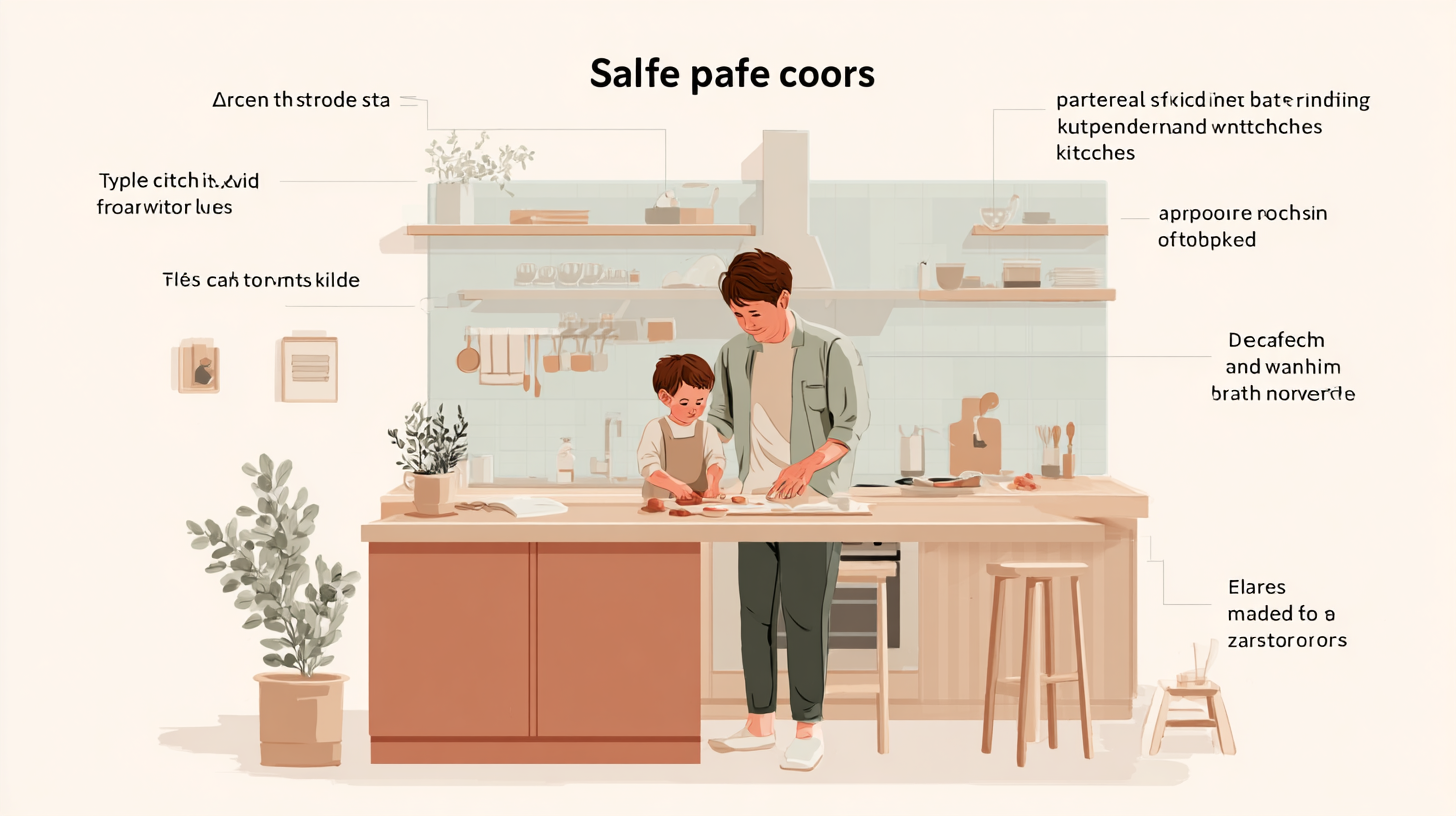
Recent research from multidisciplinary teams has revealed something profound: children who receive structured, evidence-based cooking education show significantly improved safety behaviors and culinary literacy. These aren’t just kids who can follow a recipe—they’re children who understand cause and effect, who can assess risk, and who develop the confidence to say “I need help” when something feels unsafe. The key word here is “structured.” Random kitchen exposure without intentional teaching creates the perfect storm for accidents. But developmentally appropriate, progressive skill-building? That creates competent, safety-conscious young people.
The real controversy in the pediatric safety community isn’t whether kids should be in the kitchen—it’s about when and how. Some experts advocate for keeping children away from any heat sources until age eight or nine. Others argue that supervised exposure starting as young as two or three, with appropriate tasks, builds crucial safety instincts. The truth, as it often is, lies somewhere in between. What matters isn’t a magic age number—it’s matching the task to the child’s physical abilities, cognitive development, and temperament, while maintaining appropriate supervision levels.
Why Everything You Think You Know About Supervision Is Wrong
Your Personalized Supervision Level Calculator
Recommended Supervision:
Most parents think supervision means hovering three feet away with your hands ready to catch anything that goes wrong. But research reveals three distinct supervision levels—and knowing which one to use when is the difference between building confidence and creating anxiety (or worse, complacency).
Active supervision means you’re within arm’s reach, eyes constantly on the child, ready to intervene immediately. This is non-negotiable for children under four doing any kitchen task, for first-time exposure to heat sources at any age, and when sharp tools are involved for kids under eight. Your role here isn’t just watching—it’s narrating safety. “I’m turning the pot handle toward the wall so nobody bumps it.” “I’m using my claw grip to keep my fingers safe while cutting.” “I’m checking that the oven mitt is dry before touching the hot pan.”
Standby supervision means you’re in the same room, available immediately if needed, but allowing the child to work with some independence. This works for elementary-aged children (6-8) doing familiar tasks like mixing, measuring, or using appliances they’ve been trained on. You’re present, you’re checking in verbally, but you’re not directing every movement. This is where competence builds—in that space between complete hand-holding and total independence.
Distant supervision is for older children (9-12) who’ve demonstrated consistent safe behavior with specific tasks. You might be in the next room or upstairs, but they know how to reach you, and you’ve established check-in points. This isn’t neglect—it’s intentional scaffolding toward independence. But here’s the critical part: distant supervision only works when you’ve built the foundation through hundreds of hours of active and standby supervision first.
The mistake most parents make is jumping supervision levels too quickly—or never graduating at all. Both extremes create problems. Rush a child into independence before they’re ready, and you’re setting up for injury. Never give them space to practice independently, and you’re creating learned helplessness and a teenager who can’t boil water safely.
The Age-by-Age Kitchen Skills Blueprint (That Actually Works in Real Life)
Discover Safe Skills for Your Child’s Age
Age-Appropriate Kitchen Skills:
The developmental progression of kitchen skills follows a predictable pattern—when you honor it. Try to rush it, and you’re fighting against brain development and motor control. Follow it, and you’re working with your child’s natural capabilities.
For your littlest helpers (ages 2-4), kitchen involvement is about sensory exploration and basic routines, not actual cooking. These are the years for handwashing rituals that become second nature, wiping down tables (which teaches the importance of clean surfaces), scrubbing vegetables under running water, and handling safe utensils like wooden spoons and plastic measuring cups. They can help set the table, learning organization and sequence. They can mash soft foods like avocados or ripe plantains with a fork—building hand strength and understanding cause and effect. The goal here isn’t productivity; it’s building positive associations with the kitchen and establishing that safety rules are non-negotiable.
This is also when you start teaching the language of kitchen safety. “Hot” isn’t just a word—it’s a concept they experience by touching the outside of a warm (not hot) pot. “Sharp” means we point knives down and away. “Heavy” means we use two hands and ask for help. These become the vocabulary that will protect them for years to come.
The early elementary years (ages 5-6) are when real skill-building begins. Motor control improves dramatically, and kids can follow multi-step instructions. They can measure ingredients with accuracy, understanding fractions in a concrete way that makes math suddenly relevant. They can beat eggs, use a handheld mixer with supervision, crush crackers or cookies for crusts, sprinkle toppings, and—here’s the big one—start using blunt knives on soft foods like bananas or cooked potatoes. The “bridge cut” technique becomes their first knife skill: food lies flat, knife stays on the cutting board, slow sawing motion.
This is also when they can start helping with the stove—with you right there. Stirring a pot of simmering beans or rice (supervised within arm’s reach) teaches them that heat travels, that steam burns, that timing matters. They’re learning the relationship between temperature and food transformation. When my daughter was five, we made cornmeal porridge together every Sunday morning. She couldn’t reach the stove, so she stood on her safe step stool (properly positioned away from the burner), and I’d guide her hand on the wooden spoon. “Slow circles, feel the texture changing, listen for the bubbles.” That ritual taught her patience, attentiveness, and respect for heat—lessons that transferred to every kitchen task that followed.
Middle elementary (ages 7-8) is when independence starts to peek through. These kids can wash and prepare produce, gather ingredients and tools following a recipe, grease pans with butter or oil, crack eggs (after lots of practice with the technique), use hand mixers and blenders with your presence in the room, and—with proper training—use the microwave for simple reheating. They can also start learning oven basics: how to preheat, how to use an oven mitt properly (dry hands, mitt fully covering your hand and wrist, test the weight before lifting), and how to position themselves to pull out a rack safely.
This is the age where you introduce the “claw grip” for cutting—fingers curled under, knuckles forward, knife blade rests against the knuckles as a guide. Start with softer items and graduate to harder vegetables as their confidence and control improve. The key is repetition with feedback. Not “be careful” (which means nothing concrete) but “I notice your fingers aren’t quite tucked—let me show you again.”
The pre-teen years (ages 9-12) are your window for building real competence. These children can safely use sharp knives with proper technique, operate kitchen equipment independently after thorough training, follow complex recipes with minimal help, plan and prepare simple meals, and understand food safety basics like cross-contamination and proper temperatures. They can be responsible for cleaning up safely—including knowing how to handle broken glass, clean up spills immediately to prevent falls, and properly store sharp tools.
This is also when you can teach stovetop cooking with standby supervision. Starting a pan, adjusting heat, recognizing when oil is ready, knowing the signs of burning—these are skills that will serve them for life. My son was eleven when he first made stir-fried vegetables entirely on his own (with me reading in the kitchen). He called out each step for confirmation initially, but by the third time, he just cooked. The pride in his eyes when he plated that food and served it to the family? That’s the moment you’re building toward.
Teaching Hazard Awareness Without Creating Fear
Kitchen Detective: Can You Spot the Hazards?
Click on each kitchen hazard you notice:
There’s a delicate balance between making kids appropriately cautious and creating anxiety that paralyzes them. The goal is informed respect, not fear. And that comes through understanding, not warnings.
Instead of “Don’t touch that, it’s hot!” try “This pot has been on the stove, so it’s hot. Touch the handle carefully with one finger first to test before picking it up.” Instead of “Stay away from the knives!” try “Knives are tools that need respect. Let me teach you how to carry one safely—blade pointed down, handle in your hand, other hand empty for balance, walking carefully with eyes forward.”
Hazard awareness is about pattern recognition. Teach your kids to do a “safety sweep” every time they enter the kitchen. Are there water spills that could cause slipping? Are pot handles turned inward? Are knives properly stored? Is anything left near a heat source that shouldn’t be? This becomes automatic with practice—like checking for traffic before crossing the street.
One of the most effective techniques is the “what if” game. Not in a scary way, but as problem-solving practice. “What if you’re cutting vegetables and the knife slips? What do you do?” (Answer: Let go, step back, tell an adult—never try to catch a falling knife.) “What if you see smoke coming from the oven?” (Answer: Turn off the oven, don’t open the door, get an adult immediately.) “What if you spill something slippery on the floor?” (Answer: Clean it up right away, even if you’re in the middle of something else, because the next person might not see it.)
This kind of scenario-based learning builds decision-making muscles. When something does go wrong—and eventually, something will, because that’s life—your child won’t freeze. They’ll have a script to follow. That script might save them from serious injury, or it might save someone else.
The Three-Foot Safety Zone and Other Rules That Actually Make Sense
Some safety rules sound arbitrary until you understand the reasoning behind them. Then they become obvious. The three-foot safety zone around the stove isn’t about keeping kids away from cooking—it’s about preventing the most common burn scenario: a child running past while someone’s carrying a pot of boiling water, or a toddler grabbing a pot handle at chest height.
When active cooking is happening on the stove, young children (under 8) need to stay back unless they’re the one cooking (with you right there). This isn’t punishment; it’s physics. Hot liquids splash. Steam rises. Handles get bumped. The three-foot buffer gives reaction time. For older kids who are cooking, teach them to announce when they’re moving something hot: “Hot pot coming through!” becomes the kitchen equivalent of “car!” on the street.
Turn pot handles inward, always. This is non-negotiable, but explain why: a handle sticking out over the edge is an invitation for a grabbing toddler or a bumped elbow. Show your kids the right way (handles parallel to the counter edge or toward the back of the stove) versus the dangerous way. When they’re old enough to cook, this habit will already be ingrained.
Dry hands for everything electrical. Water and electricity make sparks and shocks. This means toweling off completely before plugging anything in or out, never touching switches or outlets with wet hands, and understanding why we don’t use electrical appliances near the sink. Demonstrate the proper way to unplug something: pull from the plug, not the cord, with dry hands.
Knives go down in the dishwater, never up. If you wash by hand, place knives flat on the counter until you’re ready to wash them—not in a sink full of soapy water where reaching in blindly could mean a serious cut. When loading the dishwasher, blades point down. When handing a knife to someone, hold the handle out, blade in your hand (carefully), point down. These are habits that protect everyone in the house.
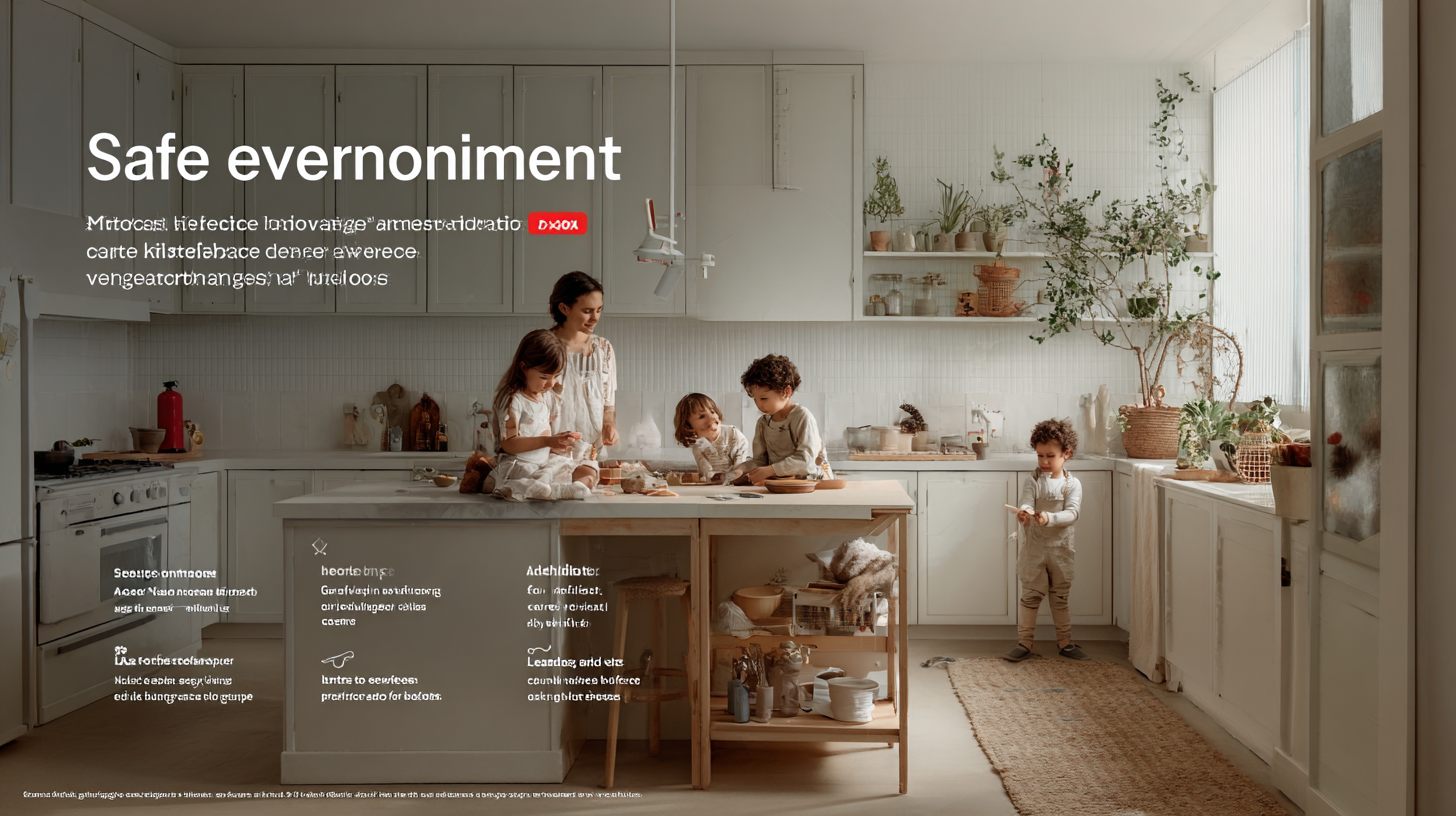
The timer is your friend, not a suggestion. Teaching kids that when something’s in the oven or on the stove, you set a timer and you don’t wander off, prevents the number one cause of kitchen fires: unattended cooking. This habit starts young. Even when they’re just watching you cook, show them the timer ritual. “Cookies go in, timer goes on, we stay in the kitchen or nearby.” As they get older and start cooking more independently, this becomes the safety net that prevents disasters.
Building Confidence Through Graduated Responsibility
Kitchen Confidence Builder: Track Your Child’s Progress
Kitchen Confidence Level:
Confidence in the kitchen doesn’t come from one successful recipe or a single day of cooking together. It comes from a progression of small wins, where each success builds the foundation for the next challenge. This is where graduated responsibility becomes your roadmap.
Start with observer status. Before your child ever touches anything, they watch you cook with narration. “I’m checking that the handle is turned in. I’m using my oven mitt. I’m stirring slowly so nothing splashes.” This seems passive, but it’s building a mental library of safe practices. Young children are incredible observers—they’re cataloging your every move, even when it seems like they’re not paying attention.
Graduate to assistant tasks. They hand you ingredients. They stir when you say stir, stop when you say stop. They’re learning to follow instructions in real-time, understanding that cooking requires attention and responsiveness. This is also where you start testing comprehension: “Why do you think I’m using the oven mitt?” “What would happen if we left this spoon in the hot pan?”
Move to collaborative cooking. You do some steps, they do others—increasingly complex as their skills grow. You crack the eggs, they whisk them. You slice the sweet potatoes, they season them. You put the pan in the oven, they set the timer. The ratio of your work to their work gradually shifts over months and years, until one day you realize they’re doing 80% and you’re just supervising.
Eventually arrive at independent cooking with check-ins. They plan the meal (with your approval), gather ingredients, follow the recipe, and cook it—while you’re available for questions or problems. The first time my daughter made Jamaican stewed peas from start to finish at age twelve, calling me in only to check that the coconut milk consistency was right, I knew we’d arrived. She’d logged hundreds of hours of progressive responsibility to get to that point.
The secret to this progression is positive reinforcement focused on process, not just outcome. Don’t just praise the delicious food—praise the safety habits. “I noticed you turned the pot handle in without me reminding you. That’s exactly the habit that keeps everyone safe.” “You asked me to double-check your knife grip before starting. That shows real maturity and safety awareness.” When kids hear that safety itself is valued and noticed, they internalize it.
And here’s what nobody tells you: there will be setbacks. The day your child forgets to turn off the stove burner. The time they grab a hot pan handle without thinking. These aren’t failures—they’re data points. They’re opportunities to revisit the “why” behind the rule, to practice the procedure again, and to remember that building competence is a long game, not a weekend workshop.
When Things Go Wrong: Emergency Preparedness for Kids
Emergency Response Flashcards – Click to Flip
What do you do if…
There’s a grease fire on the stove?
Click to reveal the answer
The conversation nobody wants to have is the most important one: what happens when something goes wrong. Because eventually, in a lifetime of cooking, something will. The difference between a scary moment and a tragedy is often whether your child knows what to do in the first three seconds.
Kitchen fire protocol is non-negotiable knowledge. If there’s a fire in a pan, never throw water on it—that makes it worse. Turn off the heat if you can do it safely (without reaching over flames), slide a lid over the pan to smother it, and step back. If the fire is bigger than a dinner plate or you can’t cover it safely, get everyone out of the house and call 911 from outside. Practice this scenario in your head together: “What if the oil in the pan catches fire while I’m frying plantains?” Walk through each step until it’s memorized.
Burn response matters in the first seconds. Cool water, not ice, immediately on the burn—run it under cool tap water for at least 10 minutes. No butter, no oils, no folk remedies that can trap heat or cause infection. Just cool water, then a clean dry cloth, then assessment of whether medical care is needed. Teach your kids that even a small burn gets cooled immediately—the reflex should be automatic.
Cut response is simple but critical: apply pressure with a clean towel, elevate above the heart if possible, and get an adult immediately. Don’t peek at it to see if it’s still bleeding—keep pressure on for at least five minutes. If blood is soaking through the towel or spurting, call 911 while maintaining pressure. These instructions need to be practiced in low-stress moments so they’re accessible in high-stress ones.
Electrical shock prevention is about respect for electricity and water. But if someone does get shocked, never touch them while they’re still in contact with the electrical source—you’ll get shocked too. If you can, turn off the power at the breaker. If not, use something non-conductive (wooden spoon, rubber spatula, dry towel) to break the contact. Then check if they’re breathing and call 911. This is scary stuff, but knowledge removes panic.
The choking protocol should be reviewed regularly, especially as kids start cooking with younger siblings around. The Heimlich maneuver has different techniques for different ages—learn them, practice on dolls or older kids who can tell you if it hurts, and keep a chart posted in the kitchen. Five back blows, five abdominal thrusts, repeat until the object dislodges or emergency services arrive.
But here’s the most important emergency skill of all: knowing when to get help and not being afraid to ask for it. Create a culture where “I need help” is never shameful—it’s responsible. The kids who get hurt worst are the ones who try to handle a crisis alone because they’re afraid of getting in trouble. Make it crystal clear: accidents happen, help is always available, asking for assistance is the smart choice.
The Caribbean Kitchen: Where Culture Meets Safety
In Caribbean kitchens, food is never just food—it’s connection to heritage, expression of love, and education all simmered together. Teaching kitchen safety in this context means honoring cultural practices while adapting them for small hands and developing minds.
Take the tradition of stirring a big pot of beans or rice on the stove—this is often where Caribbean children first engage with cooking, standing on a chair beside a grandmother, learning patience and rhythm. The safety adaptation? A stable, low step stool positioned away from the burner edge, a long-handled wooden spoon that keeps small hands away from steam, and active supervision where the adult’s hand guides the child’s until the motion becomes natural. The tradition continues, the safety improves.
Or consider the practice of pounding seasoning in a mortar and pestle—a cornerstone of Caribbean cooking that teaches children about flavor building and ingredient transformation. The safety element? Start with soft items like fresh herbs, graduate to harder spices, teach the proper grip (one hand stabilizes the mortar, the other controls the pestle with a straight-down motion, not at an angle that could slip). And always work on a stable, non-slip surface at an appropriate height.
When introducing Caribbean ingredients to young cooks, there are unique considerations. Scotch bonnet peppers require a separate conversation about capsaicin—never touch your eyes or face after handling, wash hands thoroughly with soap and cool water, and for young children, let adults handle the hot peppers while they observe from a safe distance. But they can help with sweet peppers, learning the same knife techniques in a safer context.
Dishes that involve hot oil—like frying plantains or making festival—require the highest supervision level and should only be attempted by older children (10+) who’ve demonstrated consistent safety behavior. But younger ones can help prepare the plantains for frying, learning to slice at an angle for tostones or lengthwise for maduros, understanding that preparation is half the cooking process.
The Caribbean Baby Food Recipe Book offers an excellent bridge—recipes designed for babies and toddlers that older siblings can help prepare safely. Making mashed sweet potato and callaloo puree, or stirring coconut milk into cornmeal porridge, gives children real cooking tasks with built-in safety: lower temperatures, simpler techniques, and ingredients that are forgiving of mistakes. These recipes become teaching tools, where the process matters as much as the product.
The Technology Question: Teaching Safety with Modern Appliances
Today’s kitchens look nothing like the ones we grew up in. Air fryers, instant pots, induction cooktops, and sous vide machines have changed the risk landscape—in some ways safer, in others more complex. Teaching children to navigate this technology safely requires updated protocols.
The microwave seems simple but has unique hazards. Superheated liquids can explode when disturbed. Uneven heating creates dangerous hot spots. Metal (including the tiny metal edge on some plates or in twist ties) causes sparks and fire. Teaching microwave safety means explaining the science: microwaves heat water molecules, which is why wet foods heat faster. Always use microwave-safe containers, heat in short intervals and stir between them, let food stand for the standing time (it continues cooking), and test temperature before eating—especially important for kids reheating food for younger siblings.
Instant pots and pressure cookers have specific risks. Steam release can cause serious burns. The seal must be properly engaged or pressure won’t build (creating confusion about whether it’s working). Never open a pressure cooker until the pressure has fully released and the lid unlocks naturally. For children, this is an “adults only” appliance until at least age 12, and even then requires thorough training and standby supervision. But they can help with the prep—loading ingredients, setting the time—under your guidance.
Air fryers have become kitchen staples, and they’re actually one of the safer appliances for teaching older children (9+) because there’s no open flame or exposed heating element. But the basket gets extremely hot, steam releases when you open it mid-cook, and the exterior can be hot to touch depending on the model. Training includes: always use oven mitts, open away from your face, shake or flip food carefully to avoid steam burns, and let it cool completely before cleaning.
Induction cooktops are remarkable for safety—they heat the pan, not the surface, so once you remove the pan, the heat dissipates quickly. But they require ferromagnetic cookware, they heat extremely fast (which can surprise kids used to gas or electric), and the pan itself gets very hot even if the cooktop doesn’t. The advantage? You can teach children that the cooking surface isn’t the danger—the heated cookware is. This makes the hazard more visible and contained.
The biggest risk with technology isn’t the devices themselves—it’s the assumption that “automatic” means “safe without supervision.” A slow cooker can burn a child who reaches in to stir. A food processor can cause serious cuts if the blade is touched while cleaning. A standing mixer can catch hair or clothing if someone leans too close while it’s running. Every appliance requires specific safety training, not just general rules.
The Real Reason Kitchen Safety Matters (Hint: It’s Not Just About Preventing Injuries)
Here’s what finally convinced me that investing hundreds of hours into teaching kitchen safety was worth it: it’s not just about preventing the 438 daily injuries. It’s about building humans who can assess risk, make sound decisions, and confidently navigate challenges—in the kitchen and everywhere else.
When you teach a child to recognize hazards in the kitchen, you’re teaching pattern recognition and critical thinking. “What could go wrong here?” becomes a transferable skill. They start applying it to playground equipment, to street crossings, to social situations. The meta-skill is situational awareness—constantly scanning the environment for risks and opportunities.
When you teach progressive responsibility in cooking, you’re teaching delayed gratification and process orientation. Good food takes time. Shortcuts lead to problems. Preparation prevents disasters. These lessons show up in homework habits, in sports training, in creative projects. The kitchen becomes a laboratory for understanding that excellence requires patience.
When you insist on proper technique even when nobody’s watching, you’re teaching integrity. We don’t cut corners on safety just because we’re in a hurry or tired. We do things the right way because it’s the right way, not because someone’s checking on us. This becomes the foundation of character—doing what’s right when it’s inconvenient.
When you normalize asking for help, you’re teaching healthy vulnerability. Strong people know their limits and reach out before small problems become big crises. This lesson prevents drowning teenagers from hiding struggles, overwhelmed college students from suffering in silence, and adults from making catastrophic mistakes out of pride.
And when you teach emergency response, you’re teaching agency in chaos. Most people freeze in a crisis because they’ve never imagined themselves handling one. Kids who’ve practiced what-if scenarios and learned emergency protocols don’t freeze—they act. This might save their life, or someone else’s, in the kitchen or in a completely different context years from now.
The kitchen is the perfect teaching environment because the risks are real but manageable, the skills are immediately applicable, and the rewards are tangible and delicious. Where else can a child learn knife skills, heat management, timing, sequencing, reading comprehension, measurement, chemistry, biology, and cultural heritage—all while making something the family will eat together?
Your Kitchen, Your Rules: Creating a Family Safety Culture
Every family’s kitchen is different—different layouts, different equipment, different cooking styles, and most importantly, different children with different temperaments and abilities. The safety protocols that work for one family might need adaptation for yours. And that’s not just okay—it’s necessary.
Start by identifying your highest-risk areas. Do you have a gas stove with open flames? That requires different protocols than an electric range. Is your kitchen open to the living space where younger children play? That affects how you manage the three-foot safety zone. Do you have a child with ADHD who struggles with distraction, or one with sensory sensitivities who might have delayed pain response to heat? These factors change your approach.
Create your family kitchen safety contract—an actual document that everyone signs. Include the non-negotiable rules (handwashing, adult permission before cooking, emergency procedures), the age-specific responsibilities for each child, and the consequences for breaking safety rules (which should focus on more practice and review, not punishment that creates fear or secrecy). Update this contract every six months as kids grow and skills develop.
Establish your kitchen zones. The “independent zone” where kids can access snacks, dishes, and utensils freely. The “ask first zone” where appliances and sharps live—permission required every time, even for older kids, because it creates a pause for you to assess whether they’re focused and supervised appropriately. The “adults only zone” for the most dangerous tasks or equipment—not forever, but until demonstrated readiness.
Build in regular safety reviews. Once a month, do a kitchen safety sweep together. Are all the safety devices (stove knob covers, outlet protectors, cabinet locks) still working? Have any new hazards appeared (a pan with a loose handle, a frayed appliance cord, a drawer that sticks)? Use this as a teaching moment: safety isn’t set-it-and-forget-it, it’s ongoing awareness and maintenance.
And most importantly, model the behavior you want to see. Your kids are watching how you handle a pot that’s heavier than expected, whether you clean up spills immediately or wait until later, if you turn off the burner before reaching for something across the stove. You cannot teach what you don’t consistently practice. Your shortcuts become their assumptions.
The goal isn’t a sterile, joyless kitchen where everyone’s terrified to touch anything. The goal is a kitchen full of life and learning, where safety is so ingrained in the routine that it doesn’t feel like an extra burden—it just feels like the way we cook.
From Tiny Sous Chef to Independent Cook: The Long Game
When my daughter was three, her kitchen contribution was stirring cold ingredients in a bowl and feeling incredibly important. When she was six, she could make scrambled eggs with me standing right beside her. At nine, she made her first solo lunch (with me in the next room, available for questions). At twelve, she started cooking dinner for the family once a week—planning the menu, checking our pantry, and executing the meal with minimal input from me.
That nine-year progression wasn’t accidental. It was hundreds of small lessons, countless repetitions, dozens of mistakes that became learning opportunities, and a belief that she was capable of more than I sometimes felt comfortable letting her attempt. There were close calls—a pot that almost tipped, a burn from steam, a cut that needed a bandage. But there were no serious injuries, because the foundation was solid.
The same journey is happening now with my younger son, but it looks different because he’s a different kid. He’s more impulsive, less naturally cautious, more physically adventurous. So his progression is slower in some areas, faster in others. He was using knives earlier (under closer supervision) because his motor control developed quickly. But he’s still not allowed to cook on the stove without me in the room because his attention wanders. Same destination, different path.
This is the long game. You’re not just preventing injuries this week. You’re building the foundation for a capable adult who can feed themselves and others, who understands that nourishing people is an act of love, and who can teach their own children someday. Kitchen safety isn’t a topic—it’s a lifestyle, a value system, and a legacy.
The teenagers who leave home for college unable to cook aren’t just missing a skill—they’re missing a crucial life competency that affects their health, their budget, their independence, and their connection to culture and family. But even more concerning are the young adults who can technically cook but do it unsafely—risking fires, foodborne illness, and injuries because nobody took the time to teach them properly when they were young and their brains were wired for learning through practice.
You have this window—this precious decade-ish between toddlerhood and teenage independence—to build kitchen confidence and competence. Don’t waste it waiting for the “right time” or until they’re “old enough.” Start now, wherever now is. Two-year-olds can wash vegetables. Sixteen-year-olds can make dinner. Meet your child where they are and take the next appropriate step.
The Gift You’re Really Giving
That morning when my daughter almost started a serious fire? It could have gone so differently. If I’d reacted with just anger instead of recognizing it as a teaching moment. If I’d banned her from the kitchen out of fear. If I’d made her feel like her natural curiosity was something to be ashamed of. But instead, once we’d handled the immediate situation and everyone was safe, we talked. About what she was trying to do. About why it was dangerous

Kelley's culinary creations are a fusion of her Caribbean roots and modern nutritional science, resulting in baby-friendly dishes that are both developmentally appropriate and bursting with flavor. Her expertise in oral motor development and texture progression ensures that every recipe supports your little one's feeding milestones while honoring cultural traditions.
Join Kelley on her flavorful journey as she shares treasured family recipes adapted for tiny taste buds, evidence-based feeding guidance, insightful parenting anecdotes, and the joy of celebrating food, culture, and motherhood. Get ready to immerse yourself in the captivating world of Kelley Black and unlock the vibrant flavors of the Caribbean for your growing baby, one nutritious bite at a time.
- The Feeding Revolution: Why Your Everyday Meals Are Changing the World - October 13, 2026
- Your Feeding Story Matters More Than The “Perfect” One Online - October 12, 2026
- Looking Forward: Stepping Into Your Confident Feeding Future - October 11, 2026