
Cross-Contamination Prevention: The Kitchen Truth That Could Save Your Family
⚠️ Your Kitchen Contamination Risk Level
Click on each surface you’ve touched in the last 10 minutes while cooking:
Last Tuesday evening, a mother prepared what she thought was a perfectly healthy dinner for her toddler: grilled chicken, fresh salad, and steamed vegetables. By midnight, her child was in the emergency room with severe food poisoning. The culprit? Not spoiled food or restaurant negligence—but something that happened on her own cutting board.
Here’s what nobody tells you about your kitchen: it’s likely more contaminated than your bathroom. According to recent CDC data, foodborne illnesses affected 1,392 Americans in 2024 alone—up from 1,118 in 2023—with hospitalizations more than doubling. The shocking reality? Up to 39% of these infections stem from cross-contamination events that happen right in home kitchens, in spaces we assume are clean and safe.
The truth hit me hard when I was preparing my first batch of homemade baby food. There I was, convinced I was doing everything right—steaming sweet potatoes, pureeing callaloo, preparing all those beautiful Caribbean-inspired meals from my Caribbean Baby Food Recipe Book featuring over 75 nutrient-rich recipes. But one day, my pediatrician asked me a simple question: “What cutting board do you use for raw meat, and what do you use for baby’s vegetables?” My face went blank. I’d been using the same board for everything.
That moment changed everything. Because cross-contamination isn’t just about being careless—it’s about not knowing the invisible dangers lurking on surfaces we touch dozens of times daily.
What Cross-Contamination Actually Means (And Why It’s Scarier Than You Think)
Cross-contamination is the silent transfer of harmful bacteria, viruses, or allergens from one food item, surface, or utensil to another. Think of it as an invisible relay race where dangerous pathogens hitch rides from raw chicken to your baby’s puree bowl—without you ever seeing it happen.
The science behind this is both fascinating and terrifying. Bacteria like Salmonella, E. coli, and Listeria don’t need much to thrive and multiply. A microscopic droplet of raw chicken juice on your countertop can contain millions of bacteria. When that same counter touches your child’s sippy cup or a slice of watermelon, those bacteria transfer instantly. Within hours, they multiply exponentially, turning a safe food into a health hazard.
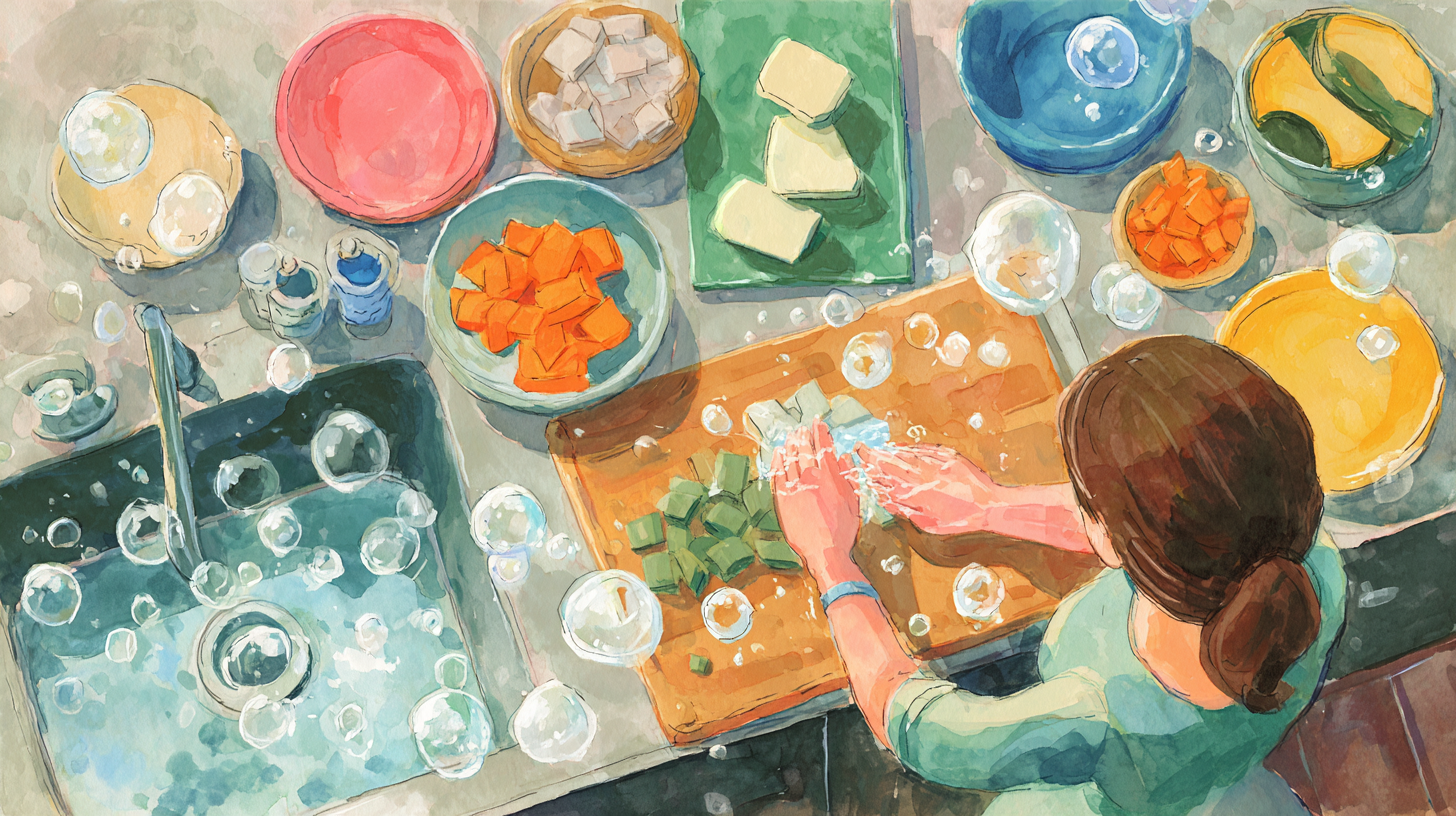
What makes cross-contamination particularly dangerous for families is that young children, pregnant women, elderly individuals, and anyone with compromised immune systems are extraordinarily vulnerable. Their bodies can’t fight off foodborne pathogens the way healthy adults can. A minor slip-up that might give you mild stomach discomfort could land your toddler in the hospital.
The historical evolution of our understanding about cross-contamination reveals just how recent this knowledge is. Decades ago, families didn’t separate cutting boards or worry about which sponge touched what. But as foodborne illness cases mounted and scientific research advanced, we learned that bacteria don’t discriminate—they simply spread wherever conditions allow them to thrive. Today, with antibiotic-resistant strains emerging, preventing contamination before it starts has become more critical than ever.
The Shocking Statistics Every Parent Needs to Know
The numbers don’t lie, and they’re more alarming than most families realize. In 2024, reported foodborne illness cases jumped to 1,392 people affected, compared to 1,118 in 2023. Even more concerning: hospitalizations skyrocketed from 230 to 487 in just one year, with deaths nearly tripling from 8 to 19.
Listeria, Salmonella, and E. coli account for nearly 98% of confirmed outbreak cases tied to cross-contamination. These aren’t just statistics—they represent real families whose lives were disrupted by preventable kitchen mistakes. The CDC estimates that annually, one in six Americans suffers from foodborne bacteria, but the actual number is significantly higher because most cases go unreported. People assume it’s just a “stomach bug” and never connect it to that chicken they prepared three days ago.
What’s even more sobering is that 39% of kitchen-related food infections stem from cross-contamination events. That’s nearly four out of every ten cases. When you’re preparing meals for your family—especially when you’re lovingly making homemade baby food with fresh ingredients like sweet potatoes, plantains, and coconut milk—the last thing you expect is that your preparation method could make your child sick.
Recent research published in 2024 found that many families struggle to implement proper safety protocols due to space constraints, time pressure, and simple lack of awareness. The same cutting board used for raw meats often gets a quick rinse and is reused for fresh produce minutes later. This single habit is responsible for countless contamination incidents that never make it into official statistics.
The Invisible Contamination Pathways in Your Kitchen
Cross-contamination doesn’t happen in one dramatic moment—it occurs through multiple invisible pathways throughout your daily cooking routine. Understanding these pathways is the first step to stopping bacteria in their tracks.
The most common contamination route is direct contact between raw and cooked foods. This happens when raw chicken touches a salad, when meat juices drip onto vegetables in the refrigerator, or when you place cooked food on a plate that previously held raw meat. Each scenario creates a direct transfer of harmful pathogens from dangerous sources to foods that won’t be cooked again.
But indirect contamination is even more insidious because it’s harder to track. Your hands become contamination vehicles every time you touch raw meat and then reach for the salt shaker, open the fridge, or grab your phone. That cutting board you just used for chicken? If you don’t wash it thoroughly before chopping vegetables, you’ve just contaminated what should be a safe, healthy ingredient.
Contamination Chain Game: Can You Break It?
Click on each card to reveal if it’s a SAFE practice or a DANGER zone. Find all 3 dangerous practices!
Utensils and equipment act as silent contamination carriers too. That knife you used to slice raw chicken still harbors bacteria even if you wiped it with a towel. The tongs that flipped raw burgers shouldn’t be the same tongs you use to serve cooked food. Your blender, food processor, or baby food maker can become contaminated if you process raw ingredients and then immediately use it for cooked foods without thorough sanitizing.
Storage contamination is perhaps the most overlooked pathway. When you store raw meat above ready-to-eat foods in your refrigerator, any drips or leaks fall directly onto foods that won’t be cooked. The same principle applies to using containers that previously held raw foods without proper washing. Even refrigerator shelves themselves can harbor bacteria that transfer to clean containers placed on them.
The Color-Coding System That Changed Everything
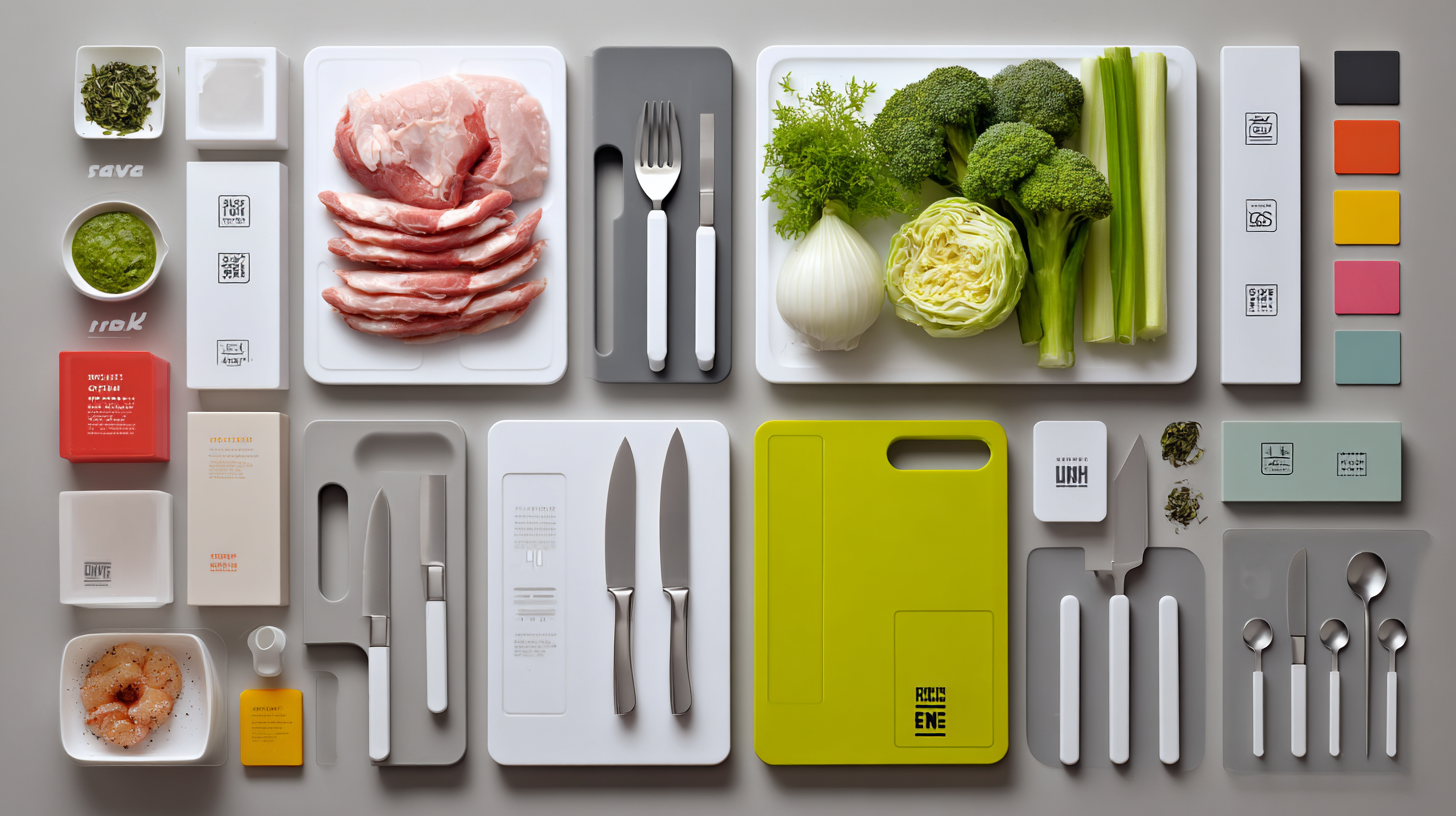
One of the most practical innovations in kitchen safety has been the adoption of color-coded cutting boards and utensils—a system that originated in commercial kitchens but is now essential for home use, especially for families preparing multiple meals daily.
The concept is beautifully simple: assign specific colors to specific food types, and never cross them. Red boards for raw meat, green for vegetables, blue for seafood, yellow for poultry, and white for dairy and bread. When you implement this system, cross-contamination becomes nearly impossible because you physically can’t use the wrong board—the color itself serves as a constant visual reminder.
In my own kitchen, adopting this system was transformative. When I’m preparing both Sunday dinner and baby food simultaneously—maybe making Calabaza con Coco (Pumpkin & Coconut Milk) puree alongside jerk chicken—I no longer have to mentally track which surface touched what. The green board is exclusively for baby’s vegetables, the red board handles the raw chicken, and there’s zero chance of mixing them up.
Beyond cutting boards, extend this color-coding philosophy to knives, containers, and even towels. Some families use colored stickers on container lids to indicate what type of food was stored inside. Others designate specific drawers or shelves for raw versus cooked foods. The key is creating a system so intuitive that even when you’re tired, distracted, or rushing, you still make safe choices automatically.
Recent industry insights highlight that this approach is becoming standard not just in restaurants but in ghost kitchens and shared cooking spaces where multiple people prepare food simultaneously. The touchless technology movement—automatic sinks, soap dispensers, and trash bins—complements color-coding by reducing surface transmission points altogether.
The Truth About Kitchen Sponges (Click to Reveal)
Your kitchen sponge contains approximately 10 million bacteria per square inch—that’s 200,000 times more bacteria than your toilet seat.
Studies show that microwaving wet sponges for 2 minutes or running them through the dishwasher can kill 99% of bacteria. But here’s the catch: the safest approach is replacing sponges weekly and never using the same sponge for dishes and countertops.
Better yet, switch to disposable paper towels for surfaces that contact raw meat, and reserve sponges exclusively for dishes that have been pre-rinsed.
Creating Safe Preparation Zones in Your Kitchen
Establishing designated preparation zones transforms your kitchen from a potential contamination hazard into a well-organized safety system. The principle is straightforward: separate raw foods, cooked foods, and ready-to-eat items into distinct physical areas with their own tools and surfaces.
Start by mapping your kitchen workflow. Identify one area—ideally near the sink—as your “raw zone.” This is where all raw meat, poultry, and seafood are handled, trimmed, and prepared. Everything in this zone is considered potentially contaminated until thoroughly washed and sanitized. Your cutting board, knives, and any bowls or containers used here should never cross into other zones without being cleaned first.
Next, establish a “clean zone” on the opposite side of your kitchen for ready-to-eat foods: fresh fruits, vegetables, bread, and anything that goes directly onto the plate. This zone should be upstream in your workflow—meaning you handle these items before touching raw proteins. If you’re making baby food, this clean zone becomes sacred territory. When I’m preparing purees, this is where I set up my steamer, blender, and storage containers.
The “cooked food zone” sits in between, often near the stove or oven. This area is for foods that have been properly cooked and are safe to eat. The critical rule: never place cooked foods back into containers or onto surfaces that held raw ingredients unless they’ve been thoroughly washed.
For families with limited counter space, these zones don’t need to be permanent installations. You can create temporary zones using cutting boards of different colors, placing large trays to define boundaries, or even using separate tables or kitchen islands. The mental discipline of respecting these zones matters more than the physical setup.
Professional kitchens take this concept further with signage, floor markings, and dedicated sinks for each zone. While that level of organization might be overkill for homes, borrowing the principle—treating different areas as having different contamination statuses—provides a robust defense against cross-contamination.
The Cutting Board Controversy: What Really Works
Few kitchen tools spark as much debate as cutting boards. Plastic versus wood. Dishwasher-safe versus hand-wash only. Deep grooves versus smooth surfaces. Understanding what actually matters for safety can clear up years of conflicting advice.
Plastic cutting boards have long been recommended for raw meat because they’re non-porous and can be sanitized in the dishwasher at high temperatures. Research confirms that dishwasher cycles reaching 160°F effectively kill bacteria. However, plastic boards develop knife scars and grooves over time, creating tiny crevices where bacteria can hide even after washing. Once your plastic board looks battle-worn with deep cuts, it’s time to replace it—usually every 1-2 years depending on use.
Wood cutting boards, particularly those made from maple, walnut, or bamboo, have natural antimicrobial properties. Studies show that bacteria actually die on wood surfaces within hours, whereas they can survive on plastic. However, wood boards require more maintenance—they need regular oiling, can’t go in the dishwasher, and must be thoroughly dried to prevent bacterial growth in moisture-trapped areas.
The real answer? Use both, but strategically. Reserve plastic boards exclusively for raw meat, poultry, and seafood because they can withstand aggressive sanitizing. Use wood boards for vegetables, fruits, and cooked foods where their natural antibacterial properties shine. Never use the same board for multiple purposes in a single cooking session unless it’s been fully washed, sanitized, and dried between uses.
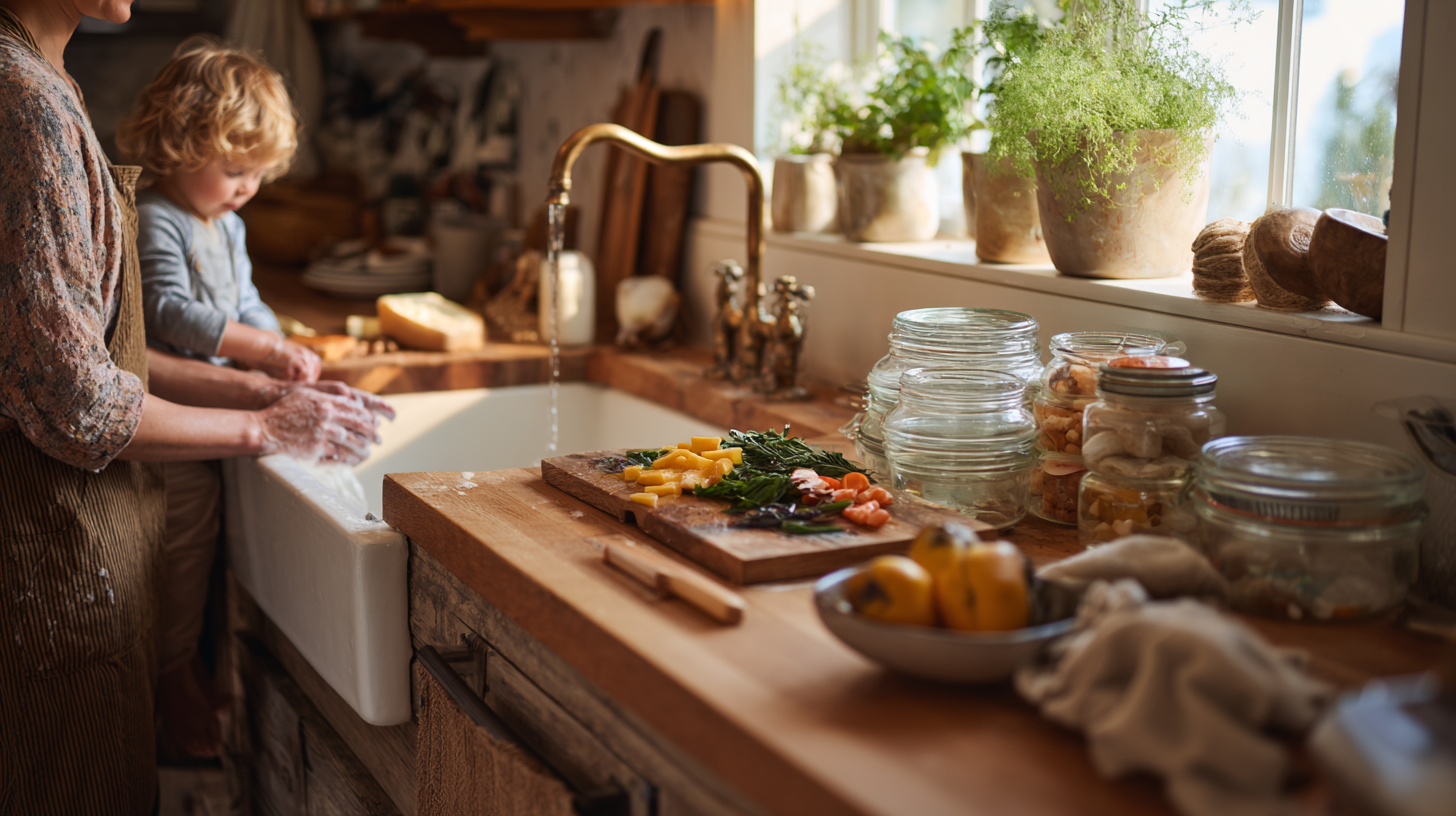
Sanitizing cutting boards properly requires more than a quick rinse with soap. After washing with hot soapy water, sanitize with a solution of one tablespoon of unscented liquid chlorine bleach per gallon of water. Let it sit for several minutes, then rinse thoroughly and air dry. For wood boards that can’t handle bleach, use white vinegar or hydrogen peroxide as alternatives, though they’re slightly less effective.
The CDC has been particularly vocal about cutting board safety in recent studies. Their 2023 restaurant analysis found that improper cutting board use was among the top characteristics associated with foodborne illness outbreaks. If commercial kitchens with trained staff struggle with this, home cooks need to be even more vigilant.
Calculate Your Kitchen Safety Score
Check all the practices you currently follow:
The Refrigerator Rules Nobody Follows (But Should)
Your refrigerator is supposed to be a safe haven for food, but improper storage turns it into a contamination breeding ground. The rules seem simple, yet most families violate them daily without realizing the risks they’re taking.
Rule number one: raw meat always goes on the bottom shelf, never above ready-to-eat foods. Gravity isn’t your friend here—any drips, leaks, or condensation from raw proteins will fall directly onto whatever sits below. I learned this the hard way when my carefully prepared batch of Yellow Yam & Carrot Sunshine puree got contaminated because I’d stored thawing chicken on the shelf above it. That entire batch went straight into the trash.
Rule number two: use airtight containers with secure lids for everything, especially raw meats. The goal is preventing any possible contact between foods. Flimsy plastic wrap isn’t enough—invest in sturdy containers with snap-lock lids that create a true seal. Place raw meats on a tray or plate inside the container to catch any juice that might escape.
Rule number three: respect the temperature zones within your fridge. The door is the warmest section and shouldn’t hold anything highly perishable. The back of lower shelves is coldest—ideal for meats. Middle shelves work well for dairy and cooked foods. Crisper drawers are designed for fruits and vegetables, but keep them separate; many families don’t realize that some produce emits gases that can affect others.
Rule number four: maintain your refrigerator at or below 40°F (4°C). Most foodborne bacteria grow rapidly between 40°F and 140°F—the “danger zone.” A simple refrigerator thermometer costs less than five dollars and provides peace of mind that your cold storage is actually cold enough to inhibit bacterial growth.
Rule number five: clean your refrigerator weekly, not just when something spills. Wipe down shelves with hot soapy water, paying special attention to drawer corners and door seals where bacteria love to hide. Once a month, do a deep clean with a sanitizing solution.
The concerning reality is that ghost kitchens and shared cooking spaces—which are growing rapidly in the delivery economy—face even greater refrigerator management challenges. Multiple cooks accessing the same storage units create contamination risks that home kitchens avoid, but the principles remain identical: separation, containment, temperature control, and cleanliness.
Hand Washing: The Most Overlooked Defense
Hands are the single most common vehicle for cross-contamination, yet hand washing remains the most neglected safety practice in home kitchens. We’re not talking about a quick rinse under cold water—proper hand washing is a specific technique that takes conscious effort.
Wash your hands with warm water and soap for at least 20 seconds, scrubbing all surfaces including between fingers, under nails, and up to your wrists. Do this before you start cooking, after handling any raw foods, after touching your face or phone, after taking out trash, and essentially any time you shift tasks in the kitchen.
The 20-second rule exists because it takes that long for soap to break down the fatty membranes of bacteria and for mechanical scrubbing to dislodge them. Singing “Happy Birthday” twice gives you the right duration. When I’m cooking with my little one nearby, we’ve made this into a fun routine—she sings while I wash, which keeps both of us accountable.
Dry your hands with a clean towel or paper towel, not the same kitchen towel you’ve been using all day. Damp towels are breeding grounds for bacteria, and using them defeats the entire purpose of washing. Many professional kitchens have switched to touchless paper towel dispensers for this exact reason. In home settings, designate one towel strictly for hand-drying and change it daily.
Don’t underestimate the importance of nail care. Long nails harbor bacteria in ways that even vigorous scrubbing can’t completely eliminate. Keep nails trimmed short, and if you wear nail polish, ensure it’s not chipped—flakes can fall into food while bacteria hide underneath damaged polish.
Hand sanitizer has its place, but it’s not a substitute for washing when you’re handling food. Sanitizers are effective against many germs but don’t remove physical contamination or food residue. Use them as a supplement when you can’t access a sink, but always prioritize soap and water in the kitchen.
The Social Media Effect on Food Safety
Social media has revolutionized how we share recipes and cooking techniques, but it’s also spreading dangerous practices disguised as trendy hacks or viral challenges. The pressure to create visually stunning content sometimes overrides basic safety protocols.
One particularly concerning trend is washing raw chicken in the sink—a practice that splashes bacteria-laden water across your sink, countertops, and nearby dishes. Despite repeated warnings from food safety authorities, this technique persists because it looks thorough and appears in countless cooking videos. The truth: cooking chicken to proper temperature kills bacteria; washing it just spreads contamination.
Cooking challenges that go viral often prioritize speed and spectacle over safety. Quick-prep videos might show someone slicing vegetables on the same board they just used for raw chicken, or using bare hands to mix raw and cooked ingredients without washing between. Viewers replicate these techniques without questioning them, assuming that popular content must be safe.
On the positive side, food safety advocates and professional chefs are increasingly using social media platforms to educate audiences. University extensions have published guidelines specifically addressing social media cooking trends, helping viewers distinguish between what looks good on camera and what’s actually safe in the kitchen.
The solution isn’t avoiding social media cooking content—it’s approaching it critically. When you see a technique that seems questionable, verify it against established food safety guidelines before trying it in your kitchen. If something seems too quick or too easy, there’s probably a safety step being skipped.
Special Considerations for Baby Food Preparation
Preparing food for babies and young children requires an elevated level of safety vigilance. Their developing immune systems can’t fight off pathogens that might only cause mild discomfort in adults, making every contamination risk exponentially more dangerous.
When making homemade baby food, treat your preparation area like a surgical zone. I designate specific bowls, spoons, and containers exclusively for baby food that never touch raw ingredients. Before starting, sanitize all surfaces and equipment. Wash your hands obsessively—before touching any ingredient, after any interruption, basically whenever there’s any doubt.
Steam or cook baby food ingredients to appropriate temperatures, then puree or mash them in clean equipment. Allow the food to cool naturally—never blow on it to cool it faster, as that introduces bacteria from your mouth. Once cooled, portion it immediately into clean, labeled containers.
Storage is equally critical. Homemade baby food lasts 48 hours in the refrigerator and up to three months in the freezer. I learned to make large batches of favorites like Sweet Potato & Callaloo Rundown and Coconut Rice & Red Peas from my Caribbean Baby Food Recipe Book, freeze them in ice cube trays, then transfer the cubes to labeled bags. Each cube is one serving—thaw only what you’ll use immediately.
Never refreeze thawed baby food. Never save partially eaten portions—baby’s saliva introduces bacteria that will multiply rapidly. Never use the microwave to reheat—it creates hot spots that can burn your baby’s mouth and doesn’t heat evenly enough to kill bacteria throughout. Instead, use a double boiler or place the container in a bowl of hot water.
These precautions might seem excessive, but they’re based on the sobering reality that babies’ immune systems are still developing. The bacterial load that you’d easily fight off could send your infant to the emergency room. When my pediatrician explained this to me, my entire approach to kitchen safety transformed overnight.
Common Mistakes Even Experienced Cooks Make
Experience in the kitchen doesn’t automatically translate to food safety expertise. Many seasoned home cooks repeat dangerous habits simply because they’ve always done things that way and haven’t gotten sick—yet.
Mistake one: using the same marinade for raw and cooked meat. That teriyaki sauce you marinated raw chicken in is now contaminated with chicken juice. If you want to use it as a sauce for the cooked chicken, you must boil it for several minutes first to kill any bacteria. Better yet, reserve a portion of marinade before adding raw meat, using that reserved portion for basting or serving.
Mistake two: thawing meat on the counter. Room temperature is the danger zone where bacteria multiply fastest. Thaw in the refrigerator, in cold water changed every 30 minutes, or in the microwave if cooking immediately. Never leave meat sitting out for hours—every minute at room temperature is a safety risk.
Mistake three: not washing hands between touching different ingredients. You might wash your hands after handling raw chicken, but do you wash them after cracking eggs? After touching that bag of flour? After checking your phone? Each of these moments is a potential contamination point.
Mistake four: using kitchen towels for everything. That towel you used to dry dishes shouldn’t be the same one wiping counters or drying your hands after handling raw meat. Yet most kitchens have one or two towels doing all these jobs. The solution: use different towels for different purposes and change them daily.
Mistake five: trusting your nose and eyes alone. Food doesn’t have to smell bad or look spoiled to harbor dangerous bacteria. Proper cooking temperatures, not appearance, are what make food safe. A meat thermometer isn’t optional—it’s essential.
Mistake six: overcrowding the refrigerator. When cold air can’t circulate properly, temperature inconsistencies develop, creating warm pockets where bacteria thrive. Regularly purge your fridge of items you won’t use to maintain proper airflow.
Expert Strategies From Professional Kitchens
Professional chefs and food safety consultants follow practices that home cooks can adapt to dramatically reduce contamination risks. These aren’t complicated techniques—they’re simple habits that become second nature with repetition.
The “clean as you go” philosophy is foundational in commercial kitchens. Don’t wait until cooking is finished to clean up. After completing each task, immediately wash and sanitize any tools or surfaces that touched raw ingredients. This prevents contamination from accumulating and reduces the chances of absentmindedly reusing a contaminated item.
Professional kitchens implement mandatory sanitation breaks. Every 30-60 minutes, all cutting boards and knives get collected, washed, and sanitized, with fresh ones rotating in. At home, you might not need this level of formality, but building regular cleaning pauses into your cooking workflow makes a significant difference.
Temperature logging is standard practice in restaurants—staff check and record refrigerator, freezer, and hot-holding temperatures multiple times per shift. Implement a simplified version at home with a refrigerator thermometer that you glance at weekly. If temperatures drift above 40°F, adjust the settings immediately.
The “first in, first out” system prevents foods from lingering too long in storage. When you buy new ingredients, move older items to the front so they get used first. Date everything that goes into the refrigerator or freezer. Make a weekly check to purge anything past its prime.
Professional training emphasizes the “two-hour rule”: food shouldn’t remain in the danger zone (40°F to 140°F) for more than two hours total. That includes prep time, cooking time, serving time, and cooling time. After two hours, bacteria have multiplied to dangerous levels. If room temperature exceeds 90°F, this window drops to one hour.
Ghost kitchens face unique challenges because multiple cooks share equipment and space without the formal training commercial kitchen staff receive. Studies from 2025 examining these operations found that digital monitoring systems—cameras, temperature sensors, automated cleaning logs—significantly improved safety outcomes. While home kitchens don’t need this technology, the principle applies: consistent monitoring and accountability prevent contamination.
Final Challenge: Your Kitchen Safety Pledge
Select the THREE safety practices you commit to implementing starting today:
Technology and Innovation in Kitchen Safety
The future of cross-contamination prevention is being shaped by technology that makes safety automatic rather than relying entirely on human vigilance. While cutting-edge innovations started in commercial settings, many are becoming accessible for home kitchens.
Touchless technology has moved from luxury to necessity in many kitchens. Motion-activated faucets prevent contaminated hands from touching sink handles. Automatic soap dispensers eliminate another contact point. Touchless trash cans mean you’re not spreading bacteria to the pedal or lid every time you discard food scraps. These technologies aren’t just convenient—they’re genuinely safer.
Smart kitchen appliances with built-in temperature monitoring alert you when refrigerators drift out of safe ranges or when cooking temperatures haven’t reached proper levels. Some advanced systems can even track how long specific foods have been stored and send reminders before they spoil.
UV-C sanitizing devices for cutting boards, utensils, and even entire countertops are becoming more affordable and accessible. These devices use ultraviolet light to kill bacteria without chemicals, offering an additional layer of protection beyond traditional cleaning methods.
Color-changing cutting boards that indicate when they need replacing, antimicrobial coating technologies for kitchen surfaces, and even smart sponges that alert you when they’ve reached their useful lifespan are all innovations emerging from the food safety sector.
The IoT-enabled kitchen trend integrates all these elements into coordinated systems. Imagine a kitchen where your cutting board talks to your refrigerator, which communicates with your phone to ensure optimal food safety practices. While this might sound futuristic, components of these systems already exist and are being rapidly refined.
Creating Your Family’s Cross-Contamination Prevention Plan
Knowledge without implementation doesn’t protect your family. Creating a personalized prevention plan transforms information into action. Your plan should be realistic, specific to your kitchen layout and cooking habits, and simple enough that everyone in your household can follow it.
Start by conducting a kitchen audit. Map out your current workflow, identifying every point where contamination could occur. Note which cutting boards you use for what, where you store raw versus cooked foods, how you handle utensils, and where your safety protocols are weakest.
Purchase the essential tools: multiple cutting boards in different colors, a reliable meat thermometer, sanitizing spray or bleach solution, separate towels for different purposes, and proper storage containers with airtight seals. These aren’t expensive investments, but they’re fundamental to executing your plan.
Establish written protocols, especially if multiple people cook in your household. Simple rules like “red board for raw meat only” or “always wash hands after touching raw eggs” become family standards that everyone follows. Post reminders on the refrigerator if helpful—there’s no shame in visible cues that prevent dangerous mistakes.
Schedule regular maintenance tasks. Weekly: replace kitchen sponges and towels. Monthly: deep-clean the refrigerator and sanitize all cutting boards with bleach solution. Quarterly: assess cutting boards for damage and replace worn ones. Annually: check that all storage containers seal properly and recalibrate your food safety practices based on new information.
Involve your children in age-appropriate ways. Even toddlers can learn that certain colored boards are for certain foods. Older children can help with hand-washing reminders and surface cleaning. Making safety a family value rather than one person’s responsibility increases compliance and teaches life skills.
When preparing Caribbean-inspired meals with ingredients like plantains, malanga, or callaloo—all staples in my Caribbean Baby Food Recipe Book—your prevention plan ensures these nutritious foods remain safe. The last thing you want is to undermine the health benefits of homemade, culturally meaningful meals with contamination that could have been prevented.
Your Kitchen, Your Rules, Your Family’s Health
That mother whose toddler ended up in the emergency room? She did everything right except for one moment of inattention—using a contaminated cutting board. That’s all it takes. One invisible transfer of bacteria, and a healthy meal becomes a health crisis.
But here’s the empowering truth: cross-contamination is entirely preventable. Unlike many health risks that are beyond your control, kitchen safety is something you can master through simple, consistent practices. You don’t need expensive equipment, professional training, or a commercial kitchen. You need awareness, intentionality, and the commitment to make safety habits automatic.
Every time you designate a cutting board for raw meat only, every time you wash your hands between tasks, every time you store foods properly in the refrigerator—you’re protecting your family. These aren’t burdensome chores; they’re acts of love that keep the people you care about safe and healthy.
The statistics are sobering, but they also represent opportunity. If 39% of kitchen-related food infections stem from cross-contamination, that means 39% of those cases could be prevented with better practices. That’s thousands of families who wouldn’t experience the fear, medical bills, and trauma of foodborne illness.
Your kitchen is where you nourish your family, where you pass down cultural traditions through food, where you create the meals that fuel growth and health. Making it truly safe doesn’t diminish the joy of cooking—it enhances it. There’s deep satisfaction in knowing that the food you prepare with such care is also prepared with such safety.
Start today. Not tomorrow, not next week—today. Choose three practices from this article that you’ll implement immediately. Maybe it’s finally buying those color-coded cutting boards. Maybe it’s establishing prep zones. Maybe it’s committing to wash your hands obsessively between tasks. Whatever you choose, make it non-negotiable.
Because the truth is, you can’t see cross-contamination happening. You can’t smell it or taste it until it’s too late. But you can prevent it. You can create systems that make contamination nearly impossible. You can turn your kitchen from a potential health hazard into the safe haven it should be.
That’s not just good food safety—that’s good parenting. That’s taking responsibility for the health of the people who depend on you. And that’s worth every extra moment of care, every additional precaution, every conscious choice to do things the safe way instead of the easy way.
Your family’s health starts in your kitchen. Make it count.

Kelley's culinary creations are a fusion of her Caribbean roots and modern nutritional science, resulting in baby-friendly dishes that are both developmentally appropriate and bursting with flavor. Her expertise in oral motor development and texture progression ensures that every recipe supports your little one's feeding milestones while honoring cultural traditions.
Join Kelley on her flavorful journey as she shares treasured family recipes adapted for tiny taste buds, evidence-based feeding guidance, insightful parenting anecdotes, and the joy of celebrating food, culture, and motherhood. Get ready to immerse yourself in the captivating world of Kelley Black and unlock the vibrant flavors of the Caribbean for your growing baby, one nutritious bite at a time.