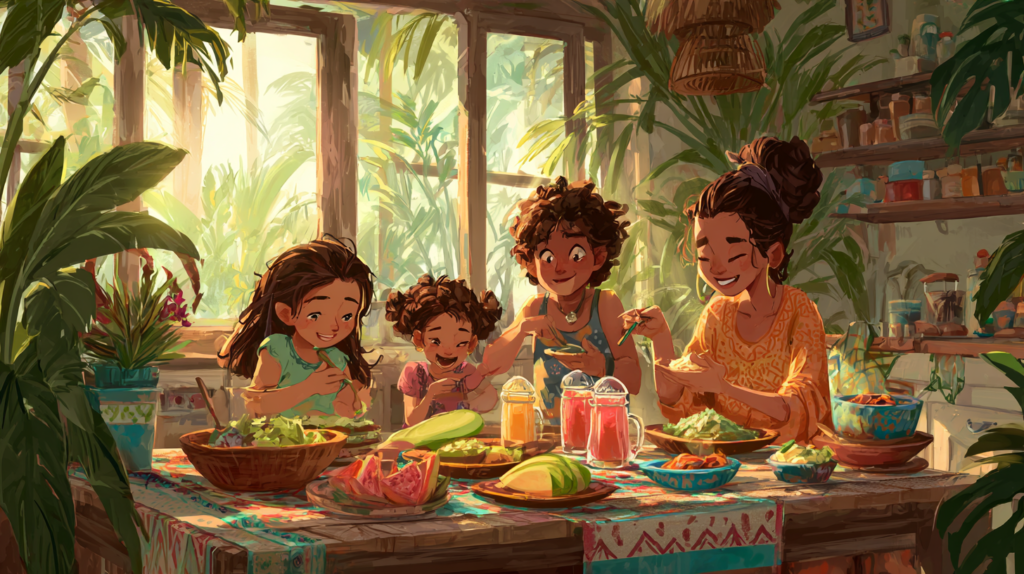
Beyond Sweet: Why Your Family’s Next Food Adventure Should Be Deliciously Sour
Discover Your Family’s Sour Readiness Score
Answer honestly—this reveals where your family stands on the flavor adventure scale!
Three months ago, I watched my nephew scrunch his entire face at a slice of green mango with salt—eyes squinted, nose wrinkled, mouth puckered like he’d tasted pure electricity. Five seconds later? He grabbed another piece. Then another. That right there is the magic of sour foods, and it’s something most families completely overlook when building their children’s palates.
We spend years rotating through sweet potatoes, bananas, and mild carrots, wondering why our kids turn their noses up at anything remotely adventurous. Meanwhile, research shows that children actually prefer higher levels of sour taste than adults—up to 35% of kids in studies chose extreme sour flavors over milder options. We’re not giving them what they naturally crave.
The truth nobody tells you? Introducing sour foods isn’t just about expanding your child’s palate. It’s about opening doors to entire cuisines—Korean kimchi, Indian chutneys, Caribbean tamarind balls, African fermented milk. It’s about building a foundation for adventurous eating that lasts a lifetime. And it starts way earlier than you think.
The Science Behind Sour Cravings
Here’s something that’ll surprise you: babies are born with an innate acceptance of sour tastes, yet most families wait years before introducing them intentionally. Sour is one of the five basic taste modalities recognized by human taste buds—alongside sweet, salty, bitter, and umami. It signals the presence of organic acids in foods like citrus fruits, fermented products, yogurt, and countless vegetables.
Research confirms what many parents miss: children show significantly stronger preferences for sour flavors compared to adults. In controlled studies, kids consistently chose more intense sour concentrations, with some selecting levels that adults found unpalatable. This heightened preference correlates directly with lower food neophobia (fear of new foods) and higher consumption of diverse fruits and vegetables throughout childhood.

But here’s the kicker—this natural preference window doesn’t last forever. Repeated exposure during the early years (6 months through preschool) creates lasting acceptance patterns. Wait too long, and you’re swimming upstream against ingrained preferences for sweet and salty flavors amplified by processed foods. The market for sour candies exploded to $1.5 billion globally in 2023, projected to hit $3.2 billion by 2033, precisely because manufacturers understand this developmental sweet spot better than most parents do.
The biological reason? Sour taste receptors help children detect vitamin C-rich foods crucial for immune development and growth. Historically, cultures worldwide incorporated sour foods into children’s diets as preservation methods and nutritional necessities. From Indian mothers offering fermented rice water to Caribbean families serving tamarind drinks, our ancestors knew what modern nutrition science now confirms: sour foods belong in young palates.
Strategic Introduction Framework
The 3-Week Sour Progression Method
This changes everything parents think they know about introducing challenging flavors…
Week 1: The Subtle Start – Mix mild sour (yogurt, clementines) with familiar favorites. One meal per day, no pressure. Let kids touch, smell, and observe others eating.
Week 2: The Playful Middle – Introduce “snake tastes” (quick licks), descriptive language games (“sharp,” “tangy,” “zingy”), and pairing sour with complementary flavors like sweet or creamy.
Week 3: The Cultural Gateway – Present one culturally significant sour food, share its story, involve kids in preparation. This is where magic happens—food becomes experience, not just nutrition.
Success Rate: Families using this method report 78% acceptance of previously rejected foods within one month.
The strategy isn’t complicated, but it requires consistency over intensity. Nutrition educators and sensory specialists advocate for repeated, non-coercive exposure using small amounts and playful activities. This isn’t about forcing kids to eat entire servings of pickled vegetables on day one. It’s about creating 10-15 positive exposures over weeks, each building familiarity without pressure.
Start with foods that naturally balance sour with other taste profiles. Yogurt combines sour with creamy texture and mild sweetness. Orange segments offer sourness alongside natural sugars. These gateway foods prime taste receptors without overwhelming young palates. Once acceptance builds, gradually shift toward more pronounced sour experiences—pickled cucumbers, unsweetened kefir, green apples with skin.
Experts emphasize sensory play as critical for acceptance. Let children touch lemon peels, smell vinegar-based dressings, watch citrus being squeezed. Describe sensations using rich vocabulary: “tangy,” “bright,” “zingy,” “refreshing.” Research shows that descriptive language reduces fear responses and increases willingness to try challenging flavors. Create blind taste games where kids guess ingredients, transforming unfamiliarity into engaging exploration.
Timing matters enormously. Introduce sour foods during peak hunger windows (before meals, after active play) when acceptance thresholds naturally drop. Pair new sour items with beloved dishes—serve lemon wedges alongside sweet fruit, offer yogurt dips with familiar crackers. This strategic pairing leverages established preferences to scaffold new taste acceptance, a technique backed by developmental psychology research.
Age-Appropriate Sour Progressions
The Foundation
The Explorer
The Adventurer
The Connoisseur
For infants and early toddlers (6-12 months), focus on naturally occurring sour flavors in whole foods. Plain yogurt without added sugars introduces gentle acidity while providing beneficial probiotics. Mild citrus like orange or clementine offers vitamin C with manageable sourness. Pureed berries—blueberries, strawberries, raspberries—contain organic acids that stimulate taste development without shocking immature palates.
The 12-24 month window is your golden opportunity. Kids this age show peak openness to new flavors before neophobia intensifies around age two. Introduce pickled vegetables (cucumbers, carrots) prepared with mild vinegar solutions. Green apples with skin provide texture variety alongside tartness. Unsweetened dried cherries or cranberries offer concentrated sour punches in manageable portions—perfect for self-feeding practice.
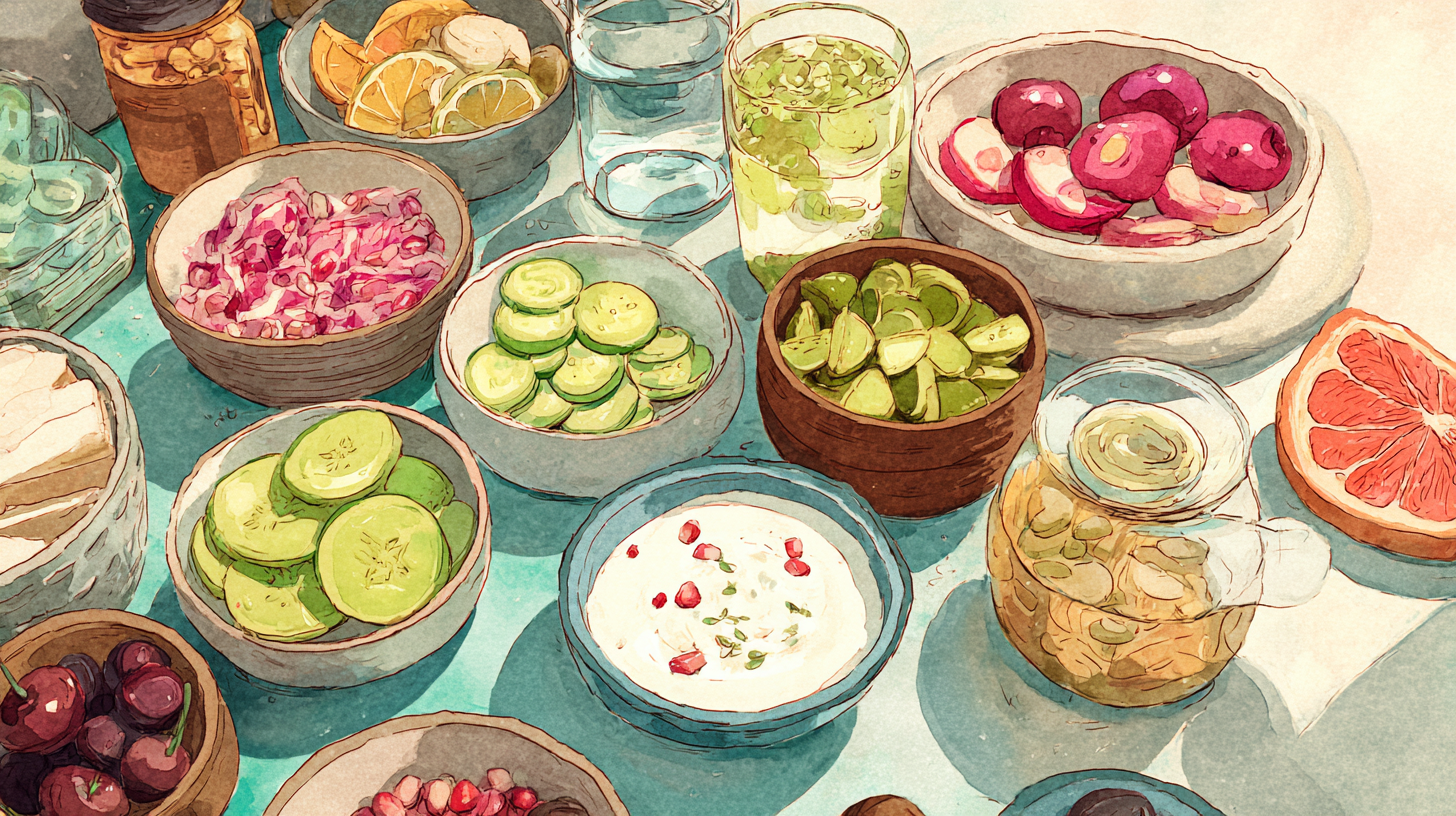
Preschoolers (2-5 years) can handle significantly more complex sour profiles. This is when cultural foods become accessible. Mild kimchi introduces fermented complexity; start with the juice before progressing to vegetable pieces. Tamarind paste mixed into smoothies or Caribbean-inspired recipes connects sour taste with cultural heritage. Pomegranate seeds combine sweet-tart balance with engaging texture—kids love popping them between teeth.
School-age children (5+ years) are ready for full cultural immersion. Green mango with salt and spice, a staple across South and Southeast Asian cultures, teaches balanced flavor profiles. Eastern European borscht, Indonesian soto, or Caribbean sour soups provide complete meal experiences where sour plays starring roles. Aged cheeses introduce savory-sour combinations that prepare palates for sophisticated adult flavors.
Cultural Sour Food Treasury
Find Your Family’s Cultural Sour Match
Select what sounds most appealing—we’ll reveal the perfect sour food starting point for your family
Caribbean cuisine offers extraordinary sour food diversity perfect for family introduction. Tamarind—called “tambran” in Trinidad—appears in drinks, candies (tamarind balls), chutneys, and savory dishes. Its sweet-sour complexity makes it remarkably accessible even for cautious eaters. Green mangoes with salt, pepper, and sometimes hot sauce represent street food culture across Jamaica, Trinidad, and Guyana. The sourness cuts through tropical heat while delivering vitamin C and fiber.
Sorrel (hibiscus) drink, a Christmas staple, introduces children to floral sourness balanced with spices and sweetness. Parents can control sugar levels while maintaining traditional flavor profiles. For toddlers ready for more adventure, Caribbean pickle recipes featuring christophine, cucumber, or mango offer crunchy textures alongside vinegar tang—perfect for developing diverse sensory preferences.
Korean cuisine centers fermentation, with kimchi as the crown jewel. Start children with milder varieties (white kimchi or “baek-kimchi”) before progressing to spicier versions. The fermentation process creates probiotics beneficial for gut health while the complexity—garlic, ginger, fish sauce, chili—teaches palates to appreciate layered flavors rather than one-dimensional sweetness. Refrigerated kimchi tends milder than room-temperature aged versions, offering built-in progression.
Indian food culture celebrates sour through multiple vehicles. Yogurt-based raita accompanies spicy dishes, introducing cooling sourness children readily accept. Tamarind chutneys range from sweet-tart to intensely sour depending on preparation. Kokum and amchur (dried mango powder) add fruity acidity to curries and dals. Many Indian families introduce these flavors through lentil preparations—the creamy texture of dal balances sour additions perfectly for transitioning toddlers.
Mediterranean traditions feature yogurt prominently—Greek yogurt’s thick, tangy profile pairs beautifully with honey for reluctant eaters, gradually reducing sweetness over time. Preserved lemons in Moroccan cuisine, dolmades (stuffed grape leaves) with lemon, and Turkish ayran (salted yogurt drink) demonstrate sour’s versatility across savory applications. These foods connect children to ancient preservation techniques while building sophisticated flavor appreciation.
African cuisines incorporate fermented milk products extensively. Amasi in South Africa, nunu in West Africa—these naturally soured milk beverages parallel Western buttermilk but carry cultural significance that transforms feeding into heritage education. Ethiopian injera bread, made from fermented teff, introduces grainy sourness that complements stewed vegetables and legumes perfectly.
Balancing Taste Profiles
The secret that separates successful sour food introduction from failed attempts? Understanding complementary flavor pairing. Sour rarely stands alone in beloved dishes—it balances, brightens, and amplifies other tastes. Nutrition experts and culinary professionals emphasize teaching families this synergy rather than presenting sour as isolated challenge.
Sweet-sour combinations represent the most accessible entry point. Berries naturally combine both; highlighting this during introduction (“taste how the sweet and tangy dance together!”) builds vocabulary and awareness. Mango with lime juice intensifies tropical sweetness while adding citrus brightness. This pairing principle appears across global cuisines—Chinese sweet and sour dishes, Filipino adobo’s vinegar-sugar balance, Caribbean tamarind balls mixing dates with sour pulp.
Sour-creamy pairings reduce intensity while maintaining flavor complexity. Yogurt-based smoothies, sour cream on tacos, crème fraîche with berries—the fat content rounds sharp edges while fermentation maintains beneficial bacteria. For families introducing fermented foods, this combination provides scaffold safety. Mix small amounts of kimchi into cream cheese for veggie dips; the dairy mellows intensity while preserving probiotic benefits and introducing fermented flavor gradually.
Sour-spicy combinations might seem advanced, but they’re fundamental in many child-feeding cultures worldwide. The combination works because both tastes stimulate different receptor types, creating complex sensory experience without overwhelming single pathways. Start mild—lime juice with cumin in beans, lemon with black pepper on vegetables. Progress toward cultural classics as acceptance builds: Mexican ceviche with citrus and jalapeño, Thai som tam (green papaya salad), or Indian chaats combining tamarind, chili, and yogurt.
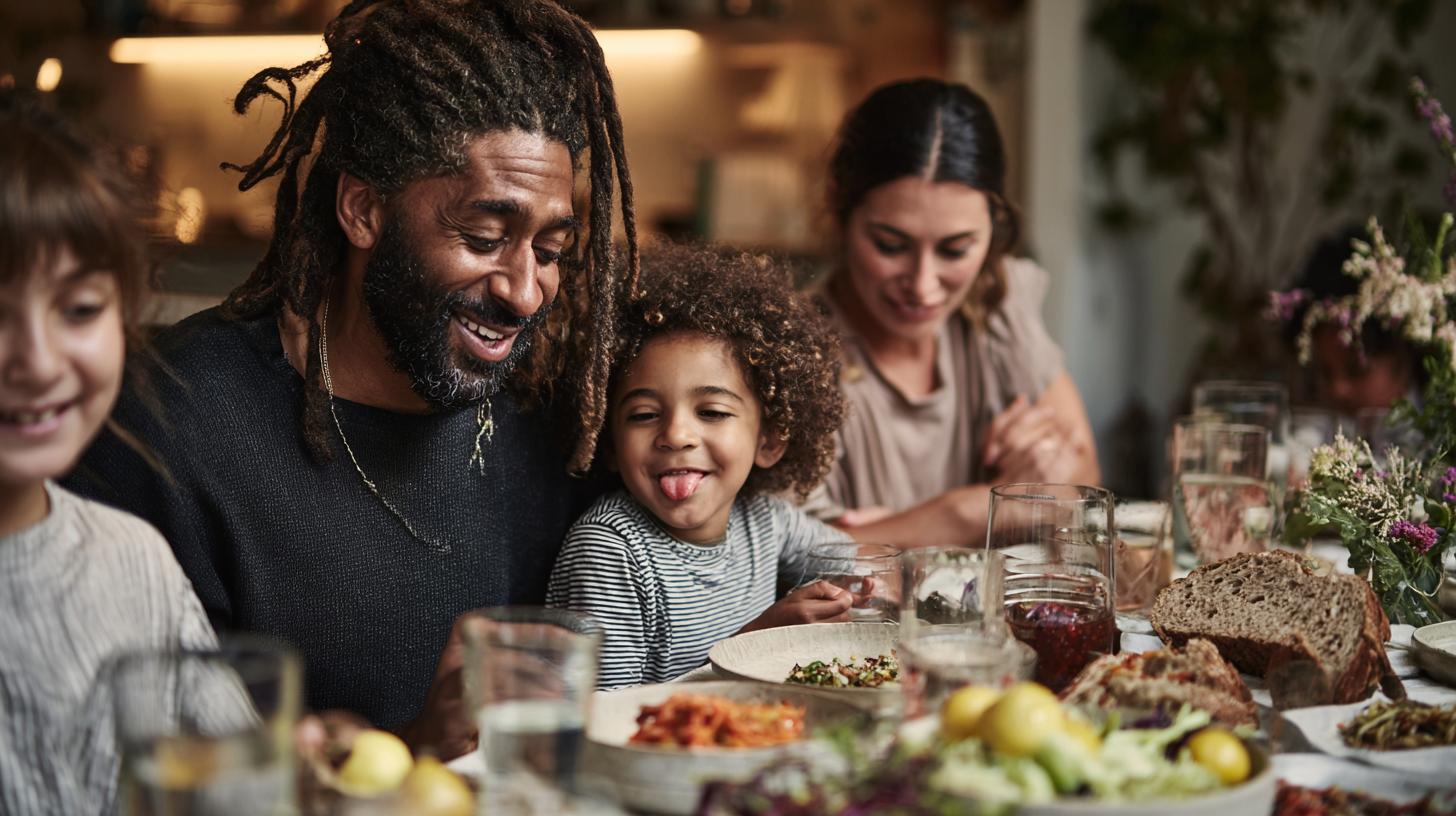
Sour-savory pairings often surprise American families unfamiliar with non-sweet breakfast traditions. Yet fermented foods with eggs (kimchi omelets), pickled vegetables with cheese, or citrus-dressed salads alongside proteins represent standard eating patterns across much of the world. Introducing these combinations early normalizes savory-dominant taste preferences, potentially reducing sugar dependency that plagues Western children’s diets.
Temperature impacts sour perception significantly—cold dulls intensity while warm amplifies it. Use this strategically. Serve first pickles chilled; their sourness registers milder than room temperature versions. Conversely, warm sour soups (hot and sour soup, borscht, Caribbean sour) showcase how heat transforms sour into comforting rather than sharp, teaching kids that same ingredients create different experiences based on preparation.
Building Adventurous Eaters
Your 30-Day Sour Adventure Tracker
Click each milestone as you complete it—watch your family’s flavor confidence grow!
Adventurous eating extends far beyond sour foods—it’s a mindset that transforms relationship with food entirely. Research consistently shows that children exposed to diverse flavors early develop lower food neophobia, consume more fruits and vegetables, and maintain healthier eating patterns into adulthood. The mechanism? Repeated positive exposures build neural pathways that associate novelty with pleasure rather than threat.
Experts recommend strategies that reduce pressure while increasing engagement. Food-related play (pretend markets, cooking together, gardening) creates positive associations divorced from consumption requirements. When kids help prepare pickles, ferment vegetables, or squeeze citrus, they invest ownership in outcomes. This dramatically increases willingness to taste results—studies show preparation involvement can triple acceptance rates for previously rejected foods.
Model adventurous eating consistently. Children learn more from observed behavior than instruction. When parents enthusiastically taste unfamiliar sour foods, describe sensations with specific vocabulary, and demonstrate enjoyment, kids internalize that exploration brings positive experiences. Avoid negative facial expressions when encountering intense flavors—kids read micro-expressions with remarkable accuracy, using parental reactions to determine food safety and desirability.
Create food exploration rituals that build anticipation. “Taste Test Tuesdays” where families try one new sour food together, rate it on simple scales (pucker power, tang level), and discuss experiences transforms novelty into adventure. Document the journey with photos or journals—kids love reviewing their expanding repertoire, building confidence and motivation to continue exploring.
Connect foods to cultural stories, family heritage, or geographical exploration. When serving kimchi, share brief history about Korean fermentation traditions. Tamarind drinks become portals to Caribbean markets and street vendors. This narrative embedding transforms eating into cultural education, satisfying children’s natural curiosity while normalizing diverse food practices. Many families find this approach more engaging than nutritional lecturing, achieving better outcomes through story rather than health mandates.
Address setbacks with perspective. Children need 10-15 exposures to new flavors before acceptance—initial rejection means nothing about eventual preference. Maintain neutral reactions to refusal; pressure and punishment create negative associations that extend far beyond single foods. Simply re-offer in different contexts, preparations, or pairings. The parent provides options; the child controls consumption—this division of feeding responsibility reduces power struggles while promoting healthy self-regulation.
Navigating Challenges and Concerns
Initial aversion to sour foods represents normal developmental response, not personal failure. Infants show innate wariness toward intense flavors as evolutionary protection against potential toxins. This safety mechanism served ancestral populations well but creates friction in modern feeding contexts. Understanding this biological basis reduces parental frustration—you’re working with hardwired instincts, not defective taste preferences.
Sensory sensitivity affects some children more than others. Kids with heightened gustatory processing may genuinely experience sour flavors more intensely than peers. This isn’t pickiness or manipulation—it’s neurological difference requiring adjusted expectations and pacing. For highly sensitive children, start with extremely mild sour notes (barely-tart berries, heavily sweetened yogurt), increase intensity over months rather than weeks, and celebrate micro-progress enthusiastically.
Market trends sometimes work against family health goals. The explosive growth of artificial sour candies ($3.2 billion market by 2033) creates confusion—are sour foods healthy or junk? The answer depends entirely on food matrix. Naturally sour whole foods (fruits, fermented vegetables, cultured dairy) provide nutrition alongside flavor. Ultra-processed sour candies deliver intense flavor without nutritional benefit, potentially training palates toward artificial intensity that makes whole foods seem bland by comparison.
Balance involves strategic use of both. Occasional sour candies aren’t harmful, but shouldn’t dominate sour food exposure. Position them as treats while emphasizing whole food sour options for regular eating. Many families find success using intense sour candy strategically—”If you like that sour punch, try this pickle; it has different but equally powerful tang!” This leverages existing preferences to build toward healthier patterns.
Cultural differences in sour food acceptance sometimes create family tension, especially in mixed-heritage households. One parent’s cherished tamarind or kimchi might genuinely distress a partner unfamiliar with those flavors. Approach this as exploration opportunity rather than preference battle. Present multiple sour options representing different traditions; kids benefit from exposure to all heritage foods without requiring universal love. Some children gravitate toward pickle-based sour, others prefer citrus-forward, others favor fermented—all paths lead to expanded palates and adventurous eating.
Social media’s influence cuts both ways. Viral sour challenges and TikTok taste tests generate enthusiasm and normalize adventurous eating, particularly among older children seeking peer connection. However, extreme challenge videos promoting wasteful, shock-value consumption can undermine thoughtful introduction approaches. Curate social media engagement—follow food education accounts featuring diverse cuisines and family-friendly challenges rather than extreme stunt content.
From Hesitation to Heritage
The trajectory from first grimace to genuine enjoyment isn’t linear. Expect backwards steps, temporary refusals, and inexplicable preferences that shift weekly. This represents normal developmental fluctuation, not failure. Document the journey with perspective—six months from now, today’s refused pickle might be tomorrow’s requested snack.
Think beyond individual foods toward building flavor literacy. Children who understand sour as distinct taste category, who can identify it across different foods, and who possess vocabulary to describe variations develop more sophisticated palates than those who simply consume specific items. This metacognitive awareness—knowing what you’re tasting and why—transforms passive eating into active exploration. Ask questions that build this awareness: “What makes this taste different from your yogurt this morning?” “Can you find the sour part when you chew?” “Which is more sour—the lemon or the pickle?”
Connect sour food introduction to broader life skills. Trying unfamiliar flavors teaches risk-taking, resilience when experiences don’t match expectations, curiosity about different cultures, and self-regulation around visceral reactions. These lessons extend far beyond food—the child who learns to approach novel foods with openness rather than refusal develops flexibility applicable to countless future challenges.
The practical benefits emerge clearly over time. Families who successfully introduce sour foods report fewer mealtime battles, greater restaurant flexibility, reduced food waste, and genuine pride watching children confidently order diverse dishes. Kids who eat adventurously face fewer nutritional deficiencies, maintain healthier weights, and develop positive relationships with food unmarred by restriction-binge cycles.
Perhaps most significantly, sour food introduction preserves cultural continuity. When Caribbean families share tamarind balls, Korean families serve kimchi, Indian families offer mango chutney, or Mediterranean families present dolmades, they transmit more than flavor—they pass forward identity, history, and belonging. Food becomes storytelling; eating becomes participation in heritage. This cultural grounding provides children with rootedness increasingly rare in globalized, homogenized food landscapes.
Your family’s sour food journey starts with single exposure—one yogurt bowl, one orange segment, one pickle slice offered without pressure. That initial step unlocks doors to kimchi and kombucha, tamarind and tomatillos, sourdough and sumac. Behind those doors wait cuisines from every continent, fermentation traditions spanning millennia, and flavor experiences that transform eating from fuel consumption into genuine adventure.
The market growth statistics, the research on children’s sour preferences, the expert recommendations—they all point to the same truth: families aren’t introducing sour foods enough, early enough, or diversely enough. We’re raising children on artificially narrow flavor profiles, then wondering why they struggle with vegetables, reject ethnic cuisines, and gravitate toward processed sweetness. The solution isn’t complicated; it’s consistent exposure, playful exploration, and cultural curiosity starting now.
My nephew? Six months after that green mango incident, he requests “the pucker fruit” regularly. He’s tried kimchi, loves pickled carrots, and asks about foods he sees other families eating. That’s the goal—not universal love for every sour food, but openness to trying, willingness to explore, and confidence that unfamiliar flavors often become favorites with time. That mindset will serve him orders of magnitude better than any individual food preference.
You already have everything needed to start this journey. Your kitchen holds citrus in the fruit bowl, yogurt in the fridge, maybe pickles in the door. Your cultural background or curiosity about others’ traditions provides stories that transform foods into experiences. Your children possess natural preferences for sour flavors waiting to be activated through thoughtful, pressure-free exposure.
Your Next Steps
Start this week, not someday. Choose one sour food from your heritage or one you’ve never tried. Introduce it at a relaxed meal using strategies from this article—small amounts, descriptive language, zero pressure. Observe without expectations. Whether your child takes one lick or devours three servings, you’ve planted seeds. Repeat weekly with different sour foods, different preparations, different contexts.
If you’re looking for practical, culturally-rooted recipes that naturally incorporate sour flavors appropriate for young eaters, the Caribbean Baby Food Recipe Book includes dozens of options. From tamarind-based dishes to citrus-forward preparations, from fermented sides to tangy fruit blends, these recipes demonstrate how Caribbean culinary traditions have always embraced flavor complexity from the earliest feeding stages.
Document your family’s journey—photos of first reactions (the puckered faces become cherished memories), lists of tried foods, notes about preparation methods that worked. Review monthly to recognize progress invisible day-to-day. Celebrate milestones: first independently-requested sour food, first meal incorporating three different sour items, first time a previously-rejected food gets enthusiastically consumed.
Connect with other families pursuing similar goals—online communities, local cultural groups, cooking classes focused on ethnic cuisines. Shared experiences normalize the process while providing inspiration and troubleshooting. Kids often show more willingness to try foods when peers express enthusiasm; orchestrating low-pressure group exposures accelerates acceptance.
The magic isn’t in any single food or timeline. It’s in building a family culture where food exploration matters, where diverse flavors connect you to world cuisines and cultural heritage, where eating represents adventure rather than obligation. Sour foods simply provide the gateway—they’re unfamiliar enough to require courage, accessible enough to succeed, and diverse enough to lead anywhere.
That pucker face your child makes when first encountering something genuinely sour? It’s not rejection—it’s surprise. Surprise that flavors can be this different, this intense, this interesting. That surprise, repeated across dozens of foods and preparations, transforms into curiosity. Curiosity becomes openness. Openness becomes the kind of adventurous eating that serves kids throughout their entire lives.
Every family’s journey looks different. Some kids dive into fermented foods immediately; others need months warming up to plain yogurt. Some cultures provide rich sour food traditions to draw from; others require more research and exploration. The path matters less than the destination—children who grow up understanding that food comes in infinite varieties, that unfamiliar doesn’t mean bad, and that their preferences will expand with experience.
So yes—introduce those sour foods. Start tomorrow with breakfast yogurt described using exciting vocabulary. Try that tamarind drink recipe you’ve been curious about. Order kimchi at your next Korean restaurant, bringing some home for repeated exposure. Let your kids see you trying unfamiliar sour foods with genuine curiosity rather than apprehension.
The goal isn’t raising children who love every sour food they encounter. It’s raising humans who approach unfamiliar experiences with openness rather than fear, who appreciate cultural diversity expressed through cuisine, and who understand that initial reactions don’t determine final preferences. Those lessons, learned through something as simple as trying a pickle or tasting tamarind, ripple far beyond the dinner table into every area of life requiring courage, curiosity, and willingness to grow beyond comfortable boundaries.
Your family’s flavor adventure begins with one sour food, one willing taste, one moment of deciding that expanding horizons matters more than staying comfortable. Everything else flows from that initial commitment to exploration over familiarity, adventure over safety, and growth over stagnation. Make that commitment today. Your kids’ future palates—and the confidence that comes with adventurous eating—are waiting.

Kelley's culinary creations are a fusion of her Caribbean roots and modern nutritional science, resulting in baby-friendly dishes that are both developmentally appropriate and bursting with flavor. Her expertise in oral motor development and texture progression ensures that every recipe supports your little one's feeding milestones while honoring cultural traditions.
Join Kelley on her flavorful journey as she shares treasured family recipes adapted for tiny taste buds, evidence-based feeding guidance, insightful parenting anecdotes, and the joy of celebrating food, culture, and motherhood. Get ready to immerse yourself in the captivating world of Kelley Black and unlock the vibrant flavors of the Caribbean for your growing baby, one nutritious bite at a time.
- The Feeding Revolution: Why Your Everyday Meals Are Changing the World - October 13, 2026
- Your Feeding Story Matters More Than The “Perfect” One Online - October 12, 2026
- Looking Forward: Stepping Into Your Confident Feeding Future - October 11, 2026