Batch Cooking Mastery: The Time-Saving Family System That Reclaims Your Evenings
How Much Time Do You Spend Cooking Each Week?
Click your answer and discover what batch cooking could give back to you:
Here’s something nobody tells you when you become a parent: the real challenge isn’t just keeping tiny humans alive—it’s doing it while maintaining your own sanity, health, and some semblance of a life beyond the kitchen. Every evening at 5:30 PM, millions of parents face the same soul-crushing question: “What’s for dinner?” And every evening, we scramble, stress, and settle for whatever we can throw together fastest.
But what if I told you there’s a different way? A system where Sunday afternoon investments pay dividends all week long. Where opening your fridge doesn’t trigger panic but relief. Where “what’s for dinner” becomes the easiest question of your day.
The truth is, batch cooking isn’t just meal prep with a fancy name. It’s a complete mindset shift—from daily survival mode to strategic abundance. Research shows that people who spend the least time on food preparation tend to rely heavily on fast food and takeout, while those who invest focused time blocks in cooking enjoy higher intakes of vegetables, fruits, and home-cooked nutrition. The secret isn’t cooking more often; it’s cooking smarter, once.
The Hidden Cost of Daily Cooking
Let’s talk about something we rarely discuss: the mental load. It’s not just the 45 minutes you spend chopping vegetables or stirring pots. It’s the decision fatigue that starts at breakfast when you’re already thinking about dinner. It’s the mid-afternoon grocery store run because you forgot cilantro. It’s the cascade of tiny decisions—what protein, which sides, do we have enough, will the kids actually eat this—that chip away at your energy before you even turn on the stove.
According to USDA research, following a low-cost healthy meal plan can require up to 16 hours per week of cooking and preparation. That’s essentially a part-time job on top of everything else. For working parents, this burden is crushing. Limited time consistently ranks as the number one barrier to home cooking across the United States and Europe, pushing families toward quick, processed options they don’t actually want to rely on.
The global prepared meals market—valued at roughly $190.7 billion in 2025 and projected to exceed $300 billion by 2032—exists because people are desperate for time-saving solutions. Meal kit delivery services alone grew to approximately $26.29 billion in 2023, with forecasts reaching $64.27 billion by 2030. These numbers tell a story: families aren’t lazy. They’re exhausted. And they’re willing to pay premium prices for anything that gives them breathing room.
But here’s the revolutionary part: you can build your own “ready meal” system at home, customized to your family’s tastes and dietary needs, for a fraction of the cost. That’s where batch cooking mastery comes in.
What Batch Cooking Actually Means
Batch cooking is the practice of preparing large quantities of food—full meals or key components like grains, proteins, and sauces—during focused time blocks, then storing portions for later use throughout the week or month. Unlike traditional meal prep where you might cook Sunday’s dinner on Sunday, batch cooking means you cook once on Sunday and eat well Tuesday, Thursday, and Saturday too.
The core concepts are simple but powerful: strategic menu planning, bulk cooking, safe cooling and storage methods, and intentional reheating techniques that preserve texture and flavor. This overlaps with the “cook once, eat twice” philosophy and modern meal-prep culture that’s exploded on social media platforms like TikTok and Instagram, where hashtags like #batchcooking and #mealprep showcase millions of Sunday reset routines.
What’s Your Biggest Cooking Challenge?
Select the challenge that resonates most with you:
Historically, versions of batch cooking have existed for generations—think weekend stews that fed families for days, large Sunday roasts, preserved foods, and casseroles designed to last. But modern batch cooking evolved alongside dual-earner households, better refrigeration technology, and the rise of convenience foods that simultaneously compete with and inspire DIY freezer systems. The difference now is the level of intentionality and structure, plus the community support available through online platforms.
Today, batch cooking is especially relevant for busy families navigating time scarcity while prioritizing healthier home food over ultra-processed alternatives. Studies consistently link more time spent on home food preparation with higher diet quality and reduced reliance on fast food. And with 82% of families still prioritizing regular family dinners despite packed schedules, batch cooking systems offer a practical bridge between aspiration and reality.
The Weekend Prep Session Blueprint
The magic happens in those 2-4 hours you carve out—usually on Sunday afternoons, though some families prefer Saturday mornings or split sessions across both days. This isn’t about cooking in a frenzy; it’s about working with focus and intention, following a repeatable system that becomes second nature.
Start with the planning phase. Successful batch cookers don’t wing it. They sit down mid-week (Wednesday or Thursday works well) and map out 4-5 dinner concepts and a few lunch options. The key is thinking in components rather than complete meals: one big batch of grains (rice, quinoa, or farro), two protein bases (maybe shredded chicken and seasoned black beans), a tray of roasted vegetables, and a versatile sauce or soup.
On prep day, work assembly-line style. Get your proteins cooking first—a whole chicken in the slow cooker, a sheet pan of salmon, lentils simmering on the stove. While those cook, chop vegetables for roasting and for the week’s salads. Once proteins are done, portion them immediately while you use that same oven or pot for the next item. Efficiency compounds when you’re not constantly washing between tasks.
My grandmother used to batch cook without even knowing it had a name. Every Sunday, she’d have rice and peas bubbling away, a pot of stewed chicken, and roasted sweet potatoes cooling on the counter. She’d portion everything into containers, and throughout the week, we’d eat like royalty with minimal effort. The system worked because she treated Sunday cooking not as a chore but as an investment—one afternoon of work bought us six evenings of peace.
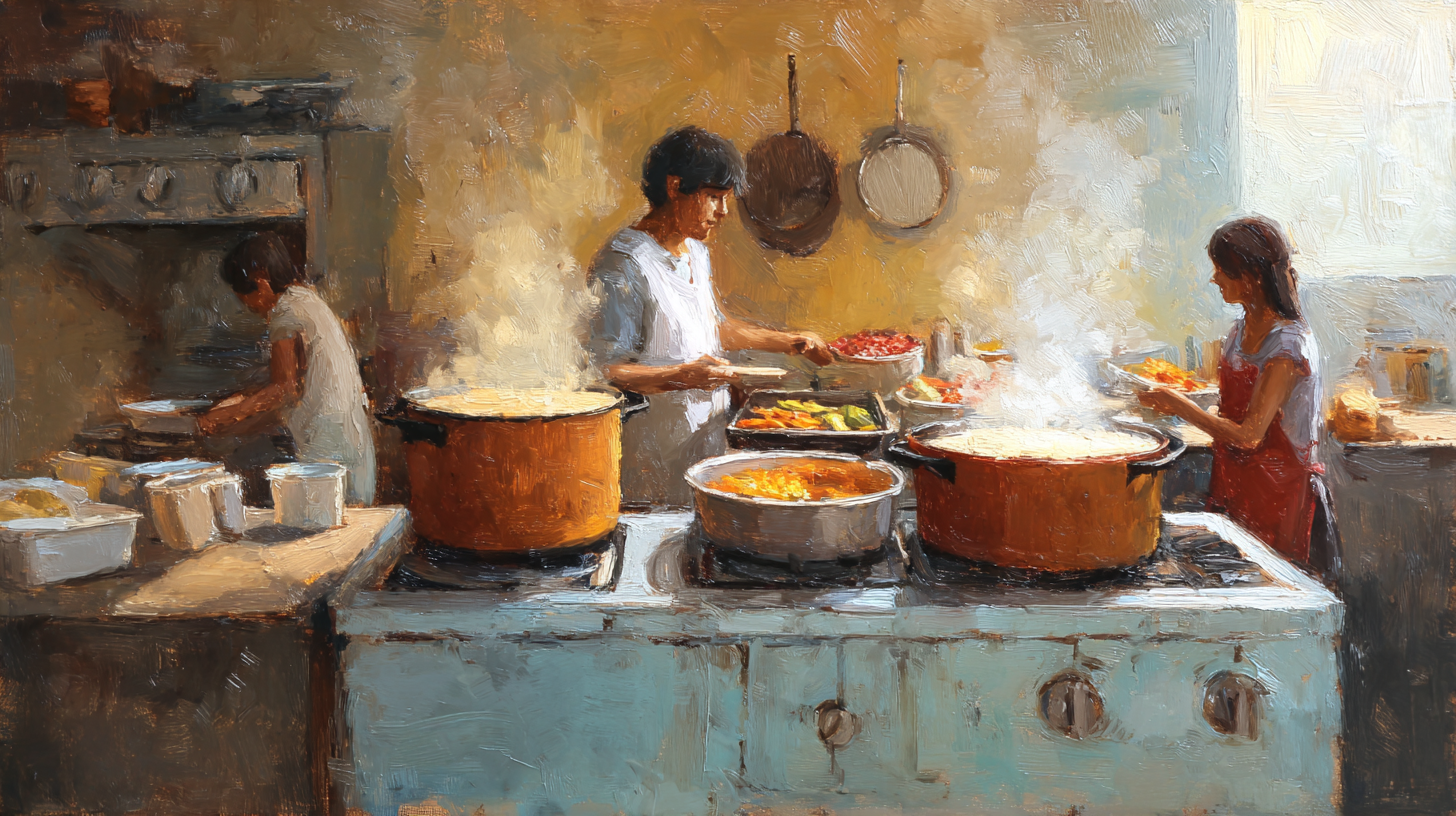
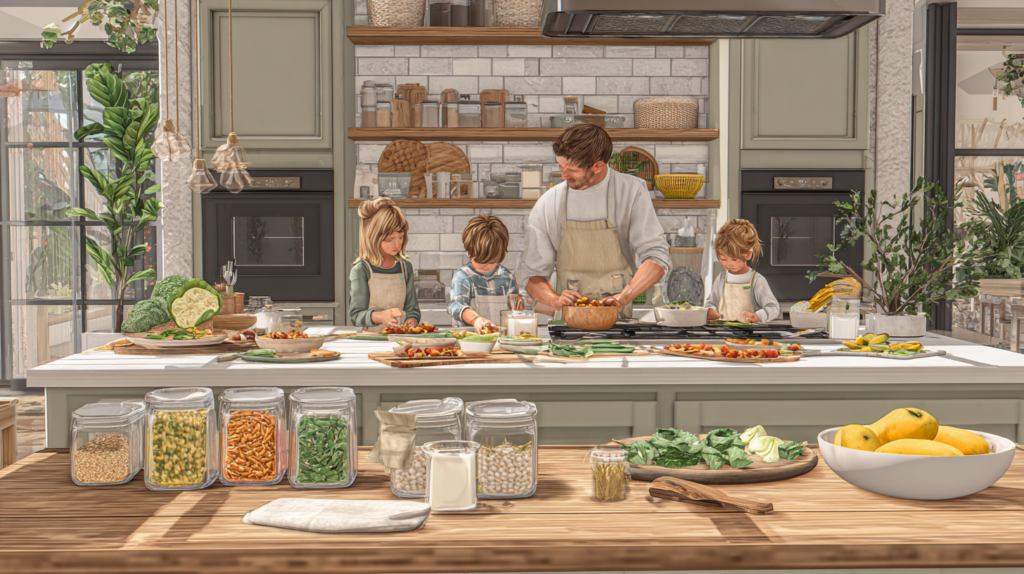
If you’re introducing this system to young children, batch cooking sessions can double as teaching moments. Let toddlers “help” by stirring already-cooked grains or placing items in containers. Older kids can wash vegetables, measure ingredients, or label containers with eat-by dates. These are the same foundational skills that transform into real independence later—the kind that makes teenagers capable of feeding themselves nutritious meals rather than defaulting to instant noodles.
For families raising children on diverse flavors, batch cooking is a gift. You can prep the foundational components of recipes from your Caribbean Baby Food Recipe Book—think base purées of sweet potato, callaloo, or coconut-infused grains—then scale them up for the whole family. Items like Coconut Rice & Red Peas or Basic Mixed Dhal aren’t just baby food; they’re everyone food when you batch the base ingredients smartly.
Storage Systems That Actually Work
Here’s where most people stumble: they cook beautifully, then shove everything into mismatched containers with no labels, creating a fridge that looks like a game of Tetris played by someone who doesn’t care about winning. Two weeks later, mystery containers get tossed, and the system collapses.
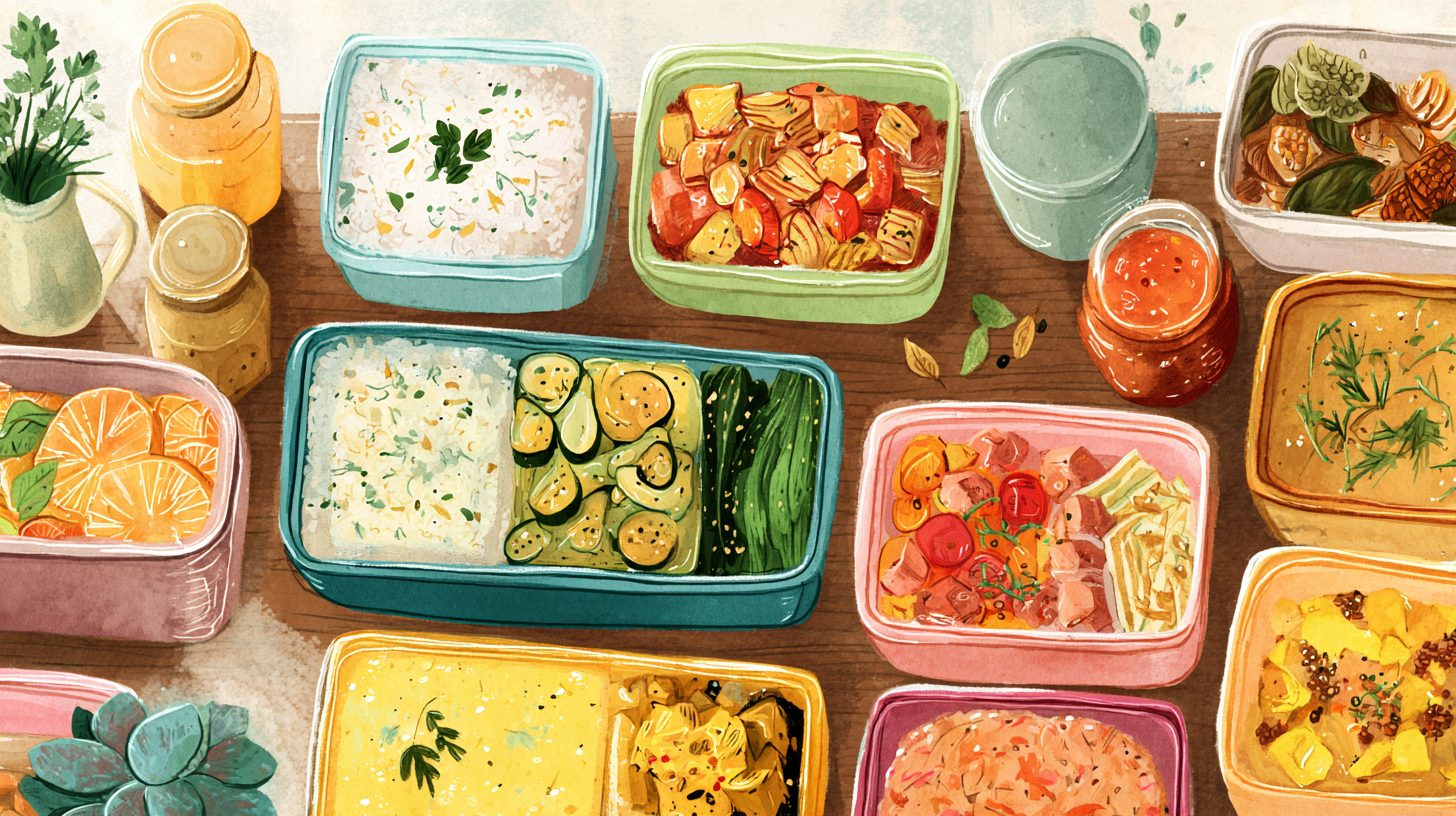
Proper storage isn’t optional—it’s the backbone of the entire system. Invest in uniform, stackable containers. Glass is ideal for reheating and avoiding plastic chemicals, but quality BPA-free plastic works if budget or space is tight. Choose containers that nest when empty and stack neatly when full. Aim for a mix of sizes: small ones for sauces and single portions, medium for individual meals, large for family-style servings.
Storage Safety Check: What’s the Maximum Safe Time?
How long can cooked chicken safely stay in the refrigerator?
Label everything with both contents and date. Use masking tape and permanent marker, or invest in reusable labels. A simple “Chicken Curry – Eat by 11/26” saves you from sniff tests and guesswork. Implement a first-in, first-out rotation: newer items go to the back, older items come forward. Store ready-to-eat meals at eye level in the fridge where they’re impossible to ignore, and keep raw components or freezer-bound items lower or in designated zones.
Food safety is critical here. Improper cooling, storage, or reheating increases the risk of bacterial growth, especially for cooked rice, meats, and mixed dishes. Cool foods rapidly by spreading them in shallow containers—never leave a deep pot of soup to cool slowly on the counter. Get everything into the fridge within two hours of cooking. Refrigerate at 40°F (4°C) or below, and freeze at 0°F (-18°C) or below. Most cooked foods last 3-4 days refrigerated, but 2-3 months frozen.
Texture and flavor preservation matter too. Fried foods and delicate vegetables don’t batch well, but hearty stews, braises, grain dishes, and roasted proteins thrive. Items like curry actually improve after a day as flavors meld. Save fresh herbs, crunchy toppings, and salad components to add day-of, transforming “leftovers” into intentional, vibrant meals.
Reheating Techniques for Restaurant-Quality Results
This is the difference between eating like you’re tolerating leftovers and eating like you planned something delicious. Most people nuke everything in the microwave on high and wonder why dinner tastes like cardboard. Reheating is a skill, and mastering it elevates your entire batch system.
For grains and rice, add a splash of water or broth before reheating—this creates steam that rehydrates and fluffs the grains instead of drying them out. Microwave works fine here (cover with a damp paper towel), but stovetop in a pan with a bit of liquid is even better. For proteins like chicken, fish, or beef, gentle oven reheating at 300-325°F preserves moisture far better than high microwave heat. Wrap in foil, add a drizzle of broth or sauce, and warm until just heated through.
Match the Food to the Best Reheating Method
Click on a food item to reveal its optimal reheating technique:
Soups and stews are forgiving—stovetop on medium heat, stirring occasionally, is ideal. Add fresh herbs or a squeeze of lime at the end to brighten flavors that may have dulled. For anything that should be crispy (roasted vegetables, proteins with skin), use the oven or an air fryer. Microwaving turns crispy into soggy every time. A quick 5-minute blast in a 400°F oven or air fryer revives that beautiful caramelization.
Never reheat more than once. Each heat cycle degrades quality and increases food safety risks. Portion items before storing so you only reheat what you’ll eat. And remember: reheating doesn’t mean serving the exact same meal twice. Monday’s shredded chicken becomes Tuesday’s tacos, Wednesday’s grain bowl topper, and Thursday’s soup addition. That’s not repetition—that’s strategic variety.
Maintaining Quality and Variety
The biggest criticism of batch cooking? “I’ll get bored eating the same thing all week.” But that’s a failure of imagination, not a failure of the system. Batch cooking done right is about components, not complete meals. You’re not eating chicken and rice five days in a row; you’re using chicken five different ways.
Think of your batch-cooked components as a flavor library. Roasted chicken becomes shredded for tacos, sliced for grain bowls, diced for stir-fry, or simmered in broth for soup. The same pot of black beans transforms into burrito filling, soup base, salad topper, or mashed into a dip. Cook once, remix endlessly.
From One Ingredient, Five Meals
Click any base ingredient to see how it transforms throughout the week:
Rotate your flavor profiles weekly. One week might be Caribbean-inspired—coconut rice, jerk-seasoned chicken, stewed beans with thyme and scotch bonnet. The next week, go Mediterranean with lemon-herb chicken, quinoa, roasted vegetables with za’atar. The third week, lean into Mexican flavors with cumin-spiced proteins, cilantro-lime rice, and charred vegetables. This rotation keeps your palate engaged while your effort stays minimal.
Social media has become an unexpected goldmine for variety inspiration. Influencers like Budget Bytes, Pick Up Limes, and Fit Couple Cooks showcase weekly batch routines with rotating themes, storage hacks, and mix-and-match strategies. These aren’t just pretty photos—they’re blueprints you can adapt to your family’s preferences and budget. The visual nature of platforms like Instagram and TikTok makes it easy to see how one Sunday session yields an entire week of distinct, appealing meals.
For families with young children, this is where batch cooking intersects beautifully with introducing diverse flavors early. You can prepare batches of culturally rich components—like the Stewed Peas Comfort or Sweet Potato & Callaloo Rundown from a Caribbean-inspired recipe collection—then scale portions appropriately for babies, toddlers, and adults. The same batch of seasoned beans that babies eat mashed becomes a taco filling for older kids and a salad topper for parents.
Common Challenges and Real Solutions
Let’s address the elephant in the room: batch cooking requires an upfront time investment that feels impossible when you’re already drowning. Carving out 2-4 hours on a weekend sounds laughable to parents juggling soccer games, laundry mountains, and the basic need for sleep.
Here’s the truth: you don’t have to go all-in immediately. Start with one component. Just batch cook rice this Sunday—enough for three dinners. Next weekend, add a protein. The following weekend, add vegetables. Build the system incrementally rather than attempting a perfect transformation overnight. Even small batch efforts compound: cooking rice once instead of three times saves 20 minutes across those three meals, plus the mental energy of three separate decisions.
For households without adequate freezer space or storage containers, start small and strategic. Prioritize refrigerated batches for the week ahead rather than month-long freezer stockpiles. A dozen quality containers can support a functional system for a family of four. And if budget is tight, remember that batch cooking itself saves money—less takeout, less food waste, and bulk ingredient purchases at lower per-unit costs quickly offset container investments.
The texture concern is valid: not everything batches well. Delicate fish, crispy fried foods, and fresh salads don’t love advance prep. The solution is embracing what does work—braises, curries, grain dishes, roasted proteins, sturdy vegetables—and reserving quick-cook delicate items for the occasional fresh meal. Nobody’s suggesting you eat reheated salmon seven days straight. But a pot of curry that tastes better on day three? That’s the sweet spot.
There’s also a tension between DIY batch cooking and ultra-processed convenience foods. Public health research increasingly warns about rising consumption of ultra-processed ready meals, especially in children’s diets, linking this trend to long-term health impacts. Some “batch cooking” systems simply repackage convenience foods—frozen chicken nuggets, instant sides, pre-made sauces. While pragmatic, this misses the health and cost benefits of cooking from minimally processed ingredients. The goal is realistic convenience without sacrificing nutrition—batch cooking real food, not just organizing purchased processed food differently.
Expert Insights and What Works
Nutrition researchers consistently link more home cooking time with better diet quality, but they also acknowledge that expecting daily from-scratch meals is unrealistic for most working families. The compromise they recommend? Exactly what batch cooking provides—concentrated cooking sessions that enable regular home meals without nightly stress.
Dietitians increasingly advocate for flexible meal prep systems: pre-cutting vegetables on Sunday, bulk-cooking whole grains, and preparing 2-3 core mix-and-match proteins. This modular approach reduces decision fatigue while maintaining variety and nutrition. Food technologists studying ready-to-cook products note that proper storage and reheating techniques are what separate “good leftovers” from “restaurant-quality reheated meals”—and those techniques are learnable.
Market analysts observe that the explosive growth in meal kit services and prepared meal delivery reflects genuine consumer need. People aren’t abandoning home cooking because they’re lazy; they’re desperately seeking any solution that gives them time back while feeding families well. The opportunity for home batch cooking systems is offering those same benefits—convenience, reduced decision fatigue, varied nutrition—at a fraction of the cost and with complete control over ingredients.
From the social media influencer sphere, successful batch cookers emphasize systems over perfection. They use recurring “prep day” rituals, standardized container sets, clear labeling practices, and weekly rotation themes. Many show their children participating in age-appropriate tasks—washing vegetables, stirring pots, portioning containers—normalizing cooking as a family activity rather than a solo burden. This not only reduces the parent’s workload but builds essential life skills in children from an early age.
The Future of Family Batch Cooking
The trajectory is clear: demand for time-saving, home-based meal solutions will only intensify as more households navigate dual careers, side hustles, and caregiving responsibilities. Commercial meal kit and prepared meal markets are forecasted to show strong growth through 2030-2034, which signals that families are actively seeking solutions—and willing to pay for them.
But the future also holds more integrated ecosystems for DIY batch cooking. Expect app-based planners that generate shopping lists from your selected recipes, create batch-cooking timelines, and even print storage labels. Smart appliances—multi-zone ovens, advanced multi-cookers, refrigerators with inventory tracking—will optimize batch cooking workflows. We may see hybrid models where families bulk-cook certain components while subscribing to targeted meal kits for variety or special occasions.
Sustainability concerns will increasingly intersect with batch cooking. Research shows that structured meal planning and batching can significantly reduce household food waste by using ingredients completely and preventing “forgotten” items from spoiling. As environmental awareness grows, batch cooking will be positioned not just as a time-saver but as an eco-conscious practice—less packaging waste, more efficient energy use, and thoughtful ingredient management.
For families, the opportunity is adopting manageable, modular systems instead of pursuing perfection. You don’t need a Pinterest-perfect fridge or a month’s worth of freezer meals. You need 2-3 reliable theme weeks in rotation, a small set of standardized containers, and the willingness to treat Sunday afternoon cooking as an investment rather than a chore. The system can grow as your comfort grows, incorporating older children’s help, expanding to include more complex dishes, or scaling down during busy seasons.
Calculate Your Batch Cooking Success Potential
Check all that apply to see your readiness score:
Your Path Forward
The beauty of batch cooking mastery isn’t that it’s complicated—it’s that it’s simple enough to actually work. You’re not learning molecular gastronomy or mastering fifty new recipes. You’re learning to think in systems: plan weekly, cook in bulk, store strategically, reheat properly, and remix creatively.
Start this coming weekend. Choose one protein, one grain, and one vegetable. Cook enough for three dinners. Label everything. Eat one portion that night, refrigerate the rest, and see how it feels Tuesday evening when dinner takes ten minutes instead of an hour. That feeling—relief, control, pride—is what builds sustainable systems.
As you gain confidence, expand gradually. Add a soup or sauce. Incorporate freezer storage for portions you won’t eat within three days. Experiment with flavor rotations. Invite your kids into the process, letting them take ownership of simple tasks that build toward real kitchen competence. Before you know it, the system that felt overwhelming becomes automatic, and you’ve reclaimed hours each week to spend on things that actually matter—playing with your children, pursuing hobbies, or simply breathing without the constant hum of “what’s for dinner” anxiety.
For families nurturing young children through diverse flavors and textures, batch cooking becomes even more powerful. You’re not just feeding dinner tonight; you’re building a foundation of food literacy and cultural connection that will serve them for life. When you batch prep components from recipes like Coconut Rice & Red Peas or Plantain Paradise, scaling them from baby-friendly mashes to family meals, you’re teaching your children that good food doesn’t have to be complicated or time-consuming—it just has to be intentional.
If you’re looking for recipe inspiration that bridges baby food with family meals seamlessly, the Caribbean Baby Food Recipe Book offers over 75 recipes designed around ingredients that batch beautifully—sweet potatoes, beans, coconut milk, grains, and aromatic spices. These aren’t just baby purées; they’re foundational components that scale up for batch cooking systems, letting you introduce authentic island flavors while building a practical, time-saving kitchen routine.
The goal isn’t perfection. It’s progress. It’s trading Sunday afternoon Netflix binges for Sunday afternoon investments that pay dividends all week. It’s choosing three hours of focused work over seven nights of scrambling. It’s recognizing that time is the one resource you can’t buy more of—but you can absolutely spend it more wisely.
Batch cooking mastery won’t solve all your problems. But it will solve the daily 5:30 PM panic. It will reduce your grocery bills and your reliance on drive-throughs. It will put nutritious, culturally rich, delicious food on your table with a fraction of the usual stress. And it will give you back the most valuable thing any parent can ask for: time. Time to play, time to rest, time to be present for the moments that actually matter.
So here’s my challenge to you: don’t wait for the perfect moment when life calms down and you magically have extra hours. That moment doesn’t exist. Start messy. Start small. Start this weekend. Because the only thing worse than starting imperfectly is never starting at all—and looking back months from now wishing you had.
The kitchen you want, the evenings you crave, the sanity you’re chasing—they’re all waiting on the other side of that first batch cooking session. All you have to do is show up, start chopping, and trust the system. Your future self will thank you.

Kelley's culinary creations are a fusion of her Caribbean roots and modern nutritional science, resulting in baby-friendly dishes that are both developmentally appropriate and bursting with flavor. Her expertise in oral motor development and texture progression ensures that every recipe supports your little one's feeding milestones while honoring cultural traditions.
Join Kelley on her flavorful journey as she shares treasured family recipes adapted for tiny taste buds, evidence-based feeding guidance, insightful parenting anecdotes, and the joy of celebrating food, culture, and motherhood. Get ready to immerse yourself in the captivating world of Kelley Black and unlock the vibrant flavors of the Caribbean for your growing baby, one nutritious bite at a time.
- The Feeding Revolution: Why Your Everyday Meals Are Changing the World - October 13, 2026
- Your Feeding Story Matters More Than The “Perfect” One Online - October 12, 2026
- Looking Forward: Stepping Into Your Confident Feeding Future - October 11, 2026