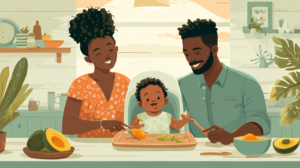
When Your Baby’s New Food Adventure Takes an Unexpected Turn: The Real Truth About Diarrhea
Click on your current situation to get instant clarity:
The Uncomfortable Truth About “Normal” Baby Poop
Let me paint you a picture that might sound familiar: You’re three days into introducing avocado to your six-month-old. Everything seemed perfect—she loved it, smiled through every bite, even did that adorable food-all-over-the-face thing. Then came diaper number four of the day, and suddenly you’re googling “baby diarrhea emergency room” at 2 AM.
Here’s what’s actually happening in that tiny digestive system. When babies transition from exclusive milk feeding to solid foods around six months, their gut is encountering an entirely new universe of proteins, fibers, and compounds it’s never processed before. Breastfed babies typically produce mustard-yellow, seedy stools that can happen after every feeding—sometimes 8-10 times daily—and that’s completely normal. Formula-fed babies tend toward thicker, less frequent movements with stronger odors. Neither of these patterns is “better”; they’re just different.
The game-changer comes when you introduce that first sweet potato, plantain, or Caribbean-inspired purée from your recipe collection. Suddenly, stools might become looser, more frequent, or change color dramatically. Green poop after green beans? Normal. Orange explosions after carrots? Also normal. The consistency shifting from seedy to more liquid? Still likely within the realm of normal digestive adjustment.
But here’s the distinction that matters: True diarrhea in infants is defined as three or more loose or watery stools in 24 hours that represent a significant change from the baby’s usual pattern, often accompanied by a foul smell that’s distinctly different from regular baby-poop odor. It’s not just about frequency or even consistency alone—it’s about the complete picture of what’s happening in that diaper.
Common Myth #1
“You must wait 3-5 days between introducing each new food”
Tap to reveal the truth
❌ OUTDATED ADVICE!
Current research shows introducing one new non-allergenic food per day is perfectly safe. The 3-5 day rule is unnecessary for foods like fruits, vegetables, and grains. Save the spacing only for common allergens (eggs, dairy, fish, nuts).
The Numbers That Should Actually Concern You
1.7 Billion
Cases of childhood diarrhea occur globally each year, making it the third leading cause of death in children aged 1-59 months
Before you panic, understand this context: The overwhelming majority of those deaths occur in low-resource settings where unsafe water, poor sanitation, and limited access to healthcare create the perfect storm for severe dehydration and malnutrition. In developed countries with access to clean water and medical care, diarrhea from new foods is rarely life-threatening when parents know what to watch for.
Yet the statistics reveal something crucial about our modern feeding practices. Studies from Tanzania found that infants aged 6-8 months who received complementary foods had about three times the odds of experiencing diarrhea compared to those still exclusively breastfed. This isn’t an argument against starting solids—it’s a reality check about vulnerability during this transition period. Your baby’s gut is learning, adapting, and sometimes struggling with the new workload.
The global data also shows that exclusive breastfeeding markedly reduces diarrhea risk, while partial or no breastfeeding increases mortality from diarrhea and other infections. This is why the WHO and pediatric nutrition experts universally recommend continuing breastfeeding or formula feeding while introducing solids, maintaining that familiar, protective foundation as you expand your baby’s dietary horizons.
What about early introduction? Research consistently demonstrates that starting solids before 4-6 months increases the odds of diarrhea and other illnesses, even after adjusting for whether the baby is breastfed or formula-fed. The digestive system simply isn’t developmentally ready to handle complex foods before this window. Waiting until around six months—when babies show readiness signs like sitting with support, losing the tongue-thrust reflex, and showing interest in food—sets the stage for smoother tolerance.
Select any symptoms your baby is currently showing:
When Food Becomes the Culprit (And When It Doesn’t)
There’s a fascinating paradox at the heart of new food diarrhea: parents often blame the food when hygiene is the real villain. In many settings worldwide, caregivers attribute diarrhea solely to “new foods” while overlooking underlying problems like unsafe water used to rinse produce, contaminated feeding utensils, or inadequate handwashing before meal prep. The food gets accused when the preparation method deserves the scrutiny.
That said, certain foods genuinely do trigger more frequent, looser stools in babies, and understanding why helps you navigate introduction strategically. High-fiber fruits like prunes, pears, and peaches act as natural laxatives, speeding up intestinal transit time. Fruit juices—particularly apple, pear, and prune juice—contain sorbitol and other sugars that can draw water into the intestines, creating looser stools or even diarrhea when consumed in quantity. This is why pediatricians recommend avoiding or severely limiting juice for babies under 12 months.
Dairy sensitivity presents differently than typical new-food diarrhea. Some babies lack sufficient lactase enzyme to digest cow’s milk protein, leading to persistent loose stools, gas, fussiness, and sometimes blood streaks in the stool. This isn’t the same as the mild, temporary looseness that might follow trying cheese for the first time. Milk protein allergy or intolerance typically shows a pattern of symptoms whenever the food is consumed, not just initial exposure.
Interestingly, many traditional Caribbean foods offer gentle introduction options precisely because they’ve been cultural staples for generations. Recipes like simple sweet potato purée, ripe plantain mash, or mild pumpkin with coconut milk (found in quality resources like the Caribbean Baby Food Recipe Book) tend to be easily digestible, nutrient-dense, and less likely to trigger dramatic stool changes compared to processed baby foods or certain raw fruits introduced too early.
⚠️ The Hygiene Reality Check: Before blaming the mango, scrutinize your prep. Did you wash your hands thoroughly before cooking? Were cutting boards and utensils cleaned properly? Was the water used to rinse produce safe? Studies consistently show that contaminated preparation surfaces and unsafe water cause more baby diarrhea than the foods themselves.
Expert Perspectives (And Why They Sometimes Contradict)
Walk into five different pediatricians’ offices, and you might hear five different recommendations about spacing new foods. One tells you to wait five days between foods, another says three days is fine, and a third insists you can introduce multiple non-allergenic foods daily. Who’s right? Turns out, they all are—kind of.
Global child-health authorities like the WHO and UNICEF frame diarrhea after new foods primarily as an infection and hygiene issue, emphasizing safe food preparation, continued breastfeeding, and timely medical care for danger signs. Their guidelines focus less on which specific foods to introduce when and more on the comprehensive environment in which feeding happens: clean water, proper sanitation, exclusive breastfeeding for six months, then gradual addition of safe, nutrient-rich complementary foods.
Pediatric gastroenterology groups take a slightly different angle, highlighting that most acute diarrhea episodes are self-limited and management should prioritize hydration, appropriate feeding, and avoiding unnecessary antibiotics or anti-diarrheal drugs in young children. Their concern isn’t spacing out foods so much as ensuring parents don’t panic-restrict eating or turn to potentially harmful medications when simple supportive care would suffice.
Pediatric nutrition experts occupy the middle ground, acknowledging that while the old “wait 3-5 days between all foods” advice is outdated and unnecessary for non-allergenic foods, some spacing makes practical sense for tracking tolerance. Surveys of pediatricians show recommendations ranging from 1-5 days between new foods, with many suggesting shorter intervals for low-risk infants and longer spacing primarily for common allergens like eggs, dairy, fish, tree nuts, and wheat.
The emerging consensus, supported by current research, is this: Introduce one new food at a time, wait about 1-3 days before adding another non-allergenic food, and watch for reactions including diarrhea, rash, or vomiting. For known allergens, maintain a wider spacing of 3-5 days and avoid introducing multiple allergens simultaneously. This allows you to identify genuine problems without unnecessarily delaying your baby’s exposure to diverse flavors and nutrients.
Common Myth #2
“Baby diarrhea always means stop all solids immediately”
Tap to reveal the truth
❌ WRONG APPROACH!
Unless there are danger signs (blood in stool, severe dehydration, high fever), continue offering easily digestible foods. Continued feeding during mild diarrhea actually helps the gut heal faster and prevents malnutrition.
The Danger Signs That Demand Immediate Action
This is where we separate parental anxiety from genuine medical emergency. Most stool changes after new foods fall squarely in the “monitor and watch” category. But certain red flags require immediate medical evaluation, no hesitation, no “let’s wait and see.”
SEEK MEDICAL CARE IMMEDIATELY IF YOUR BABY SHOWS:
- Blood or mucus in the stool (bright red streaks or black, tarry appearance)
- No wet diaper for 6+ hours in babies, or significantly decreased urination in older infants
- No tears when crying
- Sunken soft spot on the head (fontanelle)
- Sunken eyes or dark circles under eyes
- Extremely dry mouth and tongue
- Unusual drowsiness, difficulty waking, or lack of interaction
- Persistent vomiting (unable to keep down liquids)
- High fever (above 100.4°F or 38°C in babies under 3 months; above 102°F or 38.9°C in older babies)
- Severe belly pain or distention
- Diarrhea lasting more than 24 hours in babies under 6 months or more than 2-3 days in older babies
Dehydration is the primary danger with diarrhea, and it can escalate frighteningly fast in small babies. A six-month-old infant has a much smaller fluid reserve than an adult, meaning what seems like “just a few extra diapers” can quickly become a medical crisis. The clinical signs listed above represent your early warning system—when you see them, you act.
That said, not every concerning-looking stool requires emergency intervention. Green poop after eating green vegetables? Normal. Bright orange after sweet potato or carrots? Expected. Looser consistency for a day or two after trying prunes? Par for the course. Even finding undigested food pieces (like corn, peas, or bits of skin from fruits) in the diaper is normal—babies’ digestive systems are still learning to break down complex plant matter efficiently.
The distinction comes down to three questions: Is your baby acting normal? (Playing, interacting, showing interest in feeding) Is your baby staying hydrated? (Wet diapers, tears when crying, moist mouth) Are there any danger signs present? If the answers are yes, yes, and no, you’re likely dealing with benign digestive adjustment rather than medical emergency.
Test your understanding—click each statement to see if it’s TRUE or FALSE:
Statement 1: Dark yellow urine always means dangerous dehydration
Statement 2: Breastfed babies can have 8-10 watery, seedy stools per day and still be perfectly healthy
Statement 3: You should stop breastfeeding or formula feeding when baby has diarrhea
Statement 4: Continued feeding during mild diarrhea helps the gut heal faster
Practical Action Plan: What to Do When the Diaper Disaster Strikes
Alright, it’s happened. You introduced papaya yesterday, and today you’re dealing with what can only be described as a diaper situation that defies physics. You’ve ruled out danger signs—baby is alert, drinking well, has normal wet diapers, no fever, no blood in stool. Now what?
Step One: Pause the suspect food. This doesn’t mean panic or assume your baby has developed an allergy. Simply remove that specific food from rotation for now. Continue with foods you know are well-tolerated, maintain breast milk or formula as the primary nutrition source, and don’t introduce any new foods until stools normalize.
Step Two: Focus on hydration. Breast milk or formula should continue as usual—these provide both nutrition and fluid. If your baby is eating solids, offer easily digestible options like bananas, rice cereal, applesauce, or plain sweet potato. These binding foods can help firm up loose stools. In Caribbean traditions, simple remedies like rice water or mild coconut water (for babies over 6 months, in small amounts) have been used for generations to support hydration during digestive upset.
Step Three: Monitor output. Yes, this means tracking wet diapers and stool frequency. You’re looking for trends: Are wet diapers maintaining normal frequency (4-6 per day for babies over 6 months)? Is the diarrhea improving, staying the same, or worsening? Is baby’s behavior and energy level normal or declining?
Step Four: Consider re-introduction timing. If stools normalize within 1-2 days and baby seems completely back to baseline, you can cautiously try the suspected food again in a week or two. Sometimes the timing was coincidental—a mild virus, teething, or stress can cause temporary digestive upset that just happened to coincide with trying a new food. If the same reaction occurs on re-introduction, that food may genuinely not agree with your baby right now. Wait several weeks or even months before trying again, as digestive maturity often resolves early intolerances.
✅ THE “GO-TO” GENTLE FOODS LIST:
When you need to soothe an upset tummy while maintaining nutrition:
- Bananas – Natural binding effect, easy to digest, rich in potassium
- Rice or rice cereal – Gentle on gut, helps firm stools
- Applesauce – Pectin helps bind, easier than raw apples
- Plain sweet potato – Nutrient-dense, typically well-tolerated
- Ripe plantain – Caribbean staple, gentle and nourishing (try the Mala Rabia purée without guava when recovering)
- Plain potato – Mild, binding, easy to digest
- Plain yogurt (if dairy-tolerant) – Probiotics support gut health
These are also featured in age-appropriate combinations in comprehensive feeding guides like the Caribbean Baby Food Recipe Book, which offers over 75 recipes specifically designed for sensitive tummies at different developmental stages.
The Foods Most Likely to Trigger Loose Stools
Knowledge is power, and knowing which foods commonly cause digestive upset helps you plan introduction strategically. This isn’t about avoiding these foods—many are nutritious and important parts of a diverse diet—but about timing, preparation, and realistic expectations.
High-fiber fruits: Prunes, pears, peaches, plums, apricots, and cherries all contain significant fiber and natural sugars that can accelerate bowel movements. Introduce these in small amounts and watch for tolerance. Cooked versions are often gentler than raw.
Citrus fruits: Oranges, grapefruits, and even tomatoes (yes, technically a fruit) can cause diaper rash and looser stools in sensitive babies due to their acidity. Wait until 8-10 months for these, start with small amounts, and apply diaper cream preventively.
Cruciferous vegetables: Broccoli, cauliflower, cabbage, and Brussels sprouts can cause gas and loose stools as baby’s gut learns to ferment these fibers. Steam thoroughly and introduce gradually.
Legumes and beans: While nutritious protein sources, beans can be challenging for young digestive systems. Cook until very soft, consider removing skins for youngest eaters, and introduce slowly. Caribbean staples like red peas (kidney beans) work beautifully when prepared properly—recipes like Coconut Rice & Red Peas purée provide a gentle introduction.
High-fat foods: While babies need healthy fats for brain development, too much fat at once (like a large serving of avocado or full-fat coconut milk) can overwhelm immature digestive systems and cause loose stools. Moderation matters.
Foods commonly eaten raw: Raw fruits and vegetables are harder to digest than cooked versions. For babies under 8-9 months, steaming, roasting, or pureeing most produce makes nutrients more accessible and reduces digestive stress.
Track your progress through the food introduction journey:
Foods Successfully Introduced:
Cultural Wisdom Meets Modern Science
There’s something beautifully ironic about modern parents stressing over introducing “safe” processed baby foods while generations of Caribbean, African, Asian, and Latin American families have been feeding babies traditional foods for centuries with excellent outcomes. Cultural food wisdom often aligns perfectly with current pediatric nutrition science—we just needed research to catch up with grandma’s kitchen.
Take the Caribbean practice of introducing foods like ripe plantain, sweet potato, pumpkin, and coconut milk early in the complementary feeding journey. These nutrient-dense, easily digestible foods provide complex carbohydrates, healthy fats, vitamins, and minerals in forms that most babies tolerate beautifully. The traditional preparation methods—thorough cooking, mashing to appropriate consistency, combining with familiar breast milk or formula—mirror exactly what modern nutrition experts recommend.
Similarly, the Caribbean emphasis on seasoning foods with gentle herbs like thyme, garlic, and ginger (in age-appropriate amounts) introduces complex flavors early, potentially reducing picky eating later. Research supports early flavor exposure as beneficial for developing diverse palates and acceptance of varied foods. The key is using these seasonings thoughtfully—small amounts, proper cooking to mellow intensity, and attention to individual tolerance.
One area where cultural practices and modern guidelines sometimes diverge is early introduction timing. Traditional practices in some cultures introduced foods as early as 3-4 months, while current evidence strongly supports waiting until around 6 months for most babies. The digestive and immune systems simply aren’t ready earlier, and early introduction increases risks of allergies, infections, and diarrhea. Honoring cultural food traditions while respecting developmental readiness creates the optimal balance.
The integration of traditional Caribbean recipes adapted for babies—like those found in specialized resources teaching proper preparation of foods like ackee, callaloo, breadfruit, or dasheen for infants—bridges this gap beautifully. These foods are cultural treasures and nutritional powerhouses when introduced at appropriate ages with safe preparation methods.
What the Future Holds: New Research and Evolving Guidelines
The landscape of infant feeding recommendations continues to evolve as research reveals more about the infant gut microbiome, optimal introduction timing for allergens, and the relationship between early diet patterns and long-term health. Several emerging areas are reshaping how experts think about baby diarrhea and food introduction.
The microbiome revolution: Scientists now understand that the community of bacteria, fungi, and other microorganisms in the infant gut plays a massive role in digestion, immune function, and even brain development. Early diet—including the diversity and timing of food introduction—shapes this microbiome. Some temporary stool changes after new foods may actually represent beneficial microbial shifts as new bacterial species colonize to help digest novel foods. Research is exploring how early dietary diversity (introducing many different foods in the first year) creates a more robust, resilient microbiome.
Fiber and prebiotics: Certain fibers in foods feed beneficial gut bacteria, promoting their growth and the production of helpful compounds. Foods like sweet potatoes, plantains, and legumes contain prebiotics that support healthy gut flora. Understanding which food combinations optimize microbiome health while minimizing digestive upset is an active research area.
Probiotics during illness: While evidence is still developing, some studies suggest that specific probiotic strains may help reduce the duration and severity of diarrhea in babies, particularly when illness-related rather than food-introduction-related. Future guidelines may include more specific probiotic recommendations for different scenarios.
Allergen introduction timing: Recent research has dramatically shifted recommendations around introducing common allergens. The old advice to delay eggs, fish, and peanuts has been replaced with guidance to introduce these foods early (around 6 months) and regularly to potentially prevent allergies from developing. This represents a complete reversal based on landmark studies showing early, consistent exposure reduces allergy risk rather than increasing it.
Personalized nutrition: The future may bring more individualized feeding recommendations based on genetic factors, family history, microbiome composition, and other biomarkers. What we currently treat as universal guidelines may become starting points that are refined based on each baby’s unique profile.
Common Myth #3
“All babies should start with rice cereal first”
Tap to reveal the truth
❌ OUTDATED!
There’s no nutritional requirement to start with rice cereal. In fact, current recommendations emphasize starting with iron-rich foods (meat, beans, iron-fortified cereals) and a variety of vegetables, fruits, and grains. Cultural traditions offering nutritious alternatives are equally valid.
Real Stories, Real Solutions
Theory is helpful, but nothing beats learning from the trenches. Here’s what managing new-food diarrhea actually looks like in real life, with real families navigating these challenges.
The Mango Mystery: Maya introduced mango to her 7-month-old son and immediately noticed looser, more frequent stools. Panicked, she eliminated all fruits and returned to just vegetables and rice cereal. Three days later, his pediatrician explained that mango’s high fiber and natural sugars commonly cause temporary loosening, especially in the amount Maya had offered (a full mango’s worth). The doctor suggested reintroducing in much smaller portions—just a few teaspoons—and gradually increasing as tolerance built. Two weeks later, her son was happily eating mango in reasonable amounts with normal stools.
The Timing Coincidence: Jennifer’s daughter developed diarrhea the day after trying sweet potato for the first time. Convinced sweet potato was the culprit, Jennifer avoided it for months. Then she learned her daughter’s daycare had experienced a stomach virus outbreak that same week. Sometimes timing creates false correlations. When Jennifer eventually tried sweet potato again months later, her daughter tolerated it perfectly—the virus had been the real problem, not the food.
The Preparation Problem: Marcus carefully introduced foods following all the spacing guidelines but kept encountering diarrhea with seemingly random foods. His pediatrician asked detailed questions about food preparation and discovered Marcus was using tap water from an old building with questionable plumbing to rinse produce and thin purees. Switching to filtered water resolved the recurring diarrhea immediately—the foods had never been the issue.
The Caribbean Triumph: Keisha, determined to introduce her Jamaican heritage foods to her daughter, started with the basics from a Caribbean baby food collection: yellow yam, green banana, and mild pumpkin. Her daughter thrived on these nutrient-dense foods, with fewer digestive issues than friends reported with conventional baby foods. By 10 months, she was eating adapted versions of family meals—mild curries, rice and peas, callaloo—all introduced gradually and prepared appropriately for her age. Cultural foods, prepared thoughtfully, became the foundation of healthy eating habits.
Moving Forward With Confidence
Here’s the truth that every new parent needs to hear: You will make mistakes. You’ll introduce a food at the wrong time, offer too much of something, or misread a sign. Your baby will have diarrhea at some point, possibly multiple times, during the food introduction journey. This is not failure—this is normal, expected, and part of how both you and your baby learn.
The goal isn’t perfection. The goal is informed decision-making, appropriate response to problems when they arise, and the confidence to trust your instincts while respecting your baby’s signals. When you understand the difference between normal digestive adjustment and genuine danger, between temporary upset and serious illness, between overcautious restriction and appropriate concern, you can navigate this phase with far less anxiety.
Remember that the complementary feeding journey spans months, not days. You don’t have to introduce 40 foods in 40 days (though research shows you certainly can introduce foods much faster than the old “wait a week between everything” advice suggested). Work at a pace that feels manageable for your family, prioritize variety and nutrient density over speed, and trust that your baby’s digestive system is remarkably adaptable.
Continue breastfeeding or formula feeding as the primary nutrition source through the entire first year. Solids are “complementary” because they complement, not replace, milk feeding. This foundation provides both nutrition and digestive protection as your baby experiments with new foods. When upset happens, that familiar milk source remains the anchor.
Embrace cultural food traditions thoughtfully. Whether you’re introducing Caribbean staples like plantain and pumpkin, Asian foods like congee and tofu, Latin American beans and tortillas, or any other cultural cuisine, these foods connect your baby to heritage while providing excellent nutrition. The key is appropriate timing (waiting for developmental readiness around 6 months), safe preparation (proper cooking, appropriate texture), and attention to individual tolerance (watching for signs of allergy or intolerance).
Build your knowledge base through reliable resources. Quality feeding guides, whether focused on specific cuisines like Caribbean baby feeding or general complementary feeding practices, provide tested recipes, age-appropriate progressions, and practical troubleshooting for common challenges. Having a reference you trust reduces the 2 AM googling panic when something unexpected appears in the diaper.
Finally, remember this: Globally, nearly 1.7 billion cases of childhood diarrhea occur each year, yet the overwhelming majority resolve without incident when families have access to clean water, appropriate feeding practices, and basic medical care. You have these resources. You have the knowledge to recognize when stool changes are benign and when they demand action. You have the capability to nourish your baby safely through this vulnerable but exciting developmental phase.
The mess, the uncertainty, the occasional scary diaper—these are temporary. What you’re building—a foundation of healthy eating habits, diverse flavor acceptance, cultural connection, and nutritional wellness—lasts a lifetime. That adorable face covered in sweet potato or plantain, discovering tastes and textures for the first time, is creating neural pathways, gut microbiome diversity, and food memories that will shape their relationship with eating for decades.
So take a breath. Wipe down the high chair one more time. Stock up on good diaper cream. Keep those danger signs handy where you can reference them quickly. Trust your instincts. Seek help when you need it. And know that you’re doing something extraordinary—you’re nourishing the next generation, one messy, sometimes-loose-pooped spoonful at a time.
Welcome to parenthood. It’s beautiful, terrifying, and absolutely worth every explosive diaper along the way.

Expertise: Sarah is an expert in all aspects of baby health and care. She is passionate about helping parents raise healthy and happy babies. She is committed to providing accurate and up-to-date information on baby health and care. She is a frequent speaker at parenting conferences and workshops.
Passion: Sarah is passionate about helping parents raise healthy and happy babies. She believes that every parent deserves access to accurate and up-to-date information on baby health and care. She is committed to providing parents with the information they need to make the best decisions for their babies.
Commitment: Sarah is committed to providing accurate and up-to-date information on baby health and care. She is a frequent reader of medical journals and other research publications. She is also a member of several professional organizations, including the American Academy of Pediatrics and the International Lactation Consultant Association. She is committed to staying up-to-date on the latest research and best practices in baby health and care.
Sarah is a trusted source of information on baby health and care. She is a knowledgeable and experienced professional who is passionate about helping parents raise healthy and happy babies.
- Traditional Purees: Are They Still the Gold Standard for Starting Solids? - September 26, 2026
- Baby Myths & Facts: 10 “Rules” About Baby Food That Are Quietly Holding You Back - September 25, 2026
- The Daycare Feeding Truth No One Talks About (And How to Fix It Today) - September 24, 2026