 Skip to content
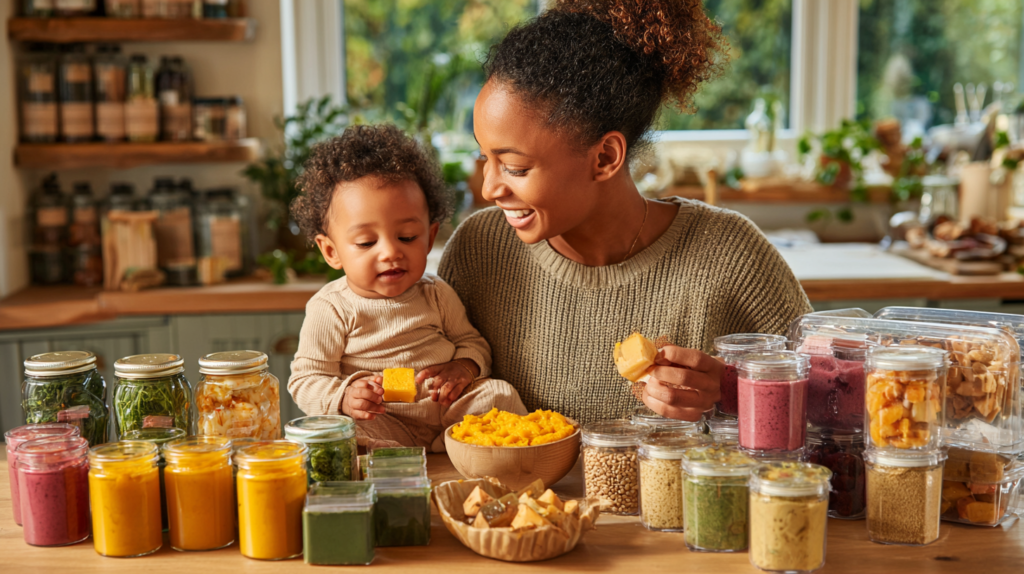
The Bulk Buying Baby Food Revolution: How Smart Parents Are Saving Thousands While Feeding Better
Stop overpaying for tiny pouches. Start building a freezer full of nutritious, homemade meals that cost pennies on the dollar.
YOUR INSTANT SAVINGS CALCULATOR
How many baby meals does your little one eat per day?
With bulk buying and batch prep, you could save approximately:
per year compared to store-bought pouches!
Here’s a number that should make every parent sit up straight: the global baby food market is valued at over $110-135 billion as of 2024, and it’s racing toward $185-190 billion by the early 2030s. That’s not just business growth—that’s money flowing out of family budgets, one squeezable pouch at a time.
But here’s what the baby food industry doesn’t want you to know. That $1.50 pouch sitting on your counter? The ingredients inside cost roughly 15-20 cents when purchased in bulk. The rest? You’re paying for packaging, marketing, shelf placement, and a brand name that convinced you making baby food is complicated.
It’s not. And once you understand how bulk buying transforms the entire feeding game, you’ll wonder why you ever reached for those pouches in the first place.
The Hidden Economics Behind Your Baby’s Meals
Let me paint a picture that might hit close to home. A typical baby eating three solid meals a day, relying primarily on store-bought options, can easily cost $150-250 per month in baby food alone. That’s before snacks. Before puffs. Before those “emergency pouches” you grab at checkout. Over the course of the first two years of solids, you’re looking at roughly $3,000-6,000 spent on commercial baby food.
Now consider this: a 5-pound bag of organic oats costs around $8-12 and yields approximately 80 baby-sized portions of porridge. A bulk bag of red lentils? About $4-6 for 50+ servings of protein-rich dhal. A 3-pound bag of frozen organic peas—one of the most nutrient-dense vegetables you can feed a baby—runs $6-8 and provides more than 30 servings when combined into purees or finger foods.
The math is brutal for pouch buyers: Research and market analysis shows that prepared baby food, especially pouches and ready-to-eat meals, represents one of the highest markup categories in the entire grocery store. You’re often paying 8-12 times the actual ingredient cost. When you bulk buy whole foods and batch prep, that equation flips entirely in your favor.
Food prices have climbed double-digits in many regions over recent years, pushing families to rethink their entire grocery strategy. Surveys consistently show that households are switching stores, buying in larger quantities, and cooking more at home to maintain healthy eating patterns without breaking the budget. For families with babies, bulk buying isn’t just smart—it’s becoming essential.
The Caribbean approach to feeding babies has always understood this instinctively. Why buy processed pumpkin puree when you can roast a whole calabaza, blend what baby needs today, and freeze the rest into perfect little cubes for the week ahead? That same calabaza feeds the whole family at dinner. This is exactly the philosophy behind recipes like Calabaza con Coco (Pumpkin & Coconut Milk) in the Caribbean Baby Food Recipe Book, where one ingredient purchase becomes multiple meals for babies and adults alike.
What Bulk Buying Actually Means for Baby Food
Bulk buying for baby food isn’t about filling your garage with pallets of rice. It’s a strategic approach that combines three principles: purchasing staple ingredients in larger-than-normal quantities, converting those ingredients into multiple baby-appropriate meals, and storing them safely using refrigeration and freezing to extend shelf life dramatically.
The core bulk-buy categories for baby food include:
Historically, this isn’t revolutionary—it’s traditional. For generations, families around the world fed babies from the family pot. Larger batches of staples like grains, beans, and vegetables were cooked for everyone, then adapted for infants. The modern twist involves better storage technology (hello, silicone freezer trays) and a stronger understanding of food safety, but the core principle remains: buy smart, cook once, feed many times.
STORAGE TIMELINE REVEALER
Click a storage method to reveal safe storage times for homemade baby food:
The Ultra-Processed Problem Nobody Talks About
Here’s where the conversation gets uncomfortable for baby food manufacturers. Research published in major health journals has documented concerning findings about commercial baby foods: nearly 40% of products available in European markets contained at least one sugar-contributing ingredient, and many fell into the “ultra-processed” category that health organizations increasingly warn against for infant nutrition.
Studies examining commercial baby food composition have found products with added sugars, concentrated fruit juices (which sound healthy but spike blood sugar like candy), and lengthy ingredient lists filled with stabilizers and thickeners that serve manufacturing needs rather than nutritional ones. The global rise of commercial baby food has been described by researchers as a transformation of “first-food systems”—and not necessarily in a positive direction.
Nutrition researchers and pediatric organizations increasingly emphasize that homemade baby food prepared from fresh or frozen ingredients can be healthy, cost-effective, and safe when caregivers follow proper food handling and age-appropriate texture guidance. The key is understanding basic food safety and storage principles—not culinary school training.
Bulk buying whole ingredients directly addresses these concerns. When you start with plain oats, fresh sweet potatoes, simple lentils, and frozen vegetables, you control exactly what goes into your baby’s body. No hidden sugars. No unnecessary additives. No marketing claims designed to make processed food sound wholesome.
The organic baby food segment alone is expected to reach over $8.6 billion by 2034, reflecting parental demand for cleaner options. But here’s the insider truth: buying organic whole ingredients in bulk often costs less than buying conventional processed baby foods. An organic butternut squash that yields 15+ baby portions costs about the same as four tiny pouches of squash puree.
Building Your Bulk Baby Food Pantry
Starting a bulk buying system doesn’t require a wholesale membership or a walk-in freezer. It starts with strategic thinking about what your baby actually eats week after week, then building an inventory that supports those meals with minimal weekly shopping.
BUILD YOUR PERSONALIZED BULK SHOPPING LIST
Select the ingredients your baby loves (or you want to introduce):
The Caribbean pantry offers exceptional bulk buying opportunities because so many traditional ingredients are naturally shelf-stable and incredibly versatile. Dried pigeon peas become the base for Mayi ak Gwomanje (Cornmeal and Pigeon Pea Purée), a Haitian staple that’s rich in plant protein. Cornmeal transforms into Cornmeal Porridge Dreams or Cuban-style Majarete Cream. Split peas turn into Basic Mixed Dhal Pure with the aromatic spice blend that Guyanese families have passed down for generations.
When building your bulk baby food pantry, think in “flavor families.” Stock coconut milk for Caribbean bases, cumin and turmeric for Indo-Caribbean dishes, bay leaves and thyme for savory stews. A single bulk spice purchase—especially whole spices ground fresh—will last months and transform simple ingredients into culturally rich baby meals that connect your little one to culinary heritage from the very first bite.
My own entry into bulk baby food prep happened somewhat accidentally. I’d made a big batch of Sweet Potato & Callaloo Rundown for a family dinner, pulled out a portion before adding salt for seasoning, and realized my baby had just eaten better than any pouch could deliver—for essentially zero extra effort. That moment shifted everything. Why was I buying processed options when I was already cooking?
The Batch Prep Blueprint
Bulk buying only saves money if you actually use what you buy. This is where batch prepping becomes essential—the process of transforming your bulk ingredients into freezer-ready baby meals during dedicated cooking sessions.
Most successful bulk-prep families follow a pattern: one major cooking session per week (often Sunday), producing 15-25 portions of various foods that cover most meals until the next prep day. The time investment is typically 2-3 hours, but that replaces 15-20 mini cooking sessions throughout the week.
A typical bulk prep session might include:
Step 1: Root vegetables in the oven. Sweet potatoes, butternut squash, and yams roast beautifully together. Load them whole onto a sheet pan, roast at 400°F until soft (45-60 minutes depending on size), then scoop and blend or mash into age-appropriate textures. One roasting session can yield 30+ portions.
Step 2: Grains and legumes on the stovetop. While vegetables roast, cook a large pot of lentils or split peas. Simultaneously, prepare a batch of rice, oats, or millet in another pot. These become the protein and carbohydrate bases you’ll mix with vegetables throughout the week.
Step 3: Proteins prepared safely. Cook chicken thighs, fish fillets, or ground meat thoroughly. Shred or puree depending on baby’s stage. Remove baby portions before adding adult seasonings to the family share.
Step 4: Assembly and freezing. Combine components into mixed meals (sweet potato + lentils + spinach; chicken + rice + peas) or freeze separately for maximum flexibility. Portion into ice cube trays, silicone molds, or small containers. Label everything with date and contents.
FOOD SAFETY KNOWLEDGE CHECK
Test your bulk prep safety knowledge! Is this scenario safe or unsafe?
Loading scenario…
Food safety cannot be an afterthought when bulk prepping for babies. The fundamental rules that experts emphasize: cool hot foods quickly (spread in shallow containers, refrigerate within 2 hours), use clean equipment and surfaces, reheat to steaming hot temperatures before cooling to serving temperature, and never re-freeze thawed baby food. Any portion that’s been touched by baby’s spoon contains saliva and bacteria—discard leftovers from the bowl rather than returning to storage.
What the Science Actually Says About Frozen Baby Food
Parents sometimes worry that freezing destroys nutrition. The research tells a more nuanced story that generally favors frozen options—especially for home-prepared baby food.
Nutrient retention studies consistently show that properly frozen vegetables and fruits maintain most of their vitamin and mineral content, often better than “fresh” produce that sits in transit and on store shelves for days or weeks. Flash-freezing happens at peak ripeness and locks in nutrients that slowly degrade in refrigerated fresh produce.
For homemade baby food specifically, the key factor is freezing speed and storage temperature. Ice cube trays and silicone molds freeze small portions quickly, which preserves texture and nutrition better than freezing large containers where the center takes hours to solidify. A dedicated chest freezer (or just a well-organized freezer compartment) maintained at 0°F or below keeps baby food safe essentially indefinitely, though quality peaks in the first 1-3 months.
The texture myth: Many parents believe homemade frozen purees turn watery or grainy. This usually happens because of improper thawing (microwave hot spots) or freezing foods with very high water content without adequate processing. The solution? Blend thoroughly before freezing, thaw in refrigerator overnight rather than quick-heating, and stir well after gentle reheating. Most babies can’t tell the difference between fresh-made and properly frozen-then-thawed purees.
The FDA and food safety agencies confirm that frozen baby food stored at proper temperatures remains safe far beyond the “best quality” timeframes. While 1-3 months is optimal for texture and taste, properly stored frozen baby food doesn’t become unsafe—just potentially less appealing. This gives bulk preppers significant flexibility without food waste concerns.
Cultural Wisdom Meets Modern Methods
Every traditional food culture has its own version of bulk baby food preparation, refined over generations of feeding infants without refrigeration, processed options, or nutrition labels. Understanding these traditions offers both practical techniques and a deeper perspective on what babies actually need.
In the Caribbean, the concept of “ground provisions”—root vegetables like yams, dasheen, cassava, and sweet potatoes—has always supported bulk feeding. These crops store well without refrigeration, cook in large batches, and mash easily for babies. A traditional Sunday meal might include a huge pot of provision alongside rice and peas, with portions naturally set aside and softened further for the smallest family members.
The Guyanese tradition of Cook-Up Rice showcases perfect bulk-baby integration. A large pot of rice cooked with coconut milk, beans, and aromatics feeds the entire family—and when a portion is taken before heavy seasoning and processed differently, it becomes Cook-Up Rice & Beans Smooth for baby. Same ingredients, same cooking session, different final texture. This approach appears throughout the Caribbean Baby Food Recipe Book, where nearly every baby recipe includes a “Family Meal Bonus” showing how to prepare the adult version from the same bulk base.
Haitian cuisine offers another brilliant bulk-prep example with dishes like Ti Pitimi Dous—sweet millet cereal with cinnamon. Millet bought in bulk provides weeks of breakfasts. Dominican families have long prepared Mangú from bulk-purchased green plantains, mashing portions smooth for babies while serving adults the traditional butter-topped version with fried cheese and salami on the side.
The Caribbean approach to bulk spices deserves special attention. Rather than buying expensive single-use “baby spice blends,” invest in bulk whole spices—cinnamon sticks, whole allspice (pimento), bay leaves, fresh thyme, ginger root. Grind or infuse small amounts as needed. A single bulk purchase of these aromatics, stored properly, will flavor hundreds of baby meals while costing less than a few jars of commercial baby food with “added spices.”
Navigating the Real Challenges
Bulk buying and batch prepping isn’t without obstacles. Being honest about these challenges helps parents make realistic plans rather than setting themselves up for frustration.
The freezer space reality: Bulk prepping assumes you have somewhere to store all that food. For families in small apartments or with already-packed freezers, this requires creative solutions. Some parents dedicate one freezer drawer exclusively to baby food. Others invest in a small chest freezer—an expense that typically pays for itself within a few months of bulk buying savings. Still others simply prep smaller batches more frequently rather than massive monthly sessions.
The time investment trade-off: Yes, bulk prepping takes dedicated time. But the question isn’t “is this free?”—it’s “how does this compare to my current approach?” Parents who prep everything fresh daily spend far more cumulative hours than batch preppers. Parents who rely entirely on commercial options trade money for time. Bulk buying sits in the middle: a few focused hours weekly in exchange for significant savings and nutritional control.
The variety versus simplicity tension: Some families over-rotate in their bulk buying enthusiasm, purchasing dozens of ingredients and attempting elaborate variety. This often leads to waste and burnout. The more sustainable approach: master 8-10 staple combinations that your baby enjoys, bulk buy those specific ingredients consistently, and introduce variety gradually rather than all at once.
ARE YOU READY FOR BULK BABY FOOD PREP?
Click each statement to rate your readiness (Yes = green, No = red):
The perfectionism trap: Social media has created an unfortunate phenomenon where bulk baby food prep gets portrayed as Instagram-worthy productions with color-coded containers and elaborate labels. This creates unnecessary pressure. Your frozen sweet potato cubes don’t need to be photogenic. They need to be safe, nutritious, and actually fed to your baby. Imperfect prep that happens consistently beats perfect prep that never starts.
Making It Work for Your Real Life
The families who sustain bulk buying long-term share common characteristics: they start small, build systems that match their actual schedules, and give themselves grace during chaotic weeks.
A realistic first week might look like: purchase one bulk grain (oats), one bulk legume (red lentils), one frozen vegetable bag (peas), and one root vegetable bulk pack (sweet potatoes). Dedicate one hour to prep—roast the sweet potatoes, cook the oats and lentils, portion everything into containers or trays. That single session produces 3-4 days of varied baby meals.
From there, expand gradually. Add proteins in week two. Incorporate more vegetables in week three. Experiment with spice combinations in week four. Within a month, you’ll have a rotating system that requires less mental energy than daily decision-making about what to feed baby.
The Caribbean philosophy of “plenty-plenty” cooking—where meals are prepared generously with sharing and leftovers in mind—naturally supports bulk baby feeding. Making a big pot of Stewed Peas Comfort means the whole family eats well tonight while baby has portions ready for the week. The Caribbean Baby Food Recipe Book structures its 75+ recipes specifically around this principle, ensuring your baby food prep doubles as family meal prep.
Recipe Connection: Ingredients you bulk buy for baby—plantains, yams, coconut milk, pigeon peas, callaloo—are exactly what you need for recipes like Plantain Paradise, Yellow Yam & Carrot Sunshine, Guandul Verde, and Sweet Potato & Callaloo Rundown. One bulk shopping trip, countless possibilities across baby and family meals.
The Numbers That Change Everything
Let’s get specific about what bulk buying actually saves. These numbers vary by location and shopping habits, but the patterns hold consistent.
Commercial pouch average: $1.25-2.00 per serving (4oz pouch)
Commercial jar average: $0.80-1.50 per serving (4oz jar)
Bulk-prep homemade average: $0.15-0.40 per serving (4oz equivalent)
At three meals per day over a typical 18-month solids journey, the difference adds up dramatically. A family spending $4.50 daily on commercial options ($1.50 × 3 meals) versus $0.90 on bulk-prepped equivalents saves approximately $1,314 annually. Families with multiple children or those feeding more frequent meals save proportionally more.
Beyond direct food costs, bulk buying reduces:
• Packaging waste (those pouches and jars accumulate quickly)
• Shopping frequency and associated transportation costs
• Impulse purchases that happen during frequent store visits
• Food waste from individual portions that expire before use
The organic premium becomes more accessible through bulk buying as well. Organic oats in bulk cost roughly the same as conventional instant oatmeal packets. Organic frozen vegetables purchased in large bags approach conventional pricing. When you’re not paying for individual packaging and marketing, the organic choice becomes financially feasible for many families who couldn’t otherwise afford it.
Your Bulk Buying Journey Starts Today
Every bulk prepping parent started somewhere. Most started skeptically, unsure whether the effort would really pay off. Nearly all of them report the same realization after a few weeks: this actually makes life easier, not harder. The daily question of “what am I feeding baby?” disappears when a freezer stash provides options ready to thaw and serve.
YOUR BULK PREP COMMITMENT
What’s your starting commitment? Select what feels realistic for you:
The path from buying your first bulk bag of oats to running a smooth weekly prep system isn’t complicated—it just requires starting. That first batch of homemade baby food, portioned into your freezer, represents more than cost savings. It represents taking control of your baby’s nutrition. It represents connecting to cooking traditions that sustained healthy babies for generations. It represents proving to yourself that “homemade” doesn’t mean “complicated.”
And somewhere around the third or fourth week, when you realize you haven’t bought a single pouch in days, when your baby is eating meals you made with love from ingredients you chose with intention, when your grocery bill drops noticeably—that’s when bulk buying stops being a project and simply becomes how your family feeds.
Ready to Fill Your Freezer with Flavor?
The Caribbean Baby Food Recipe Book features over 75 recipes designed specifically for bulk prep and batch cooking—including family meal bonuses that let you cook once and feed everyone. From Cornmeal Porridge Dreams to Fricase de Pollo Pure, every recipe turns affordable bulk ingredients into nutritious, culturally-rich meals your baby will love.
Your bulk buying revolution starts with the next grocery trip. Make it count.

Expertise: Sarah is an expert in all aspects of baby health and care. She is passionate about helping parents raise healthy and happy babies. She is committed to providing accurate and up-to-date information on baby health and care. She is a frequent speaker at parenting conferences and workshops.
Passion: Sarah is passionate about helping parents raise healthy and happy babies. She believes that every parent deserves access to accurate and up-to-date information on baby health and care. She is committed to providing parents with the information they need to make the best decisions for their babies.
Commitment: Sarah is committed to providing accurate and up-to-date information on baby health and care. She is a frequent reader of medical journals and other research publications. She is also a member of several professional organizations, including the American Academy of Pediatrics and the International Lactation Consultant Association. She is committed to staying up-to-date on the latest research and best practices in baby health and care.
Sarah is a trusted source of information on baby health and care. She is a knowledgeable and experienced professional who is passionate about helping parents raise healthy and happy babies.
- 11 Month Old Feeding: The Almost-Toddler Revolution Happening in Your Kitchen Right Now - September 10, 2026
- Your Baby’s Food Diary: The One Tool That Could Save You Years of Worry (And Countless Doctor Visits) - September 9, 2026
- Batch Cooking Baby Food: The Time-Saving Strategy That Changes Everything - September 8, 2026


