Soursop for Baby: The Caribbean Truth You Need to Know Before That First Taste
Here’s what nobody tells you at the family cookout: that same soursop your auntie swears cured everything from fever to “bad mind” contains compounds that neuroscientists have been studying for decades—and not for the reasons you’d hope. While your relatives remember soursop as the taste of summer Saturdays and backyard trees heavy with spiky green fruit, researchers have connected chronic consumption of Annonaceae fruits to atypical movement disorders in some Caribbean and Pacific island populations.
I’m not here to shame tradition or make you afraid of your heritage. But after digging through pharmacology reviews, toxicology assessments, and WHO feeding guidelines, I realized we need a conversation that honors both our cultural roots and our babies’ developing brains. Because here’s the truth: you can respect your grandmother’s wisdom and protect your child’s neurology—you just need to know what the science actually says.
What Makes Soursop Different From Other Tropical Fruits
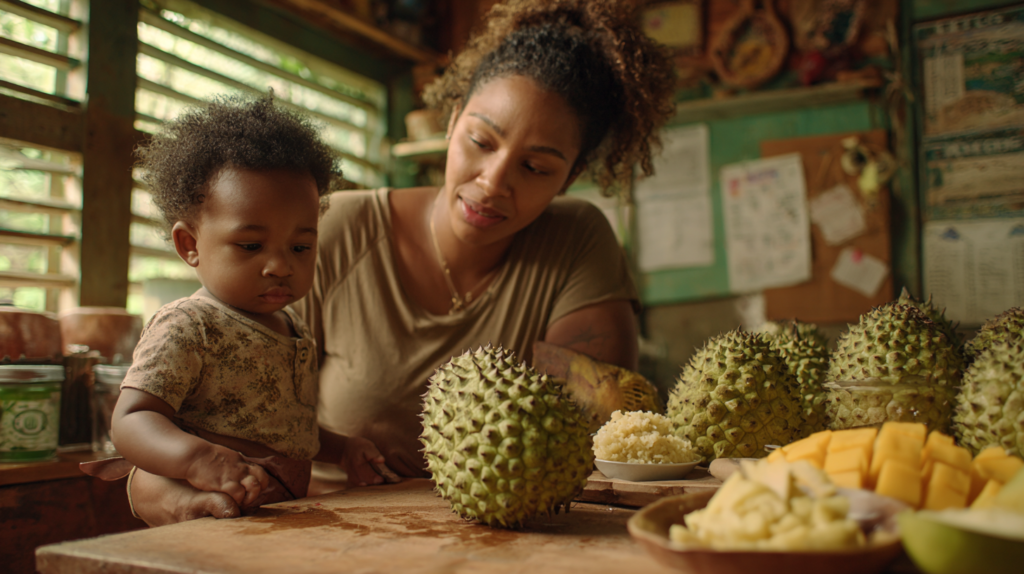
Soursop isn’t just another mango or papaya. This custard-textured fruit—known across the Caribbean as guanábana, corossol, or graviola—belongs to the Annonaceae family, and every part of the plant contains acetogenins, bioactive compounds that can interfere with cellular energy production. The primary acetogenin, annonacin, has been shown in laboratory studies to inhibit mitochondrial complex I, essentially disrupting how neurons generate energy. In high or chronic doses, this mechanism has been linked to neuronal damage in experimental models.
While soursop pulp has less concentrated acetogenins than the leaves, seeds, or bark, it still contains measurable amounts. A 2020 European risk assessment on Annona muricata highlighted substantial uncertainty about safe consumption levels, particularly for vulnerable groups including infants, pregnant women, and people with existing neurological conditions. The assessment concluded that, given current gaps in human dose–response data and known neurotoxic potential, a safe chronic intake level cannot be reliably defined.
This is where the cultural clash happens. For generations, Caribbean families have used soursop medicinally—teas for sleep and anxiety, juice for “cooling” the body, pulp mixed into porridge for sick children. These practices arose from genuine observation and care, but they developed long before we understood mitochondrial toxicology or had epidemiological tools to track long-term neurological outcomes.
Caribbean Feeding Beliefs: Myth or Backed by Science?
The Neurotoxicity Research Nobody Talks About at Family Gatherings
Let me take you to Guadeloupe in the 1990s, where neurologists noticed something troubling: an unusually high rate of atypical Parkinsonism—movement disorders that looked like Parkinson’s disease but didn’t respond to standard treatments and progressed differently. After years of investigation, researchers identified a pattern. Many affected patients had consumed large amounts of Annonaceae fruit products—soursop juice, custard apple, cherimoya—and homemade herbal preparations throughout their lives.
Laboratory follow-up confirmed that annonacin, the main acetogenin in soursop, could reproduce similar neuronal damage in experimental models. One 2012 study calculated annonacin concentrations in pawpaw fruit (a related Annonaceae species) and found levels sufficient to cause neurodegeneration in cell cultures with chronic exposure. The researchers noted that a single fruit could contain annonacin doses comparable to those shown to damage neurons in laboratory settings.
Does this mean one taste of soursop will harm your baby? No. Does it mean soursop should be treated differently than papaya or banana in infant feeding? Absolutely. The key issue is cumulative exposure and vulnerability. An adult occasionally enjoying soursop juice faces different risk than an infant whose nervous system is rapidly developing and who might receive soursop regularly as a “healthy” baby food.
A 2022 pharmacology review in Molecules catalogued soursop’s many traditional uses and experimental effects, but repeatedly emphasized that safety data remain inadequate, particularly for chronic use and for vulnerable populations like young children. The European risk assessment I mentioned earlier went further, stating that the lack of reliable toxicological data, combined with known mechanisms of neurotoxicity, warranted a precautionary approach—especially for pregnant women, nursing mothers, and infants.
Age-by-Age Soursop Guidance for Your Baby
Birth to 6 Months: Exclusive Milk Feeding
Soursop Status: Completely avoid. No soursop fruit, juice, tea, or any preparation should be given to infants in this age range.
Why: WHO guidelines recommend exclusive breastfeeding or formula feeding for the first 6 months. Introducing any complementary foods or drinks—especially those with potential neurotoxicity concerns—before this window provides no benefit and poses unnecessary risk. Even “just a taste” of soursop juice can displace crucial breast milk or formula calories and expose an immature nervous system to acetogenins.
What to focus on instead: Establishing strong milk feeding, whether breast or formula. This is your baby’s complete nutrition and immune protection during this critical developmental period.
6 to 9 Months: Starting Solids—Skip Soursop
Soursop Status: Avoid completely. Focus on well-studied, low-risk first foods from your Caribbean kitchen.
Why: This age marks the introduction of complementary foods alongside continued milk feeding. Babies are just learning to eat, their digestive systems are adapting, and their brains are undergoing rapid myelination and synaptic development. There is no nutritional or cultural need to include soursop during this foundational window.
Safe Caribbean alternatives to build flavor: Mashed ripe banana, steamed and mashed papaya, smooth avocado, cooked and pureed sweet potato, plantain, or pumpkin. Consider simple preparations from the Caribbean Baby Food Recipe Book, like Papaya & Banana Sunshine or Plantain Paradise, which introduce authentic island flavors safely.
9 to 12 Months: Expanding Tastes—Still Hold Off
Soursop Status: Continue to avoid. If family pressure is high, you can acknowledge cultural importance while protecting your child: “We’re waiting until after the first birthday to try special fruits like soursop.”
Why: While babies in this age range can handle more textures and flavors, their neurological development is still extremely rapid. The precautionary principle suggests postponing any food with known neurotoxic compounds until after the first year, especially when plenty of safer options exist.
Expand variety with safer choices: Introduce mango, guava, ripe papaya, coconut-based dishes, mild seasonings, and ground provisions like yam and dasheen. These foods build a strong Caribbean palate without the acetogenin risk. Recipes such as Yellow Yam & Carrot Sunshine and Coconut Rice & Red Peas from trusted Caribbean baby food guides offer nutrient-dense, culturally connected meals.
12+ Months: Careful, Occasional Introduction
Soursop Status: If you choose to introduce soursop, limit it to small, occasional tastes of fresh, fully ripe, meticulously de-seeded pulp—perhaps 1 to 2 teaspoons mixed into yogurt or oatmeal once every few weeks. Avoid all teas, leaf preparations, seeds, and commercial juices or concentrates.
Why: After 12 months, your toddler’s nervous system is more mature, though still developing. Offering soursop rarely and in tiny amounts allows a cultural connection while minimizing cumulative acetogenin exposure. Think of it as a “sometimes food” for special family occasions, not a weekly staple.
Practical approach: Frame it to family as “We let her taste soursop on special days, but her everyday fruits are mango, papaya, and banana.” Use the fresh pulp only—never give soursop seeds (which are toxic) or leaf tea (which has higher acetogenin concentrations). Continue prioritizing breast milk or whole cow’s milk as the main drink, with water as the routine beverage, keeping soursop as an infrequent flavor accent rather than a juice habit.
The Cultural Dilemma: Honoring Tradition Without the Risk
I get it. Food is never just food in Caribbean families—it’s love, it’s memory, it’s identity. When your grandmother tells you that soursop “grew we” and kept her strong as a child, she’s not wrong about her experience. Traditional knowledge developed over centuries of observation and carries deep wisdom about seasonality, preparation, and the spiritual significance of sharing food.
But here’s what our ancestors didn’t have: electron microscopes to study mitochondrial function, epidemiological tools to track neurological outcomes across populations, and the ability to measure bioactive compounds at the molecular level. They also lived in a different food context—soursop was seasonal, eaten fresh from the tree in small amounts when ripe, not processed into daily juice or tea concentrate. The dose and frequency matter immensely when we’re talking about neurotoxic potential.
Respecting your heritage doesn’t mean replicating every practice without question. It means understanding the values behind the practice—nourishment, connection, resilience, joy—and finding ways to honor those values using the best information available today. You’re not rejecting your culture by being cautious with soursop for your baby; you’re protecting your child so they can grow up healthy enough to carry that culture forward.
Test Your Soursop Safety Knowledge
What to Offer Instead: Building a Caribbean Palate Safely
You don’t need soursop to raise a child who loves Caribbean food and feels connected to island heritage. Your baby can taste the tropics through a dozen safer, nutrient-rich options that won’t keep you up at night worrying about neurotoxicity. Let’s talk about what you can offer with confidence.
For early fruit experiences (6+ months): Start with ripe banana, which is naturally sweet, easy to mash, and ubiquitous across the Caribbean. Papaya is another winner—rich in vitamin C, gentle on digestion, and traditionally used for babies across Jamaica, Trinidad, and Guyana. Mango, when ripe and pureed smooth, introduces tropical sweetness without risk. Avocado (or “zaboca” in Trini homes) offers healthy fats crucial for brain development.
For traditional textures and flavors (7-9 months): Cooked and mashed sweet potato, pumpkin (calabaza), or plantain bring starchy satisfaction and connect your baby to the “ground provisions” tradition of Jamaican and other island kitchens. A simple plantain mash or a smooth sweet potato and callaloo blend introduces authentic Caribbean taste combinations. Consider trying recipes like Sweet Potato & Callaloo Rundown or Cornmeal Porridge Dreams, which layer flavors gently while respecting infant digestive readiness.
For expanding variety (10-12 months): Introduce guava, ripe breadfruit (when available), cooked dasheen (taro), and mild seasoning blends using thyme, a touch of garlic, and coconut milk. These ingredients form the backbone of Caribbean home cooking and appear in traditional baby-friendly preparations across islands. Dishes like Coconut Rice & Red Peas or Yellow Yam & Carrot Sunshine offer complete nutrition and cultural resonance without controversy. The Caribbean Baby Food Recipe Book provides over 75 recipes built on these safer staples, designed specifically for babies aged 6 months and up, with ingredient modifications and family meal adaptations so the whole household enjoys island flavors together.
Navigating Family Pressure With Confidence and Grace
Let’s address the elephant in the room: how do you say no to Grandma’s soursop juice without starting a family war? This is where knowing the research becomes your superpower. You’re not being “bougie” or “Americanized” or forgetting where you come from—you’re making an informed choice based on current science, and you can explain it in a way that respects the elder while protecting your child.
Try this approach: “Granny, I love that you’re sharing the foods you grew up with. Soursop is such a special fruit and I have great memories of it too. The thing is, doctors now know that soursop has some strong compounds that can affect babies’ developing brains if they have it regularly. So we’re going to wait until she’s older—maybe around two—before we let her try it. In the meantime, we’re giving her all the other fruits you taught me to love: mango, papaya, banana, and plantain. That way she’s still getting that authentic Caribbean taste.”
Notice what this does: it acknowledges tradition, expresses gratitude, provides a science-based reason without lecturing, sets a clear boundary with a timeline, and offers alternatives that keep the cultural connection alive. Most importantly, it frames your decision as adding to tradition with new information, not rejecting it.
If the pushback continues, you can add: “I read that in some Caribbean countries, researchers found links between too much soursop and neurological problems later in life. I’m not saying it’s poison—I’m just being cautious while her brain is growing so fast. We can all enjoy soursop together when she’s bigger.” Mentioning that the research comes from Caribbean and tropical contexts (Guadeloupe, Hawaii, etc.) helps frame this as insider knowledge, not external judgment.
The Practical Safety Checklist If You Do Choose to Introduce Soursop
Maybe you’ve weighed everything and decided that after your child’s first birthday, you’ll offer an occasional, tiny taste of soursop at a family event. I understand—culture is powerful, and sometimes the emotional cost of completely avoiding a heritage food feels too high. If that’s your choice, here’s how to minimize risk.
Soursop Introduction Safety Protocol
Remember: the goal isn’t perfection or zero risk in life—it’s informed decision-making that balances cultural values with child safety. If your family’s soursop tradition is deeply important and you’ve decided to include it cautiously after 12 months, following these guidelines dramatically reduces the cumulative acetogenin exposure that researchers worry about.
Why “Everyday” Caribbean Fruits Are Actually the Heroes
Here’s a perspective shift: the real Caribbean superfruit story isn’t about soursop’s exotic reputation. It’s about the humble, reliable staples that nourished generations without controversy—papaya, mango, plantain, coconut, breadfruit, sweet potato. These foods are nutritionally stellar, widely available, safe for babies from 6 months onward, and deeply embedded in island food culture.
Caribbean Fruits Compared: Nutrition & Safety for Babies
| Fruit | Key Nutrients | Safety for Babies | Cultural Significance |
|---|---|---|---|
| Papaya | Vitamin C, folate, digestive enzymes, fiber | Excellent—safe from 6 months, easy to digest, rarely allergenic | Traditional weaning food across Caribbean, used for digestive comfort |
| Mango | Vitamin A, vitamin C, fiber, antioxidants | Excellent—safe from 6 months when ripe and pureed; watch for skin contact (urushiol) | Beloved across all islands, symbol of summer and abundance |
| Banana | Potassium, vitamin B6, easily digestible carbs | Excellent—one of the safest first foods, naturally soft and sweet | Staple food, available year-round, used in countless baby and family dishes |
| Plantain | Complex carbs, potassium, vitamin C, resistant starch when green | Excellent—must be cooked; safe from 6 months, versatile in texture | Essential provision, backbone of Caribbean starch intake, used green or ripe |
| Guava | Vitamin C (more than oranges), fiber, antioxidants | Very good—safe from 8-10 months, high fiber may be gassy for some; remove seeds for young babies | Backyard tree fruit, made into jams and drinks, evokes childhood memories |
| Soursop | Vitamin C, B vitamins, some fiber; also contains neurotoxic acetogenins | Caution advised—delay until 12+ months, limit to rare small tastes, avoid leaves/tea/seeds entirely | Medicinal and culinary uses, marketed as “superfruit,” but research shows neurotoxicity concerns |
Notice the pattern? The fruits with zero safety controversy are also the ones that appear most frequently in traditional Caribbean baby feeding—not by accident, but because generations of caregivers observed which foods babies tolerated well and thrived on. That collective wisdom is valuable. Soursop’s role was always more medicinal and occasional than everyday staple, which actually aligns better with modern precautionary guidance than many people realize.
When you fill your baby’s diet with papaya, mango, plantain, and the other tested staples, you’re doing two things at once: giving them optimal nutrition for growth and brain development, and building a palate rooted in authentic Caribbean flavors. By the time they’re old enough for a careful taste of soursop at a family gathering, it’ll be a special moment layered onto an already rich food culture—not a risky gamble with their neurological health.
Moving Forward: Tradition, Science, and Your Baby’s Best Future
At the end of the day, you’re not just feeding your baby—you’re passing down heritage, shaping their relationship with food, and making hundreds of small decisions that add up to their health and happiness. The soursop question sits at the intersection of all of that, which is why it feels so loaded.
But here’s what I want you to take away: you don’t have to choose between honoring your Caribbean roots and protecting your child’s developing brain. The two can coexist beautifully when you’re informed and intentional. Skip soursop in the first year. Fill that time with papaya, mango, banana, plantain, sweet potato, callaloo, coconut rice, and all the other delicious, safe, culturally significant foods that make Caribbean cuisine extraordinary. Use resources like the Caribbean Baby Food Recipe Book to discover dozens of baby-friendly recipes that honor island traditions with modern nutritional wisdom—dishes like Stewed Peas Comfort, Plantain Paradise, and Cornmeal Porridge Dreams that your grandmother would recognize and your baby will thrive on.
When your child is older—after 12 months, ideally closer to 2 years—and you’re at a family cookout where someone’s made fresh soursop juice, you can make a calm, informed choice. Maybe you offer a tiny taste, fully aware that it’s a “sometimes” cultural experience, not a dietary staple. Maybe you decide to wait even longer. Either way, your decision comes from knowledge, not fear or blind adherence to tradition.
And when family members question your choices, you’ll have the confidence to say: “I’m raising her with all the Caribbean flavors I grew up loving—the safe ones she can have every day, and the special ones we’ll introduce carefully when she’s older. I want her to grow up healthy, strong, and proud of her heritage. That’s what you taught me matters most.”
Because in the end, that’s the real tradition worth preserving: the commitment to nourishing our children with wisdom, love, and the very best we have to offer—whether that comes from our grandmothers’ kitchens or from the latest neuroscience research. Your baby deserves both.

Expertise: Sarah is an expert in all aspects of baby health and care. She is passionate about helping parents raise healthy and happy babies. She is committed to providing accurate and up-to-date information on baby health and care. She is a frequent speaker at parenting conferences and workshops.
Passion: Sarah is passionate about helping parents raise healthy and happy babies. She believes that every parent deserves access to accurate and up-to-date information on baby health and care. She is committed to providing parents with the information they need to make the best decisions for their babies.
Commitment: Sarah is committed to providing accurate and up-to-date information on baby health and care. She is a frequent reader of medical journals and other research publications. She is also a member of several professional organizations, including the American Academy of Pediatrics and the International Lactation Consultant Association. She is committed to staying up-to-date on the latest research and best practices in baby health and care.
Sarah is a trusted source of information on baby health and care. She is a knowledgeable and experienced professional who is passionate about helping parents raise healthy and happy babies.
- The Protein Truth Nobody Tells You: What Your Baby Really Needs Between 6-12 Months - October 19, 2026
- Raw Vegetables for Baby: When Are They Safe? - October 18, 2026
- The Raw Truth About Unpasteurized Foods: What Every Caribbean Parent Must Know Before Baby’s First Bite - October 17, 2026